The Story
Plant Bio
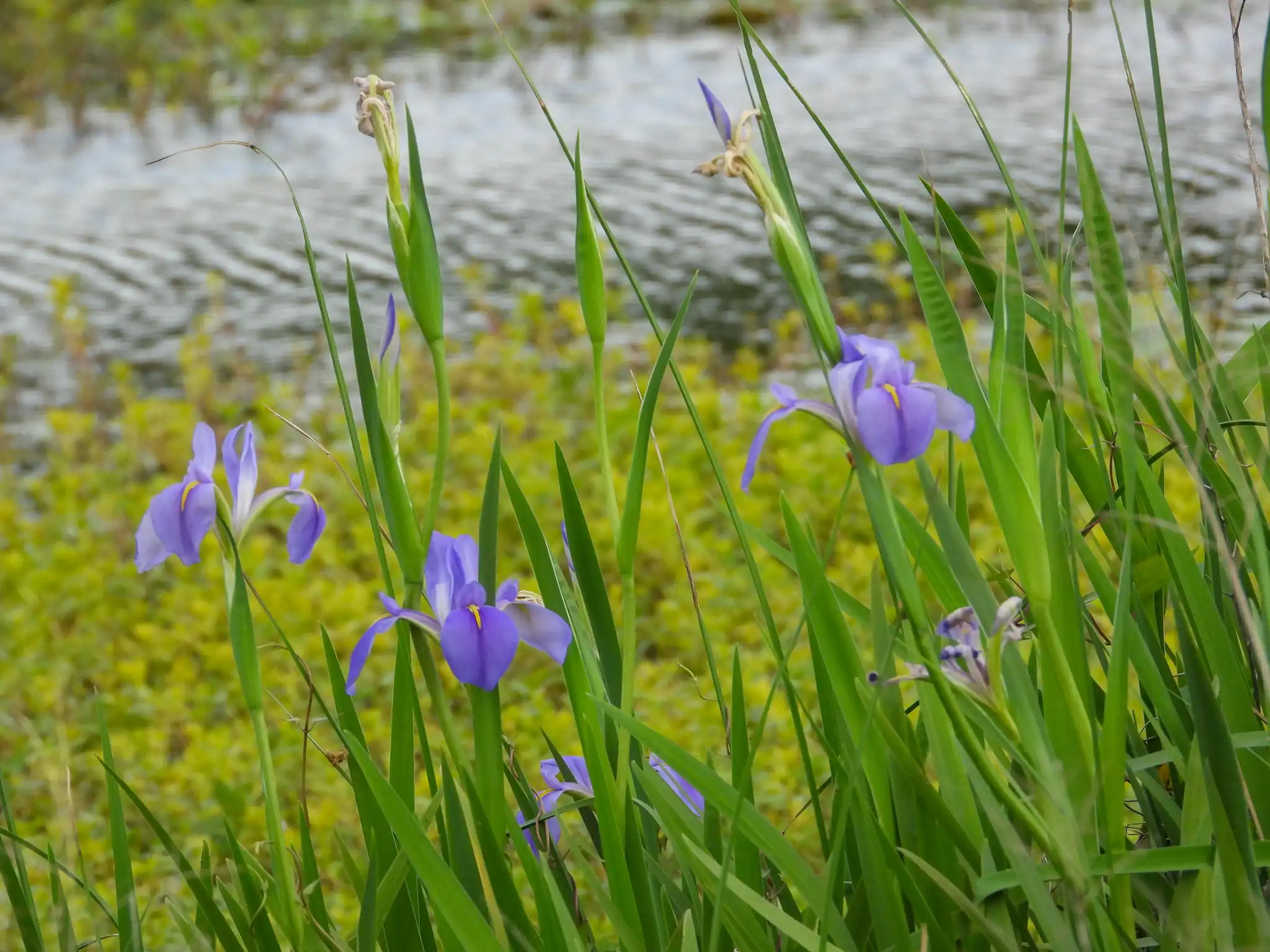
Iris giganticaerulea is a rhizomatous perennial forming erect clumps of bright green sword leaves from thick surface rhizomes. Flower stems rise 3 to 5 feet and branch above, carrying showy terminal blooms built from three upright standards and three spreading falls.
It is the largest of the Louisiana irises, with flowers to 6 inches across in blue to purple, each fall marked by a whitish patch with a yellow center. It is an obligate wetland plant that roots in saturated soil or shallow standing water and stalls where the root zone dries.
Uses & Benefits:
Essentials
At a Glance
Plant Type
Perennial
Height
71"
Width
36"
Light
Full Sun, Partial Sun
Zones
6, 7, 8, 9, 10
Water
High
Humidity
High humidity tolerant
Lifespan
Perennial
Native To
Southeastern U.S. Gulf Coast
Toxicity
Toxic if ingested
Bloom period
Early spring – Spring
In flower about 3 months of the year
Planting
How to Grow
- Plant rhizomes just at or slightly below the soil surface in rich, saturated soil or 2 to 4 inches of shallow standing water.
- Give part shade, or full sun where water covers the roots and mulch holds moisture.
- Keep the root zone constantly wet through summer; do not allow drying between waterings.
- Mulch with pine straw or bark to conserve moisture and suppress weeds.
- Divide congested clumps after flowering and replant divisions immediately without drying.
Pro Tip
Site it where the rhizome stays wet year-round, such as a bog pocket or pond margin, and never let it dry into a conventional dry bed.
Keep It Thriving
Care Guide
Do
- Keep soil saturated or shallowly flooded during active growth
- Provide part shade, or sun only where roots stay wet
- Remove spent flower stems and damaged leaves to improve air flow
Don't
- Do not plant in a dry perennial bed
- Do not let rhizomes dry out in storage or transit
- Do not cut back healthy green foliage during the growing season
Seasonal Care Calendar
| Task | Jan | Feb | Mar | Apr | May | Jun | Jul | Aug | Sep | Oct | Nov | Dec |
|---|---|---|---|---|---|---|---|---|---|---|---|---|
| Divide | ||||||||||||
| Mulch | ||||||||||||
| Pest Check | ||||||||||||
| Plant | ||||||||||||
| Winter Prep |
Watch Out For
Pests & Diseases
Common Pests
Common Diseases
In the Garden
Landscape Uses & Companions
Landscape Uses
Companion Plants
Multiply
Propagation Methods
Good to Know
Common Questions
Giant Blue Iris questions
What zones can Giant Blue Iris grow in?
Giant Blue Iris is hardy in USDA Zones 6–10: in that range it survives winter in the ground. Colder than Zone 6, grow it in a container you can move to shelter for the winter, or as an annual.
When does Giant Blue Iris bloom?
Giant Blue Iris typically blooms in spring. Exact timing shifts a week or two with your zone — Sow's bloom calendar maps it to your garden.
Does Giant Blue Iris need full sun?
Giant Blue Iris does best in full sun to part shade. In hot climates, afternoon shade keeps blooms fresher longer.
More Iris to compare
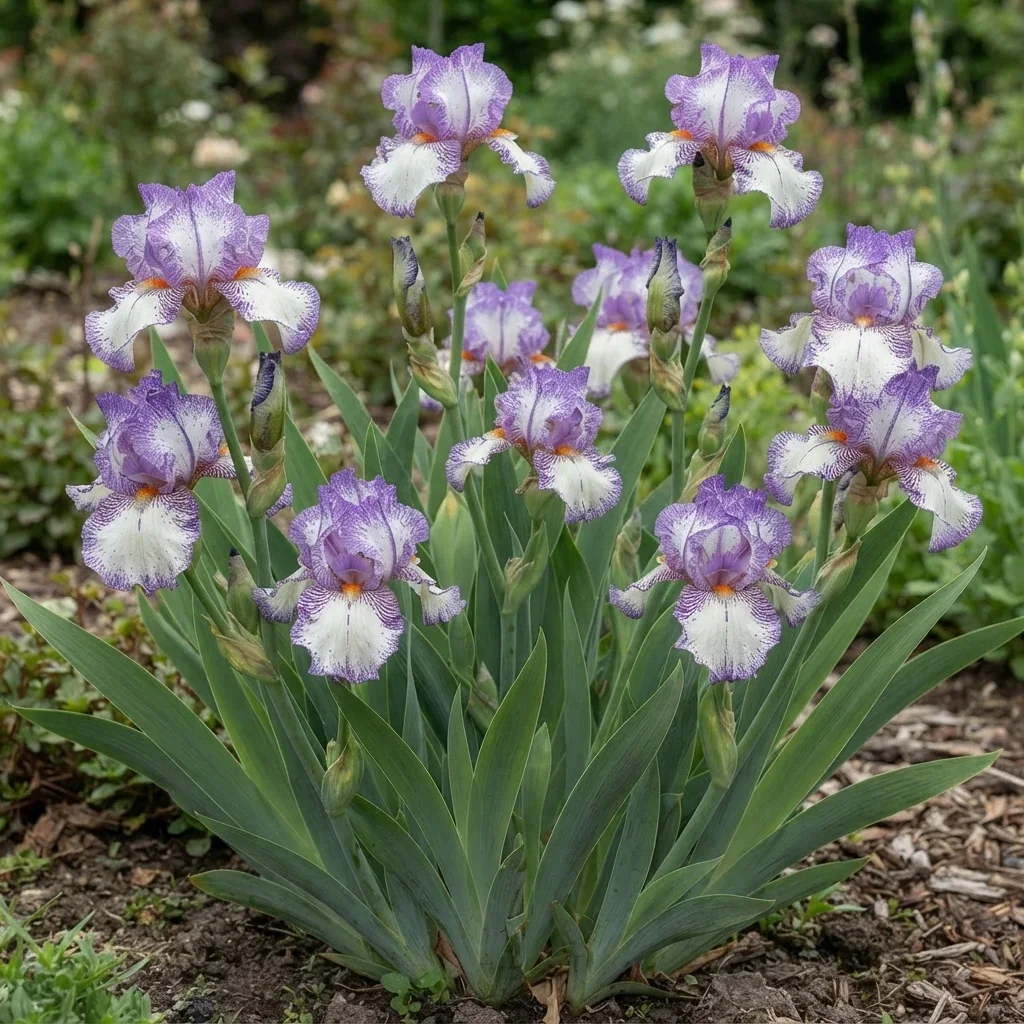
German Iris Bearded Iris
Iris x germanica 'Mix'
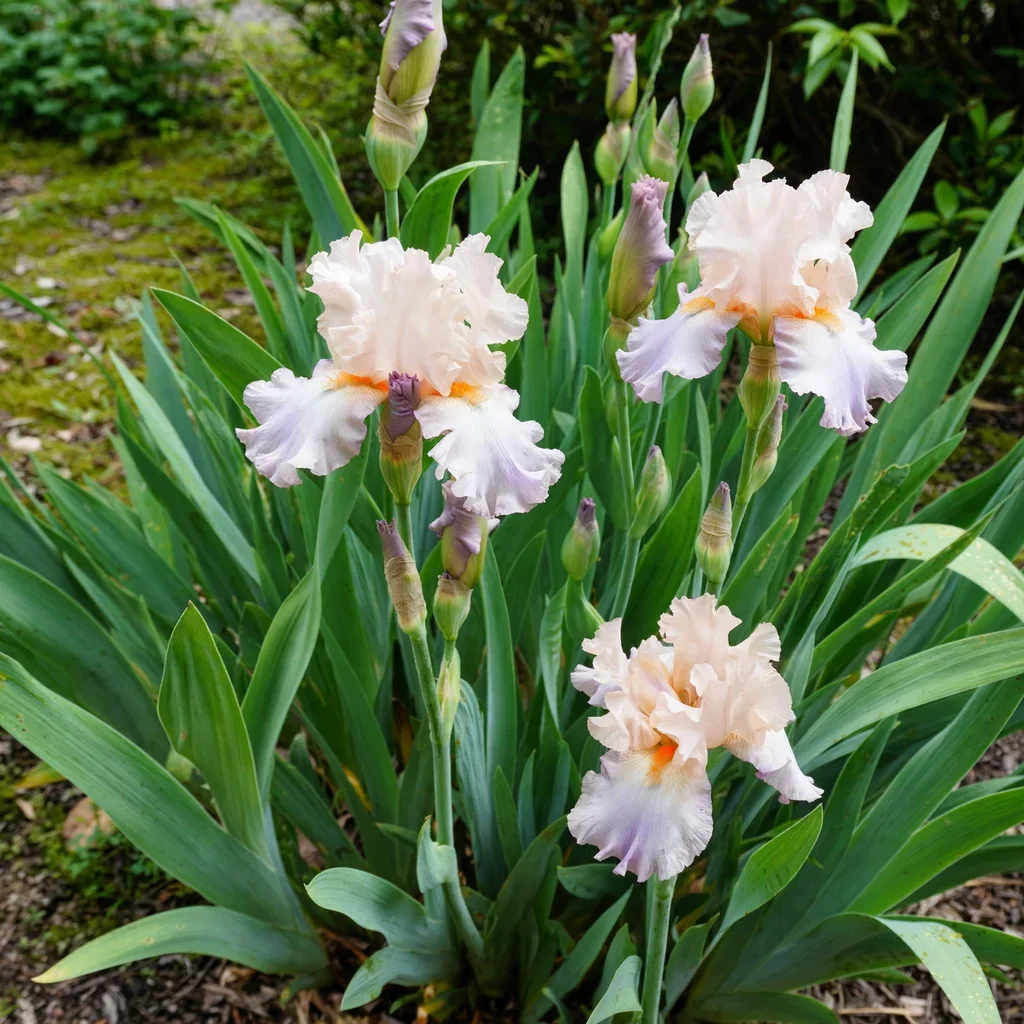
Celebration Song Iris
Iris tenuissima 'Celebration Song'
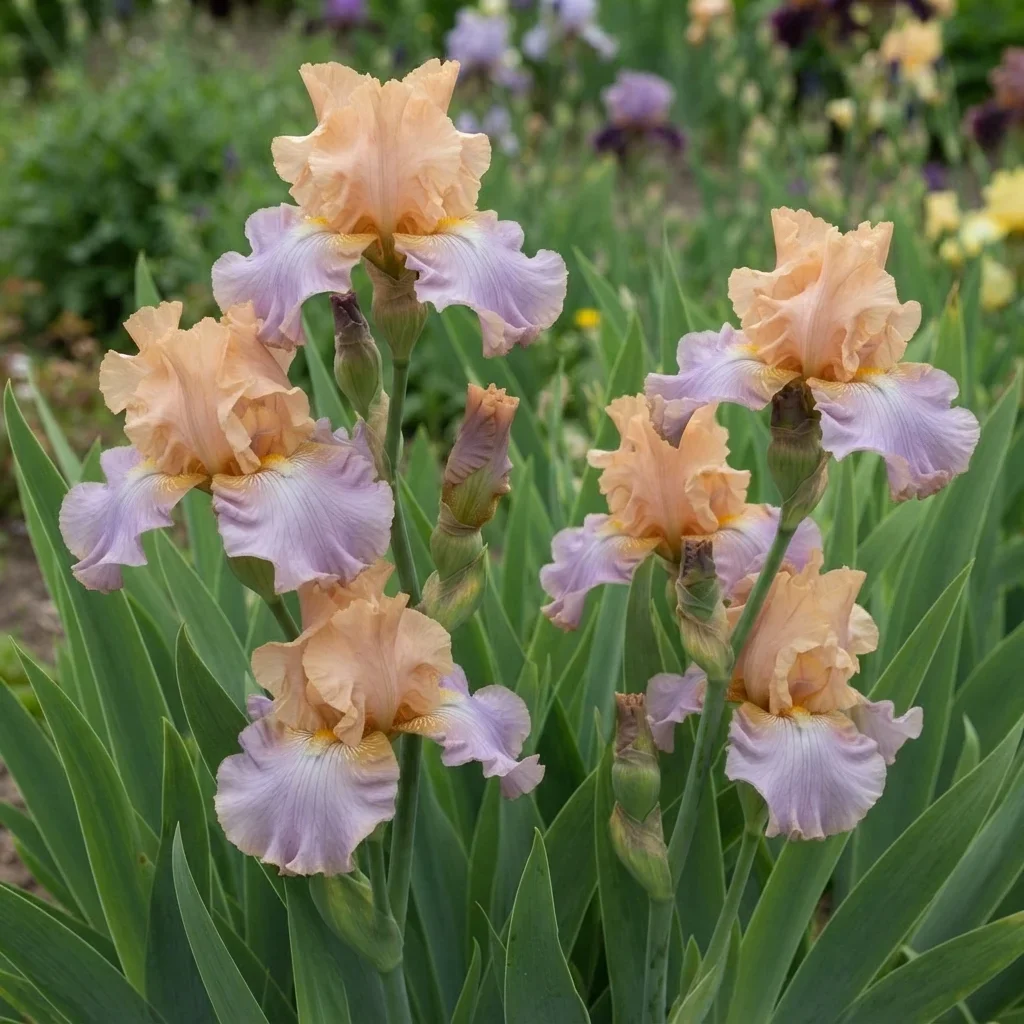
Poem of Ecstasy German Iris
Iris x germanica 'Poem Of Ecstasy'
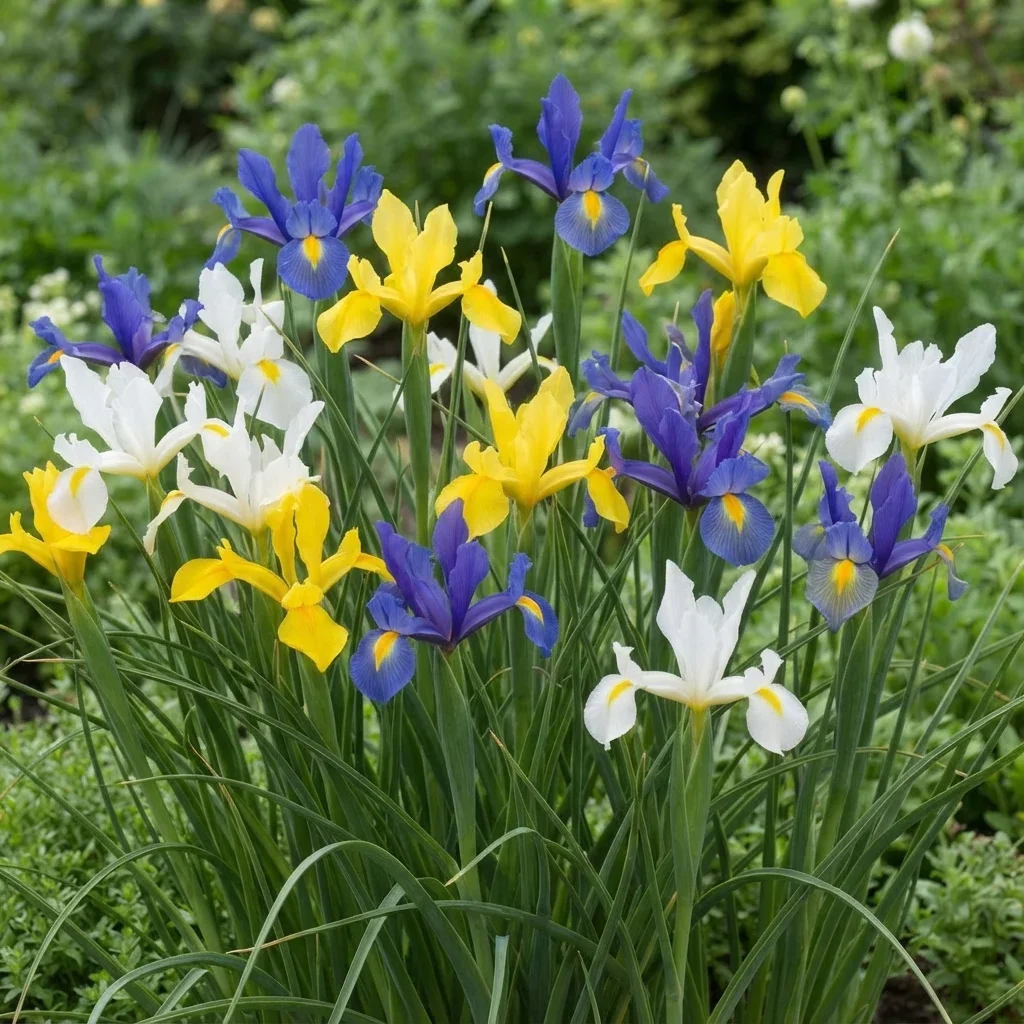
Dutch Iris Mix
Iris x hollandica 'Mix'
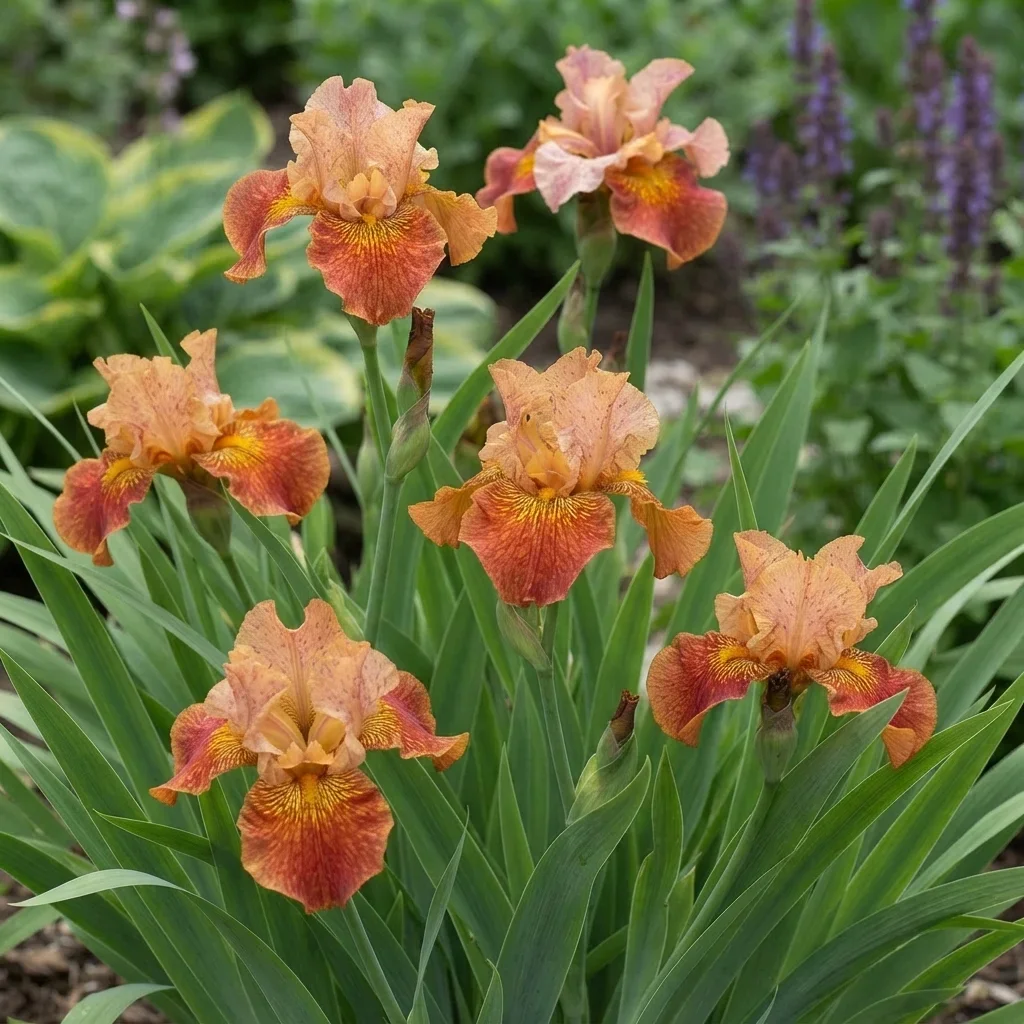
Siberian Iris 'Paprikash'
Iris x hybrida 'Paprikash'
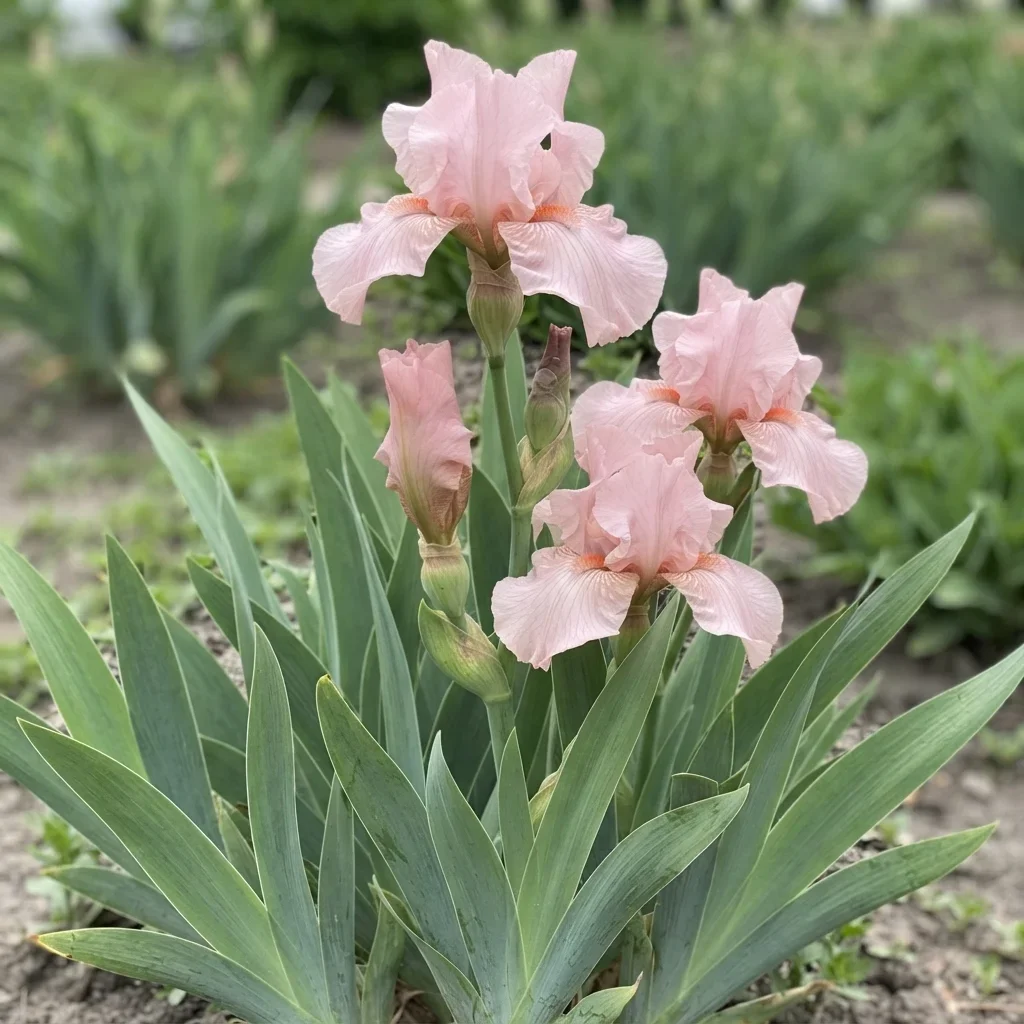
Baboon Bottom Bearded Iris
Iris x germanica 'Baboon Bottom Bearded'
Keep exploring
Explore the genus
Guides
Hardy in your zone?
Grow Giant Blue Iris with confidence
See it in a design of your actual yard, get zone-matched care reminders, and track it season by season in your garden journal.