Zone 9 · winter lows 20°F to 30°F
June garden checklist for Zone 9
Every June job that matters, limited to plants that actually survive Zone 9 winters (20°F to 30°F). Last frost lands around late February.
Plant in June
Sow seeds directly in the garden after the last frost date.


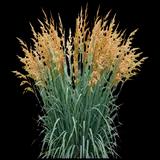
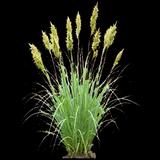
Prune in June
Shear or prune to shape after the spring flush of growth has hardened.
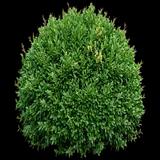


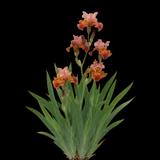
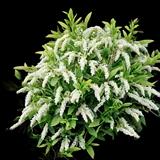


Divide in June
Divide large clumps in late spring if center becomes weak.


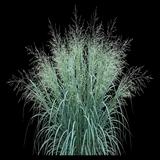
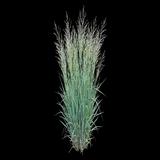
Fertilize in June
Feed with a balanced liquid fertilizer every 4-6 weeks.
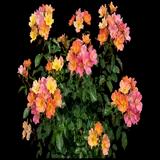
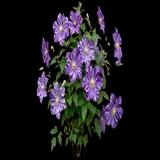


Deadhead in June
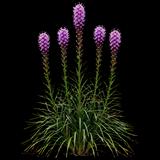
Remove individual spent spikes to maintain a tidy appearance

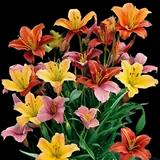
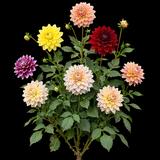
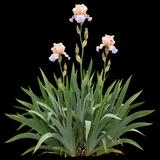
Mulch in June
Apply a 2-3 inch layer of mulch to conserve moisture and suppress weeds.
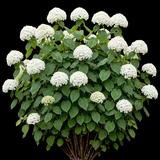


Check for Pests in June
Monitor for bright yellow Oleander Aphids; spray with water if necessary

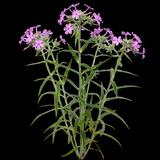

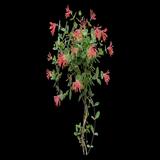
Stake in June
Install tall stakes early to support heavy flower spikes and prevent wind damage.
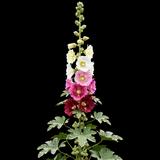
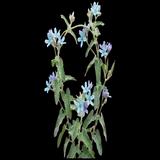

Pinch Tips in June
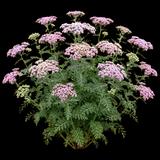
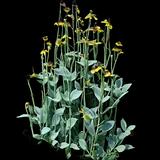
Pinch the central growing tip when plant is 12 inches tall for bushier growth.
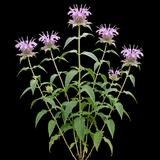

Propagate in June
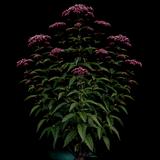
Take softwood cuttings to start new plants


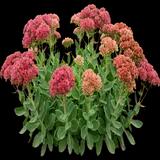

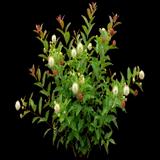
Harvest in June
For cut flowers, harvest as buds show color but before they open. Sear stem ends.

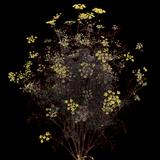
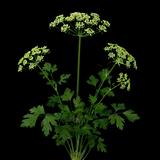


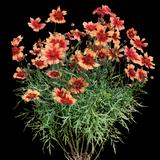
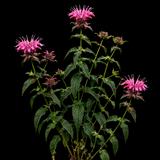

What's blooming in June
In flower around now and hardy in Zone 9.
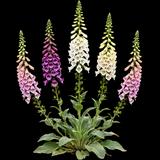
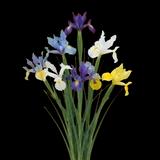

Frost dates and bloom windows are typical ranges, not guarantees — your microclimate moves them by weeks. Sow uses your real local forecast instead.
June questions
What should I be doing in my Zone 9 garden in June?
The jobs that matter most this month are plant, prune, divide, fertilize. Each section above lists the specific plants that need that job in June, filtered to what survives Zone 9 — drawn from the care schedules of the plants gardeners actually grow.
When is the last frost in Zone 9?
In Zone 9, the last spring frost typically lands around late February and the first fall frost around early December, with winter lows of 20°F to 30°F. Those two dates bracket most planting decisions — check your local forecast before acting on either, since microclimate and elevation shift them by weeks.
What's blooming in June?
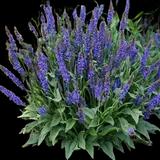
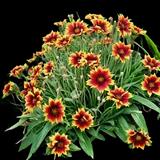
May Night Sage, Mixed Border Blanket Flower, Common Foxglove, Falling in Love Corn Poppy, Dutch Iris Mix and others are in flower around now in Zone 9. The full list is above.
Keep exploring
Nearby months
More for Zone 9
Get June's tasks for your own plants
Sow builds this checklist from the plants actually in your yard — and adjusts it to your real forecast, so a wet week skips the watering and a frost warning reaches you first.