Also known as Crownbeard · 38 saves
Verbesina
Verbesina, the genus most gardeners know as crownbeard. We track 5 varieties; the ones most used by real gardeners.
The 5 most-saved Verbesina varieties
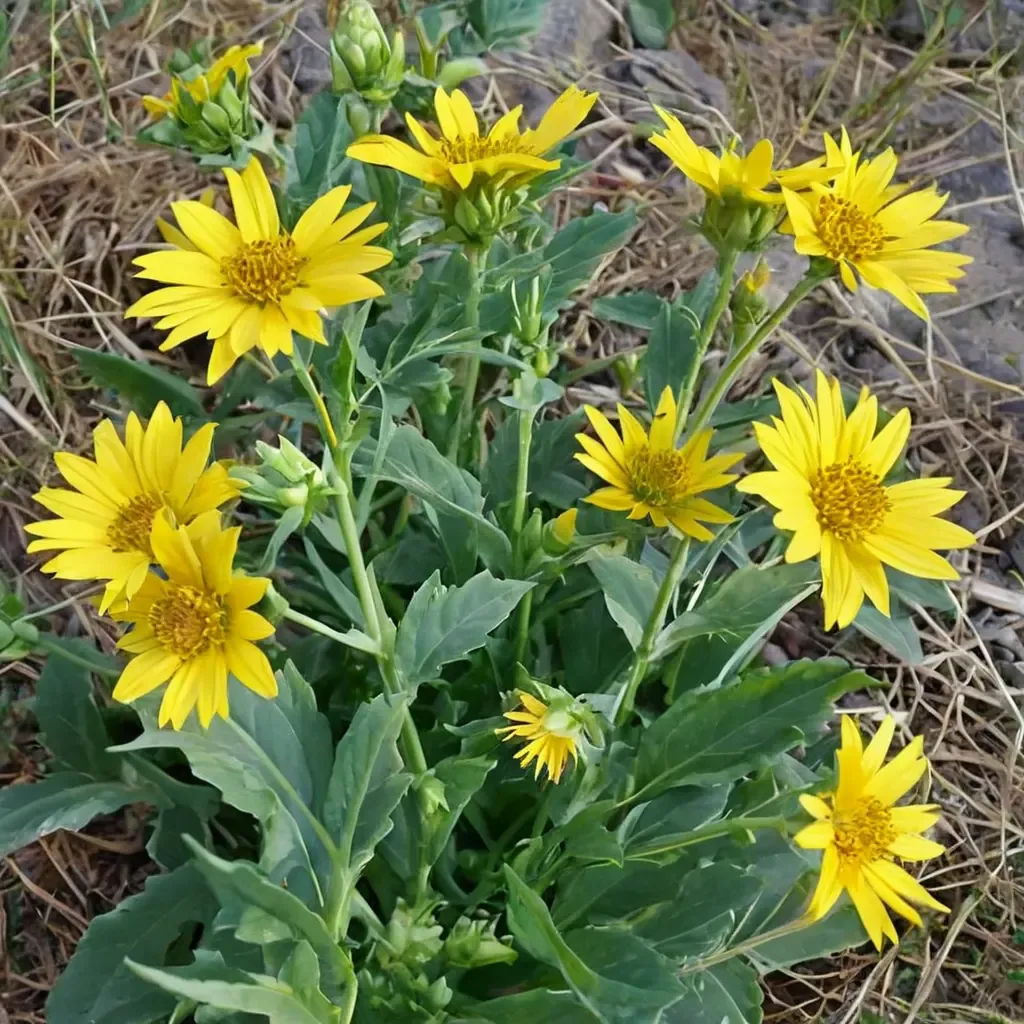
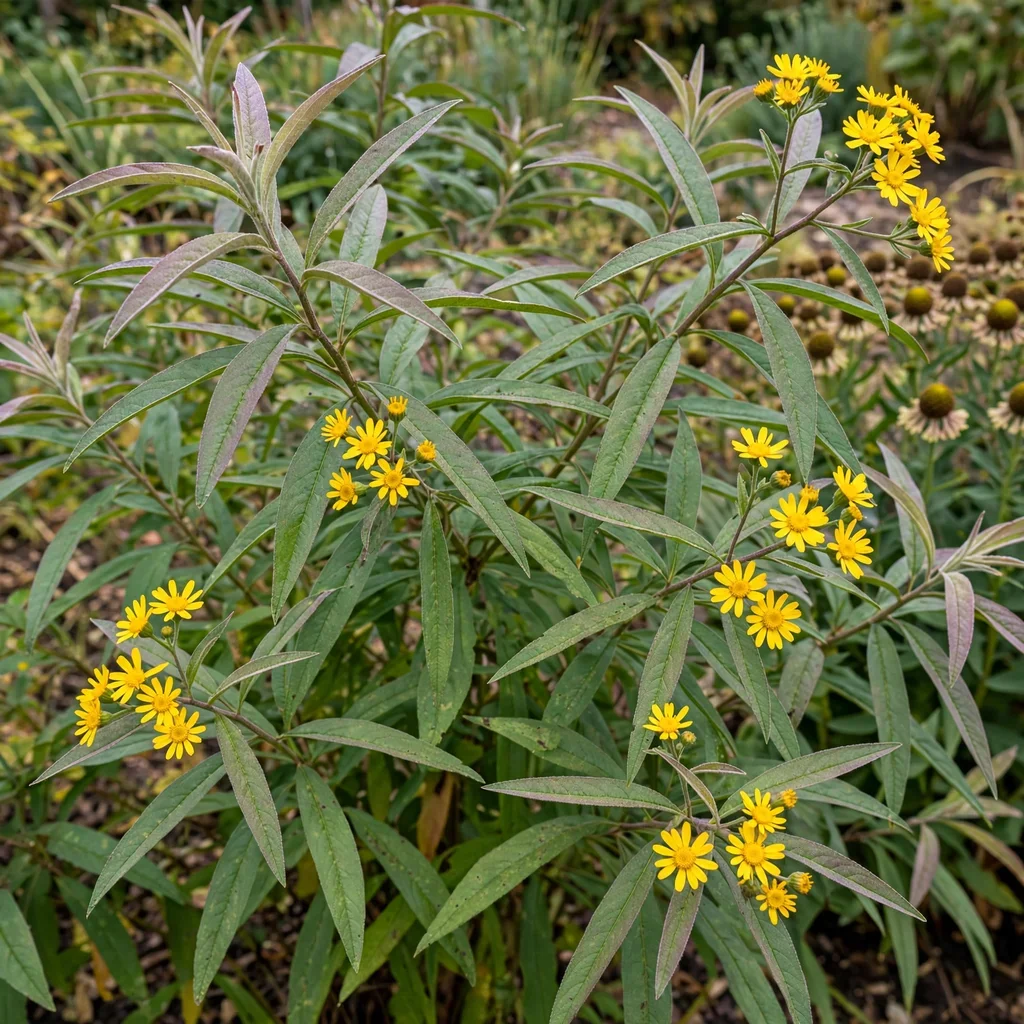
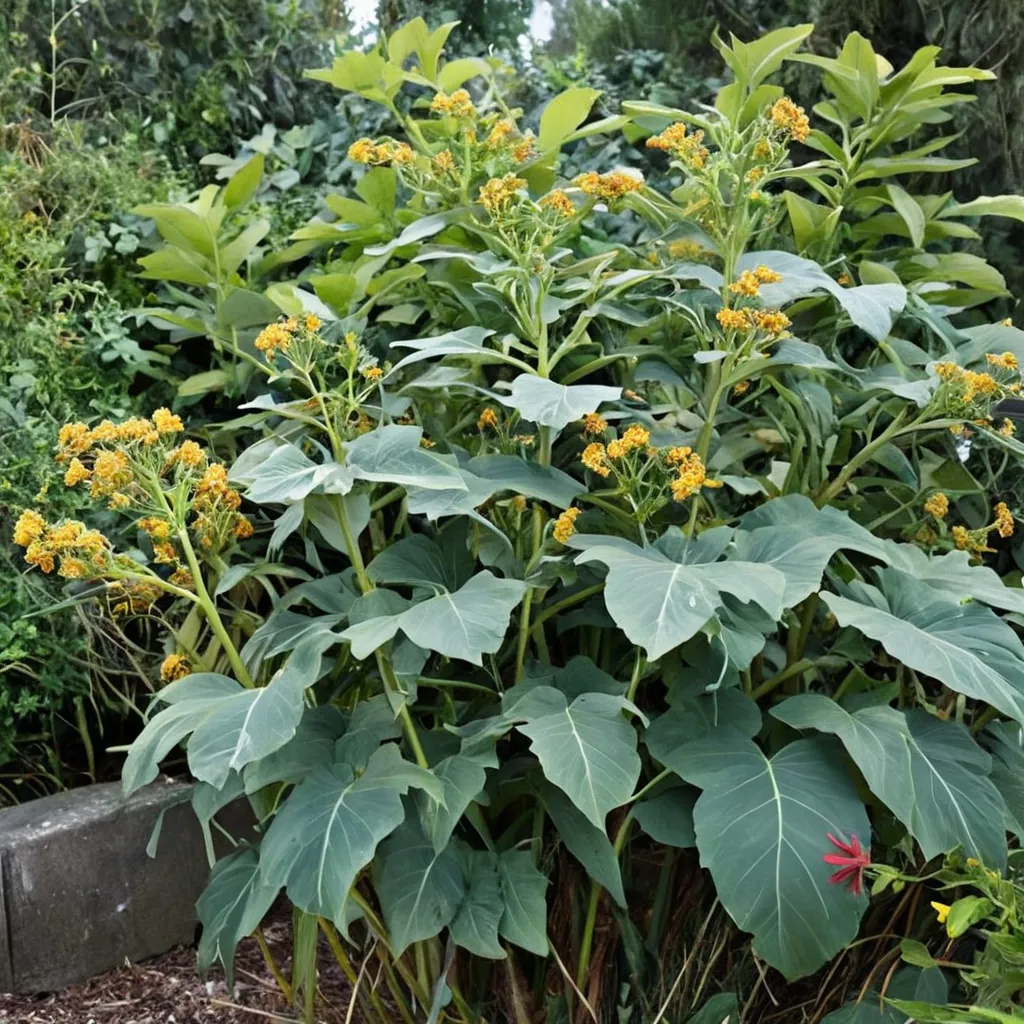
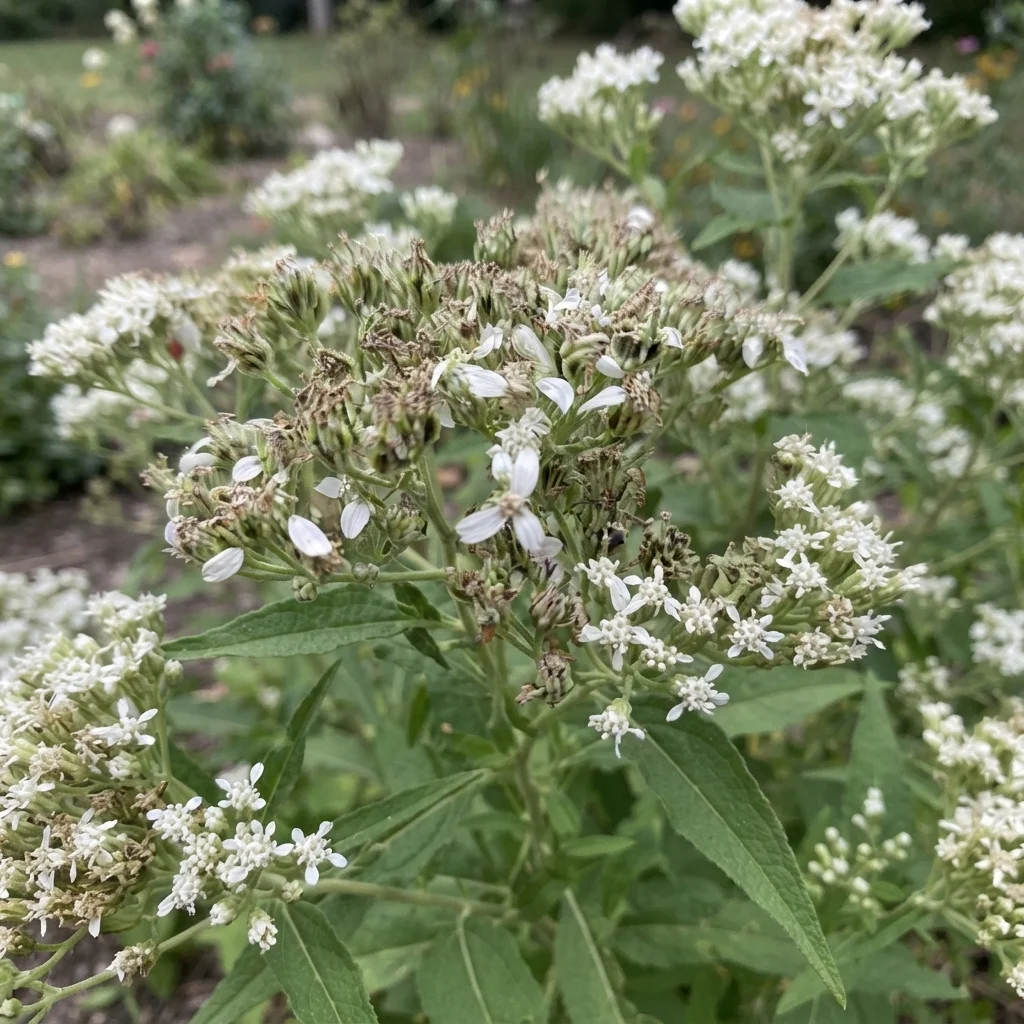
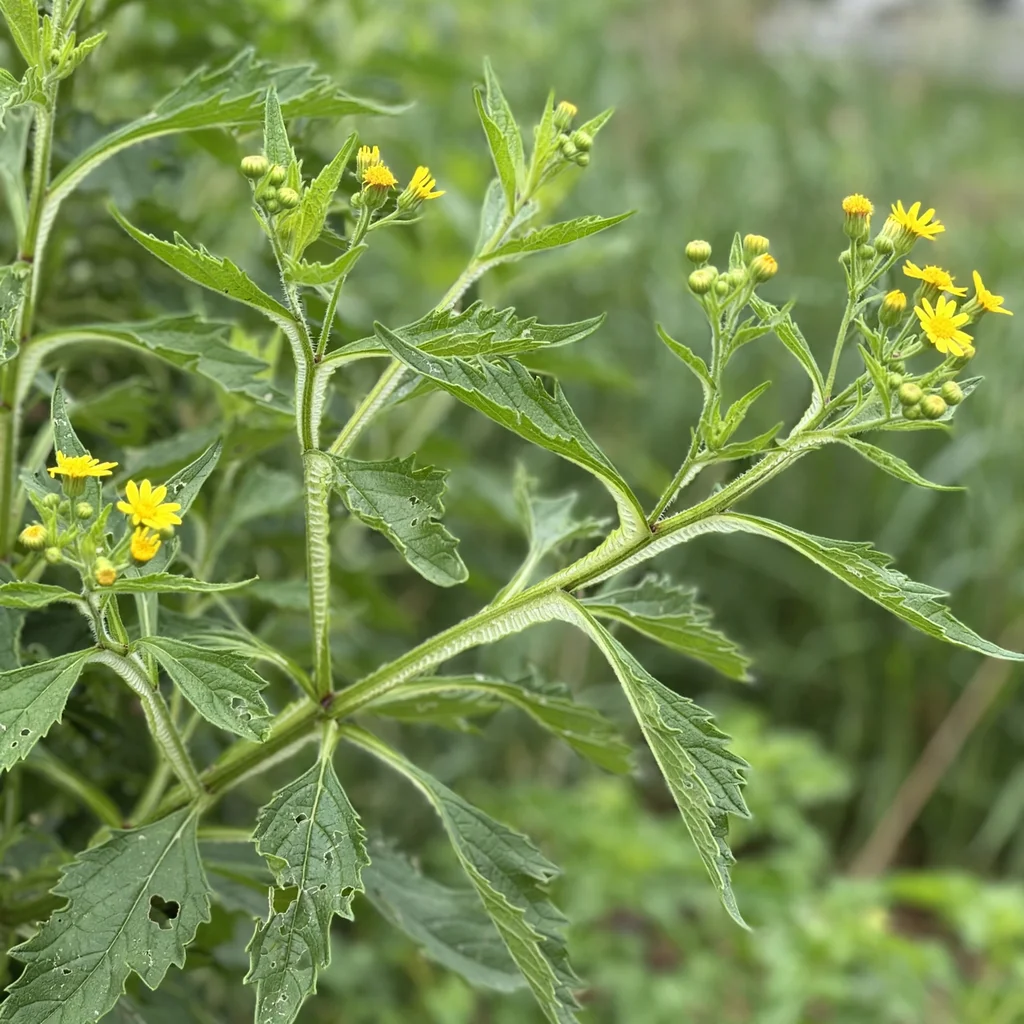
3 species of Verbesina
Each one is a parent of the varieties above.
Track your Verbesina in Sow
Save the Verbesina you grow and get care reminders timed to your zone.
How to grow Verbesina
Whats common across all Verbesina varieties in our catalog — drawn from the care records of the 5 most-grown of them.
The Verbesina year
- DivideApril80% of varieties
Divide spreading rhizomes in spring to control plant spread or propagate new stock.
- Spring CleanupMarch60% of varieties
Cut back dead stems to the ground before new growth appears
- Pinch TipsMay and June40% of varieties
Pinch stem tips to encourage bushier growth and control overall height.
- PlantMay40% of varieties
Plant or transplant divisions in early spring
- StakeJune40% of varieties
Install stakes early in the season to support tall stems


Do
- Plant in moist, fertile ground where underground rhizomes have room to colonize.
- Cut dead stems back to ground level in late winter or early spring.
- Wear gloves when handling foliage to avoid contact skin irritation.
- Water consistently during dry periods 🌱
- Deadhead to encourage more blooms
Avoid
- Do not place in small perennial borders where spreading rhizomes can crowd out delicate plants.
- Avoid applying heavy fertilizer, which produces weak, floppy growth.
- Do not water foliage overhead late in the evening to reduce powdery mildew pressure.
- Avoid overwatering to prevent root rot ❌
What goes wrong with Verbesina
| Problem | What you'll see | What to do |
|---|---|---|
| Aphids | Sticky residue and distorted leaves | Use insecticidal soap or neem oil |
| Aphids and Spider Mites | Sap-sucking damage, leaf distortion, or stippling on upper leaf surfaces. | Knock pests off foliage with a strong stream of water or spray insecticidal soap on heavy infestations. |
| Deer and Rabbits | Browsing damage on tender spring foliage and young shoots. | Protect young shoots with physical fencing or commercial repellents until stems mature. |
| Spider mites | Fine webbing on foliage, speckled leaves | Spray with water and apply insecticidal soap |
| Powdery mildew | White powder on leaves | Apply fungicide or improve air circulation |
| Root rot | Wilting and yellowing leaves, soggy roots | Ensure proper drainage and reduce watering |
| Powdery Mildew | White powdery coating on foliage during late-season humid conditions. | Ensure adequate plant spacing for air flow and apply sulfur or copper-based fungicides if severe. |
Making more Verbesina
Seed
- Collect dried seed heads in mid-fall.
- Sow seed directly outdoors in autumn or early spring into moist soil.
- Keep the seedbed consistently damp until germination occurs.
- Thin emerging seedlings to provide space for spreading clumps.
Division
- Dig up established clumps in early spring as new growth starts.
- Slice rhizomatous rootstock into sections bearing buds and roots.
- Replant divisions immediately into moist, organically rich soil.
- Water thoroughly until plants establish.
Verbesina questions
How many types of Verbesina are there?
The Sow catalog tracks 5 distinct Verbesina varieties. The most popular — ranked by 38 real gardeners — are shown first above.
What zones does Verbesina grow in?
Across its varieties, Verbesina covers USDA Zones 4–10. Individual varieties differ — each plant page lists its exact range, and Sow filters the catalog to your zone automatically.
When does Verbesina bloom?
Most Verbesina varieties bloom from summer to fall.
Which Verbesina should I choose?
Start from the most-saved varieties above — popularity across thousands of gardens is a strong signal of reliability — then filter by your zone and sun. In the Sow app you can preview any of them in a photo of your actual yard before you buy.