The Story
Plant Bio
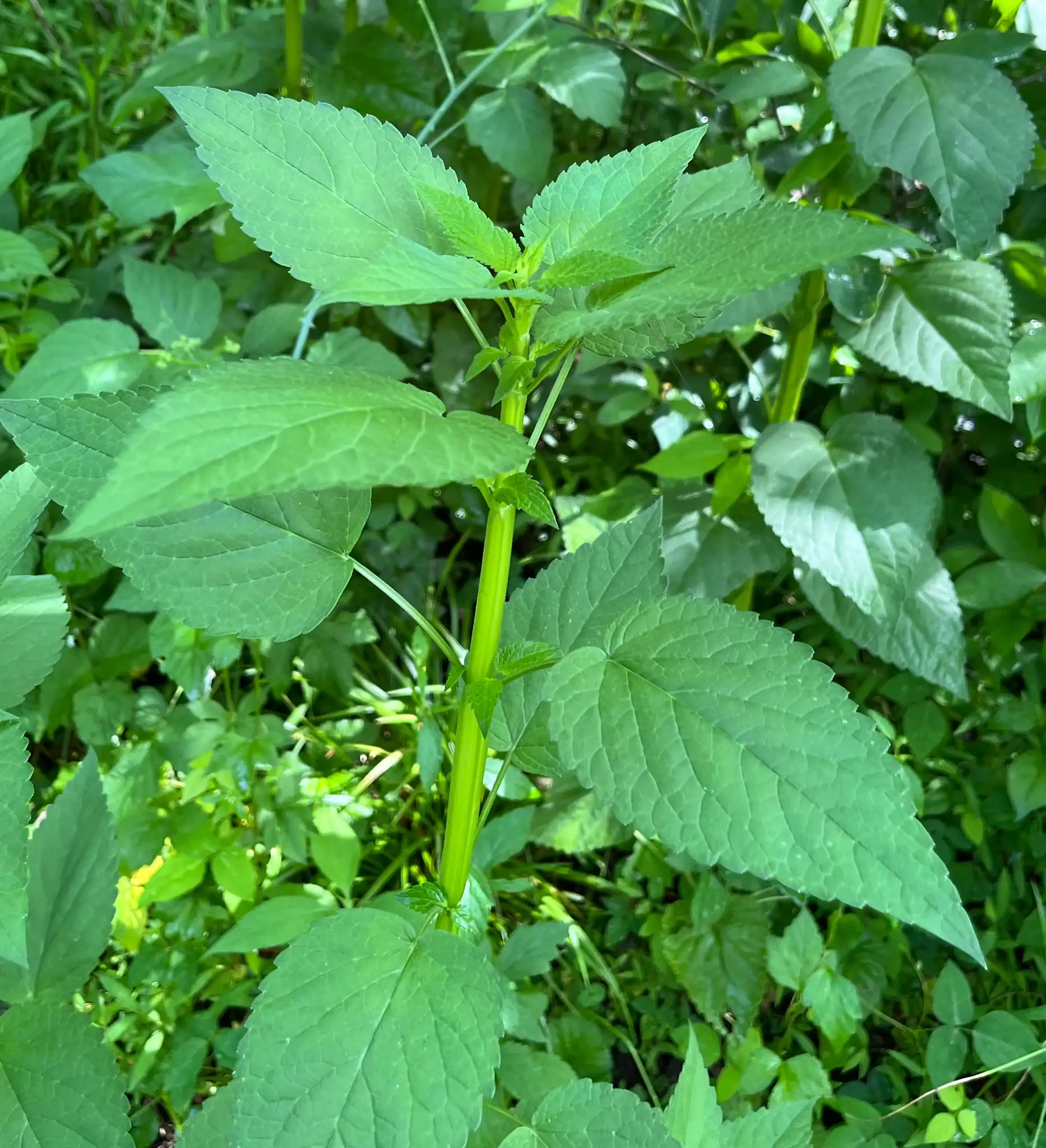
Agastache nepetoides, commonly known as yellow giant hyssop, is an upright herbaceous perennial native to woodlands and edge habitats across central and eastern North America. It produces stout, square stems reaching up to seven feet tall clad in coarse, arrowhead-shaped leaves and long terminal flower spikes.
Unlike many aromatic members of the mint family, its leaves lack a strong mint scent and taste bitter, rendering the plant resistant to deer browsing. The dense terminal spikes carry pale greenish-yellow to cream blossoms from midsummer into early fall.
Uses & Benefits:
Essentials
At a Glance
Plant Type
Perennial
Height
83"
Width
35"
Light
Full Sun, Partial Sun
Zones
4, 5, 6, 7, 8
Water
Moderate
Humidity
High
Lifespan
Perennial
Native To
North America
Toxicity
Non-toxic
Bloom period
Midsummer – Early fall
In flower about 3 months of the year
Planting
How to Grow
- Select a site in full sun or light shade with rich, moist, well-drained soil.
- Space plants 12 to 36 inches apart to accommodate spread and provide good air circulation.
- Water regularly during establishment, offering supplemental moisture in summer dry spells.
- Cut dead stems to ground level in late winter before new spring growth emerges.
Pro Tip
Plant in rich, well-drained soil in full sun or partial shade, and minimize root disturbance once established to avoid set-back.
Keep It Thriving
Care Guide
Do
- Provide fertile, moist soil high in organic content.
- Space plants generously to promote air movement around foliage.
- Cut spent stems back to ground level in late winter.
Don't
- Do not plant in permanently waterlogged or deeply dry locations.
- Do not apply heavy fertilizer in rich garden soils.
- Avoid frequent crown division or root disturbance.
Seasonal Care Calendar
| Task | Jan | Feb | Mar | Apr | May | Jun | Jul | Aug | Sep | Oct | Nov | Dec |
|---|---|---|---|---|---|---|---|---|---|---|---|---|
| Divide | ||||||||||||
| Pest Check | ||||||||||||
| Plant | ||||||||||||
| Prune |
Watch Out For
Pests & Diseases
Common Pests
Common Diseases
In the Garden
Landscape Uses & Companions
Landscape Uses
Multiply
Propagation Methods
Good to Know
Common Questions
Yellow Giant Hyssop questions
What zones can Yellow Giant Hyssop grow in?
Yellow Giant Hyssop is hardy in USDA Zones 4–8: in that range it survives winter in the ground. Warmer than Zone 8, winter isn't the problem: it prefers colder winters, and summer heat can shorten its life.
Is Yellow Giant Hyssop deer resistant?
Yes — Yellow Giant Hyssop is rated deer-resistant. Deer typically pass it over, though extreme hunger can override any plant's defenses.
When does Yellow Giant Hyssop bloom?
Yellow Giant Hyssop typically blooms from mid-summer to early fall. Exact timing shifts a week or two with your zone — Sow's bloom calendar maps it to your garden.
Does Yellow Giant Hyssop need full sun?
Yellow Giant Hyssop does best in full sun to part shade. In hot climates, afternoon shade keeps blooms fresher longer.
More Agastache to compare
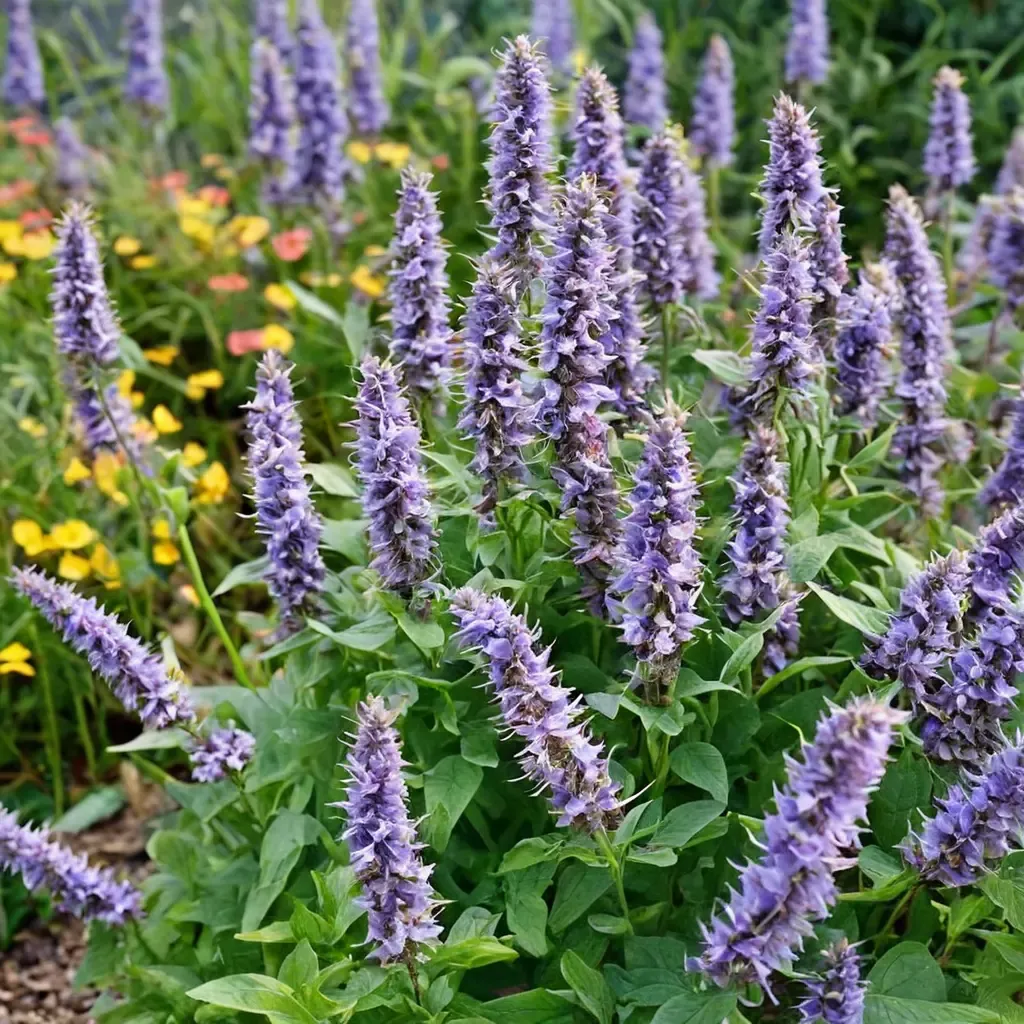
'Blue Fortune' Anise Hyssop
Agastache x hybrida 'Blue Fortune'
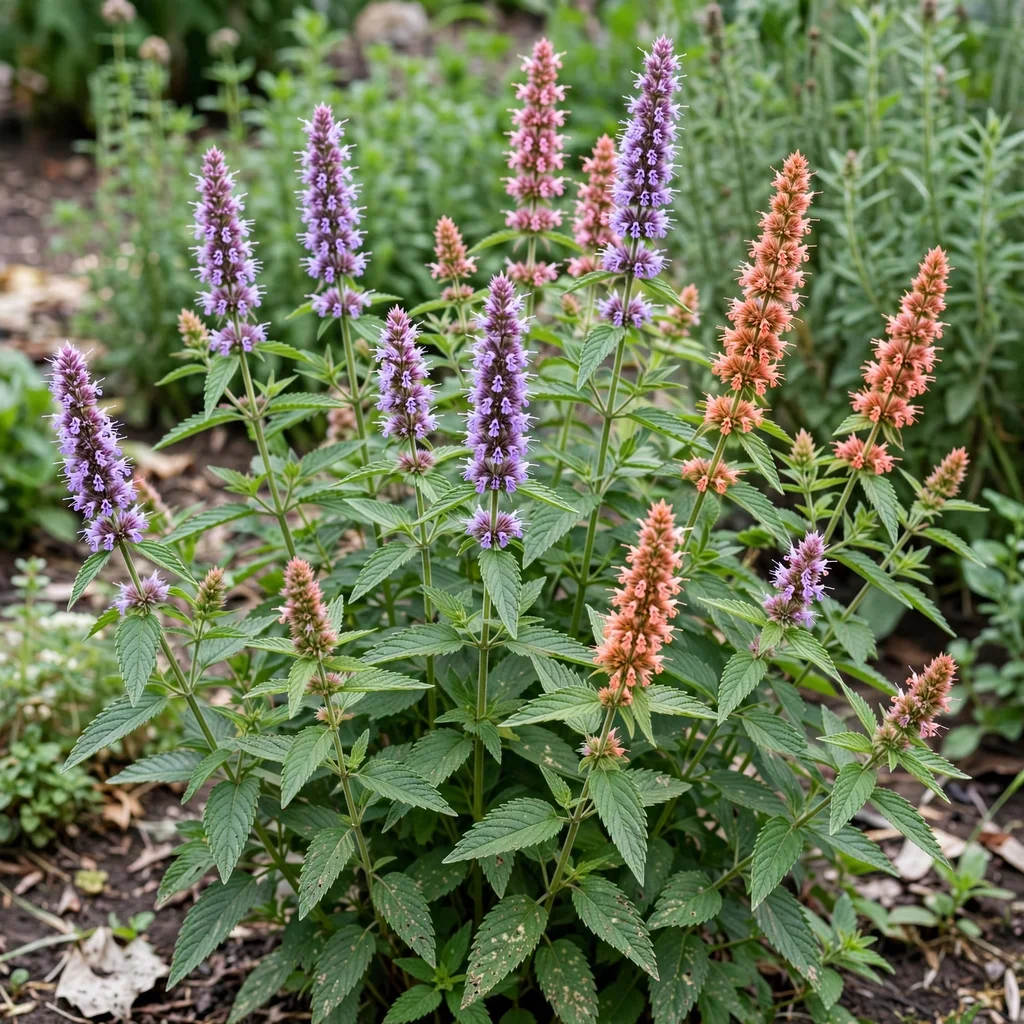
Hummingbird Mint Mix
Agastache x hybrida 'Mix'
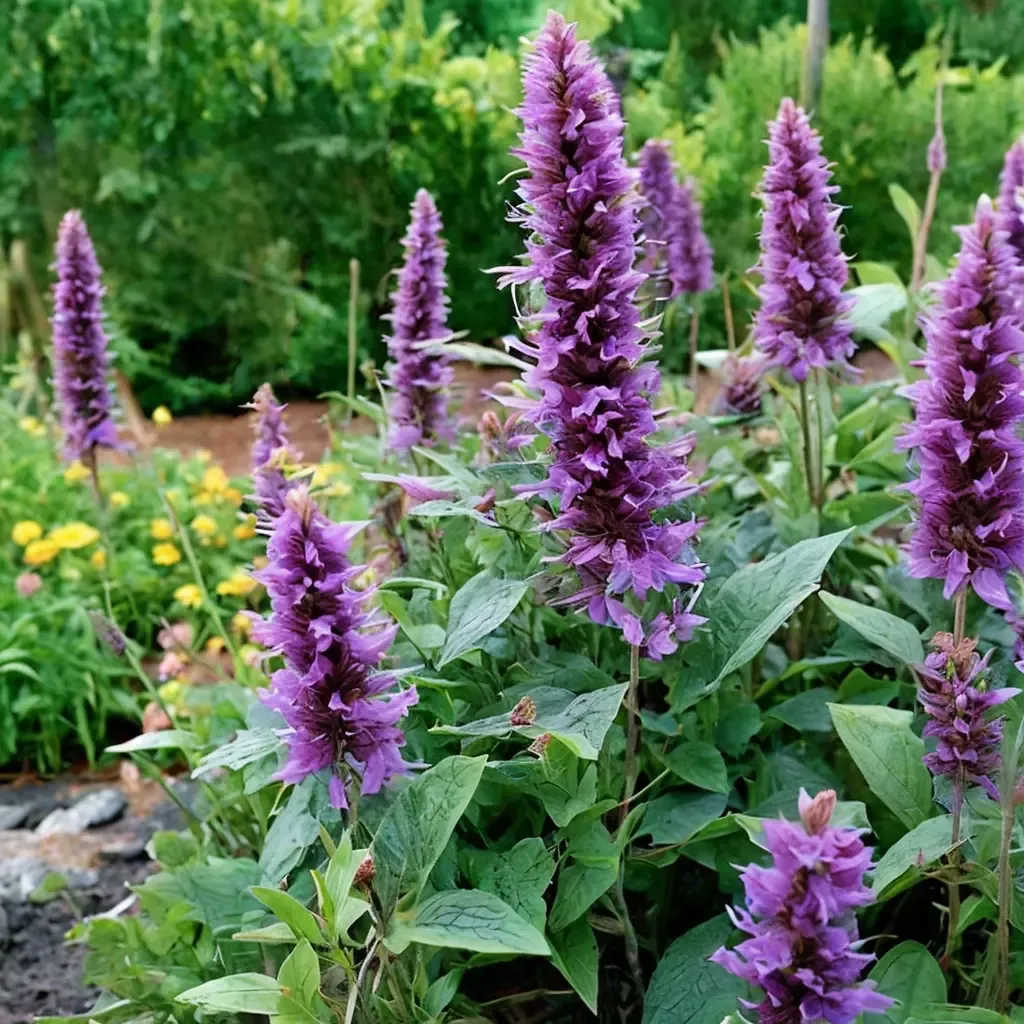
Blue Boa Hyssop
Agastache x hybrida 'Blue Boa'
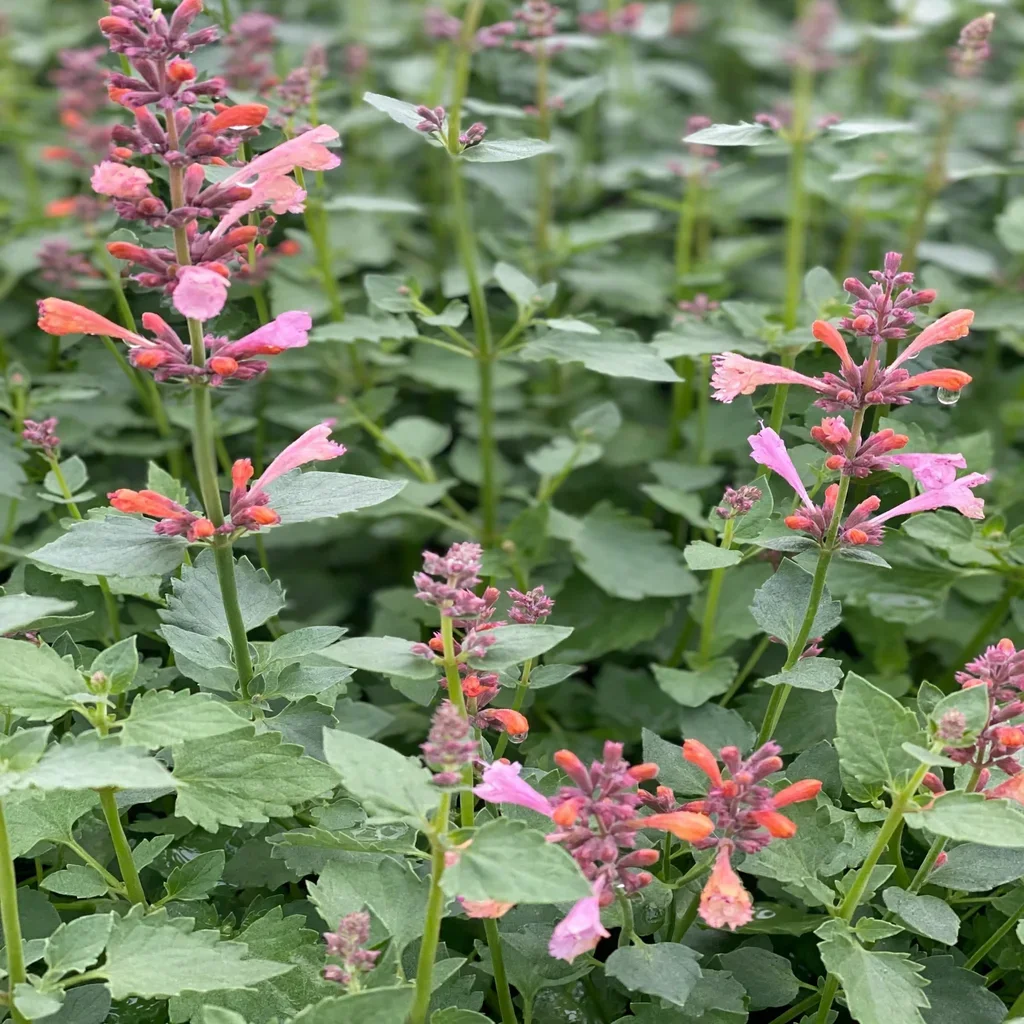
Kudos Ambrosia Anise Hyssop
Agastache foeniculum 'Kudos Ambrosia'
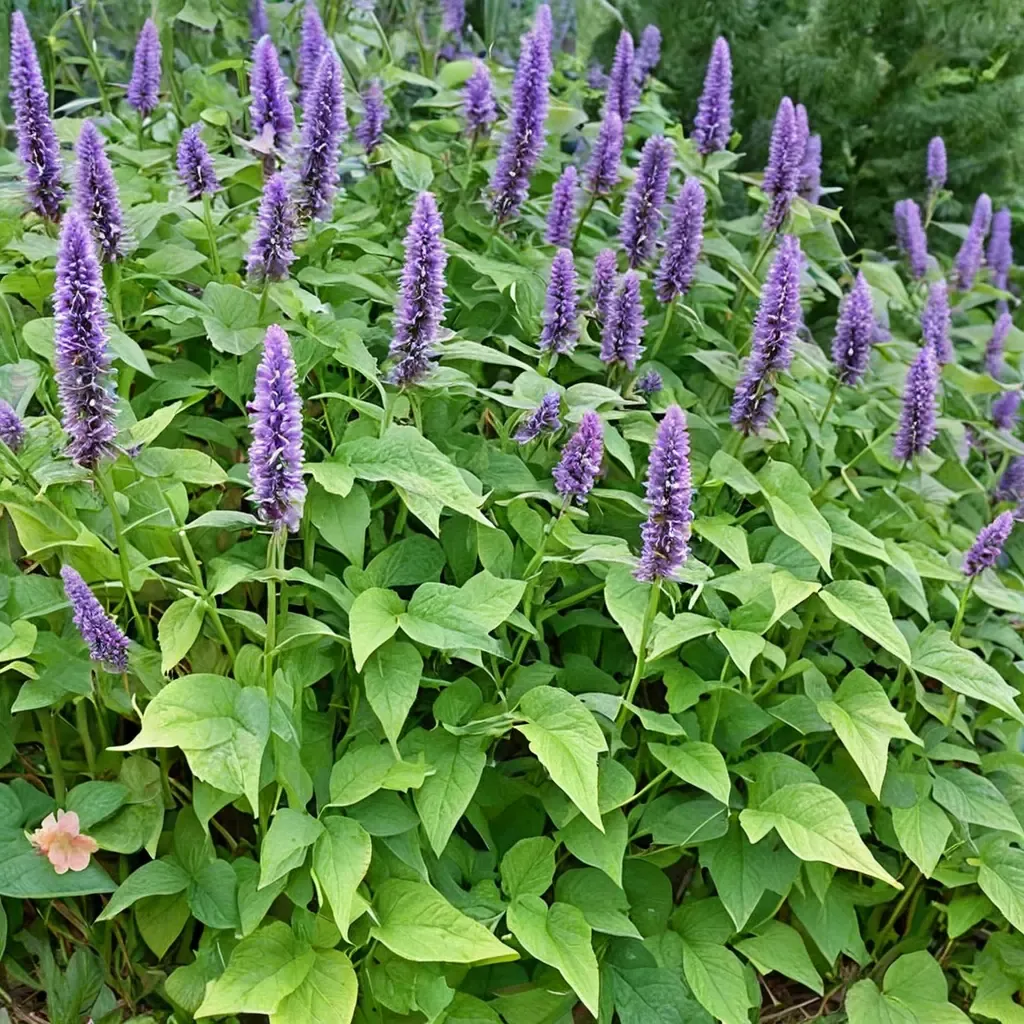
Anise Hyssop
Agastache foeniculum
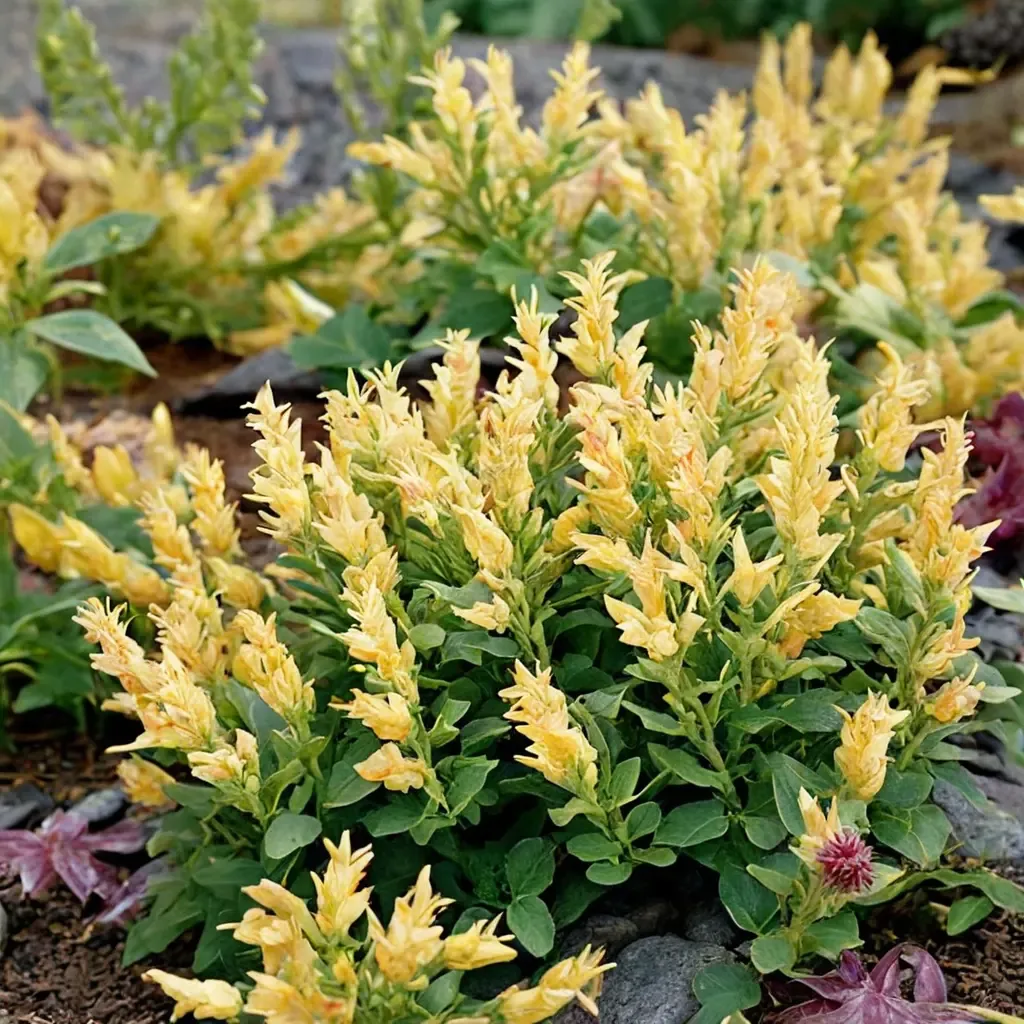
Poquito Butter Yellow Anise Hyssop
Agastache foeniculum 'Poquito Butter Yellow'
Keep exploring
Hardy in your zone?
Grow Yellow Giant Hyssop with confidence
See it in a design of your actual yard, get zone-matched care reminders, and track it season by season in your garden journal.