
The Story
Plant Bio
Calamagrostis foliosa is an evergreen cool-season bunchgrass forming tight arching mounds 18 to 24 inches tall and wide, with narrow blue-green to blue-gray foliage. Its wind-pollinated panicles rise 3 to 6 inches above the leaves, opening creamy white-green with a silvery sheen and drying to warm tan.
This Lost Coast endemic stays smaller and tidier than most reed grasses, carrying foliage well up the flowering stems for a leafy mound. Coastal forms often show purple streaking in the leaves, and the seed heads shatter naturally so the plant needs no annual shearing.
Uses & Benefits:
Essentials
At a Glance
Plant Type
Grass
Height
24"
Width
24"
Light
Full Sun, Partial Sun
Zones
5, 6, 7, 8, 9, 10
Water
Low to moderate
Humidity
Adaptable
Lifespan
Long-lived perennial
Native To
Northern California coast, USA
Toxicity
Unknown - no toxicity reported
Bloom period
Late spring – Fall
In flower about 7 months of the year
Planting
How to Grow
- Plant in spring or early fall in sharply drained sand, rocky or loam soil in full sun on the coast or part shade inland.
- Set the crown at soil level, water deeply to settle, then water only to establish.
- Top-dress with a thin gravel mulch kept back from the crown to keep air moving.
- Comb out dead leaves by hand in spring and leave seed heads to shatter.
- Water occasionally in extended drought; do not feed heavily.
Pro Tip
Leave the seed heads standing and comb out dead leaves by hand; shearing the mound to the ground ruins its evergreen crown.
Keep It Thriving
Care Guide
Do
- Plant in sharply drained soil with full air movement.
- Give part shade inland to reduce heat stress.
- Leave seed heads standing for birds and fall structure.
Don't
- Do not shear the mound to the ground each year.
- Do not plant in wet clay or an irrigated lawn.
- Do not fertilize heavily to force lush growth.
Seasonal Care Calendar
| Task | Jan | Feb | Mar | Apr | May | Jun | Jul | Aug | Sep | Oct | Nov | Dec |
|---|---|---|---|---|---|---|---|---|---|---|---|---|
| Fertilize | ||||||||||||
| Pest Check | ||||||||||||
| Plant | ||||||||||||
| Spring Cleanup |
Watch Out For
Pests & Diseases
Common Pests
Common Diseases
In the Garden
Landscape Uses & Companions
Landscape Uses
Multiply
Propagation Methods
Good to Know
Common Questions
Leafy Reedgrass questions
What zones can Leafy Reedgrass grow in?
Leafy Reedgrass is hardy in USDA Zones 5–10: in that range it survives winter in the ground. Colder than Zone 5, grow it in a container you can move to shelter for the winter, or as an annual.
Is Leafy Reedgrass deer resistant?
Yes — Leafy Reedgrass is rated deer-resistant. Deer typically pass it over, though extreme hunger can override any plant's defenses.
When does Leafy Reedgrass bloom?
Leafy Reedgrass typically blooms from late spring to late fall. Exact timing shifts a week or two with your zone — Sow's bloom calendar maps it to your garden.
Does Leafy Reedgrass need full sun?
Leafy Reedgrass does best in full sun to part shade. In hot climates, afternoon shade keeps blooms fresher longer.
Is Leafy Reedgrass drought tolerant?
Yes — once established (usually after the first full season), Leafy Reedgrass handles dry spells with minimal watering. Water deeply its first year to build the root system that makes that possible.
More Calamagrostis to compare
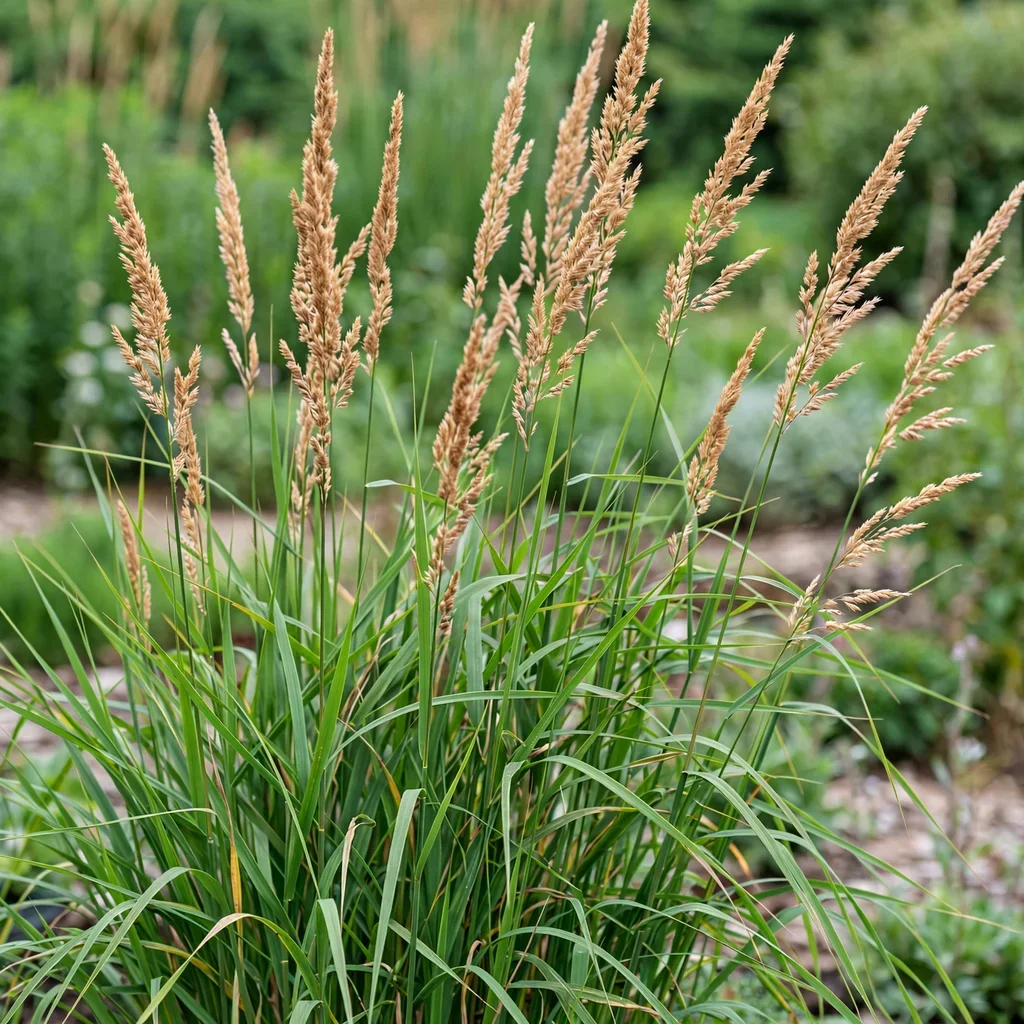
Karl Foerster Feather Reed Grass
Calamagrostis x hybrida 'Karl Foerster'
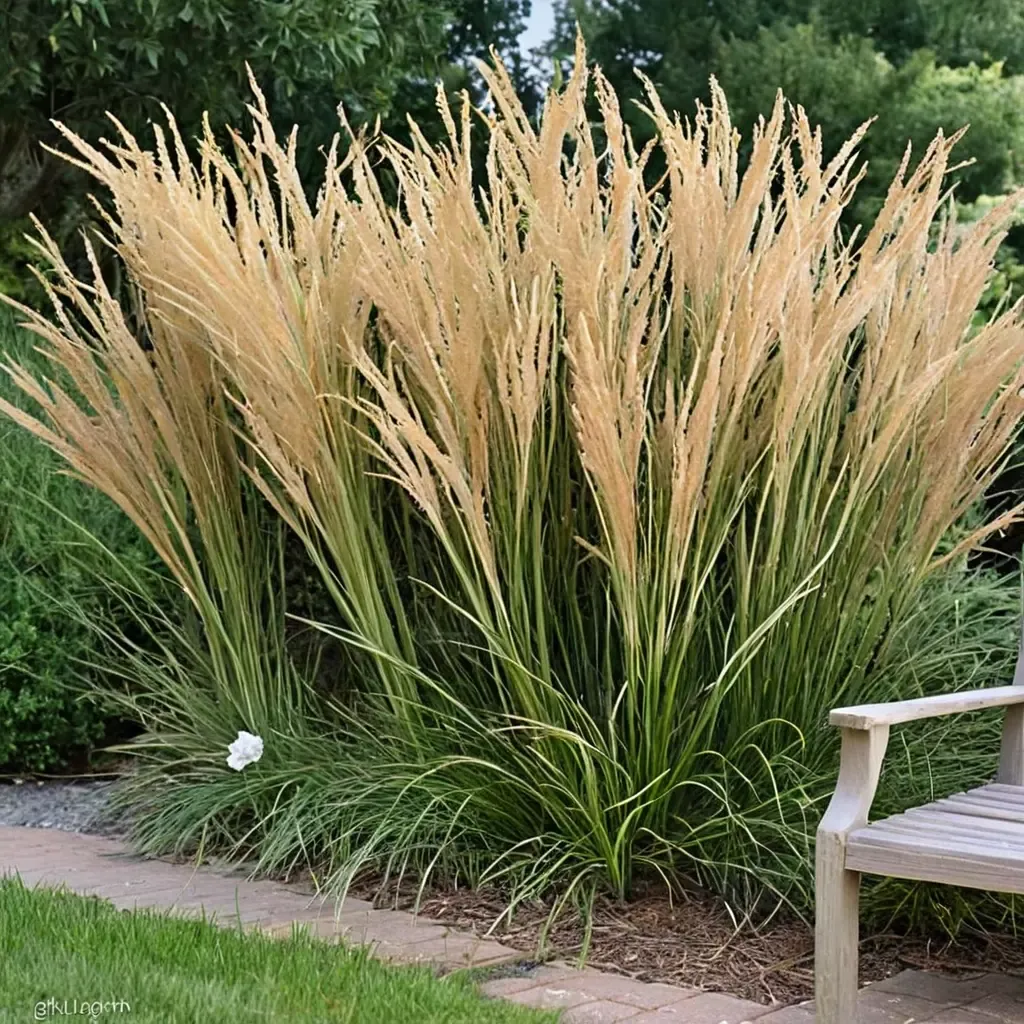
Feather reed grass
Calamagrostis x acutiflora
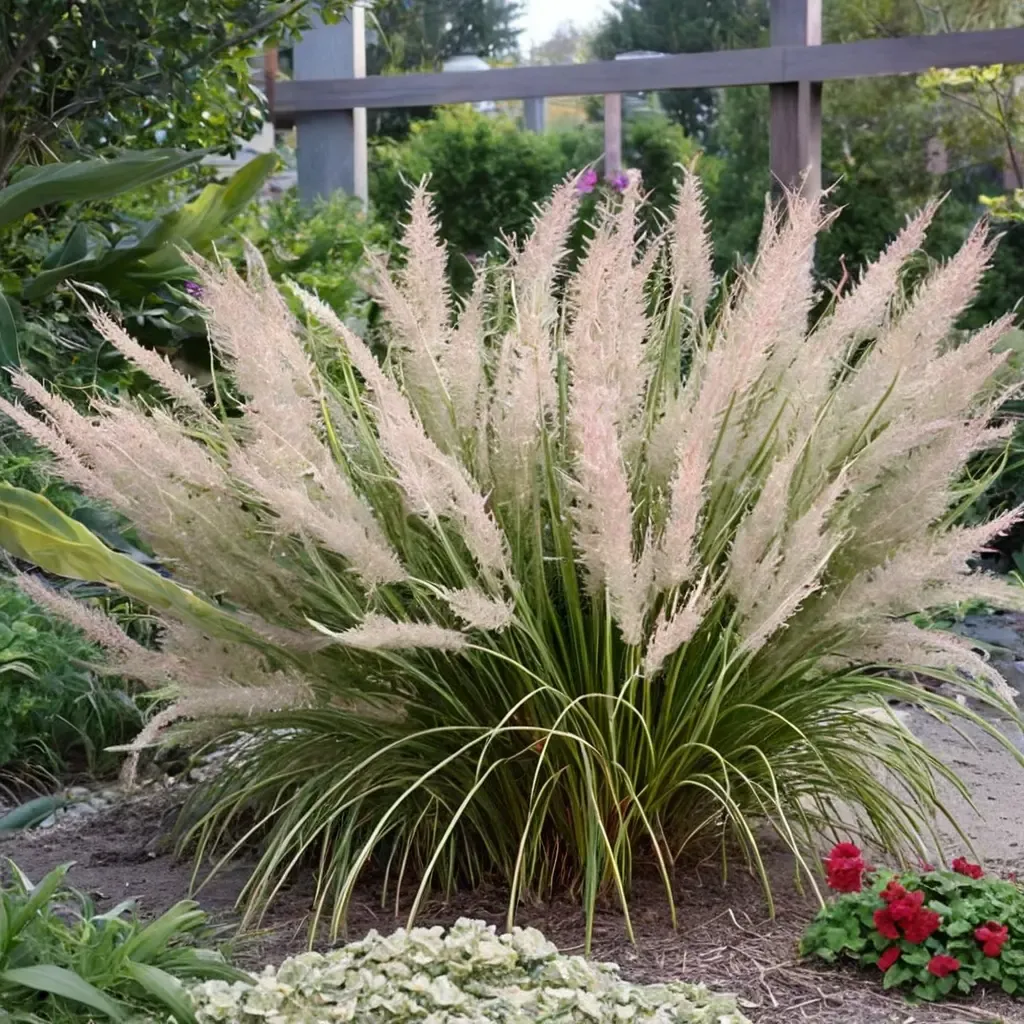
Korean feather reed grass
Calamagrostis brachytricha
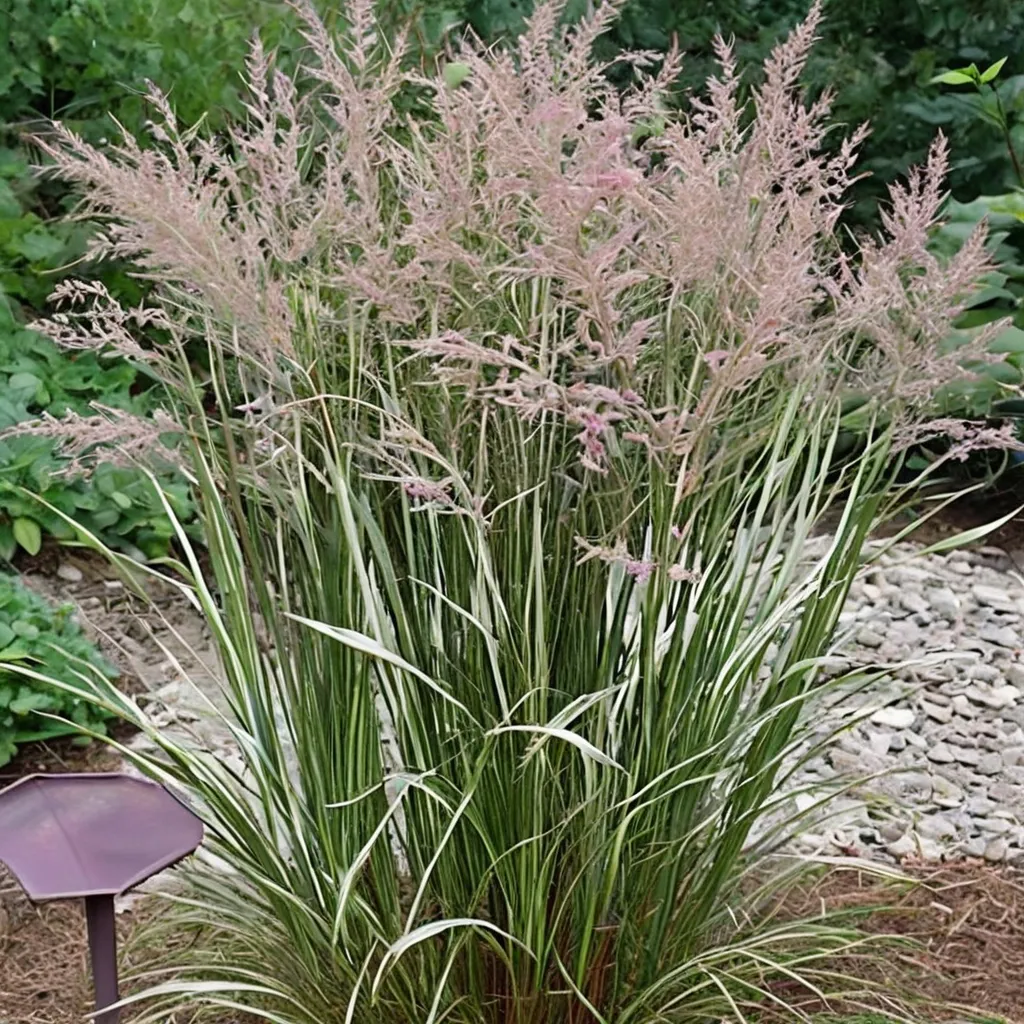
Variegated Feather Reed Grass
Calamagrostis arundinacea 'Overdam'
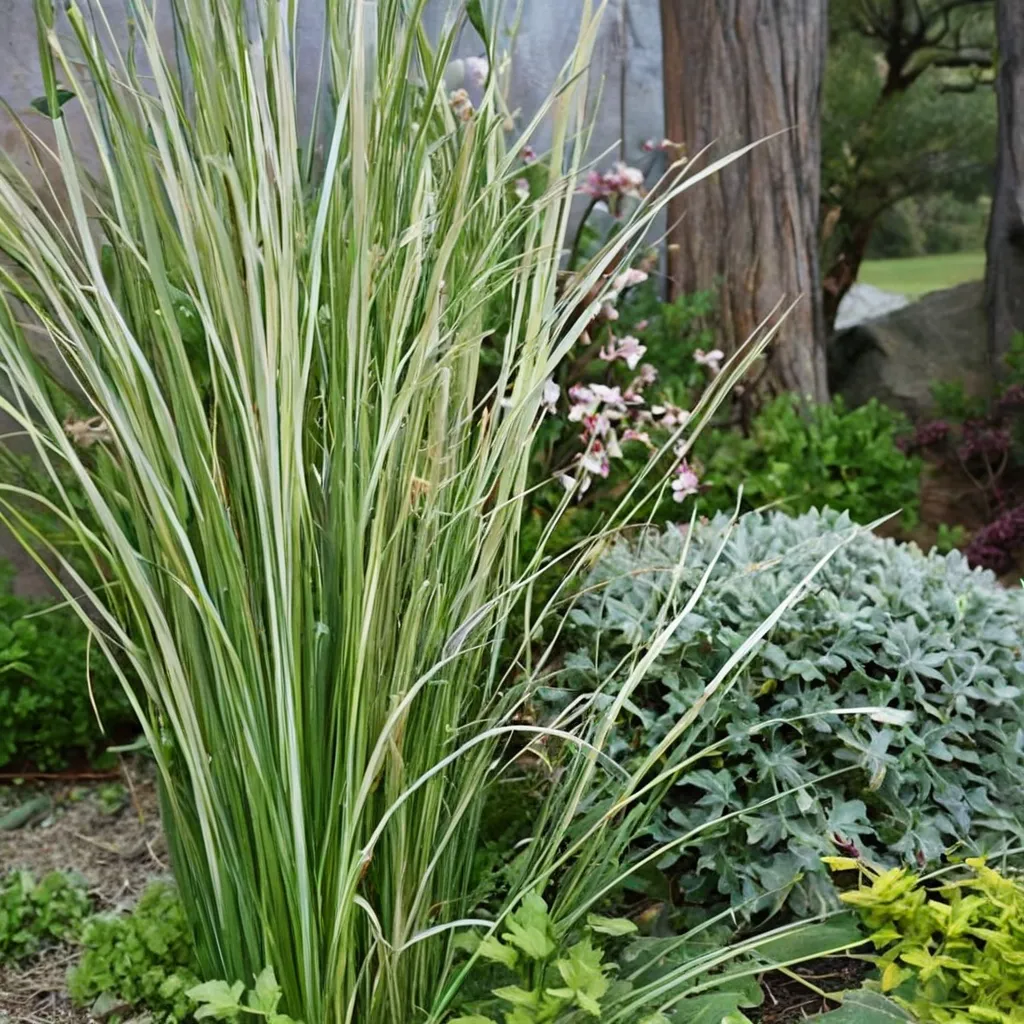
Calamagrostis Avalanche
Calamagrostis x acutiflora 'Avalanche'
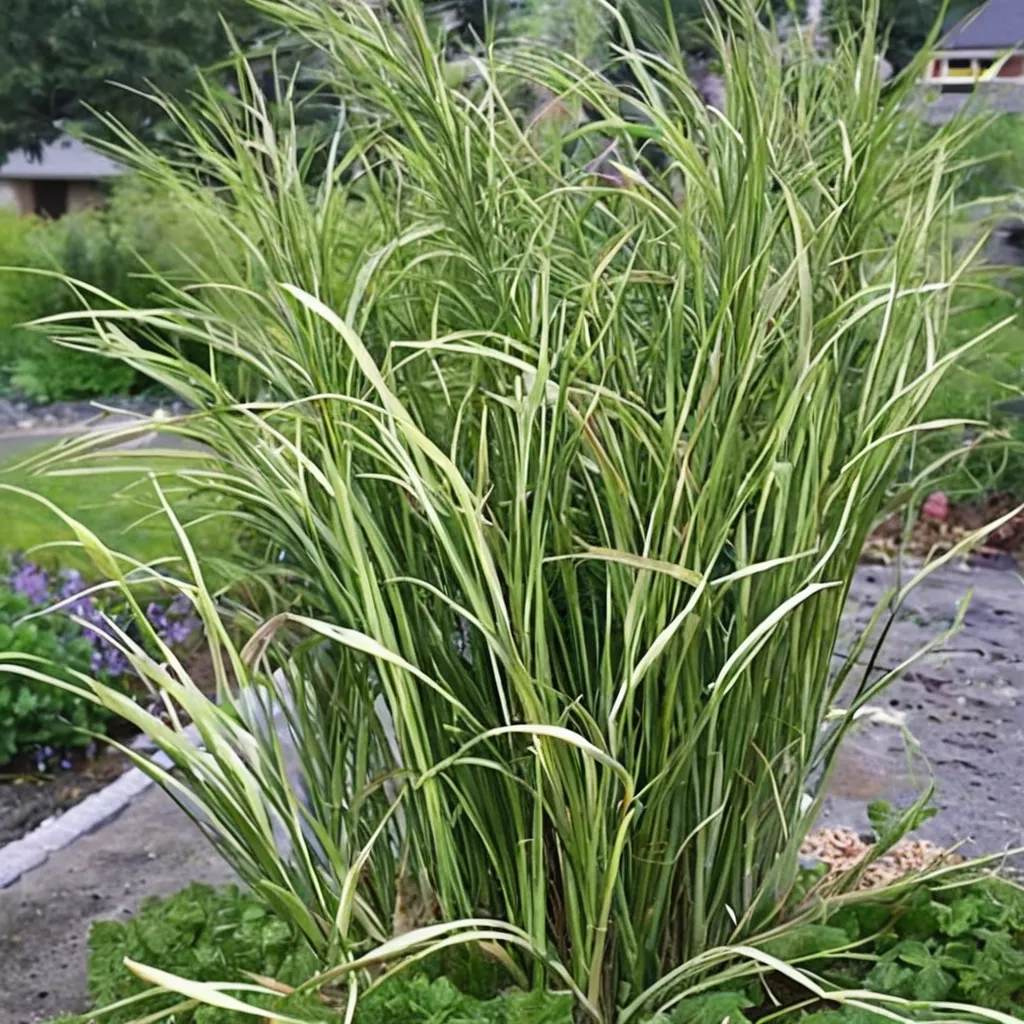
Eldorado Feather Reed Grass
Calamagrostis x acutiflora 'Eldorado'
Keep exploring
Explore the genus
Grow Leafy Reedgrass with confidence
See it in a design of your actual yard, get zone-matched care reminders, and track it season by season in your garden journal.