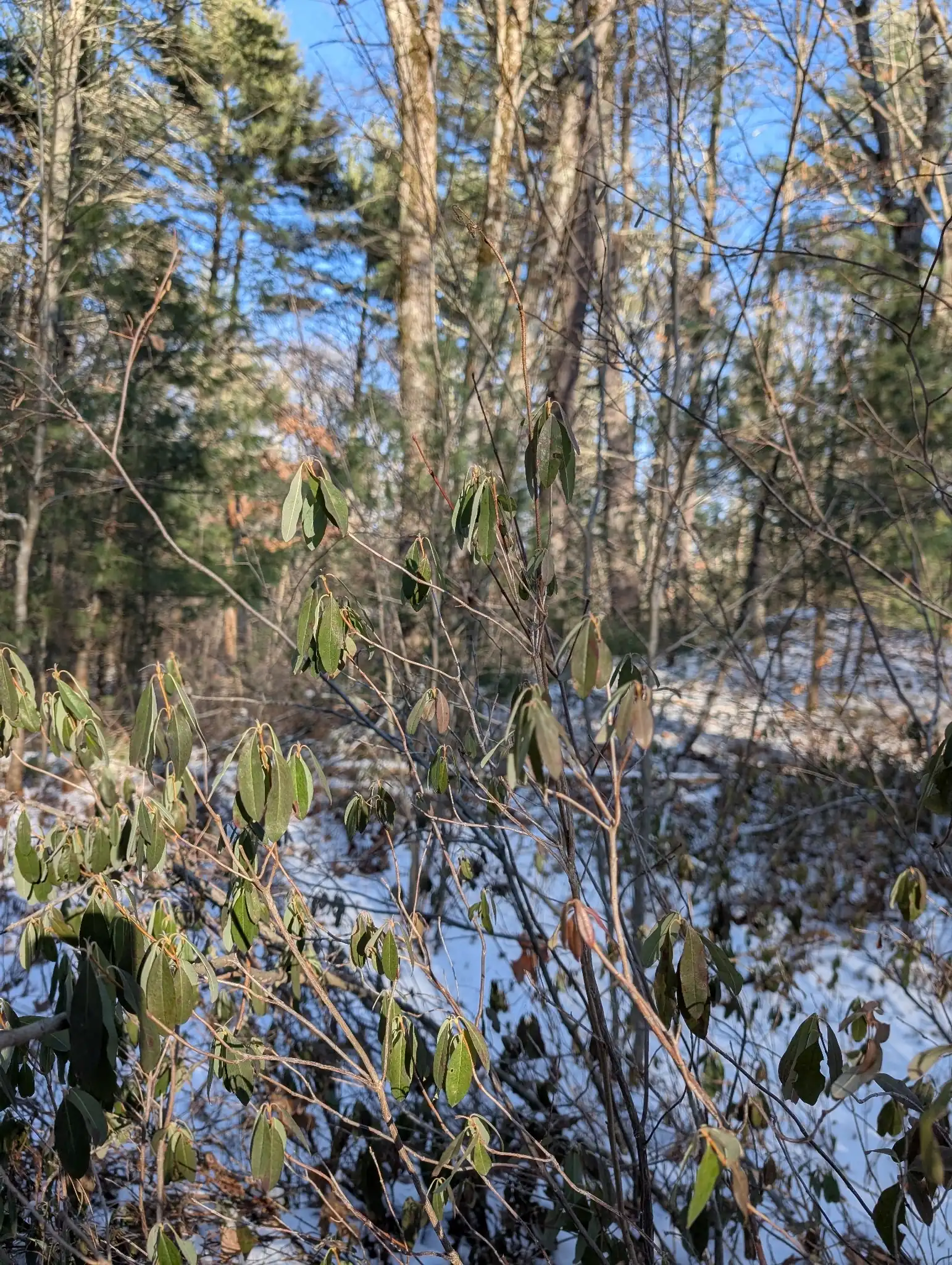
The Story
Plant Bio
Kalmia angustifolia is a low-growing, multi-stemmed evergreen shrub native to eastern North America, where it inhabits acidic bogs, coniferous woods, and sandy barrens. It features narrow, leathery leaves held in whorls of three and produces dense clusters of deep pink, wheel-shaped flowers set just below the tips of previous season growth.
The flowers possess elastic stamens held under tension in corolla pockets that spring outward to coat visiting insects in pollen. Underground rhizomes allow the shrub to spread into dense, persistent colonies, while all plant tissues contain highly toxic grayanotoxins.
Uses & Benefits:
Essentials
At a Glance
Plant Type
Shrub
Height
36"
Width
71"
Light
Full Sun, Partial Sun
Zones
4, 5, 6, 7, 8
Water
Medium to High
Humidity
Moderate
Lifespan
Perennial
Native To
Eastern North America
Toxicity
High (grayanotoxins)
Bloom period
Spring – Summer
In flower about 6 months of the year
Planting
How to Grow
- Select a site in full sun to partial shade with strongly acidic soil between pH 4.5 and 5.5.
- Incorporate generous amounts of peat moss or leaf mold into the planting area to build organic matter.
- Plant at the original container depth, ensuring surface drainage is adequate to prevent water standing around the roots.
- Apply a three-inch layer of pine needle or bark mulch to keep the shallow root system cool and moist.
- Water regularly during dry spells to maintain consistent soil moisture throughout the growing season.
Pro Tip
Never prune into old, leafless wood, as dormant buds are absent on bare stems and branches will fail to regenerate.
Keep It Thriving
Care Guide
Do
- Maintain a thick layer of acidic organic mulch over the root zone year-round.
- Keep the soil consistently moist with adequate surface drainage.
- Prune lightly immediately after flowering if shaping is necessary.
Don't
- Do not plant in neutral, alkaline, or heavy compacted clay soils.
- Do not prune hard into bare, leafless wood.
- Do not allow the soil around the roots to dry out completely.
Seasonal Care Calendar
| Task | Jan | Feb | Mar | Apr | May | Jun | Jul | Aug | Sep | Oct | Nov | Dec |
|---|---|---|---|---|---|---|---|---|---|---|---|---|
| Fertilize | ||||||||||||
| Mulch | ||||||||||||
| Pest Check | ||||||||||||
| Prune | ||||||||||||
| Winter Prep |
Watch Out For
Pests & Diseases
Common Pests
Common Diseases
In the Garden
Landscape Uses & Companions
Landscape Uses
Multiply
Propagation Methods
Good to Know
Common Questions
Sheep Laurel questions
What zones can Sheep Laurel grow in?
Sheep Laurel is hardy in USDA Zones 4–8: in that range it survives winter in the ground. Warmer than Zone 8, winter isn't the problem: it prefers colder winters, and summer heat can shorten its life.
Is Sheep Laurel deer resistant?
Not reliably. Deer may browse Sheep Laurel, especially tender spring growth — plan on repellents or fencing where pressure is high.
When does Sheep Laurel bloom?
Sheep Laurel typically blooms from spring to summer. Exact timing shifts a week or two with your zone — Sow's bloom calendar maps it to your garden.
Does Sheep Laurel need full sun?
Sheep Laurel does best in full sun to part shade. In hot climates, afternoon shade keeps blooms fresher longer.
More Kalmia to compare
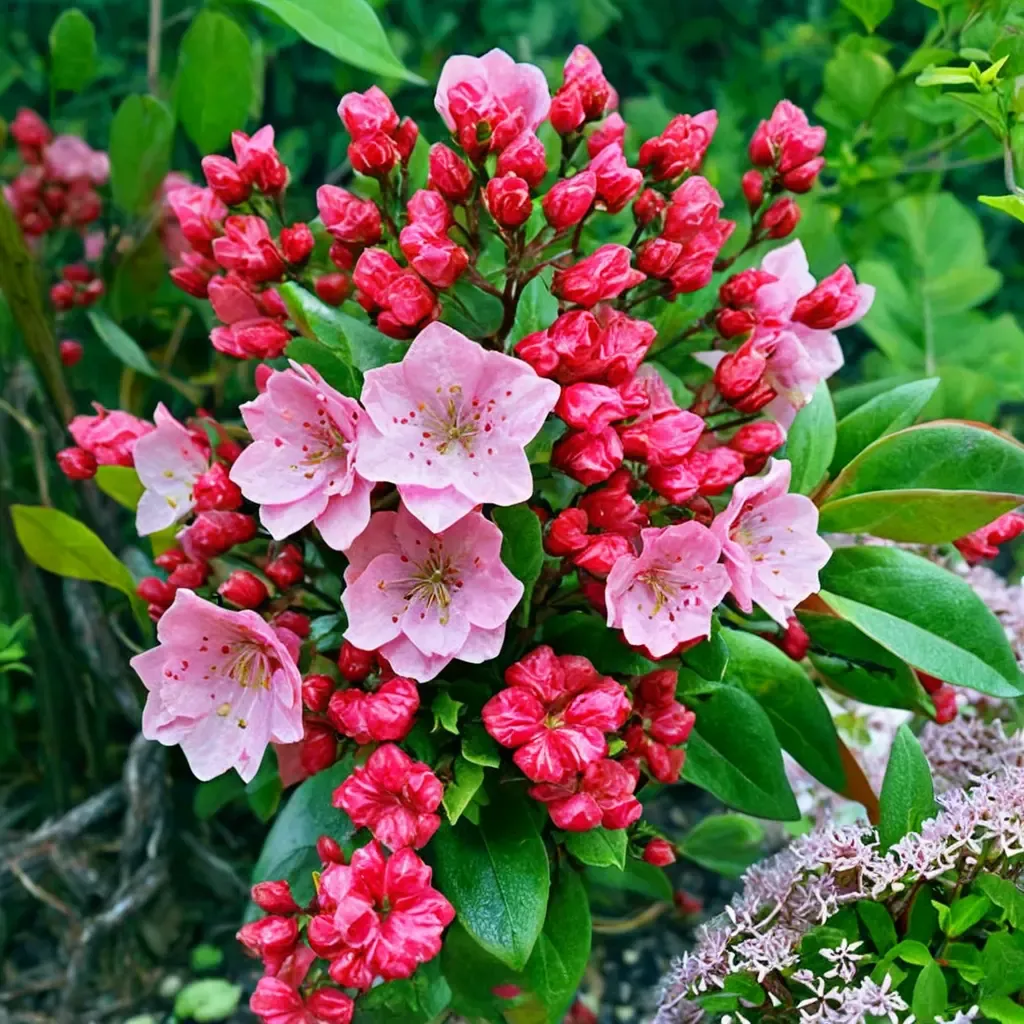
Firecracker Mountain Laurel
Kalmia latifolia 'Firecracker'
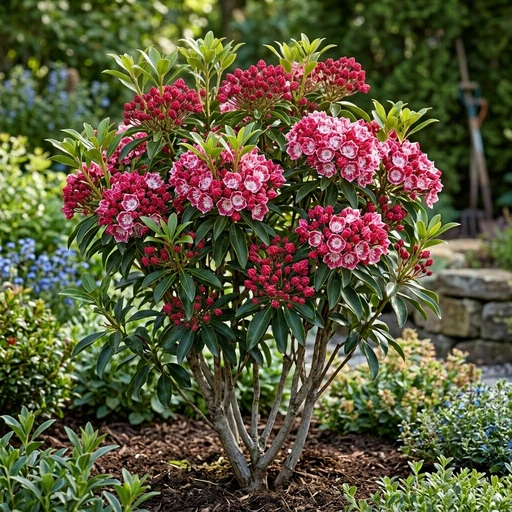
Olympic Fire Mountain Laurel
Kalmia latifolia 'Olympic Fire'
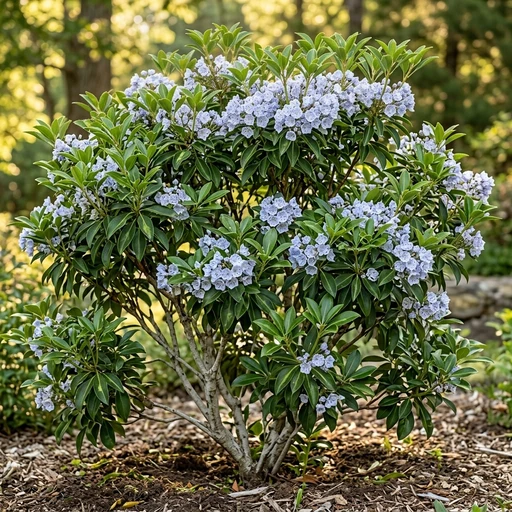
Carol Mountain Laurel
Kalmia latifolia 'Carol'
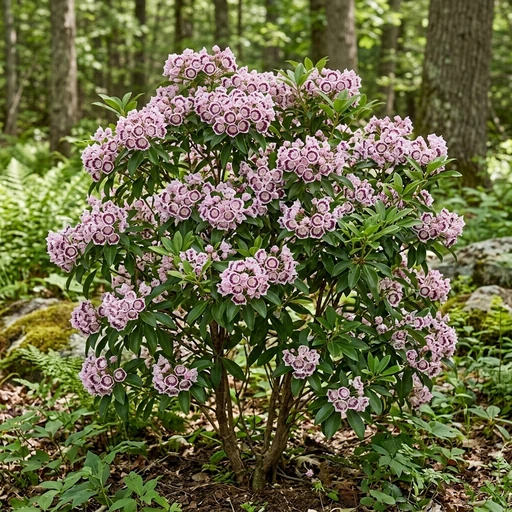
Minuet Mountain Laurel
Kalmia latifolia 'Minuet'
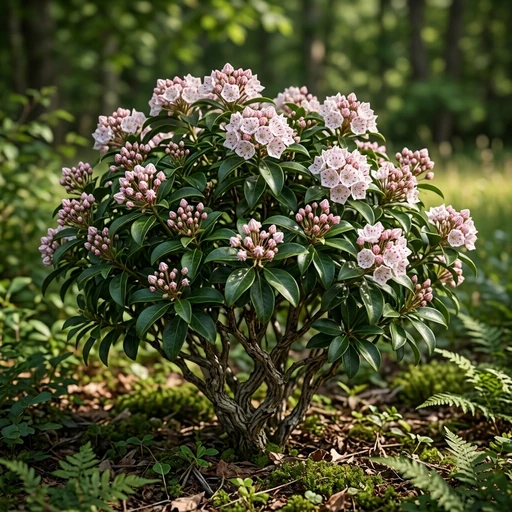
Elf Mountain Laurel
Kalmia latifolia 'Elf'
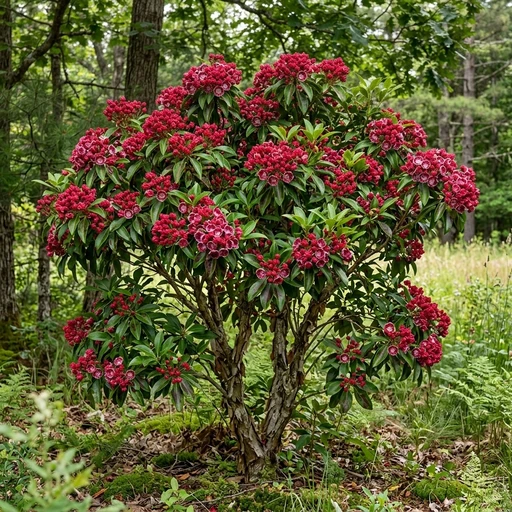
Sarah Mountain Laurel
Kalmia latifolia 'Sarah'
Keep exploring
Explore the genus
Hardy in your zone?
Grow Sheep Laurel with confidence
See it in a design of your actual yard, get zone-matched care reminders, and track it season by season in your garden journal.