The Story
Plant Bio
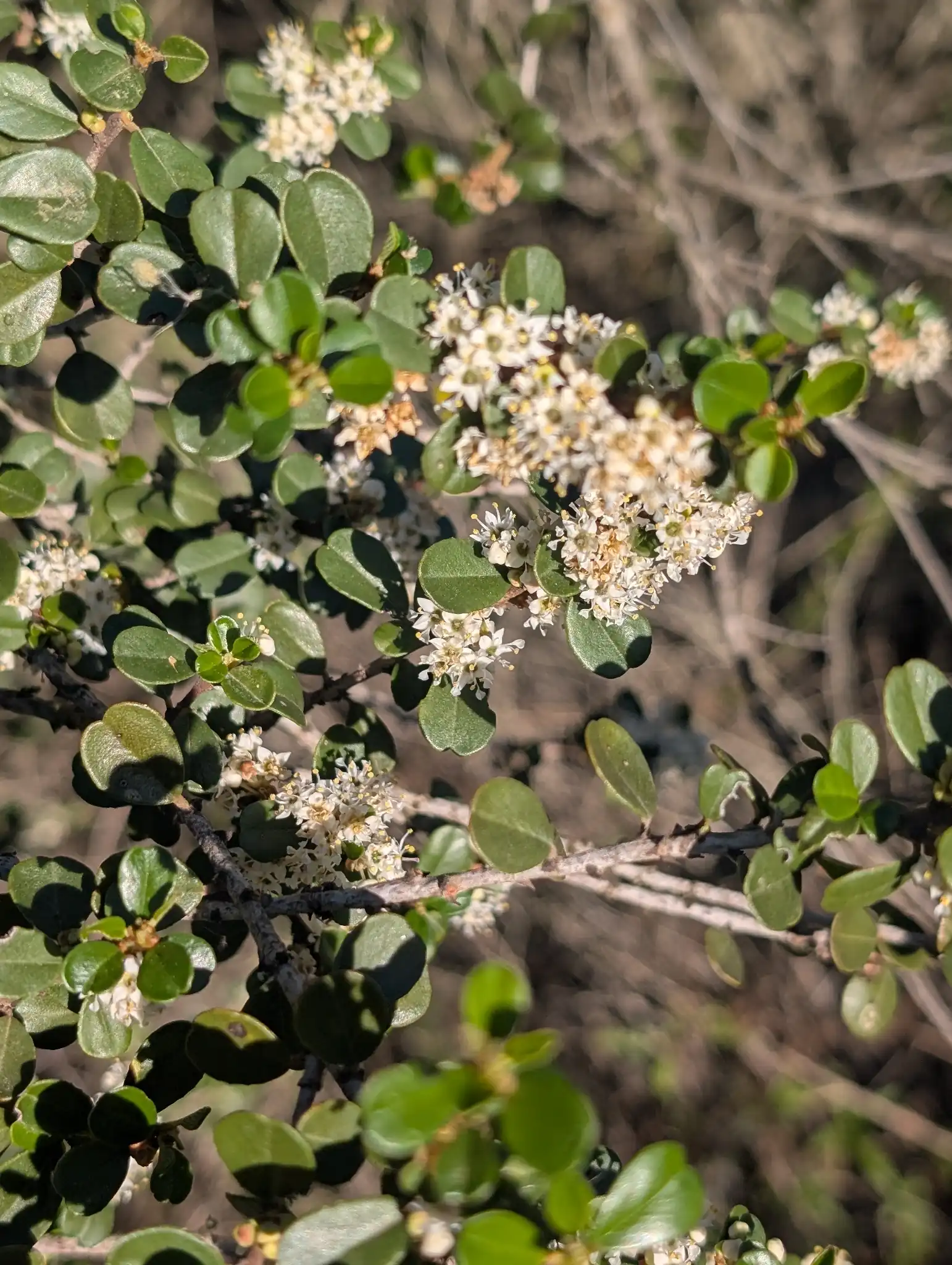
Ceanothus verrucosus, known as wart-stemmed ceanothus, is an evergreen shrub native to coastal chaparral in southern California and Baja California, reaching three to nine feet tall and wide. Its upright to rounded branching framework features stiff stems lined with persistent corky knobs and thick, glossy green leaves.
Unlike the majority of blue-flowered ceanothus species, this shrub bears dense, compact clusters of pure white to cream flowers from midwinter into spring. The profuse inflorescences cover the dark, warty branches and attract broad networks of native pollinators.
Uses & Benefits:
Essentials
At a Glance
Plant Type
Shrub
Height
106"
Width
106"
Light
Full Sun, Partial Sun
Zones
8, 9, 10
Water
Low
Humidity
Low
Lifespan
Perennial
Native To
Southwestern California, Baja California
Toxicity
Non-toxic
Bloom period
Winter – Spring
In flower about 6 months of the year
Planting
How to Grow
- Select a planting site in full sun to partial shade with coarse, sandy, or gravelly soil that drains freely.
- Dig a hole twice as wide as the root ball but no deeper, keeping the root crown elevated slightly above the surrounding soil level.
- Backfill with unamended native soil, firming gently without compacting the earth around the roots.
- Water deeply at planting to settle the soil, then withhold summer irrigation once established to prevent crown rot.
Pro Tip
Prune lightly right after spring bloom finishes; cutting back into old bare wood prevents new shoot growth and damages the framework of the shrub.
Keep It Thriving
Care Guide
Do
- Provide gritty, fast-draining soil to prevent fungal root diseases.
- Prune lightly into active leafy wood immediately following spring bloom.
- Allow the soil to dry out completely between waterings during establishment.
Don't
- Do not apply summer irrigation or allow standing water around the root zone.
- Do not cut hard into old, leafless woody branches.
- Do not amend the soil with heavy compost, organic matter, or high-nitrogen fertilizers.
Seasonal Care Calendar
| Task | Jan | Feb | Mar | Apr | May | Jun | Jul | Aug | Sep | Oct | Nov | Dec |
|---|---|---|---|---|---|---|---|---|---|---|---|---|
| Pest Check | ||||||||||||
| Propagate | ||||||||||||
| Prune | ||||||||||||
| Winter Prep |
Watch Out For
Pests & Diseases
Common Pests
Common Diseases
In the Garden
Landscape Uses & Companions
Landscape Uses
Multiply
Propagation Methods
Good to Know
Common Questions
Wart-Stemmed Ceanothus questions
What zones can Wart-Stemmed Ceanothus grow in?
Wart-Stemmed Ceanothus is hardy in USDA Zones 8–10: in that range it survives winter in the ground. Colder than Zone 8, grow it in a container you can move to shelter for the winter.
Is Wart-Stemmed Ceanothus deer resistant?
Not reliably. Deer may browse Wart-Stemmed Ceanothus, especially tender spring growth — plan on repellents or fencing where pressure is high.
When does Wart-Stemmed Ceanothus bloom?
Wart-Stemmed Ceanothus typically blooms from winter to spring. Exact timing shifts a week or two with your zone — Sow's bloom calendar maps it to your garden.
Does Wart-Stemmed Ceanothus need full sun?
Wart-Stemmed Ceanothus does best in full sun to part shade. In hot climates, afternoon shade keeps blooms fresher longer.
Is Wart-Stemmed Ceanothus drought tolerant?
Yes — once established (usually after the first full season), Wart-Stemmed Ceanothus handles dry spells with minimal watering. Water deeply its first year to build the root system that makes that possible.
More Ceanothus to compare
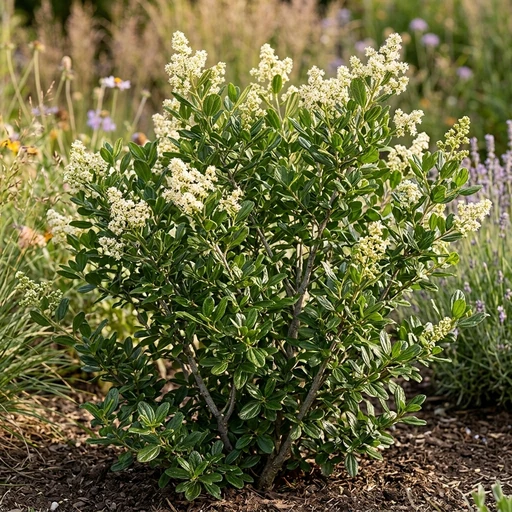
New Jersey Tea
Ceanothus americanus
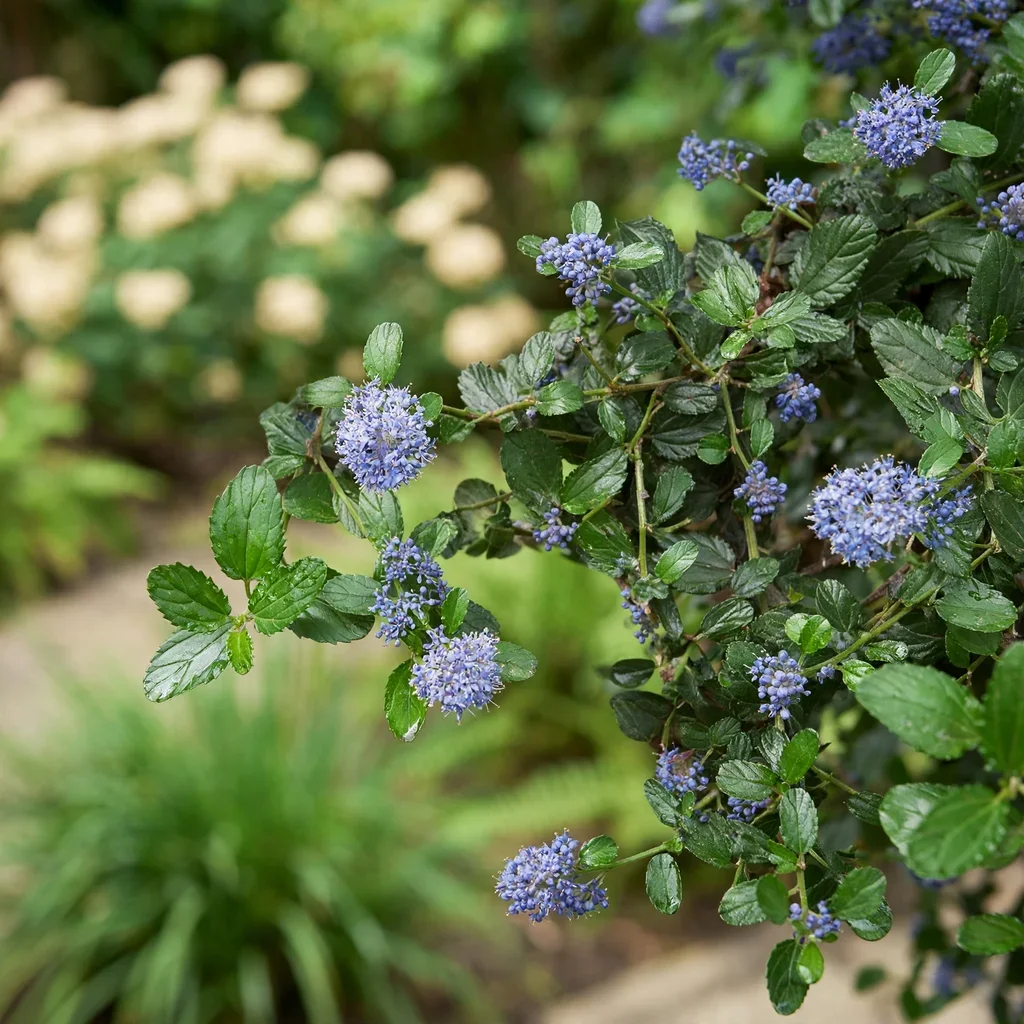
California Lilac
Ceanothus thyrsiflorus
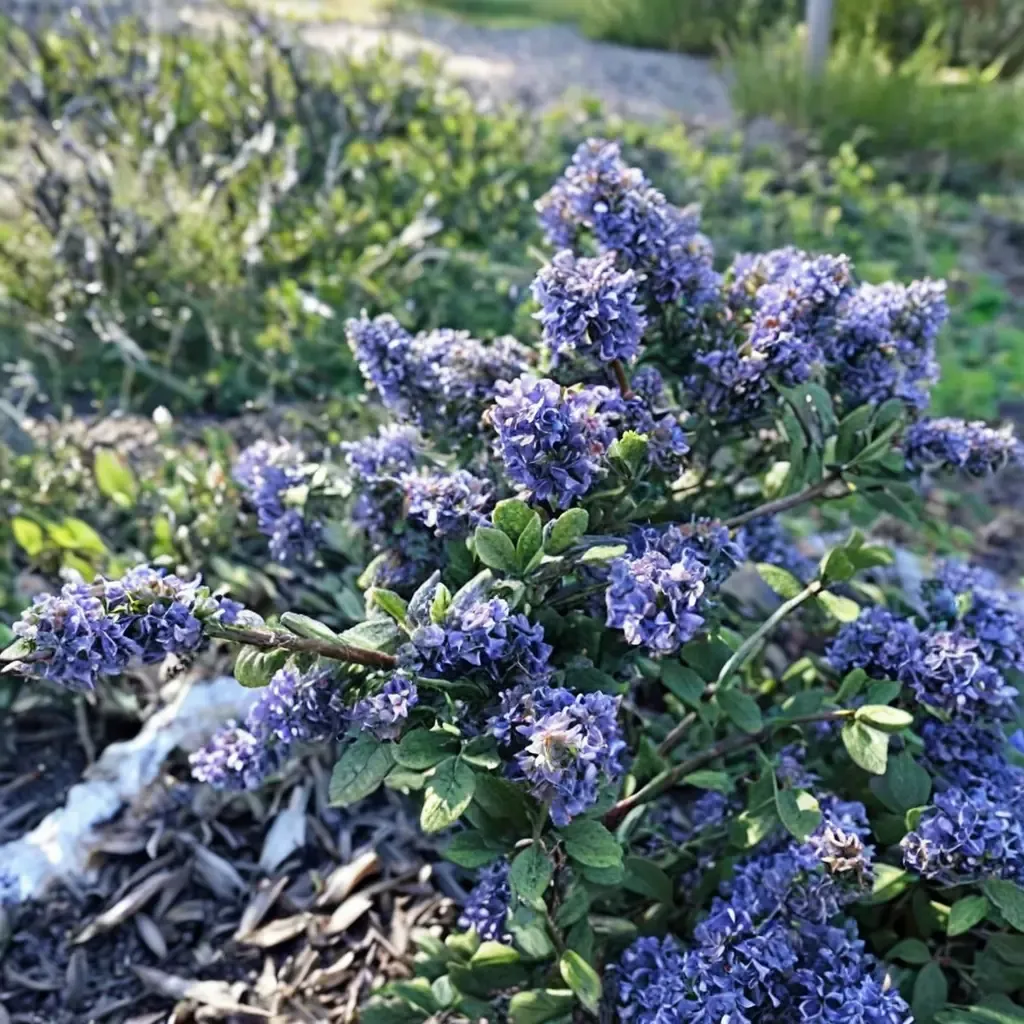
Valley Violet California Lilac
Ceanothus maritimus 'Valley Violet'
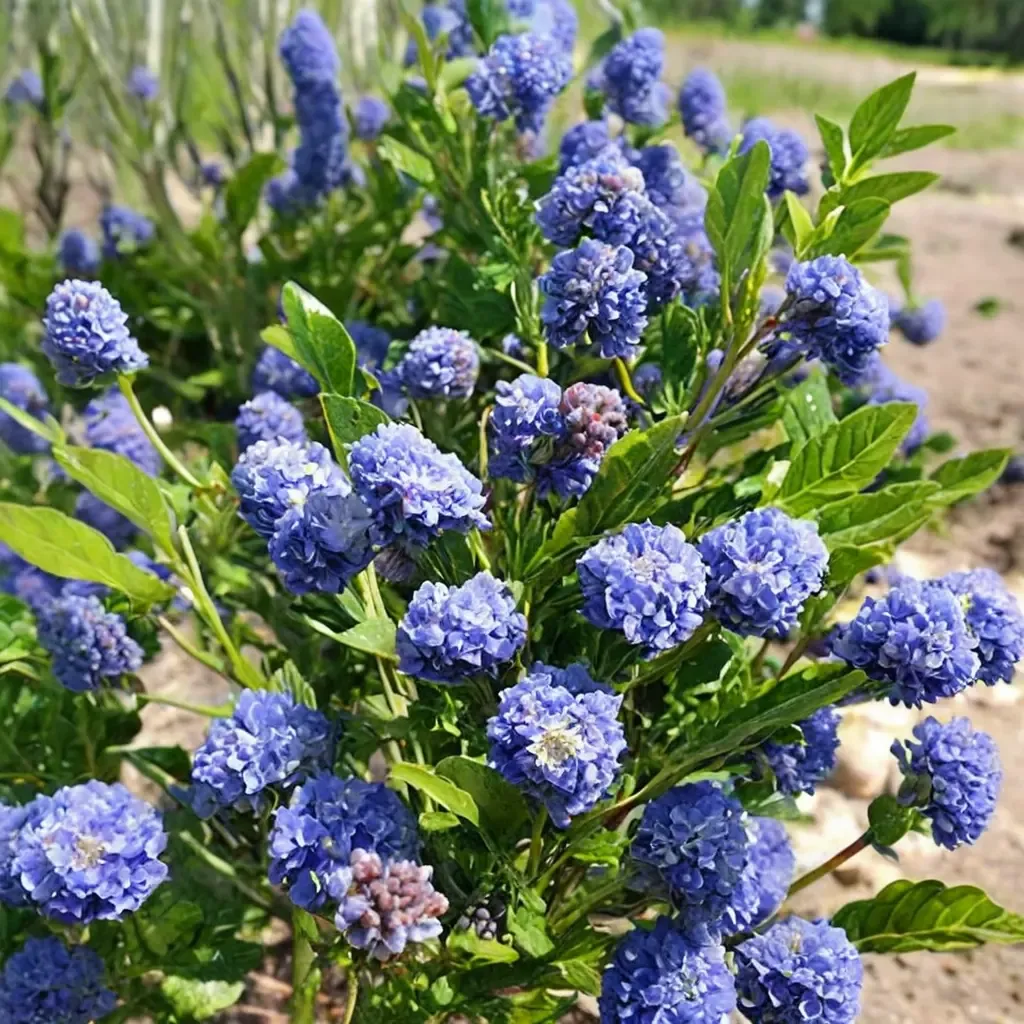
Skylark California Lilac
Ceanothus thyrsiflorus 'Skylark'
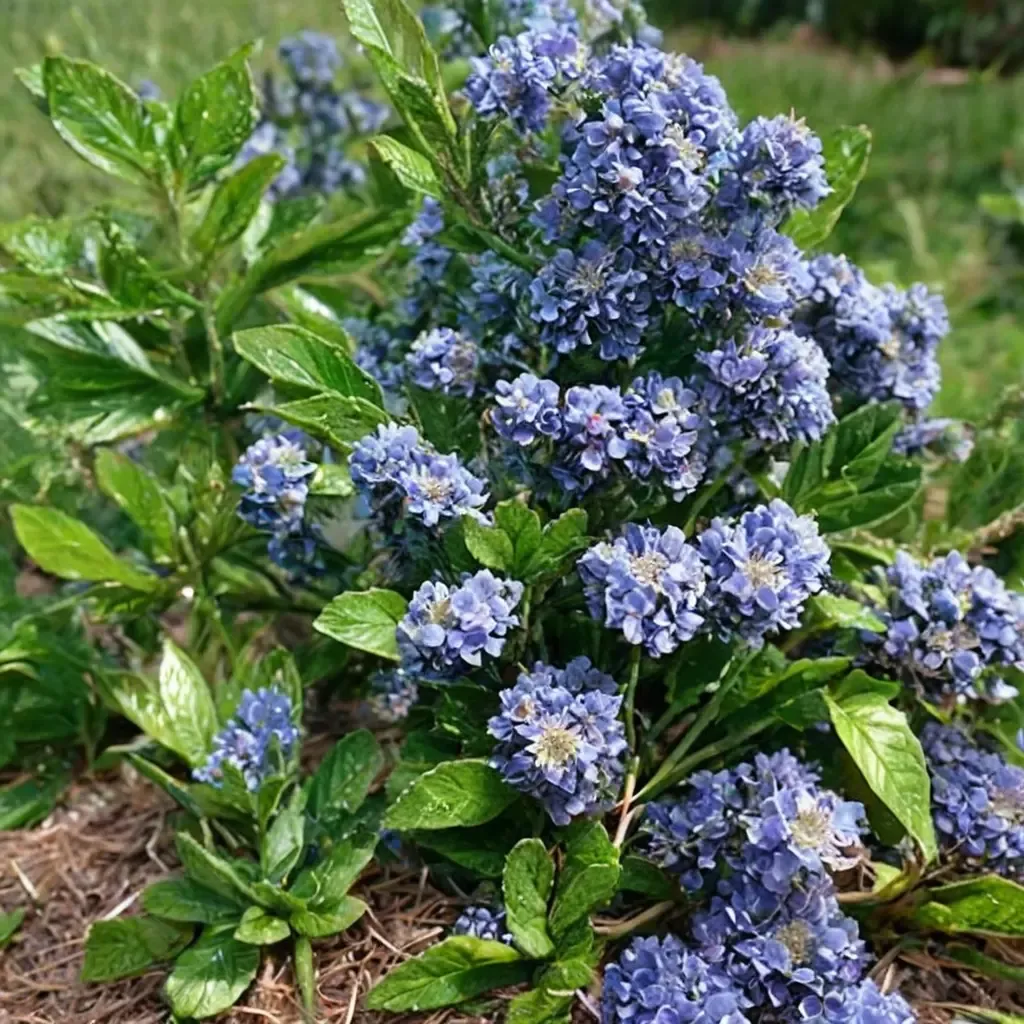
Victoria California Lilac
Ceanothus griseus 'Victoria'
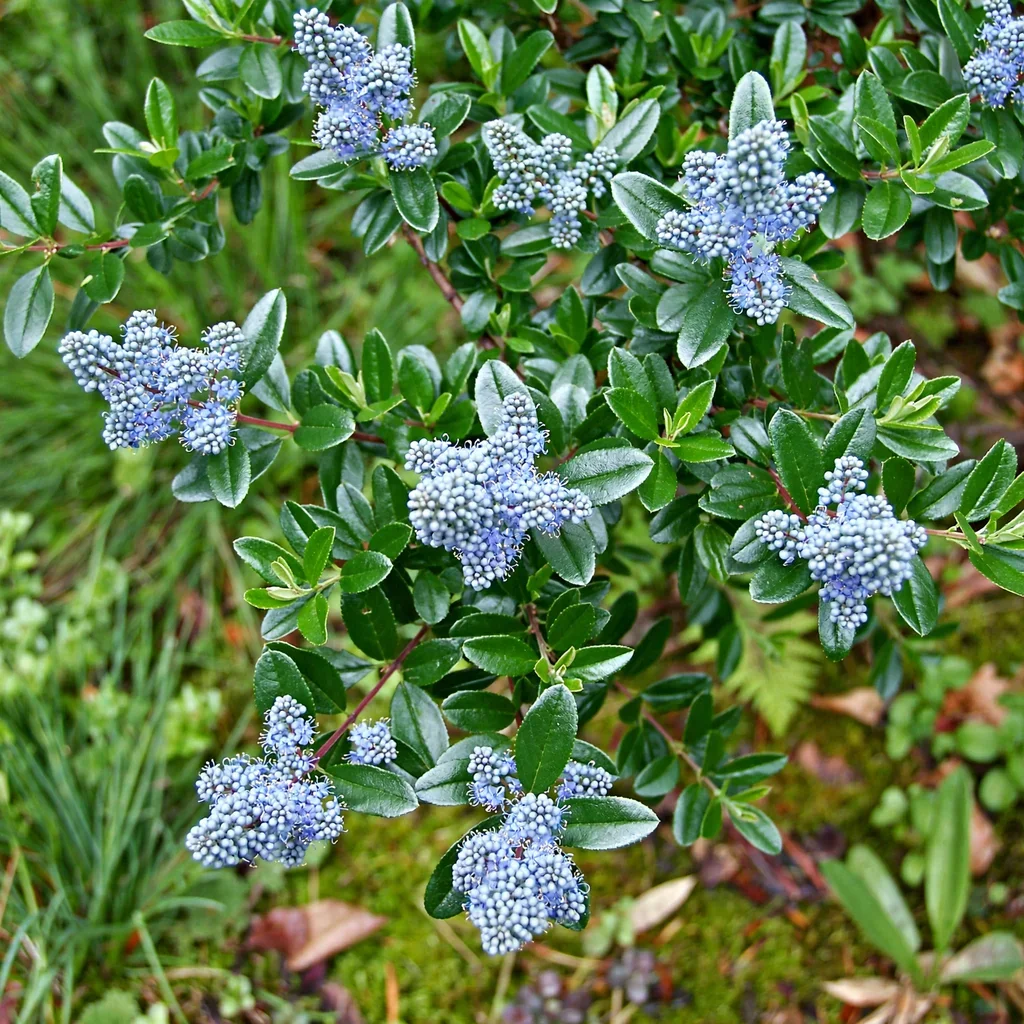
Yankee Point California Lilac
Ceanothus thyrsiflorus 'Yankee Point'
Keep exploring
Explore the genus
Hardy in your zone?
Grow Wart-Stemmed Ceanothus with confidence
See it in a design of your actual yard, get zone-matched care reminders, and track it season by season in your garden journal.