The Story
Plant Bio
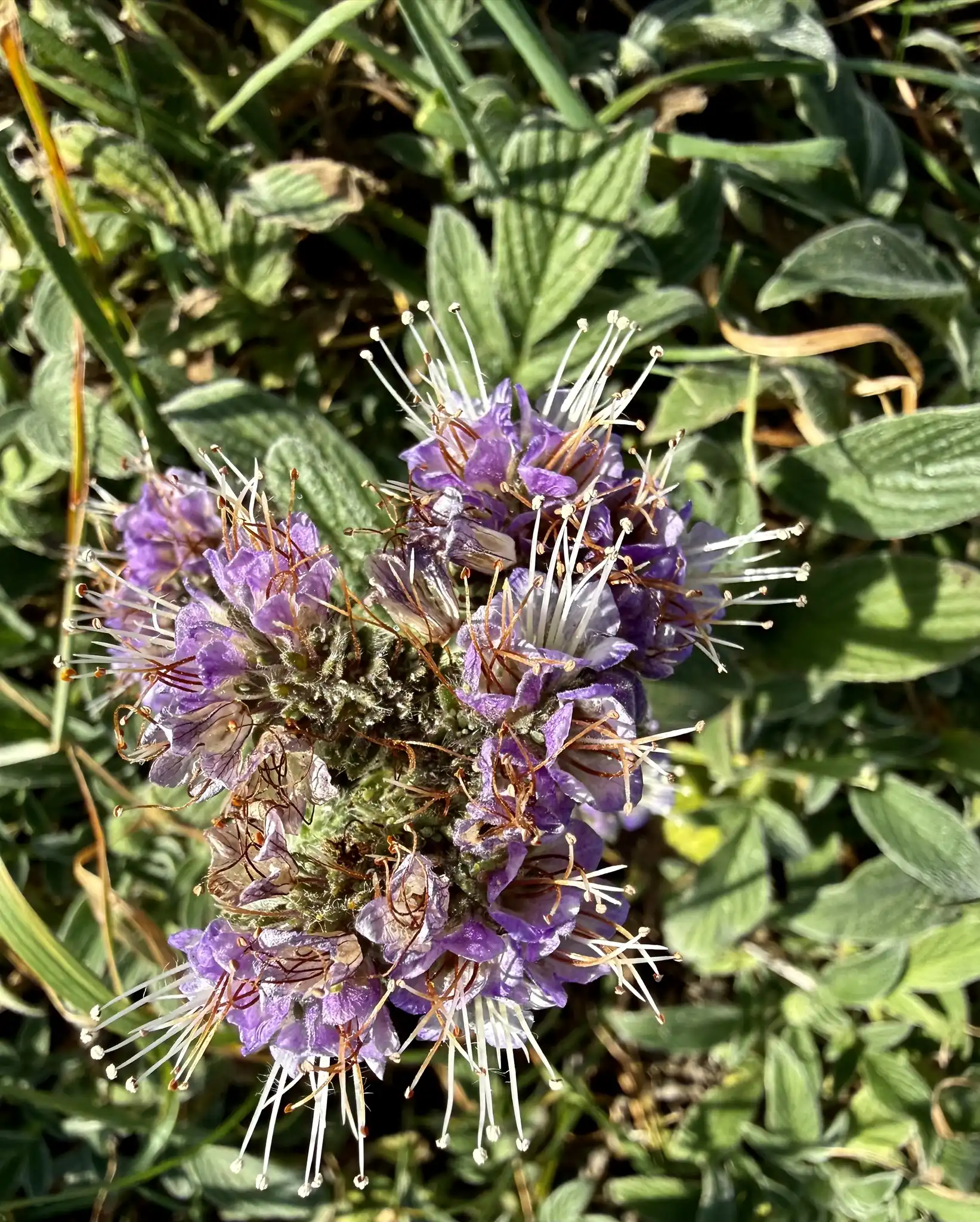
Phacelia californica is a low-growing, rosette-forming perennial native to coastal bluffs and chaparral slopes of California and Oregon. Its textured grey-green foliage is densely covered in stiff, coarse hairs that protect the plant in exposed, arid habitats.
Dense, coiling scorpioid cymes bearing lavender to pale blue bell-shaped flowers unfurl progressively through spring and summer, resembling a scorpion's tail. The nectar-rich blooms serve as an essential food source for native bees, bumblebees, and the endangered Mission blue butterfly.
Uses & Benefits:
Essentials
At a Glance
Plant Type
Perennial
Height
18"
Width
24"
Light
Full Sun, Partial Sun
Zones
8, 9, 10
Water
Low
Humidity
Low tolerance for high humidity
Lifespan
Perennial
Native To
North America (California, Oregon)
Toxicity
Stiff hairs cause mild skin irritation
Bloom period
Spring – Summer
In flower about 6 months of the year
Planting
How to Grow
- Select a planting site in full sun or light afternoon shade with sharply draining sandy or gravelly soil.
- Dig a hole slightly wider than the root ball and plant flush with the surrounding soil level to prevent crown submergence.
- Water thoroughly at installation to settle the roots, then reduce irrigation once established.
- Apply a fine gravel mulch around the base of the plant to keep the collar dry and prevent foliage rot.
Pro Tip
Provide sharp drainage and lean mineral soil; excess summer moisture and rich organic compost induce collar rot and quickly destroy the crown.
Keep It Thriving
Care Guide
Do
- Plant in lean, mineral-rich, highly permeable soil.
- Wear gloves when handling to avoid skin irritation from glandular leaf hairs.
- Allow soil to dry out between occasional summer waterings.
Don't
- Do not amend the soil with rich compost or heavy organic fertilizers.
- Do not overwater during summer dormancy or allow soil to remain waterlogged.
- Do not prune hard into old, leafless woody tissue.
Seasonal Care Calendar
| Task | Jan | Feb | Mar | Apr | May | Jun | Jul | Aug | Sep | Oct | Nov | Dec |
|---|---|---|---|---|---|---|---|---|---|---|---|---|
| Pest Check | ||||||||||||
| Plant | ||||||||||||
| Propagate | ||||||||||||
| Prune |
Watch Out For
Pests & Diseases
Common Pests
Common Diseases
In the Garden
Landscape Uses & Companions
Landscape Uses
Multiply
Propagation Methods
Good to Know
Common Questions
California Phacelia questions
What zones can California Phacelia grow in?
California Phacelia is hardy in USDA Zones 8–10: in that range it survives winter in the ground. Colder than Zone 8, grow it in a container you can move to shelter for the winter, or as an annual.
Is California Phacelia deer resistant?
Yes — California Phacelia is rated deer-resistant. Deer typically pass it over, though extreme hunger can override any plant's defenses.
When does California Phacelia bloom?
California Phacelia typically blooms from spring to summer. Exact timing shifts a week or two with your zone — Sow's bloom calendar maps it to your garden.
Does California Phacelia need full sun?
California Phacelia does best in full sun to part shade. In hot climates, afternoon shade keeps blooms fresher longer.
Is California Phacelia drought tolerant?
Yes — once established (usually after the first full season), California Phacelia handles dry spells with minimal watering. Water deeply its first year to build the root system that makes that possible.
More Phacelia to compare
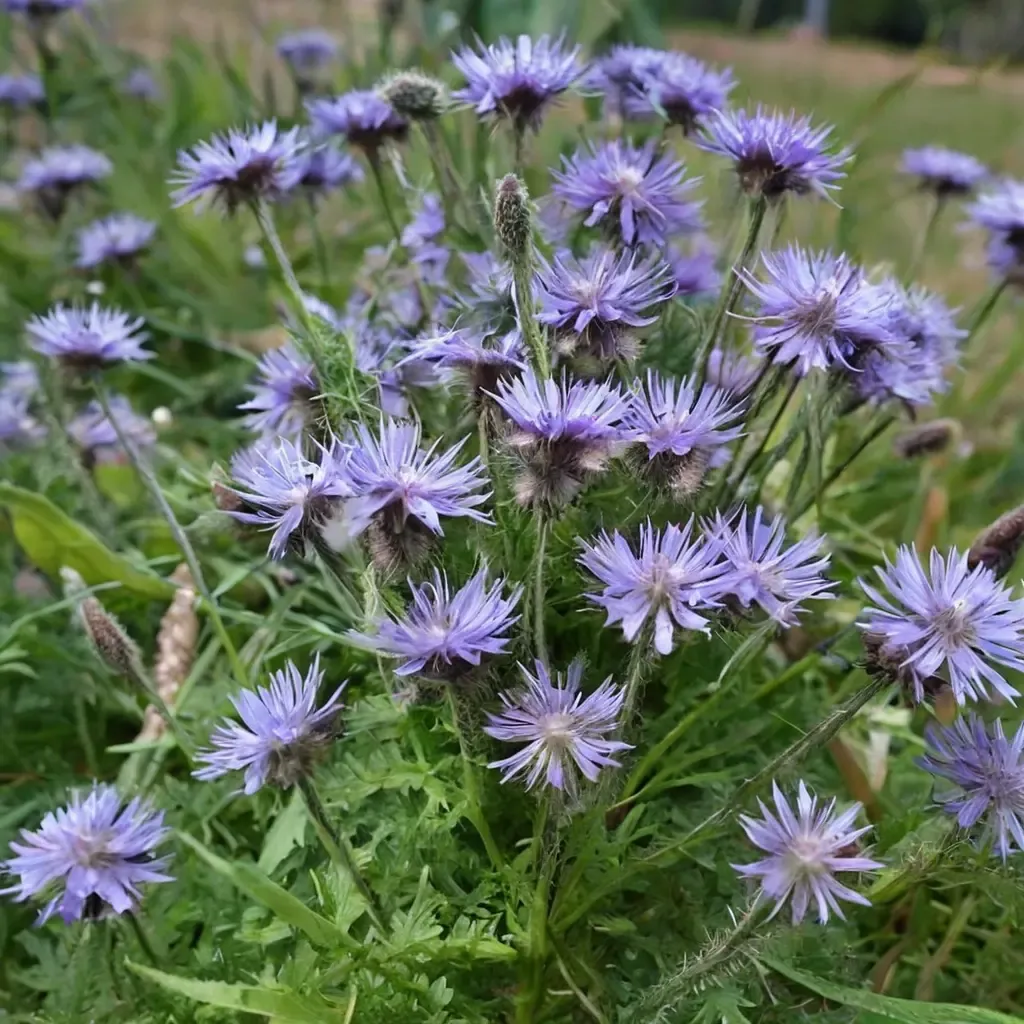
Lacy phacelia Bluebell phacelia
Phacelia tanacetifolia
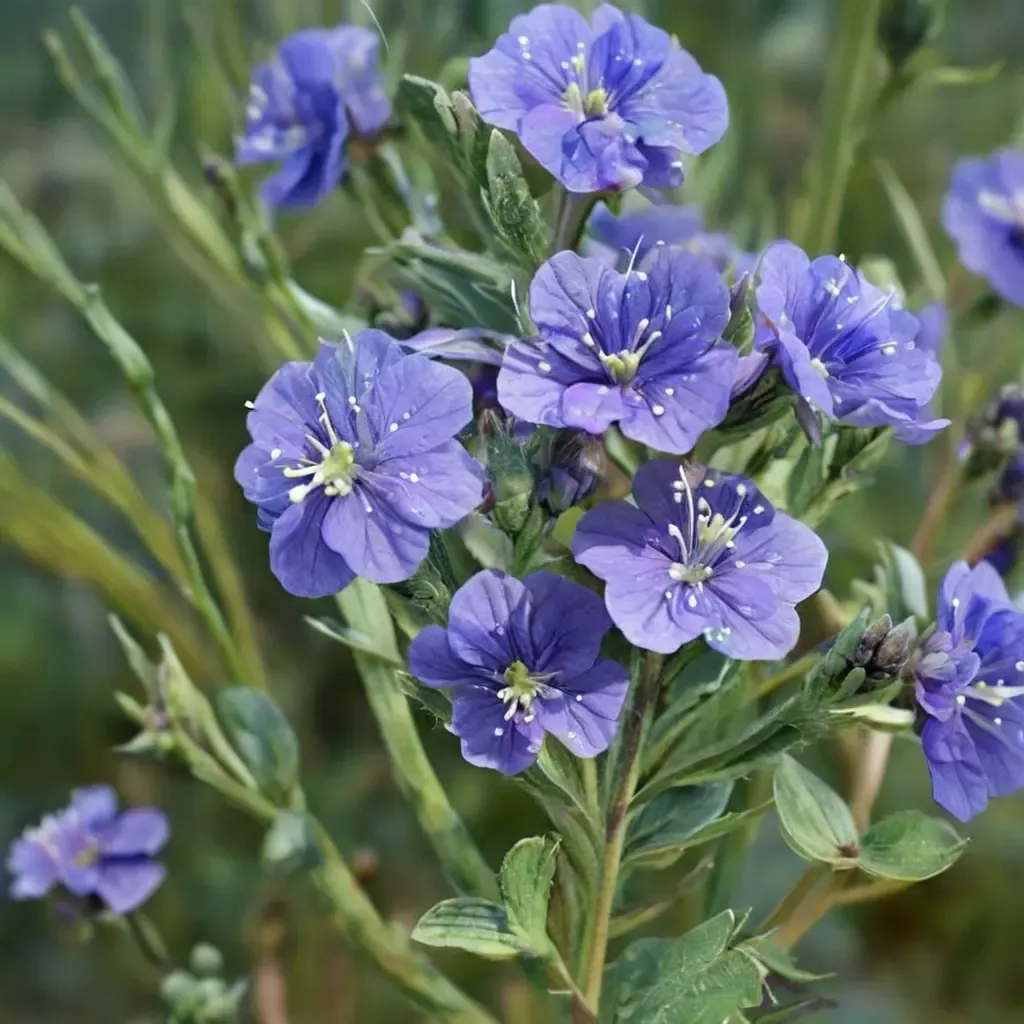
Great Valley Phacelia
Phacelia ciliata
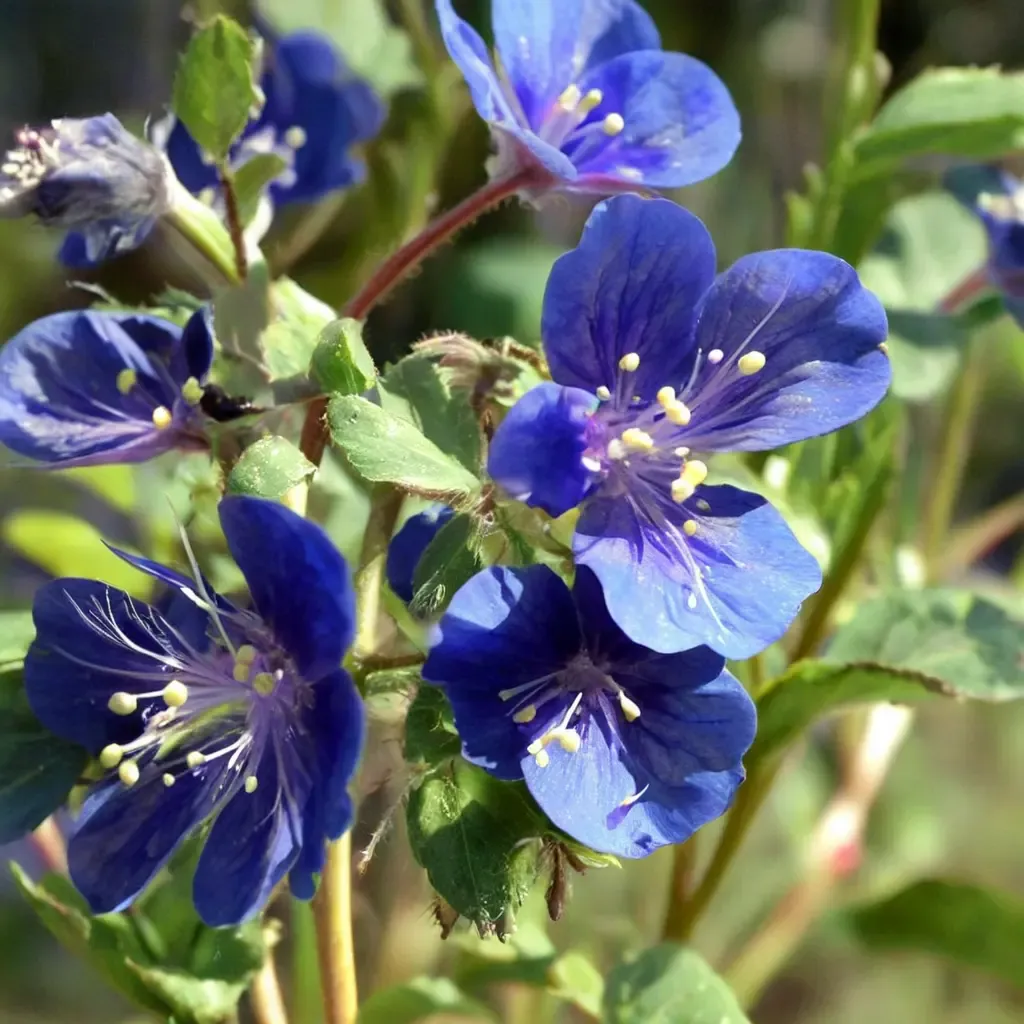
Parry's Phacelia
Phacelia parryi
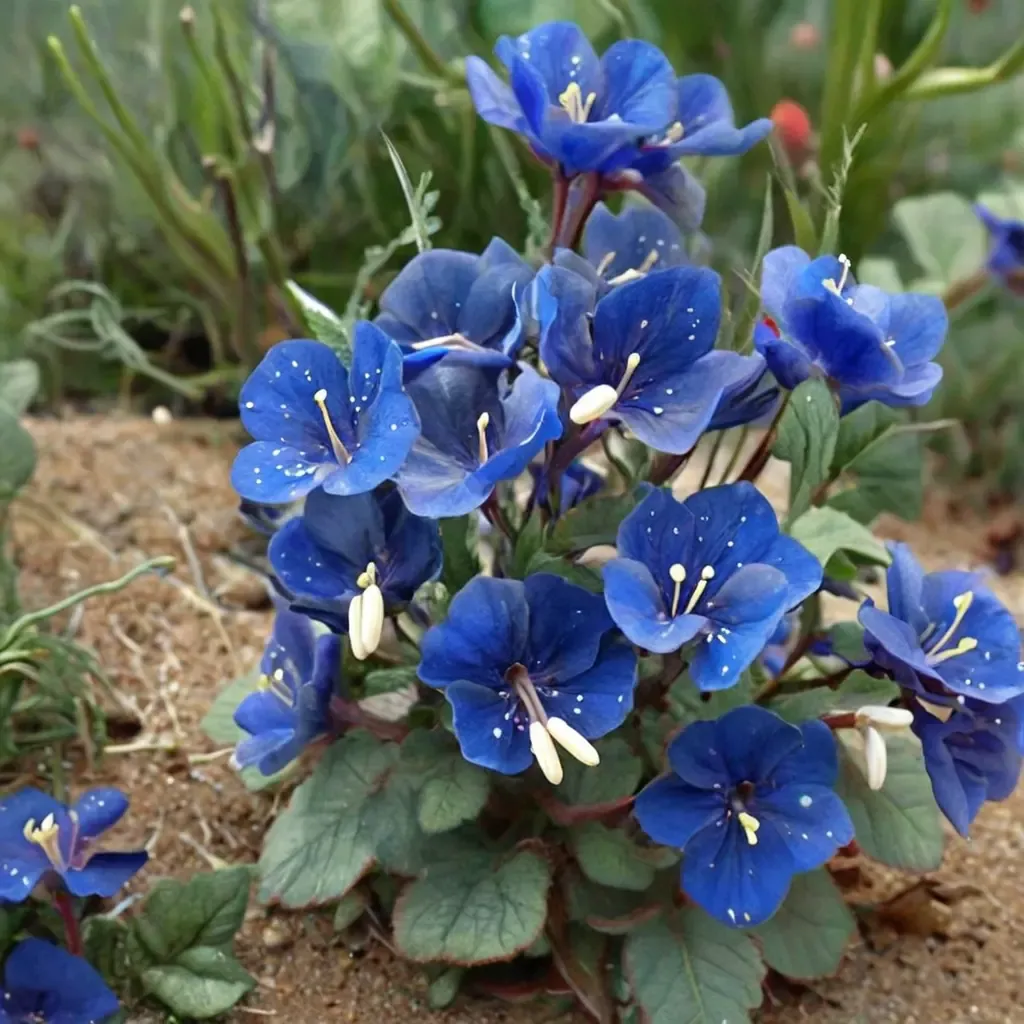
Desert Bluebell
Phacelia campanularia
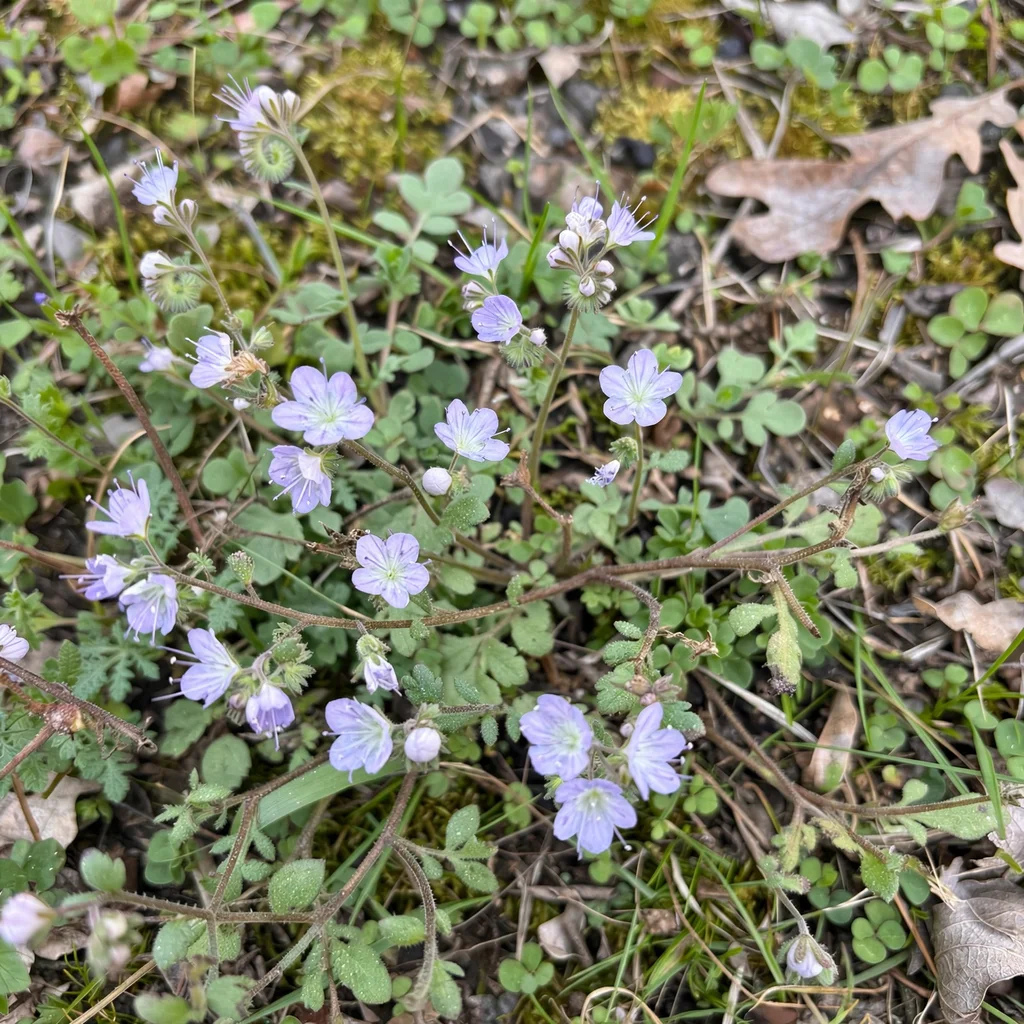
Smallflower Phacelia
Phacelia dubia
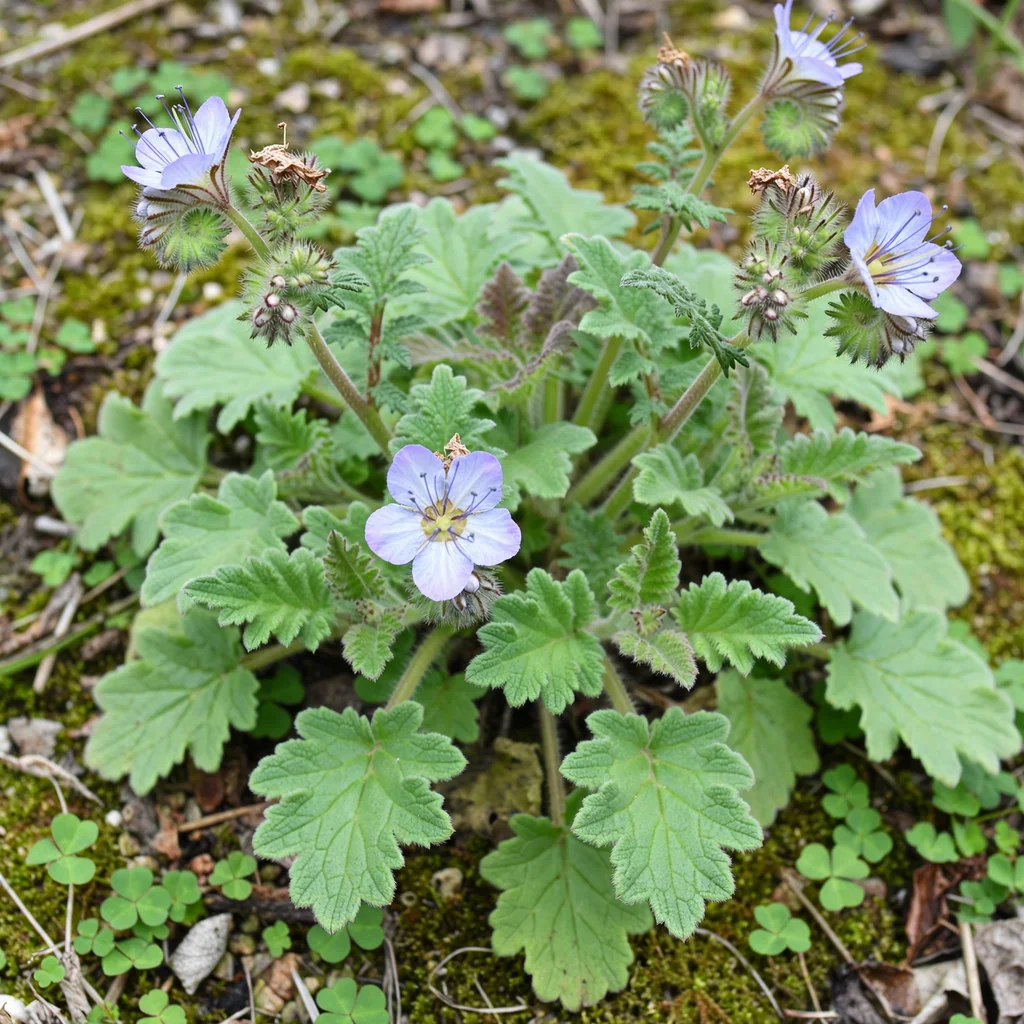
Bolander's Phacelia
Phacelia bolanderi
Keep exploring
Explore the genus
Hardy in your zone?
Grow California Phacelia with confidence
See it in a design of your actual yard, get zone-matched care reminders, and track it season by season in your garden journal.