The Story
Plant Bio
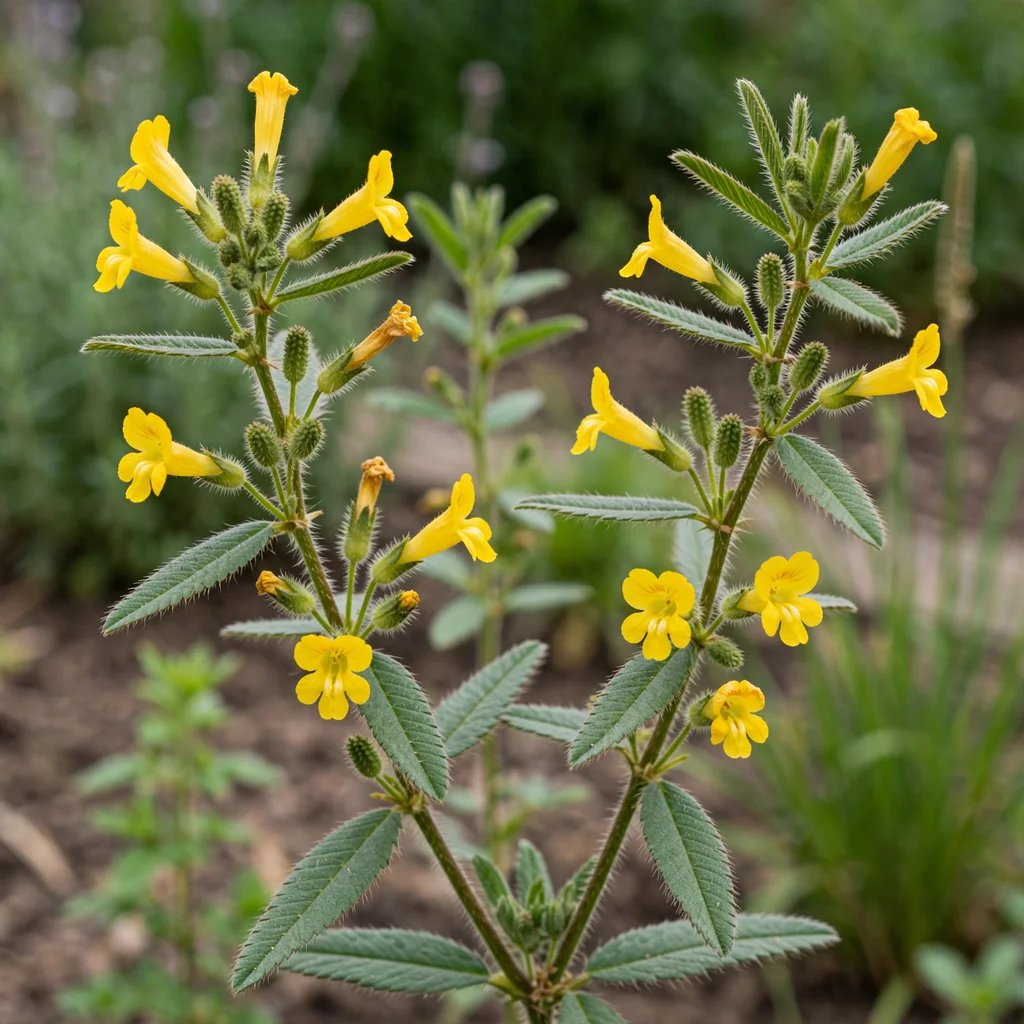
Diplacus clevelandii, still sold as Mimulus clevelandii, is a sturdy rhizomatous perennial herb reaching one to three feet tall from a woody caudex, with erect hairy stems that are only weakly woody at the base. The foliage is hairy throughout, and each stem carries a single inflorescence of bright yellow flowers through spring and summer.
Unlike most bush monkeyflowers, which are woody shrubs, this species stays herbaceous except at the crown and spreads by rhizomes rather than forming a dense shrub. Its restricted Peninsular Range origin and one yellow inflorescence per stem separate it at a glance from the common shrubby Diplacus of cultivation.
Uses & Benefits:
Essentials
At a Glance
Plant Type
Perennial
Height
35"
Width
24"
Light
Full Sun, Partial Sun
Zones
9, 10
Water
Low
Humidity
Unknown
Lifespan
Perennial
Native To
Southern California and Baja California
Toxicity
Unknown
Bloom period
Late spring – Summer
In flower about 4 months of the year
Planting
How to Grow
- Plant in fall into full sun, with part shade inland, in sandy fast-draining soil enriched with organic matter.
- Set the caudex at or slightly above grade and water in once to settle the soil.
- Water regularly through the first spring, then taper off; established clumps prefer dry summers.
- Leave basal shoots intact over winter and clear only dead top growth in early spring.
Pro Tip
Plant high in coarse fast-draining soil and keep winter-wet soil off the crown; soggy compacted ground rots the caudex.
Keep It Thriving
Care Guide
Do
- Give full sun and sharp drainage with sandy or coarse soil.
- Allow space to 2 feet wide for the rhizomatous clump to fill.
- Source nursery-propagated plants because wild populations are restricted.
Don't
- Do not plant in waterlogged or compacted clay where the crown stays wet.
- Do not cut hard into old leafless bases; regrowth comes from the caudex.
- Do not expect a woody shrub habit; this is a herbaceous perennial.
Seasonal Care Calendar
| Task | Jan | Feb | Mar | Apr | May | Jun | Jul | Aug | Sep | Oct | Nov | Dec |
|---|---|---|---|---|---|---|---|---|---|---|---|---|
| Deadhead | ||||||||||||
| Mulch | ||||||||||||
| Pest Check | ||||||||||||
| Plant | ||||||||||||
| Prune |
Watch Out For
Pests & Diseases
Common Pests
Common Diseases
In the Garden
Landscape Uses & Companions
Landscape Uses
Multiply
Propagation Methods
Good to Know
Common Questions
Cleveland's Bush Monkeyflower questions
What zones can Cleveland's Bush Monkeyflower grow in?
Cleveland's Bush Monkeyflower is hardy in USDA Zones 9–10: in that range it survives winter in the ground. Colder than Zone 9, grow it in a container you can move to shelter for the winter, or as an annual.
Is Cleveland's Bush Monkeyflower deer resistant?
Yes — Cleveland's Bush Monkeyflower is rated deer-resistant. Deer typically pass it over, though extreme hunger can override any plant's defenses.
When does Cleveland's Bush Monkeyflower bloom?
Cleveland's Bush Monkeyflower typically blooms from late spring to late summer. Exact timing shifts a week or two with your zone — Sow's bloom calendar maps it to your garden.
Does Cleveland's Bush Monkeyflower need full sun?
Cleveland's Bush Monkeyflower does best in full sun to part shade. In hot climates, afternoon shade keeps blooms fresher longer.
More Mimulus to compare
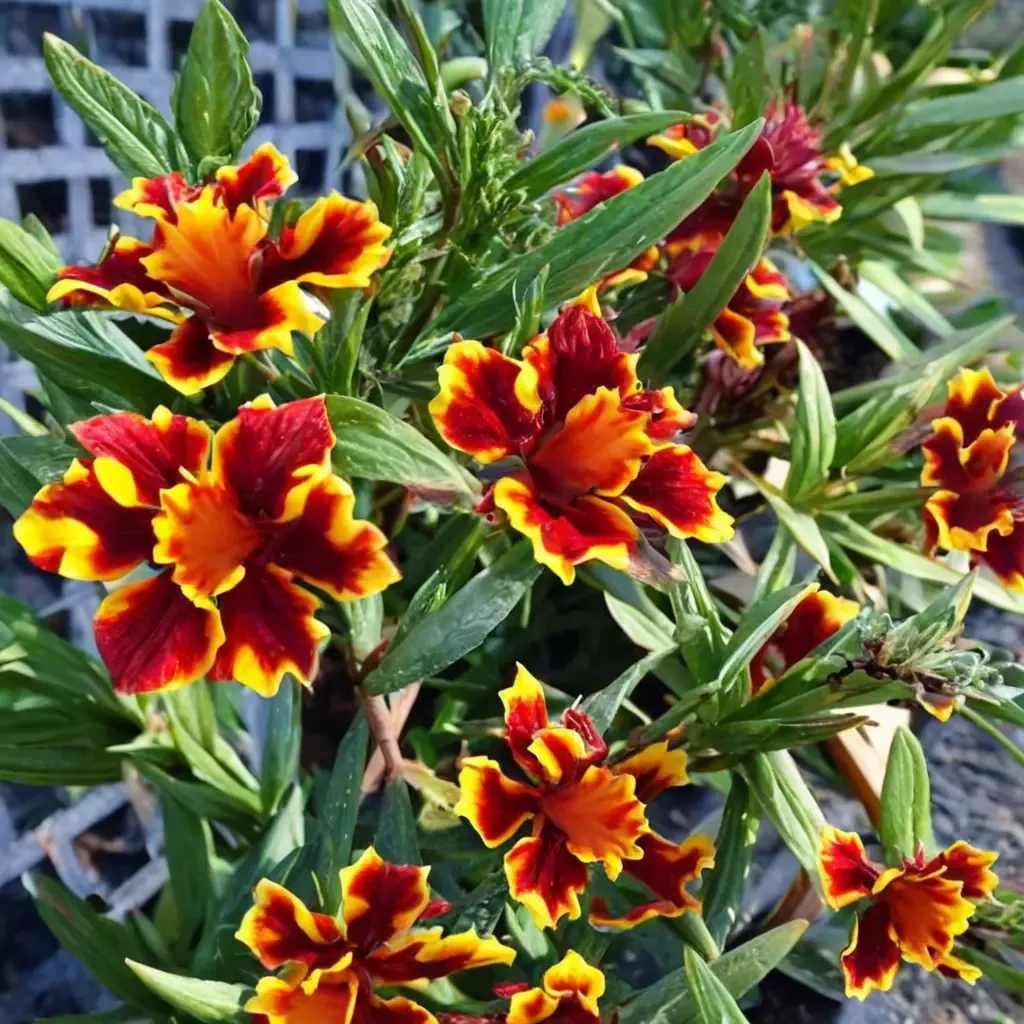
Roundleaf Monkeyflower
Mimulus aurantiacus 'Jelly Bean Fiesta Marigold'
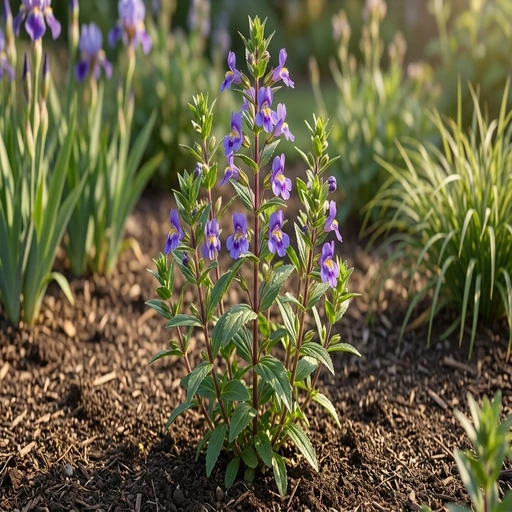
Allegheny Monkey Flower
Mimulus ringens
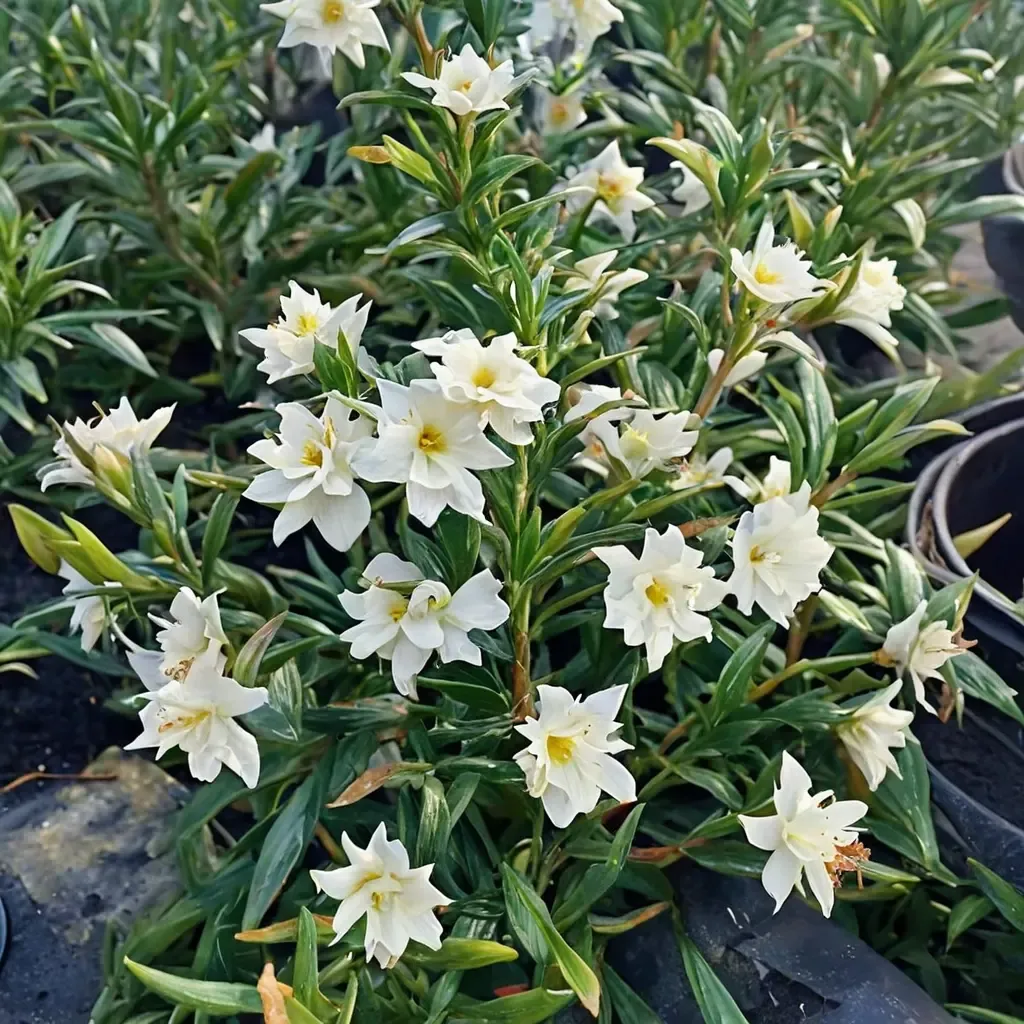
White Monkey Flower
Mimulus bifidus 'White'
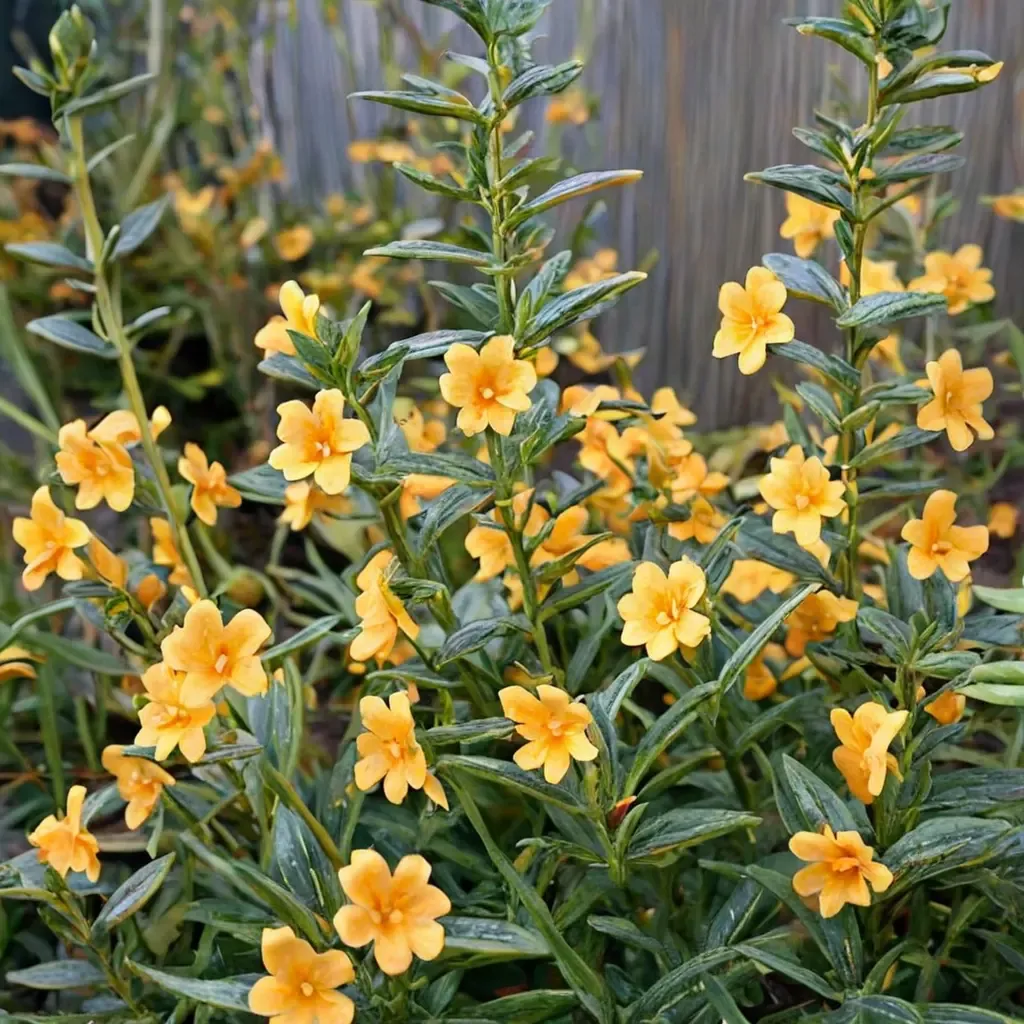
Point Molate Monkeyflower
Mimulus aurantiacus 'Point Molate'
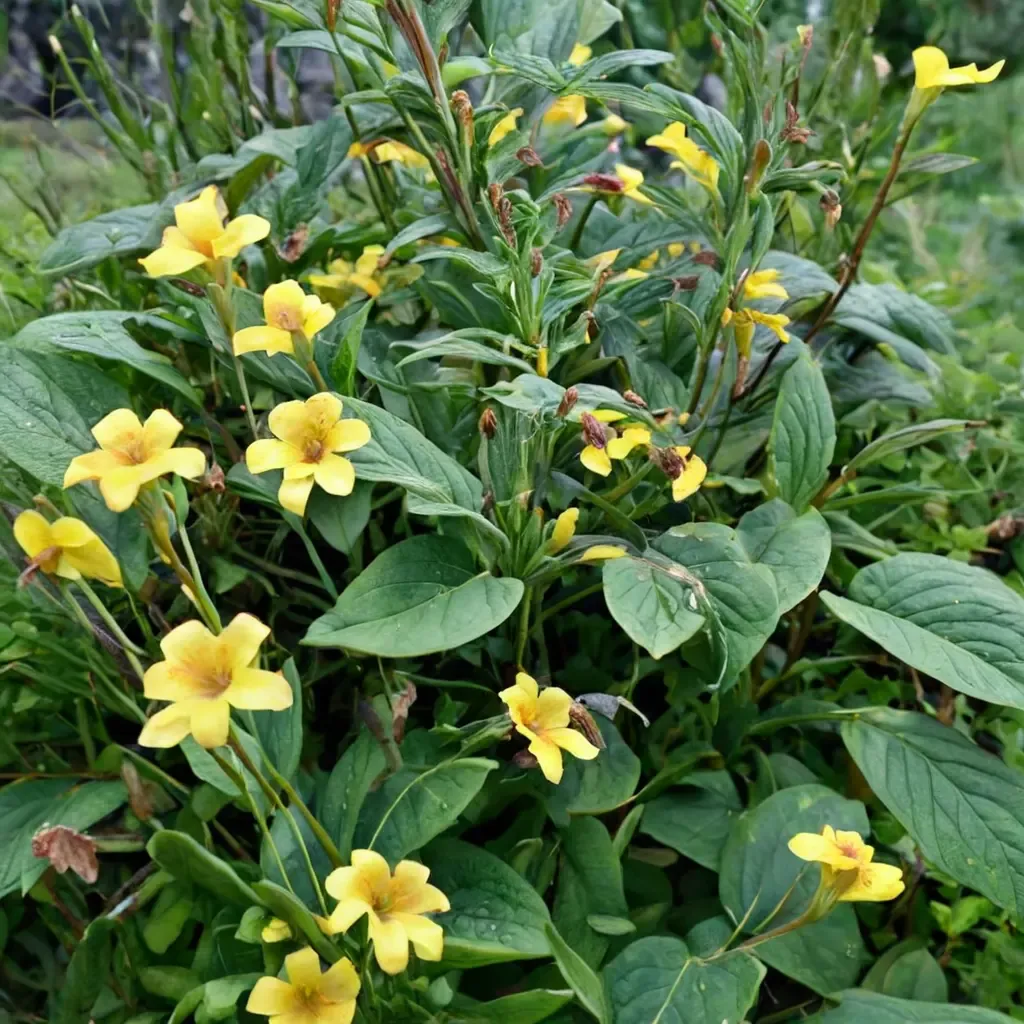
Bush Monkey Flower
Mimulus fruticosus
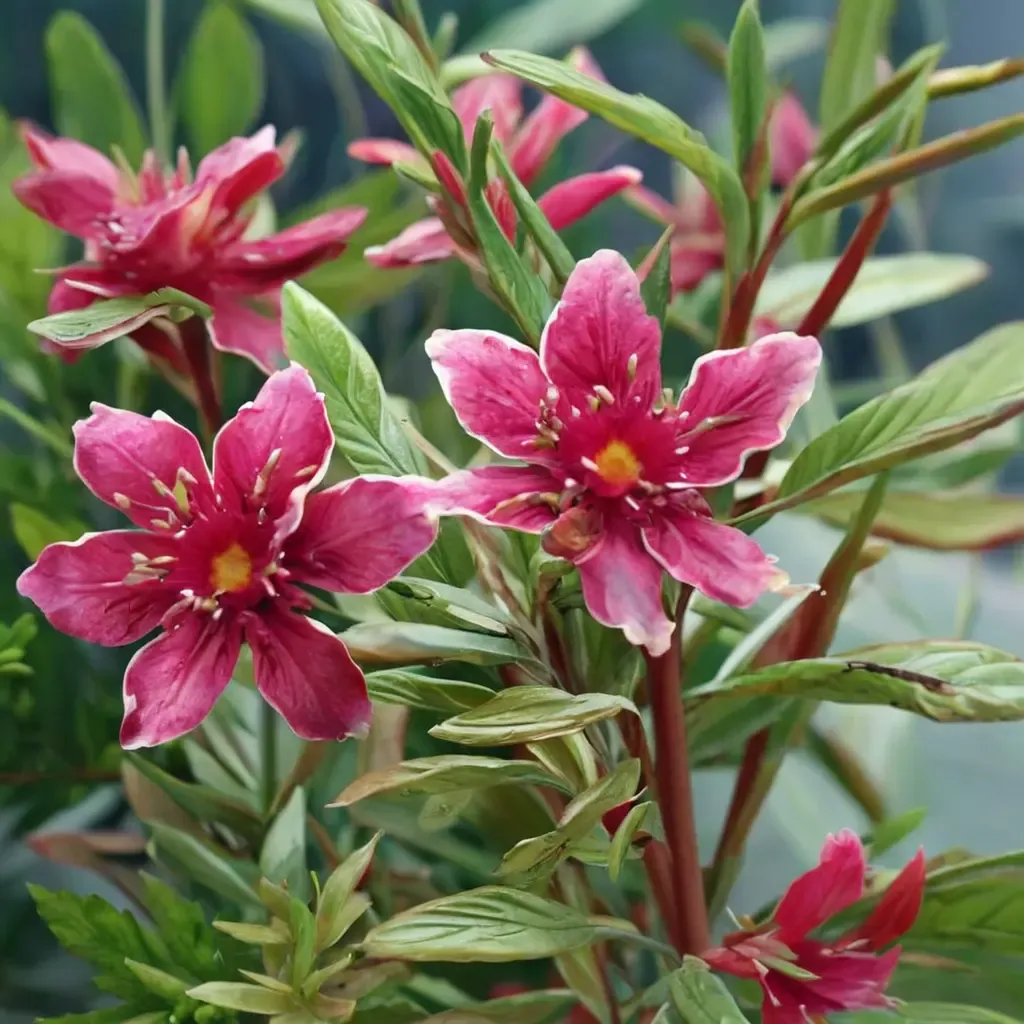
Cherry Monkey Flower
Mimulus aurantiacus 'Cherry'
Keep exploring
Explore the genus
Hardy in your zone?
Grow Cleveland's Bush Monkeyflower with confidence
See it in a design of your actual yard, get zone-matched care reminders, and track it season by season in your garden journal.