The Story
Plant Bio
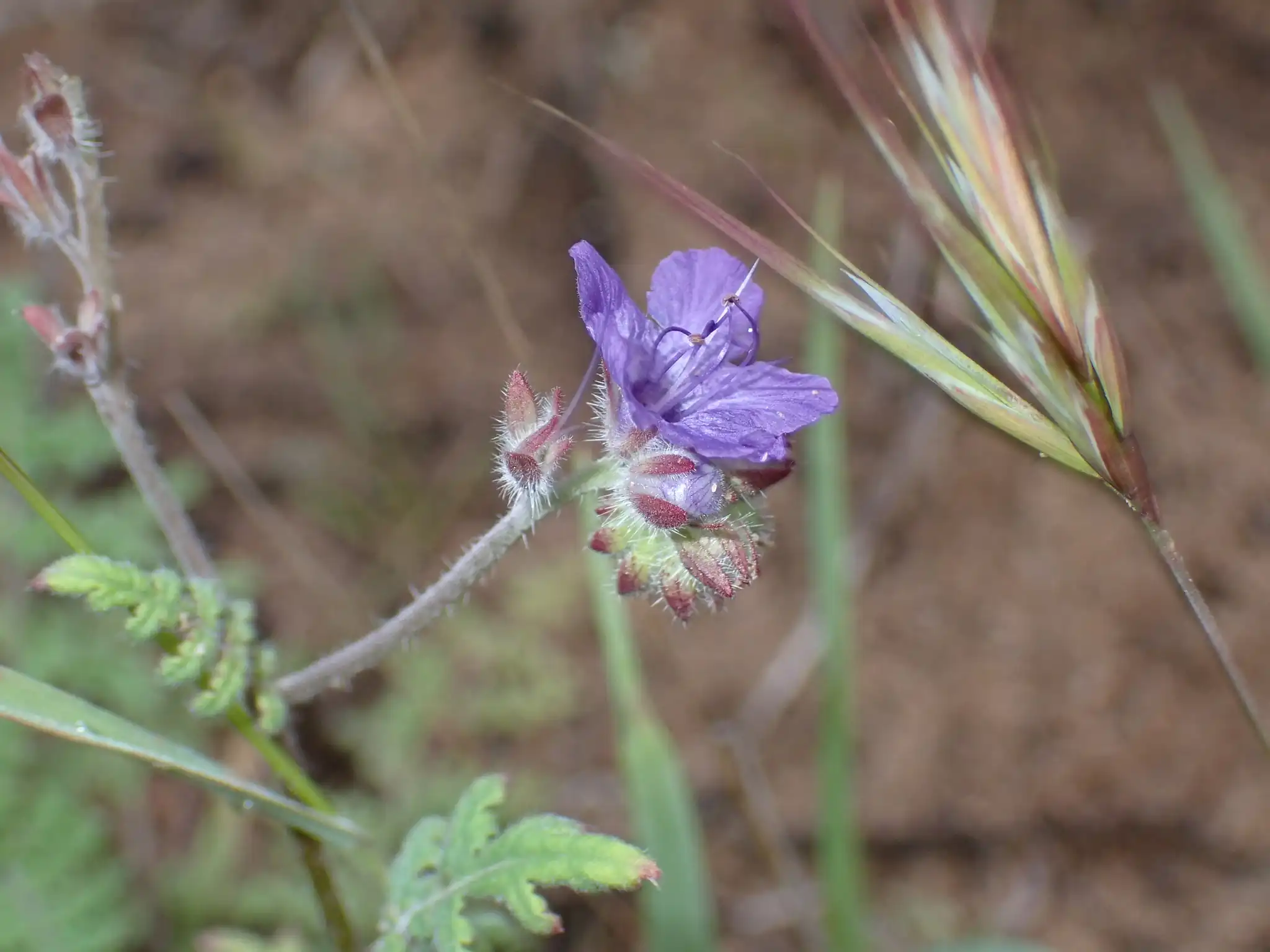
Phacelia distans is a variable winter annual native to dry slopes, scrublands, and deserts of the southwestern United States and northwestern Mexico. It grows up to 31 inches tall with gray-green foliage that is deeply divided and covered in glandular bristles.
The species produces coiled flower heads that uncurll like a scorpion tail as light blue to lavender bell-shaped blooms open sequentially. Handling foliage bare-handed can release glandular oils that trigger contact skin irritation.
Uses & Benefits:
Essentials
At a Glance
Plant Type
Annual
Height
31"
Width
35"
Light
Full Sun, Partial Sun
Zones
8, 9, 10
Water
Low
Humidity
Low
Lifespan
Annual
Native To
Southwestern US, Northwestern Mexico
Toxicity
Causes contact skin irritation
Bloom period
Late winter – Late spring
In flower about 4 months of the year
Planting
How to Grow
- Sow seeds directly outdoors in autumn to align with cool winter moisture cycles.
- Select an open site in full sun with unamended, sharply drained soil.
- Press seeds lightly into the soil surface, as brief winter rains trigger germination.
- Wear protective gloves when thinning or handling plants to protect skin from oil exudates.
Pro Tip
Sow seeds directly into lean, sharply drained soil in fall; excess water or rich fertilizer causes weak stems that collapse from root rot.
Keep It Thriving
Care Guide
Do
- Sow seeds directly where plants are intended to mature.
- Wear gloves when working near foliage to prevent skin irritation.
- Ensure total soil drainage during winter wet periods.
Don't
- Do not apply nitrogen-rich fertilizers.
- Do not overwater established seedlings during dry spells.
- Do not attempt to transplant seedlings once taproots develop.
Seasonal Care Calendar
| Task | Jan | Feb | Mar | Apr | May | Jun | Jul | Aug | Sep | Oct | Nov | Dec |
|---|---|---|---|---|---|---|---|---|---|---|---|---|
| Deadhead | ||||||||||||
| Pest Check | ||||||||||||
| Plant | ||||||||||||
| Spring Cleanup |
Watch Out For
Pests & Diseases
Common Pests
Common Diseases
In the Garden
Landscape Uses & Companions
Landscape Uses
Multiply
Propagation Methods
Good to Know
Common Questions
Distant Phacelia questions
What zones can Distant Phacelia grow in?
Distant Phacelia is an annual: it grows, flowers and sets seed in one season, so winter cold doesn't limit where it grows. Gardeners in any zone can grow it by planting at the right time, usually after the last spring frost.
When does Distant Phacelia bloom?
Distant Phacelia typically blooms from late winter to late spring. Exact timing shifts a week or two with your zone — Sow's bloom calendar maps it to your garden.
Does Distant Phacelia need full sun?
Distant Phacelia does best in full sun to part shade. In hot climates, afternoon shade keeps blooms fresher longer.
Is Distant Phacelia drought tolerant?
Yes — once established (usually after the first full season), Distant Phacelia handles dry spells with minimal watering. Water deeply its first year to build the root system that makes that possible.
More Phacelia to compare
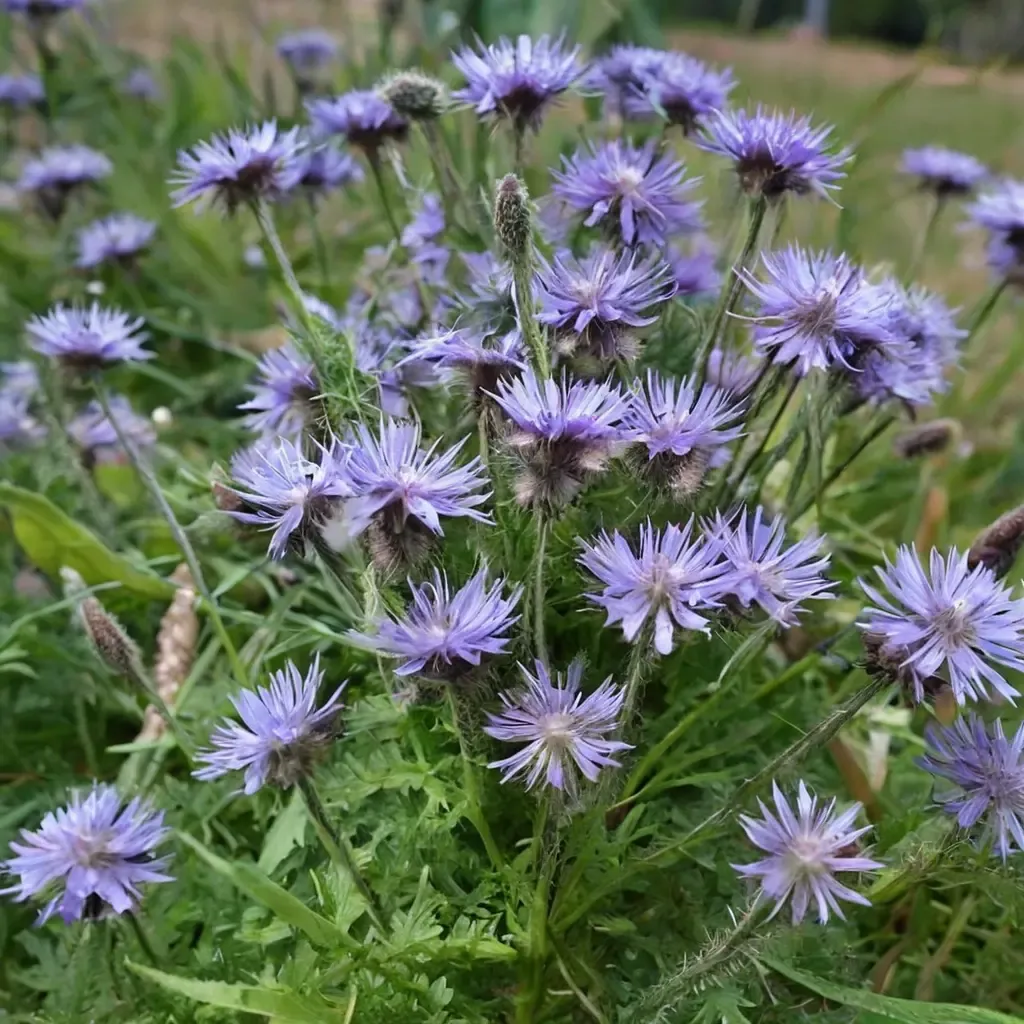
Lacy phacelia Bluebell phacelia
Phacelia tanacetifolia
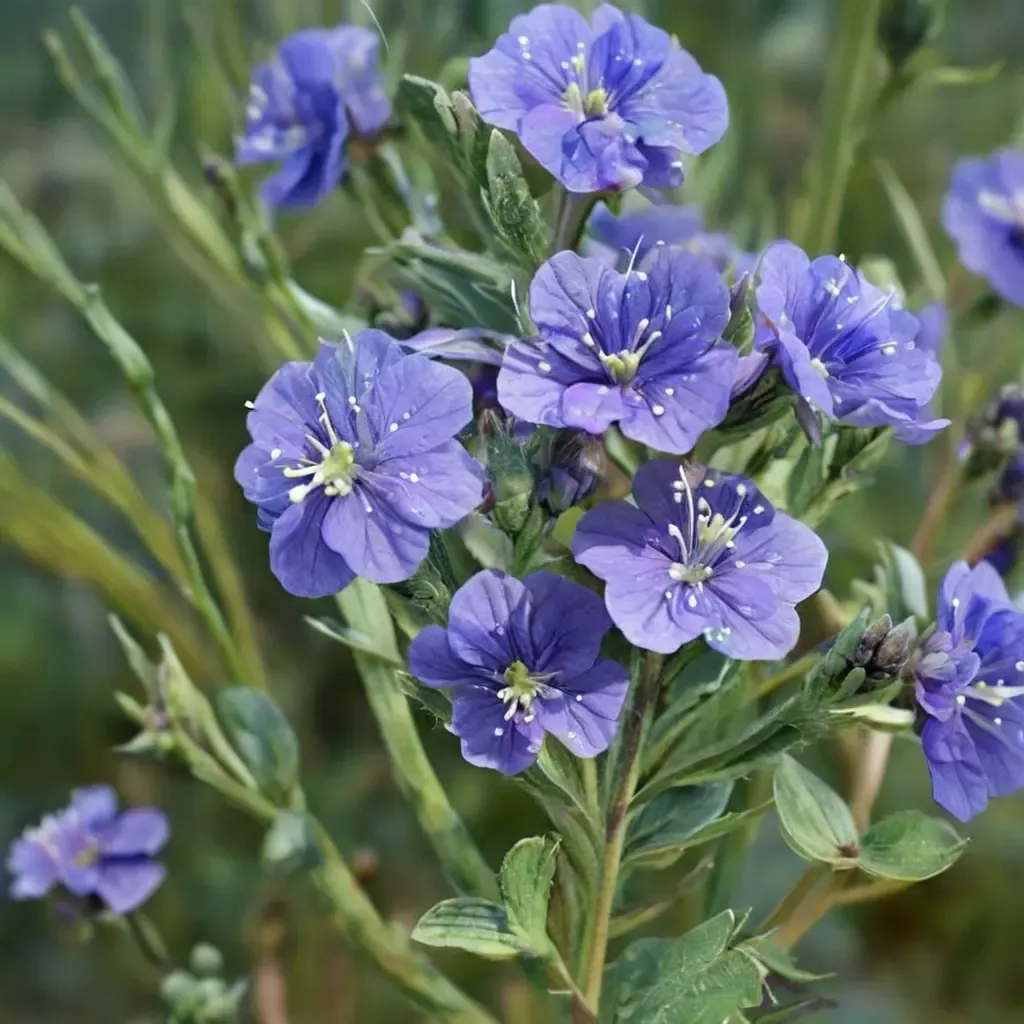
Great Valley Phacelia
Phacelia ciliata
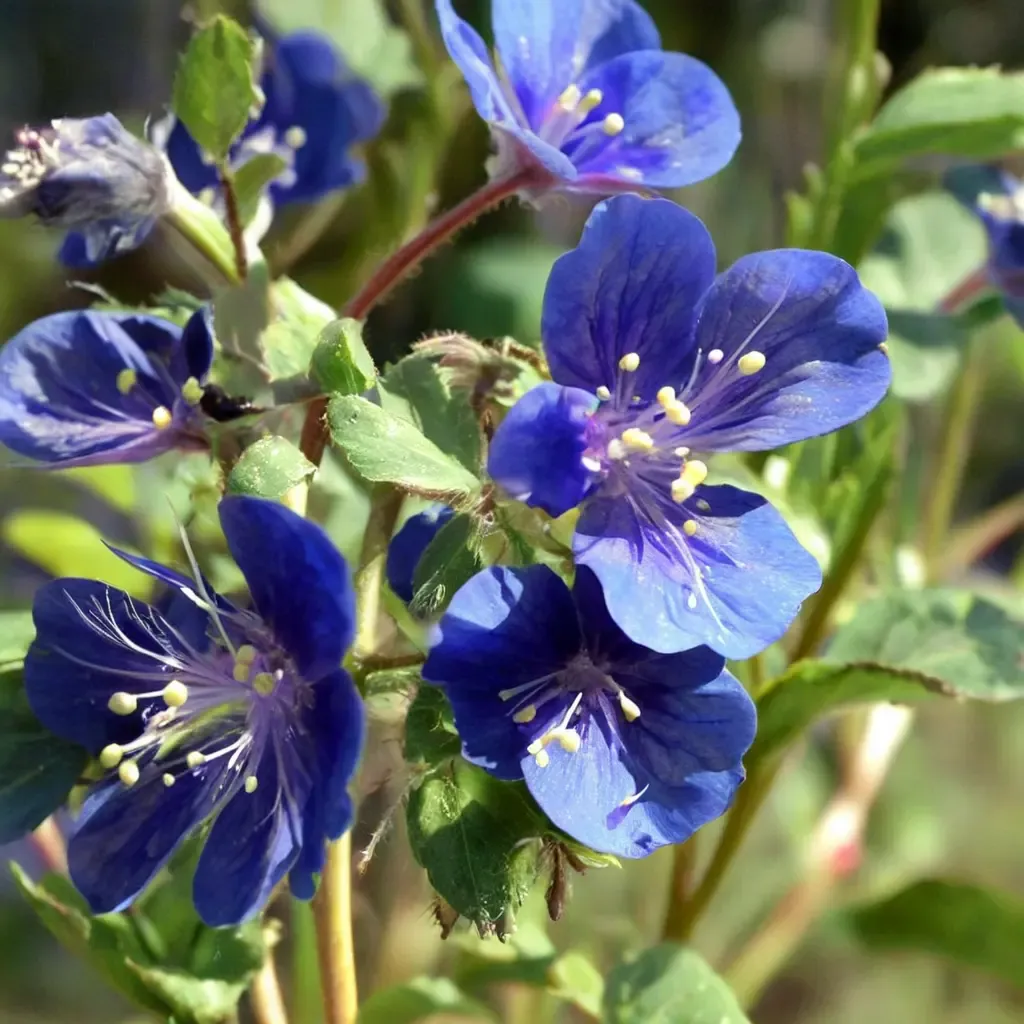
Parry's Phacelia
Phacelia parryi
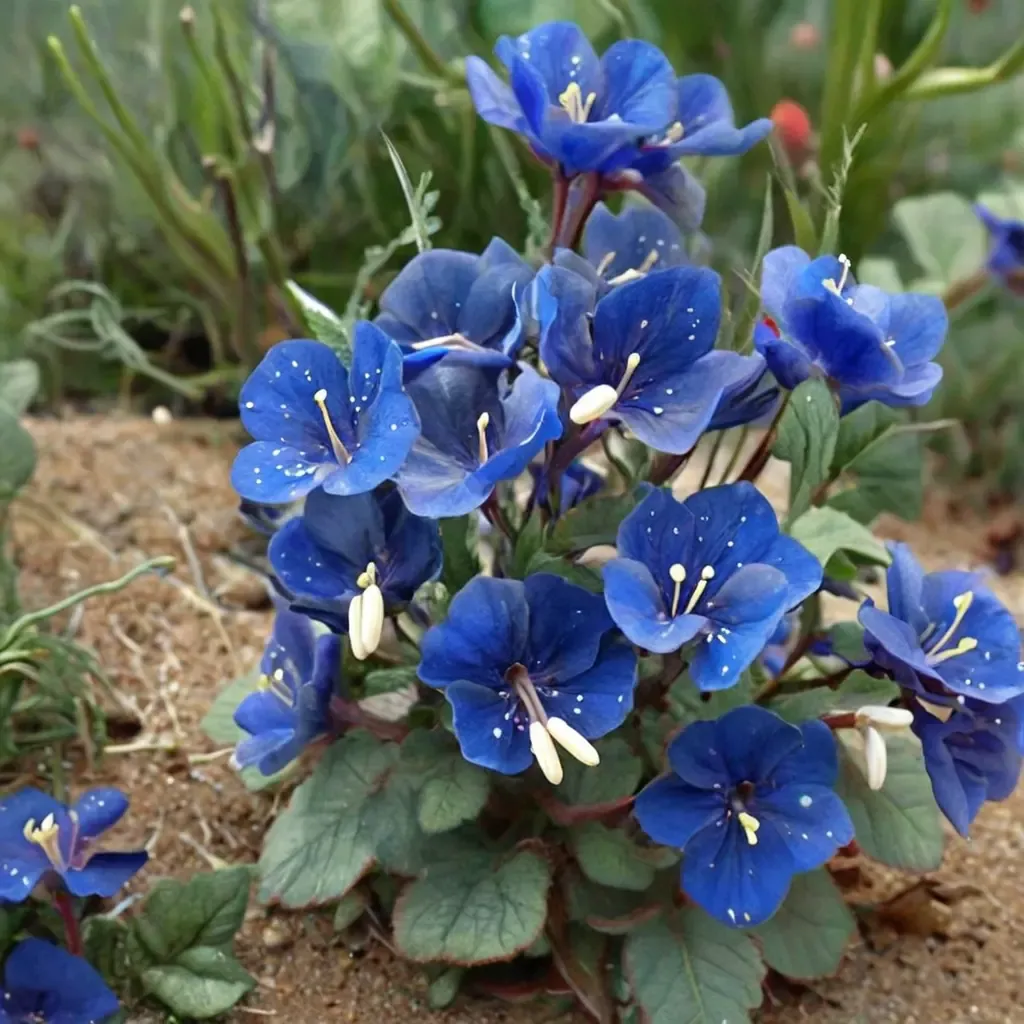
Desert Bluebell
Phacelia campanularia
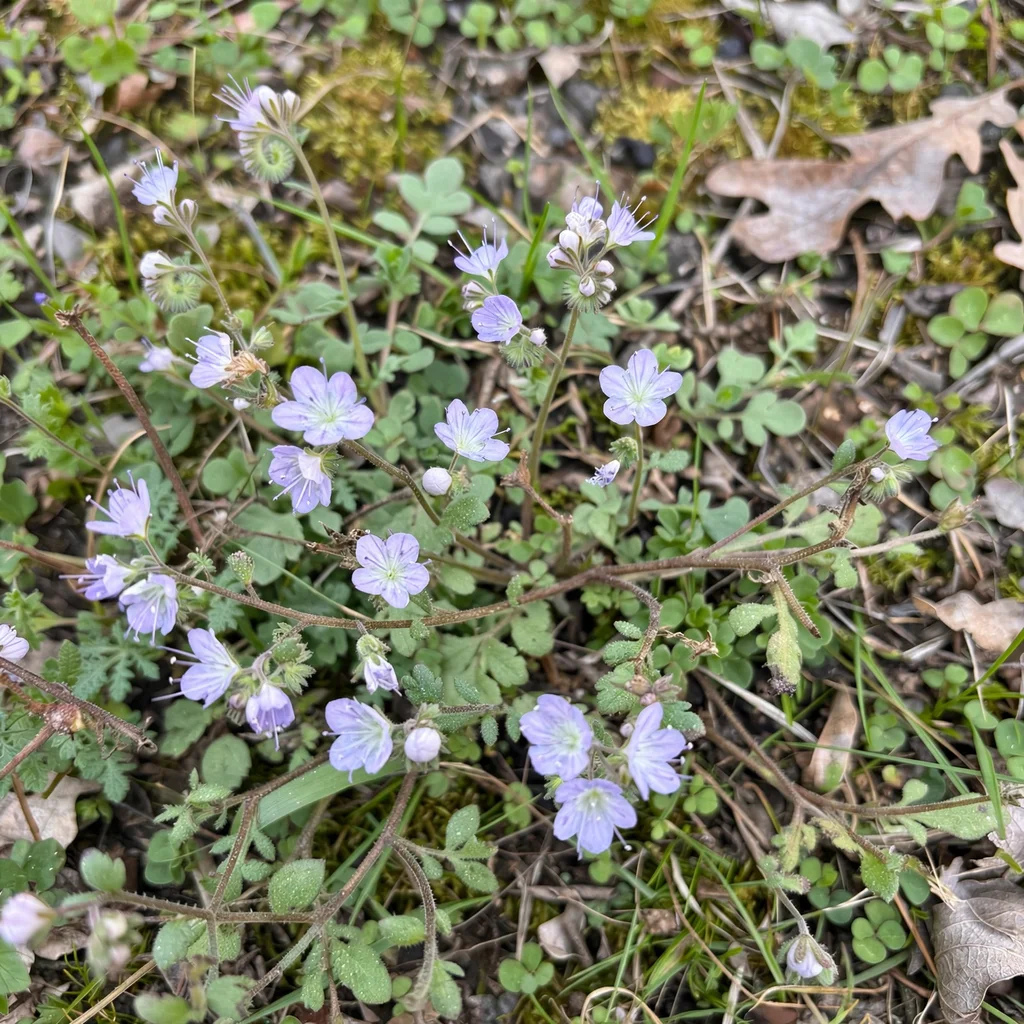
Smallflower Phacelia
Phacelia dubia
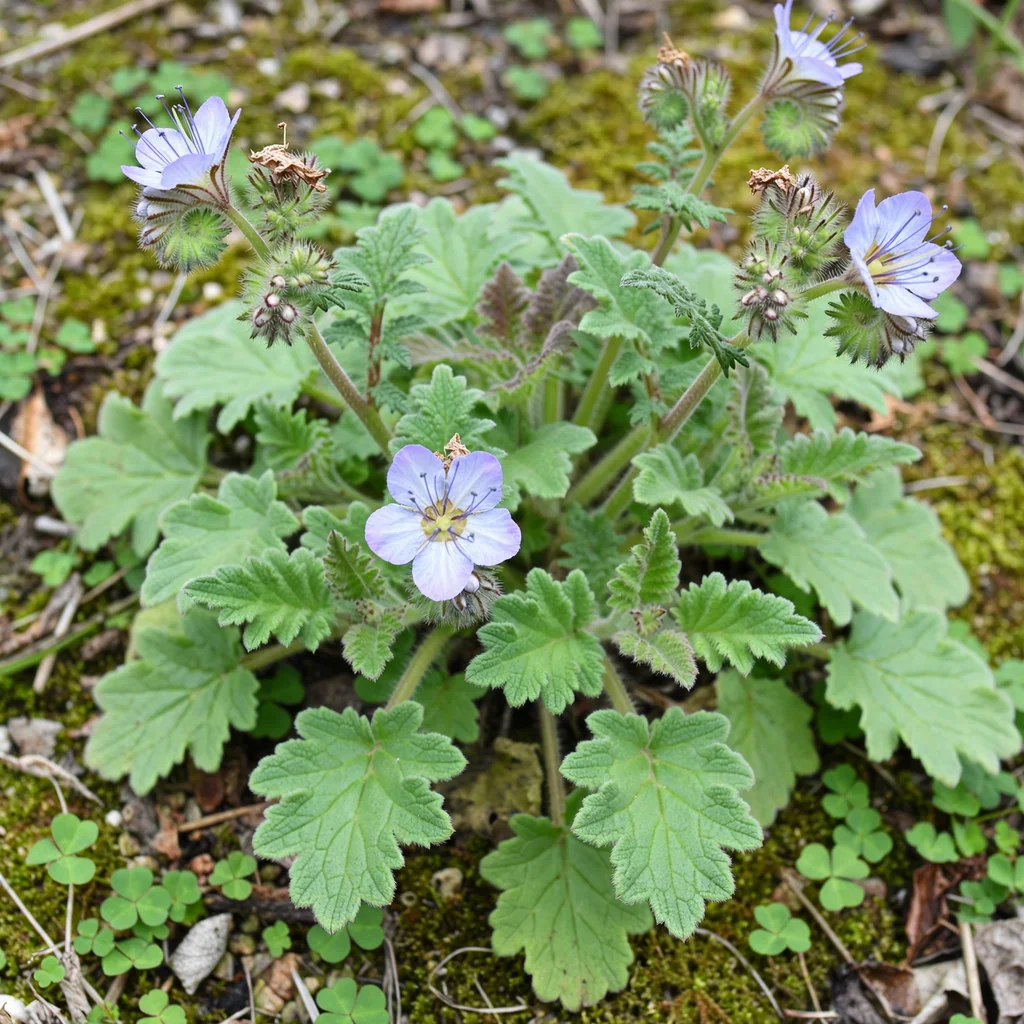
Bolander's Phacelia
Phacelia bolanderi
Keep exploring
Explore the genus
Hardy in your zone?
Grow Distant Phacelia with confidence
See it in a design of your actual yard, get zone-matched care reminders, and track it season by season in your garden journal.