The Story
Plant Bio
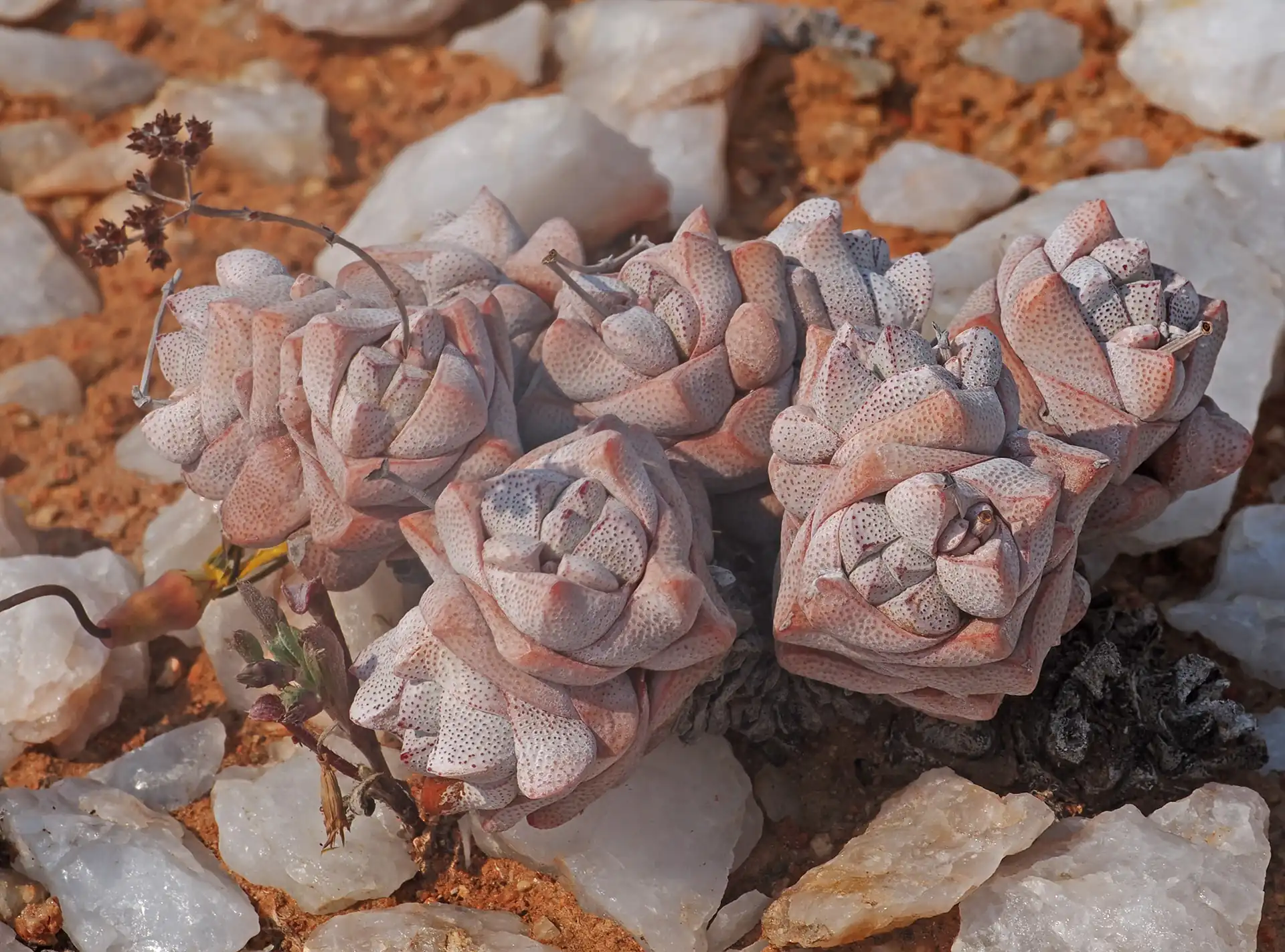
Crassula deceptor is a dwarf evergreen succulent from the Succulent Karoo, forming solitary four-ranked columns that branch from the base into a clump 3 to 6 inches tall. Thick ovate-triangular leaves stack tightly to hide the stems, their papillate grey-green to silvery-white surface reflecting sun and mimicking quartz gravel.
Each leaf reaches about half an inch square and packs so tightly that the stem reads as a square silver tower, the camouflage behind the name deceptor meaning deceiver. It is slow-growing and often mislabelled as cornuta or arta, holding its tight stacking only in strong light with spare water and opening sweet-scented white to pale pink flowers on a reddish stalk to 6 inches.
Uses & Benefits:
Essentials
At a Glance
Plant Type
Cactus Succulent
Height
6"
Width
8"
Light
Full Sun, Partial Sun
Zones
10
Water
Low
Humidity
Low
Lifespan
Perennial
Native To
Southwestern Namibia to South Africa
Toxicity
Mildly toxic to pets if ingested
Bloom period
Winter – Spring
In flower about 6 months of the year
Planting
How to Grow
- Pot in a very gritty, fast-draining cactus and succulent mix with added coarse sand or fine gravel in a pot with drainage.
- Set in full sun to bright light with afternoon shade in hot climates, or indoors in the brightest window with up to 4 hours of morning sun.
- Water deeply but infrequently, letting the mix dry completely, then give little in summer and almost none in winter.
- Keep water off the leaves and rosettes and provide airflow to prevent rot.
- Move indoors before frost and overwinter dry and frost-free above 30F.
Pro Tip
Keep water off the rosettes and give it the strongest light you have; if the columns stretch and turn green, increase sun and withhold water rather than feeding.
Keep It Thriving
Care Guide
Do
- Do give strong light to keep columns tight and silver.
- Do let the mix dry completely between waterings.
- Do remove dead leaves and spent flower stalks after bloom.
Don't
- Do not overwater or mist the rosettes.
- Do not cut into old bare stem tissue.
- Do not leave outdoors below 30F.
Seasonal Care Calendar
| Task | Jan | Feb | Mar | Apr | May | Jun | Jul | Aug | Sep | Oct | Nov | Dec |
|---|---|---|---|---|---|---|---|---|---|---|---|---|
| Pest Check | ||||||||||||
| Propagate | ||||||||||||
| Prune | ||||||||||||
| Winter Prep |
Watch Out For
Pests & Diseases
Common Pests
Common Diseases
In the Garden
Landscape Uses & Companions
Landscape Uses
Companion Plants
Multiply
Propagation Methods
Good to Know
Common Questions
Alabaster Towers questions
What zones can Alabaster Towers grow in?
Alabaster Towers is hardy in USDA Zone 10: in that range it survives winter in the ground. Colder than Zone 10, grow it in a container you can move to shelter for the winter, or as an annual.
When does Alabaster Towers bloom?
Alabaster Towers typically blooms from winter to spring. Exact timing shifts a week or two with your zone — Sow's bloom calendar maps it to your garden.
Does Alabaster Towers need full sun?
Alabaster Towers does best in full sun to part shade. In hot climates, afternoon shade keeps blooms fresher longer.
Is Alabaster Towers drought tolerant?
Yes — once established (usually after the first full season), Alabaster Towers handles dry spells with minimal watering. Water deeply its first year to build the root system that makes that possible.
More Crassula to compare
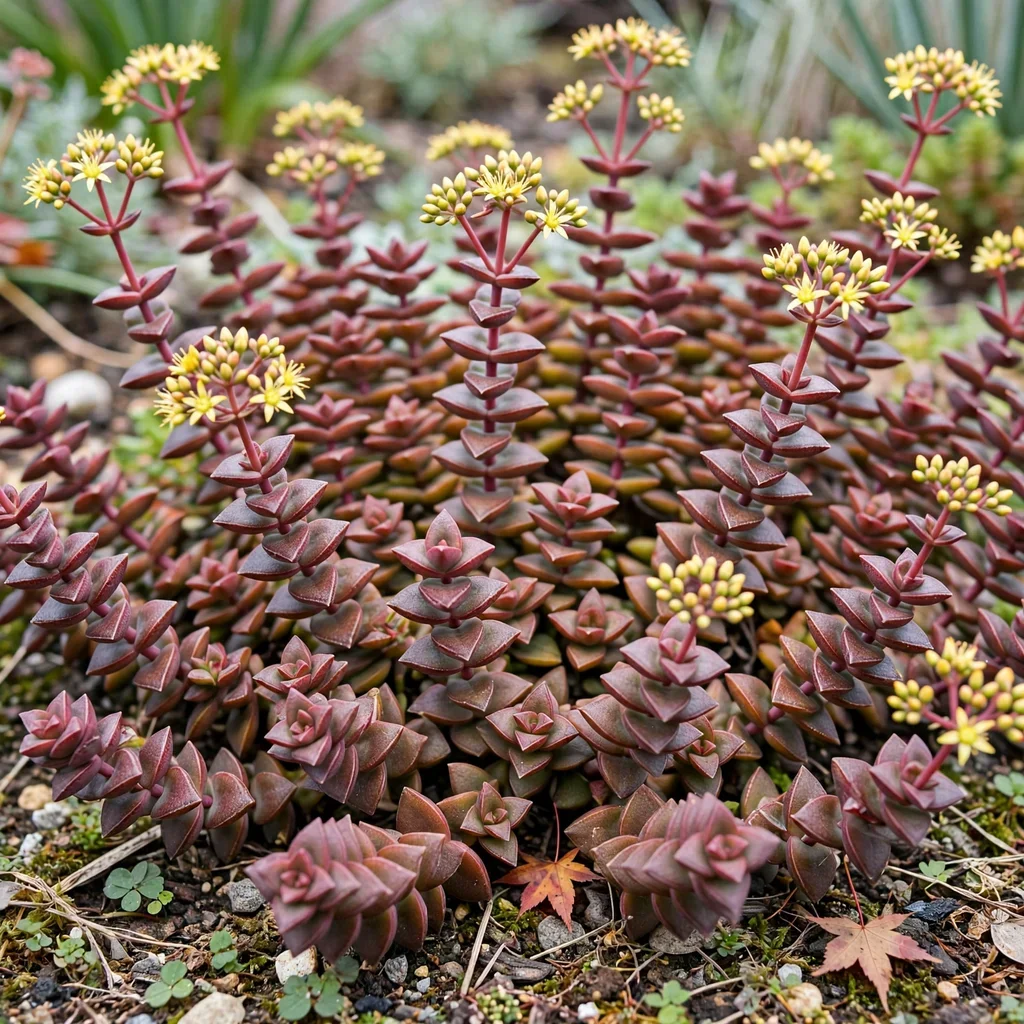
Small Red Carpet String of Buttons
Crassula perforata 'Small Red Carpet'
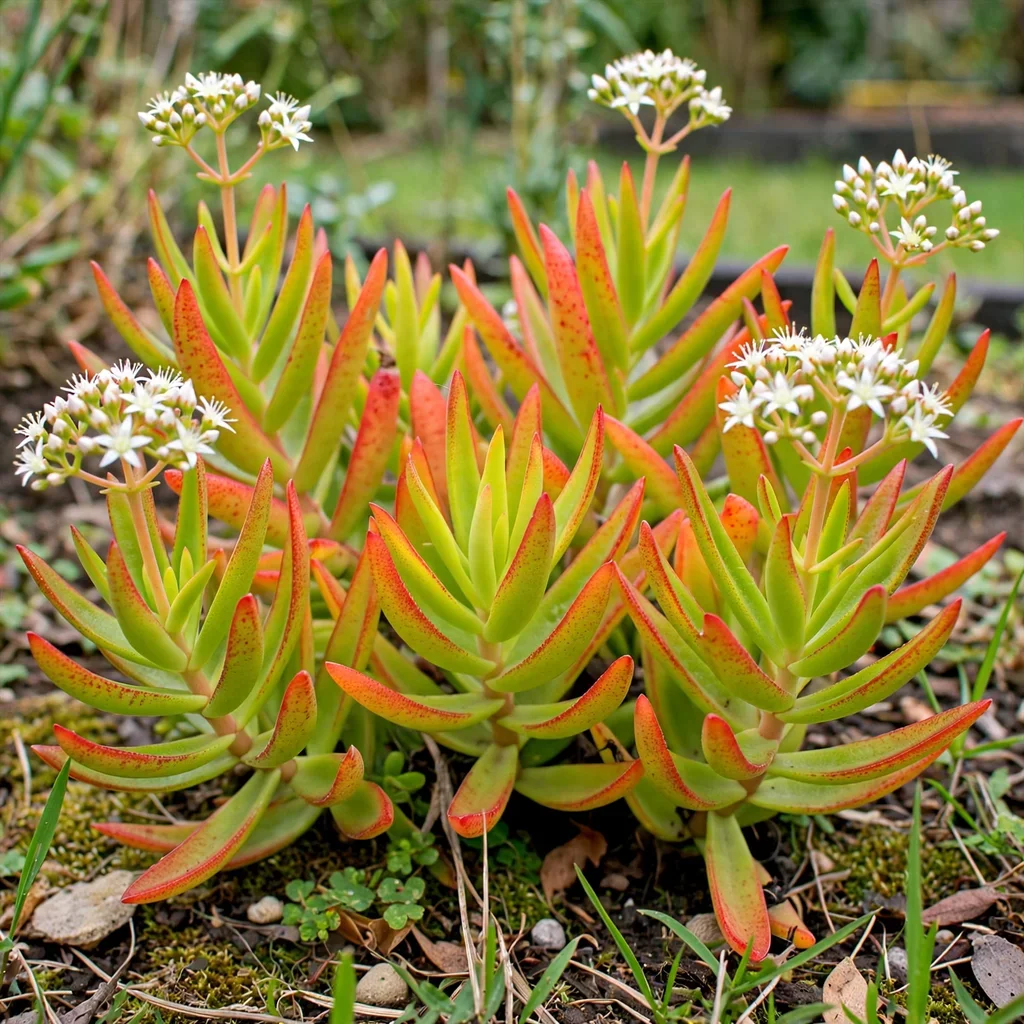
Campfire Crassula
Crassula erosula 'Campfire'
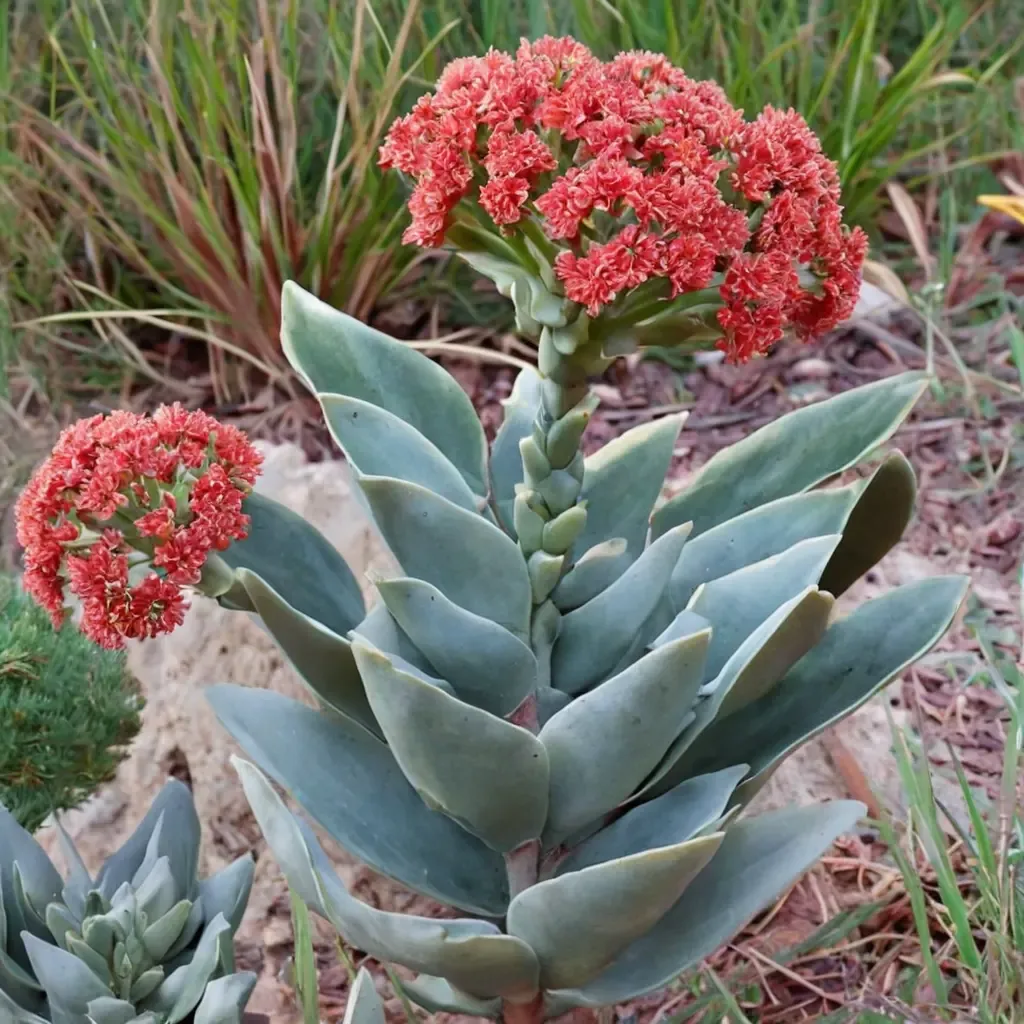
Propeller Plant
Crassula falcata
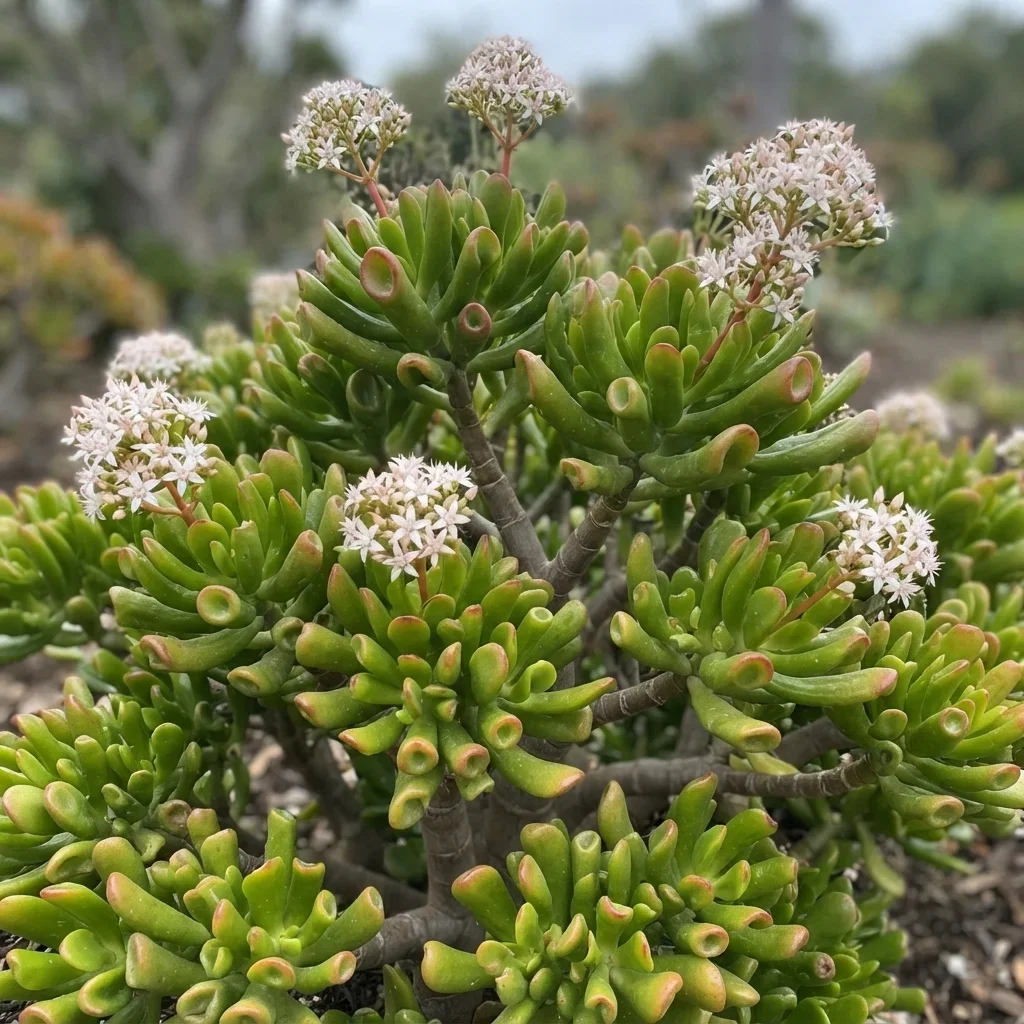
Hobbit Jade Plant
Crassula ovata 'Hobbit'
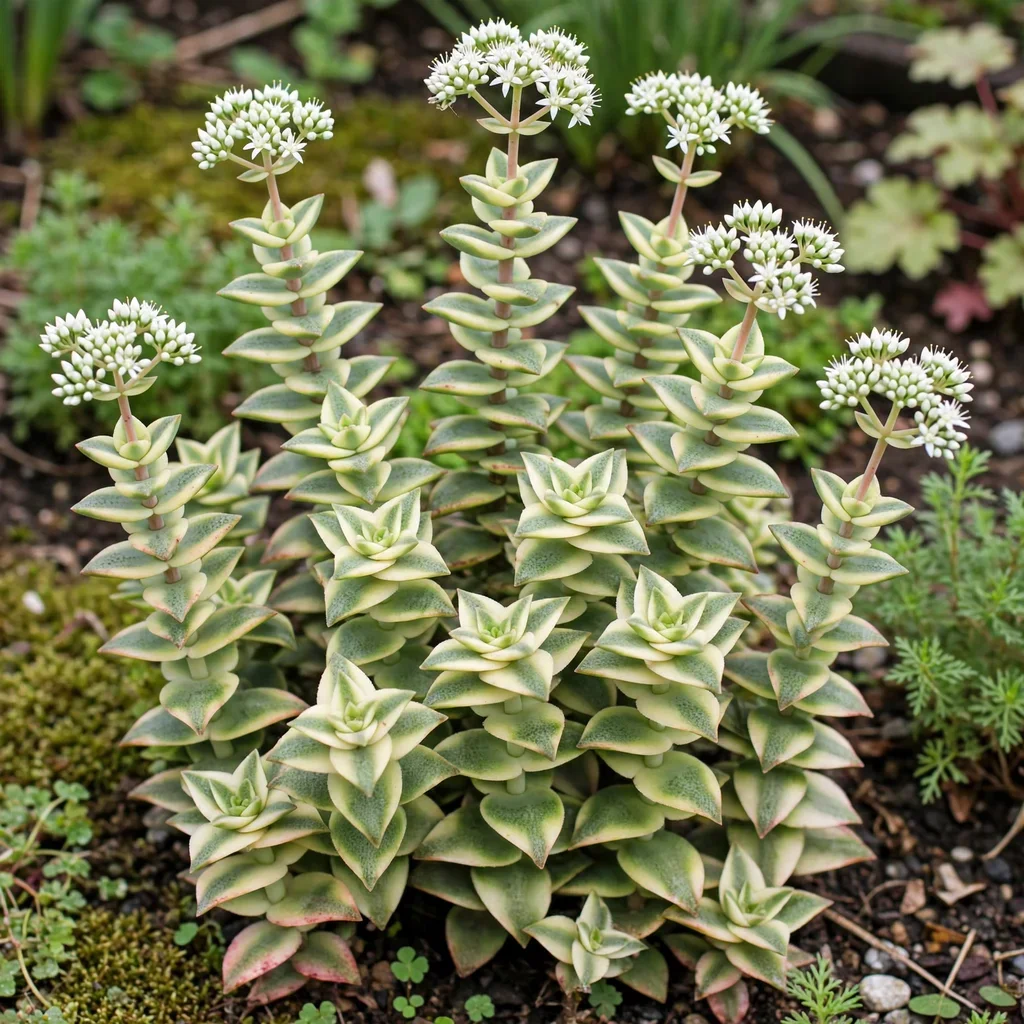
Variegated Red Pagoda
Crassula capitella 'Variegata'
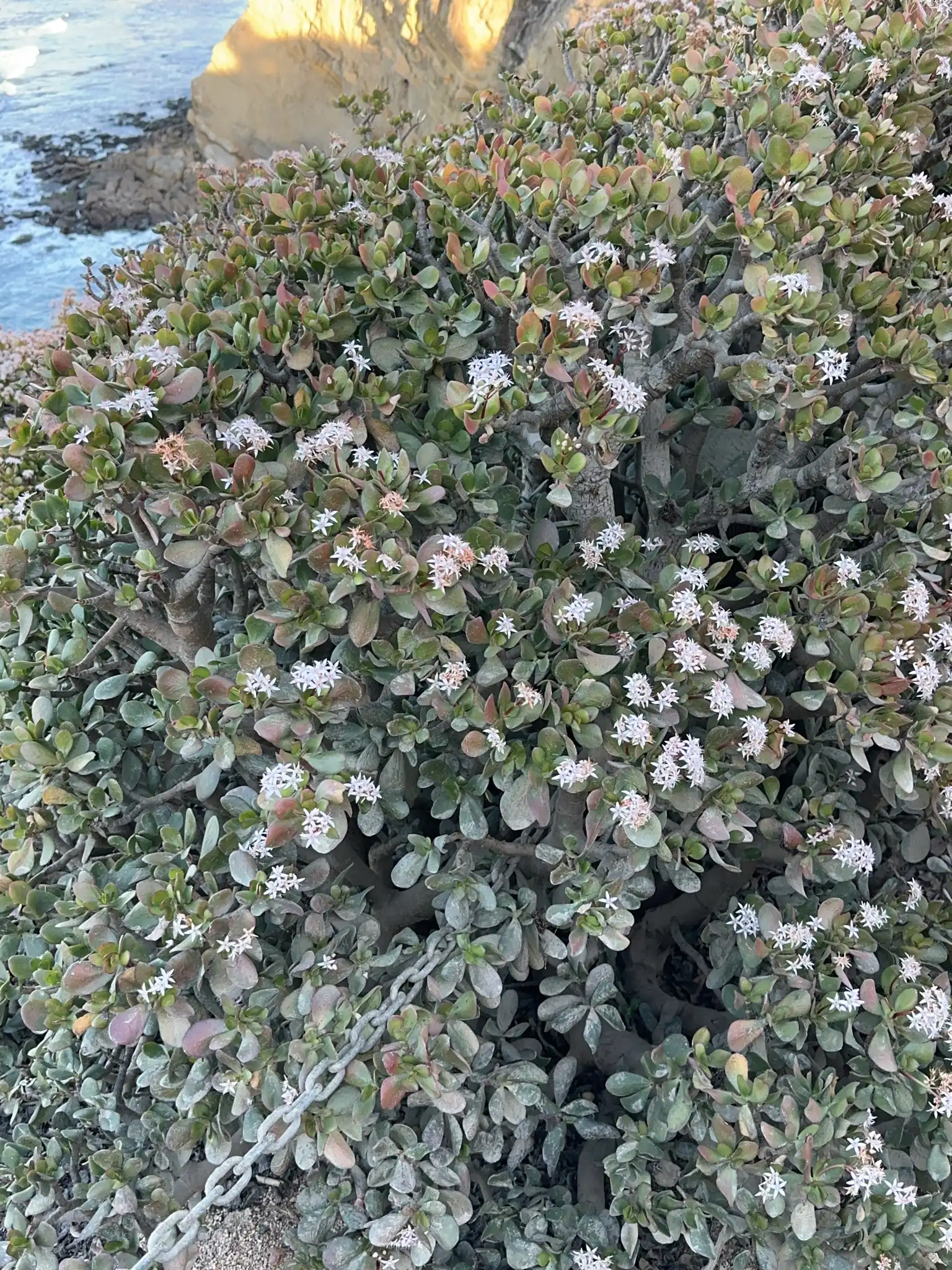
Jade Plant
Crassula ovata
Keep exploring
Explore the genus
Hardy in your zone?
Grow Alabaster Towers with confidence
See it in a design of your actual yard, get zone-matched care reminders, and track it season by season in your garden journal.