The Story
Plant Bio
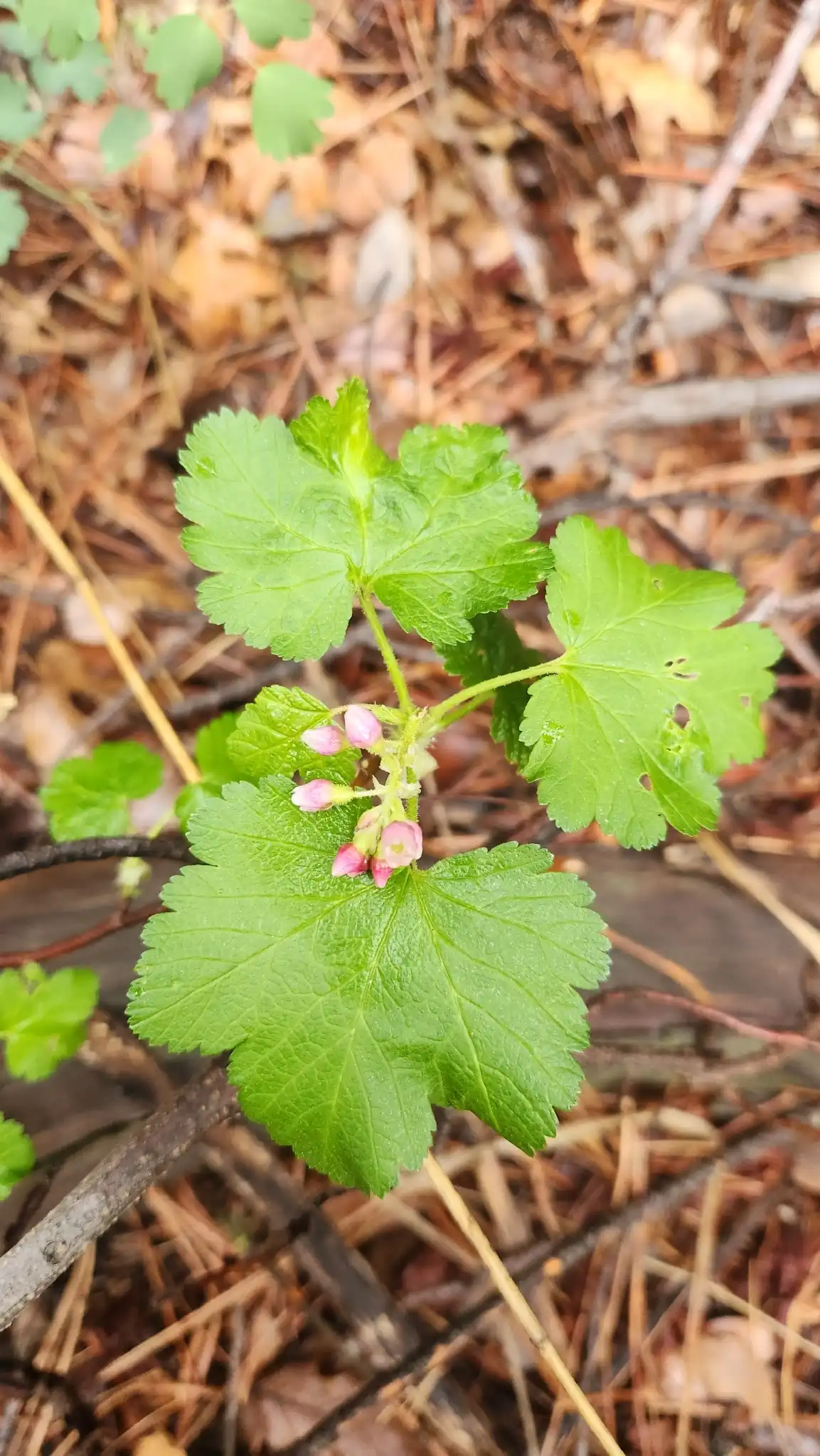
Ribes nevadense, the Sierra currant, is a deciduous shrub from the currant and gooseberry family, growing three to six feet tall with an erect, vase-shaped habit. Its lobed, dark green leaves are shed in winter, and spring brings dense racemes of pink to rose-red flowers followed by blue-black berries.
It is distinguished by erect to hanging clusters of eight to twenty fragrant flowers, each with rose-pink sepals spreading around a small white center. Unlike many garden currants, it demands part to deep shade with fast drainage and is a highly susceptible alternate host for white pine blister rust.
Uses & Benefits:
Essentials
At a Glance
Plant Type
Shrub
Height
60"
Width
48"
Light
Partial Sun, Shade
Water
Moderate
Humidity
Unknown
Lifespan
Long-lived
Native To
California, Nevada
Toxicity
Berries edible; other parts unknown
Bloom period
Spring – Summer
In flower about 6 months of the year
Planting
How to Grow
- Plant in fall in part to deep shade where soil drains fast but stays moist.
- Dig the hole twice as wide as the pot and set the crown at soil level.
- Backfill with native soil, water deeply, and mulch 2 to 3 inches while keeping mulch off stems.
- Water regularly the first year, then cut back to deep summer water no more than twice per month.
- Do not site within sight of sugar, whitebark, or other five-needle pines.
Pro Tip
Site it in part to deep shade with fast drainage and keep it well away from five-needle pines; once established, water deeply no more than twice a month in summer.
Keep It Thriving
Care Guide
Do
- Grow in partial to deep shade with fast-draining soil.
- Keep root zone cool and moist with mulch.
- Leave established plants largely undisturbed.
Don't
- Do not plant in full hot sun or in waterlogged soil.
- Do not plant near five-needle pines where blister rust is present.
- Do not overwater in summer once established.
Seasonal Care Calendar
| Task | Jan | Feb | Mar | Apr | May | Jun | Jul | Aug | Sep | Oct | Nov | Dec |
|---|---|---|---|---|---|---|---|---|---|---|---|---|
| Harvest | ||||||||||||
| Mulch | ||||||||||||
| Pest Check | ||||||||||||
| Plant |
Watch Out For
Pests & Diseases
Common Pests
Common Diseases
In the Garden
Landscape Uses & Companions
Landscape Uses
Companion Plants
Multiply
Propagation Methods
Good to Know
Common Questions
Sierra Currant questions
When does Sierra Currant bloom?
Sierra Currant typically blooms from spring to summer. Exact timing shifts a week or two with your zone — Sow's bloom calendar maps it to your garden.
Does Sierra Currant need full sun?
Sierra Currant does best in part shade.
Is Sierra Currant drought tolerant?
Yes — once established (usually after the first full season), Sierra Currant handles dry spells with minimal watering. Water deeply its first year to build the root system that makes that possible.
More Ribes to compare
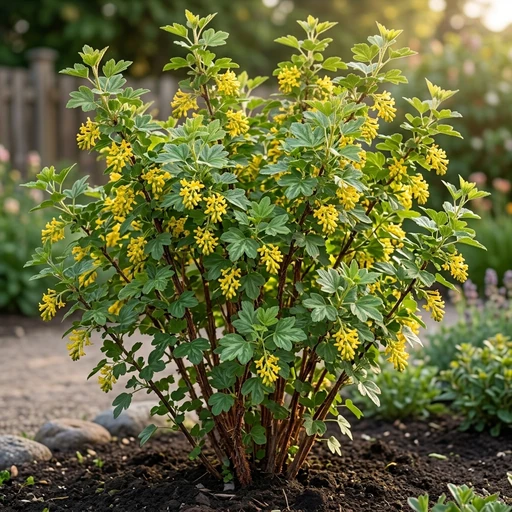
Golden Currant
Ribes aureum
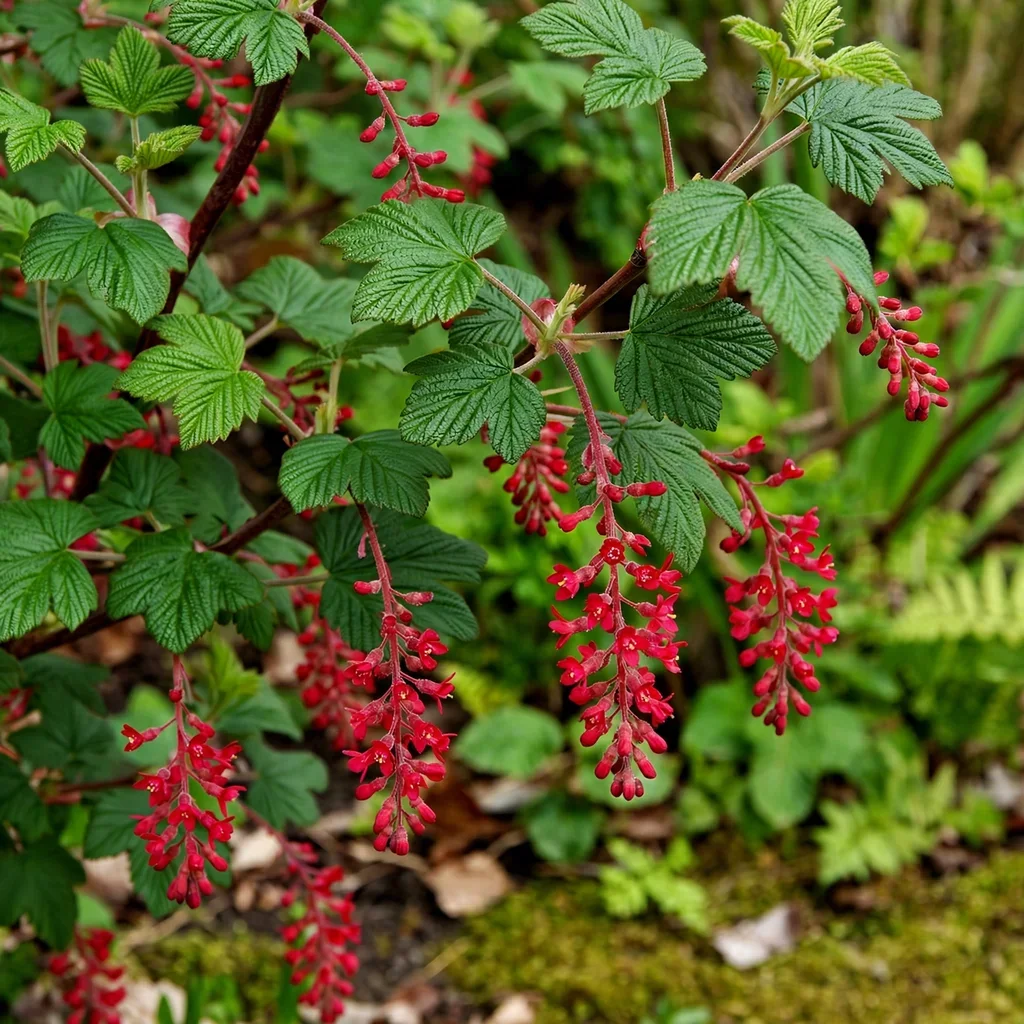
King Edward VII Flowering Currant
Ribes sanguineum 'King Edward VII'
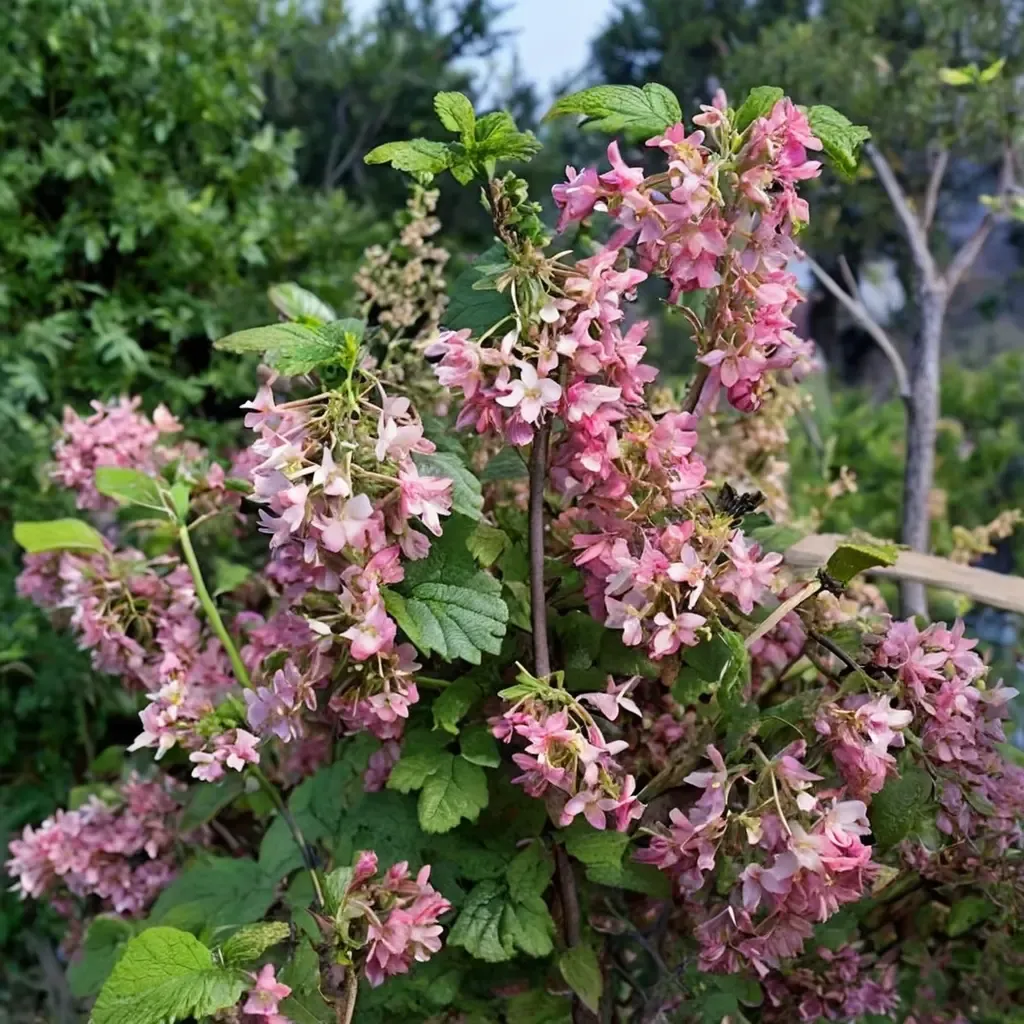
Claremont Currant
Ribes sanguineum 'Claremont'
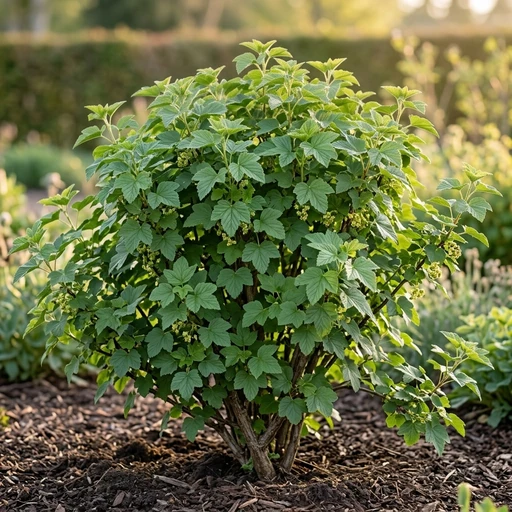
Alpine Currant
Ribes alpinum
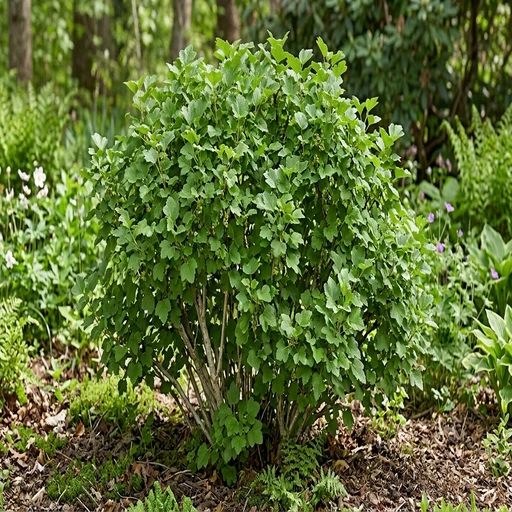
Green Mound Alpine Currant
Ribes alpinum 'Green Mound'
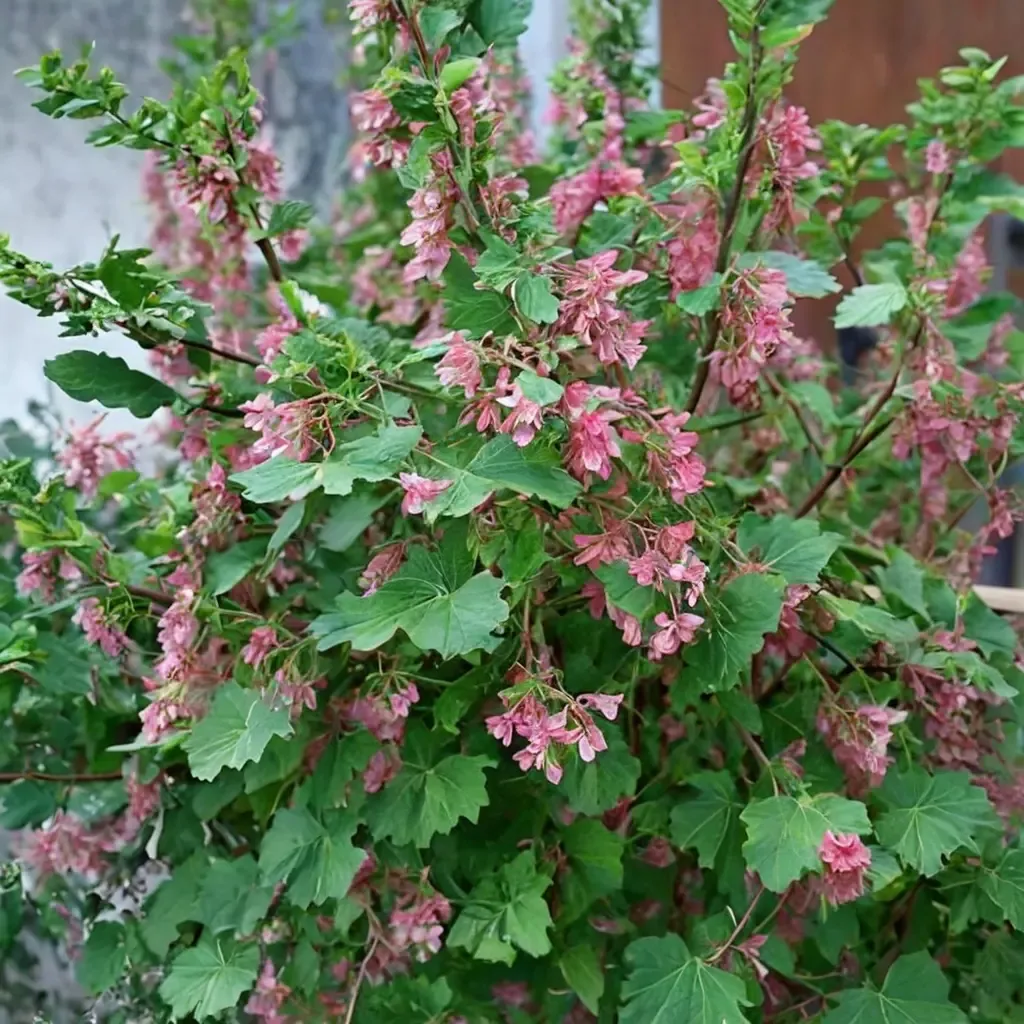
Pink-Flowering Currant
Ribes sanguineum 'glutinosum'
Keep exploring
Explore the genus
Grow Sierra Currant with confidence
See it in a design of your actual yard, get zone-matched care reminders, and track it season by season in your garden journal.