
The Story
Plant Bio
Symphyotrichum tenuifolium, the perennial saltmarsh aster, is a rhizomatous perennial of eastern U.S. salt and brackish marshes from Maine to Texas. Plants reach about three feet with weak, widely spreading branches clothed in alternate slender linear leaves that give the species its name.
Unlike the annual saltmarsh aster, this perennial spreads by slender creeping rhizomes and carries fewer, larger heads about one-half to one inch wide with white to pale purple rays around a yellow disk. Growth stays loose and straggly even in full sun and wet saline soil, so it reads as an ecological marsh plant for late-season bees rather than a showy border aster.
Uses & Benefits:
Essentials
At a Glance
Plant Type
Perennial
Height
36"
Width
24"
Light
Full Sun, Partial Sun
Water
Wet
Humidity
Unknown
Lifespan
Perennial
Native To
Eastern U.S. coast
Toxicity
Unknown
Bloom period
Late summer – Fall
In flower about 4 months of the year
Planting
How to Grow
- Plant in full sun at a high-marsh or tidal edge where soil stays saturated and brackish.
- Set plugs or divisions in spring into wet mud or sand, firming roots below the surface.
- Keep water brackish and soil saturated through the first summer to knit rhizomes.
- Space colonies to allow lateral spread and do not enrich with fertilizer.
- Leave fall heads to set seed, then cut back spent stems in early spring.
Pro Tip
Keep the root zone wet, salty, and in full sun; drying or freshening the soil checks rhizome spread and cuts fall bloom.
Keep It Thriving
Care Guide
Do
- Keep soil saturated with salt or brackish moisture.
- Give 6 or more hours of full sun.
- Allow rhizome colonies room to spread.
Don't
- Do not drain, fill, or dry the marsh soil.
- Do not feed heavily or lime to freshen the soil.
- Do not shear for compact bedding form; stems stay naturally straggly.
Seasonal Care Calendar
| Task | Jan | Feb | Mar | Apr | May | Jun | Jul | Aug | Sep | Oct | Nov | Dec |
|---|---|---|---|---|---|---|---|---|---|---|---|---|
| Deadhead | ||||||||||||
| Pest Check | ||||||||||||
| Plant | ||||||||||||
| Propagate | ||||||||||||
| Spring Cleanup |
Watch Out For
Pests & Diseases
Common Pests
Common Diseases
In the Garden
Landscape Uses & Companions
Landscape Uses
Multiply
Propagation Methods
Good to Know
Common Questions
Perennial Saltmarsh Aster questions
When does Perennial Saltmarsh Aster bloom?
Perennial Saltmarsh Aster typically blooms from late summer to late fall. Exact timing shifts a week or two with your zone — Sow's bloom calendar maps it to your garden.
Does Perennial Saltmarsh Aster need full sun?
Perennial Saltmarsh Aster does best in full sun to part shade. In hot climates, afternoon shade keeps blooms fresher longer.
More Symphyotrichum to compare
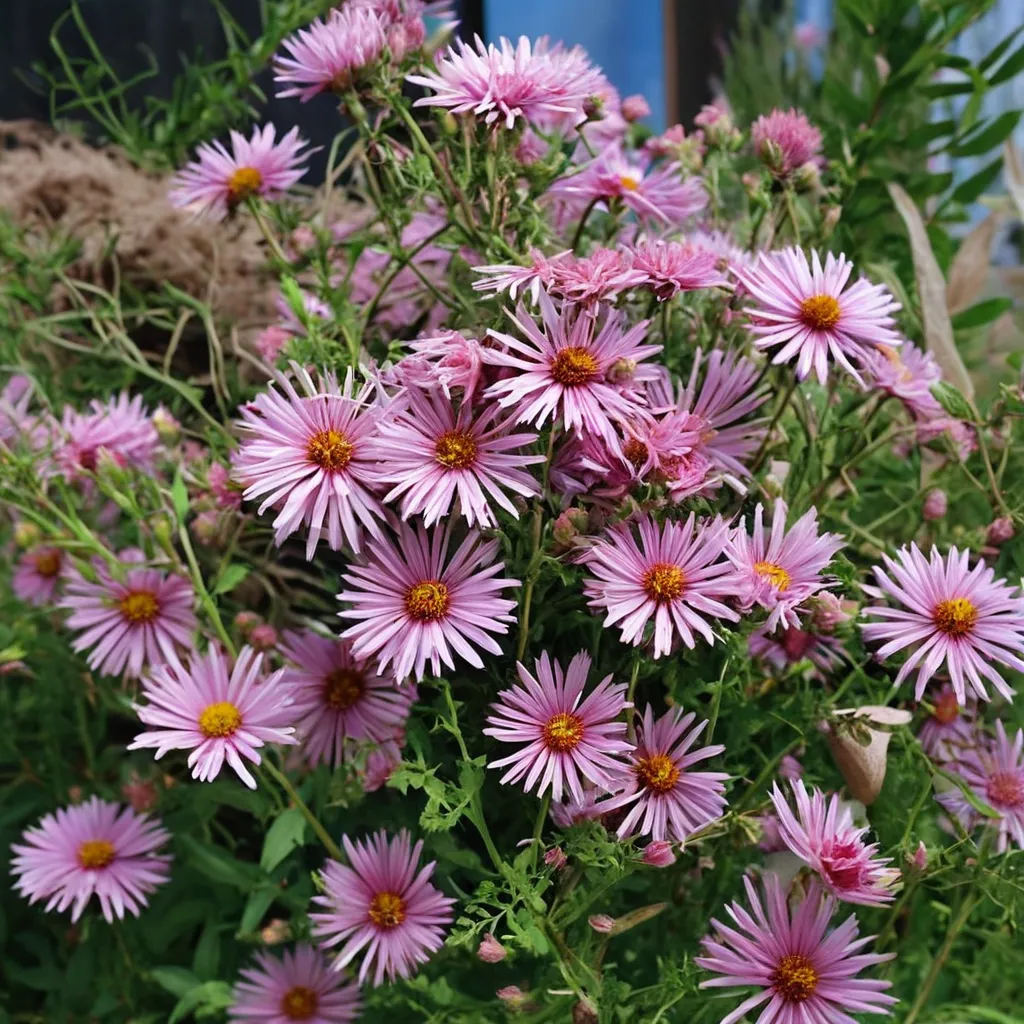
New England Aster Harringtons Pink
Symphyotrichum novae-angliae 'Harringtons Pink'
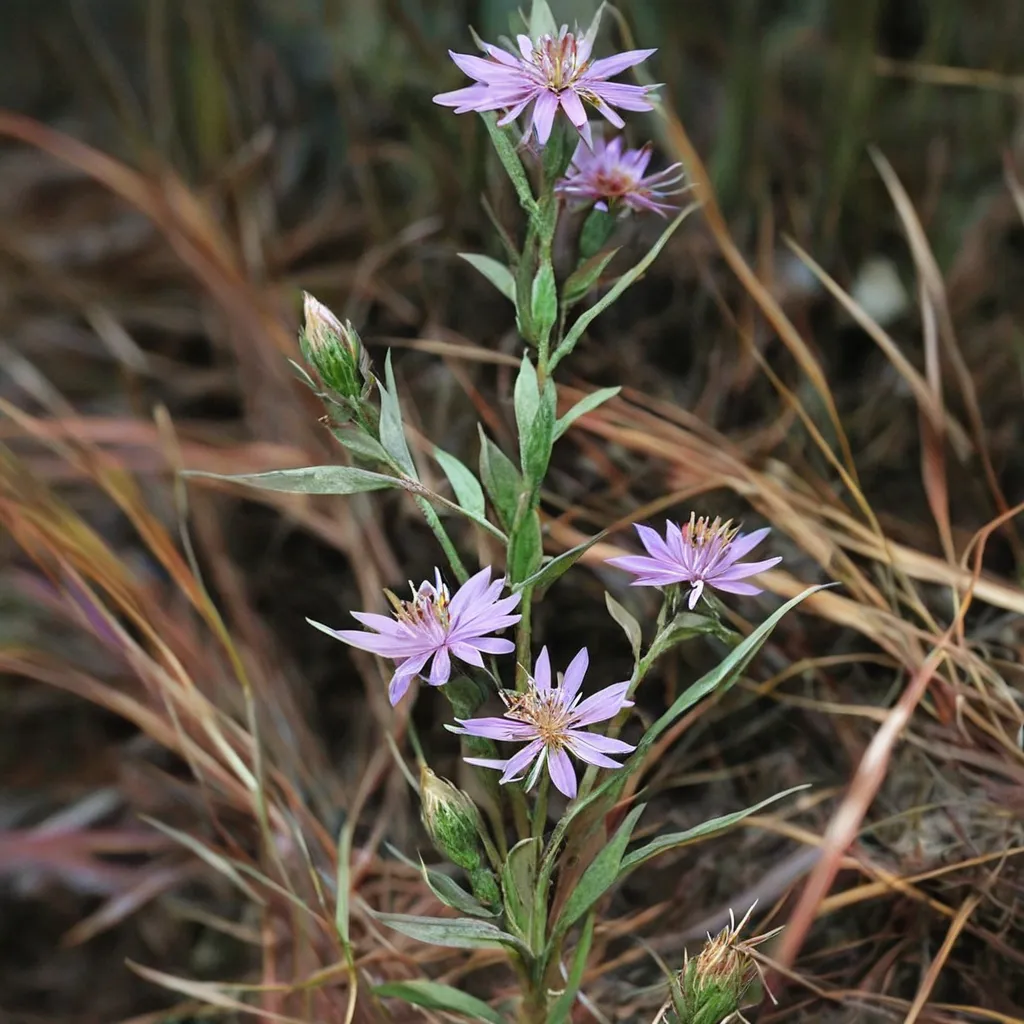
Eastern Silver Aster
Symphyotrichum concolor
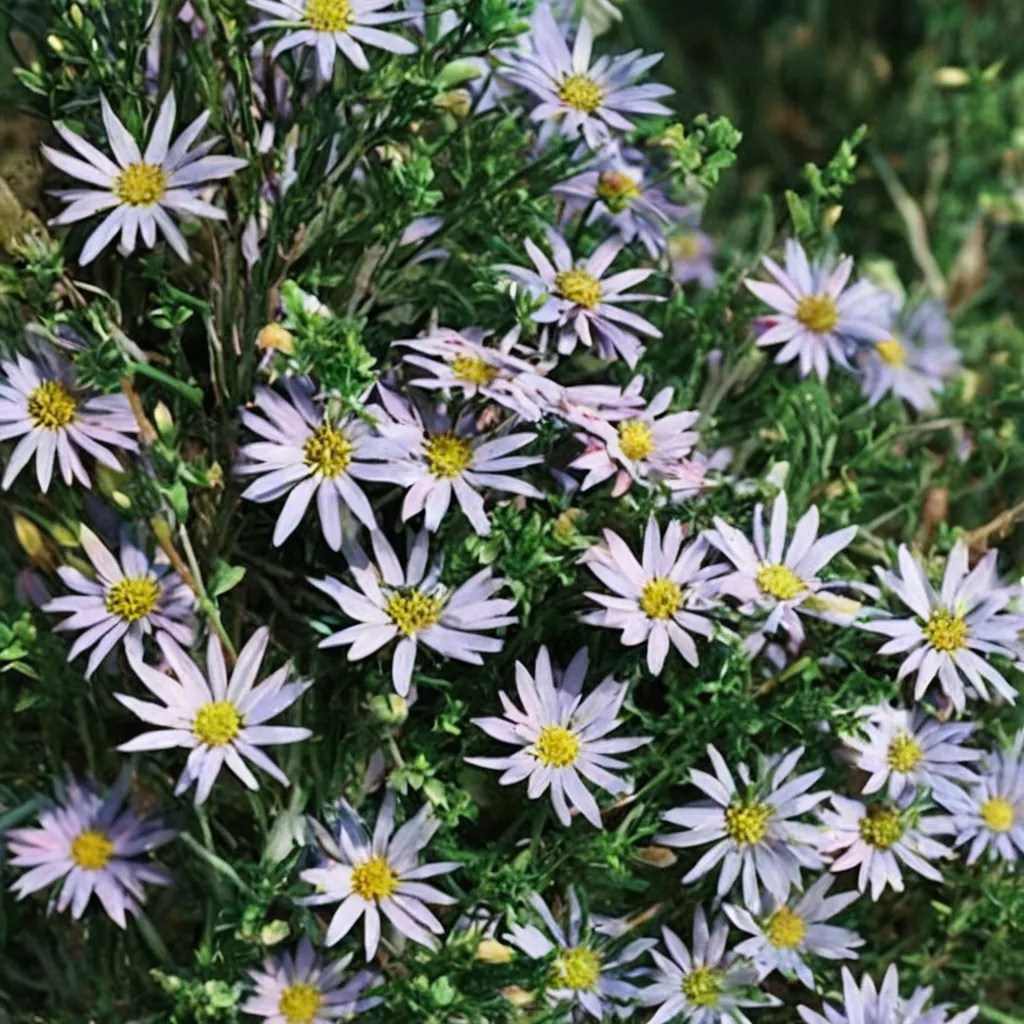
New Mexico Aster My Antonia
Symphyotrichum fendleri 'My Antonia'
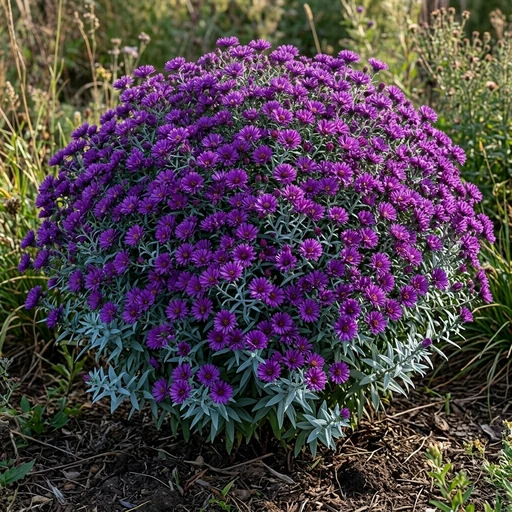
Purple Dome New England Aster
Symphyotrichum novae-angliae 'Purple Dome'
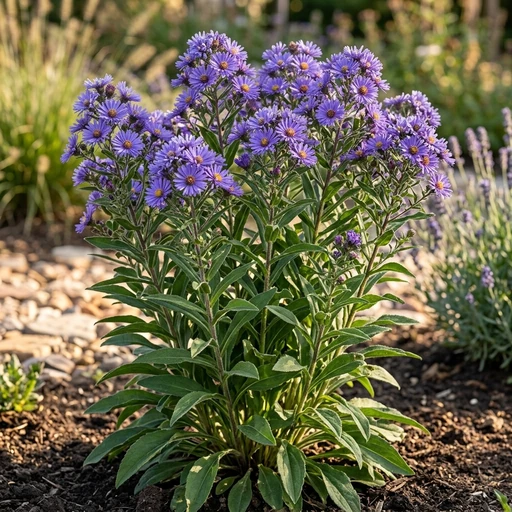
New England Aster
Symphyotrichum novae-angliae
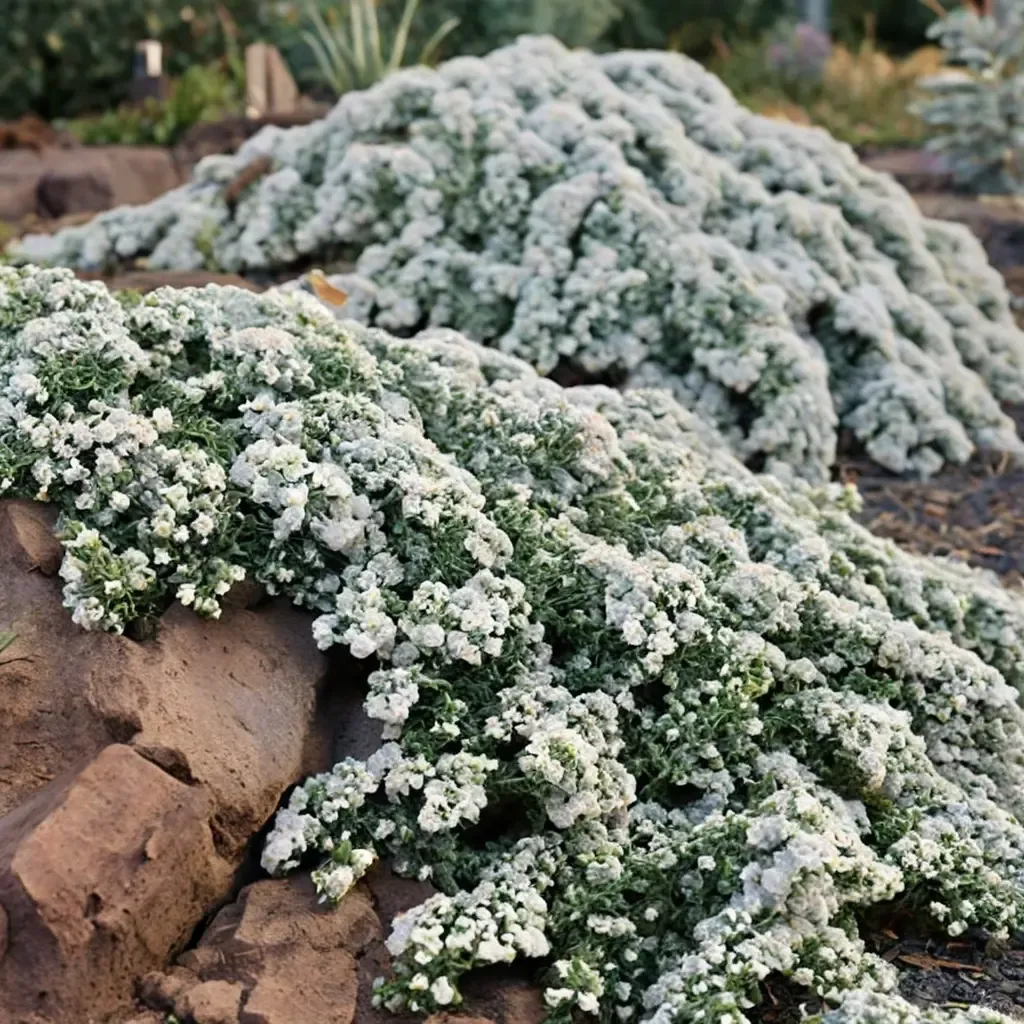
Snow Flurry Heath Aster
Symphyotrichum ericoides 'Snow Flurry'
Keep exploring
Grow Perennial Saltmarsh Aster with confidence
See it in a design of your actual yard, get zone-matched care reminders, and track it season by season in your garden journal.