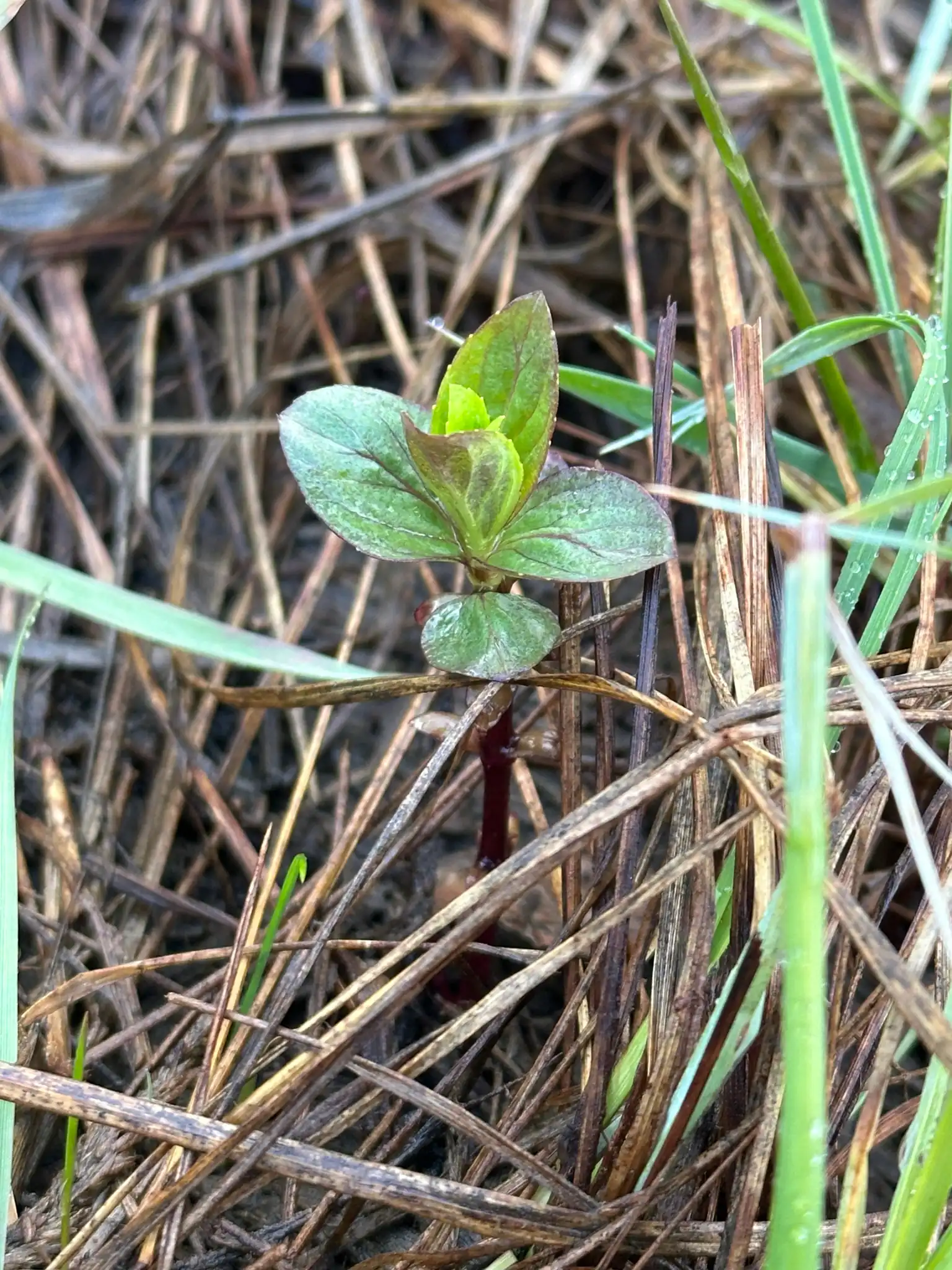
The Story
Plant Bio
Mentha canadensis, known as Canada mint, is a creeping herbaceous perennial native across North America and eastern Asia. It forms spreading mats of square stems clothed in fragrant, sharply toothed leaves, producing compact whorls of tiny white to pale lavender flowers in the upper leaf axils.
Distinguished from European field mint by its distinct chromosome structure and hairier foliage, this species thrives in saturated soils where standard garden mints suffer from root rot. Its strong essential oils deter deer and rabbits while providing high-value nectar for native bees and beneficial flies.
Uses & Benefits:
Essentials
At a Glance
Plant Type
Perennial
Height
18"
Width
24"
Light
Full Sun, Partial Sun
Zones
4, 5, 6, 7
Water
High
Humidity
Moderate to high
Lifespan
Perennial
Native To
North America, Eastern Asia
Toxicity
Non-toxic in culinary amounts
Bloom period
Summer – Late summer
In flower about 3 months of the year
Planting
How to Grow
- Plant in full sun or partial shade in consistently moist to wet soil.
- Install deep underground edging or sink a bottomless pot to restrict creeping runners.
- Pinch growing stem tips in late spring to encourage bushy foliage development.
- Cut spent stems back to ground level in late fall after foliage dies down.
Pro Tip
Sink a bottomless container or physical root barrier 8 to 12 inches deep into the soil to prevent aggressive underground rhizomes from conquering adjacent garden beds.
Keep It Thriving
Care Guide
Do
- Keep the soil consistently moist to prevent leaf scorch and wilting.
- Restrict rhizome spread using containers or physical root barriers.
Don't
- Do not allow the root zone to dry out completely during extended hot spells.
- Avoid heavy nitrogen fertilizers, which dilute foliage oil concentrations and cause leggy growth.
Seasonal Care Calendar
| Task | Jan | Feb | Mar | Apr | May | Jun | Jul | Aug | Sep | Oct | Nov | Dec |
|---|---|---|---|---|---|---|---|---|---|---|---|---|
| Divide | ||||||||||||
| Pinch | ||||||||||||
| Prune | ||||||||||||
| Spring Cleanup |
Watch Out For
Pests & Diseases
Common Pests
Common Diseases
In the Garden
Landscape Uses & Companions
Landscape Uses
Multiply
Propagation Methods
Good to Know
Common Questions
Canada Mint questions
What zones can Canada Mint grow in?
Canada Mint is hardy in USDA Zones 4–7: in that range it survives winter in the ground. Warmer than Zone 7, winter isn't the problem: it prefers colder winters, and summer heat can shorten its life.
Is Canada Mint deer resistant?
Yes — Canada Mint is rated deer-resistant. Deer typically pass it over, though extreme hunger can override any plant's defenses.
When does Canada Mint bloom?
Canada Mint typically blooms in summer. Exact timing shifts a week or two with your zone — Sow's bloom calendar maps it to your garden.
Does Canada Mint need full sun?
Canada Mint does best in full sun to part shade. In hot climates, afternoon shade keeps blooms fresher longer.
More Mentha to compare
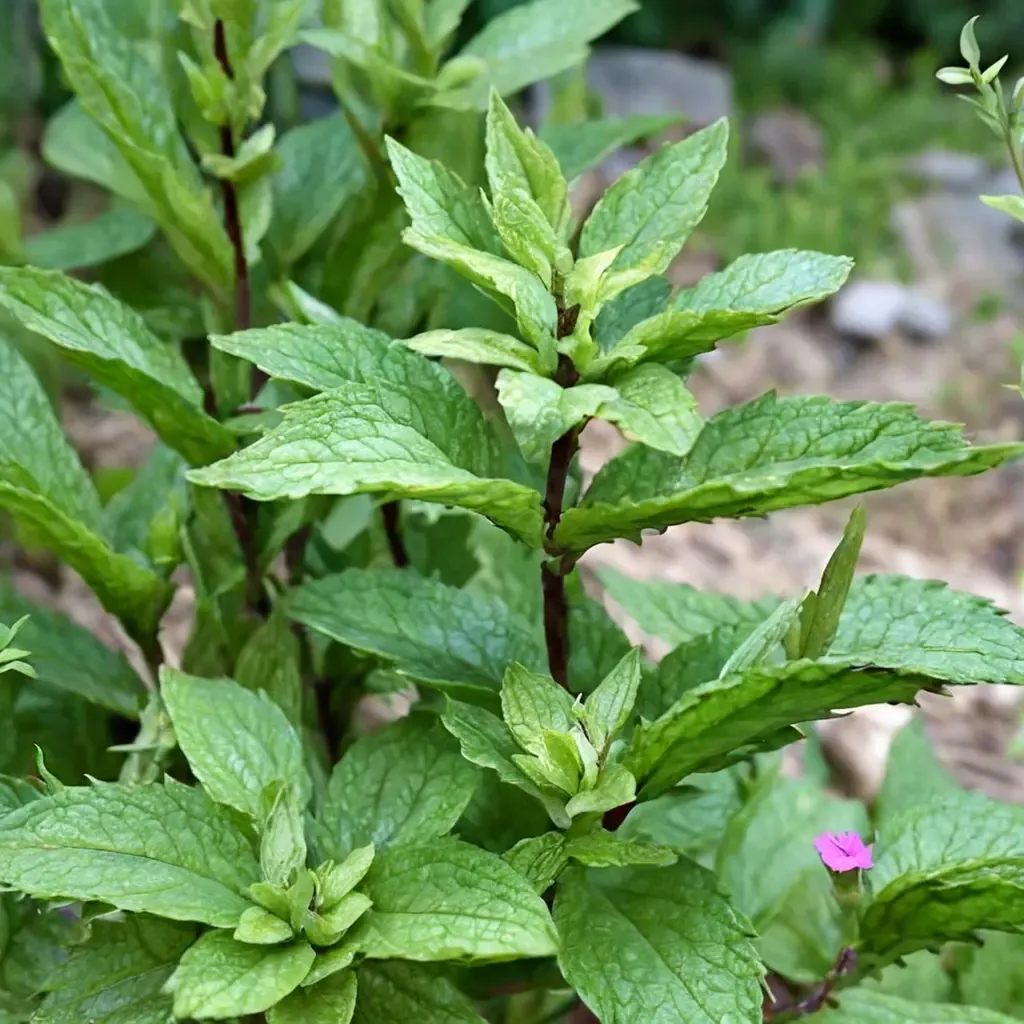
Spearmint
Mentha spicata
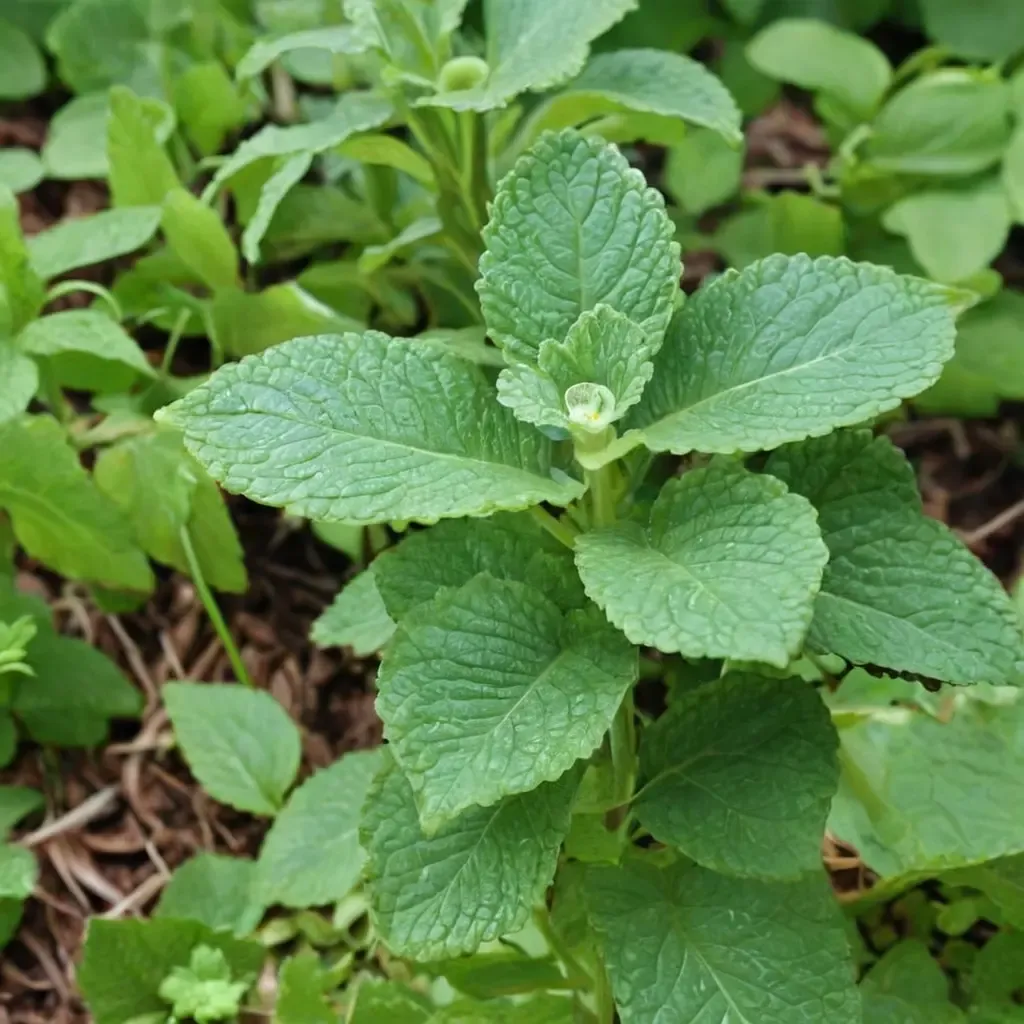
Apple Mint
Mentha suaveolens
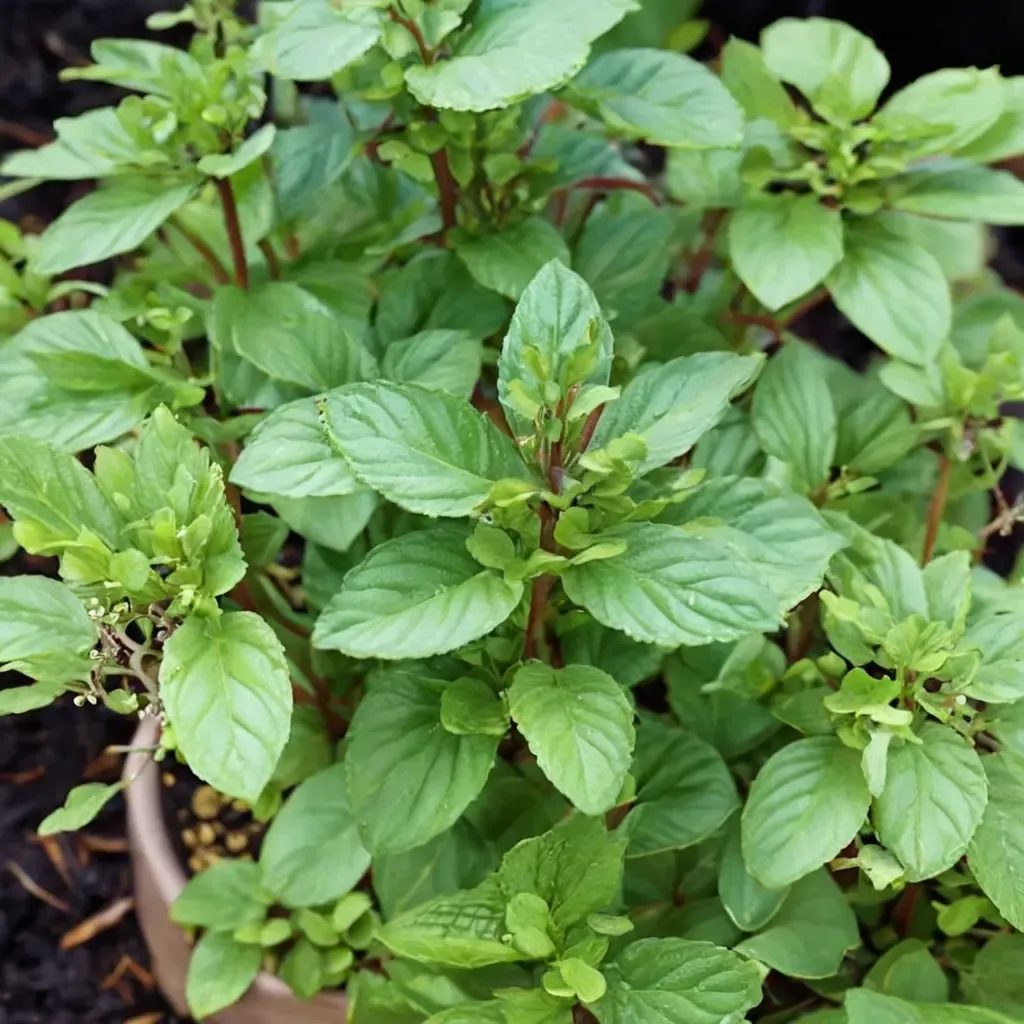
Fuhgeddaboudit Peppermint
Mentha x piperita 'Fuhgeddaboudit'
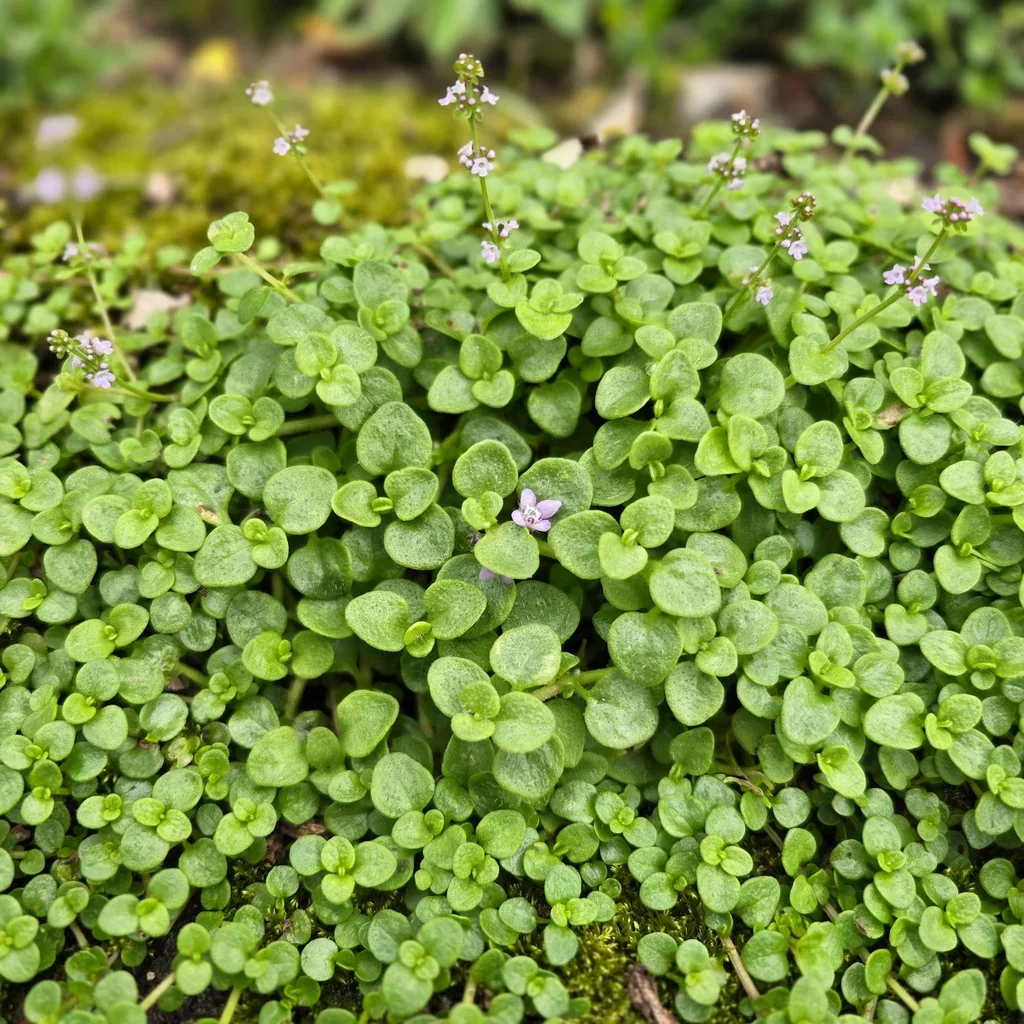
Corsican Mint
Mentha requienii
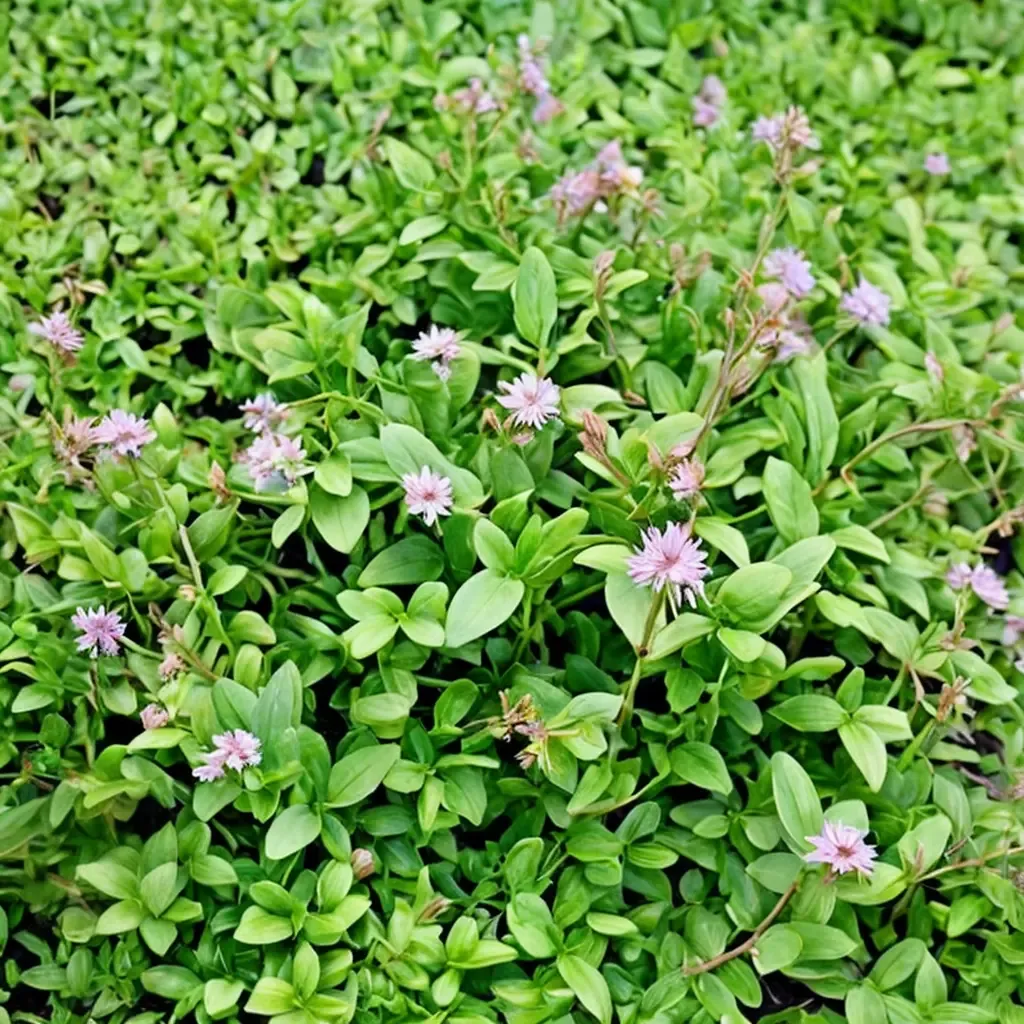
Pennyroyal
Mentha pulegium 'Nana'
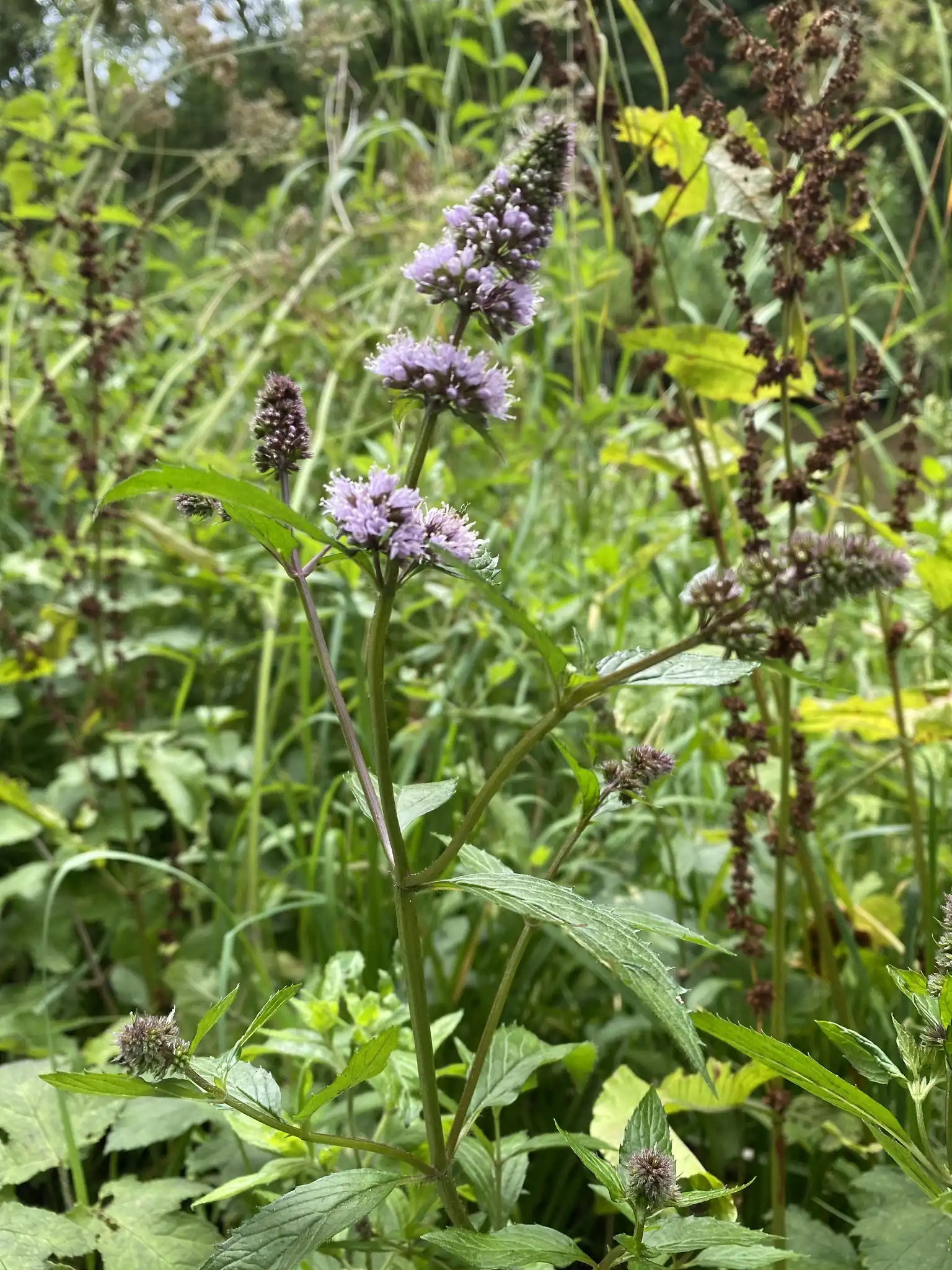
Peppermint
Mentha x piperita
Keep exploring
Explore the genus
Hardy in your zone?
Grow Canada Mint with confidence
See it in a design of your actual yard, get zone-matched care reminders, and track it season by season in your garden journal.