The Story
Plant Bio
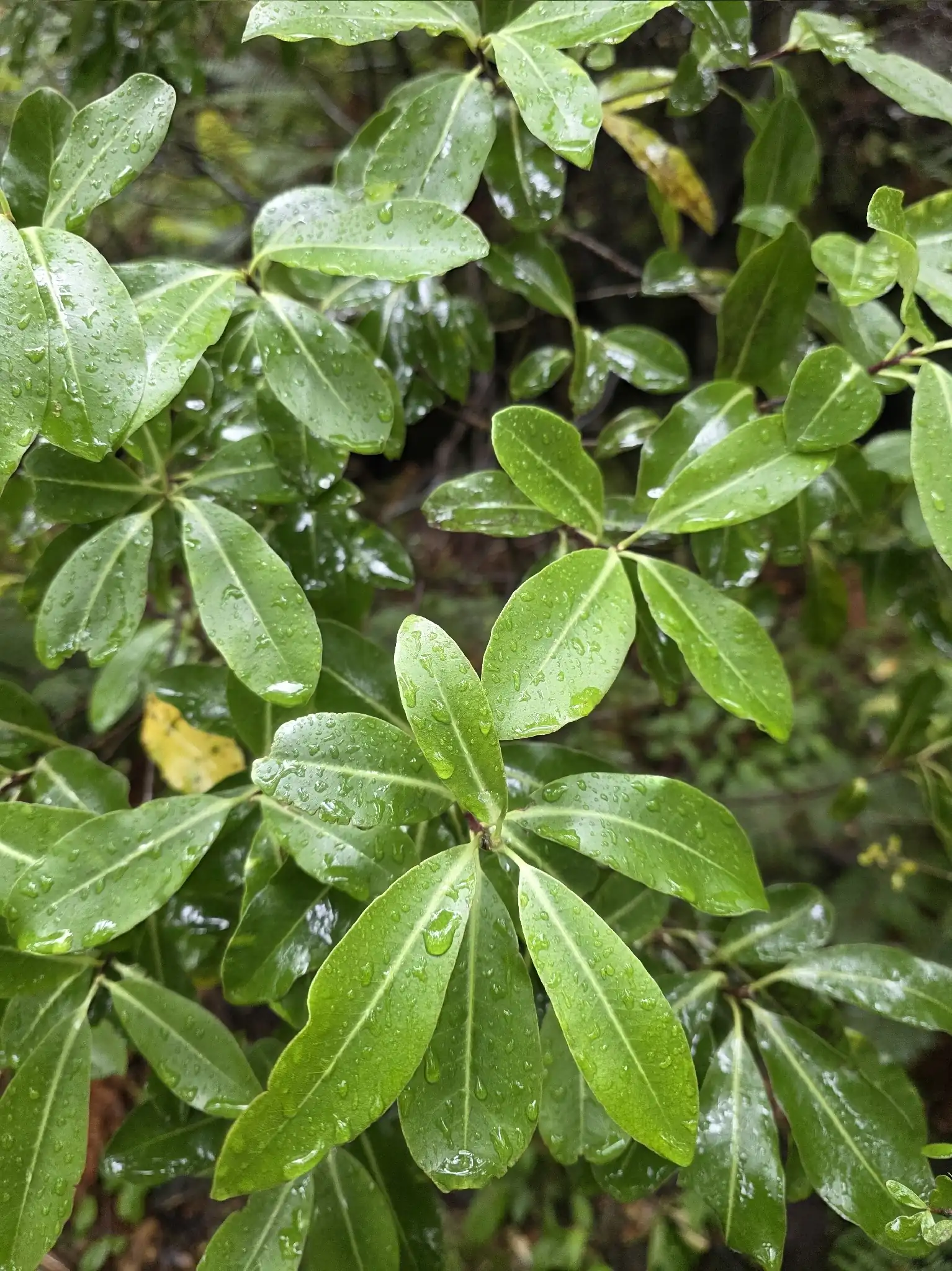
Pittosporum colensoi, known as Colenso's pittosporum or black mapou, is an evergreen shrub or small tree native to New Zealand that features dark, almost black branchlets and thick, leathery green leaves. In spring and early summer, it produces small, star-shaped maroon to dark red flowers with recurved petals that release a sweet, honey-like fragrance.
Unlike the closely related Pittosporum tenuifolium, this species is distinguished by its strictly flat, non-wavy leaf margins and stout stems. Its foliage emerges with soft, fine pubescence on young branchlets before maturing into glossy, dark green leaves with paler, net-veined undersides.
Uses & Benefits:
Essentials
At a Glance
Plant Type
Shrub
Height
394"
Width
157"
Light
Full Sun, Partial Sun
Zones
8, 9, 10
Water
Low to moderate
Humidity
Tolerant of coastal maritime humidity
Lifespan
Long-lived perennial shrub
Native To
New Zealand
Toxicity
Mildly toxic if ingested in large quantities
Bloom period
Spring – Early summer
In flower about 4 months of the year
Planting
How to Grow
- Select a planting site in full sun to partial shade with light, free-draining soil.
- Dig a planting hole twice as wide as the root ball and equal to its depth.
- Backfill with native soil, ensuring the crown rests flush with the surrounding soil level.
- Water thoroughly at planting and supply light water weekly until established.
- Apply a thin layer of organic mulch around the base, keeping it clear of the main trunk.
Pro Tip
Avoid cutting into old, leafless dark wood, as stems lack latent buds and will fail to reshoot. Prune lightly directly after spring flowering to avoid removing the following season's floral buds.
Keep It Thriving
Care Guide
Do
- Plant in soil with exceptional drainage to prevent fungal root rot.
- Prune lightly right after flowering to shape hedges or control size.
- Apply a balanced slow-release fertilizer sparingly in spring.
Don't
- Do not hard-prune into bare, leafless woody stems, as they will not reshoot.
- Do not overwater or allow plants to sit in waterlogged or boggy soil.
- Do not heavy-feed with nitrogen, which creates leggy growth prone to sap-sucking pests.
Seasonal Care Calendar
| Task | Jan | Feb | Mar | Apr | May | Jun | Jul | Aug | Sep | Oct | Nov | Dec |
|---|---|---|---|---|---|---|---|---|---|---|---|---|
| Fertilize | ||||||||||||
| Pest Check | ||||||||||||
| Propagate | ||||||||||||
| Prune |
Watch Out For
Pests & Diseases
Common Pests
Common Diseases
In the Garden
Landscape Uses & Companions
Landscape Uses
Multiply
Propagation Methods
Good to Know
Common Questions
Colenso's Pittosporum questions
What zones can Colenso's Pittosporum grow in?
Colenso's Pittosporum is hardy in USDA Zones 8–10: in that range it survives winter in the ground. Colder than Zone 8, grow it in a container you can move to shelter for the winter.
Is Colenso's Pittosporum deer resistant?
Not reliably. Deer may browse Colenso's Pittosporum, especially tender spring growth — plan on repellents or fencing where pressure is high.
When does Colenso's Pittosporum bloom?
Colenso's Pittosporum typically blooms from early spring to early summer. Exact timing shifts a week or two with your zone — Sow's bloom calendar maps it to your garden.
Does Colenso's Pittosporum need full sun?
Colenso's Pittosporum does best in full sun to part shade. In hot climates, afternoon shade keeps blooms fresher longer.
Is Colenso's Pittosporum drought tolerant?
Yes — once established (usually after the first full season), Colenso's Pittosporum handles dry spells with minimal watering. Water deeply its first year to build the root system that makes that possible.
More Pittosporum to compare
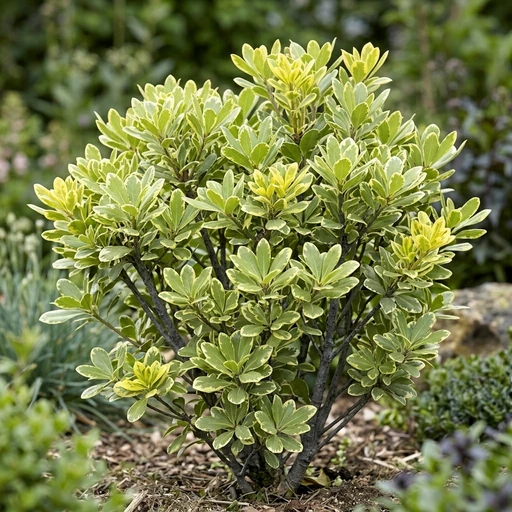
Mojo Pittosporum
Pittosporum tobira 'Mojo'
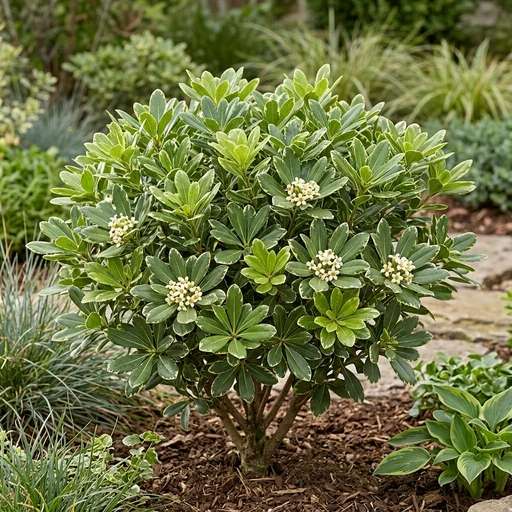
Wheeler's Dwarf Pittosporum
Pittosporum tobira 'Wheeler's Dwarf'
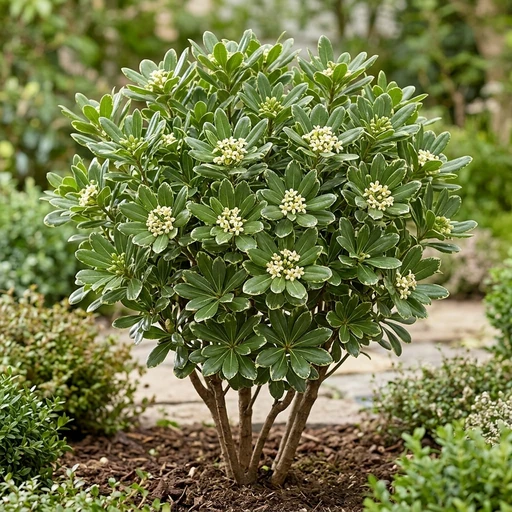
Japanese Pittosporum
Pittosporum tobira
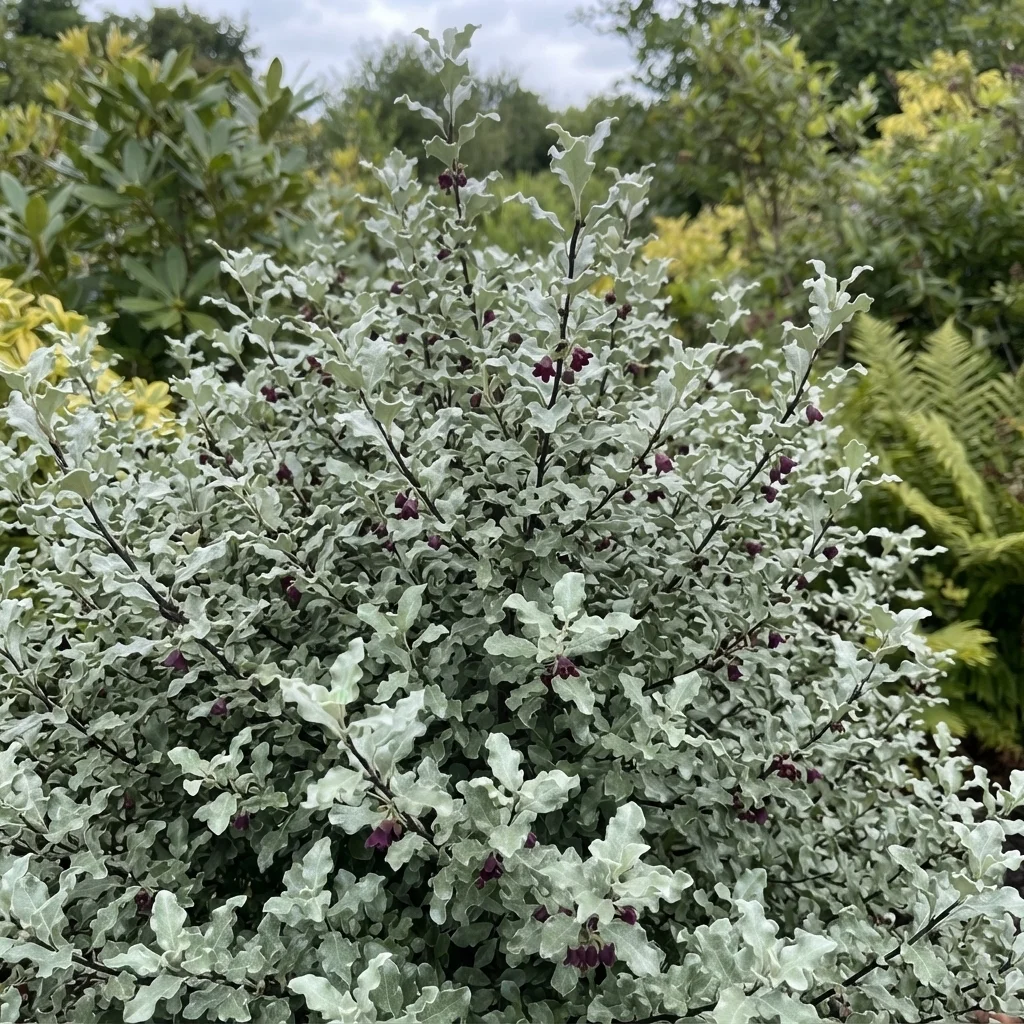
James Stirling Kohuhu
Pittosporum tenuifolium 'James Stirling'
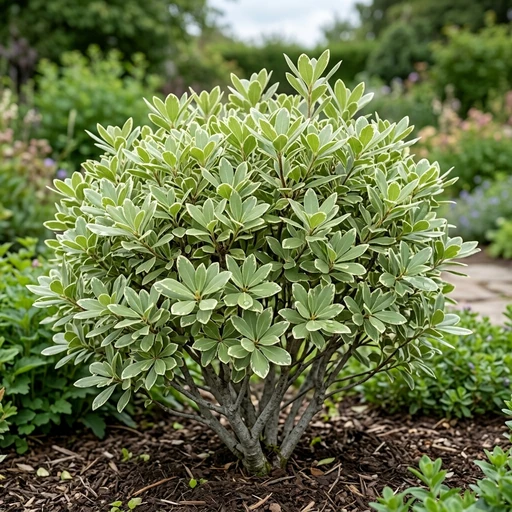
Variegated Japanese Pittosporum
Pittosporum tobira 'Variegatum'
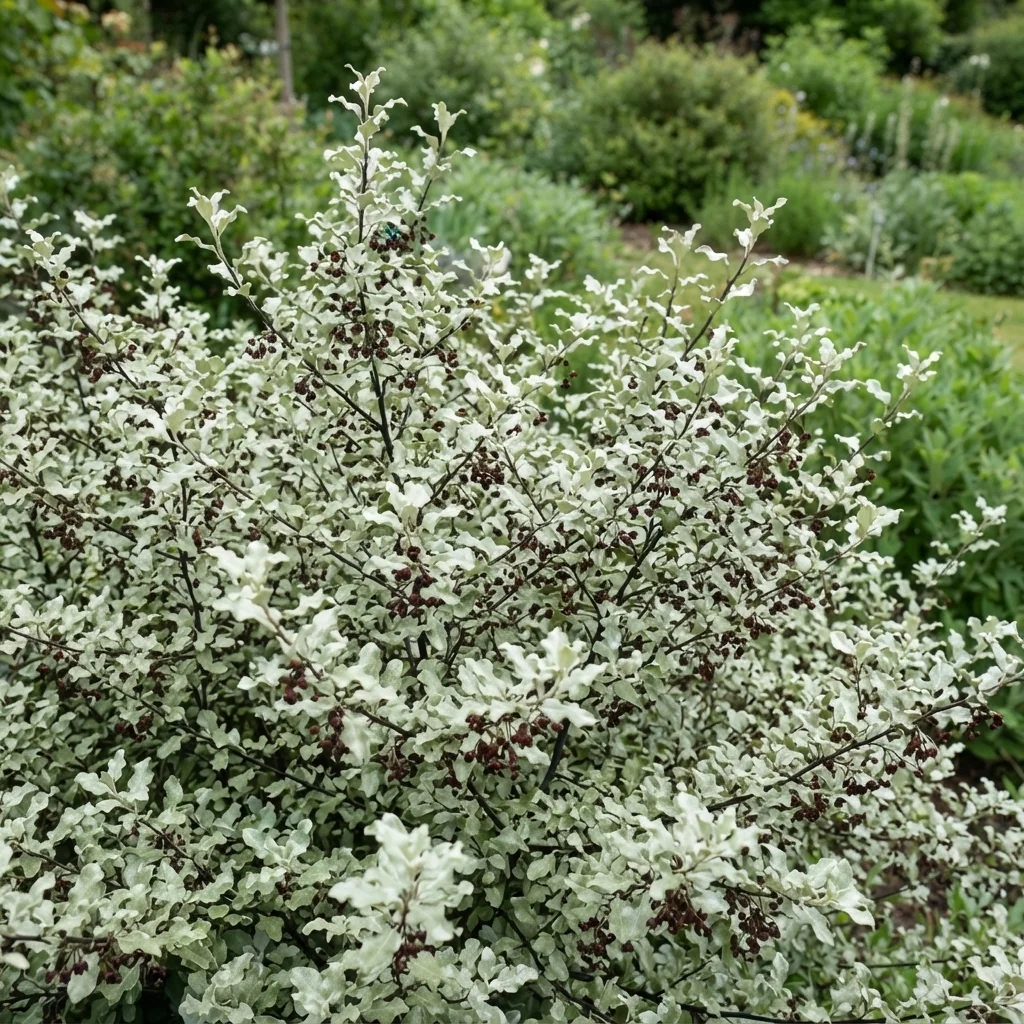
Silver Sheen Kohuhu
Pittosporum tenuifolium 'Silver Sheen'
Keep exploring
Explore the genus
Hardy in your zone?
Grow Colenso's Pittosporum with confidence
See it in a design of your actual yard, get zone-matched care reminders, and track it season by season in your garden journal.