The Story
Plant Bio
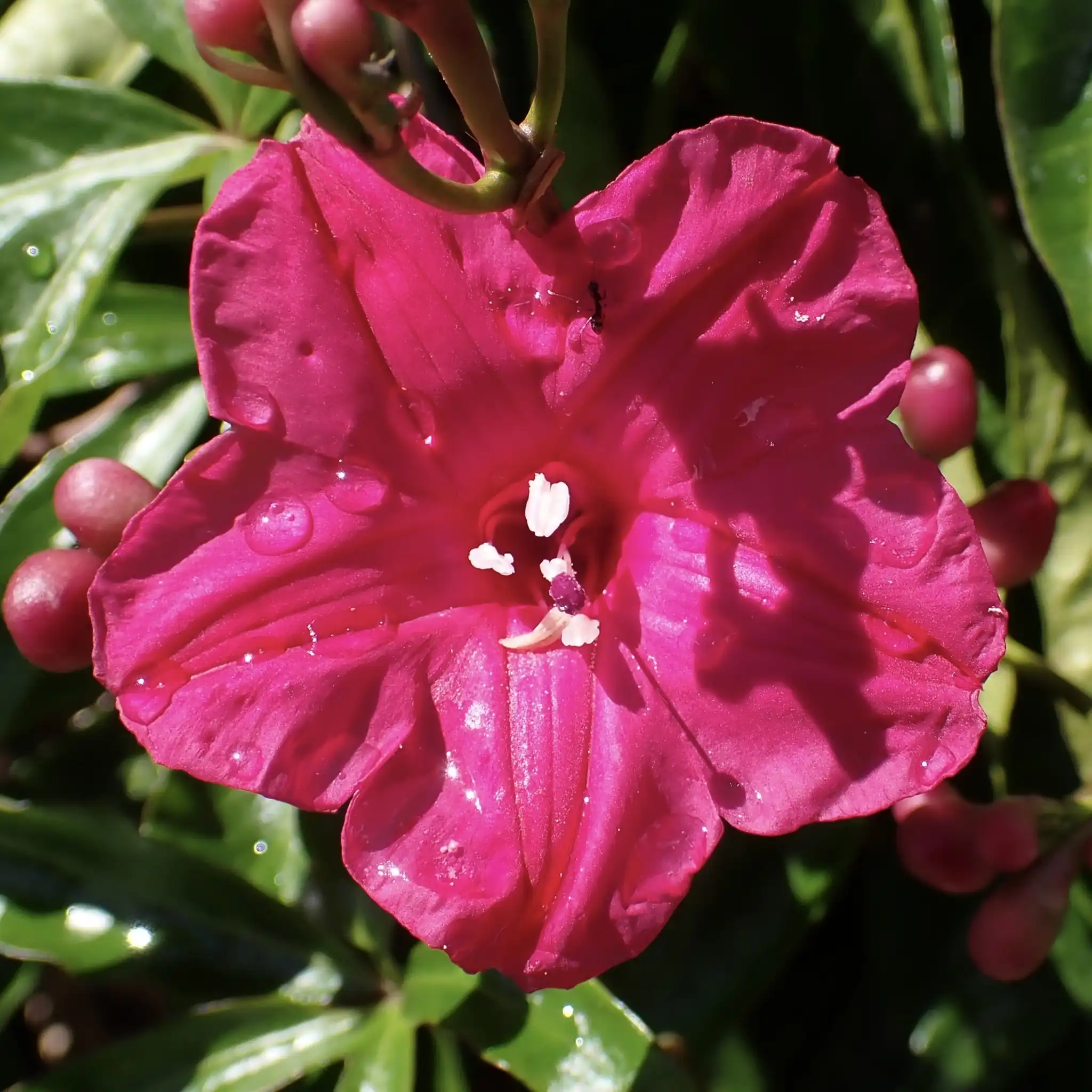
Ipomoea horsfalliae is an evergreen twining woody vine reaching 12 to 15 feet in the garden, with tuberous roots, milky sap and glossy dark green leaves divided palmately into five lance-shaped leaflets. The funnel-shaped flowers are 2 to 3 inches across in deep rose-red to magenta with a white throat, borne in large axillary clusters where each bloom stays open for several days.
Unlike the annual cardinal climber sold under a similar name, this is a woody perennial vine that holds its divided foliage year round and blooms heaviest from fall into winter. It rarely sets seed where hummingbirds are absent because the tubular red flowers require hummingbird pollination, so plants are grown from vegetative stock and stay true to type.
Uses & Benefits:
Essentials
At a Glance
Plant Type
Vine
Height
180"
Width
120"
Light
Full Sun, Partial Sun
Zones
9, 10
Water
Regular
Humidity
Moderate to high
Lifespan
Perennial vine
Native To
Guyana, Suriname
Toxicity
Toxic if ingested
Bloom period
Fall – Winter
In flower about 6 months of the year
Planting
How to Grow
- Plant in full sun to partial shade with at least 4 to 6 hours of sun for bloom, against a sturdy trellis or warm wall sheltered from cold.
- Set into rich well-drained soil, keeping the root ball at grade and watering in deeply.
- Water regularly through growth and flowering, letting the surface dry but never leaving the plant waterlogged.
- Fertilize monthly in the growing and flowering season and train new shoots to twine.
- Move containers indoors before frost in zones below 9 and overwinter bright and frost-free.
Pro Tip
Give it a warm sheltered trellis in full sun and prune lightly after the winter bloom to control size; cutting hard back into old leafless wood regrows slowly.
Keep It Thriving
Care Guide
Do
- Provide a sturdy trellis or warm sheltered wall for the twining stems to climb.
- Water regularly during growth and flowering and fertilize monthly in season.
- Inspect leaf undersides weekly for aphids and mites and keep good air circulation.
Don't
- Do not overwater or leave pots standing in water, which invites root and stem rot.
- Do not cut hard back into old leafless woody stems, which regrow poorly.
- Do not leave outdoors through frost; it is a frost-tender tropical vine.
Seasonal Care Calendar
| Task | Jan | Feb | Mar | Apr | May | Jun | Jul | Aug | Sep | Oct | Nov | Dec |
|---|---|---|---|---|---|---|---|---|---|---|---|---|
| Fertilize | ||||||||||||
| Pest Check | ||||||||||||
| Prune | ||||||||||||
| Stake | ||||||||||||
| Winter Prep |
Watch Out For
Pests & Diseases
Common Pests
Common Diseases
In the Garden
Landscape Uses & Companions
Landscape Uses
Multiply
Propagation Methods
Good to Know
Common Questions
Prince Kuhio Vine questions
What zones can Prince Kuhio Vine grow in?
Prince Kuhio Vine is hardy in USDA Zones 9–10: in that range it survives winter in the ground. Colder than Zone 9, grow it in a container you can move to shelter for the winter, or as an annual.
When does Prince Kuhio Vine bloom?
Prince Kuhio Vine typically blooms from fall to winter. Exact timing shifts a week or two with your zone — Sow's bloom calendar maps it to your garden.
Does Prince Kuhio Vine need full sun?
Prince Kuhio Vine does best in full sun to part shade. In hot climates, afternoon shade keeps blooms fresher longer.
More Ipomoea to compare
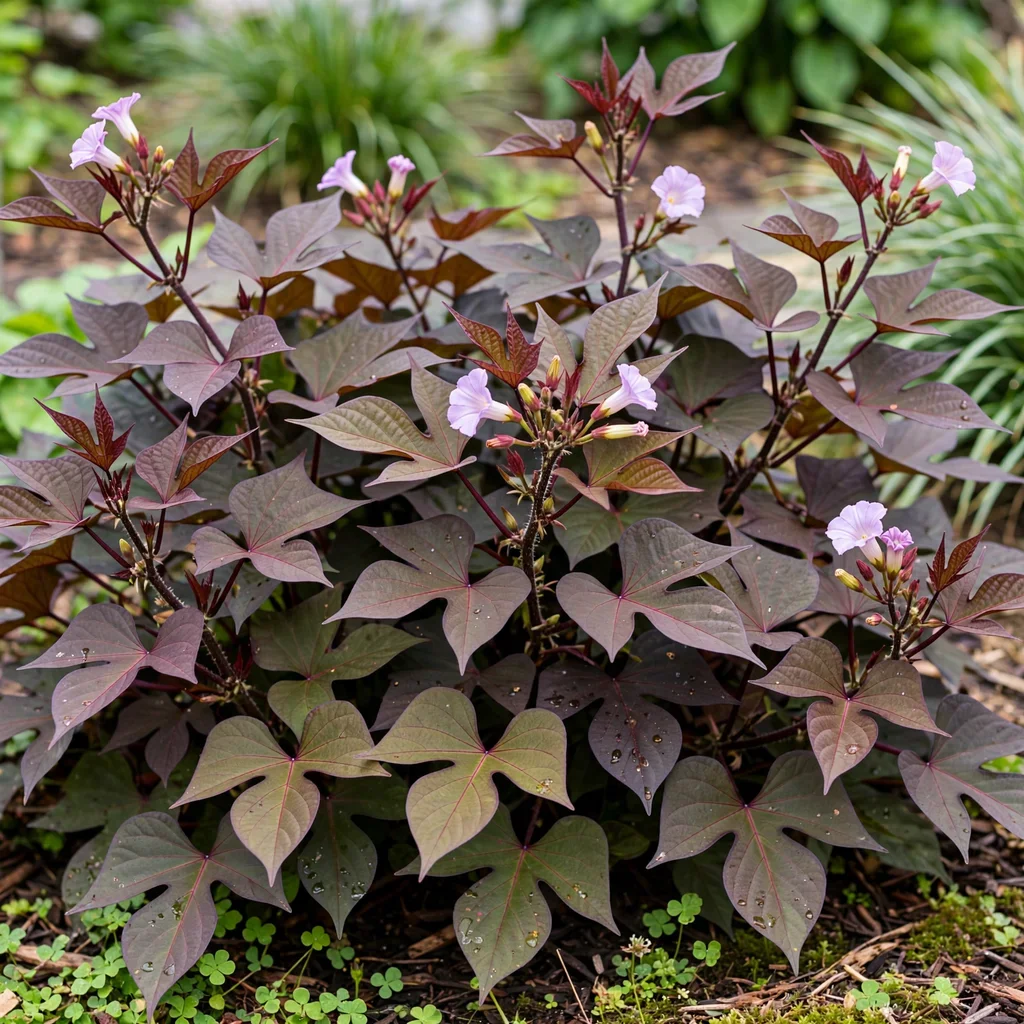
Sweet Potato
Ipomoea batatas 'Sweet Georgia Bronze'
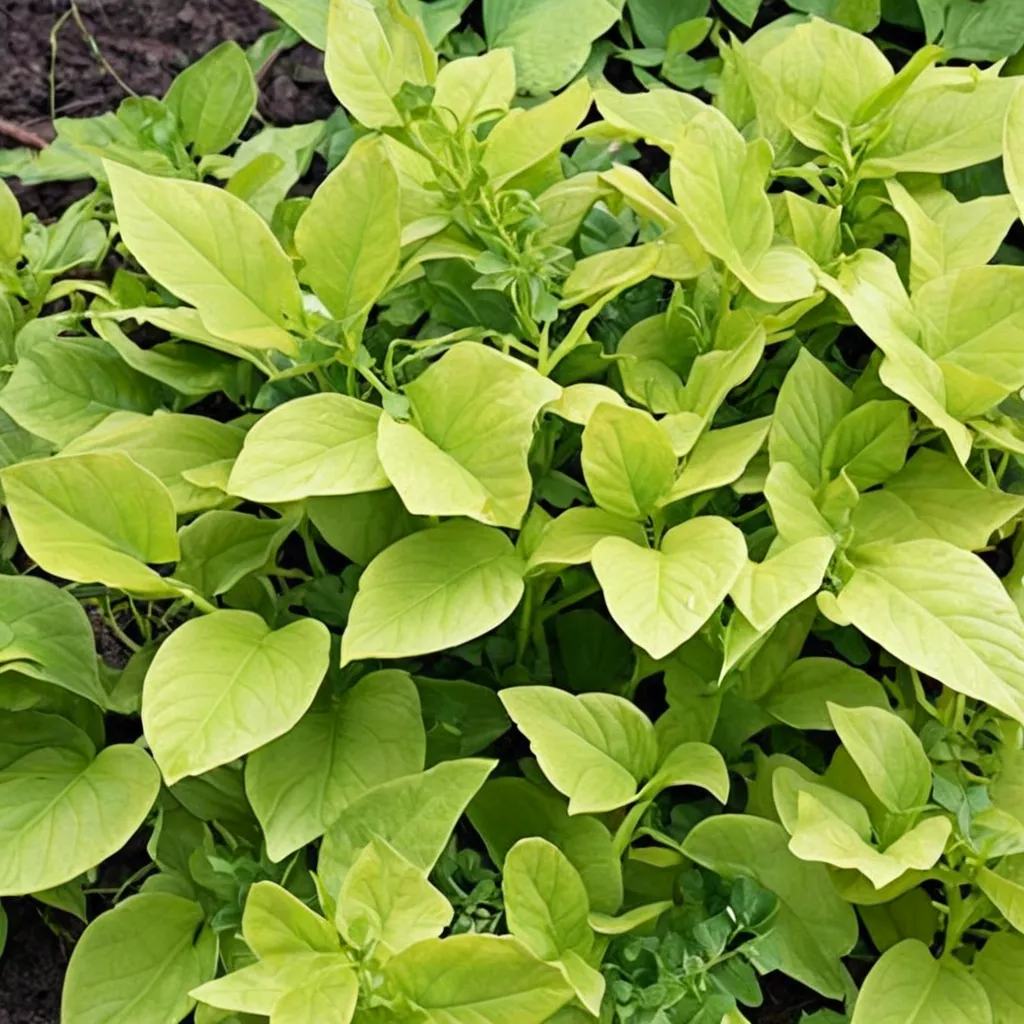
Margarita Sweet Potato Vine
Ipomoea batatas 'Margarita'
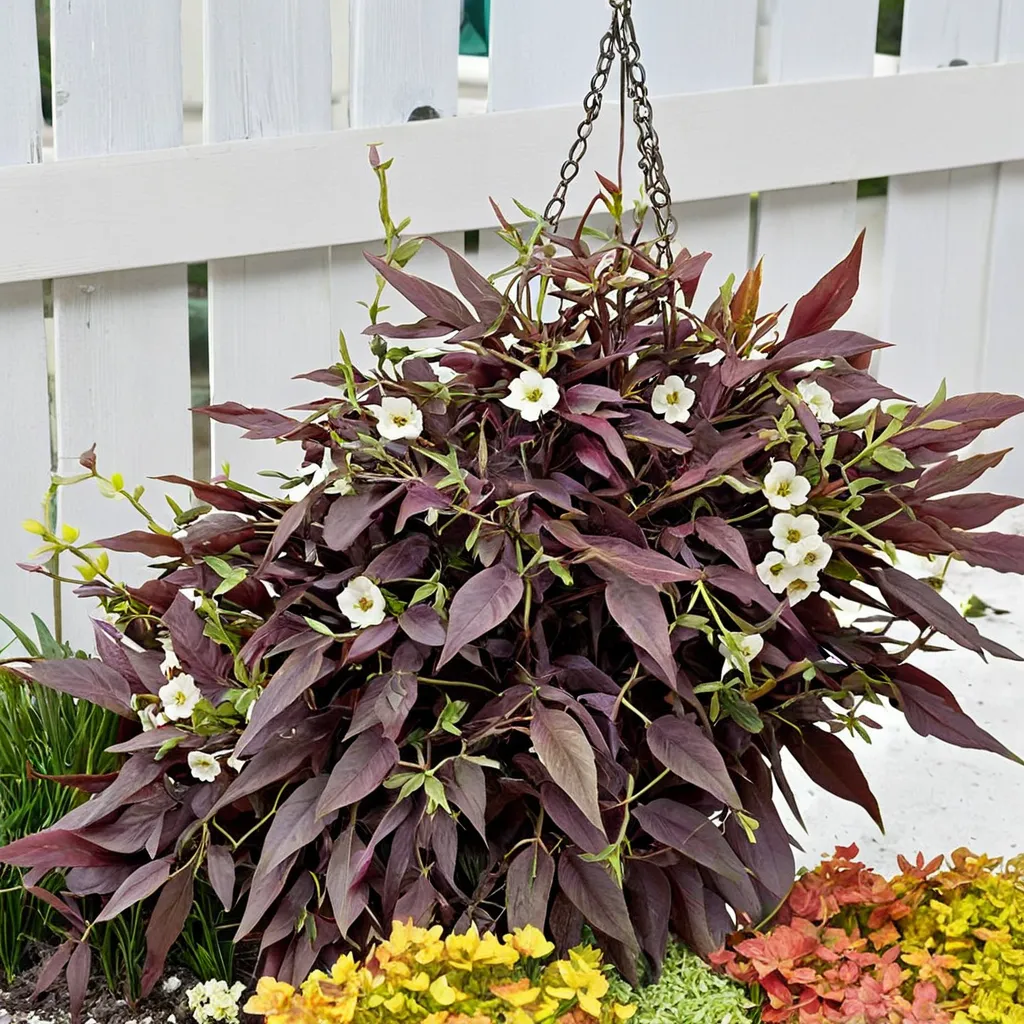
Sweet Caroline Upside Black Coffee Sweet Potato Vine
Ipomoea batatas 'Sweet Caroline Upside Black Coffee'
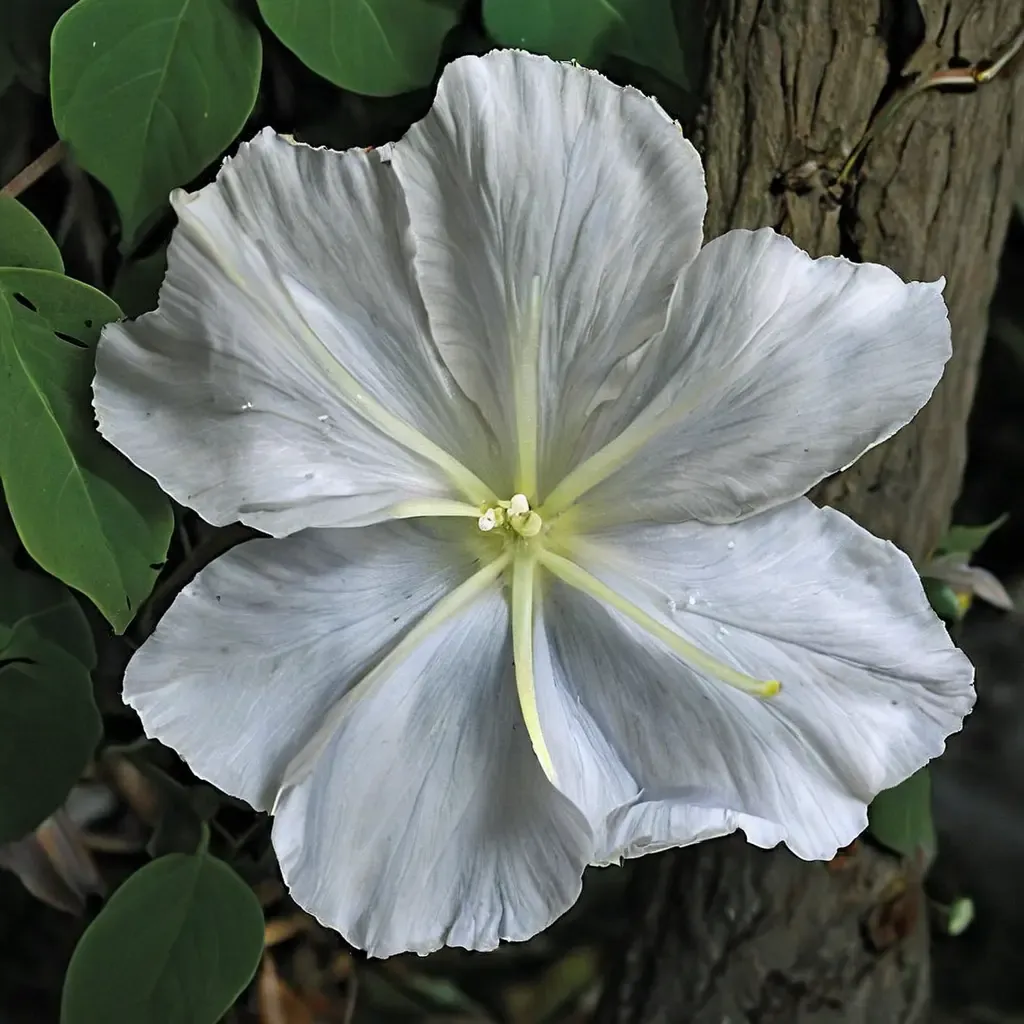
Moonflower
Ipomoea alba
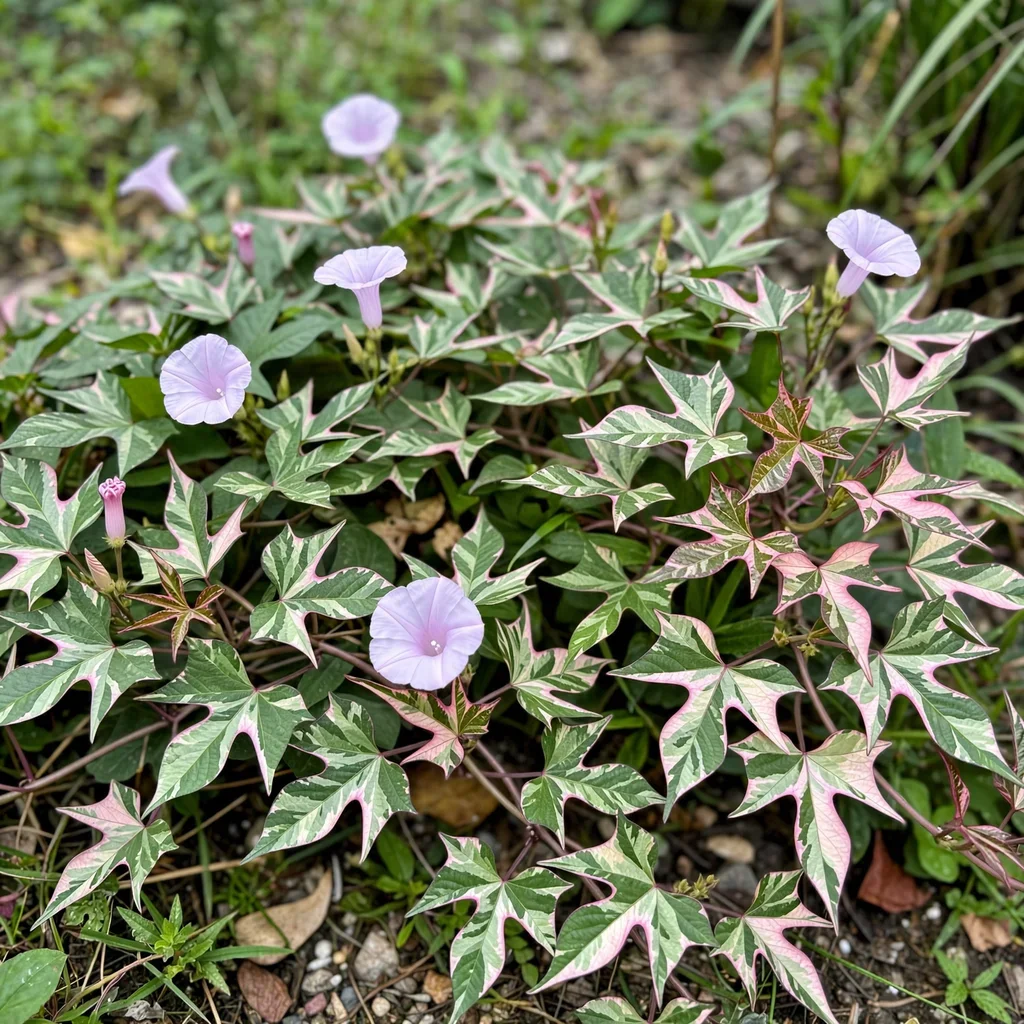
Tricolor Sweet Potato Vine
Ipomoea batatas 'Tricolor'
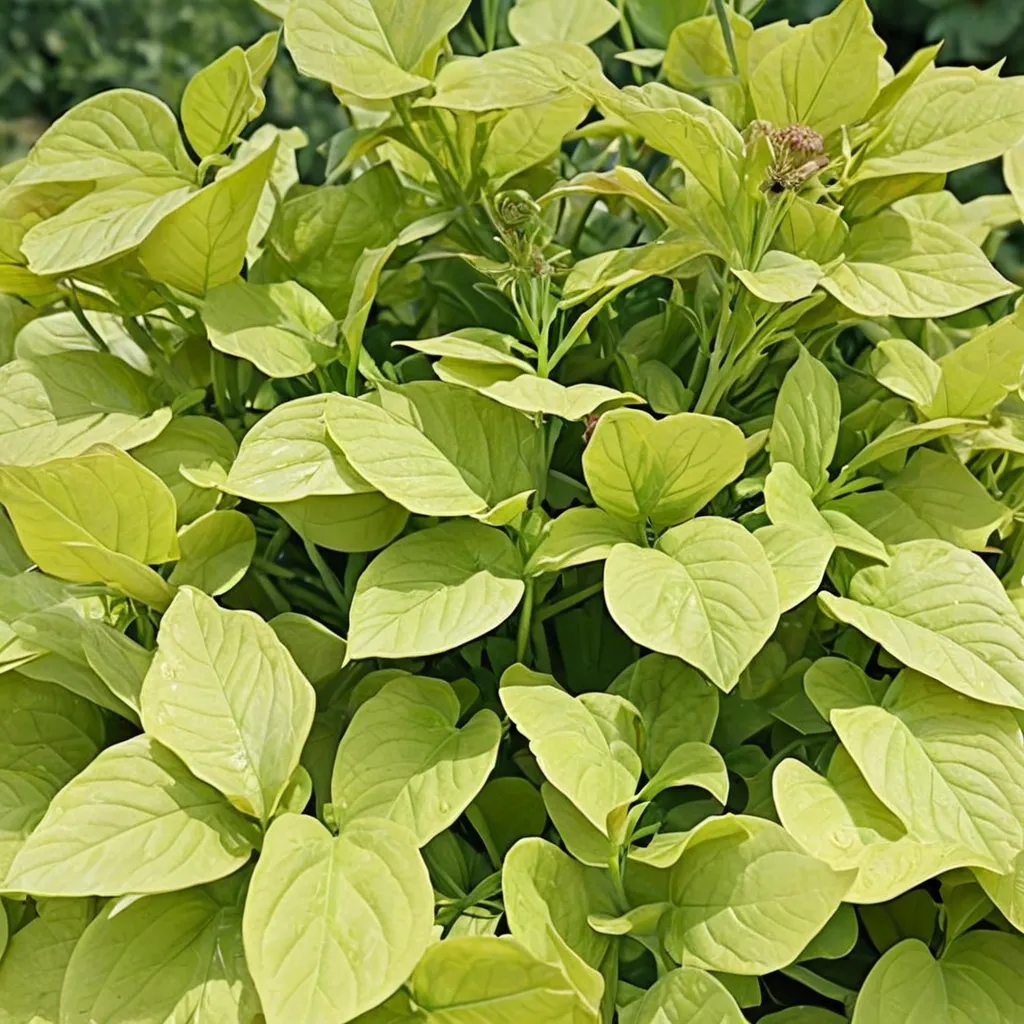
Sweet Potato Vine 'Sweet Caroline Sweetheart Lime'
Ipomoea batatas 'Sweet Caroline Sweetheart Lime'
Keep exploring
Explore the genus
Hardy in your zone?
Grow Prince Kuhio Vine with confidence
See it in a design of your actual yard, get zone-matched care reminders, and track it season by season in your garden journal.