The Story
Plant Bio
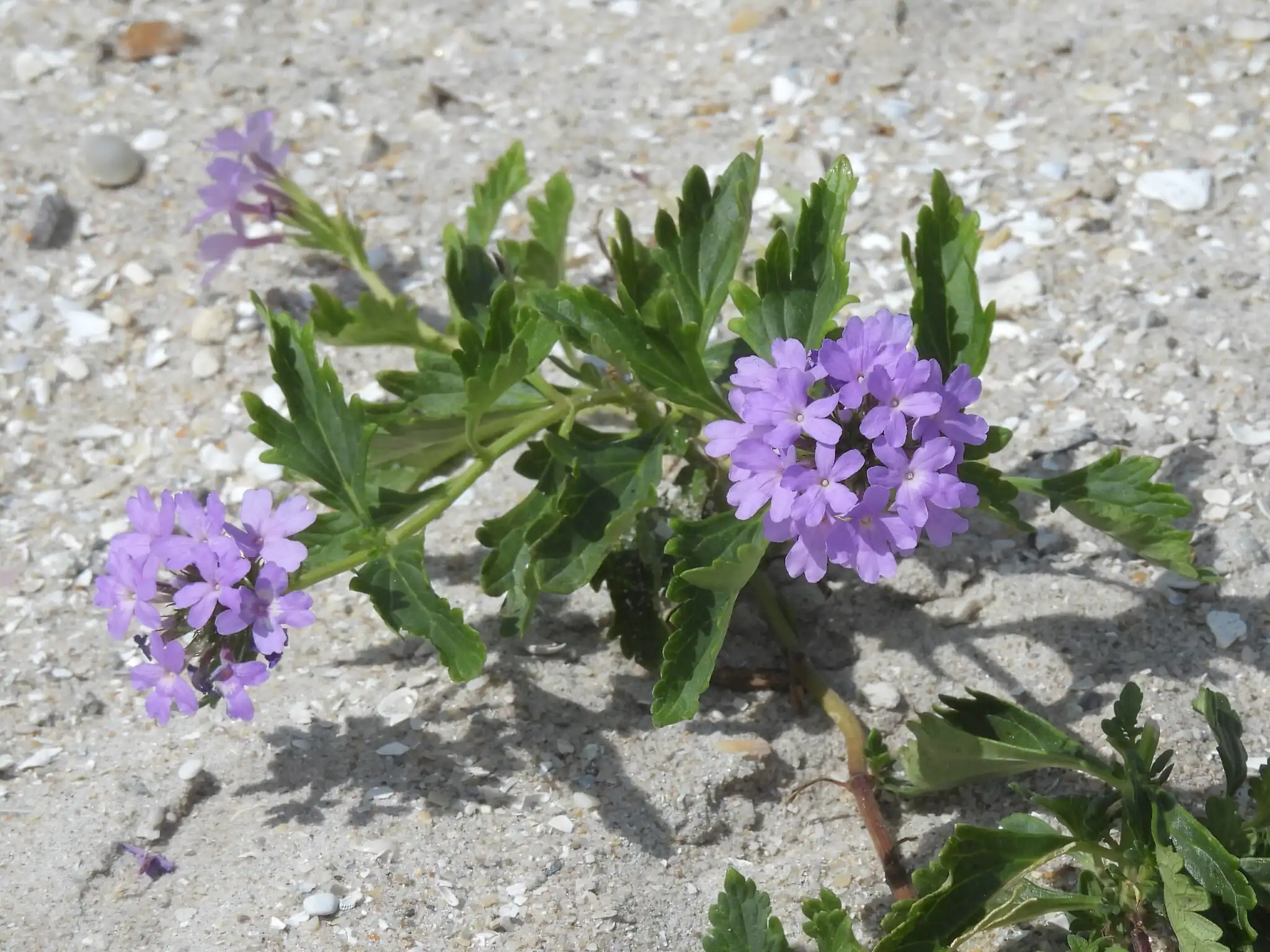
Glandularia maritima is a short-lived evergreen perennial that spreads by low, creeping stems that root at the nodes to form a dense mat. It holds opposite, dark green, lobed leaves with fine texture and bears flat-topped terminal clusters of five-lobed flowers.
This Florida-endemic dune species stays under a foot tall while spreading two to five feet wide, binding sand in salt wind and salt air. Its purple to lavender blooms open in succession through the year with the heaviest flush in spring and summer, feeding butterflies and bees.
Uses & Benefits:
Essentials
At a Glance
Plant Type
Groundcover
Height
12"
Width
60"
Light
Full Sun
Zones
10
Water
Low
Humidity
Unknown
Lifespan
Short-lived perennial
Native To
Florida, USA
Toxicity
Unknown
Bloom period
Spring – Winter
In flower about 12 months of the year
Planting
How to Grow
- Plant in full sun in well-drained sand, loam, clay or limestone soil.
- Space 36 to 60 inches apart to allow creeping stems to root and knit.
- Water in once, then water sparingly until established and avoid overhead irrigation.
- Keep rich mulch and fertilizer off the planting; foliage stays dark green without feeding.
Pro Tip
Set it in full sun in poor, well-drained sand and leave it alone; irrigation and rich soil kill it faster than drought.
Keep It Thriving
Care Guide
Do
- Give full sun all day for fastest growth and flowering.
- Provide sharply drained sandy or limestone soil.
- Allow stems to root at nodes to form cover.
Don't
- Do not overwater or place in irrigated beds.
- Do not enrich soil with compost or fertilizer.
- Do not collect from the wild; it is endangered in Florida.
Seasonal Care Calendar
| Task | Jan | Feb | Mar | Apr | May | Jun | Jul | Aug | Sep | Oct | Nov | Dec |
|---|---|---|---|---|---|---|---|---|---|---|---|---|
| Mulch | ||||||||||||
| Pest Check | ||||||||||||
| Plant | ||||||||||||
| Prune |
Watch Out For
Pests & Diseases
Common Pests
Common Diseases
In the Garden
Landscape Uses & Companions
Landscape Uses
Multiply
Propagation Methods
Good to Know
Common Questions
Beach Verbena questions
What zones can Beach Verbena grow in?
Beach Verbena is hardy in USDA Zone 10: in that range it survives winter in the ground. Colder than Zone 10, grow it in a container you can move to shelter for the winter, or as an annual.
When does Beach Verbena bloom?
Beach Verbena typically blooms in spring. Exact timing shifts a week or two with your zone — Sow's bloom calendar maps it to your garden.
Does Beach Verbena need full sun?
Beach Verbena does best in full sun (6+ hours).
Is Beach Verbena drought tolerant?
Yes — once established (usually after the first full season), Beach Verbena handles dry spells with minimal watering. Water deeply its first year to build the root system that makes that possible.
More Glandularia to compare
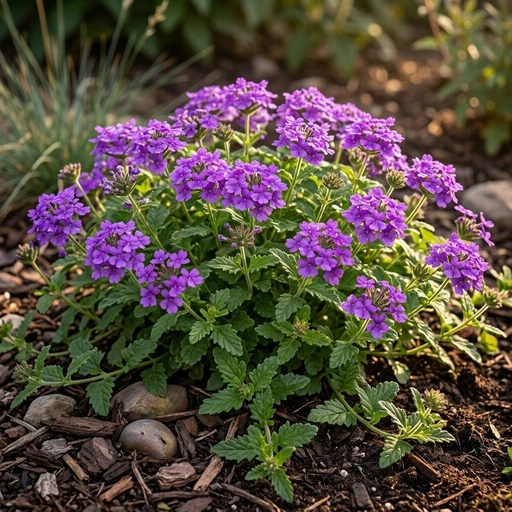
Homestead Purple Verbena
Glandularia canadensis 'Homestead Purple'
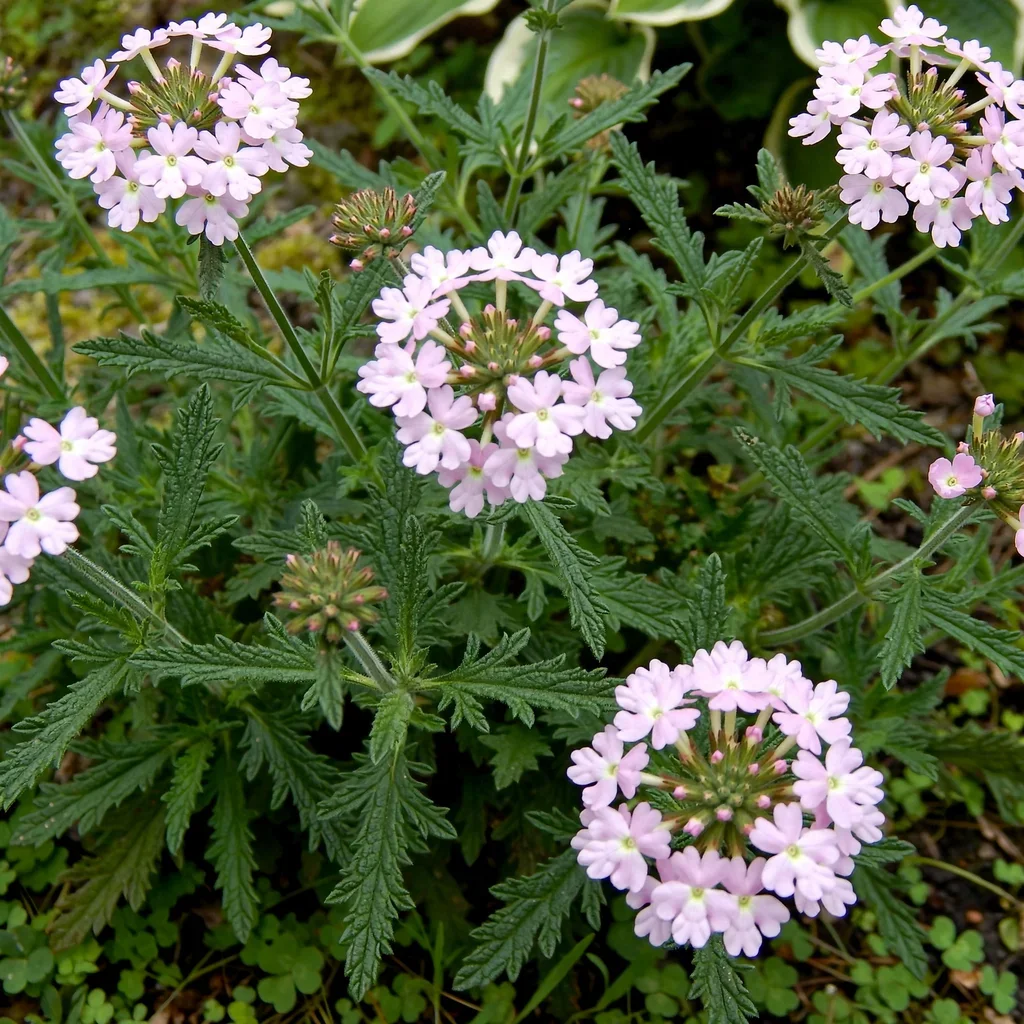
Texas Appleblossom Verbena
Glandularia x hybrida 'Texas Appleblossom'
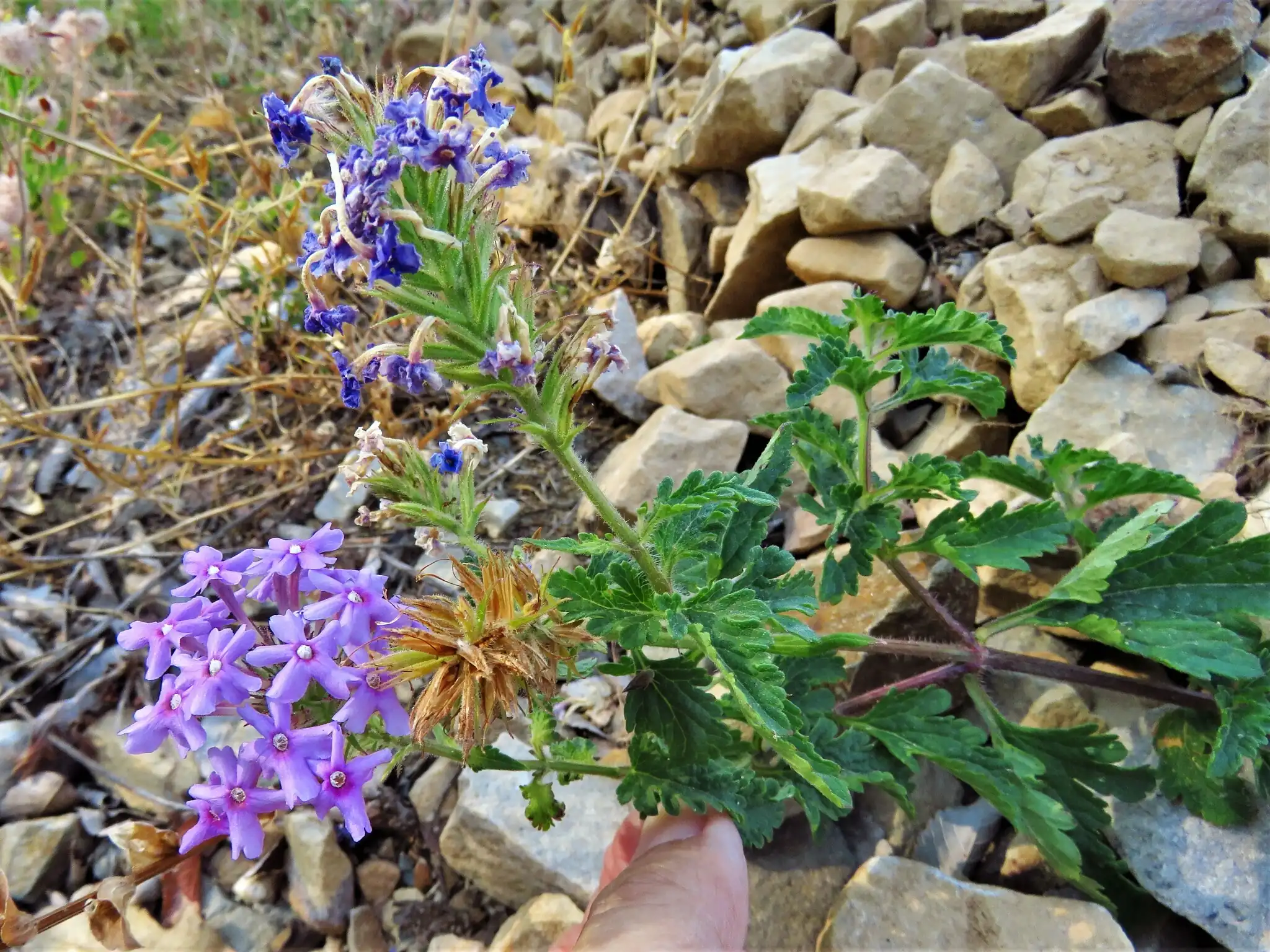
Verbena
Glandularia canadensis
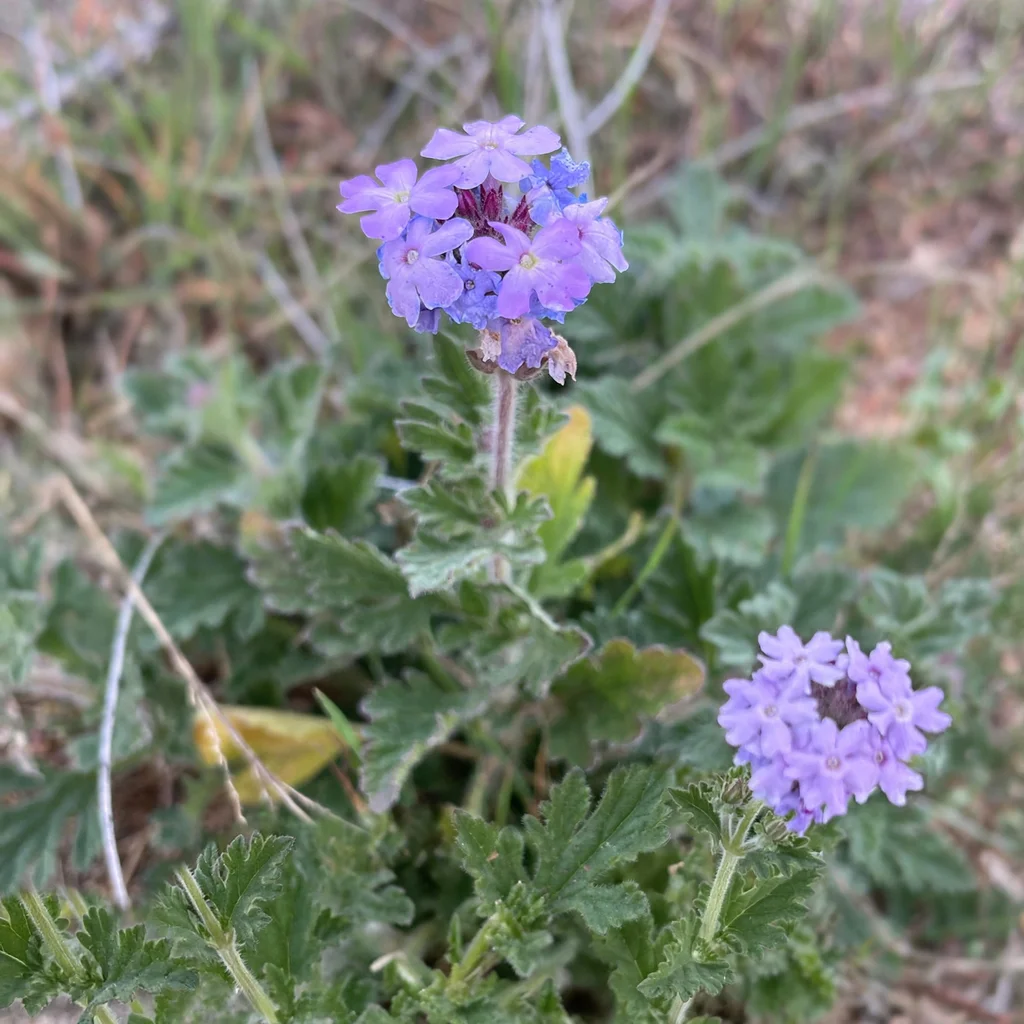
Goodding's Verbena
Glandularia gooddingii
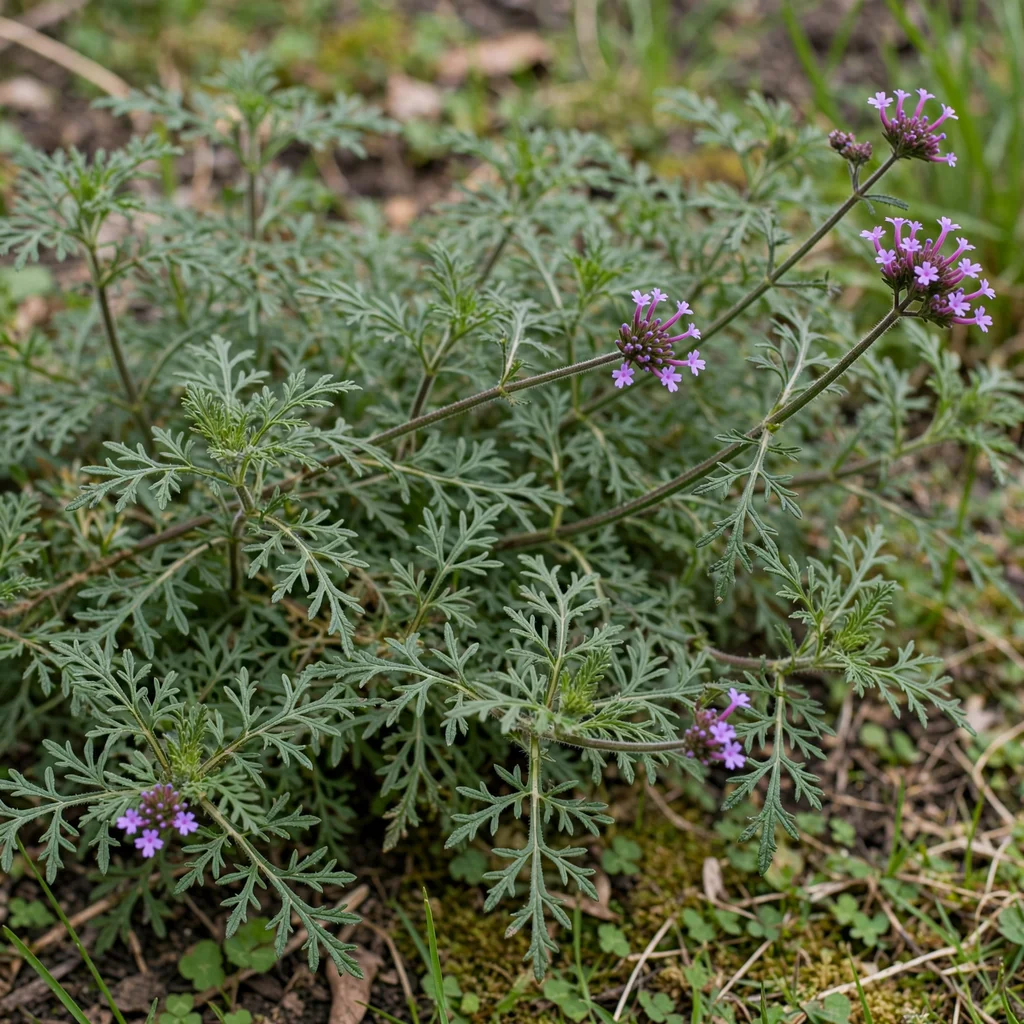
Moss Verbena
Glandularia pulchella
Keep exploring
Explore the genus
Hardy in your zone?
Grow Beach Verbena with confidence
See it in a design of your actual yard, get zone-matched care reminders, and track it season by season in your garden journal.