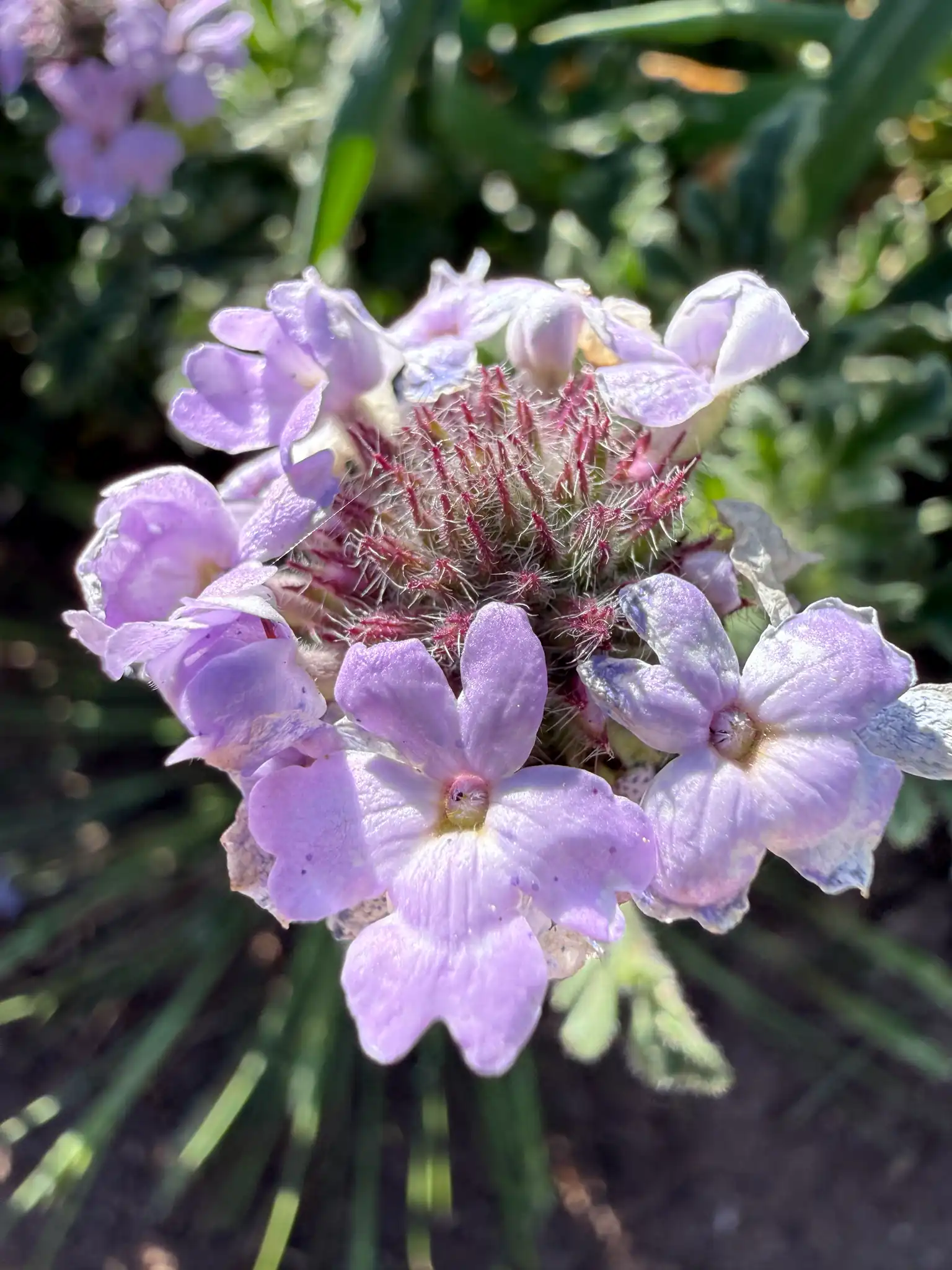
The Story
Plant Bio
Glandularia gooddingii, Goodding's verbena, is a short-lived perennial herb that forms a low sprawling mat to three feet wide, with stems that root where they touch moist soil. The soft-hairy green leaves are deeply divided and three-lobed, with a glandular-hairy texture on foliage and stems.
It carries rounded clusters of bright pink-purple tubular flowers atop six to eighteen inch stems, mainly from spring to summer when moisture is available. Unlike many desert showpieces it stops flowering without supplemental water, and it stays lower and more mat-forming than taller garden verbenas.
Uses & Benefits:
Essentials
At a Glance
Plant Type
Perennial
Height
18"
Width
36"
Light
Full Sun
Zones
8, 9, 10
Water
Moderate
Humidity
Unknown
Lifespan
Short-lived perennial
Native To
Southwestern USA to northwestern Mexico
Toxicity
Unknown
Bloom period
Spring – Summer
In flower about 6 months of the year
Planting
How to Grow
- Plant in full sun in well-drained rocky or sandy soil on a slope or raised bed.
- Sow seed in place in early spring or set out transplants 8 to 12 inches apart.
- Water deeply to establish, then water to maintain steady moisture through bud and bloom.
- Leave dry winter conditions alone; re-sow or replace as older mats fade.
Pro Tip
Water to keep it blooming; flowering shuts down without supplemental moisture despite its desert look.
Keep It Thriving
Care Guide
Do
- Give full sun and sharp drainage for hot dry banks.
- Water during spring bloom to keep clusters coming.
- Deadhead spent clusters to extend flowering.
Don't
- Do not plant in heavy clay or soil that stays wet.
- Do not let it go bone-dry in bloom and expect flowers to continue.
- Do not cut back hard into old bare stems.
Seasonal Care Calendar
| Task | Jan | Feb | Mar | Apr | May | Jun | Jul | Aug | Sep | Oct | Nov | Dec |
|---|---|---|---|---|---|---|---|---|---|---|---|---|
| Deadhead | ||||||||||||
| Pest Check | ||||||||||||
| Plant | ||||||||||||
| Propagate |
Watch Out For
Pests & Diseases
Common Pests
Common Diseases
In the Garden
Landscape Uses & Companions
Landscape Uses
Multiply
Propagation Methods
Good to Know
Common Questions
Goodding's Verbena questions
What zones can Goodding's Verbena grow in?
Goodding's Verbena is hardy in USDA Zones 8–10: in that range it survives winter in the ground. Colder than Zone 8, grow it in a container you can move to shelter for the winter, or as an annual.
When does Goodding's Verbena bloom?
Goodding's Verbena typically blooms from spring to summer. Exact timing shifts a week or two with your zone — Sow's bloom calendar maps it to your garden.
Does Goodding's Verbena need full sun?
Goodding's Verbena does best in full sun (6+ hours).
Is Goodding's Verbena drought tolerant?
Yes — once established (usually after the first full season), Goodding's Verbena handles dry spells with minimal watering. Water deeply its first year to build the root system that makes that possible.
More Glandularia to compare
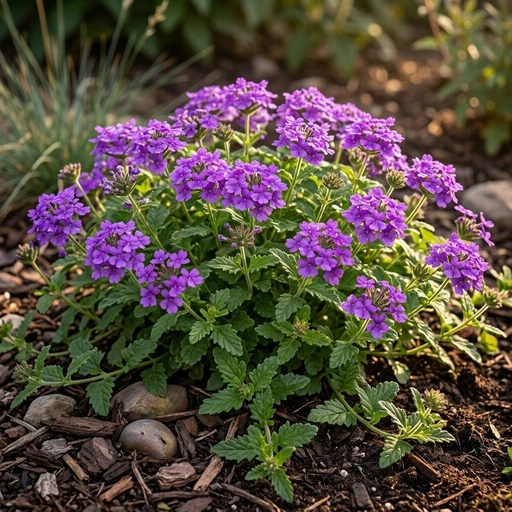
Homestead Purple Verbena
Glandularia canadensis 'Homestead Purple'
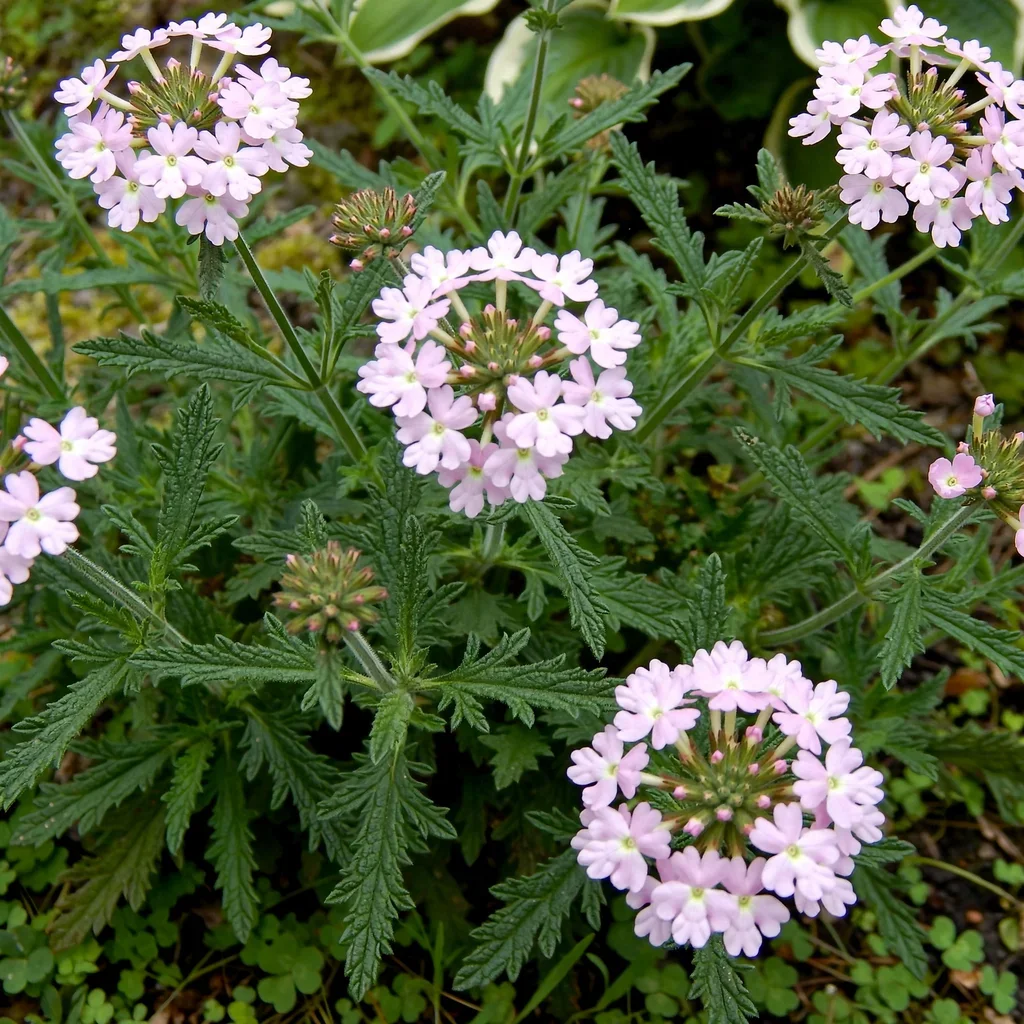
Texas Appleblossom Verbena
Glandularia x hybrida 'Texas Appleblossom'
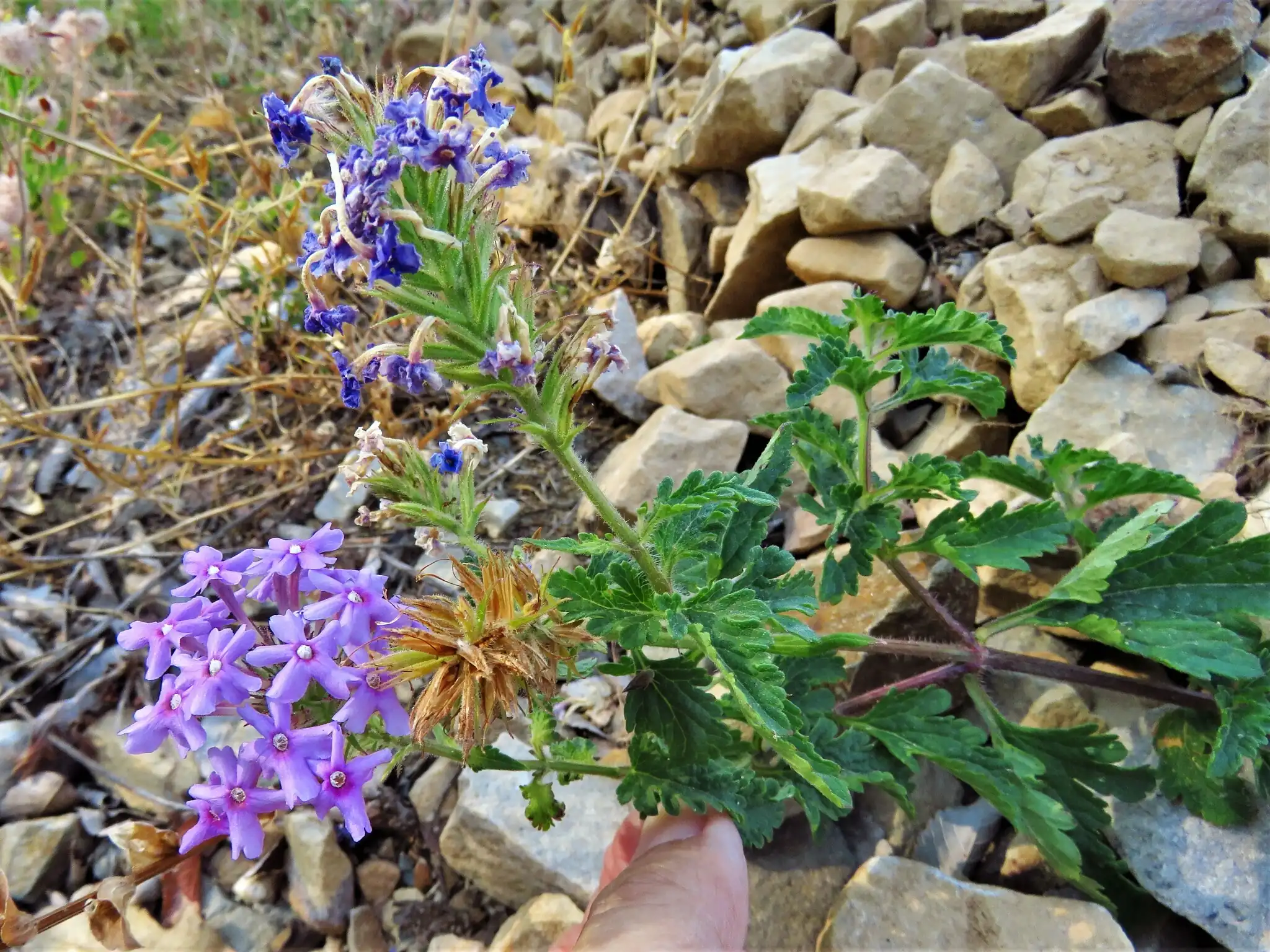
Verbena
Glandularia canadensis
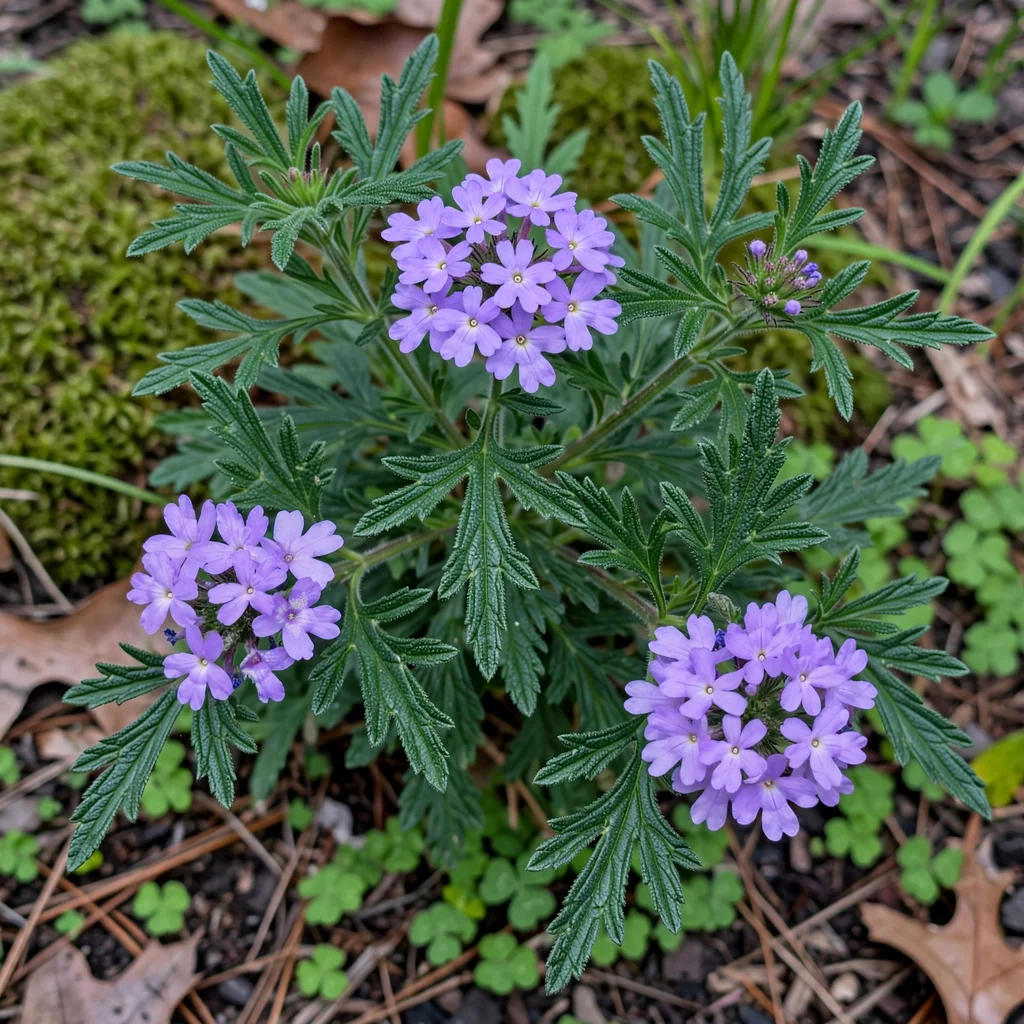
Beach Verbena
Glandularia maritima
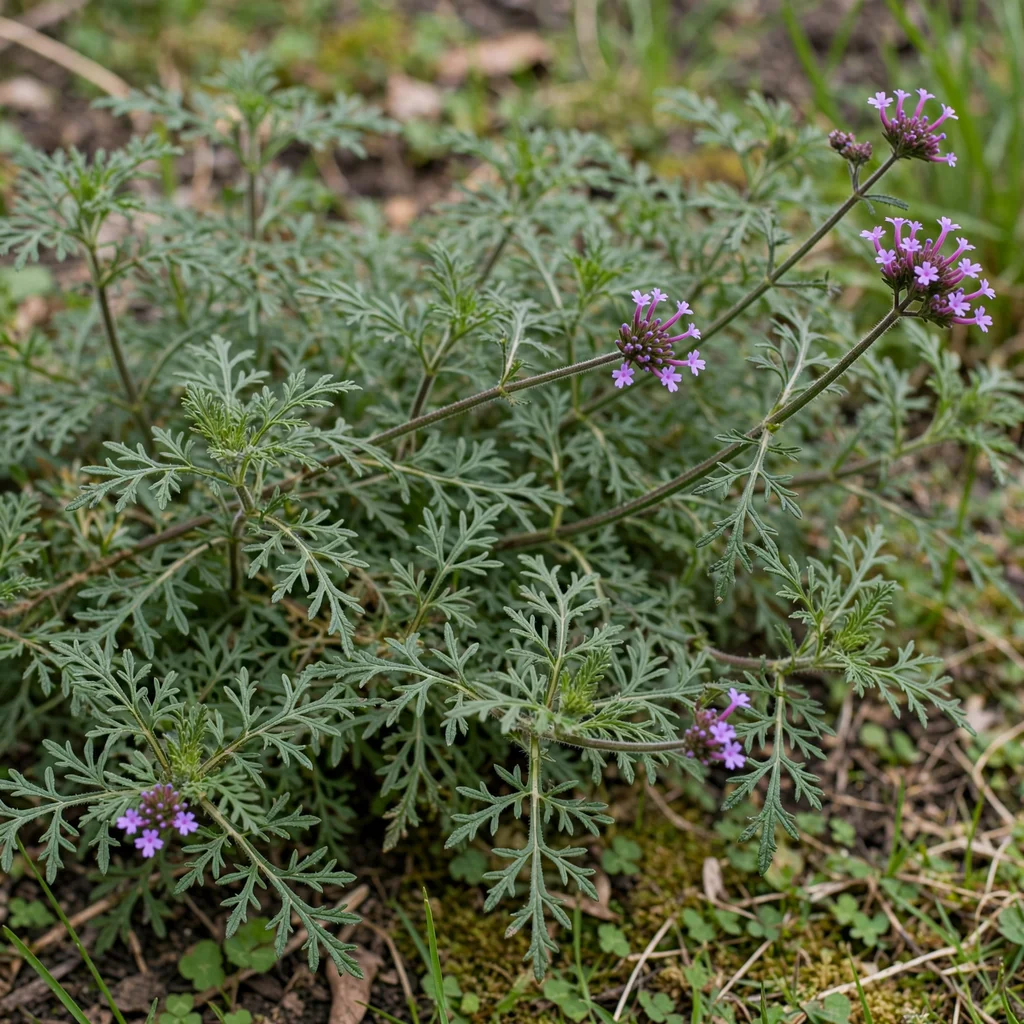
Moss Verbena
Glandularia pulchella
Keep exploring
Explore the genus
Hardy in your zone?
Grow Goodding's Verbena with confidence
See it in a design of your actual yard, get zone-matched care reminders, and track it season by season in your garden journal.