The Story
Plant Bio
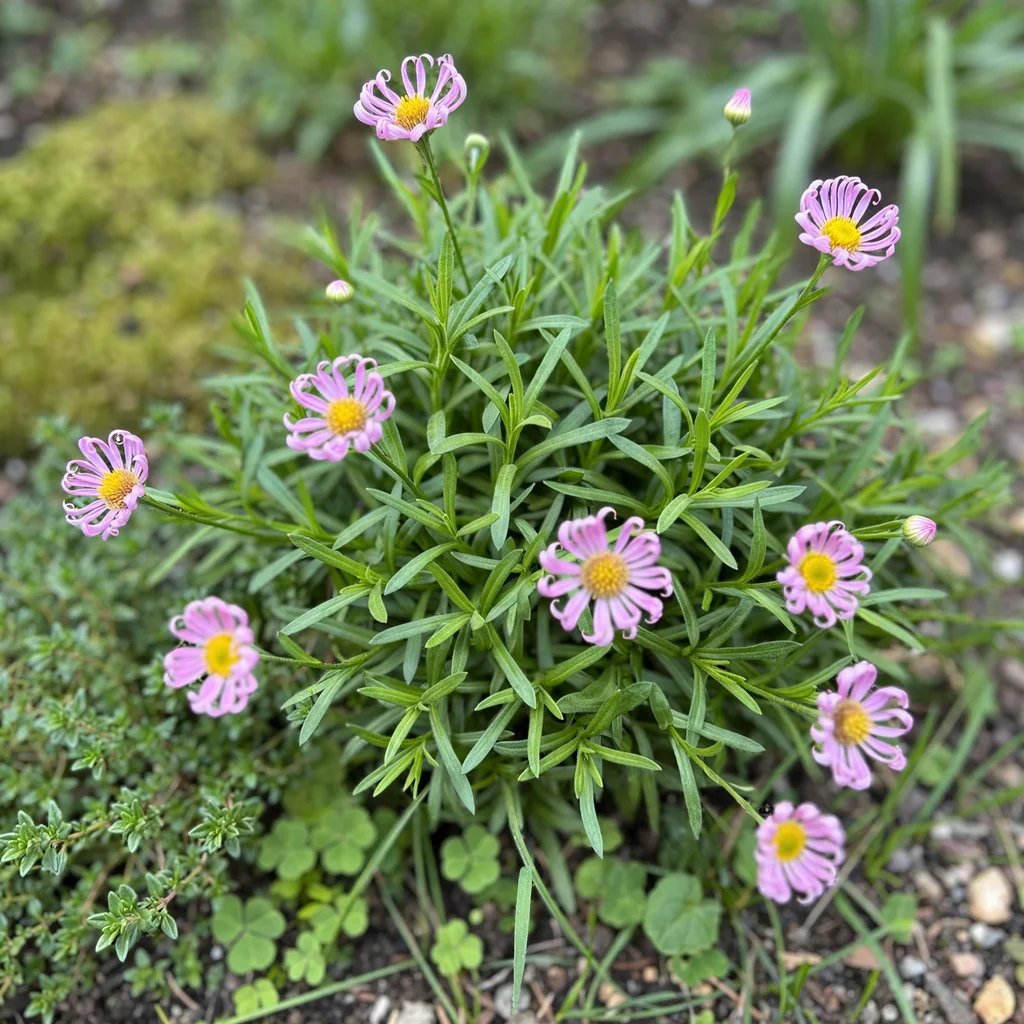
Erigeron, the fleabanes, are daisy-flowered perennials that bear solitary composite heads with fine ray florets around a yellow disk on slender wiry stems. The plants make low mounds of small narrow green leaves and flower for months in full sun and lean well-drained soil, where deadheading keeps new buds coming.
'Moerheimii' is a Holland-raised garden hybrid, thought to be E. speciosus crossed with E. aurantiacus, widely sold as Erigeron karvinskianus 'Moerheimii'. It grows 18 inches tall and 36 inches wide into a compact mound that spills over walls and pavers, covering itself in soft pink 1-inch daisies from spring to fall without reseeding like the species.
Uses & Benefits:
Essentials
At a Glance
Plant Type
Perennial
Height
18"
Width
36"
Light
Full Sun, Partial Sun
Zones
8, 9, 10
Water
Moderate to low
Humidity
Low to moderate
Lifespan
Perennial
Native To
Garden hybrid - Holland
Toxicity
Unknown
Bloom period
Spring – Fall
In flower about 9 months of the year
Planting
How to Grow
- Plant in full sun to light shade in well-drained, even sandy soil after last frost.
- Space 24 to 36 inches apart to allow the mound to spread and spill.
- Water moderately to establish, then cut back once roots are down; avoid soggy soil.
- Deadhead or shear spent flowers through summer to extend bloom into fall.
- Cut back the whole planting yearly to renew stems and control spread where irrigated.
Pro Tip
Shear lightly after each heavy flush and cut the mound back hard once a year; steady moisture makes it sprawl, while lean soil and sharp drainage keep it tight.
Keep It Thriving
Care Guide
Do
- Give full sun to light shade with sharp drainage.
- Shear spent heads to prolong the spring to fall display.
- Cut back yearly to keep the mound compact.
Don't
- Do not overwater or plant in heavy wet soil where roots rot.
- Do not allow overhead watering to keep foliage wet in humid weather.
- Do not expect it to reseed like common Santa Barbara daisy.
Seasonal Care Calendar
| Task | Jan | Feb | Mar | Apr | May | Jun | Jul | Aug | Sep | Oct | Nov | Dec |
|---|---|---|---|---|---|---|---|---|---|---|---|---|
| Deadhead | ||||||||||||
| Divide | ||||||||||||
| Pest Check | ||||||||||||
| Plant | ||||||||||||
| Prune |
Watch Out For
Pests & Diseases
Common Pests
Common Diseases
In the Garden
Landscape Uses & Companions
Landscape Uses
Multiply
Propagation Methods
Good to Know
Common Questions
Pink Santa Barbara Daisy questions
What zones can Pink Santa Barbara Daisy grow in?
Pink Santa Barbara Daisy is hardy in USDA Zones 8–10: in that range it survives winter in the ground. Colder than Zone 8, grow it in a container you can move to shelter for the winter, or as an annual.
Is Pink Santa Barbara Daisy deer resistant?
Yes — Pink Santa Barbara Daisy is rated deer-resistant. Deer typically pass it over, though extreme hunger can override any plant's defenses.
When does Pink Santa Barbara Daisy bloom?
Pink Santa Barbara Daisy typically blooms from spring to fall. Exact timing shifts a week or two with your zone — Sow's bloom calendar maps it to your garden.
Does Pink Santa Barbara Daisy need full sun?
Pink Santa Barbara Daisy does best in full sun to part shade. In hot climates, afternoon shade keeps blooms fresher longer.
Is Pink Santa Barbara Daisy drought tolerant?
Yes — once established (usually after the first full season), Pink Santa Barbara Daisy handles dry spells with minimal watering. Water deeply its first year to build the root system that makes that possible.
More Erigeron to compare
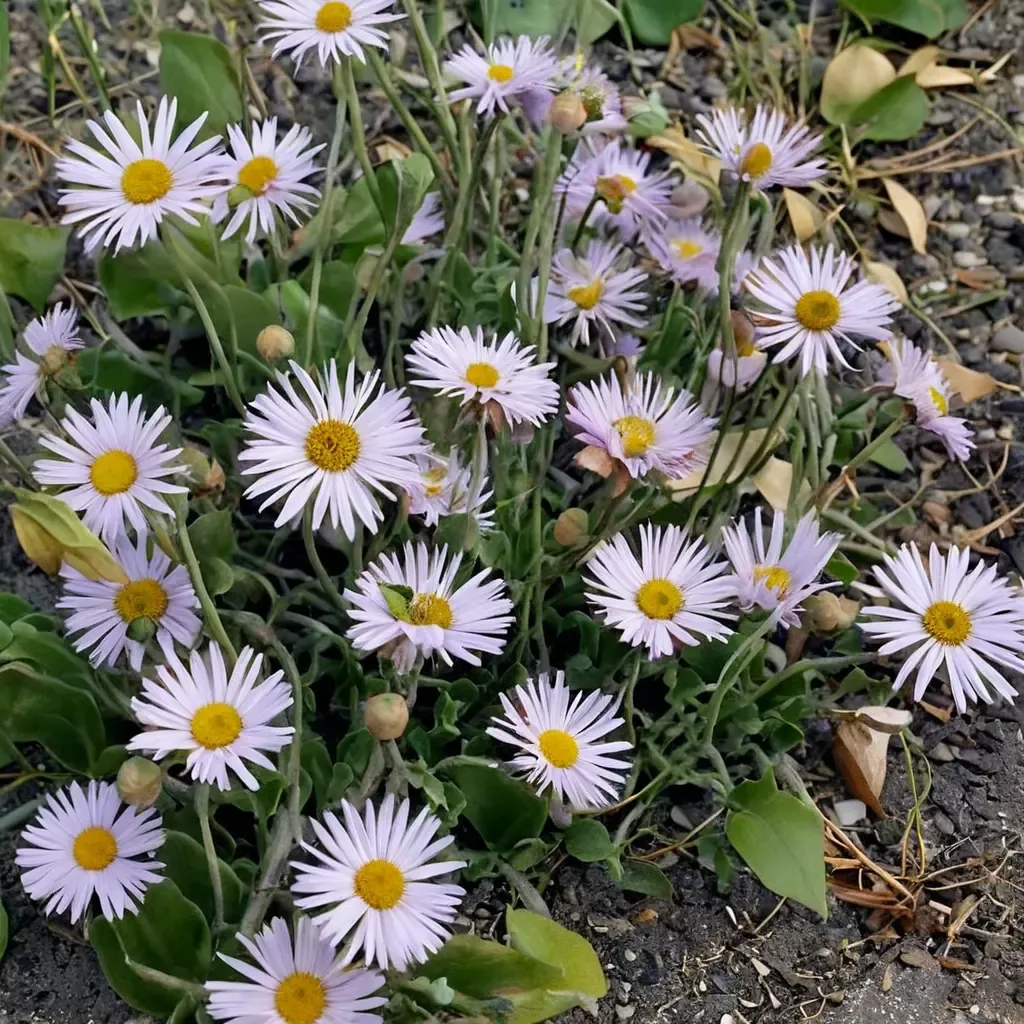
Robin's Plantain 'Meadow Muffin'
Erigeron pulchellus 'Meadow Muffin'
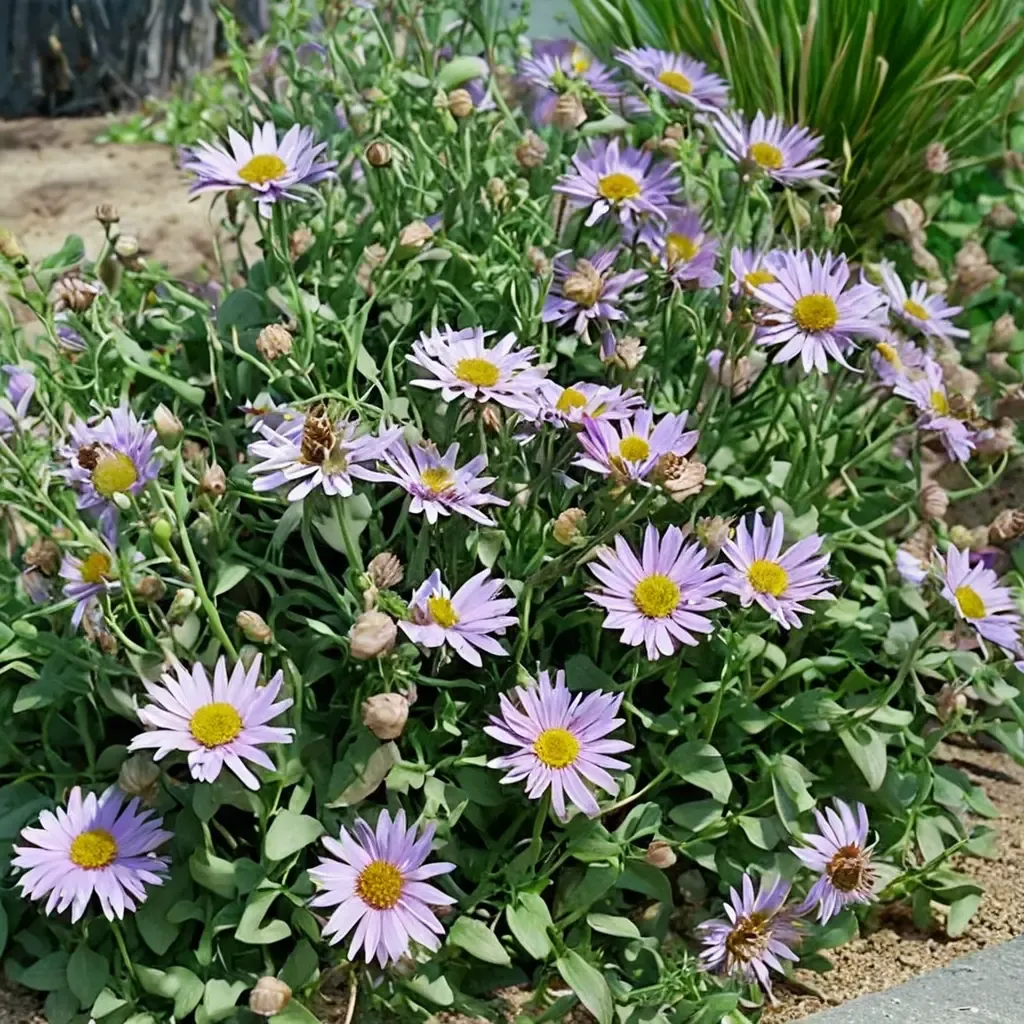
Wayne Roderick fleabane
Erigeron glaucus 'Wayne Roderick'
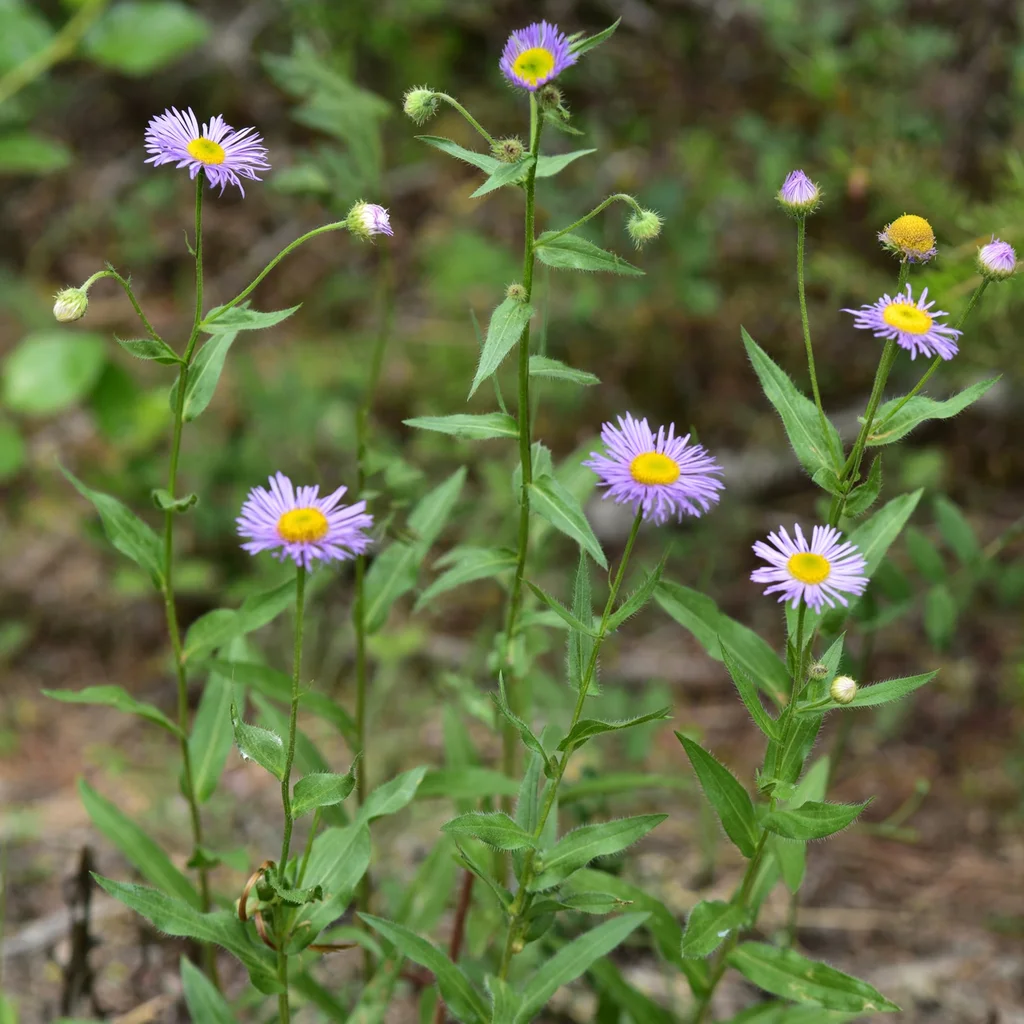
Aspen Fleabane
Erigeron speciosus
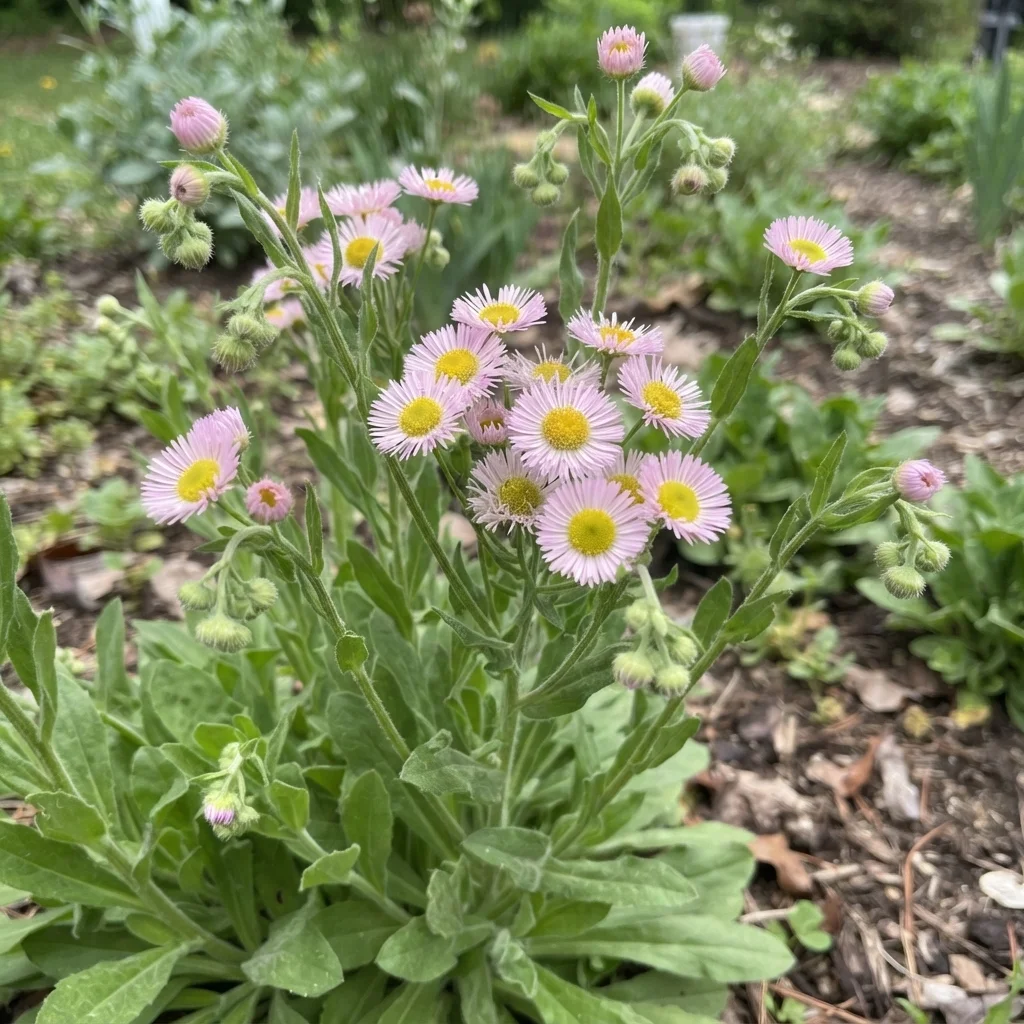
Philadelphia Fleabane
Erigeron philadelphicus
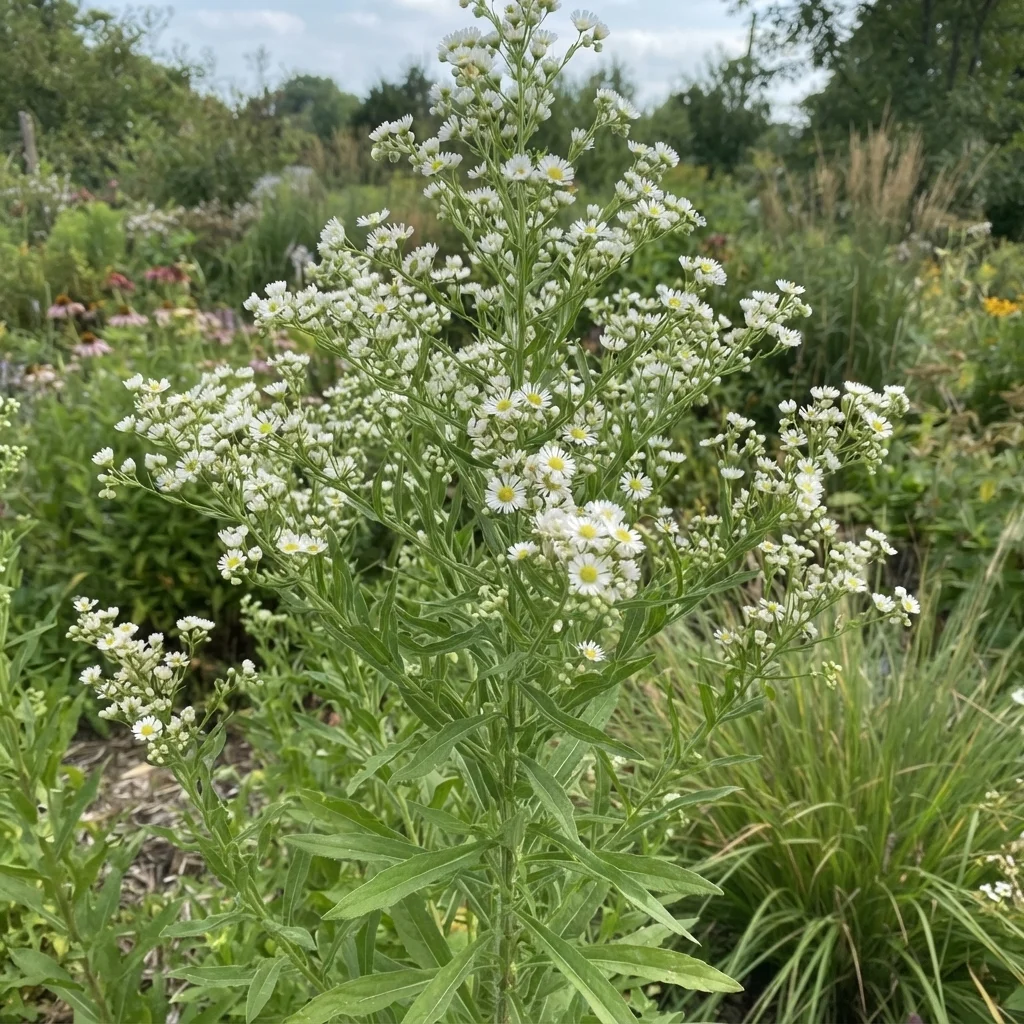
Horseweed
Erigeron canadensis
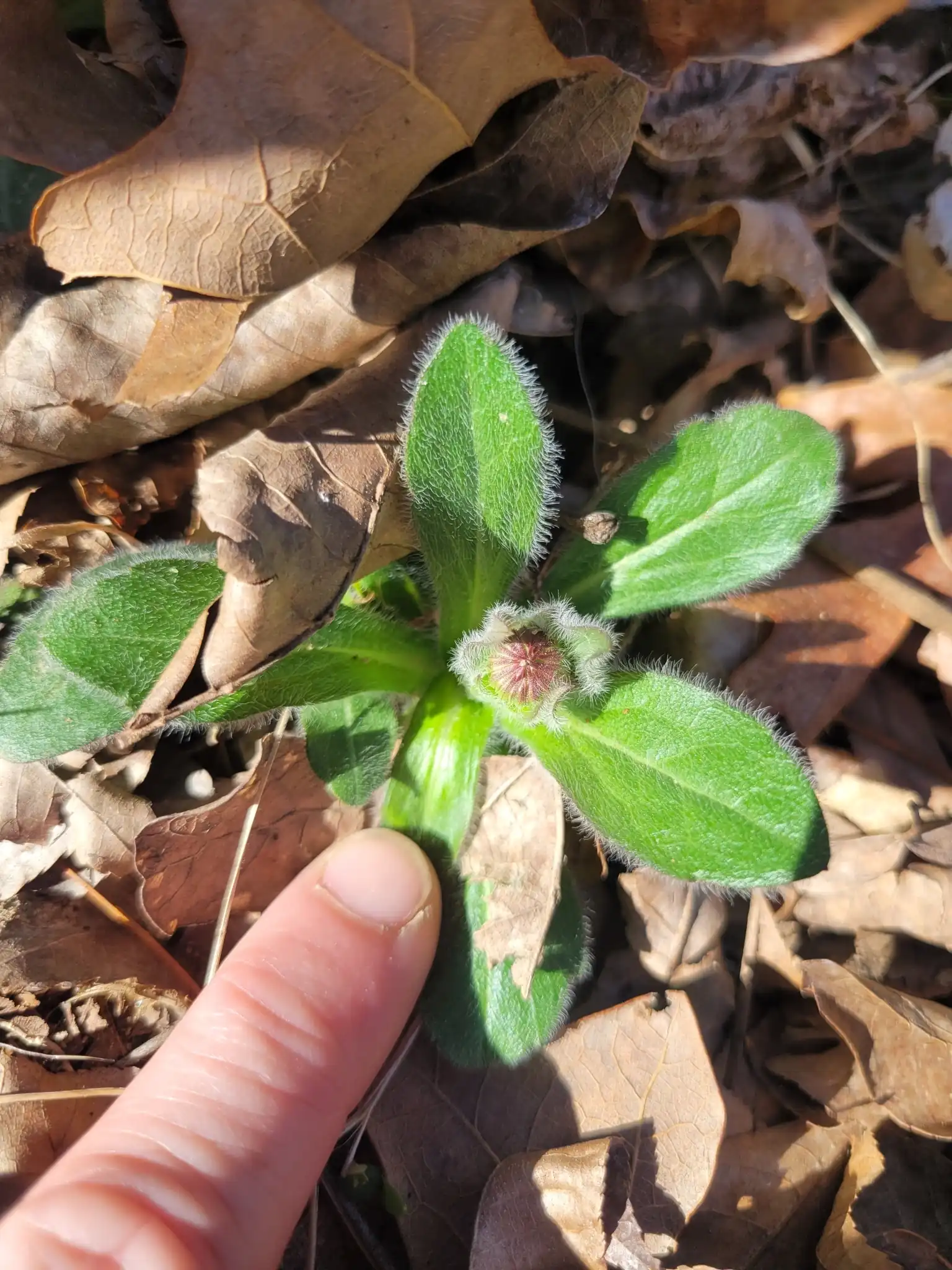
Robin's Plantain
Erigeron pulchellus
Keep exploring
Explore the genus
Hardy in your zone?
Grow Pink Santa Barbara Daisy with confidence
See it in a design of your actual yard, get zone-matched care reminders, and track it season by season in your garden journal.