The Story
Plant Bio
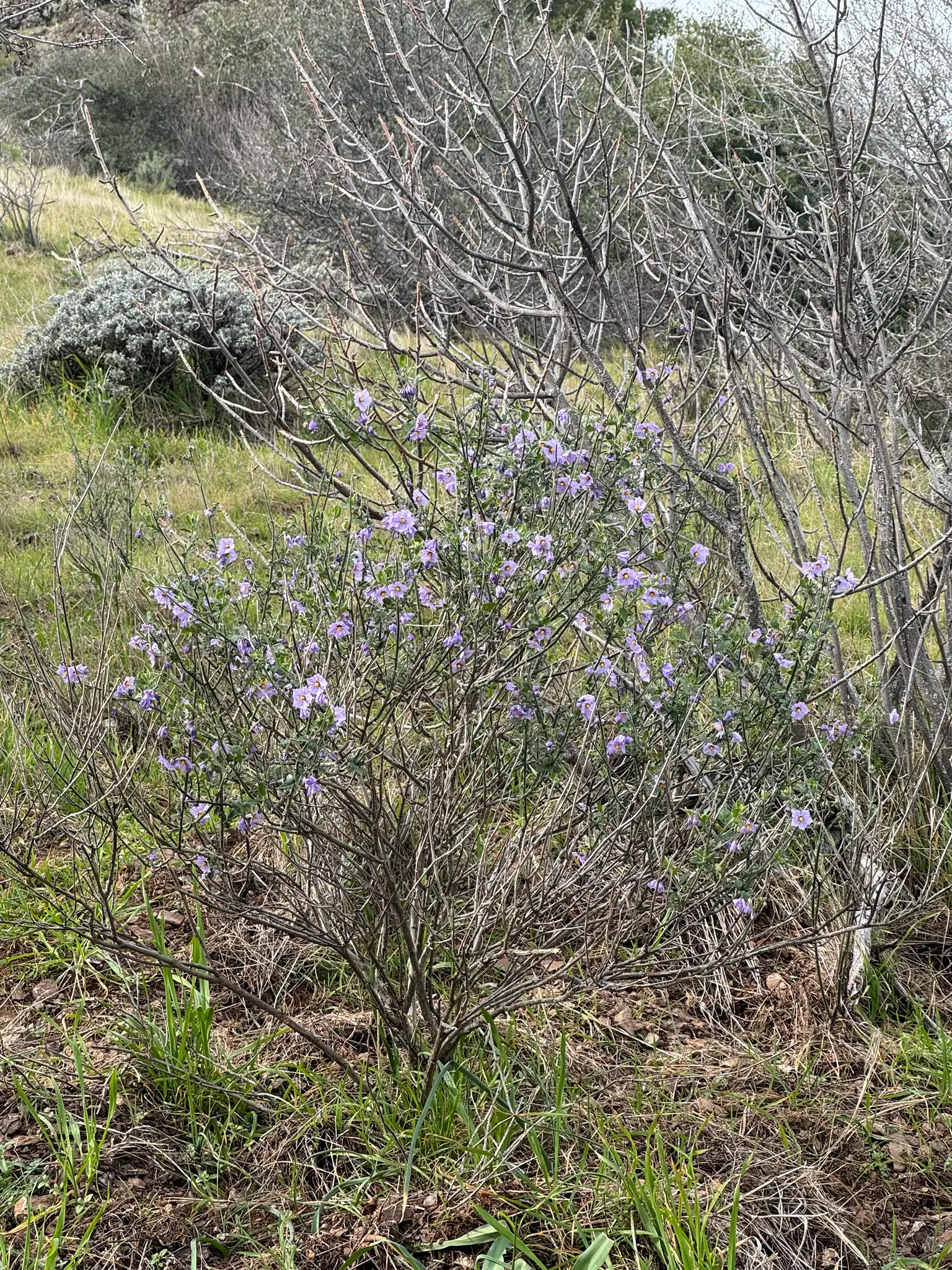
Solanum umbelliferum is a drought-tolerant evergreen subshrub native to western North America, forming a rounded mound two to three feet tall. It produces blue-purple, saucer-shaped flowers with prominent yellow central cones in clusters throughout spring and summer.
The flowers feature distinct green nectar glands set against white bases and rely on buzz-pollination by native bees. Toxic glycoalkaloids make the foliage unpalatable to deer, while birds readily feed on the mature berries.
Uses & Benefits:
Essentials
At a Glance
Plant Type
Shrub
Height
36"
Width
48"
Light
Full Sun, Partial Sun
Zones
8, 9, 10
Water
Low
Humidity
Low to Moderate
Lifespan
Perennial
Native To
Western North America
Toxicity
Toxic if ingested
Bloom period
Spring – Summer
In flower about 6 months of the year
Planting
How to Grow
- Select a site in full sun to partial shade with lean, exceptionally well-draining soil.
- Dig a hole twice as wide as the root ball and set the crown level with the surrounding grade.
- Water thoroughly at planting, then taper off irrigation as the plant establishes.
- Trim shoot tips lightly after flowering to maintain density and prevent leggy interior stems.
Pro Tip
Prune lightly after the main bloom period to preserve a compact shape; cutting back into old leafless wood prevents the stems from reshooting.
Keep It Thriving
Care Guide
Do
- Plant in rocky or sloped ground to ensure excess water drains rapidly away from roots.
- Prune active leafy stems to encourage dense flowering branch structure.
Don't
- Do not overwater during hot summer months, which triggers stem collapse and root decay.
- Do not apply heavy fertilizers, as nutrient-rich soils shorten the lifespan of the shrub.
Seasonal Care Calendar
| Task | Jan | Feb | Mar | Apr | May | Jun | Jul | Aug | Sep | Oct | Nov | Dec |
|---|---|---|---|---|---|---|---|---|---|---|---|---|
| Mulch | ||||||||||||
| Pest Check | ||||||||||||
| Prune | ||||||||||||
| Winter Prep |
Watch Out For
Pests & Diseases
Common Pests
Common Diseases
In the Garden
Landscape Uses & Companions
Landscape Uses
Companion Plants
Multiply
Propagation Methods
Good to Know
Common Questions
Bluewitch Nightshade questions
What zones can Bluewitch Nightshade grow in?
Bluewitch Nightshade is hardy in USDA Zones 8–10: in that range it survives winter in the ground. Colder than Zone 8, grow it in a container you can move to shelter for the winter.
Is Bluewitch Nightshade deer resistant?
Yes — Bluewitch Nightshade is rated deer-resistant. Deer typically pass it over, though extreme hunger can override any plant's defenses.
When does Bluewitch Nightshade bloom?
Bluewitch Nightshade typically blooms from spring to summer. Exact timing shifts a week or two with your zone — Sow's bloom calendar maps it to your garden.
Does Bluewitch Nightshade need full sun?
Bluewitch Nightshade does best in full sun to part shade. In hot climates, afternoon shade keeps blooms fresher longer.
Is Bluewitch Nightshade drought tolerant?
Yes — once established (usually after the first full season), Bluewitch Nightshade handles dry spells with minimal watering. Water deeply its first year to build the root system that makes that possible.
More Solanum to compare
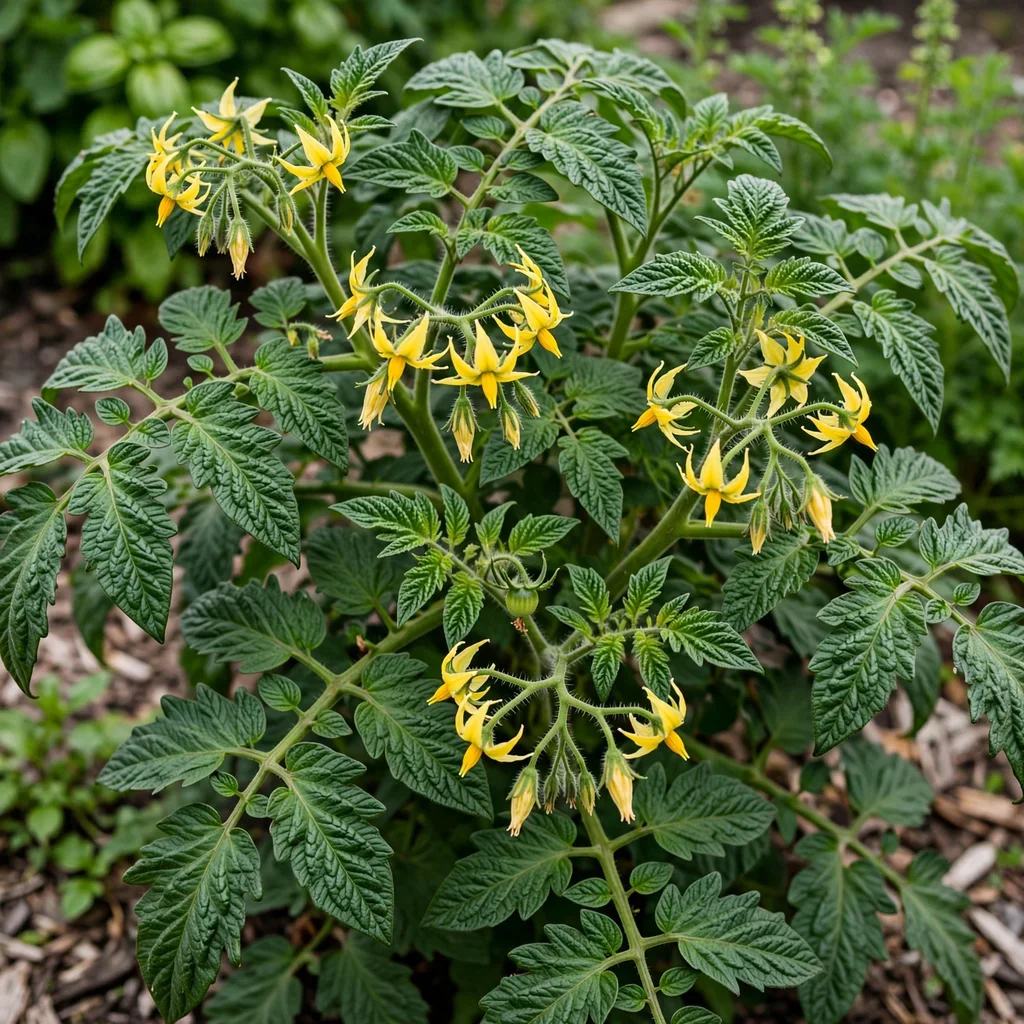
Martino's Roma Tomato
Solanum lycopersicum 'Martino's Roma'
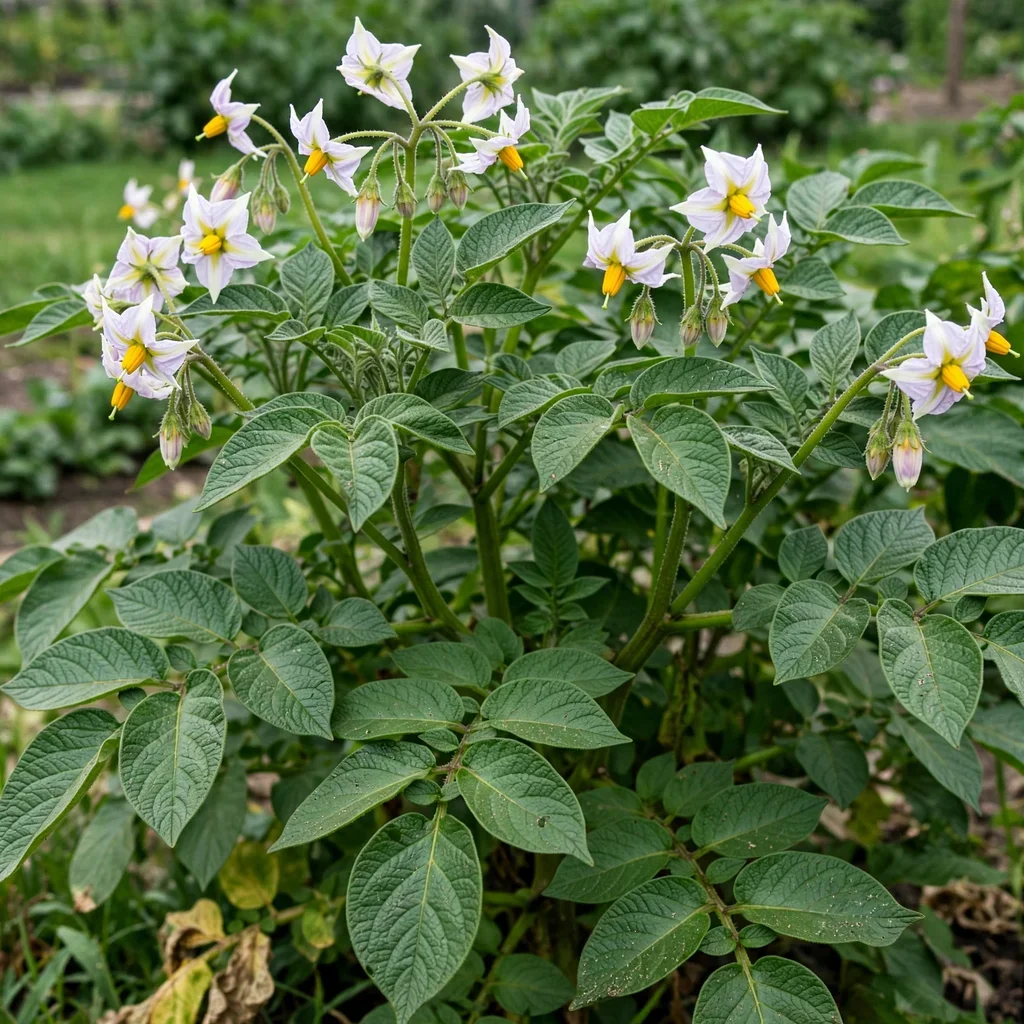
Yukon Gold Potato
Solanum tuberosum 'Yukon Gold'
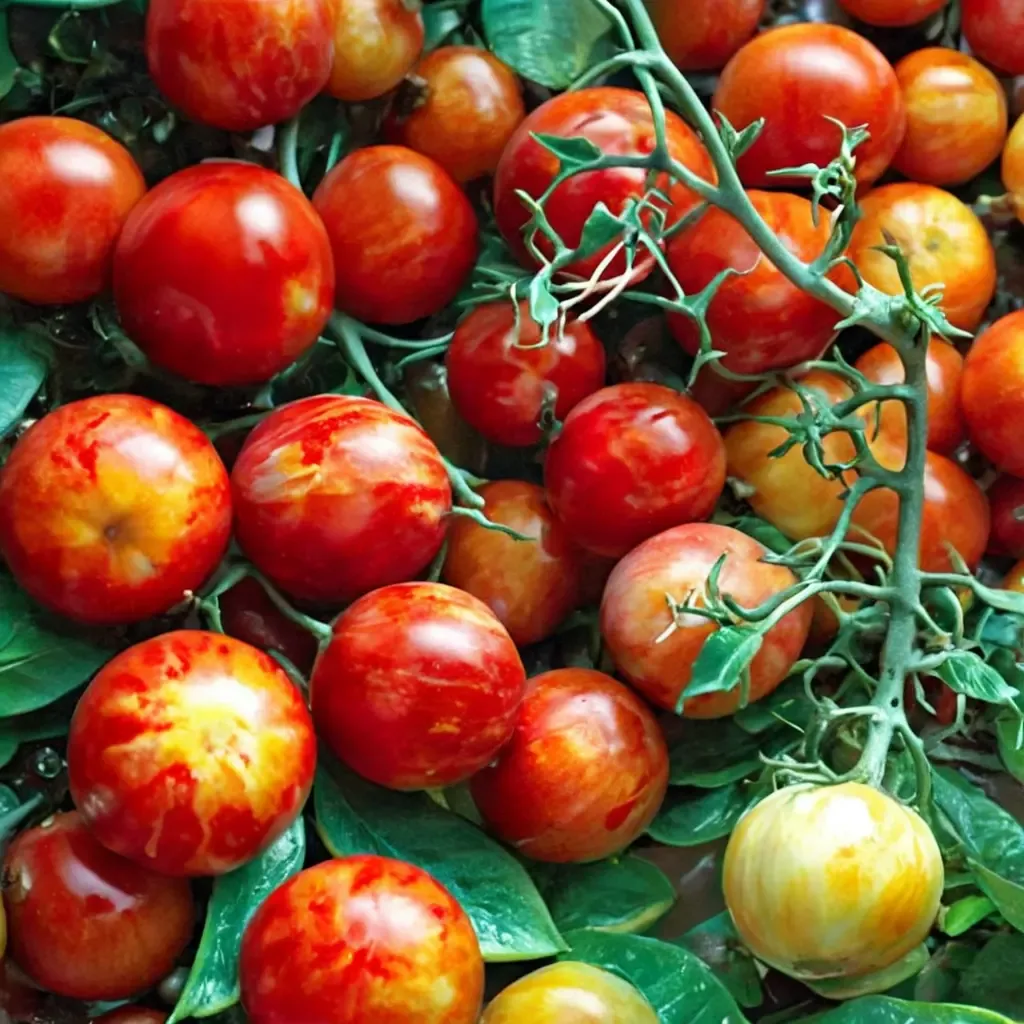
Sweet Tomato
Solanum lycopersicum 'Sweet'
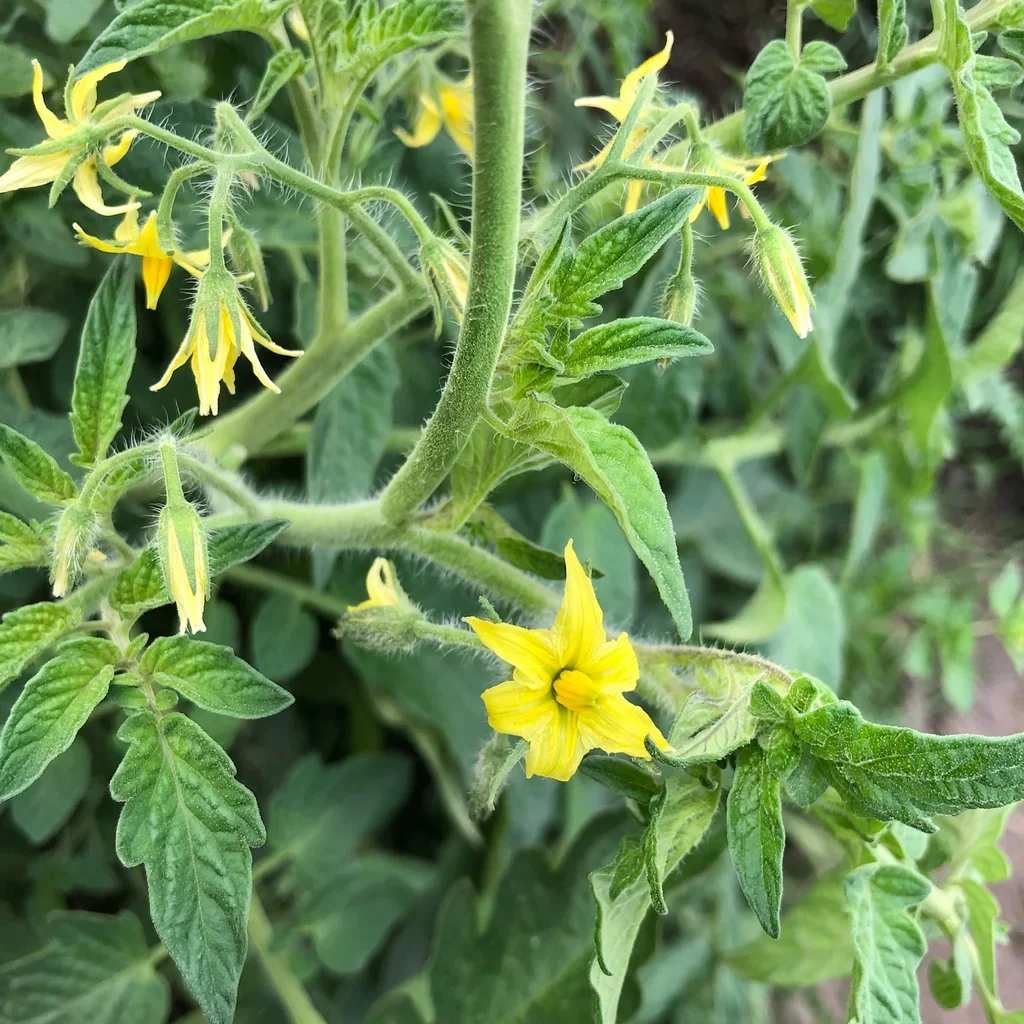
Napa Rose Tomato
Solanum lycopersicum 'Napa Rose'
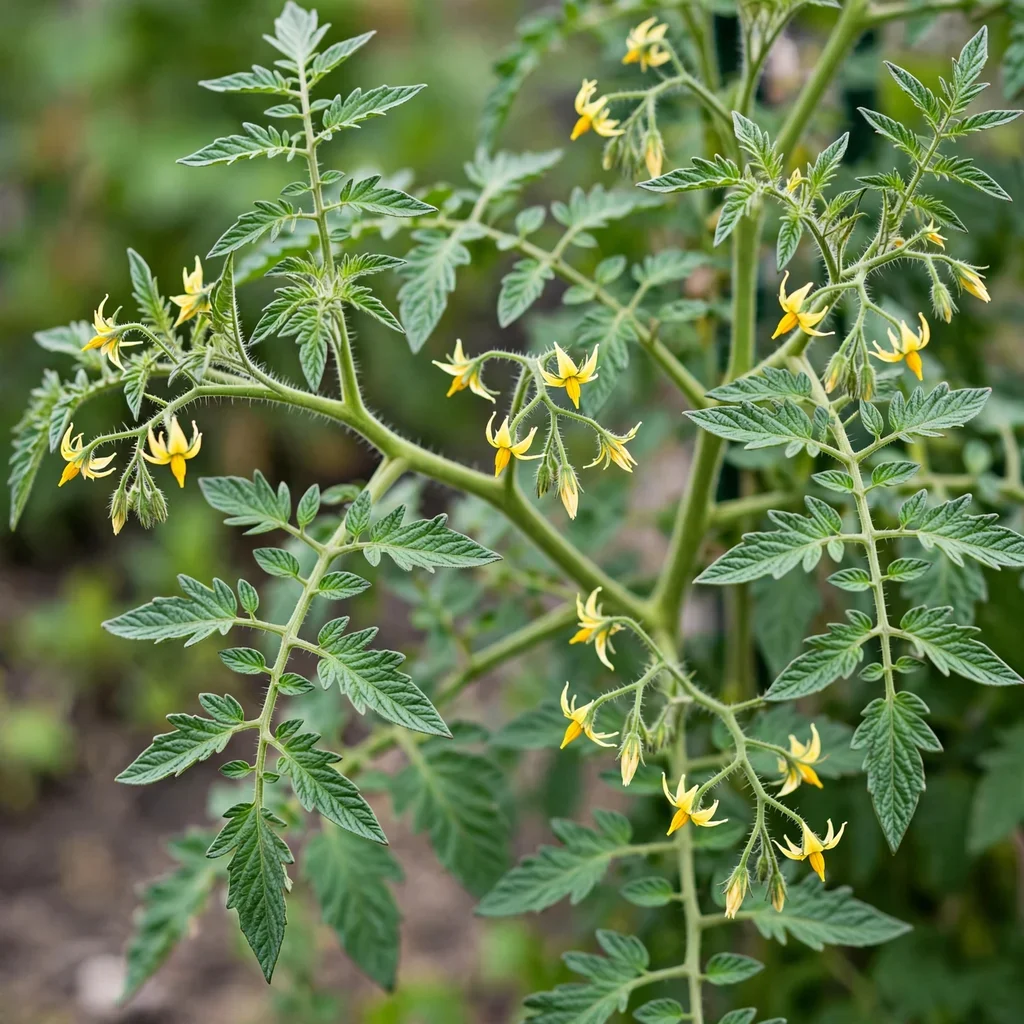
Red Currant Tomato
Solanum lycopersicum 'Red Currant'
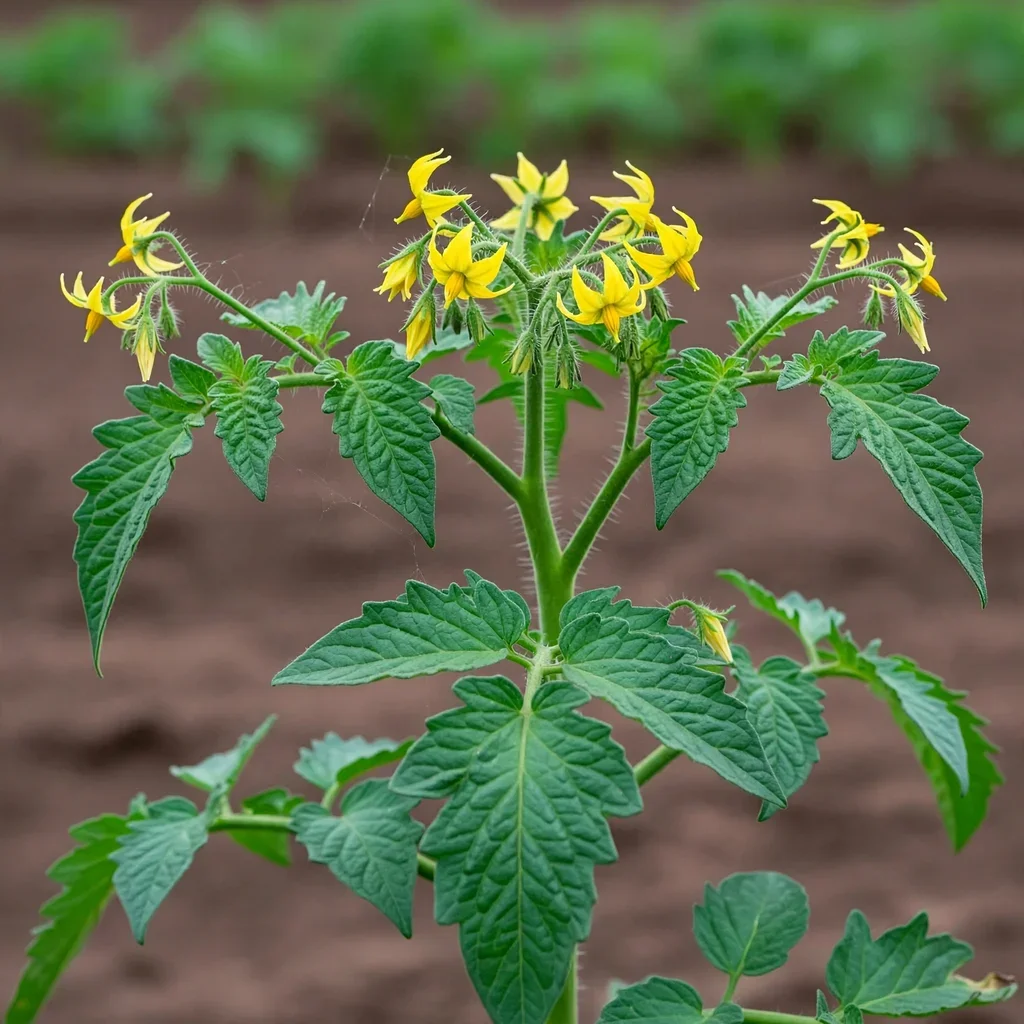
Gold Medal Tomato
Solanum lycopersicum 'Gold Medal'
Keep exploring
Explore the genus
Hardy in your zone?
Grow Bluewitch Nightshade with confidence
See it in a design of your actual yard, get zone-matched care reminders, and track it season by season in your garden journal.