The Story
Plant Bio
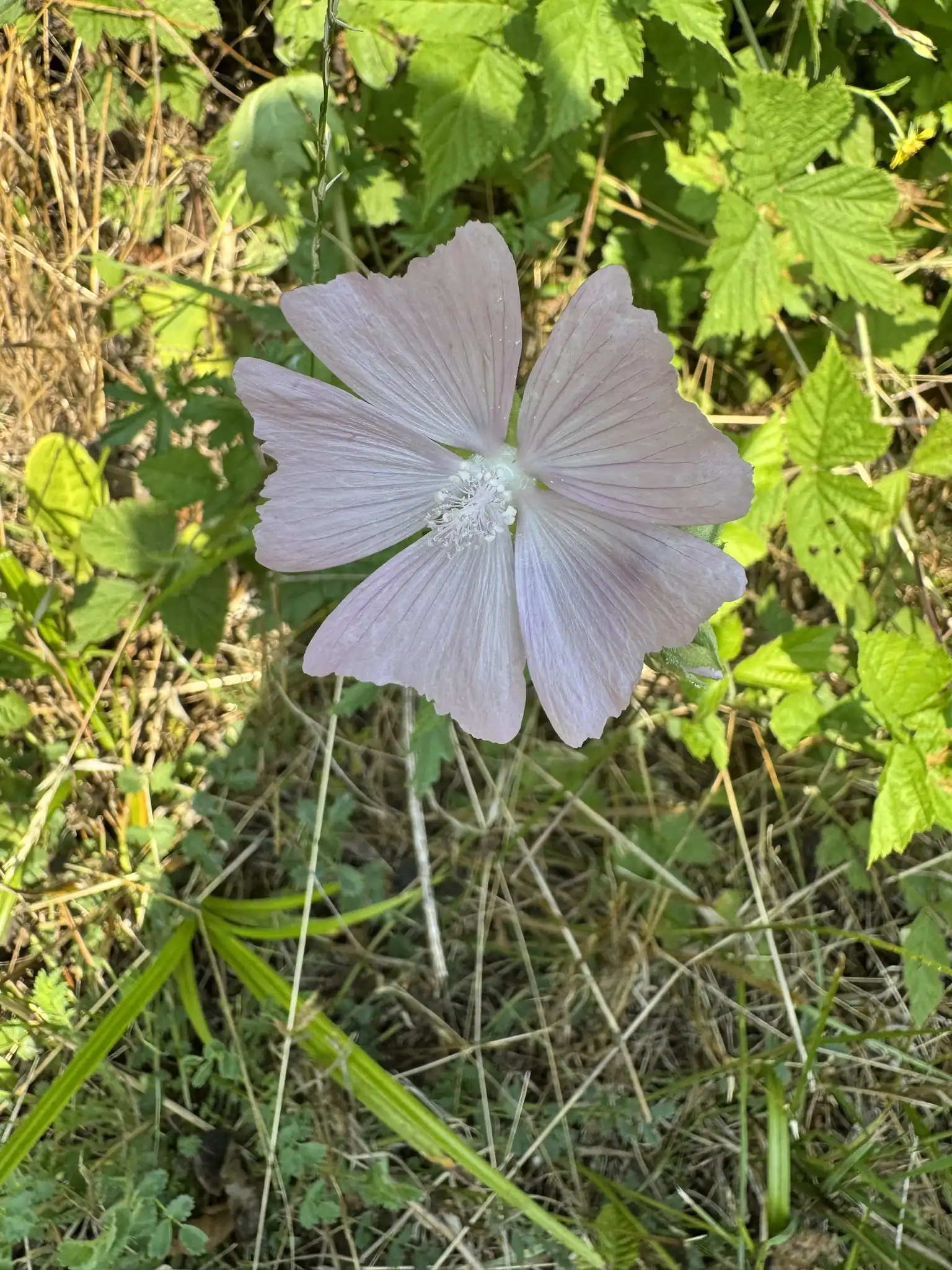
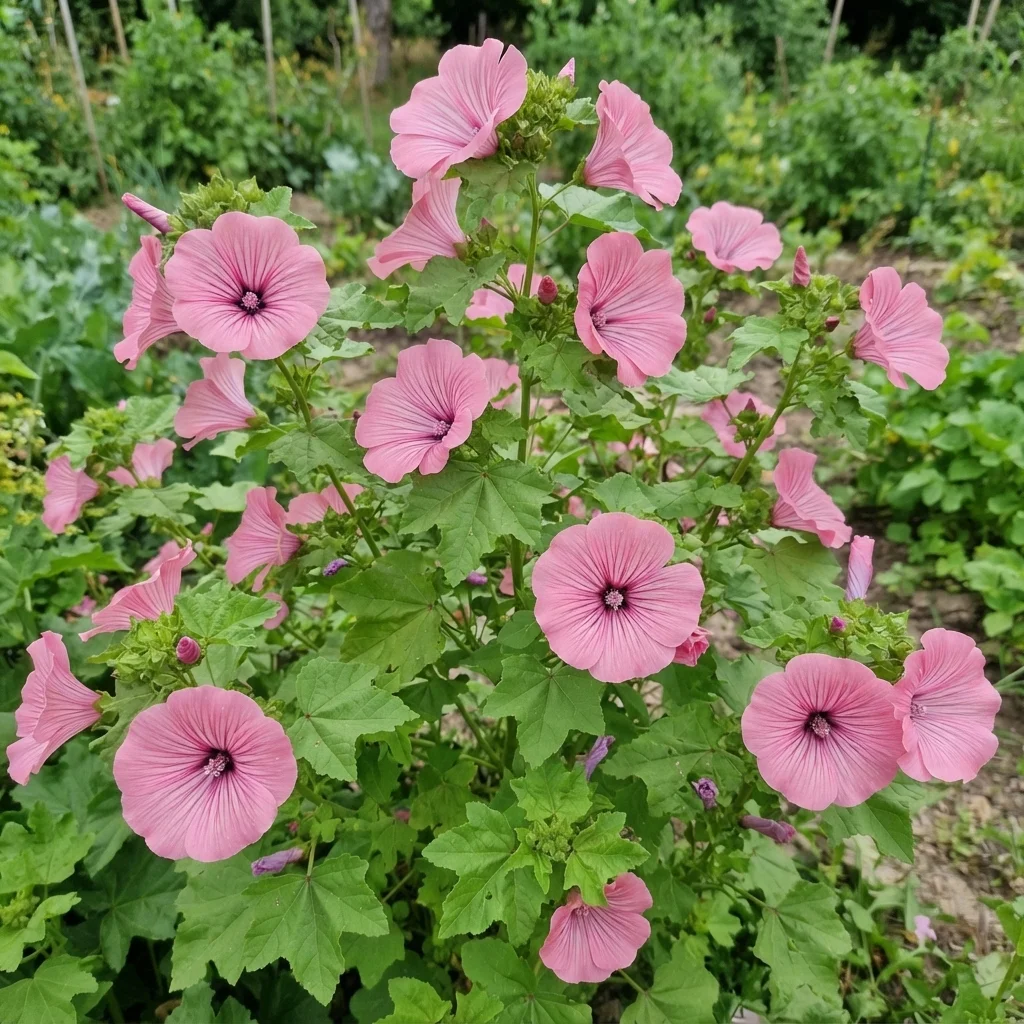
Malva alcea, commonly known as hollyhock mallow, is an upright, branching herbaceous perennial native to Europe and southwestern Asia. The plant features deeply lobed, palmately divided foliage covered in fine, star-shaped hairs and produces bright pink, cup-shaped flowers from summer through early fall.
This species is distinguished by its deeply cut, finger-like upper leaves and large, five-petaled flowers that measure up to two and a half inches across. Unlike some mallows, it maintains a sturdy, erect habit reaching up to four feet tall without requiring staking in full sun.
Uses & Benefits:
Essentials
At a Glance
Plant Type
Perennial
Height
49"
Width
31"
Light
Full Sun, Partial Sun
Zones
4, 5, 6, 7, 8, 9
Water
Low to moderate
Humidity
Moderate
Lifespan
Short-lived perennial
Native To
Europe, southwestern Asia
Toxicity
Non-toxic
Bloom period
Summer – Early fall
In flower about 4 months of the year
Planting
How to Grow
- Select a planting site in full sun to partial shade with sharply drained soil.
- Dig a hole twice the width of the root ball and set the plant at the same depth it was in the container.
- Backfill with native soil, pressing firmly to eliminate air pockets, and water thoroughly.
- Apply a thin layer of organic compost around the base to provide light nutrients.
Pro Tip
Plant in sharply drained soil to prevent winter crown rot, and allow the plant to self-seed lightly to replace older, short-lived specimens.
Keep It Thriving
Care Guide
Do
- Cut back dead stems to the ground in late winter or early spring.
- Ensure the soil drains rapidly, especially during the winter months.
- Allow some spent flowers to set seed to maintain the plant's presence in the garden.
Don't
- Do not plant in heavy, waterlogged soils where water pools.
- Do not prune heavily into old, leafless wood during the active growing season.
- Do not over-fertilize, as excess nutrients lead to floppy, weak stems.
Seasonal Care Calendar
| Task | Jan | Feb | Mar | Apr | May | Jun | Jul | Aug | Sep | Oct | Nov | Dec |
|---|---|---|---|---|---|---|---|---|---|---|---|---|
| Deadhead | ||||||||||||
| Fertilize | ||||||||||||
| Propagate | ||||||||||||
| Spring Cleanup |
Watch Out For
Pests & Diseases
Common Pests
Common Diseases
In the Garden
Landscape Uses & Companions
Landscape Uses
Companion Plants
Multiply
Propagation Methods
Good to Know
Common Questions
Hollyhock Mallow questions
What zones can Hollyhock Mallow grow in?
Hollyhock Mallow is hardy in USDA Zones 4–9. Inside that range it survives winter in the ground; outside it, grow it as an annual or a container plant you protect.
Is Hollyhock Mallow deer resistant?
Not reliably. Deer may browse Hollyhock Mallow, especially tender spring growth — plan on repellents or fencing where pressure is high.
When does Hollyhock Mallow bloom?
Hollyhock Mallow typically blooms in summer through early fall. Exact timing shifts a week or two with your zone — Sow's bloom calendar maps it to your garden.
Does Hollyhock Mallow need full sun?
Hollyhock Mallow does best in full sun to part shade. In hot climates, afternoon shade keeps blooms fresher longer.
Is Hollyhock Mallow drought tolerant?
Yes — once established (usually after the first full season), Hollyhock Mallow handles dry spells with minimal watering. Water deeply its first year to build the root system that makes that possible.
More Malva to compare
Keep exploring
Explore the genus
Grow Hollyhock Mallow with confidence
See it in a design of your actual yard, get zone-matched care reminders, and track it season by season in your garden journal.