The Story
Plant Bio
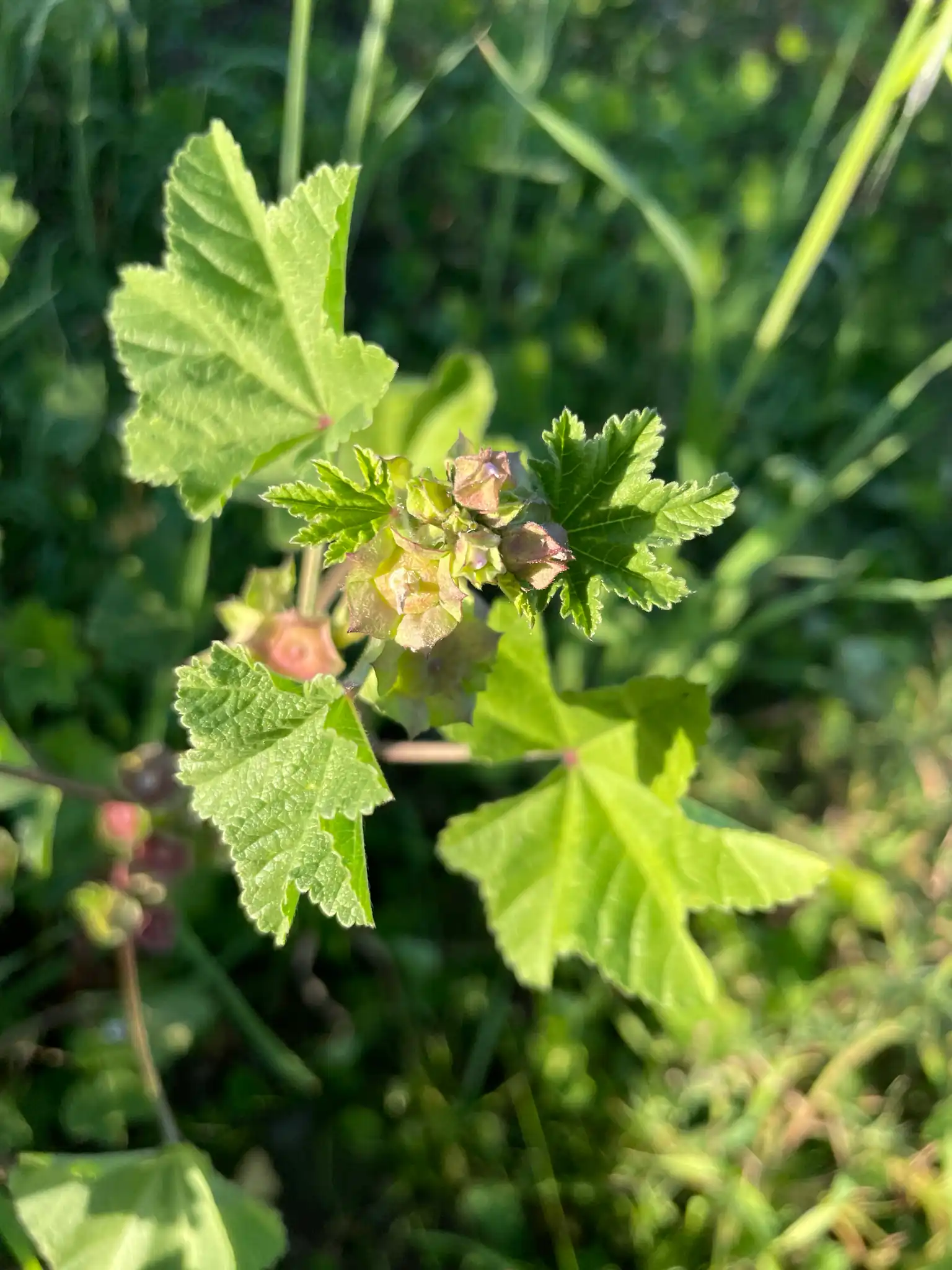
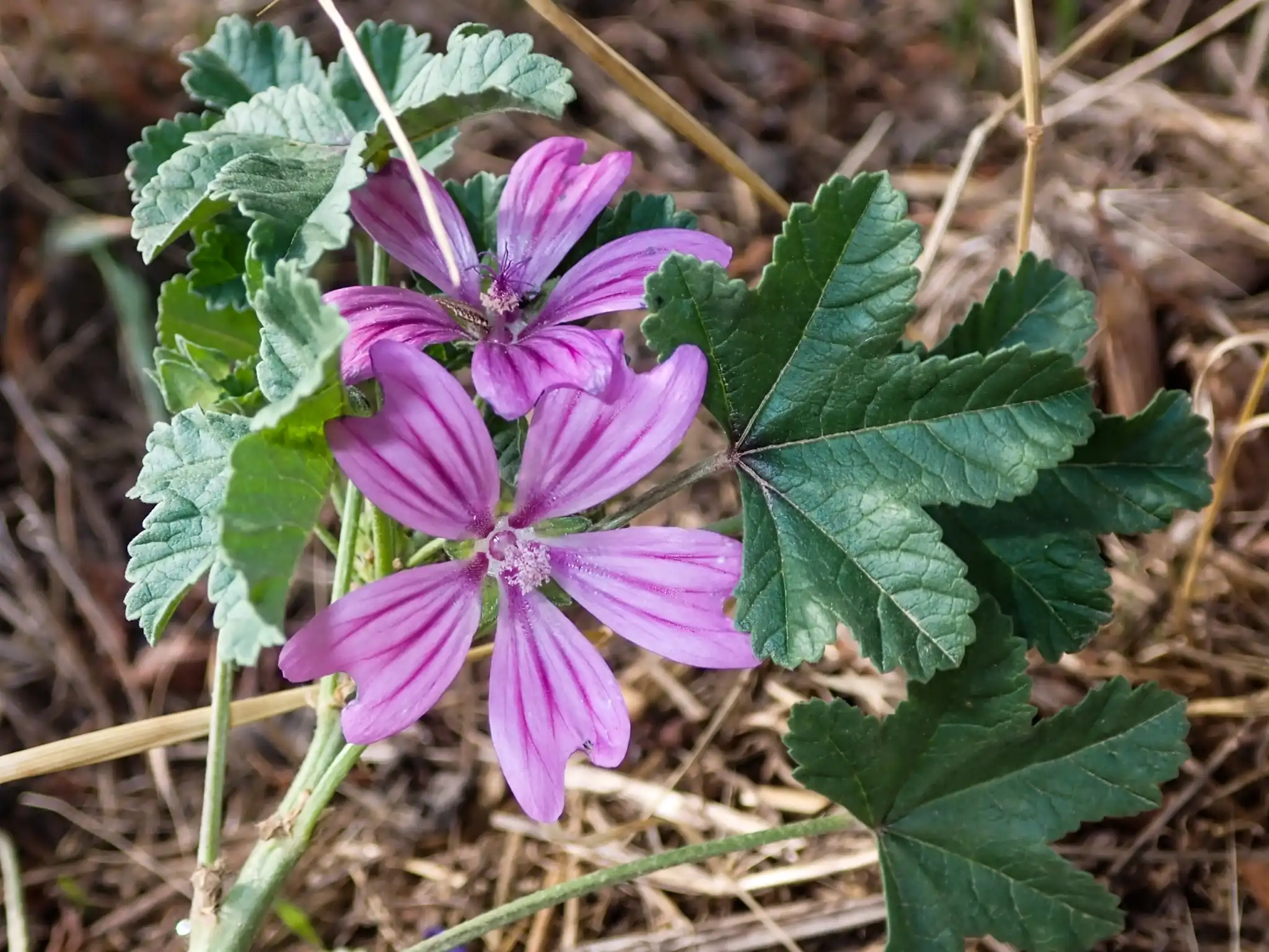
Malva parviflora is a vigorous annual or short-lived perennial herb characterized by a deep, tough taproot and fibrous, spreading stems. The alternate, round to kidney-shaped leaves feature five to seven palmate lobes with crenate margins and sparse pubescence.
This species is distinguished by its tiny, inconspicuous white to pale pink flowers that are shorter than or barely exceed the calyx. The subsequent disc-shaped, segmented fruits resemble miniature wheels of cheese, giving rise to its common name.
Uses & Benefits:
Essentials
At a Glance
Plant Type
Annual
Height
31"
Width
24"
Light
Full Sun, Partial Sun
Zones
8, 9, 10
Water
Low
Humidity
Moderate to High
Lifespan
Annual to Short-lived Perennial
Native To
North Africa, Macaronesia, Mediterranean to Western/Central Asia
Toxicity
Toxic to Livestock (Nitrates)
Bloom period
Spring – Fall
In flower about 9 months of the year
Planting
How to Grow
- Sow seeds directly into well-drained soil in a sunny location during early spring.
- Water lightly to establish the seedlings, though the deep taproot quickly provides high drought tolerance.
- Monitor soil fertility, as high-nitrogen fertilizers cause the foliage to accumulate toxic levels of nitrates.
- Pull or cut back the plants before the green, wheel-like seed pods mature and shatter to prevent aggressive self-seeding.
Pro Tip
Sever the deep taproot below the soil surface when the plant has fewer than four true leaves; manual removal becomes exceptionally difficult once the root system becomes woody.
Keep It Thriving
Care Guide
Do
- Grow in full sun to optimize growth and flower production.
- Ensure the soil is well-drained to prevent root rot.
- Remove seed heads before they mature to control unwanted spreading.
Don't
- Do not apply high-nitrogen fertilizers, which can cause toxic nitrate accumulation in the leaves.
- Do not allow the plant to waterlog in heavy, poorly drained soils.
- Do not attempt to pull mature plants by hand once the taproot becomes woody.
Seasonal Care Calendar
| Task | Jan | Feb | Mar | Apr | May | Jun | Jul | Aug | Sep | Oct | Nov | Dec |
|---|---|---|---|---|---|---|---|---|---|---|---|---|
| Deadhead | ||||||||||||
| Pest Check | ||||||||||||
| Plant | ||||||||||||
| Prune |
Watch Out For
Pests & Diseases
Common Pests
Common Diseases
In the Garden
Landscape Uses & Companions
Landscape Uses
Companion Plants
Multiply
Propagation Methods
Good to Know
Common Questions
Cheeseweed Mallow questions
What zones can Cheeseweed Mallow grow in?
Cheeseweed Mallow is hardy in USDA Zones 8–10. Inside that range it survives winter in the ground; outside it, grow it as an annual or a container plant you protect.
When does Cheeseweed Mallow bloom?
Cheeseweed Mallow typically blooms in spring through fall. Exact timing shifts a week or two with your zone — Sow's bloom calendar maps it to your garden.
Does Cheeseweed Mallow need full sun?
Cheeseweed Mallow does best in full sun to part shade. In hot climates, afternoon shade keeps blooms fresher longer.
Is Cheeseweed Mallow drought tolerant?
Yes — once established (usually after the first full season), Cheeseweed Mallow handles dry spells with minimal watering. Water deeply its first year to build the root system that makes that possible.
More Malva to compare
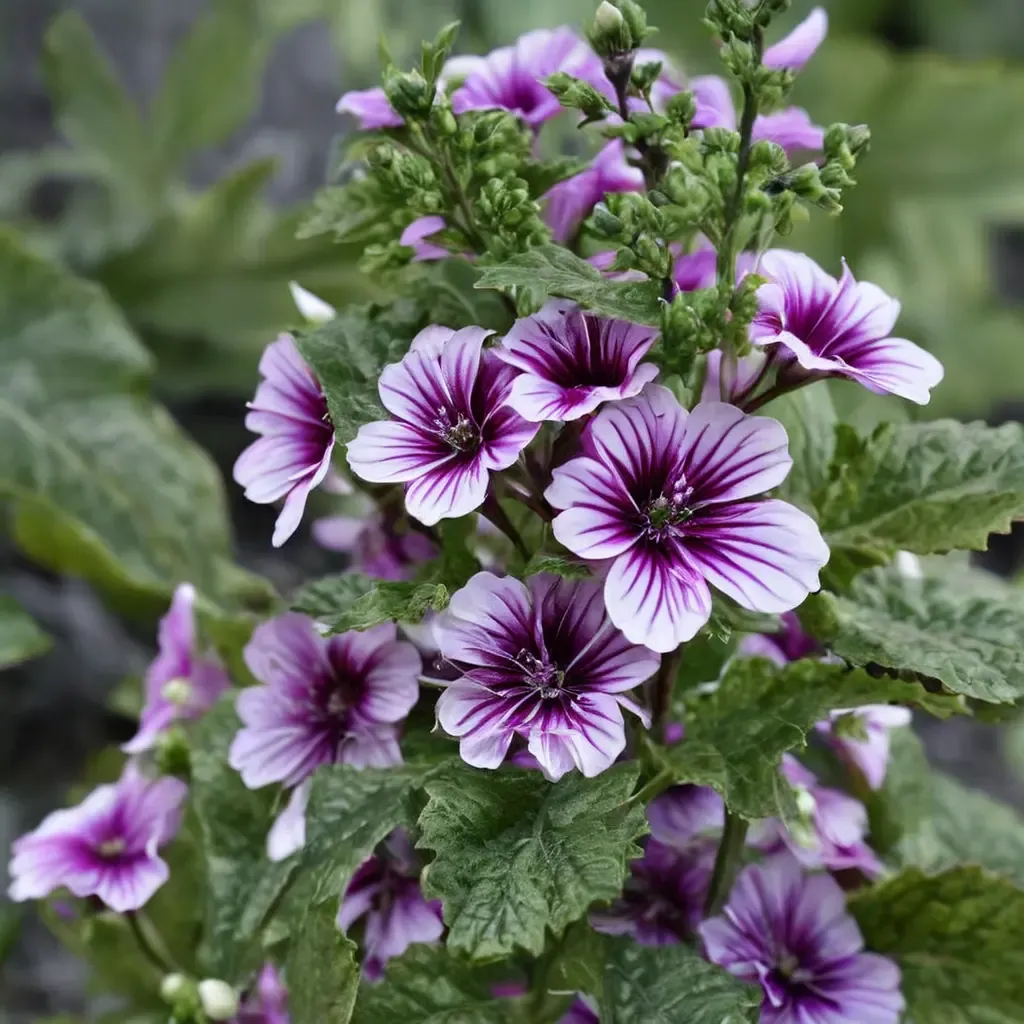
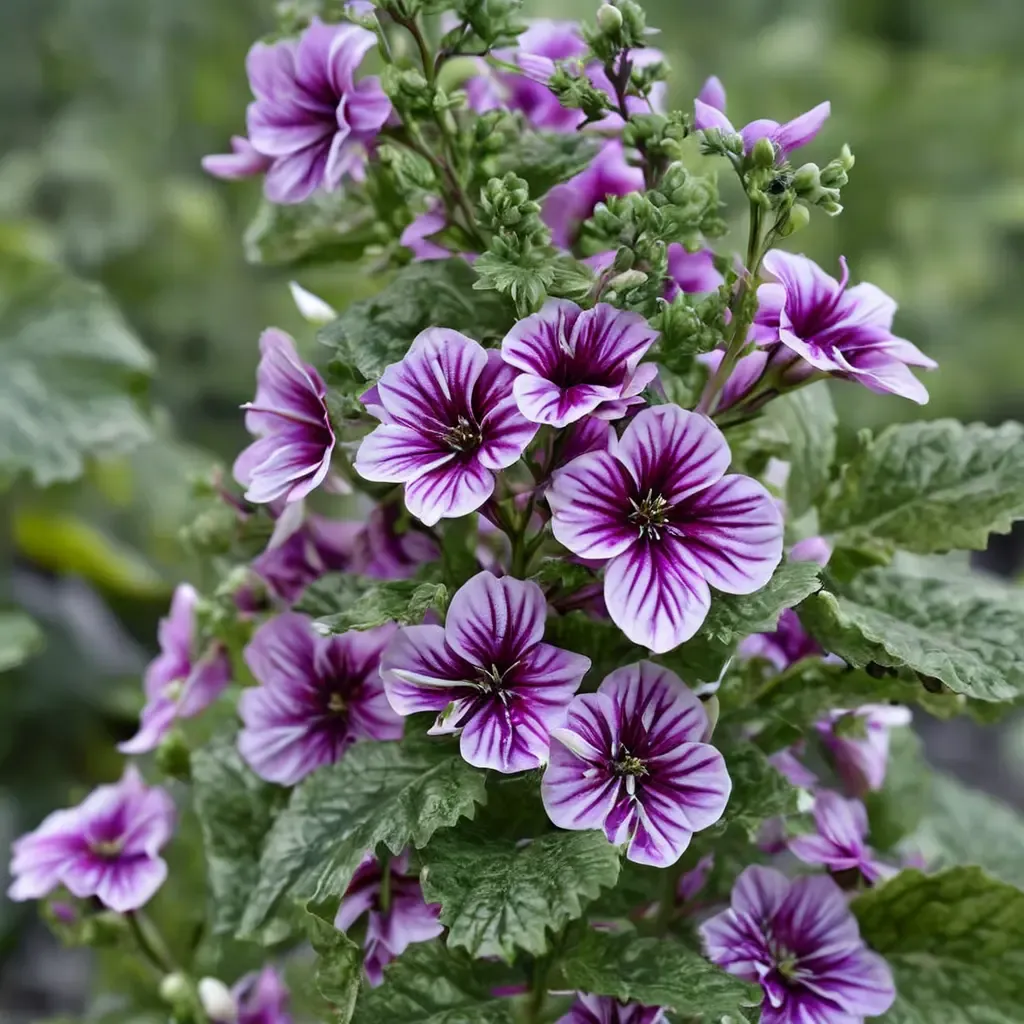
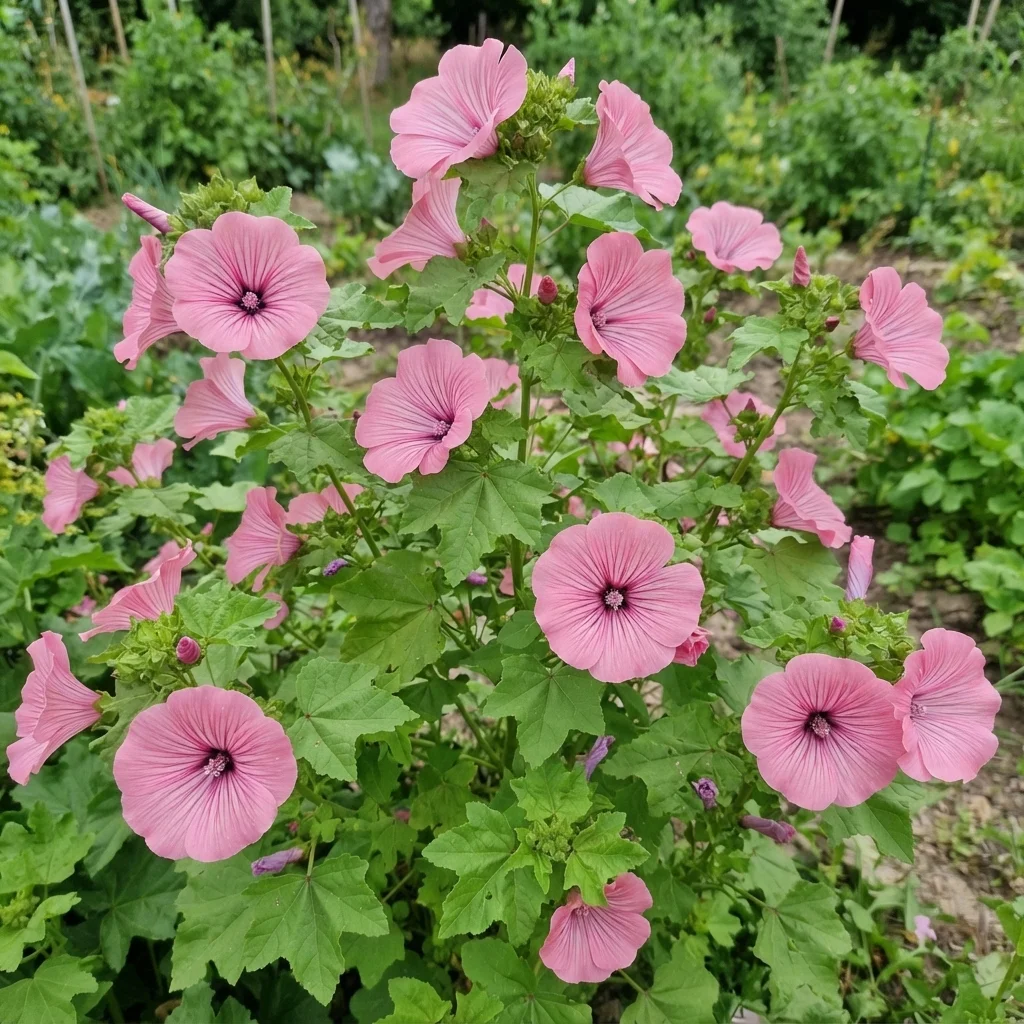
Keep exploring
Explore the genus
Hardy in your zone?
Grow Cheeseweed Mallow with confidence
See it in a design of your actual yard, get zone-matched care reminders, and track it season by season in your garden journal.