The Story
Plant Bio
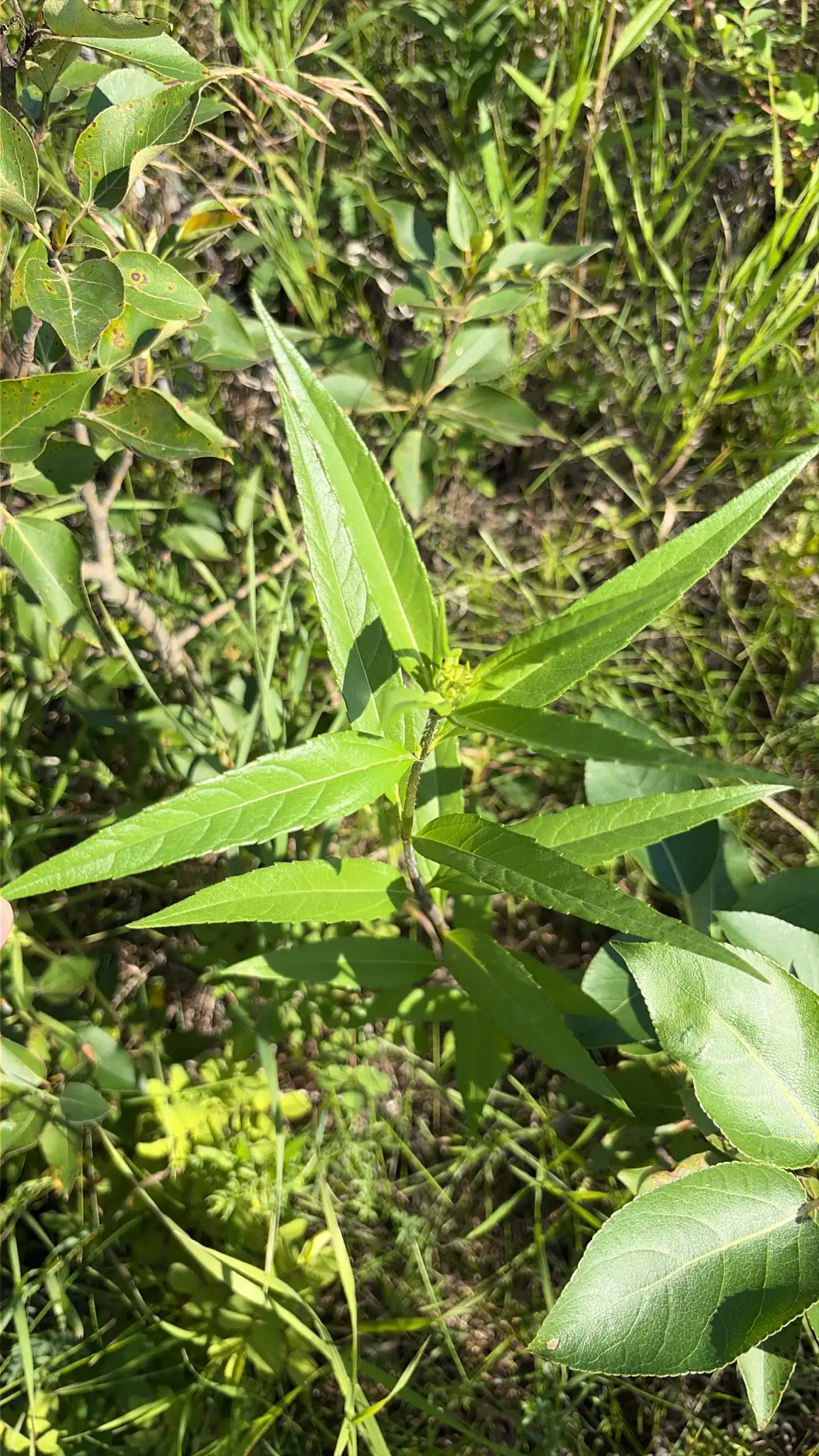
Helianthus nuttallii, commonly known as Nuttall's sunflower, is a tall, erect herbaceous perennial native to wet meadows and stream banks across central and western North America. It produces narrow, rough-textured green leaves along sturdy stems topped by bright yellow daisy-like flower heads from midsummer into fall.
Unlike standard garden sunflowers, this moisture-loving species forms expanding colonies via shallow creeping rhizomes and thrives in heavy, wet clay soils. Its yellow ray florets surround disc centers that age to brown, offering rich nectar and seed resources for native wildlife.
Uses & Benefits:
Essentials
At a Glance
Plant Type
Perennial
Height
157"
Width
47"
Light
Full Sun
Zones
4, 5, 6, 7, 8, 9
Water
High
Humidity
High
Lifespan
Perennial
Native To
North America
Toxicity
Non-toxic
Bloom period
Summer – Fall
In flower about 6 months of the year
Planting
How to Grow
- Select a planting location in full sun that receives at least six hours of direct sunlight daily.
- Prepare moisture-retentive soil, such as clay or loam rich in organic matter, in a site with dependable dampness.
- Plant dormant plugs or containerized root clumps in spring, spacing them 2 to 3 feet apart to accommodate spreading rhizomes.
- Water thoroughly after planting and maintain saturated to consistently moist soil throughout the growing season.
- Cut spent stems back to the ground in early spring before new basal shoots emerge.
Pro Tip
Keep the soil consistently moist to prevent stem collapse, and avoid high-nitrogen fertilizers which encourage tall, weak growth prone to flopping.
Keep It Thriving
Care Guide
Do
- Maintain high soil moisture levels consistently throughout the growing season.
- Provide full sunlight to ensure strong stem development and rich blooms.
- Cut dead stems to ground level in early spring before new growth begins.
Don't
- Do not allow the soil to dry out completely, as plants will collapse.
- Do not over-fertilize, which leads to weak stems and lodging.
- Do not plant in confined garden beds without accounting for rhizomatous spread.
Seasonal Care Calendar
| Task | Jan | Feb | Mar | Apr | May | Jun | Jul | Aug | Sep | Oct | Nov | Dec |
|---|---|---|---|---|---|---|---|---|---|---|---|---|
| Divide | ||||||||||||
| Pest Check | ||||||||||||
| Spring Cleanup | ||||||||||||
| Stake |
Watch Out For
Pests & Diseases
Common Pests
Common Diseases
In the Garden
Landscape Uses & Companions
Landscape Uses
Multiply
Propagation Methods
Good to Know
Common Questions
Nuttall's Sunflower questions
What zones can Nuttall's Sunflower grow in?
Nuttall's Sunflower is hardy in USDA Zones 4–9: in that range it survives winter in the ground. Warmer than Zone 9, winter isn't the problem: it prefers colder winters, and summer heat can shorten its life.
Is Nuttall's Sunflower deer resistant?
Not reliably. Deer may browse Nuttall's Sunflower, especially tender spring growth — plan on repellents or fencing where pressure is high.
When does Nuttall's Sunflower bloom?
Nuttall's Sunflower typically blooms from summer to fall. Exact timing shifts a week or two with your zone — Sow's bloom calendar maps it to your garden.
Does Nuttall's Sunflower need full sun?
Nuttall's Sunflower does best in full sun (6+ hours).
More Helianthus to compare
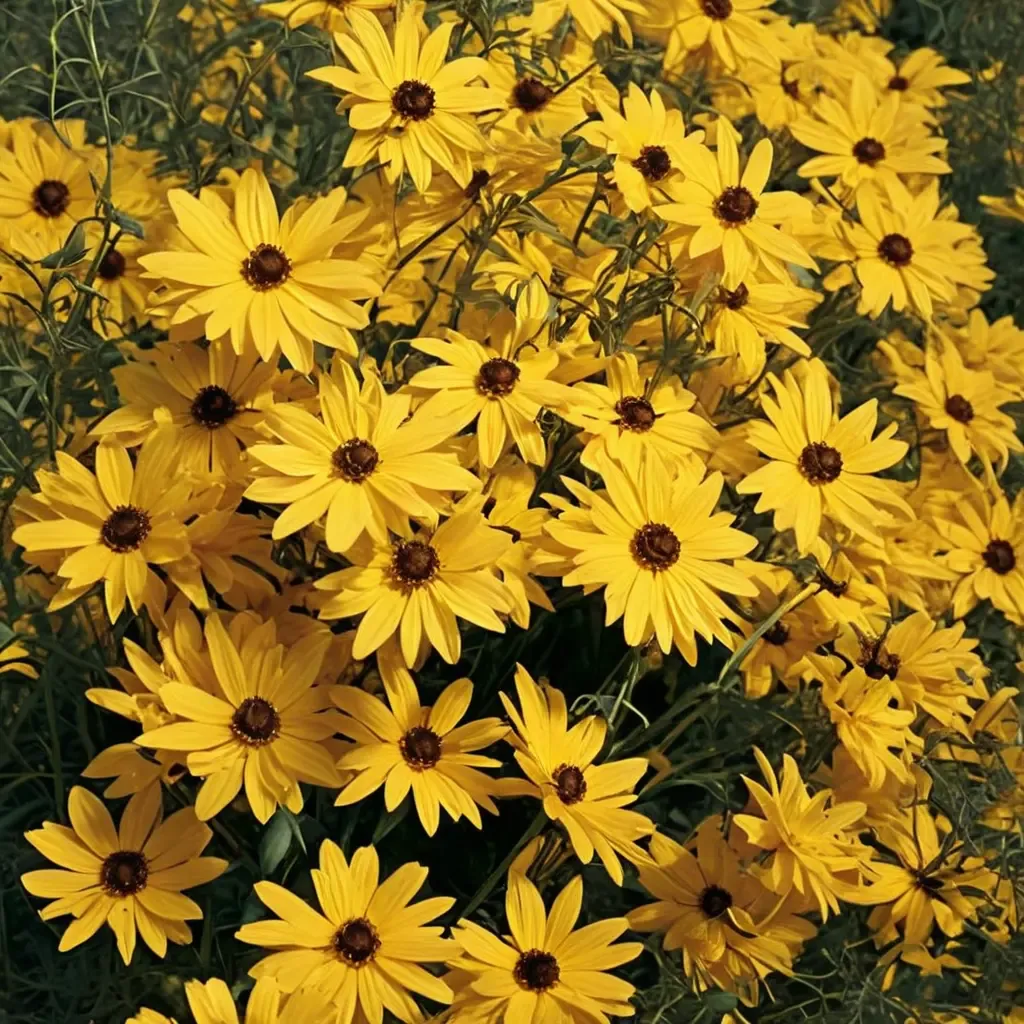
First Light Swamp Sunflower
Helianthus angustifolius 'First Light'
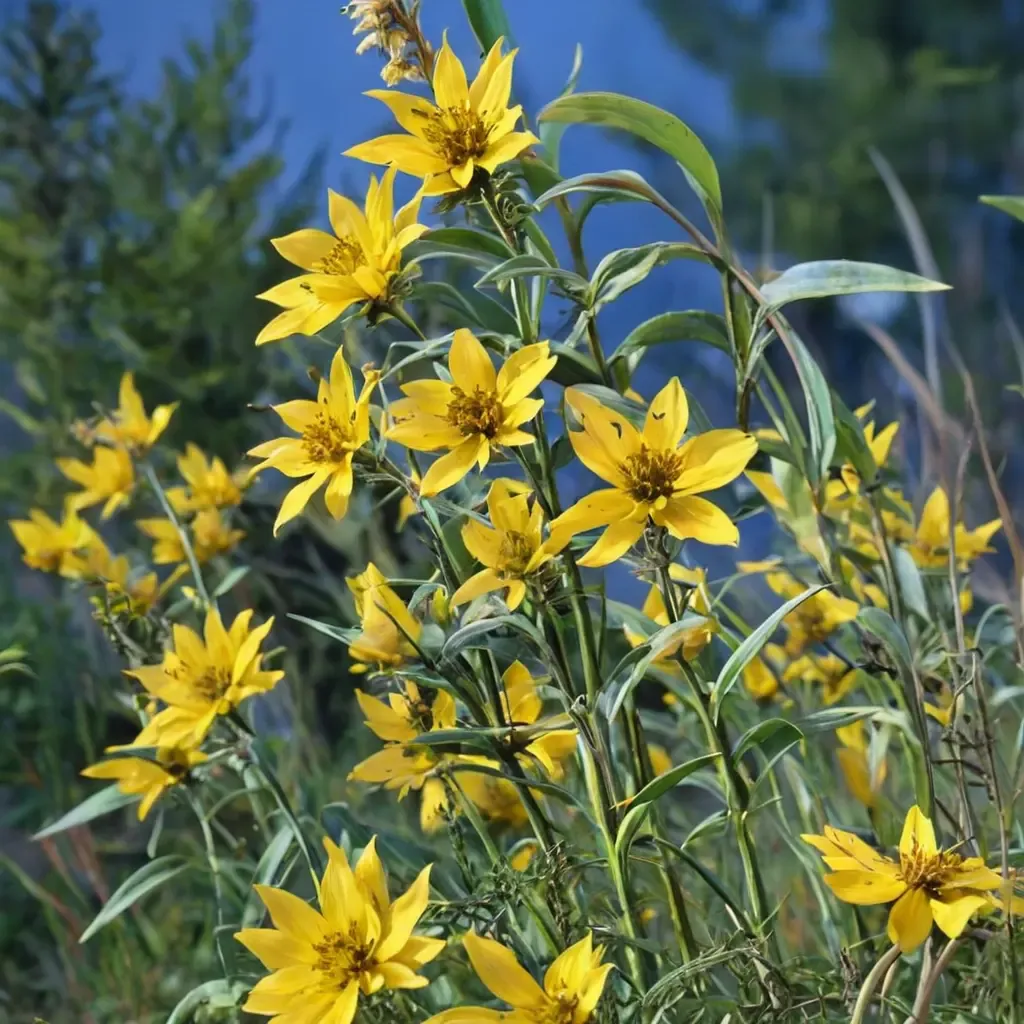
Maximilian sunflower
Helianthus maximiliani
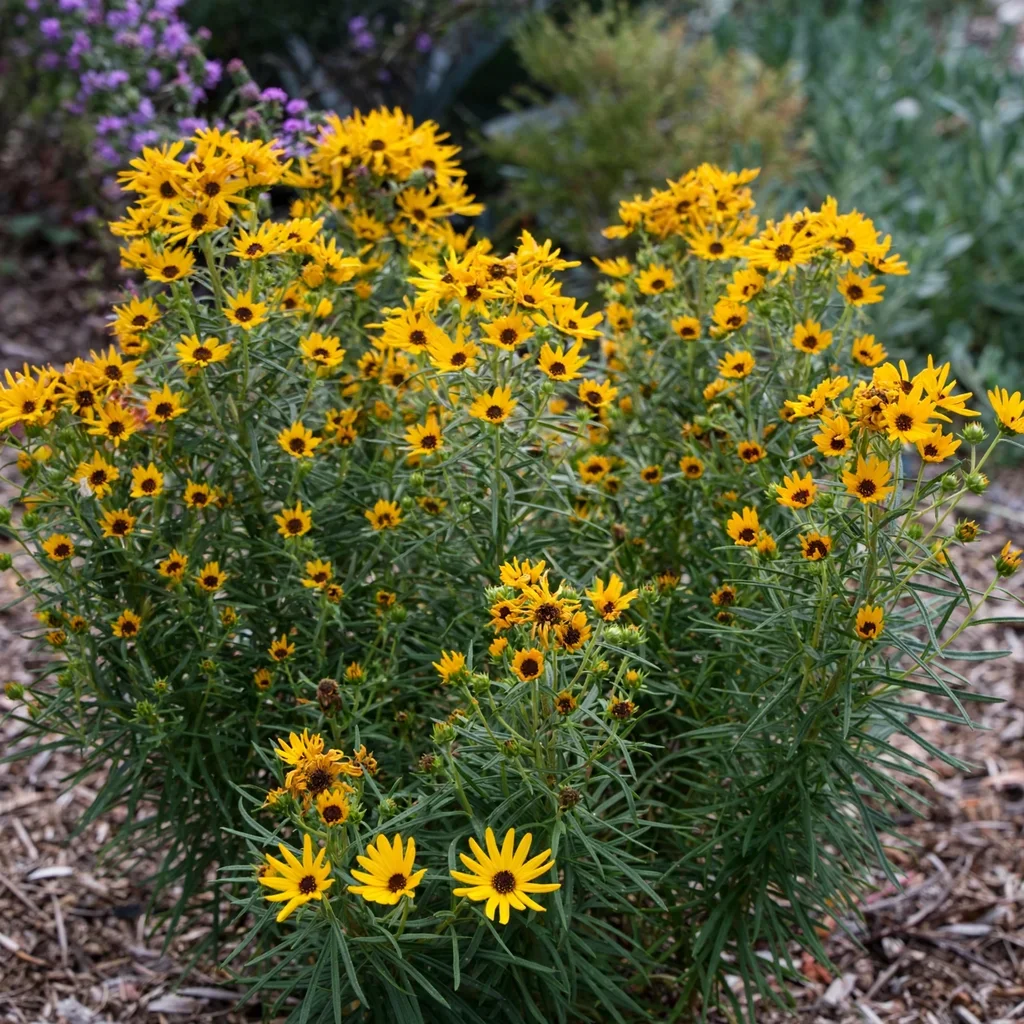
Narrow-Leaf Sunflower Low Down
Helianthus angustifolius 'Low Down'
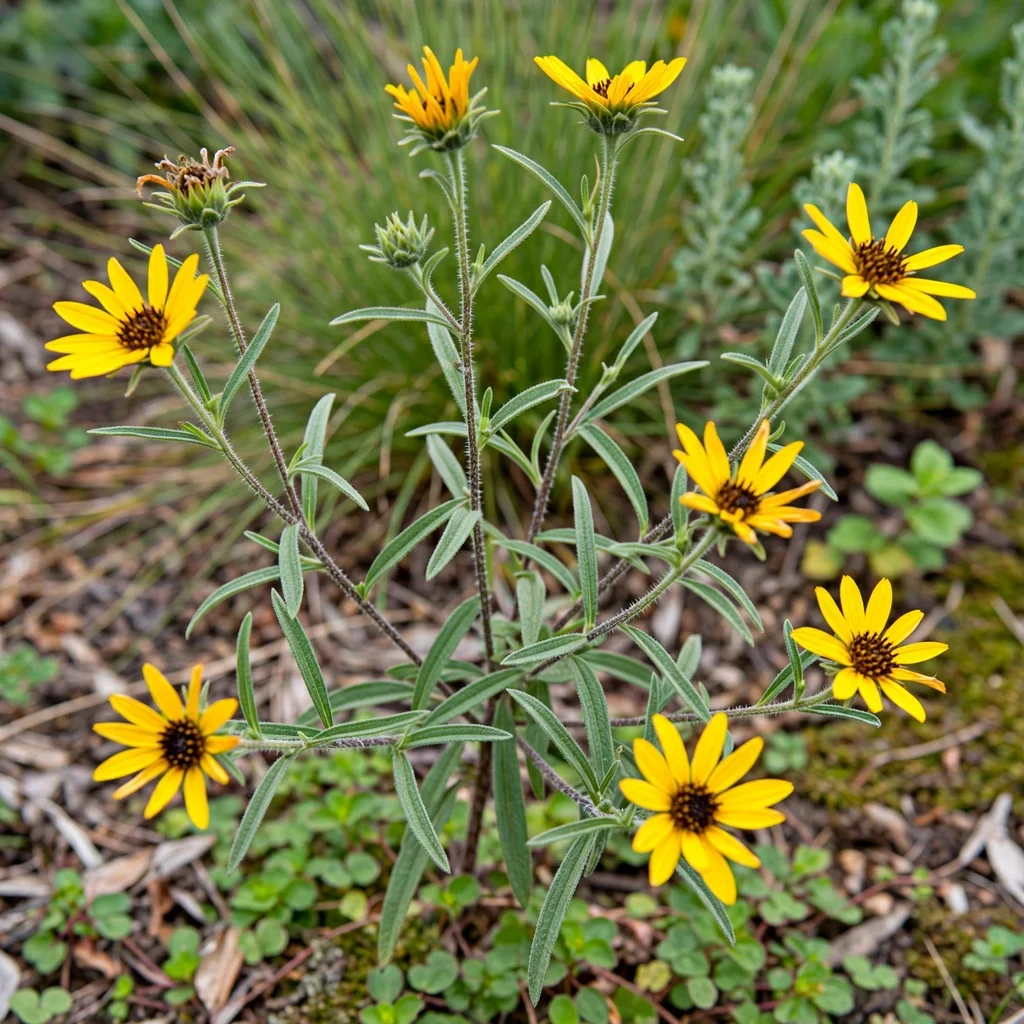
Bolander's Sunflower
Helianthus bolanderi
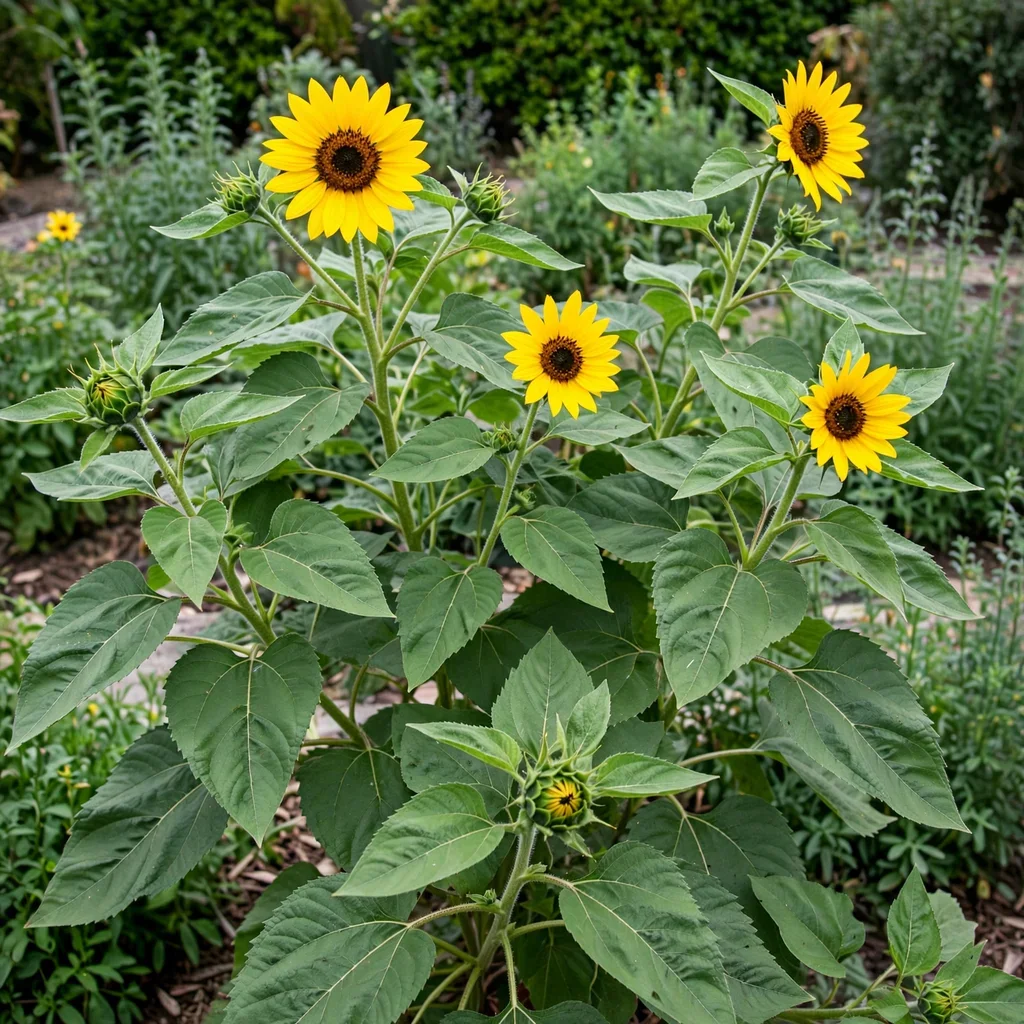
Table Mountain Sunflower
Helianthus annuus 'Table Mountain'
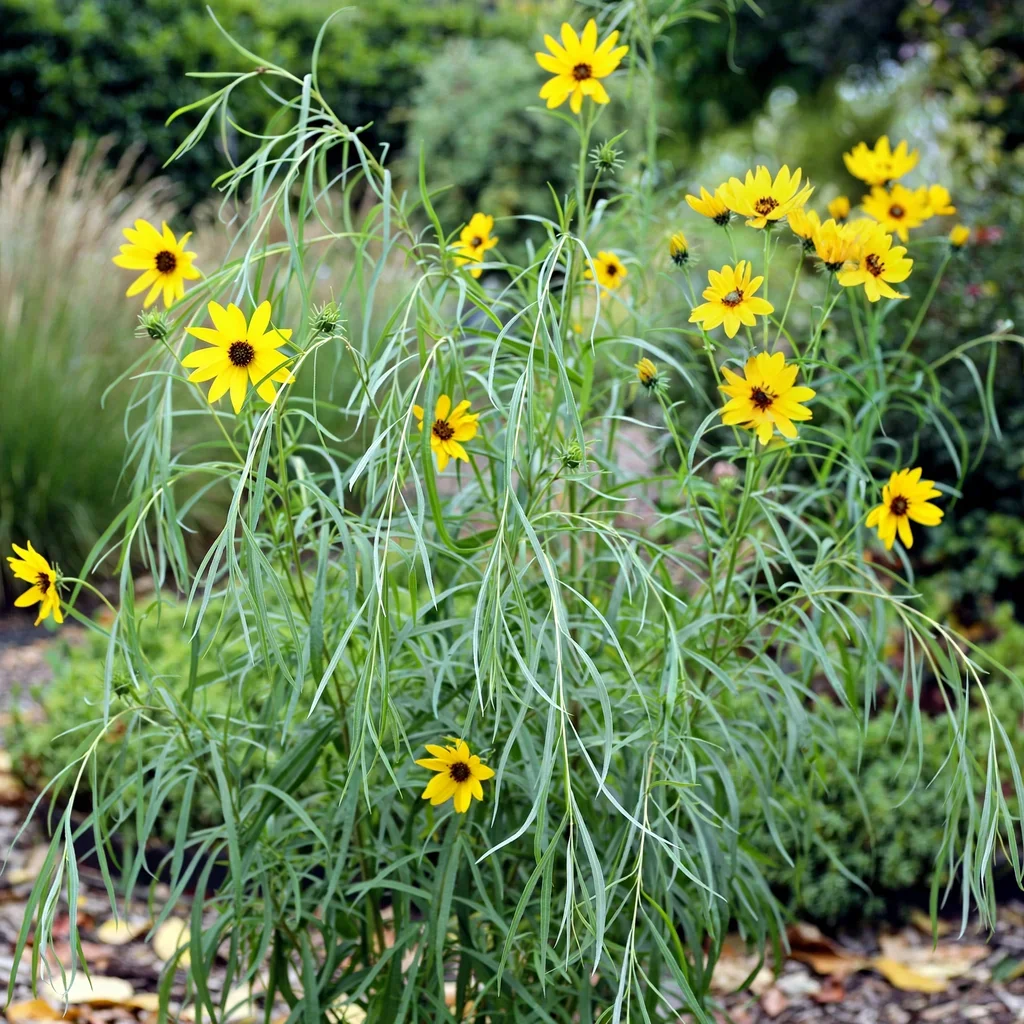
Salicifolius Sunflower Willowleaf Sunflower
Helianthus salicifolius
Keep exploring
Explore the genus
Grow Nuttall's Sunflower with confidence
See it in a design of your actual yard, get zone-matched care reminders, and track it season by season in your garden journal.