The Story
Plant Bio
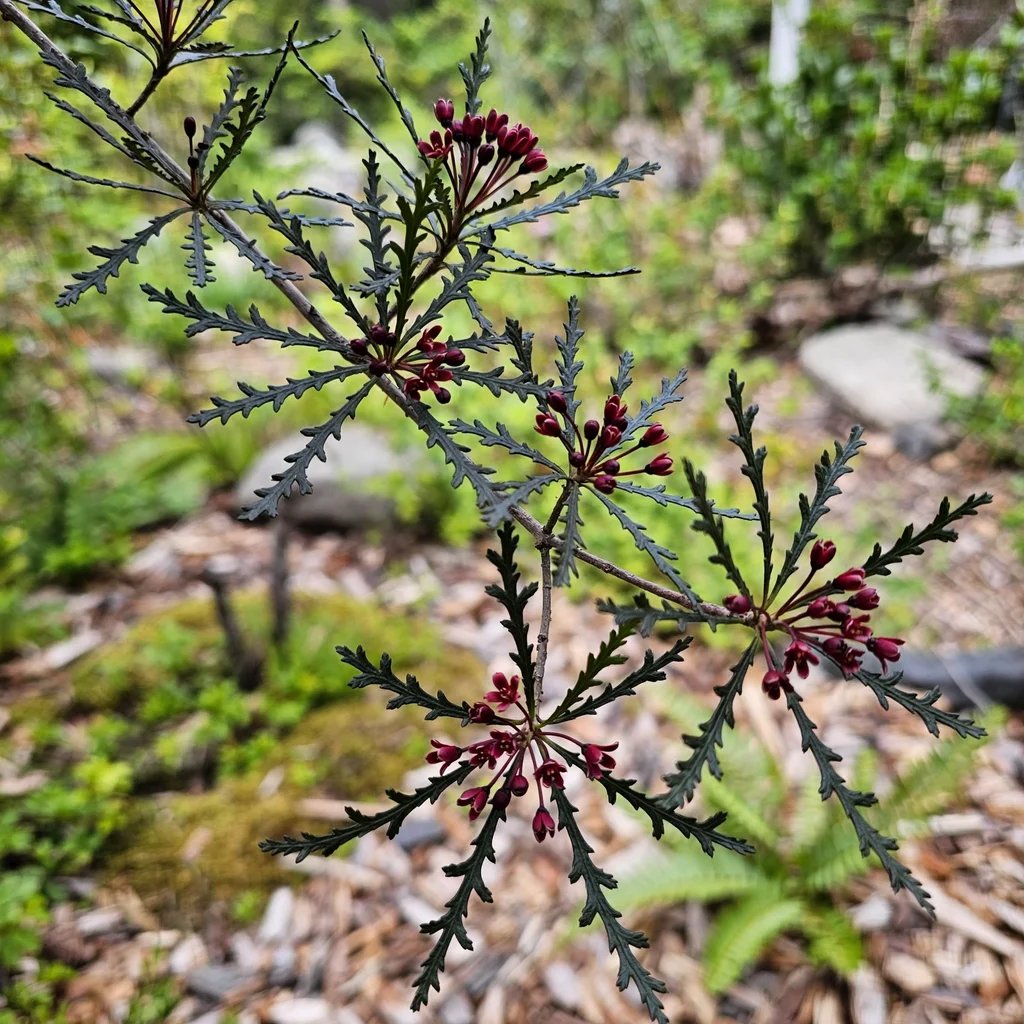
Pittosporum patulum is a slender evergreen tree native to New Zealand's South Island, notable for its distinct transformation from juvenile to adult foliage. Young plants form a narrow stem with small, deeply lobed, leathery leaves before transitioning into an open canopy of longer, dark green foliage.
In spring and early summer, small terminal clusters of deep red to brownish flowers emit a rich fragrance resembling vanilla and daphne. The species exhibits a marked heteroblastic phase change, producing juvenile growth so distinct from the adult form that young plants are frequently mistaken for other genera.
Uses & Benefits:
Essentials
At a Glance
Plant Type
Tree
Height
197"
Width
118"
Light
Full Sun, Partial Sun
Zones
8, 9, 10
Water
Moderate
Humidity
Moderate
Lifespan
Perennial
Native To
New Zealand (South Island)
Toxicity
Non-toxic
Bloom period
Spring – Mid summer
In flower about 5 months of the year
Planting
How to Grow
- Select a planting location in full sun to partial shade with fertile, humus-rich, well-draining soil.
- Amend heavy soils with organic matter and sand to guarantee high drainage, as plants cannot tolerate standing moisture.
- Water regularly during establishment and ensure continuous soil moisture through dry summer periods.
- Apply a balanced organic slow-release fertilizer around the root zone each spring.
- Protect young plants from deer and rabbit browsing using netting or fencing until the main stem matures.
Pro Tip
Trim lightly after flowering to shape the canopy, but avoid cutting into bare, mature wood where dormant buds rarely re-sprout.
Keep It Thriving
Care Guide
Do
- Plant in sharply draining, humus-rich soil.
- Provide supplemental water during summer dry spells.
- Apply balanced organic fertilizer in spring.
Don't
- Do not allow soil to become waterlogged or stagnant.
- Do not cut hard into old, leafless wood.
- Do not expose young growth to unshielded deer or rabbit browsing.
Seasonal Care Calendar
| Task | Jan | Feb | Mar | Apr | May | Jun | Jul | Aug | Sep | Oct | Nov | Dec |
|---|---|---|---|---|---|---|---|---|---|---|---|---|
| Fertilize | ||||||||||||
| Mulch | ||||||||||||
| Pest Check | ||||||||||||
| Prune |
Watch Out For
Pests & Diseases
Common Pests
Common Diseases
In the Garden
Landscape Uses & Companions
Landscape Uses
Companion Plants
Multiply
Propagation Methods
Good to Know
Common Questions
Pit-Pat questions
What zones can Pit-Pat grow in?
Pit-Pat is hardy in USDA Zones 8–10: in that range it survives winter in the ground. Colder than Zone 8, winters are too cold for it to survive outdoors.
Is Pit-Pat deer resistant?
Not reliably. Deer may browse Pit-Pat, especially tender spring growth — plan on repellents or fencing where pressure is high.
When does Pit-Pat bloom?
Pit-Pat typically blooms from early spring to mid-summer. Exact timing shifts a week or two with your zone — Sow's bloom calendar maps it to your garden.
Does Pit-Pat need full sun?
Pit-Pat does best in full sun to part shade. In hot climates, afternoon shade keeps blooms fresher longer.
More Pittosporum to compare
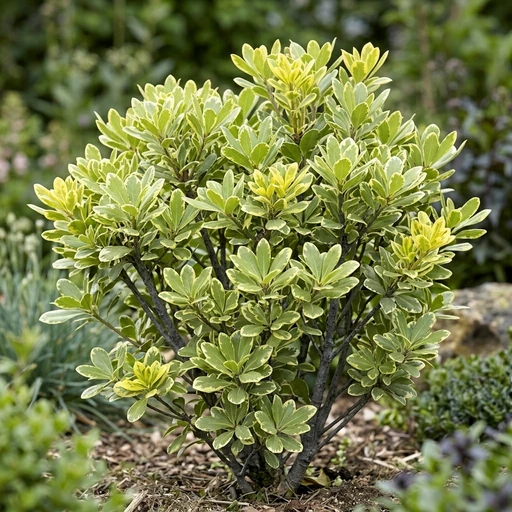
Mojo Pittosporum
Pittosporum tobira 'Mojo'
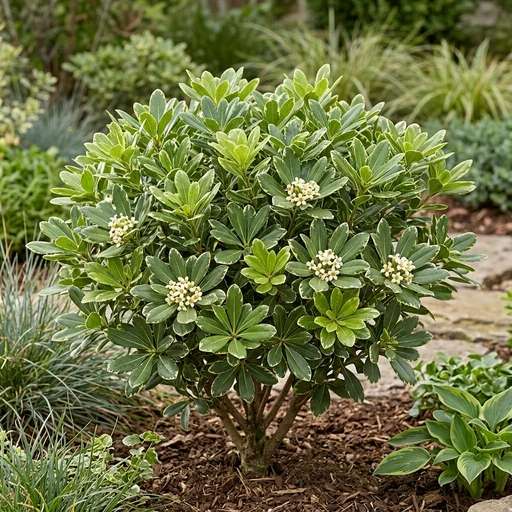
Wheeler's Dwarf Pittosporum
Pittosporum tobira 'Wheeler's Dwarf'
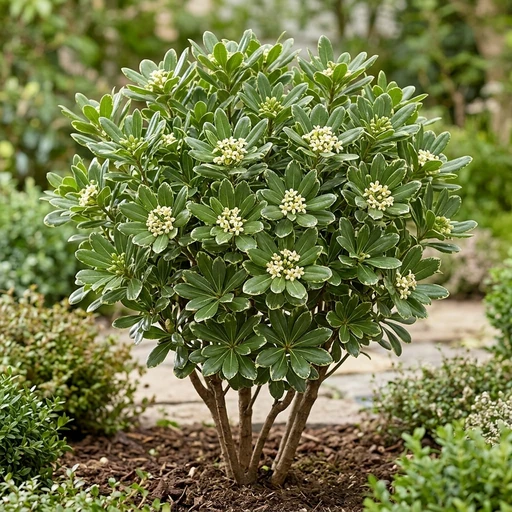
Japanese Pittosporum
Pittosporum tobira
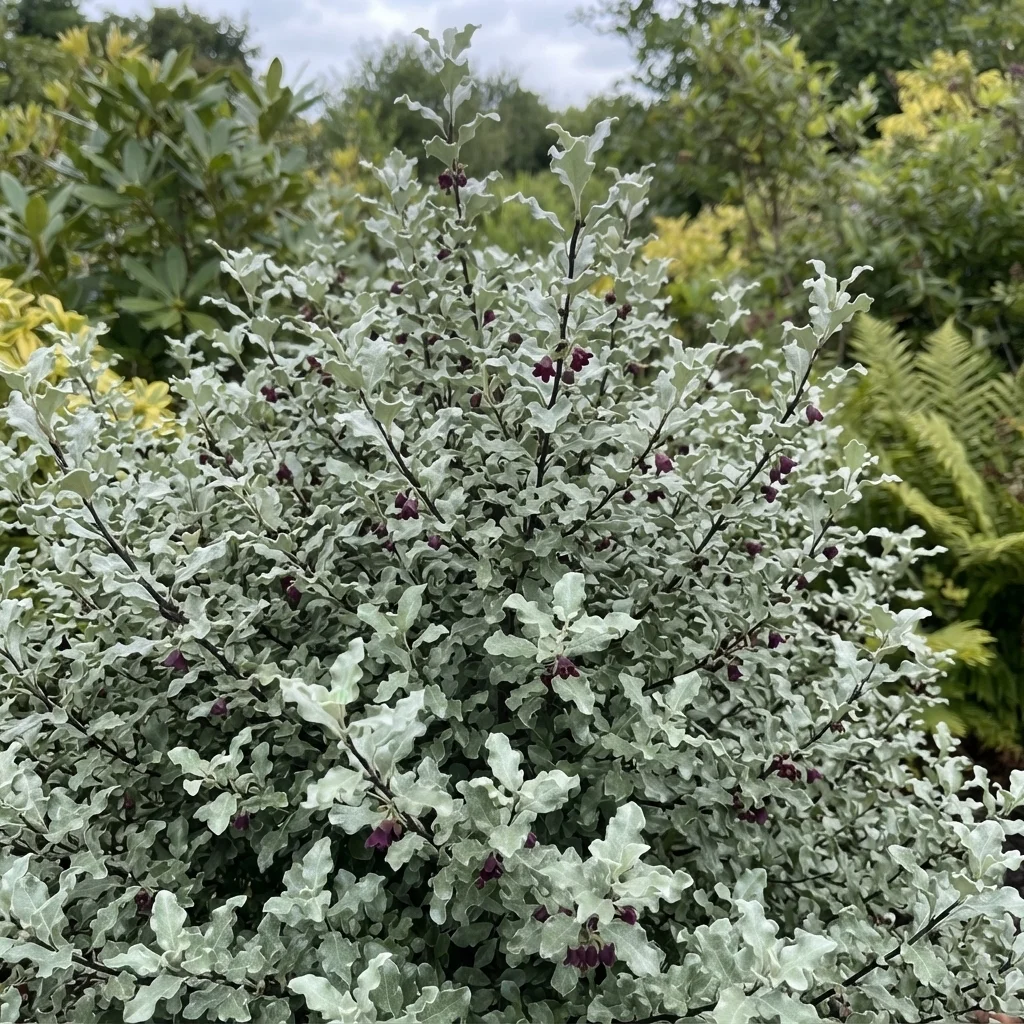
James Stirling Kohuhu
Pittosporum tenuifolium 'James Stirling'
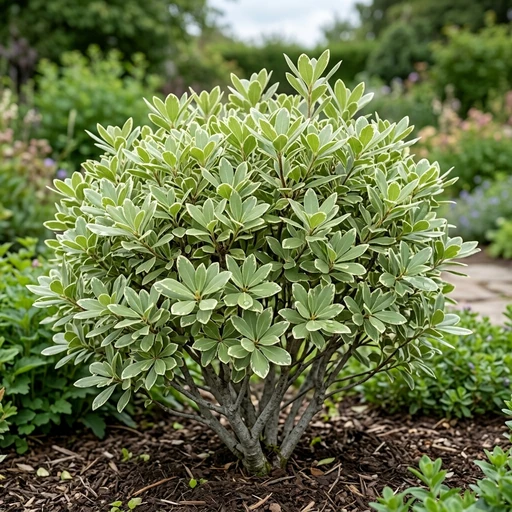
Variegated Japanese Pittosporum
Pittosporum tobira 'Variegatum'
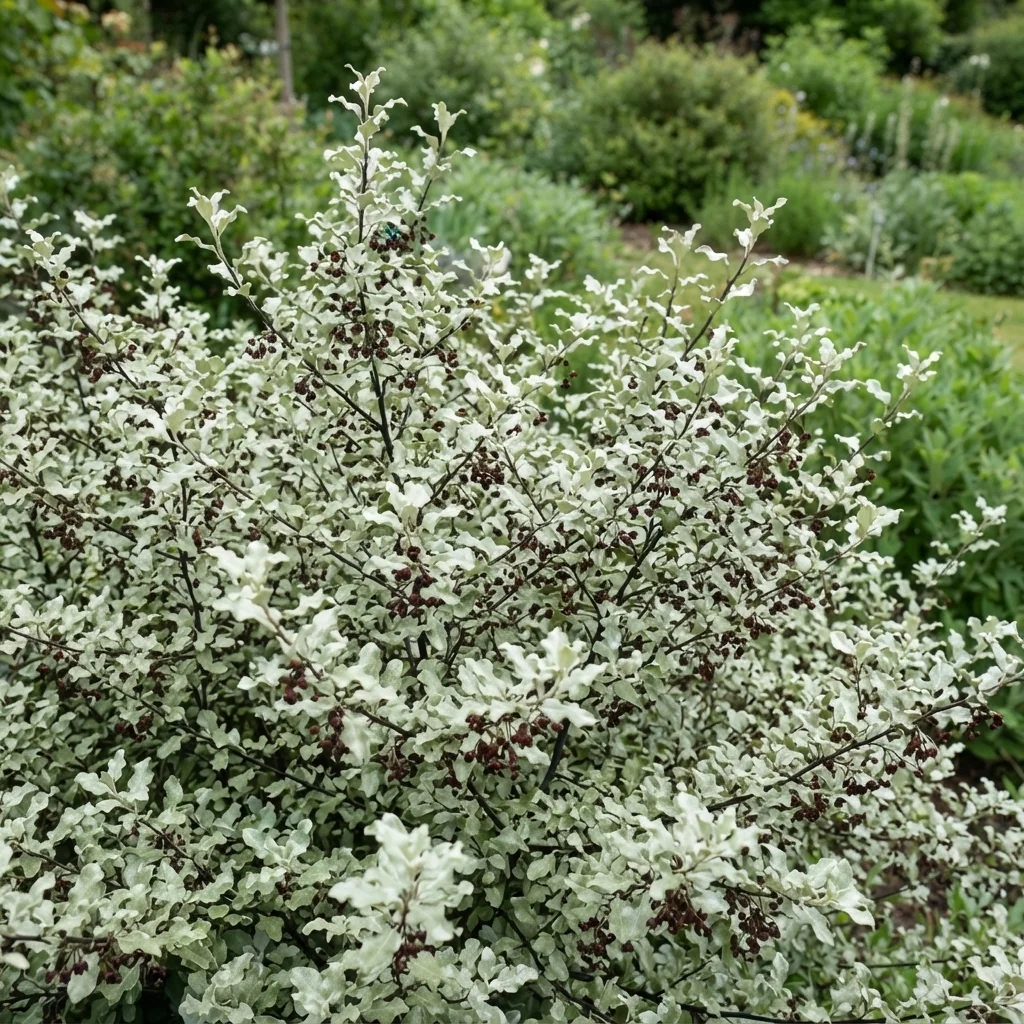
Silver Sheen Kohuhu
Pittosporum tenuifolium 'Silver Sheen'
Keep exploring
Explore the genus
Hardy in your zone?
Grow Pit-Pat with confidence
See it in a design of your actual yard, get zone-matched care reminders, and track it season by season in your garden journal.