The Story
Plant Bio
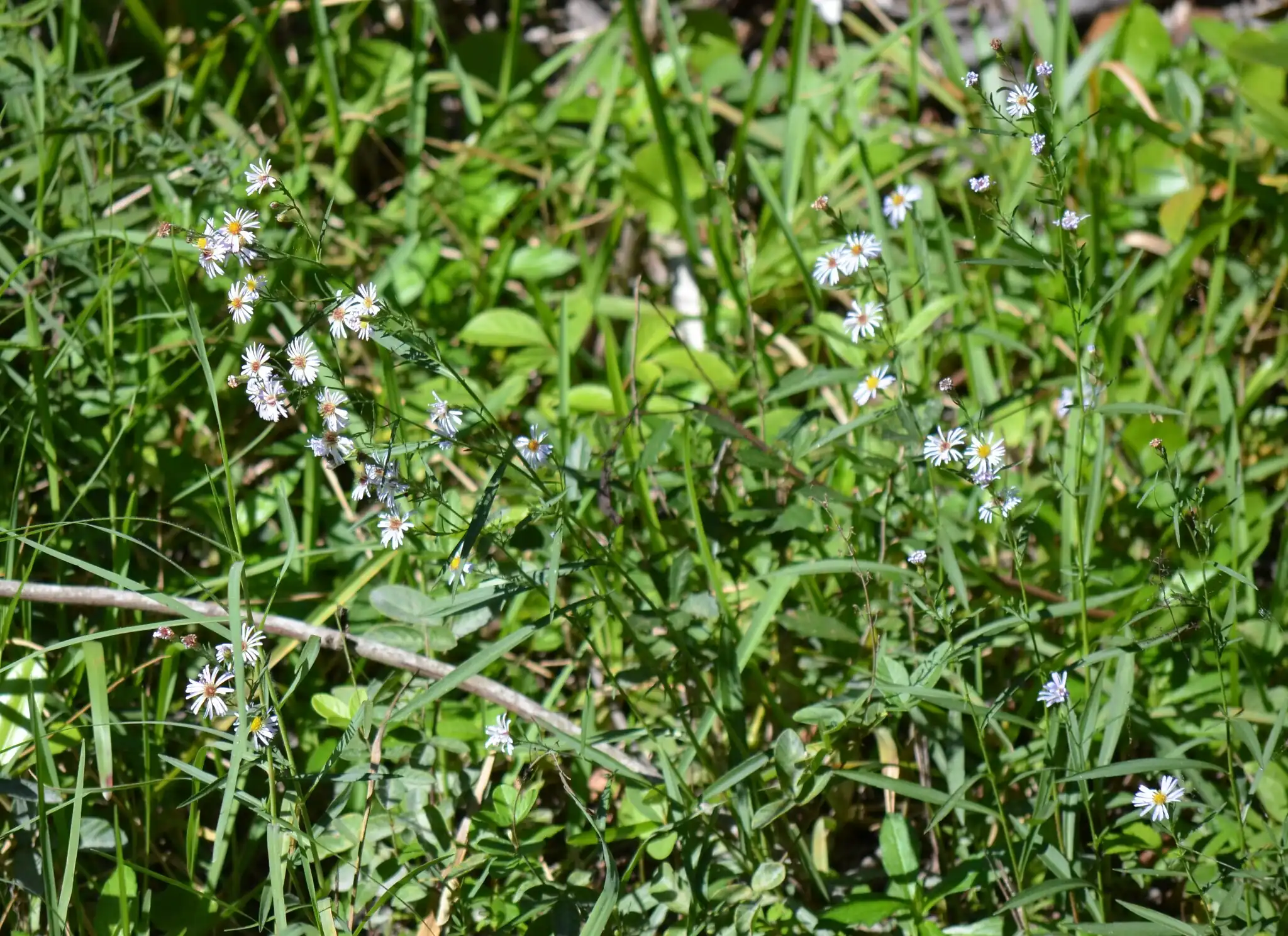
Symphyotrichum simmondsii, Simmonds' aster, is a colony-forming herbaceous perennial from the southeastern coastal plain, rising on rigid stems to four feet from long underground rhizomes. The alternate oblanceolate leaves are rough to the touch, and the small heads carry pale lavender to lilac rays around disks that turn reddish with age.
It flowers late, from fall into winter, in open racemiform to paniculiform arrays of ten or more heads with 18 to 38 rays and phyllaries in five to six strongly unequal series. It is distinguished from the similar S. dumosum by its taller rhizomatous colonial habit and uniform octoploid count, thriving in moist to dry soils including calcareous ground.
Uses & Benefits:
Essentials
At a Glance
Plant Type
Perennial
Height
48"
Width
36"
Light
Full Sun, Partial Sun
Zones
7, 8, 9, 10
Water
Medium
Humidity
Unknown
Lifespan
Perennial
Native To
Southeastern U.S. Coastal Plain
Toxicity
Unknown
Bloom period
Fall – Winter
In flower about 6 months of the year
Planting
How to Grow
- Plant in full sun to part shade in moist to well-drained soil, allowing 3 feet for colony spread.
- Set container plants at the same depth as in the pot and water in deeply.
- Water through establishment and during extended dry spells; established colonies tolerate drier soil.
- Leave fall bloom for pollinators and cut back spent stems in early winter.
Pro Tip
Plant in full sun with room to run and divide the rhizomatous colony in early spring to renew vigor and control spread.
Keep It Thriving
Care Guide
Do
- Give full sun for strongest bloom.
- Allow room for rhizomes to spread.
- Leave late flowers for native bees and butterflies.
Don't
- Do not plant in deep shade where stems weaken.
- Do not confine to a small pot where rhizomes quickly crowd.
- Do not overwater heavy ground; provide drainage while keeping moisture.
Seasonal Care Calendar
| Task | Jan | Feb | Mar | Apr | May | Jun | Jul | Aug | Sep | Oct | Nov | Dec |
|---|---|---|---|---|---|---|---|---|---|---|---|---|
| Deadhead | ||||||||||||
| Divide | ||||||||||||
| Mulch | ||||||||||||
| Pest Check | ||||||||||||
| Plant |
Watch Out For
Pests & Diseases
Common Pests
Common Diseases
In the Garden
Landscape Uses & Companions
Landscape Uses
Multiply
Propagation Methods
Good to Know
Common Questions
Simmonds' Aster questions
What zones can Simmonds' Aster grow in?
Simmonds' Aster is hardy in USDA Zones 7–10: in that range it survives winter in the ground. Colder than Zone 7, grow it in a container you can move to shelter for the winter, or as an annual.
When does Simmonds' Aster bloom?
Simmonds' Aster typically blooms from fall to winter. Exact timing shifts a week or two with your zone — Sow's bloom calendar maps it to your garden.
Does Simmonds' Aster need full sun?
Simmonds' Aster does best in full sun to part shade. In hot climates, afternoon shade keeps blooms fresher longer.
More Symphyotrichum to compare
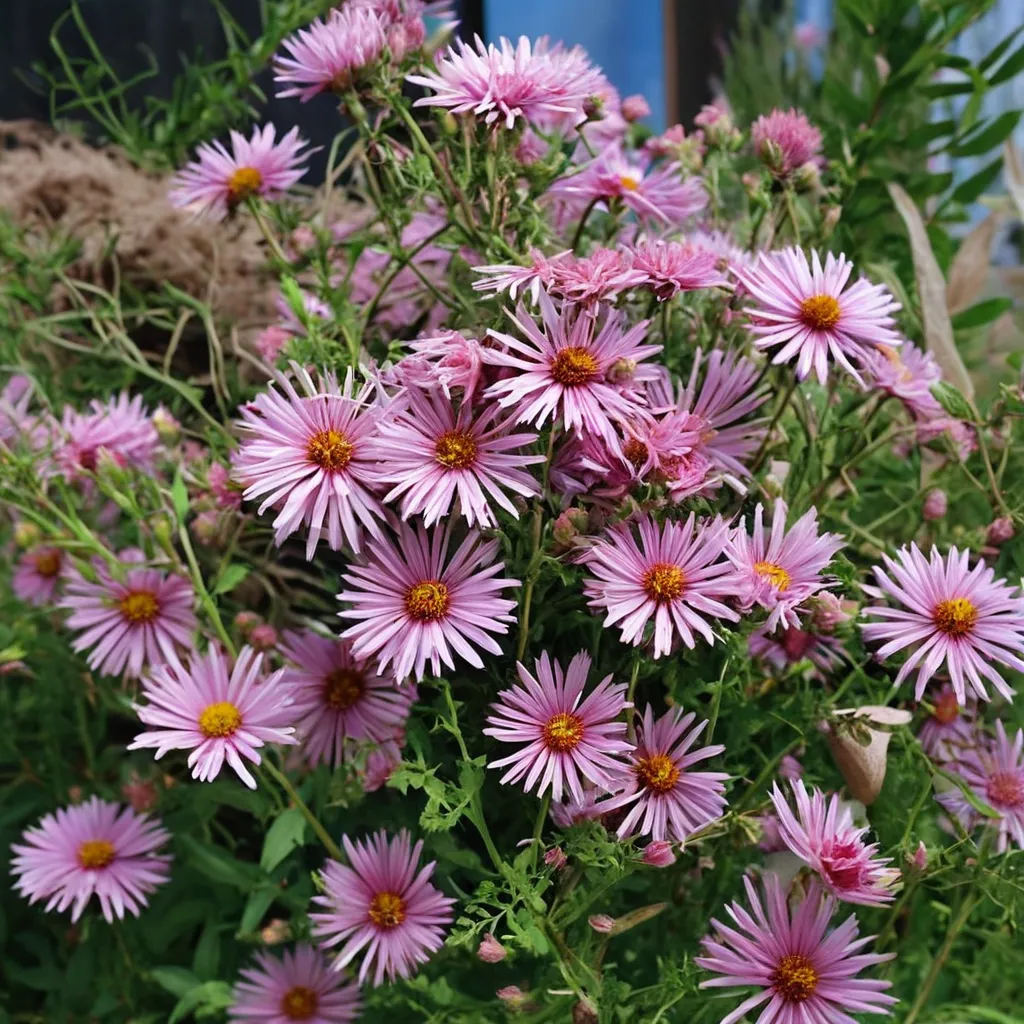
New England Aster Harringtons Pink
Symphyotrichum novae-angliae 'Harringtons Pink'
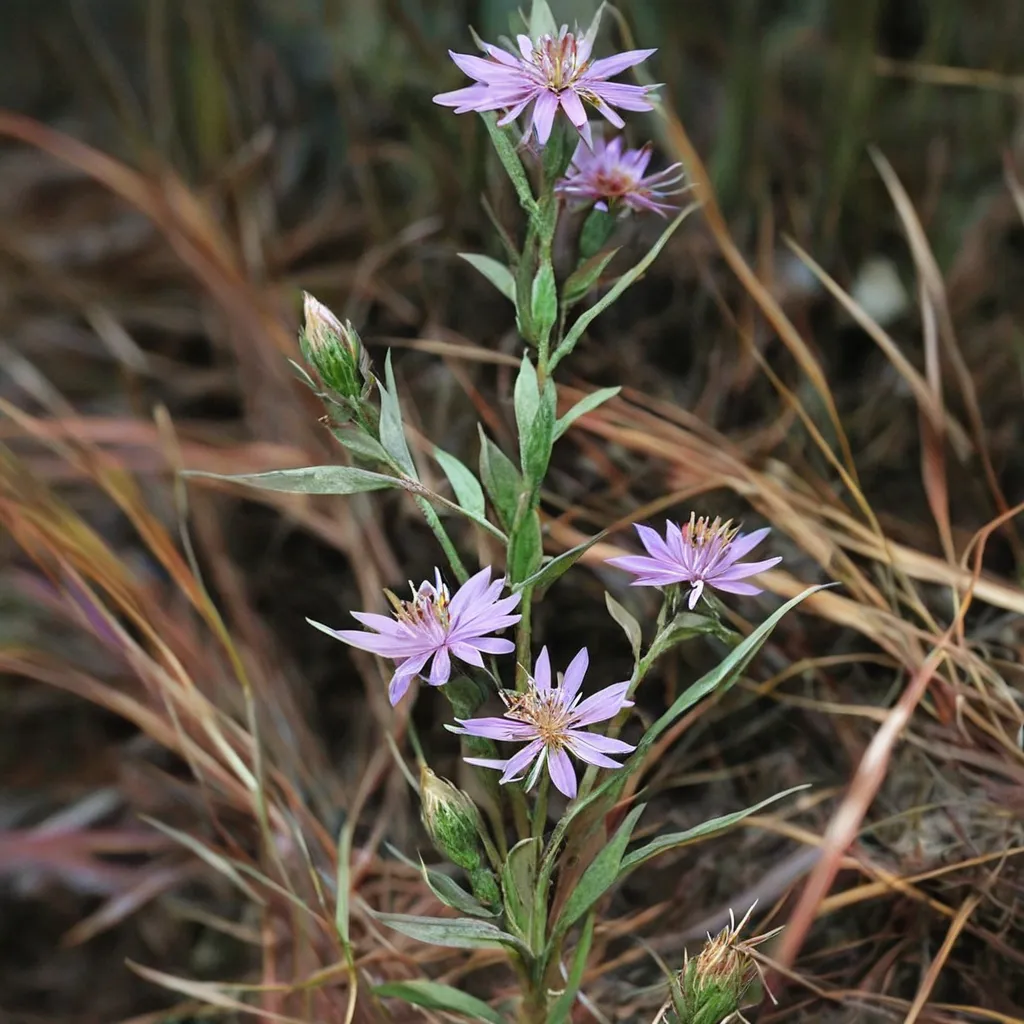
Eastern Silver Aster
Symphyotrichum concolor
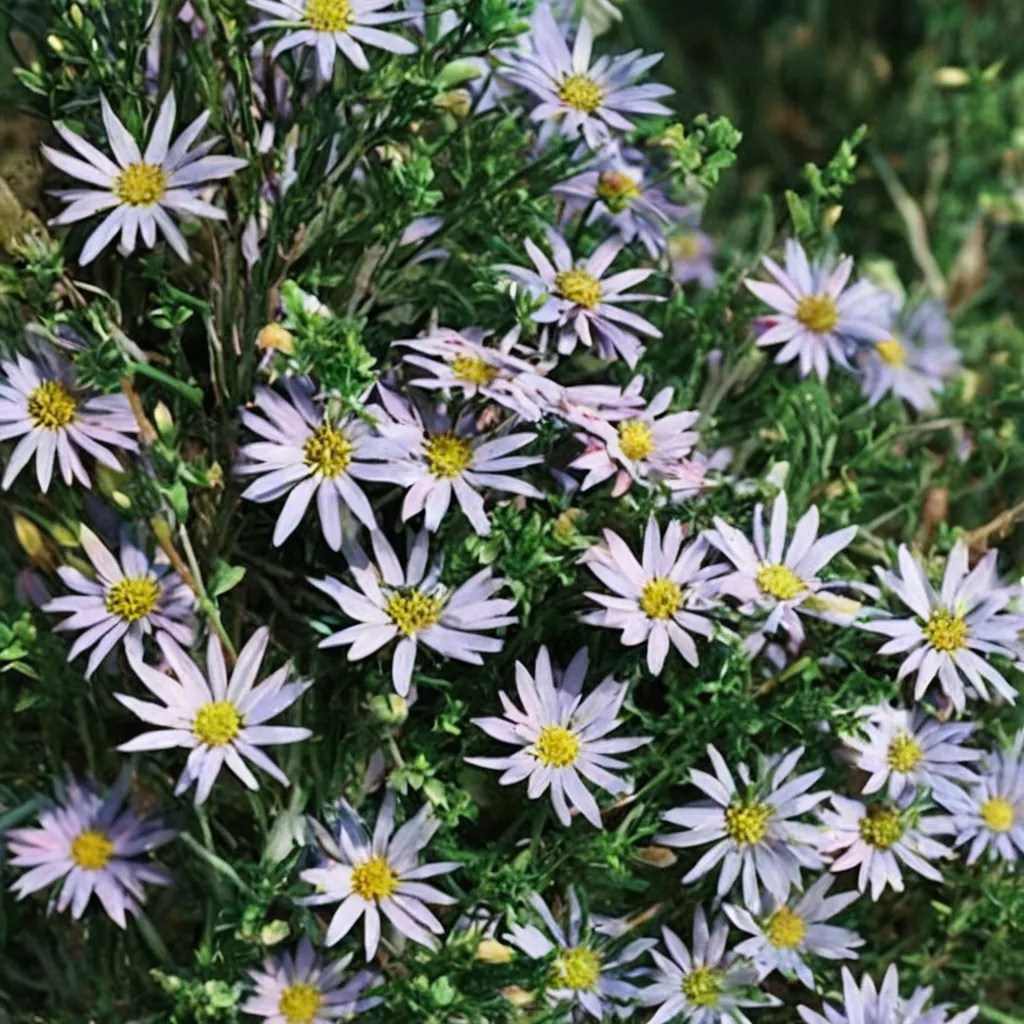
New Mexico Aster My Antonia
Symphyotrichum fendleri 'My Antonia'
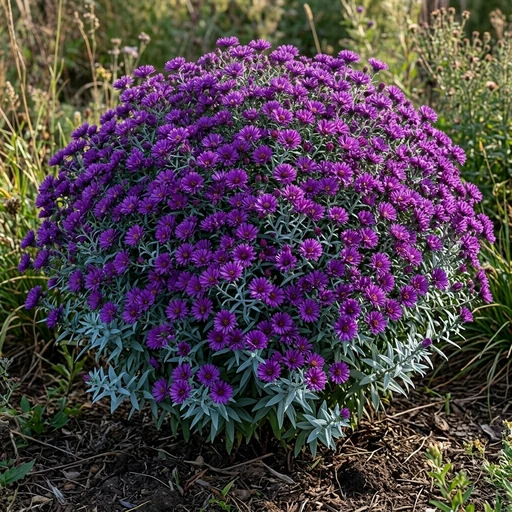
Purple Dome New England Aster
Symphyotrichum novae-angliae 'Purple Dome'
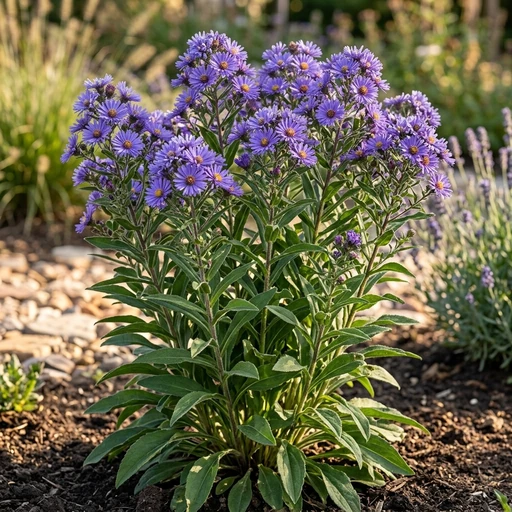
New England Aster
Symphyotrichum novae-angliae
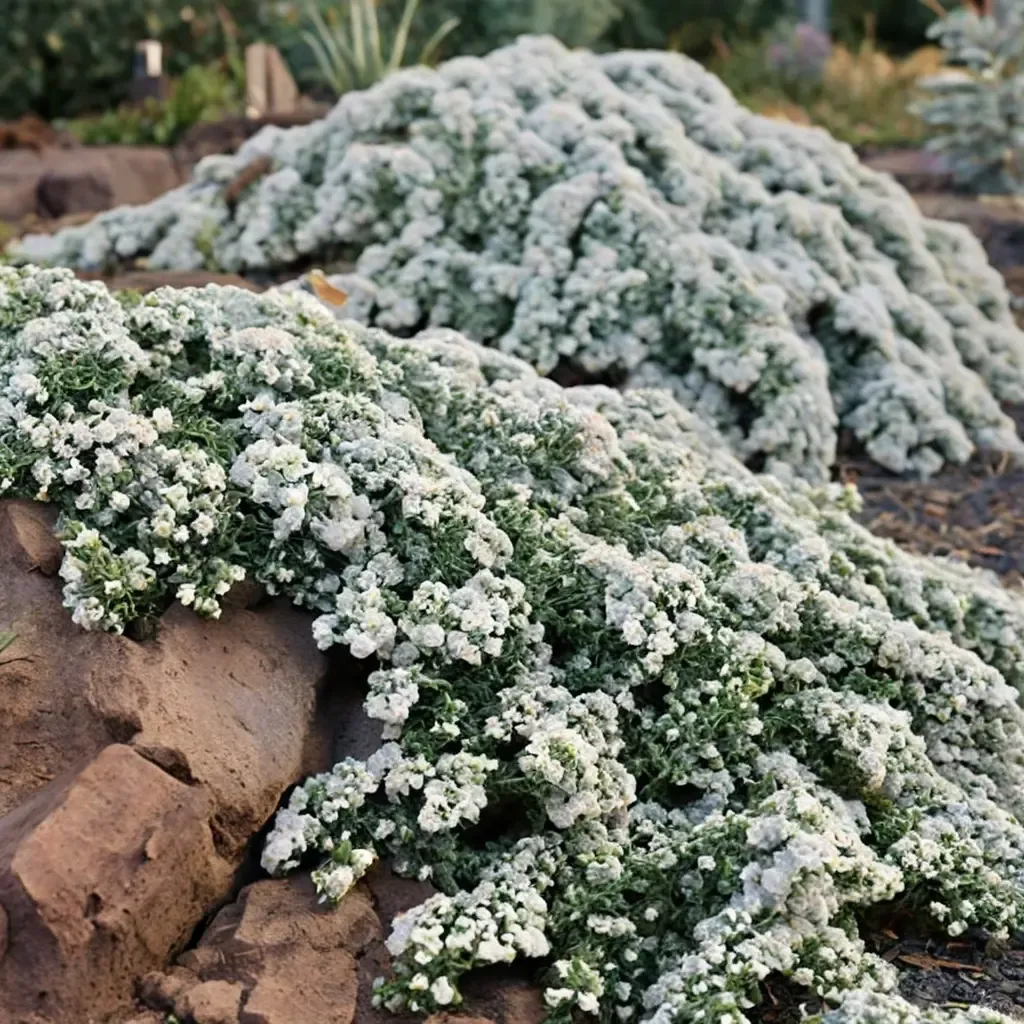
Snow Flurry Heath Aster
Symphyotrichum ericoides 'Snow Flurry'
Keep exploring
Explore the genus
Hardy in your zone?
Grow Simmonds' Aster with confidence
See it in a design of your actual yard, get zone-matched care reminders, and track it season by season in your garden journal.