The Story
Plant Bio
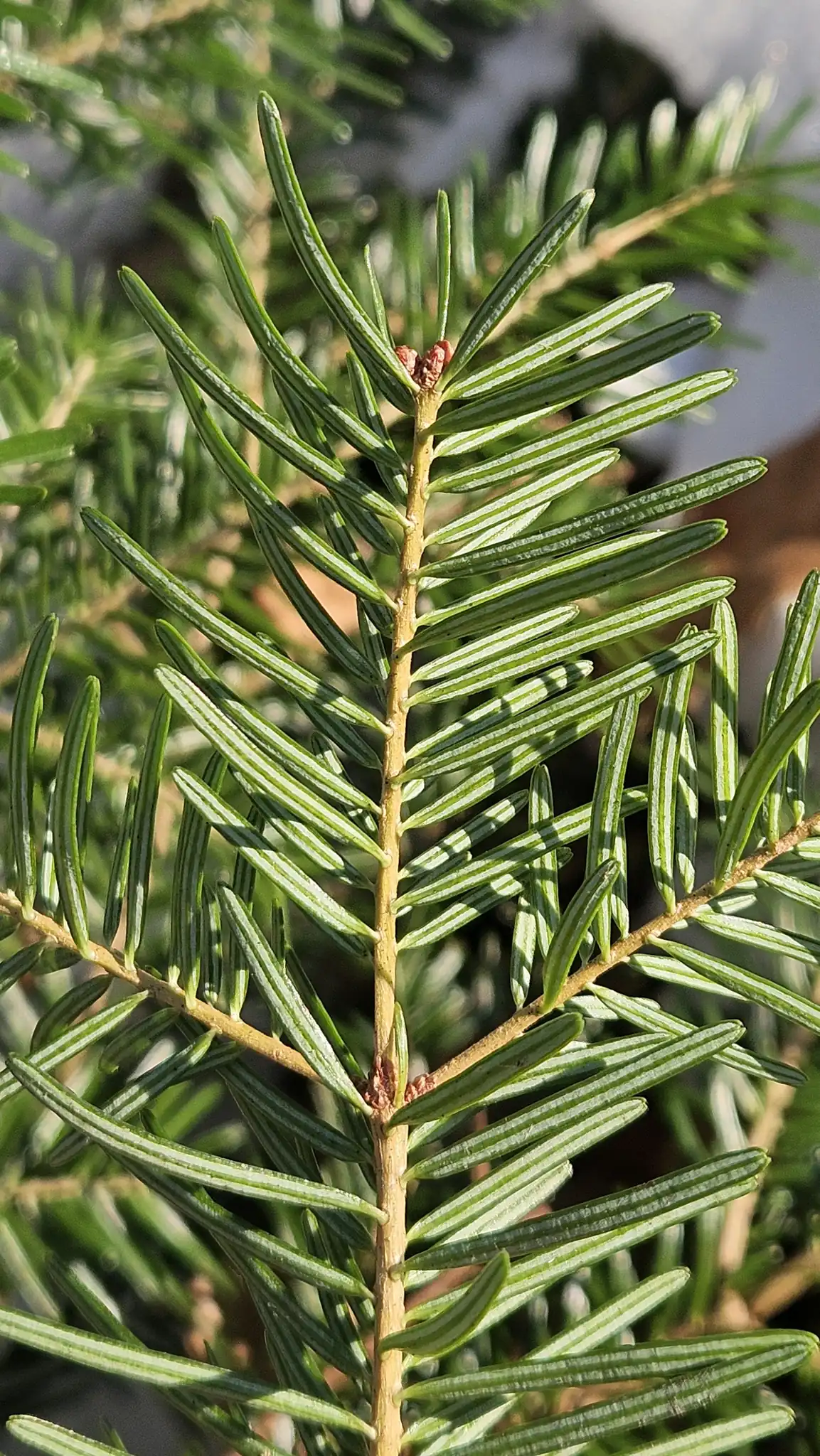
Abies alba, the European silver fir, is a massive evergreen conifer developing a tall, straight, columnar crown that flattens with advanced age. The flat, needle-like foliage is glossy dark green above with two bright white stomatal bands underneath, while new spring growth emerges in a contrasting light green.
This species produces upright, cylindrical dark brown cones on its upper branches, which disintegrate while still on the tree to release seeds. It serves as a structural specimen in large landscapes, providing dense year-round cover and nesting sites for birds and small mammals.
Uses & Benefits:
Essentials
At a Glance
Plant Type
Tree
Height
1575"
Width
590"
Light
Full Sun, Partial Sun
Zones
4, 5, 6, 7, 8
Water
Medium
Humidity
High
Lifespan
Long
Native To
Europe
Toxicity
Non-toxic
Bloom period
Spring
In flower about 3 months of the year
Planting
How to Grow
- Select a planting site with full sun to partial shade, ensuring protection from scorching afternoon sun in warmer zones.
- Dig a hole twice as wide as the root ball and of equal depth, ensuring the soil is rich, deep, and well-draining.
- Position the tree so the root flare sits level with or slightly above the surrounding soil grade to prevent collar rot.
- Backfill with native soil, water deeply to settle the roots, and apply a thick layer of organic mulch to retain moisture.
Pro Tip
Never prune back into old, leafless brown wood, as conifers lack dormant buds on older stems and will fail to regenerate.
Keep It Thriving
Care Guide
Do
- Maintain consistent soil moisture, especially during dry summer periods.
- Apply a balanced, slow-release organic fertilizer in early spring if growth appears sluggish.
- Mulch the root zone annually to conserve moisture and keep the soil cool.
Don't
- Do not plant in poorly drained, waterlogged, or stagnant wet soils.
- Avoid cutting back into old, bare wood during pruning.
- Do not plant in coastal areas exposed to direct salt spray or heavy maritime winds.
Seasonal Care Calendar
| Task | Jan | Feb | Mar | Apr | May | Jun | Jul | Aug | Sep | Oct | Nov | Dec |
|---|---|---|---|---|---|---|---|---|---|---|---|---|
| Fertilize | ||||||||||||
| Mulch | ||||||||||||
| Pest Check | ||||||||||||
| Prune |
Watch Out For
Pests & Diseases
Common Pests
Common Diseases
In the Garden
Landscape Uses & Companions
Landscape Uses
Companion Plants
Multiply
Propagation Methods
Good to Know
Common Questions
European Silver Fir questions
What zones can European Silver Fir grow in?
European Silver Fir is hardy in USDA Zones 4–8. Inside that range it survives winter in the ground; outside it, grow it as an annual or a container plant you protect.
When does European Silver Fir bloom?
European Silver Fir typically blooms in spring through spring. Exact timing shifts a week or two with your zone — Sow's bloom calendar maps it to your garden.
Does European Silver Fir need full sun?
European Silver Fir does best in full sun to part shade. In hot climates, afternoon shade keeps blooms fresher longer.
More Abies to compare
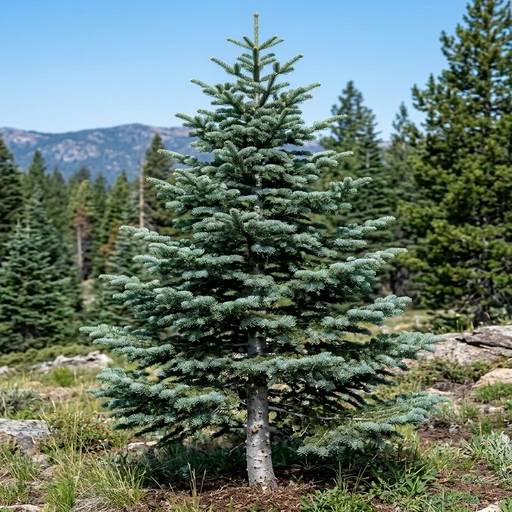
White Fir
Abies concolor
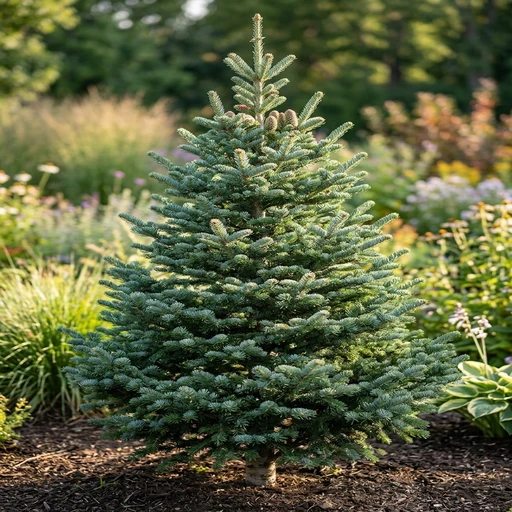
Fraser Fir
Abies fraseri
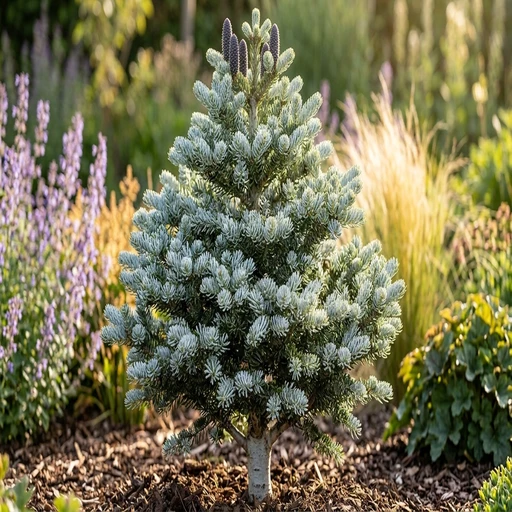
Horstmann's Silberlocke Korean Fir
Abies koreana 'Horstmann Silberlocke'
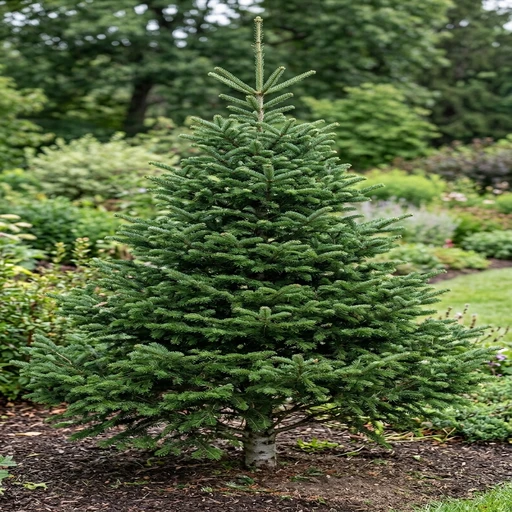
Balsam Fir
Abies balsamea
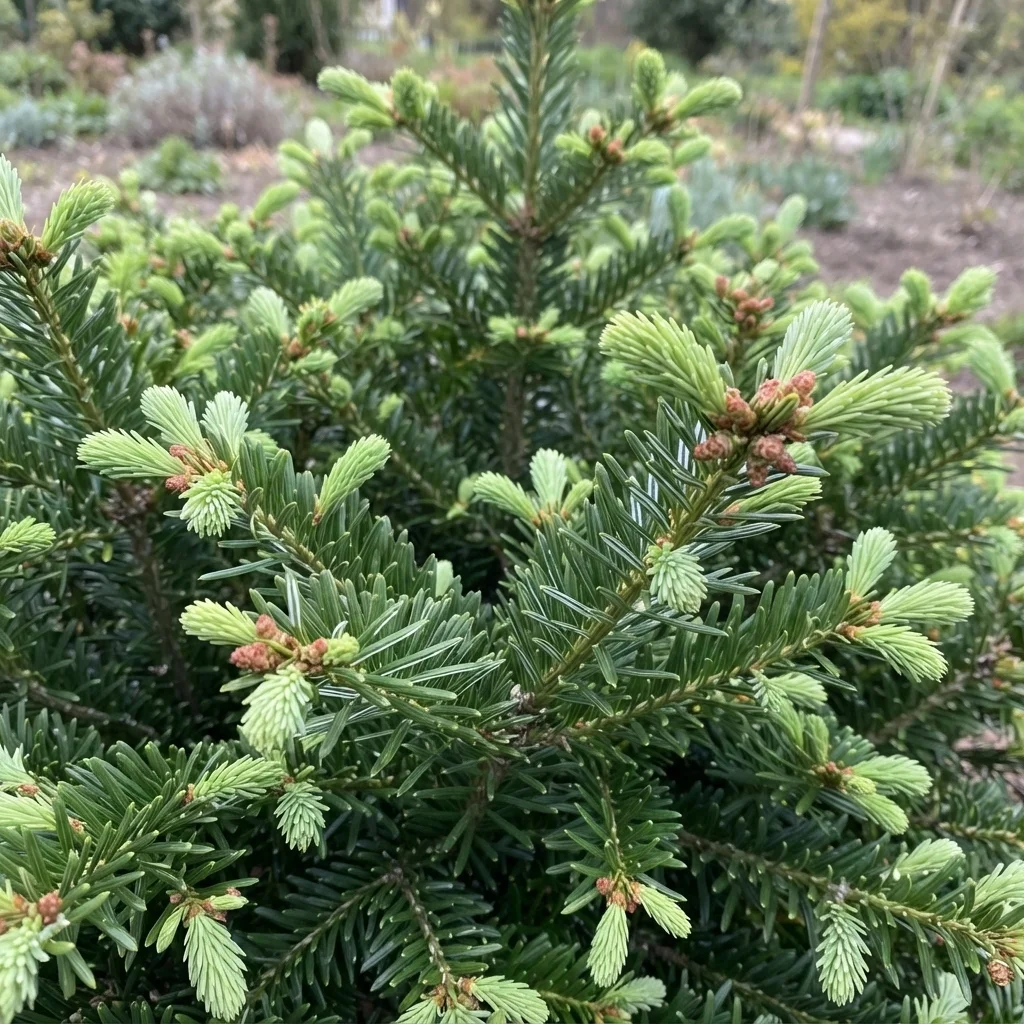
Nordmann Fir
Abies nordmanniana
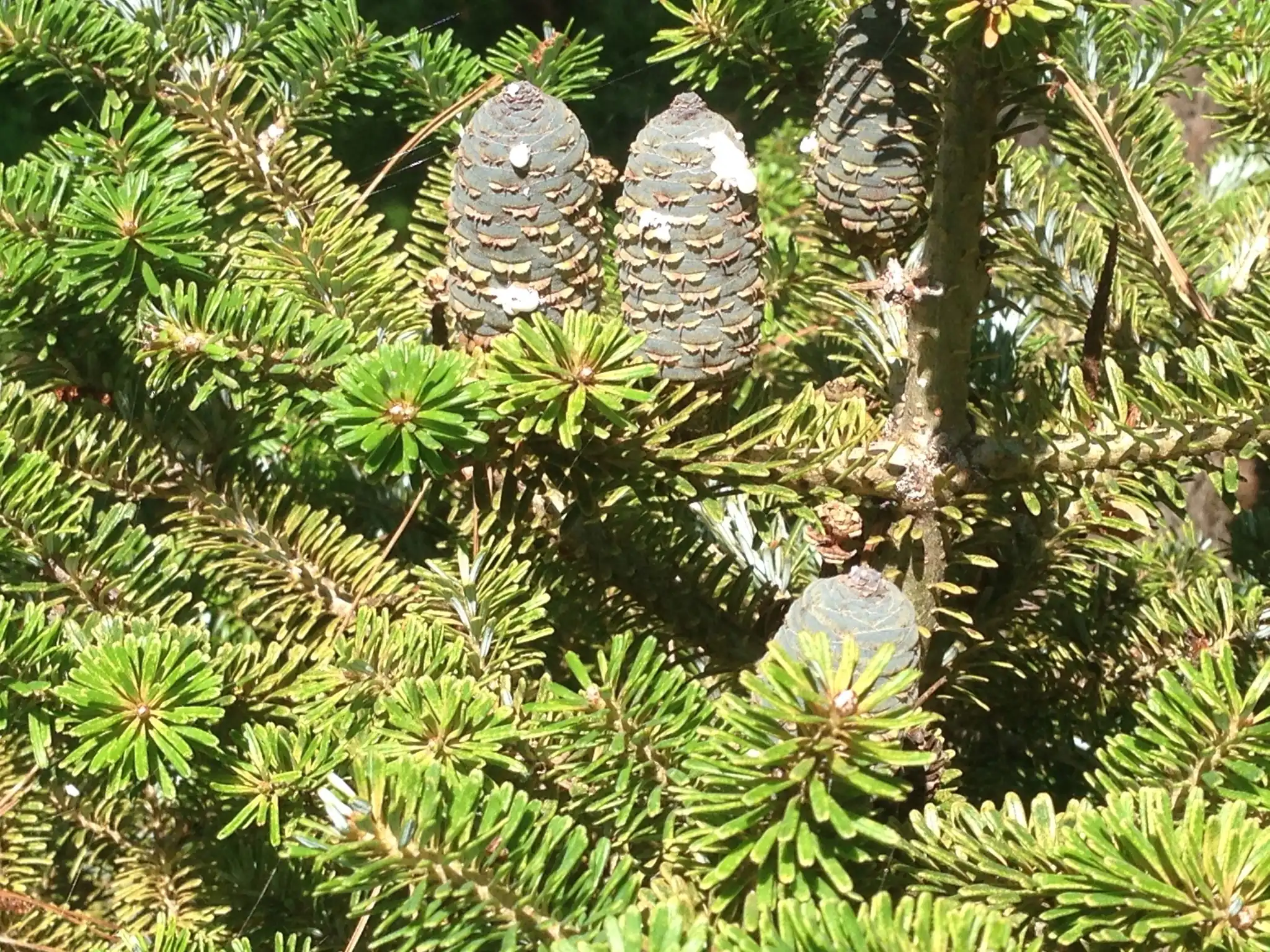
Korean Fir
Abies koreana
Keep exploring
Explore the genus
Hardy in your zone?
Grow European Silver Fir with confidence
See it in a design of your actual yard, get zone-matched care reminders, and track it season by season in your garden journal.