The Story
Plant Bio
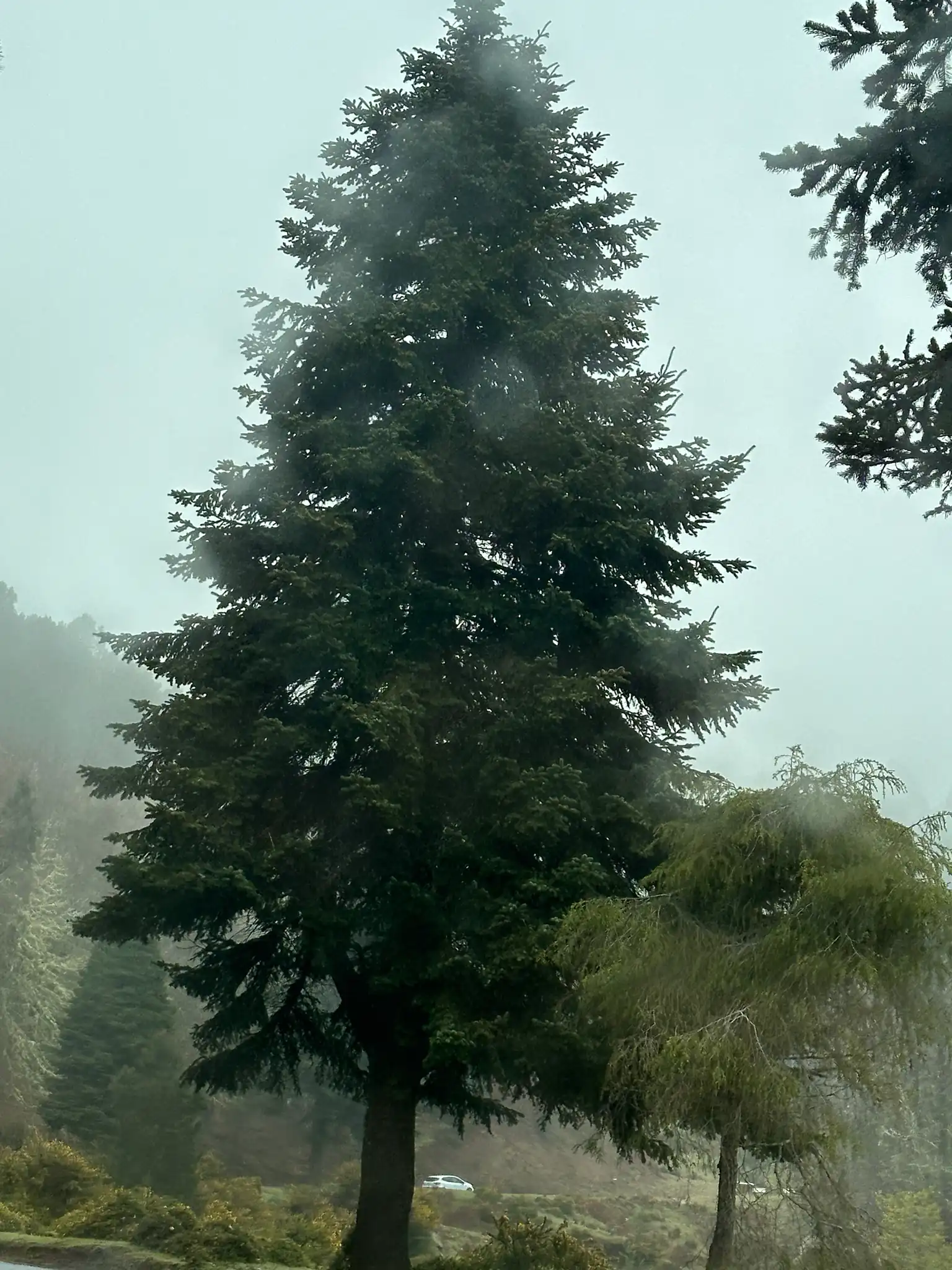
Abies nordmanniana is a large, slow-growing evergreen conifer native to the Caucasus Mountains and northeastern Turkey, forming a dense, symmetrical pyramid with branches that sweep down to the ground. The flattened, glossy dark green needles feature two bright white stomatal bands on their undersides and release a clean, resinous scent when crushed.
This species is highly valued for its exceptionally neat, tiered growth habit and its ability to retain its needles long after being cut. In spring, the tips of the branches flush with soft, bright light green new growth that contrasts sharply with the mature dark foliage.
Uses & Benefits:
Essentials
At a Glance
Plant Type
Tree
Height
720"
Width
300"
Light
Full Sun, Partial Sun
Zones
4, 5, 6, 7
Water
Medium
Humidity
Low to moderate
Lifespan
Long-lived
Native To
Caucasus Mountains and Turkey
Toxicity
Non-toxic (sap may cause mild skin irritation)
Bloom period
Spring
In flower about 3 months of the year
Marketplace
Where to Buy
Shipping costs Year-round shipping Free shipping
Planting
How to Grow
- Select a planting site in full sun to partial shade with deep, moist, fertile, and well-drained acidic to neutral soil.
- Dig a hole twice as wide as the root ball but no deeper, ensuring the root flare sits level with or slightly above the surrounding soil.
- Backfill with native soil, water deeply to settle the ground, and apply a thick layer of organic mulch to retain moisture and keep roots cool.
- Water regularly during the first two growing seasons to establish a deep root system, especially during dry summer spells.
Pro Tip
Never prune back into old, leafless wood, as the bare branches lack dormant buds and will fail to produce new growth.
Keep It Thriving
Care Guide
Do
- Water deeply during prolonged dry spells to prevent heat and moisture stress.
- Apply an organic mulch around the root zone to conserve soil moisture and regulate temperature.
- Protect young trees from deer and rabbit browsing using physical guards or repellents.
Don't
- Do not plant in poorly drained, heavy clay, or waterlogged soils where root rot can develop.
- Do not prune into mature, bare wood, as it will not regenerate foliage.
- Avoid planting in hot, humid southern climates where the tree will rapidly decline.
Seasonal Care Calendar
| Task | Jan | Feb | Mar | Apr | May | Jun | Jul | Aug | Sep | Oct | Nov | Dec |
|---|---|---|---|---|---|---|---|---|---|---|---|---|
| Fertilize | ||||||||||||
| Mulch | ||||||||||||
| Pest Check | ||||||||||||
| Prune |
Watch Out For
Pests & Diseases
Common Pests
Common Diseases
In the Garden
Landscape Uses & Companions
Landscape Uses
Companion Plants
Multiply
Propagation Methods
Good to Know
Common Questions
Nordmann Fir questions
What zones can Nordmann Fir grow in?
Nordmann Fir is hardy in USDA Zones 4–7: in that range it survives winter in the ground. Warmer than Zone 7, winter isn't the problem: it prefers colder winters, and summer heat can shorten its life.
Is Nordmann Fir deer resistant?
Not reliably. Deer may browse Nordmann Fir, especially tender spring growth — plan on repellents or fencing where pressure is high.
When does Nordmann Fir bloom?
Nordmann Fir typically blooms in spring. Exact timing shifts a week or two with your zone — Sow's bloom calendar maps it to your garden.
Does Nordmann Fir need full sun?
Nordmann Fir does best in full sun to part shade. In hot climates, afternoon shade keeps blooms fresher longer.
More Abies to compare
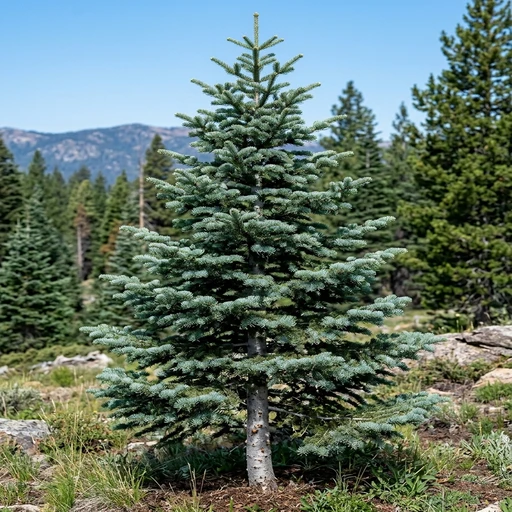
White Fir
Abies concolor
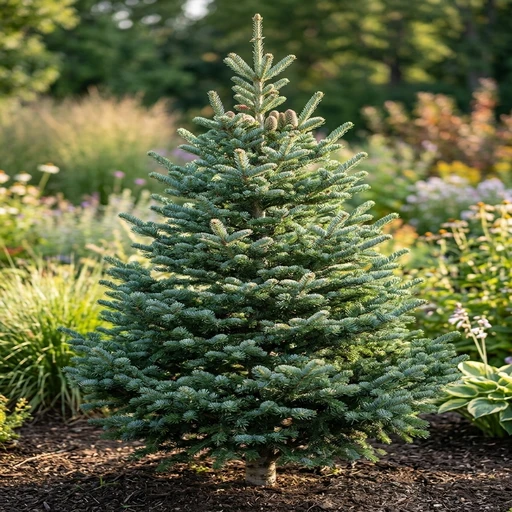
Fraser Fir
Abies fraseri
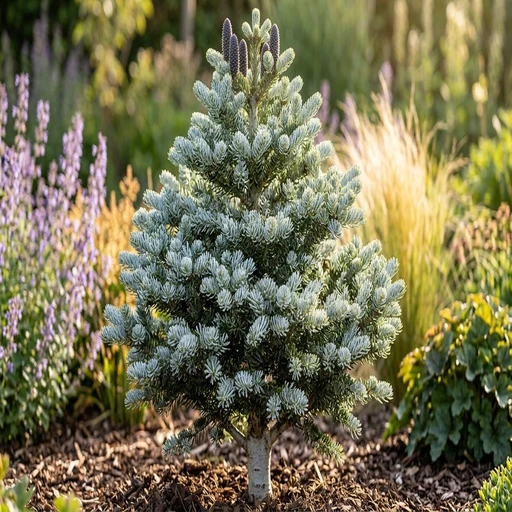
Horstmann's Silberlocke Korean Fir
Abies koreana 'Horstmann Silberlocke'
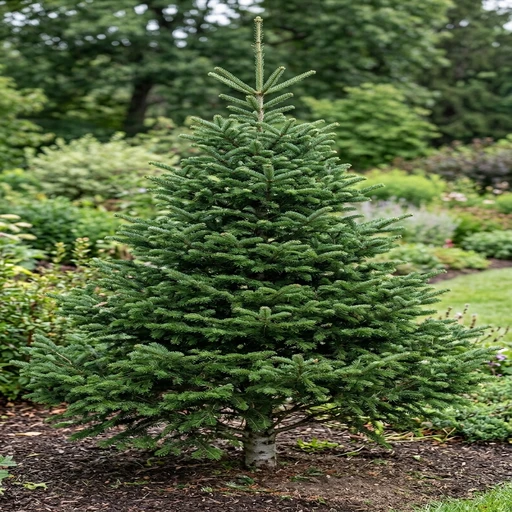
Balsam Fir
Abies balsamea
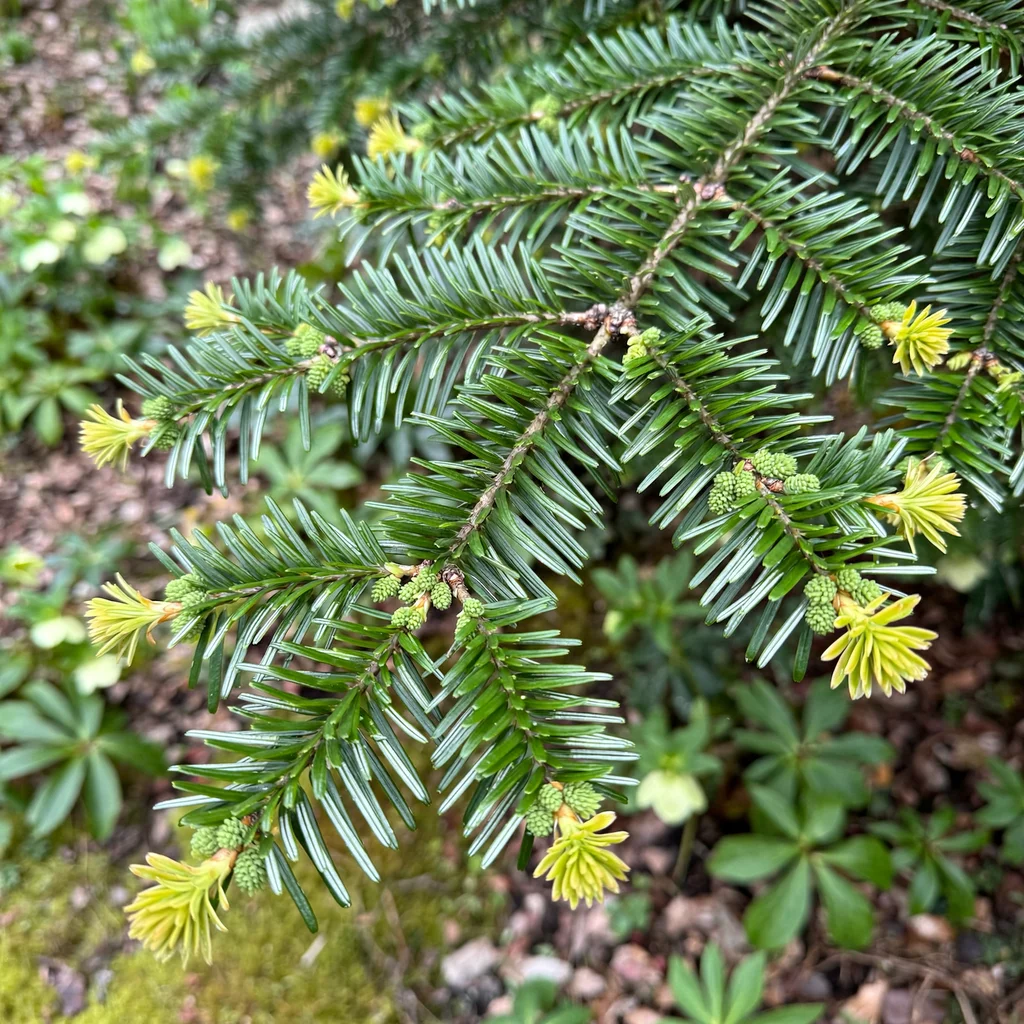
Grand Fir
Abies grandis
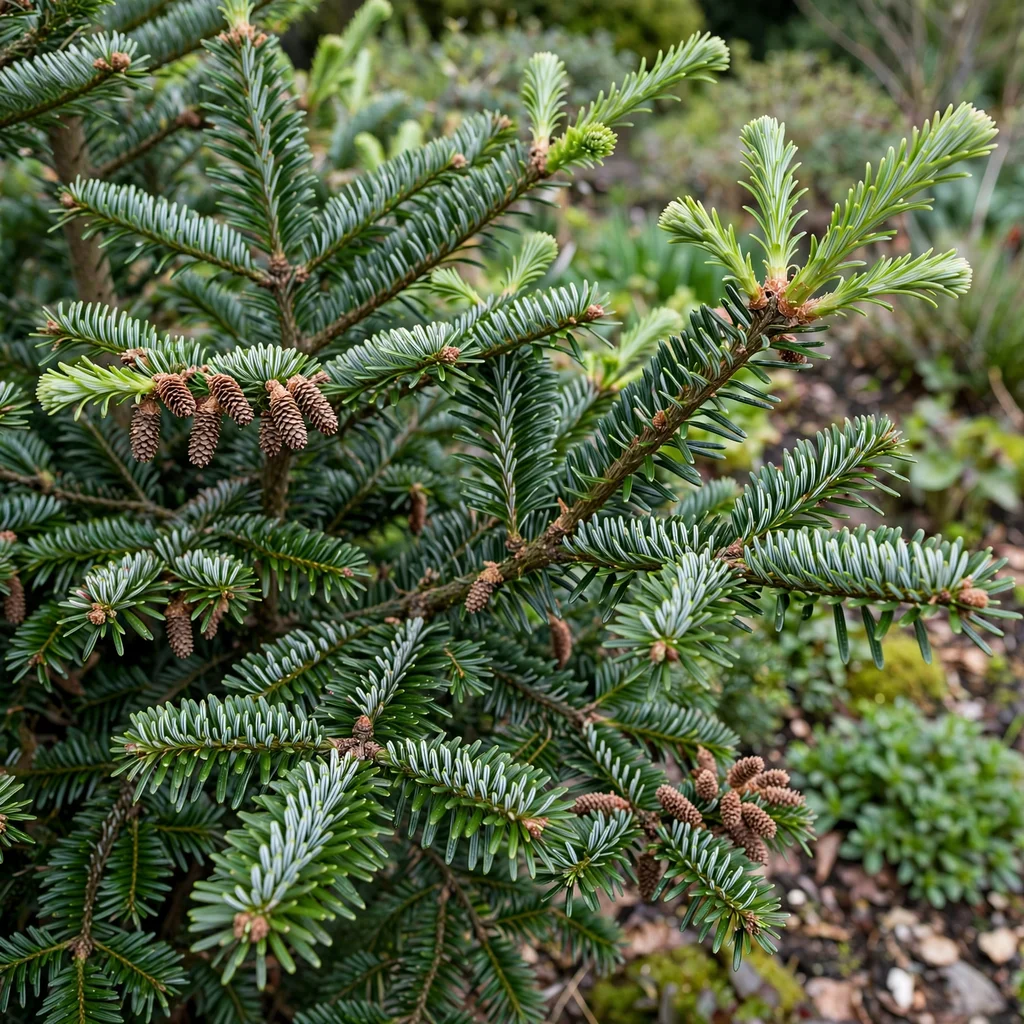
European Silver Fir
Abies alba
Keep exploring
Explore the genus
Hardy in your zone?
Grow Nordmann Fir with confidence
See it in a design of your actual yard, get zone-matched care reminders, and track it season by season in your garden journal.