The Story
Plant Bio
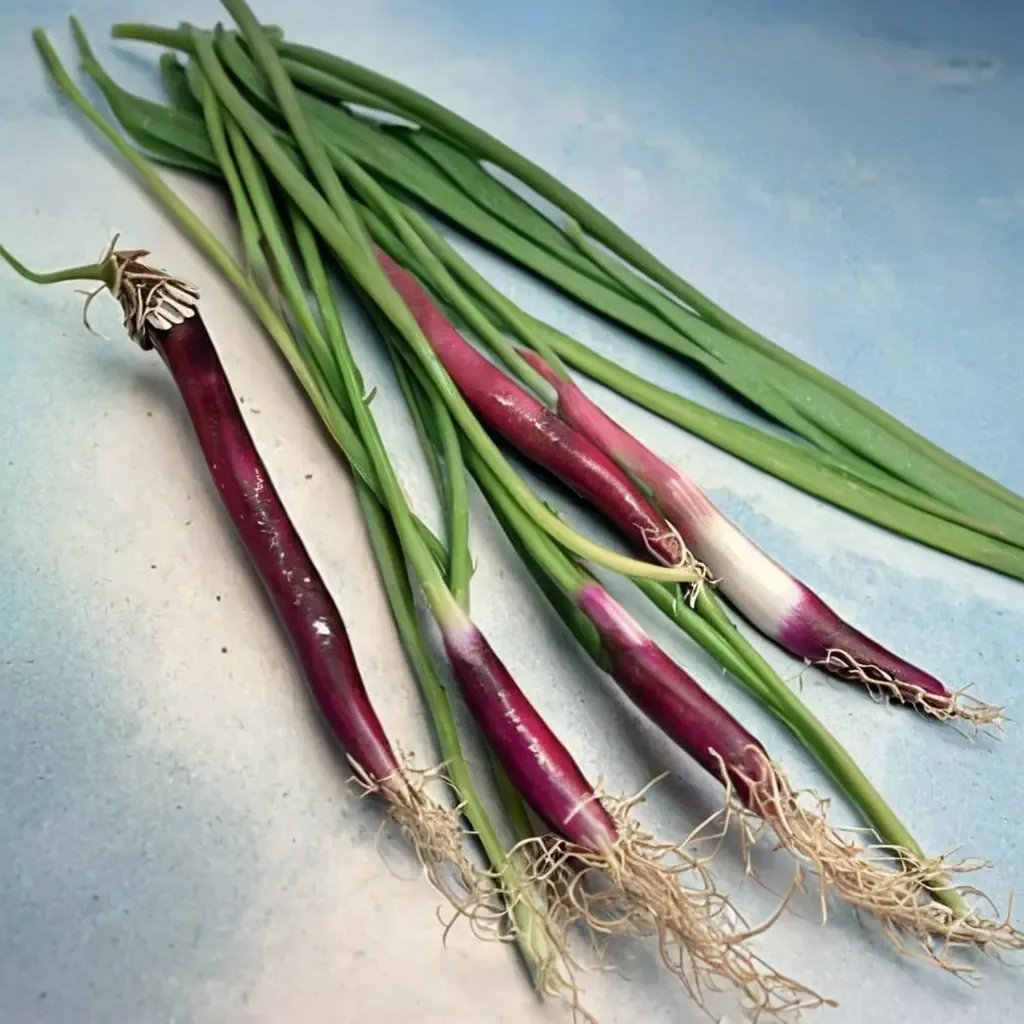
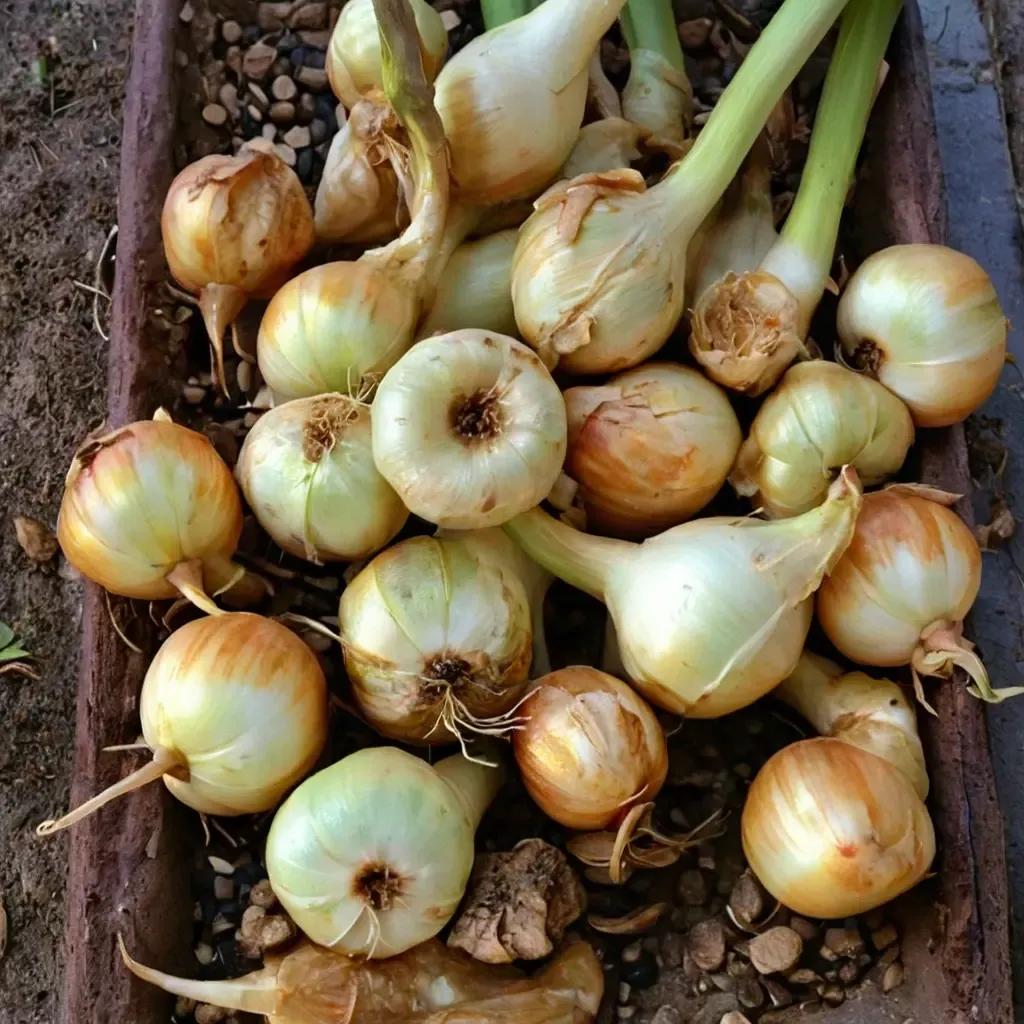
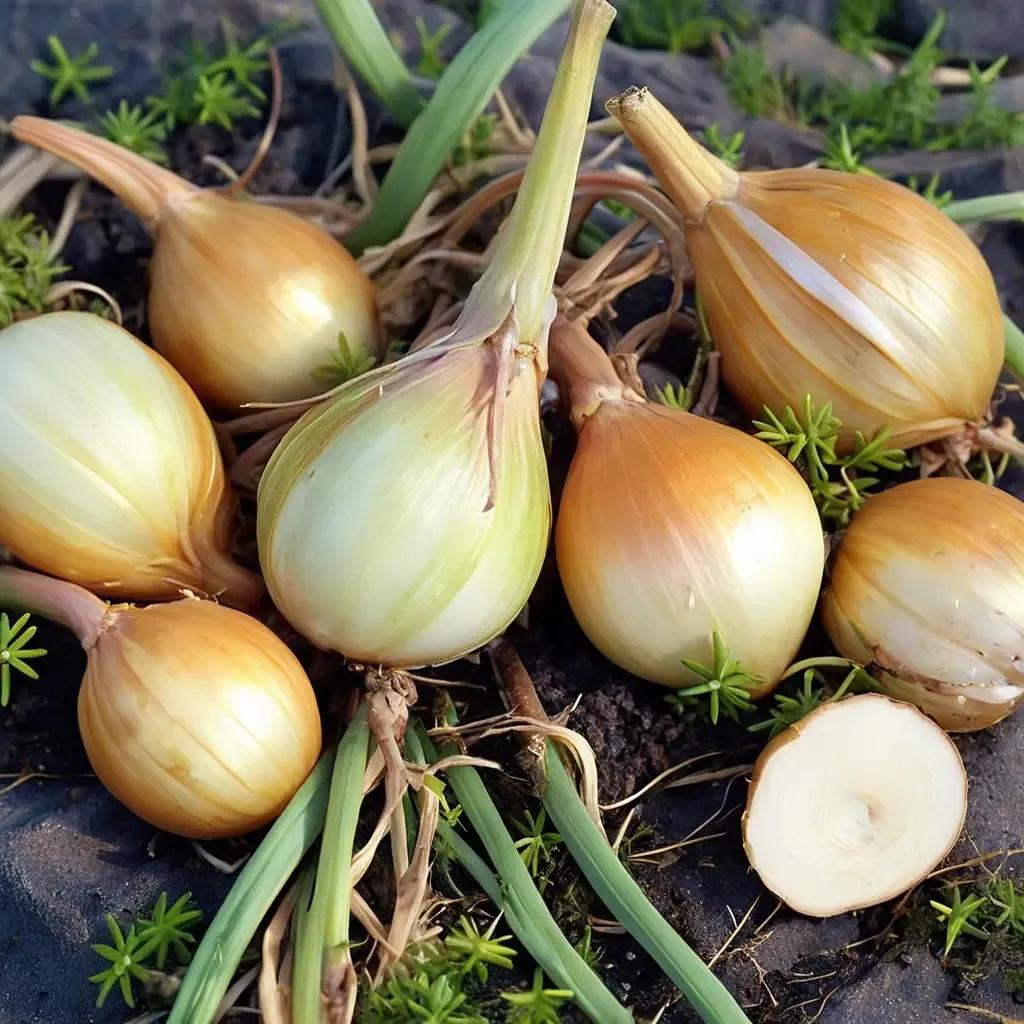
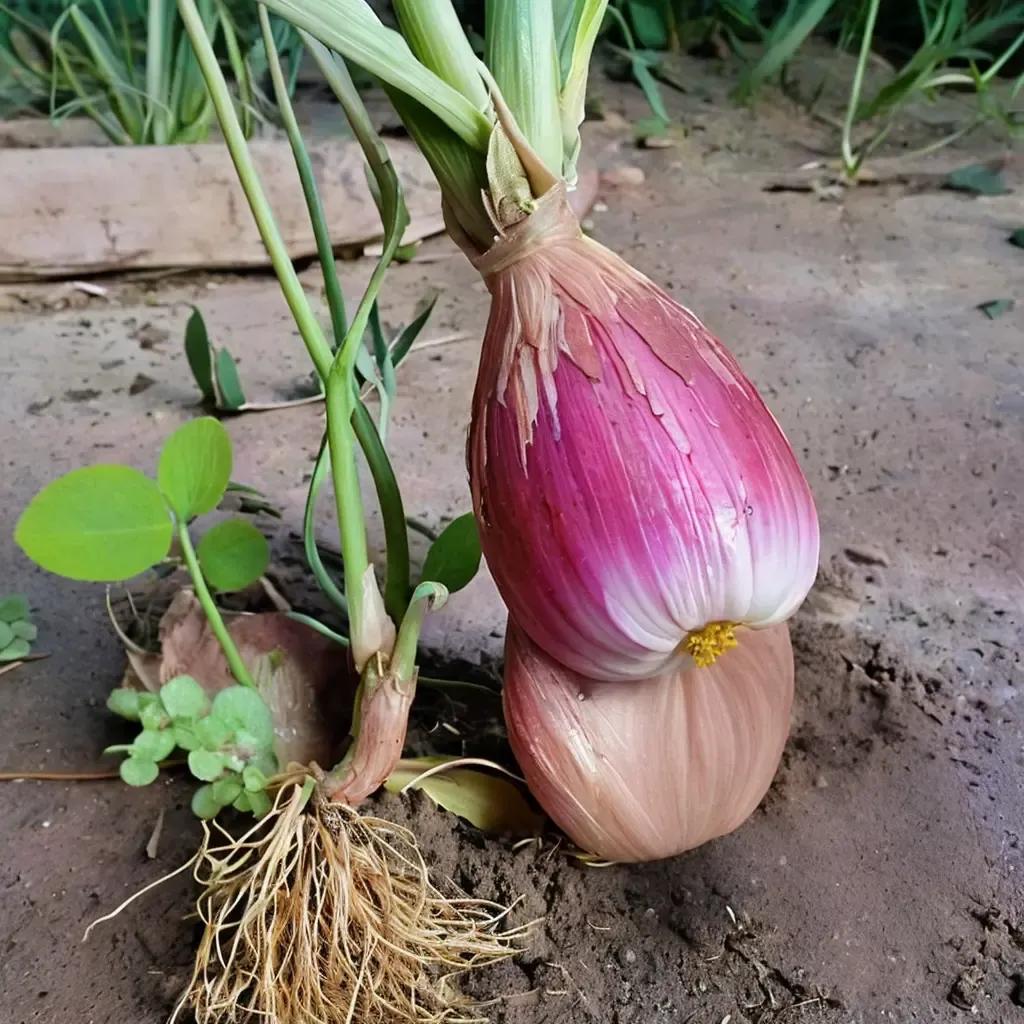
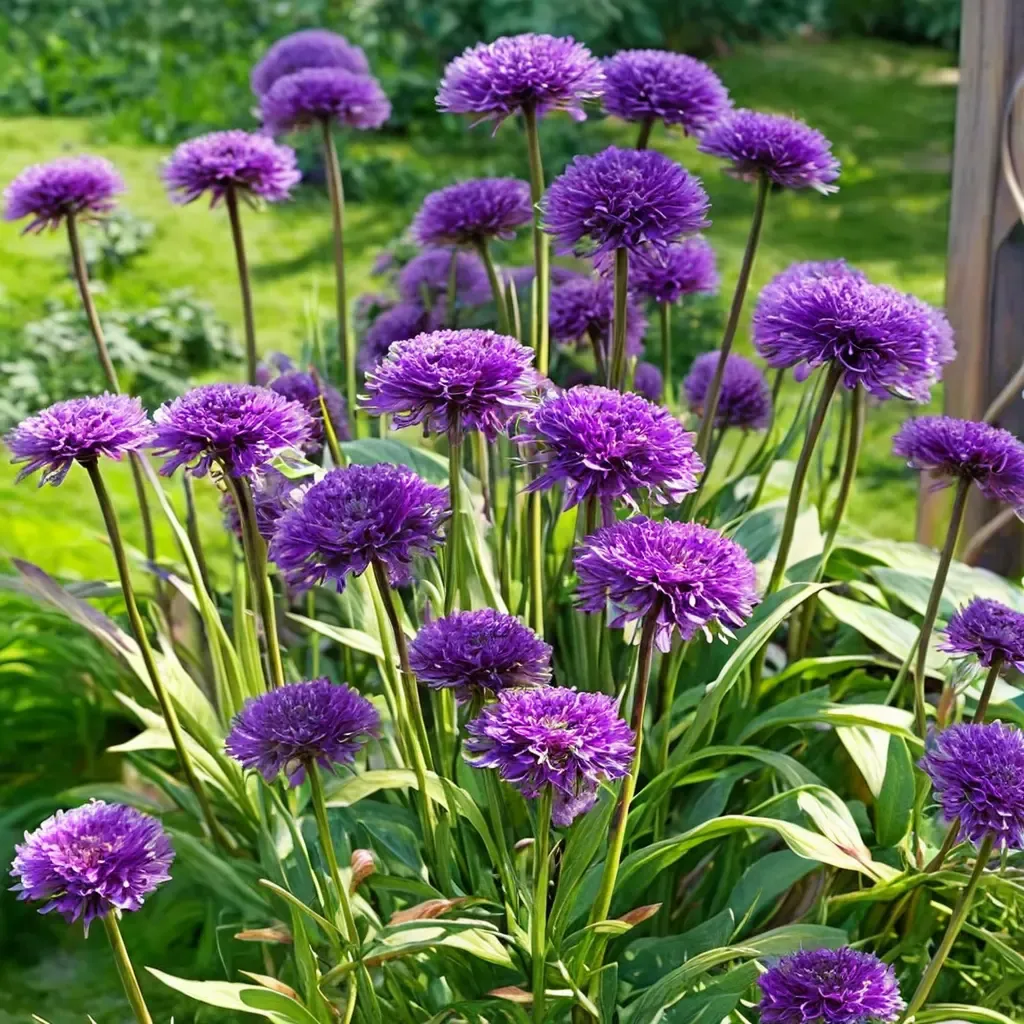
This cultivar produces striking, deep purple bulbs that are flavorful and can be used in various culinary preparations.
Notable for its vibrant color and robust flavor, making it a favorite for home gardens and markets.
Uses & Benefits:
Essentials
At a Glance
Plant Type
Bulb Corm Tuber
Height
24"
Width
6"
Light
Full Sun, Partial Sun
Zones
4, 5, 6, 7, 8, 10
Water
Moderate
Humidity
Average
Lifespan
Biennial grown as an annual
Native To
Central Asia
Toxicity
Toxic to pets if ingested
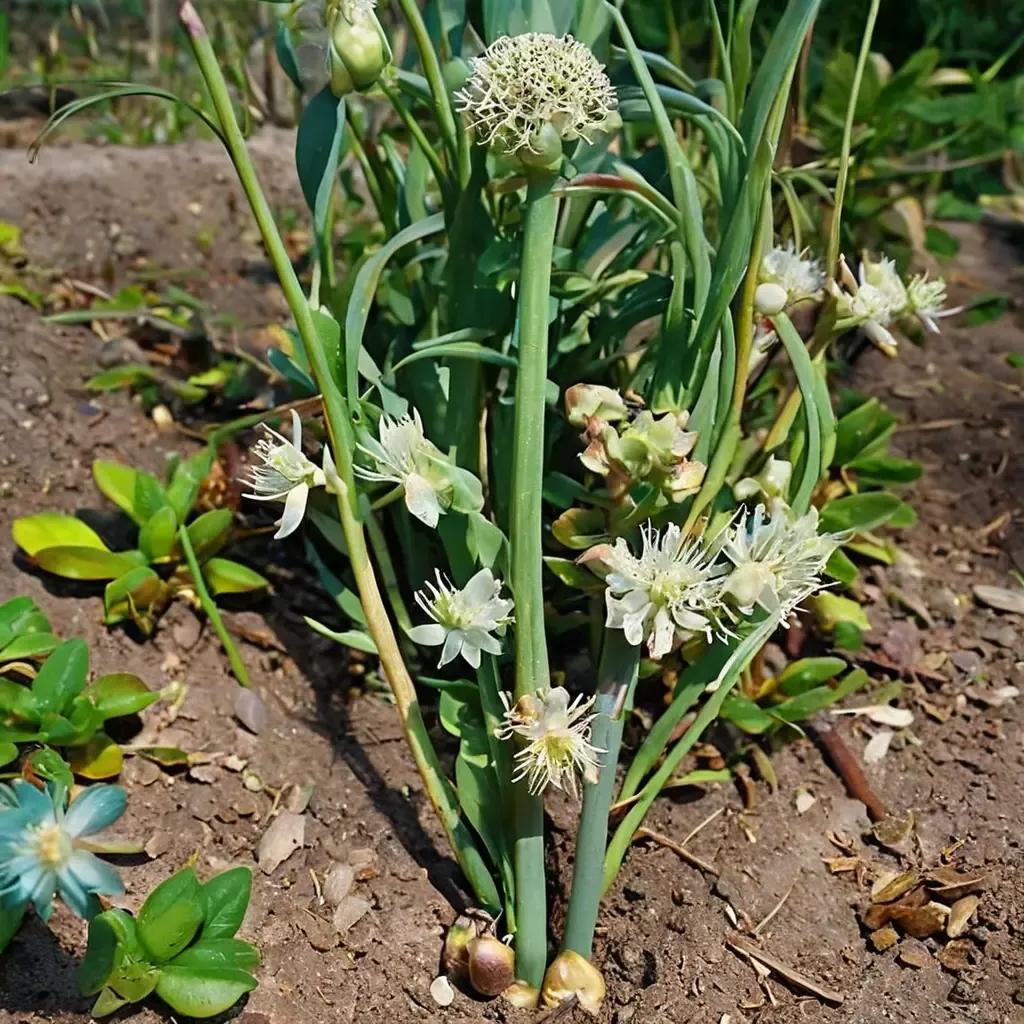
Bloom period
Early summer
In flower about 1 month of the year
Planting
How to Grow
- Tuck bulbs 2 inches deep in well-draining soil in fall.
- Water thoroughly after planting to settle soil.
- Allow foliage to yellow before removing for energy storage.
- Divide clumps every 3-4 years in early spring or fall.
- Mulch to conserve moisture and suppress weeds.
- Fertilize with a balanced fertilizer in early spring.
Pro Tip
Plant in full sun for best flower production and bulb growth.
Keep It Thriving
Care Guide
Do
- Water regularly during active growth 🌱
- Apply balanced fertilizer annually
- Provide full sun exposure
Don't
- Overwater to prevent bulb rot ❌
- Plant too shallow or too deep
- Neglect to mulch in winter
Seasonal Care Calendar
| Task | Jan | Feb | Mar | Apr | May | Jun | Jul | Aug | Sep | Oct | Nov | Dec |
|---|---|---|---|---|---|---|---|---|---|---|---|---|
| Fertilize | ||||||||||||
| Harvest | ||||||||||||
| Pest Check | ||||||||||||
| Plant |
Watch Out For
Pests & Diseases
Common Pests
Common Diseases
In the Garden
Landscape Uses & Companions
Landscape Uses
Companion Plants
Multiply
Propagation Methods
Good to Know
Common Questions
Red Onion questions
What zones can Red Onion grow in?
Red Onion is hardy in USDA Zones 4, 5, 6, 7, 8, 10. Inside that range it survives winter in the ground; outside it, grow it as an annual or a container plant you protect.
Is Red Onion deer resistant?
Yes — Red Onion is rated deer-resistant. Deer typically pass it over, though extreme hunger can override any plant's defenses.
When does Red Onion bloom?
Red Onion typically blooms in early summer through early summer. Exact timing shifts a week or two with your zone — Sow's bloom calendar maps it to your garden.
Does Red Onion need full sun?
Red Onion does best in full sun to part shade. In hot climates, afternoon shade keeps blooms fresher longer.
Is Red Onion drought tolerant?
Yes — once established (usually after the first full season), Red Onion handles dry spells with minimal watering. Water deeply its first year to build the root system that makes that possible.
More Allium to compare
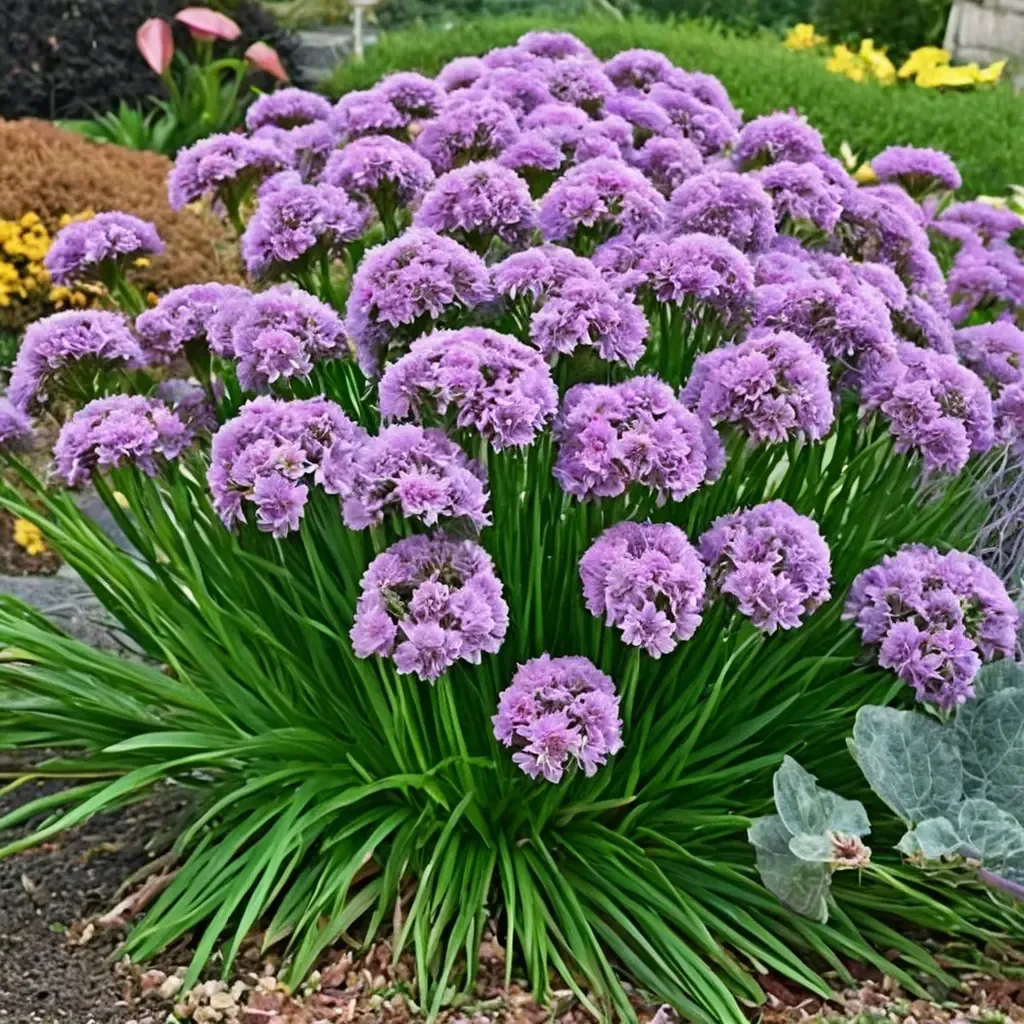
Millennium Gold Onion Moly Onion
Allium x moly 'Millenium'
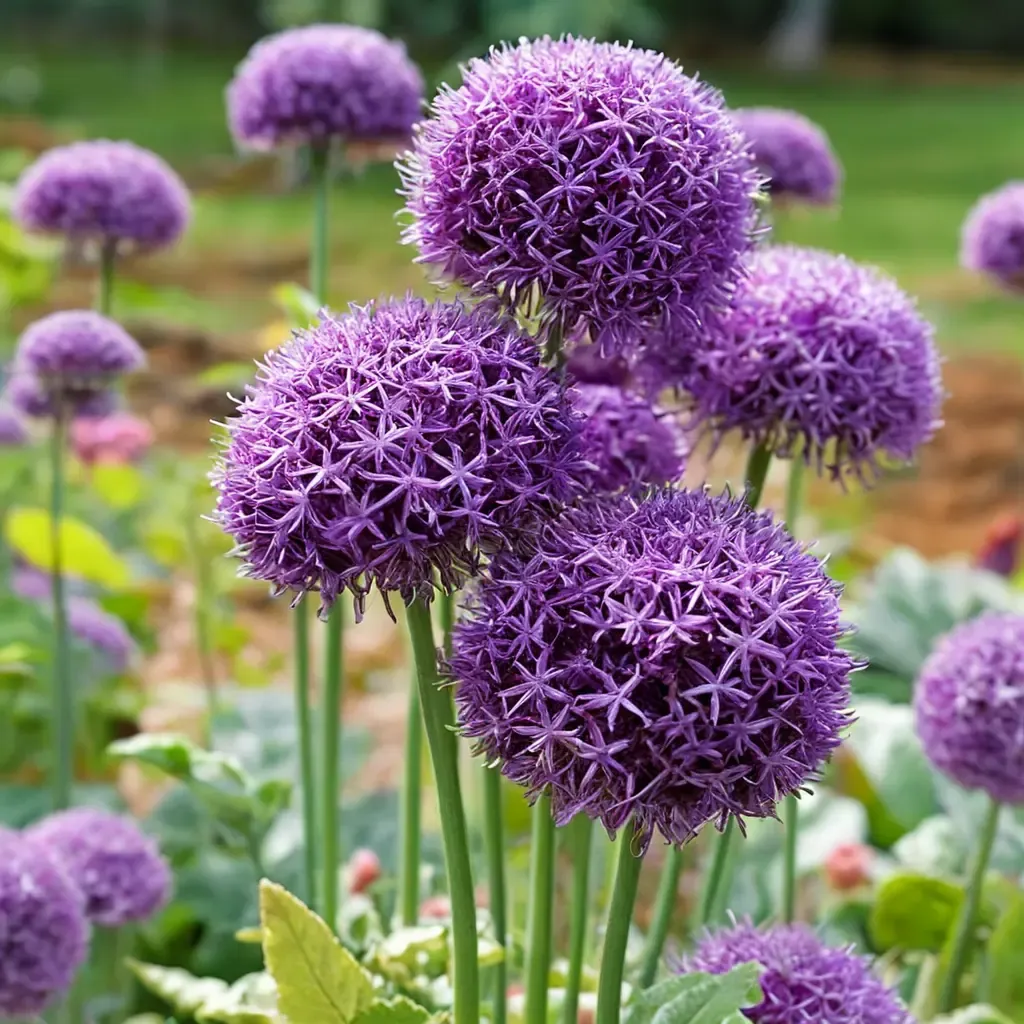
Ornamental Onion 'Ambassador'
Allium cybum 'Ambassador'
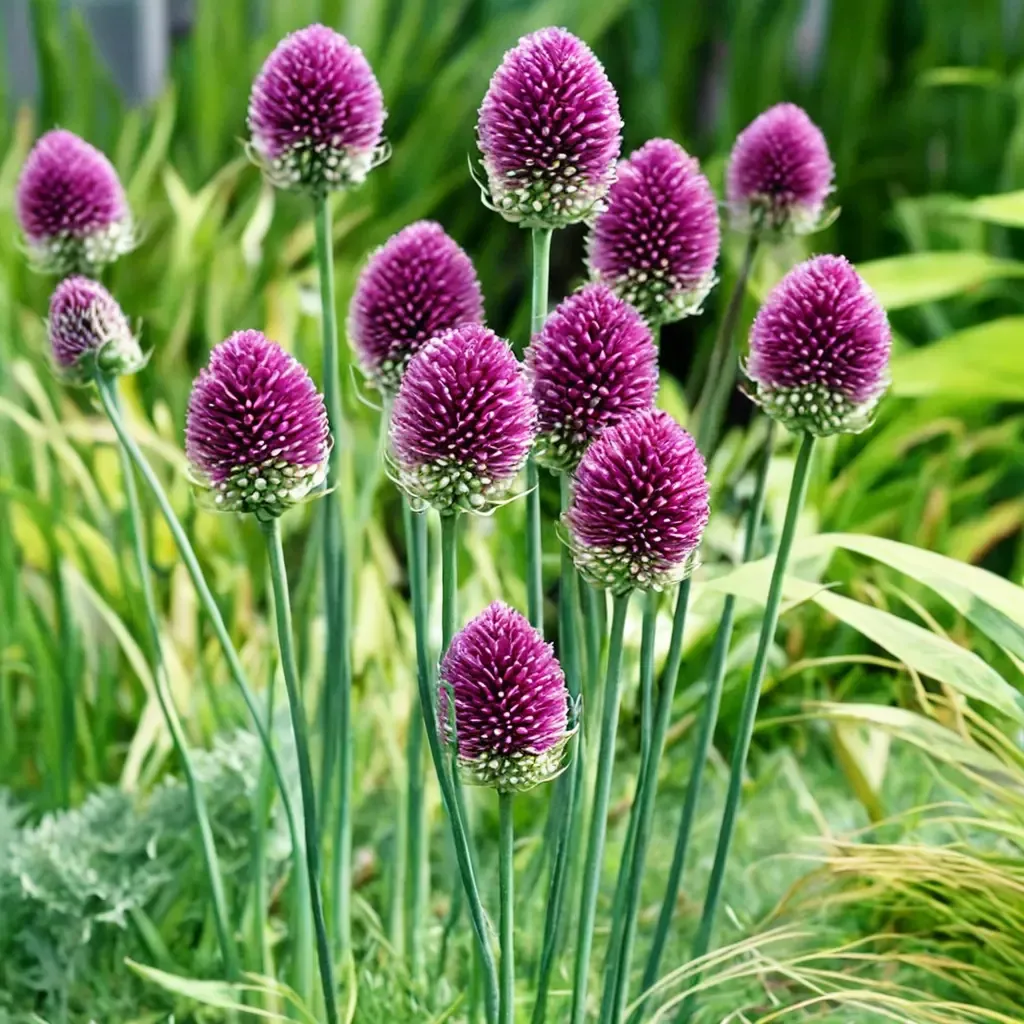
Drumstick Allium
Allium sphaerocephalon
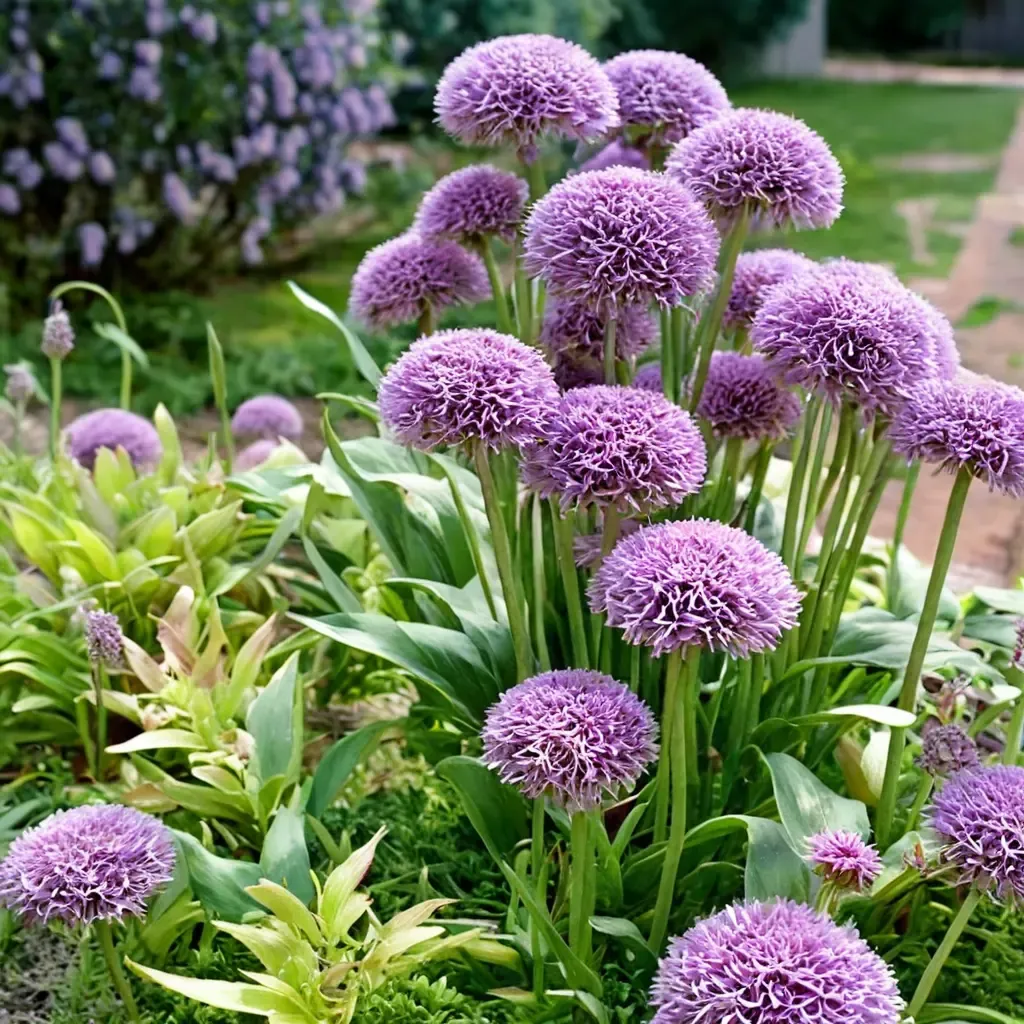
Globemaster Allium
Allium giganteum 'Globemaster'
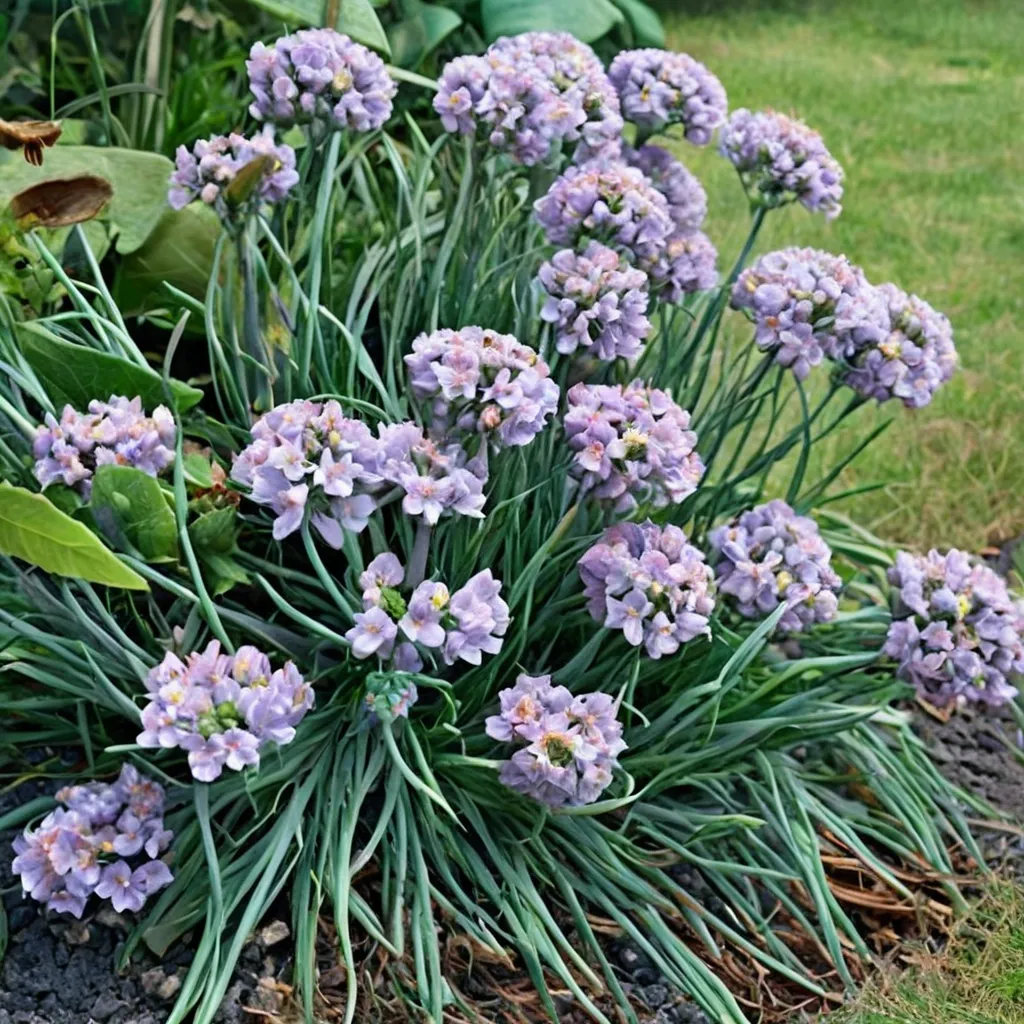
Blue Eddy Allium
Allium senescens 'Blue Eddy'
Purple Sensation Allium
Allium hollandicum 'Purple Sensation'
Keep exploring
Explore the genus
Grow Red Onion with confidence
See it in a design of your actual yard, get zone-matched care reminders, and track it season by season in your garden journal.