The Story
Plant Bio
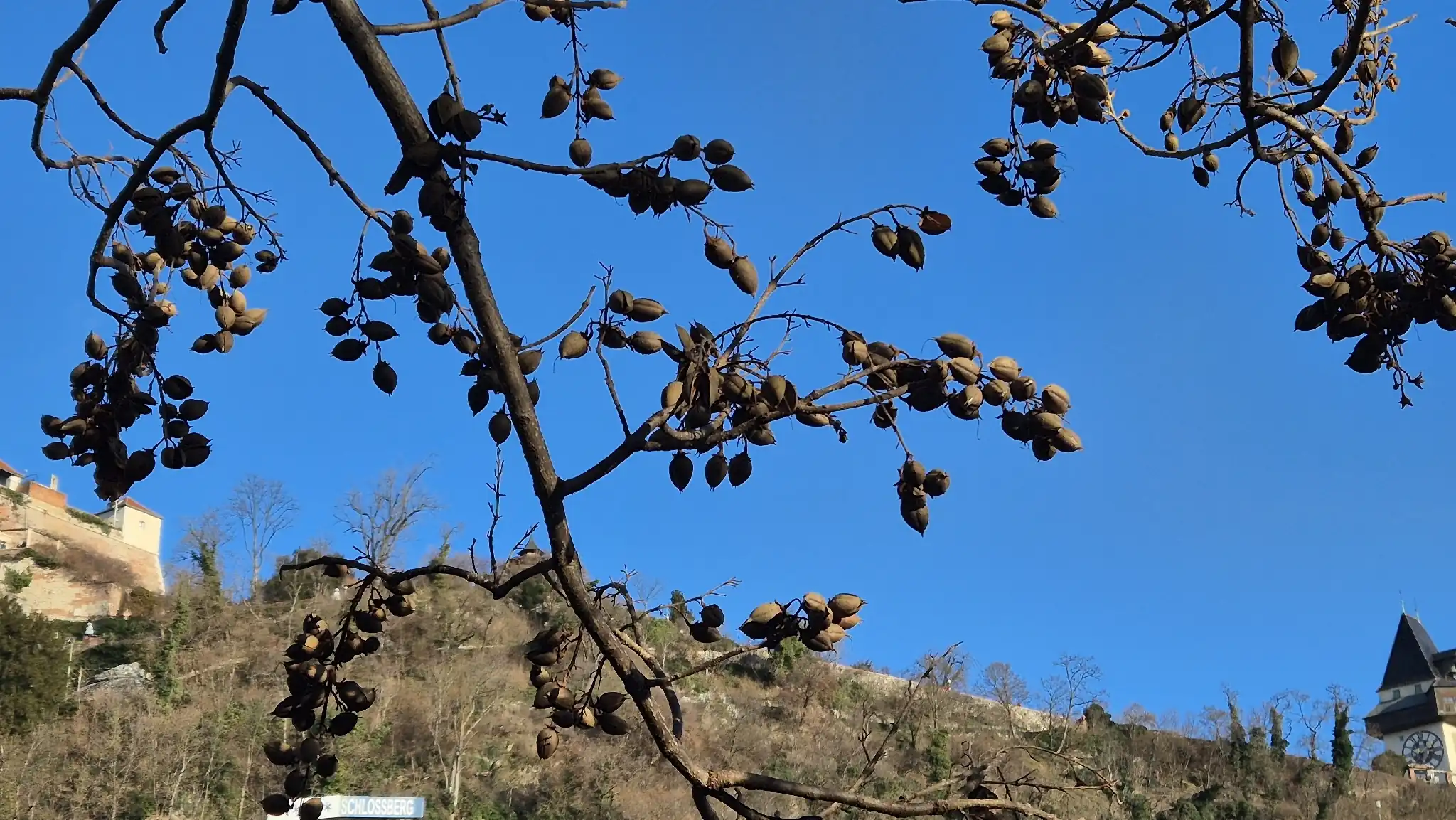
Paulownia tomentosa, the princess tree, is a large rounded deciduous tree reaching 40 to 60 feet tall, with very large oval to heart-shaped leaves 5 to 12 inches long with velvety hairs above and below. In spring it carries large upright clusters of fragrant lavender-purple flowers on second-year wood, followed by woody brown capsules that release small winged seeds in fall.
This species adds up to 15 feet of growth in a year to reach 50 feet by 30 feet in ten years, with weak wood and roots that sucker many feet from the trunk. Cut trees resprout from the roots and seedlings establish freely on roadsides, streambanks and forest edges, where it is invasive across the eastern United States from Texas to New England.
Uses & Benefits:
Essentials
At a Glance
Plant Type
Tree
Height
600"
Width
360"
Light
Full Sun, Partial Sun
Zones
5, 6, 7, 8
Water
Medium
Humidity
Unknown
Lifespan
Long-lived tree
Native To
Central and eastern China and Korean Peninsula
Toxicity
Unknown
Bloom period
Spring
In flower about 3 months of the year
Planting
How to Grow
- Keep existing trees in full sun with room for a 30-foot canopy and suckering roots well away from structures.
- Grow in deep moist sandy loam that drains freely; it tolerates a range of soils but not waterlogging.
- Leave flowered wood in place, since flowers form on second-year wood.
- Remove fallen capsules and root suckers promptly to limit self-seeding and spread.
Pro Tip
Do not plant it for fast shade; early spring frost kills the flower buds, and established trees seed prolifically and sucker far beyond the canopy into weak, messy growth.
Keep It Thriving
Care Guide
Do
- Remove seedlings and root suckers as soon as they appear.
- Prune only to remove broken weak wood after spring bloom.
- Check state invasive lists before sharing seed or seedlings.
Don't
- Do not plant new trees for shade or ornament.
- Do not cut without a plan for regrowth; stumps resprout vigorously from roots.
- Do not expect reliable bloom where early spring frost is common.
Seasonal Care Calendar
| Task | Jan | Feb | Mar | Apr | May | Jun | Jul | Aug | Sep | Oct | Nov | Dec |
|---|---|---|---|---|---|---|---|---|---|---|---|---|
| Mulch | ||||||||||||
| Pest Check | ||||||||||||
| Prune | ||||||||||||
| Winter Prep |
Watch Out For
Pests & Diseases
Common Pests
Common Diseases
In the Garden
Landscape Uses & Companions
Companion Plants
Multiply
Propagation Methods
Good to Know
Common Questions
Princess Tree questions
What zones can Princess Tree grow in?
Princess Tree is hardy in USDA Zones 5–8: in that range it survives winter in the ground. Colder than Zone 5, winters are too cold for it to survive outdoors. Warmer than Zone 8, winter isn't the problem: it prefers colder winters, and summer heat can shorten its life.
When does Princess Tree bloom?
Princess Tree typically blooms in spring. Exact timing shifts a week or two with your zone — Sow's bloom calendar maps it to your garden.
Does Princess Tree need full sun?
Princess Tree does best in full sun to part shade. In hot climates, afternoon shade keeps blooms fresher longer.
Keep exploring
Explore the genus
Hardy in your zone?
Grow Princess Tree with confidence
See it in a design of your actual yard, get zone-matched care reminders, and track it season by season in your garden journal.