The Story
Plant Bio
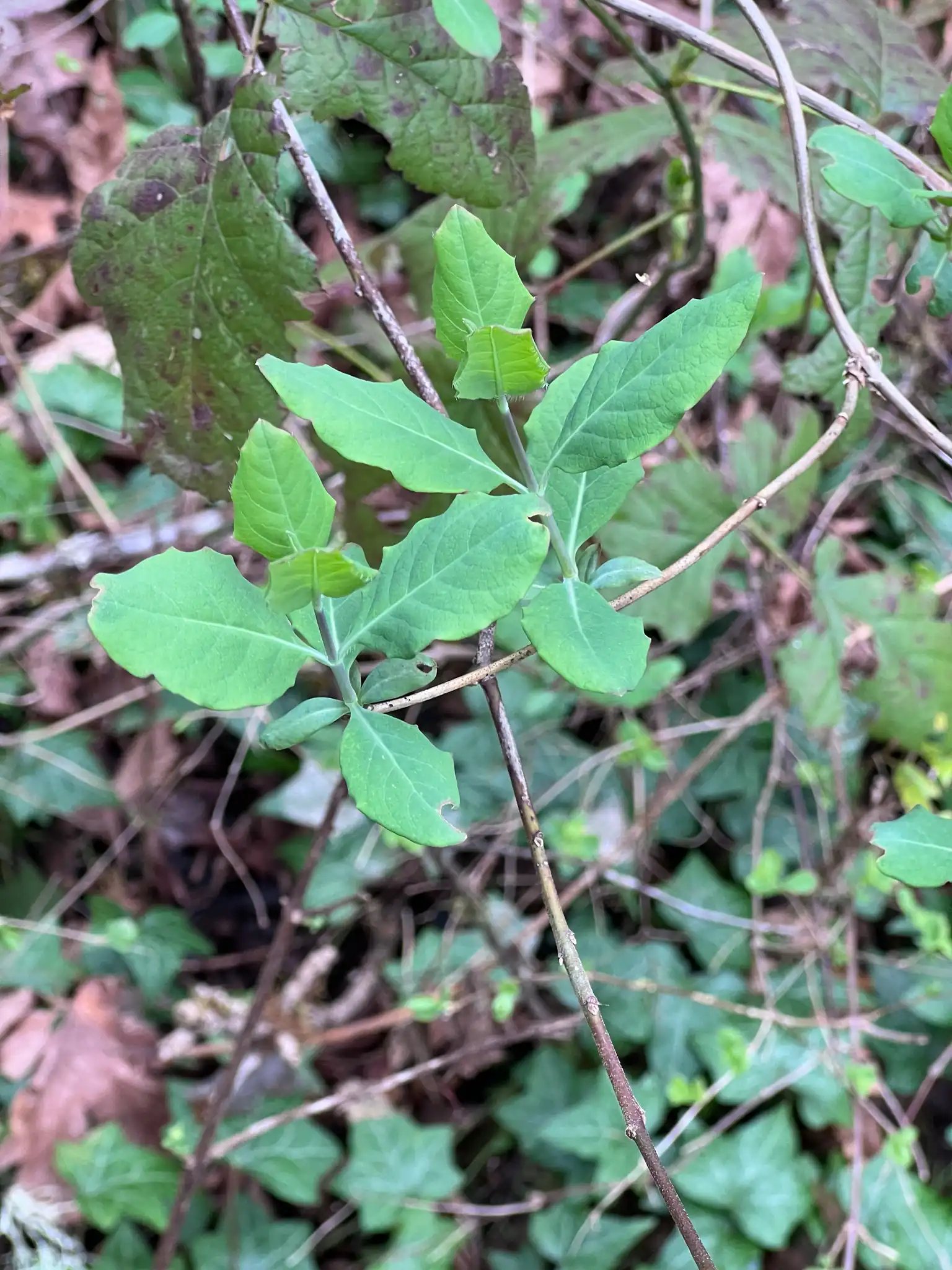
Lonicera ciliosa is a deciduous climbing vine native to western North America, reaching ten to twenty feet on twining stems. Its leaves feature fine ciliate leaf margins, with the final pair below each flower cluster fused into a solid disk surrounding the stem.
Narrow trumpet-shaped flowers in bright orange flare into five lobes, blooming from late spring into summer. Translucent orange-red berries follow flowering, serving as a food source for birds into early fall.
Uses & Benefits:
Essentials
At a Glance
Plant Type
Vine
Height
240"
Width
120"
Light
Full Sun, Partial Sun
Zones
4, 5, 6, 7, 8, 9
Water
Moderate
Humidity
Moderate
Lifespan
Perennial
Native To
Western North America
Toxicity
Non-toxic (berries may cause mild digestive upset if consumed in large amounts)
Bloom period
Late spring – Summer
In flower about 4 months of the year
Planting
How to Grow
- Select a planting site in full sun to light woodland shade with moist, well-draining soil.
- Install a sturdy trellis, fence, or arbor prior to planting to support the twining stems.
- Dig a planting hole twice as wide as the root ball and set the crown level with the surrounding soil.
- Water thoroughly after planting and maintain consistent moisture while the root system establishes.
- Apply a two-inch layer of organic compost around the base to keep roots cool and retain moisture.
Pro Tip
Blooms form on wood produced the previous season, so prune lightly only immediately after flowering; cutting stems back hard in winter or early spring destroys the current season's flower buds.
Keep It Thriving
Care Guide
Do
- Provide a sturdy trellis or support frame at planting time.
- Prune lightly right after flowering finishes to maintain shape.
- Mulch annually to keep soil moist and cool around the root zone.
Don't
- Do not cut back to the ground in late winter or early spring.
- Do not plant in heavy, waterlogged soil without adequate drainage.
- Do not over-fertilize, as excess nitrogen promotes foliage at the expense of flowers.
Seasonal Care Calendar
| Task | Jan | Feb | Mar | Apr | May | Jun | Jul | Aug | Sep | Oct | Nov | Dec |
|---|---|---|---|---|---|---|---|---|---|---|---|---|
| Mulch | ||||||||||||
| Pest Check | ||||||||||||
| Plant | ||||||||||||
| Prune |
Watch Out For
Pests & Diseases
Common Pests
Common Diseases
In the Garden
Landscape Uses & Companions
Landscape Uses
Multiply
Propagation Methods
Good to Know
Common Questions
Orange honeysuckle questions
What zones can Orange honeysuckle grow in?
Orange honeysuckle is hardy in USDA Zones 4–9: in that range it survives winter in the ground. Warmer than Zone 9, winter isn't the problem: it prefers colder winters, and summer heat can shorten its life.
Is Orange honeysuckle deer resistant?
Not reliably. Deer may browse Orange honeysuckle, especially tender spring growth — plan on repellents or fencing where pressure is high.
When does Orange honeysuckle bloom?
Orange honeysuckle typically blooms from late spring to late summer. Exact timing shifts a week or two with your zone — Sow's bloom calendar maps it to your garden.
Does Orange honeysuckle need full sun?
Orange honeysuckle does best in full sun to part shade. In hot climates, afternoon shade keeps blooms fresher longer.
Is Orange honeysuckle drought tolerant?
Yes — once established (usually after the first full season), Orange honeysuckle handles dry spells with minimal watering. Water deeply its first year to build the root system that makes that possible.
More Lonicera to compare
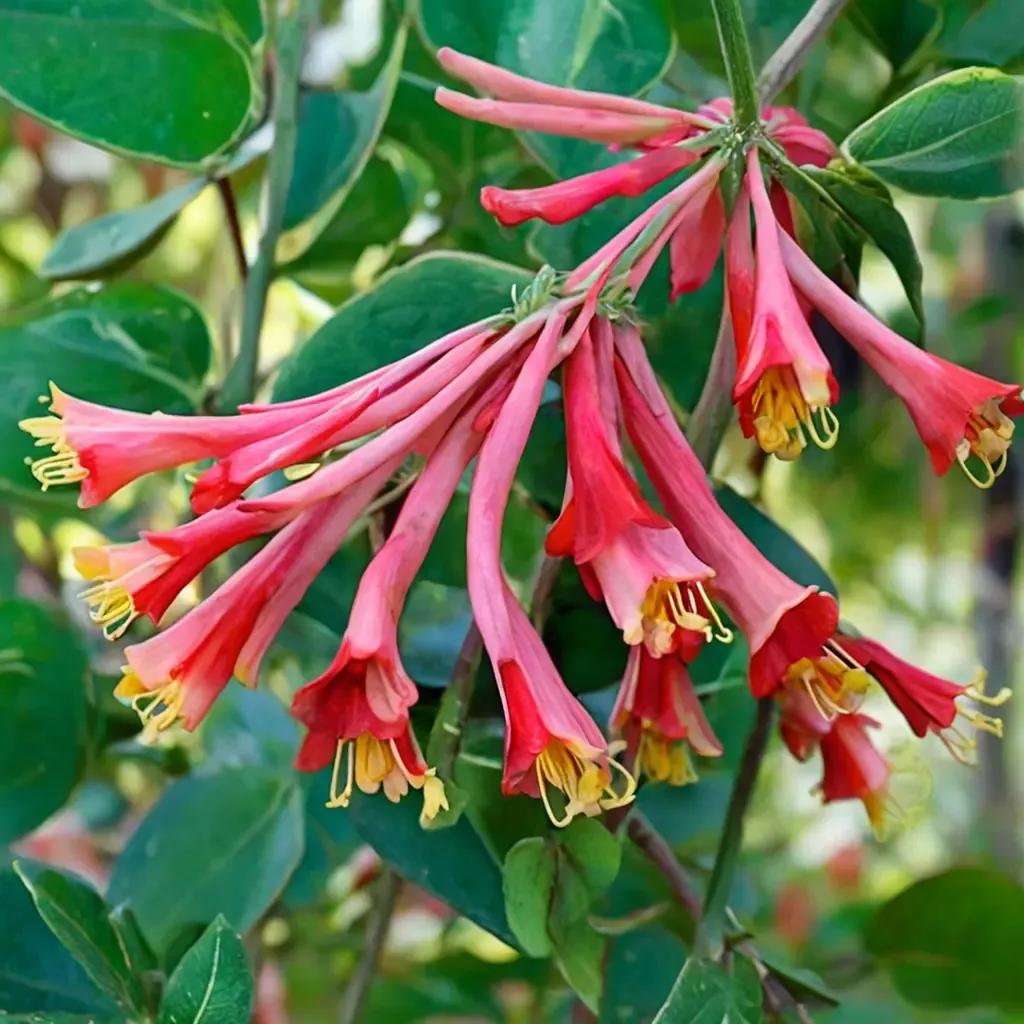
Coral Honeysuckle
Lonicera sempervirens 'Coral Honeysuckle'
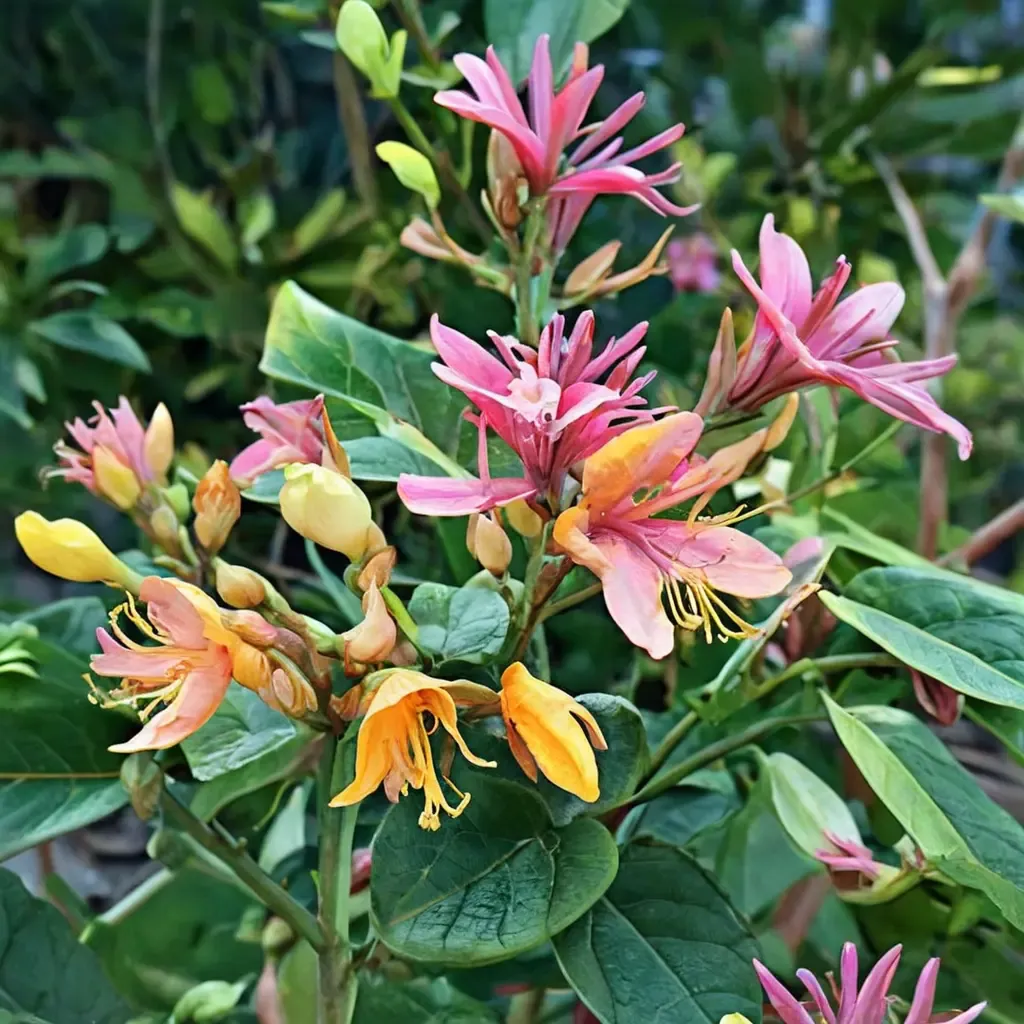
Goldflame Honeysuckle
Lonicera x heckrottii 'Goldflame'
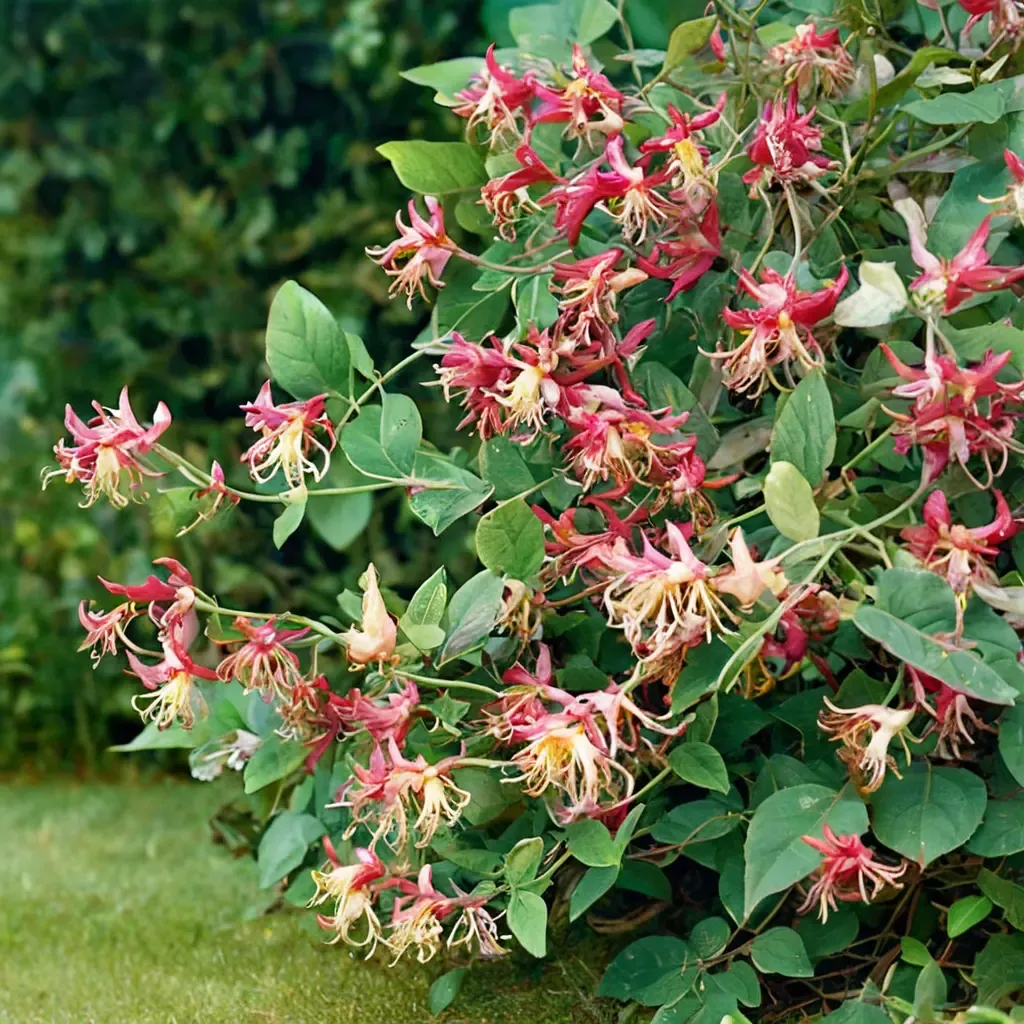
Late Dutch Honeysuckle
Lonicera serotina
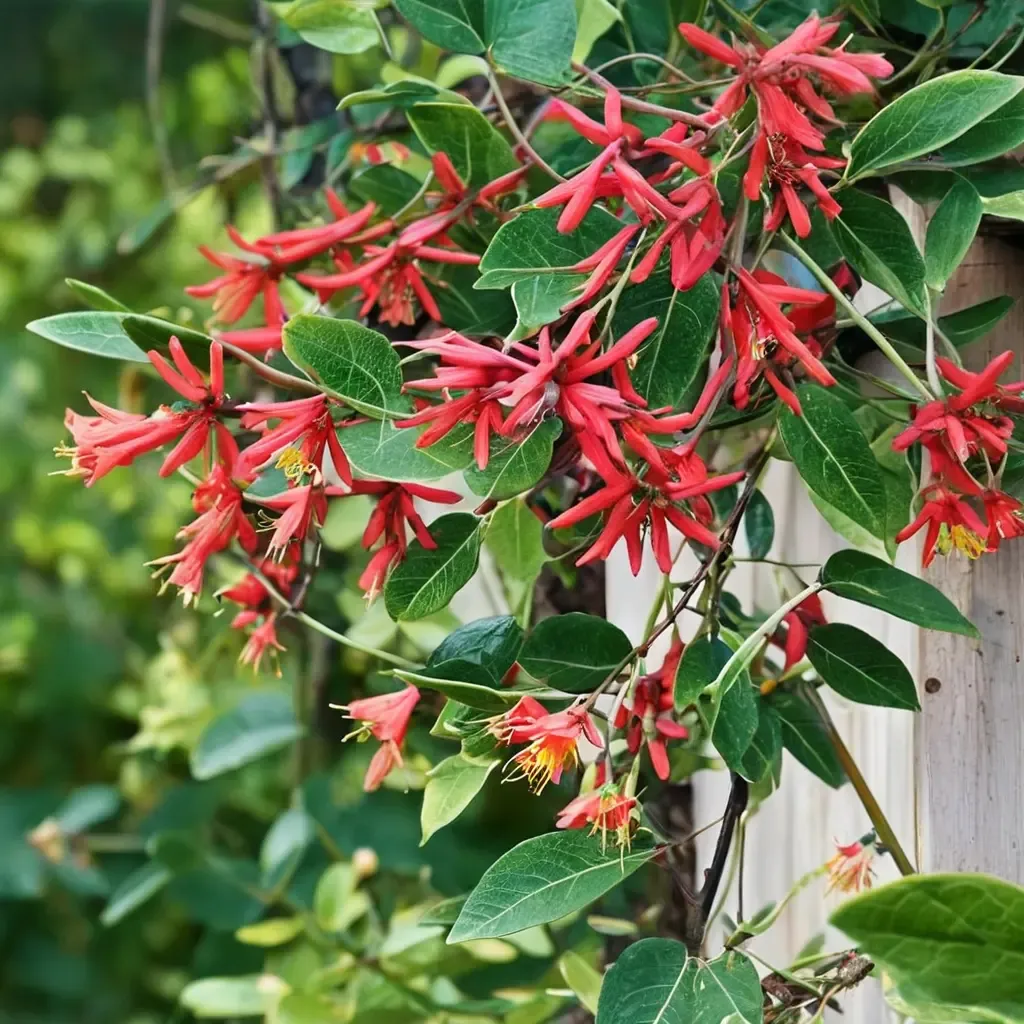
Major Wheeler honeysuckle
Lonicera sempervirens 'Major Wheeler'
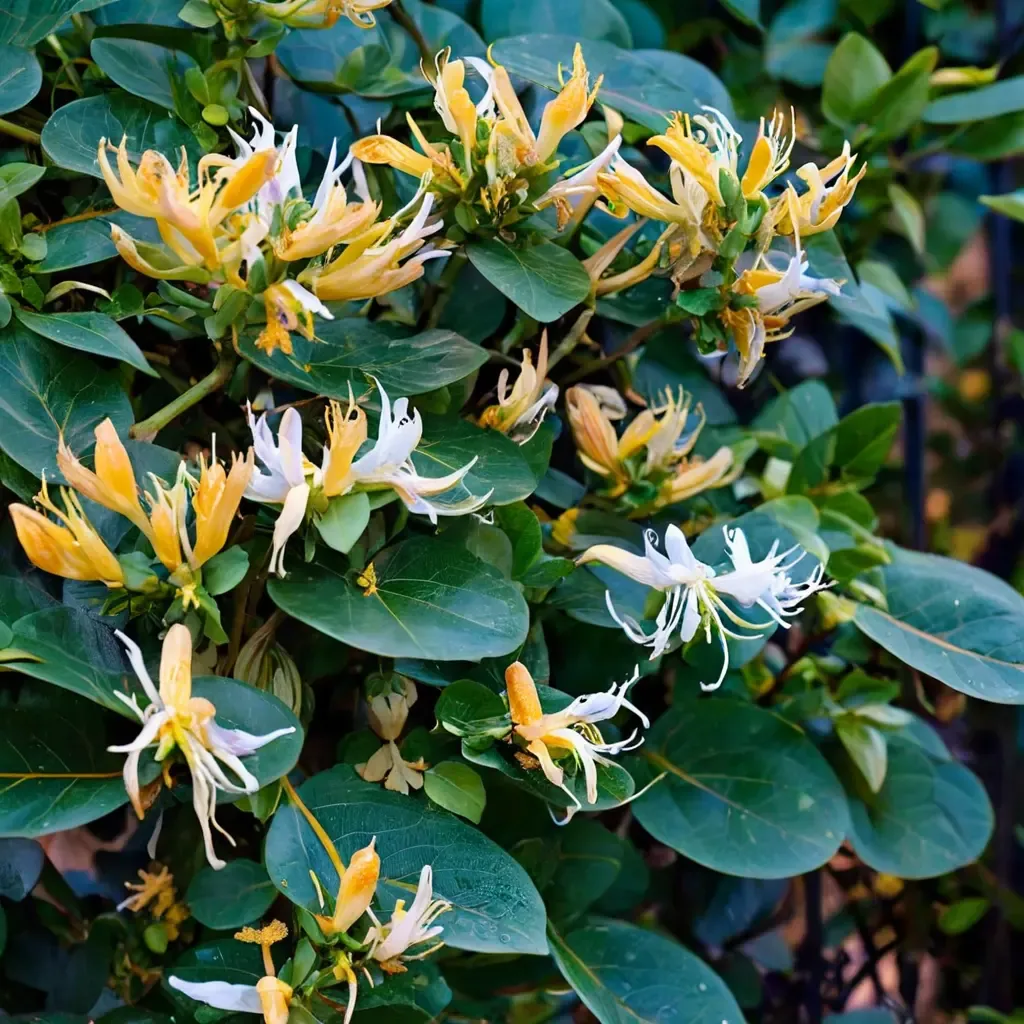
Japanese Honeysuckle
Lonicera japonica
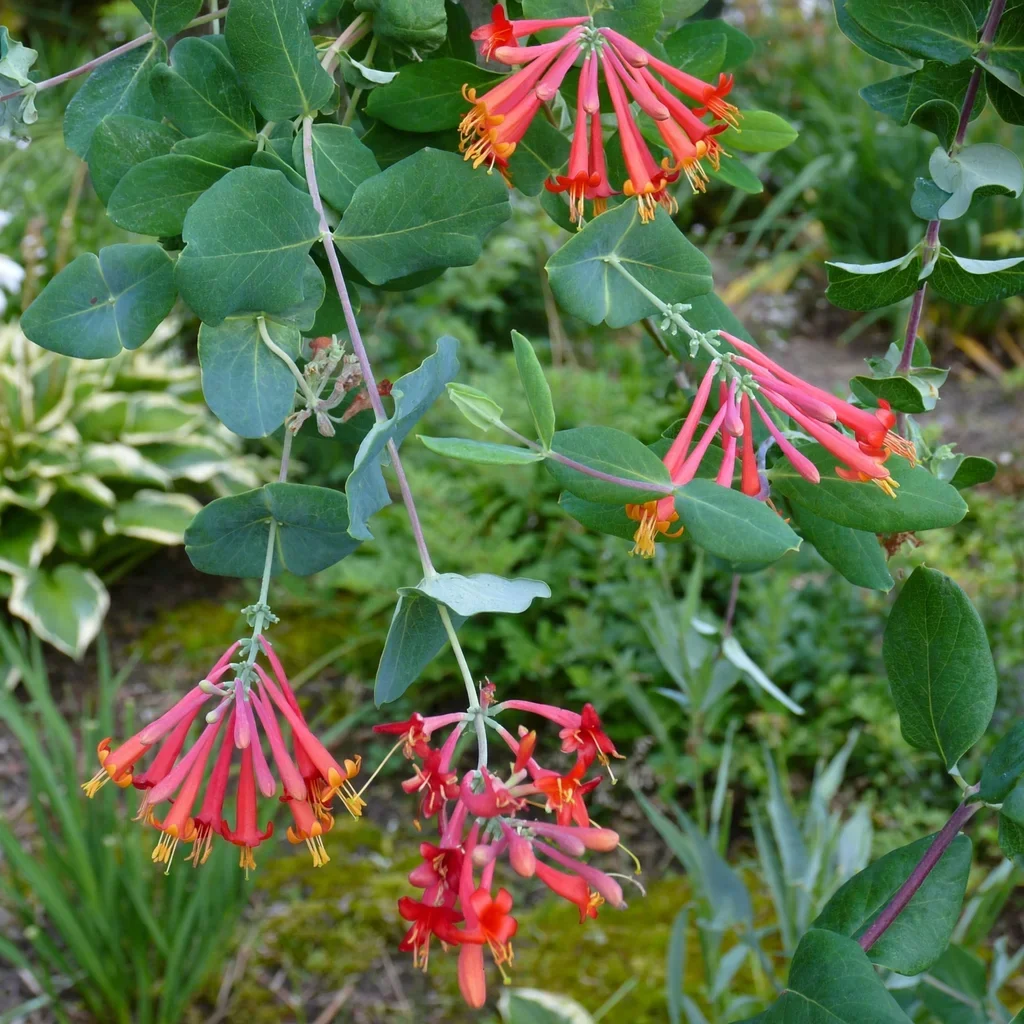
Trumpet Honeysuckle
Lonicera sempervirens
Keep exploring
Explore the genus
Grow Orange honeysuckle with confidence
See it in a design of your actual yard, get zone-matched care reminders, and track it season by season in your garden journal.