The Story
Plant Bio
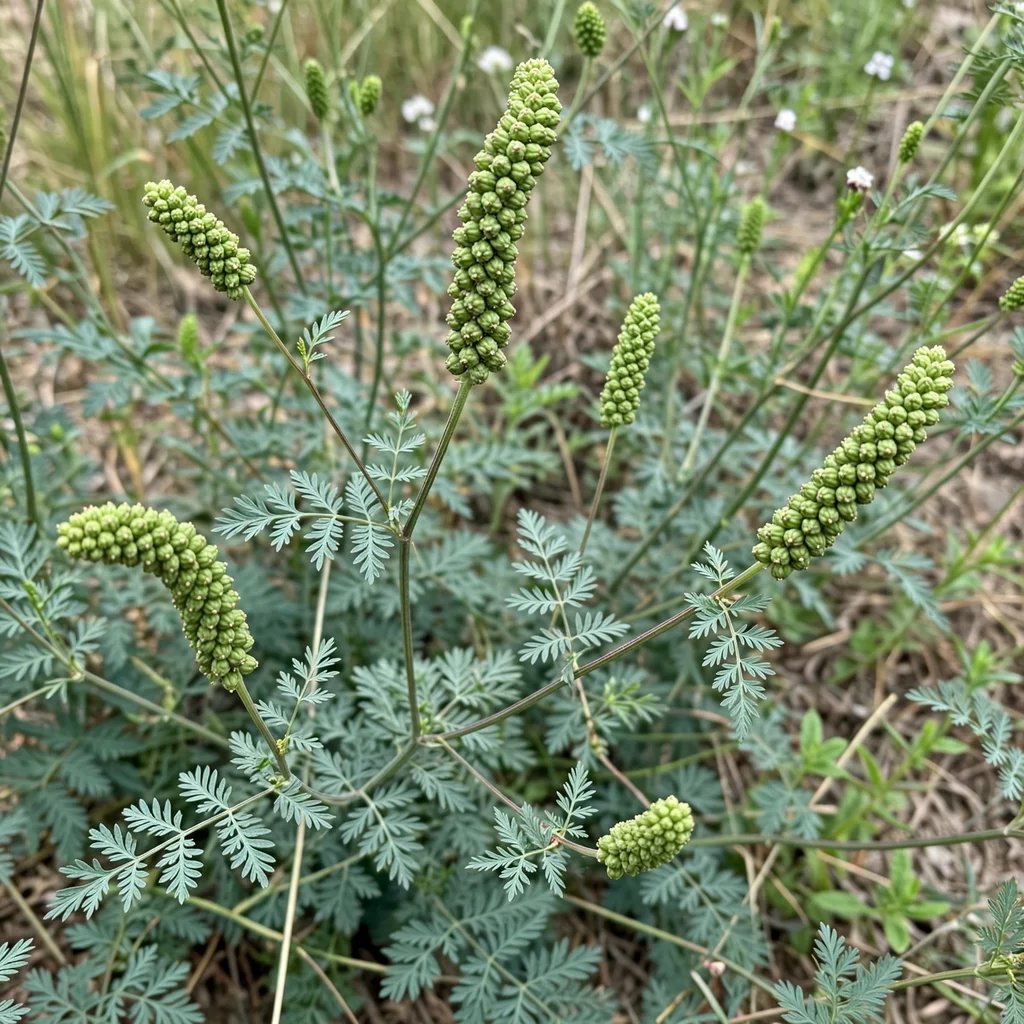
Sanguisorba occidentalis, commonly known as western burnet, is an erect annual or short-lived biennial herb native to grassy flats and vernal meadows across western North America. It develops slender, branching stems clothed in pinnately compound blue-green leaves and produces dense, petalless green flower spikes up to 30 millimeters long.
Unlike long-lived perennial garden burnets, this species functions as a cool-season ephemeral that rapidly completes its flowering cycle on spring moisture before summer dry-down. Its delicate, deeply lobed leaflets and compact cylindrical flower heads offer fine-textured architectural structure in naturalistic plantings.
Uses & Benefits:
Essentials
At a Glance
Plant Type
Annual
Height
35"
Width
12"
Light
Full Sun, Partial Sun
Zones
6, 7, 8, 9, 10
Water
Moist Spring, Dry Summer
Humidity
Unknown
Lifespan
Annual / Biennial
Native To
Western North America
Toxicity
Non-toxic
Bloom period
Summer
In flower about 3 months of the year
Planting
How to Grow
- Select a site in full sun or light woodland shade with soil that retains moisture in spring.
- Sow seeds directly onto clean, unamended soil in autumn or early spring.
- Keep the seedbed consistently moist during early establishment in spring.
- Thin emerging seedlings to roughly six inches apart to allow room for taproot development.
Pro Tip
Direct-sow seeds into unamended soil in spring; applying excess fertilizer causes the slender stems to become weak and leggy.
Keep It Thriving
Care Guide
Do
- Sow seeds in areas with natural spring moisture, such as meadow depressions or pool margins.
- Allow flower stalks to dry naturally on the plant if self-seeding is desired.
- Provide good air circulation around seedlings to prevent soil-borne fungal issues.
Don't
- Do not apply nitrogen fertilizers, which spur weak, floppy stem growth.
- Do not allow soils to stay completely waterlogged in stagnant, unventilated sites.
- Do not transplant mature plants, as the taproot resents root disturbance.
Seasonal Care Calendar
| Task | Jan | Feb | Mar | Apr | May | Jun | Jul | Aug | Sep | Oct | Nov | Dec |
|---|---|---|---|---|---|---|---|---|---|---|---|---|
| Deadhead | ||||||||||||
| Pest Check | ||||||||||||
| Plant | ||||||||||||
| Propagate |
Watch Out For
Pests & Diseases
Common Pests
Common Diseases
In the Garden
Landscape Uses & Companions
Landscape Uses
Multiply
Propagation Methods
Good to Know
Common Questions
Western Burnet questions
What zones can Western Burnet grow in?
Western Burnet is an annual: it grows, flowers and sets seed in one season, so winter cold doesn't limit where it grows. Gardeners in any zone can grow it by planting at the right time, usually after the last spring frost.
Is Western Burnet deer resistant?
Yes — Western Burnet is rated deer-resistant. Deer typically pass it over, though extreme hunger can override any plant's defenses.
When does Western Burnet bloom?
Western Burnet typically blooms in summer. Exact timing shifts a week or two with your zone — Sow's bloom calendar maps it to your garden.
Does Western Burnet need full sun?
Western Burnet does best in full sun to part shade. In hot climates, afternoon shade keeps blooms fresher longer.
More Sanguisorba to compare
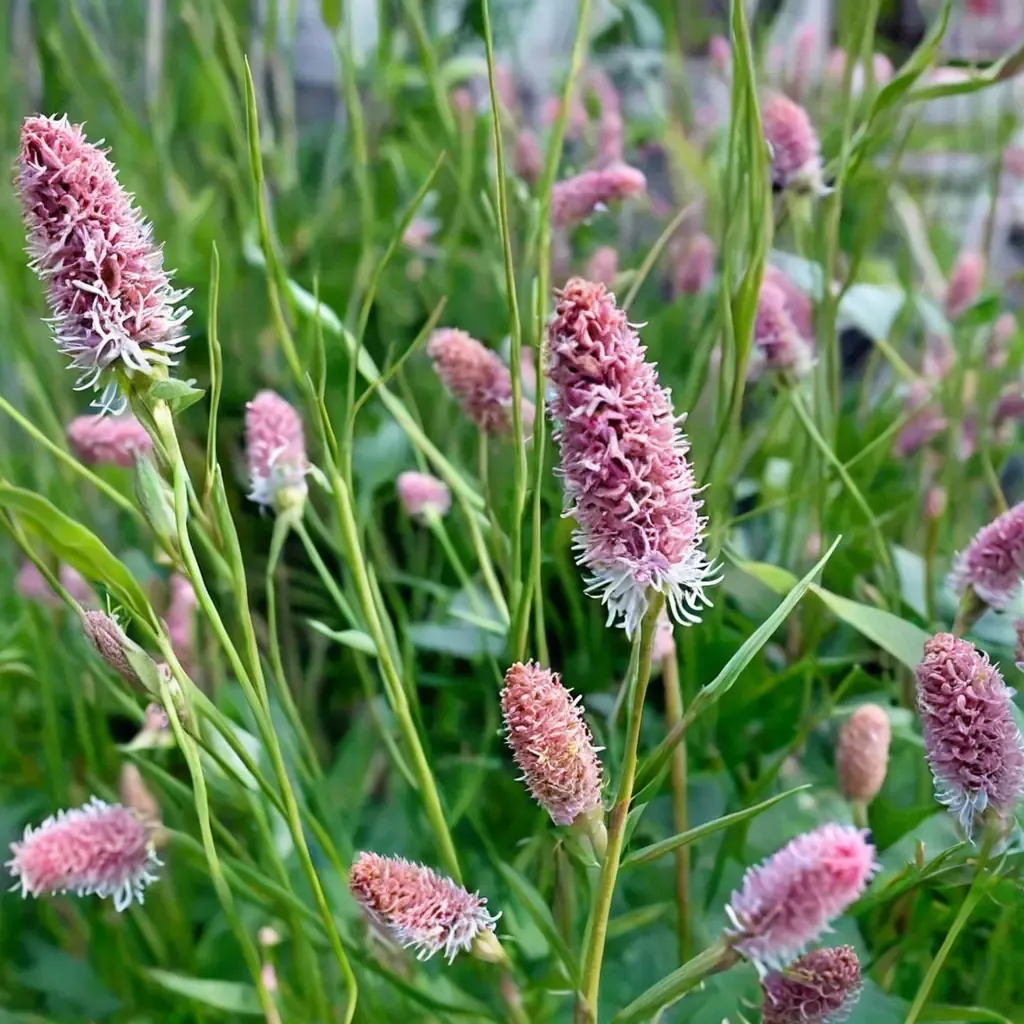
Pink Tanna Sanguisorba
Sanguisorba officinalis 'Pink Tanna'
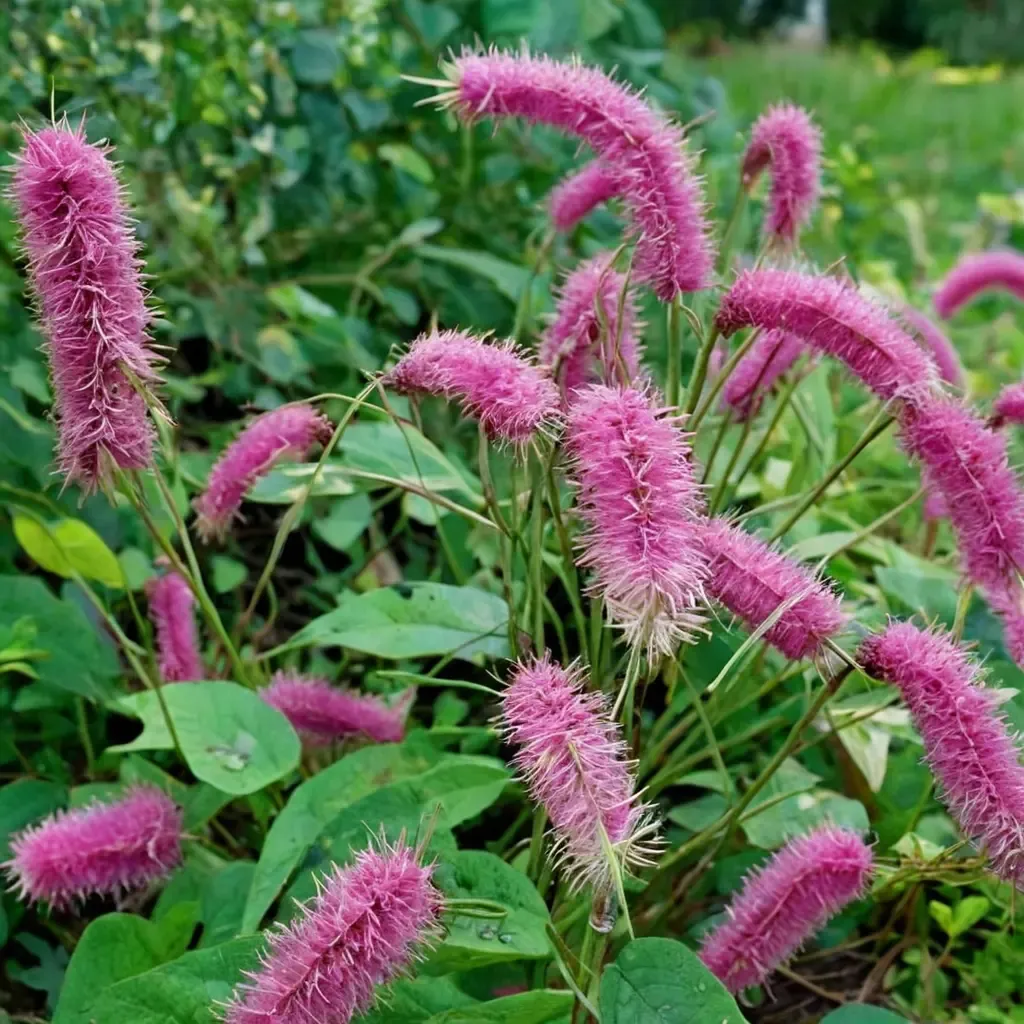
Japanese Burnet
Sanguisorba obtusa
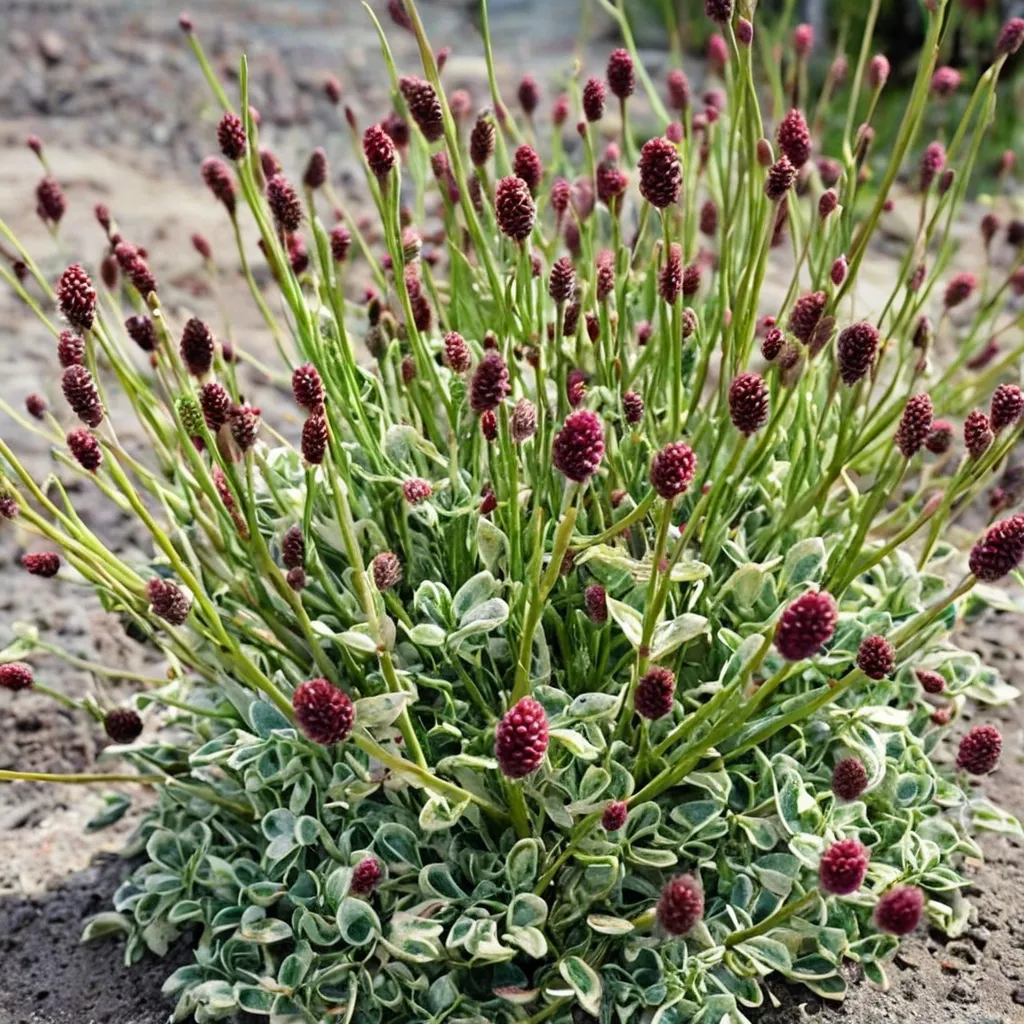
Little Angel Great Burnet
Sanguisorba officinalis 'Little Angel'
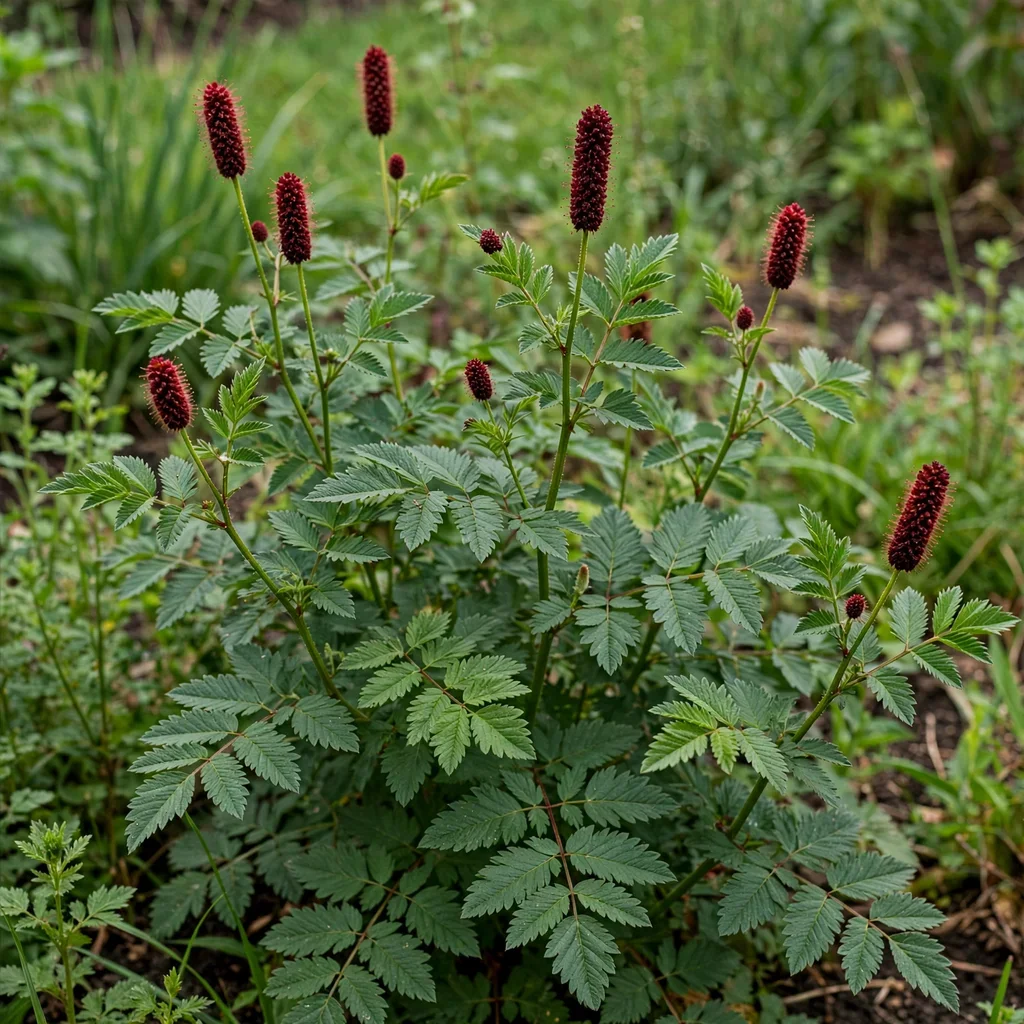
Great Burnet
Sanguisorba officinalis
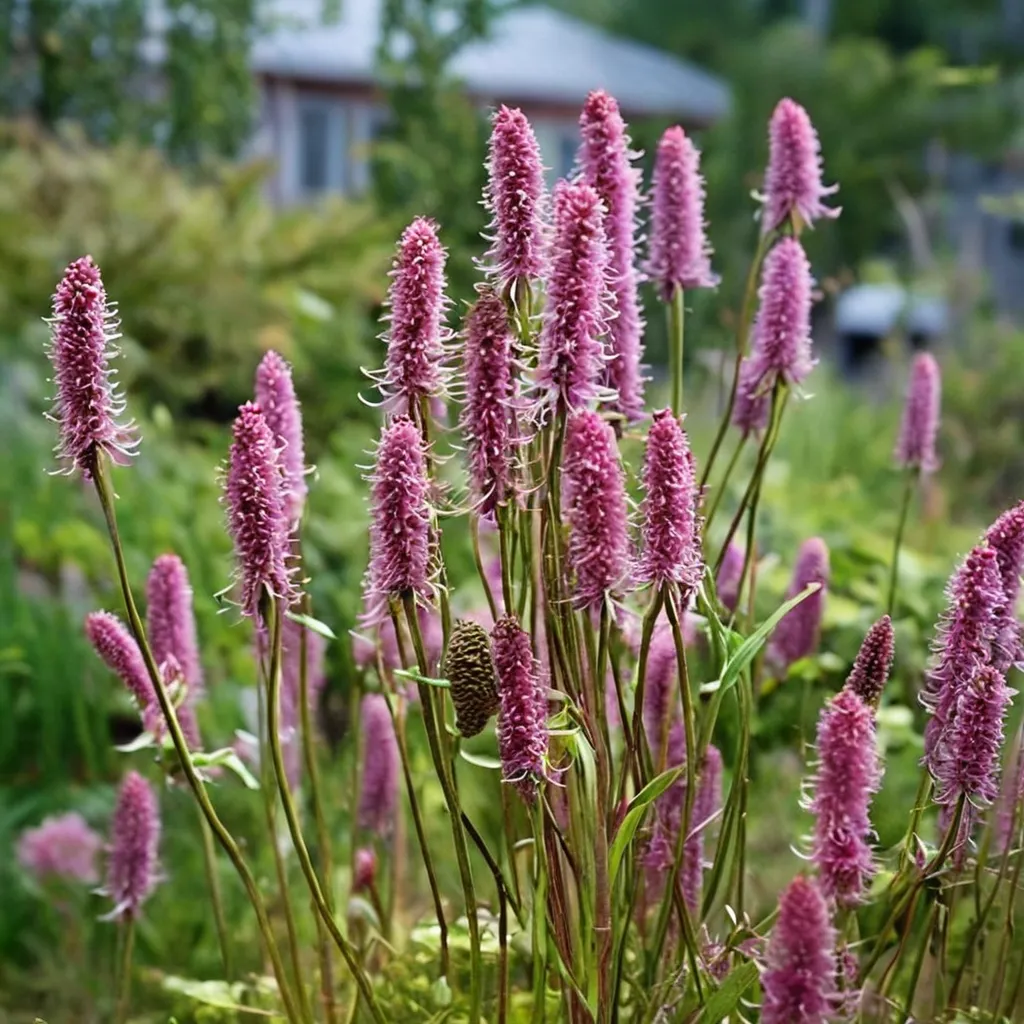
Great Burnet 'Blackthorn'
Sanguisorba officinalis 'Blackthorn'
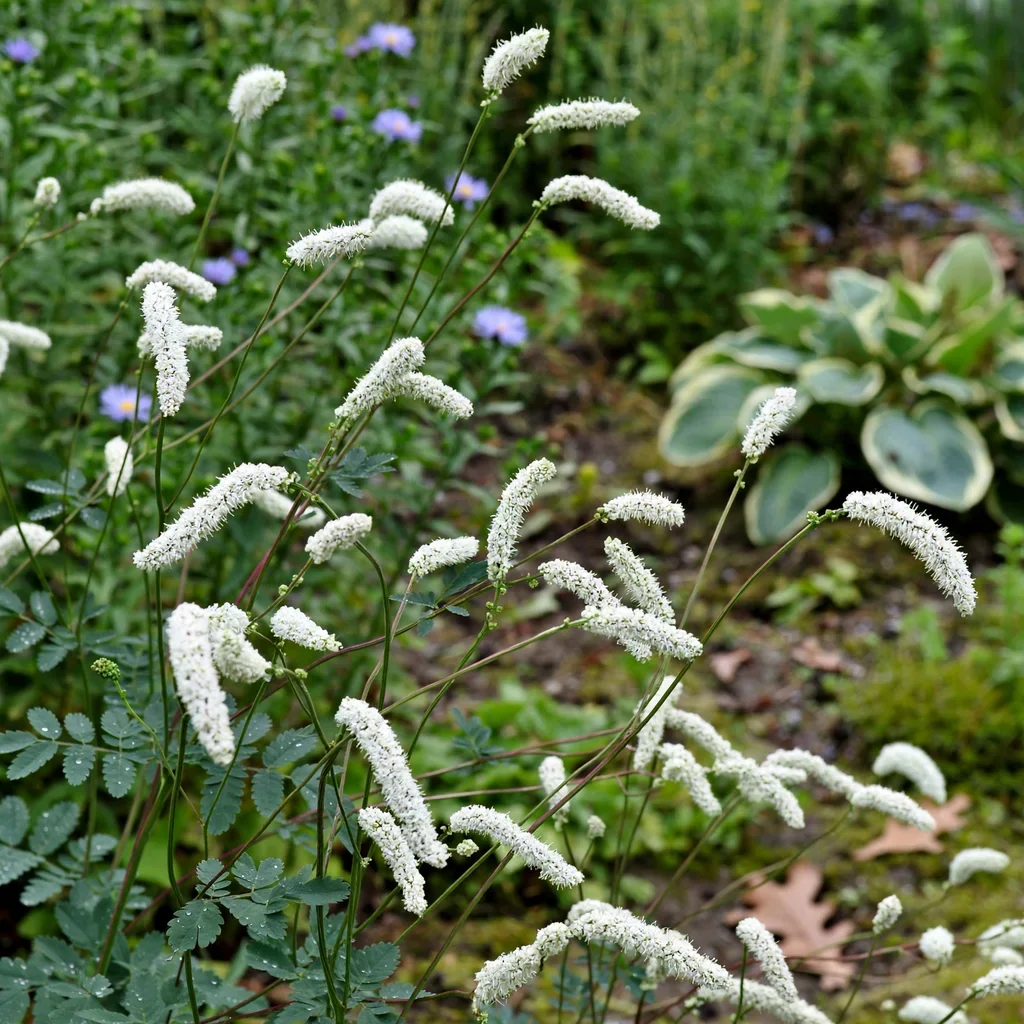
Thin-Leafed Burnet
Sanguisorba tenuifolia
Keep exploring
Explore the genus
Hardy in your zone?
Grow Western Burnet with confidence
See it in a design of your actual yard, get zone-matched care reminders, and track it season by season in your garden journal.