The Story
Plant Bio
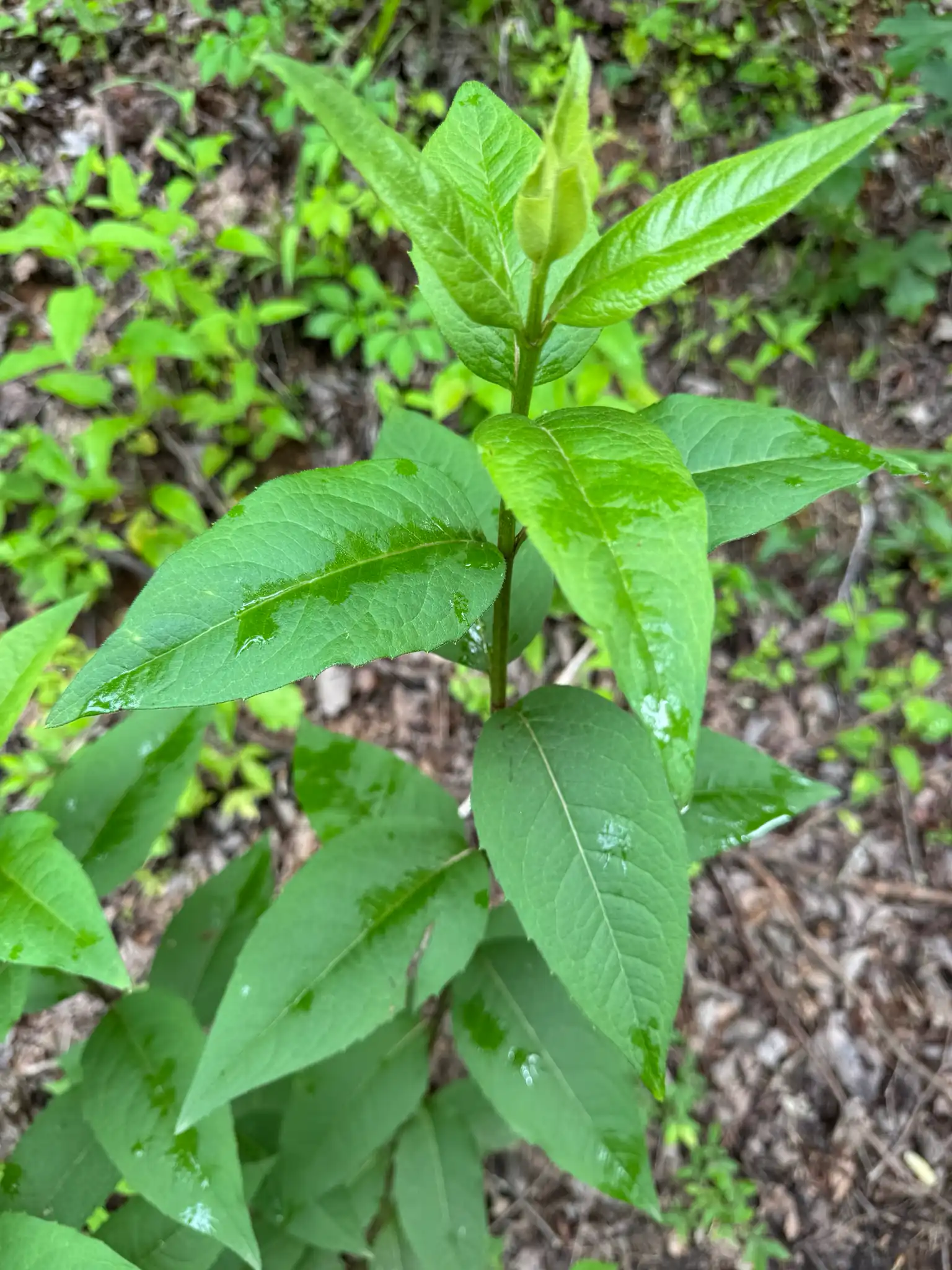
Silphium asteriscus, the starry rosinweed, is an upright perennial herb from eastern North America reaching one to six feet, with fibrous roots and short stout rhizomes and usually a single stalk that branches only at the top. The cauline leaves are lanceolate to ovate and rough-hairy, with toothed to entire margins, the lower long-petioled leaves often withering by bloom.
The flower heads are borne in loose open clusters at the top, each with 12 to 26 phyllaries in two to three series around yellow ray and disc florets. Each head carries 8 to 21 yellow rays, usually 13 to 17 and one-half to one and one-quarter inches long, surrounding a center of 35 to 150 disc florets.
Uses & Benefits:
Essentials
At a Glance
Plant Type
Perennial
Height
72"
Light
Full Sun
Water
Low to medium
Humidity
Unknown
Lifespan
Perennial
Native To
Eastern United States
Toxicity
Unknown
Bloom period
Summer – Early fall
In flower about 4 months of the year
Planting
How to Grow
- Sow seed in full sun in well-drained sandy or rocky soil
- Thin seedlings and leave the strongest plant in each spot
- Set plants toward the back of the bed or along a woodline or fencerow
- Avoid overwatering and rich shade once established
Pro Tip
Give it full sun in lean well-drained sandy or rocky soil and keep it on the dry side; match seed provenance to your region because southern seed fails to persist farther north.
Keep It Thriving
Care Guide
Do
- Plant in full sun
- Provide sharply drained sandy or rocky soil
- Source seed from your region
Don't
- Do not overwater or plant in rich shade
- Do not expect southern Florida seed to persist far north
- Do not set in wet ground that stays soggy
Seasonal Care Calendar
| Task | Jan | Feb | Mar | Apr | May | Jun | Jul | Aug | Sep | Oct | Nov | Dec |
|---|---|---|---|---|---|---|---|---|---|---|---|---|
| Deadhead | ||||||||||||
| Plant | ||||||||||||
| Propagate | ||||||||||||
| Spring Cleanup |
Watch Out For
Pests & Diseases
Common Pests
In the Garden
Landscape Uses & Companions
Landscape Uses
Companion Plants
Multiply
Propagation Methods
Good to Know
Common Questions
Starry Rosinweed questions
When does Starry Rosinweed bloom?
Starry Rosinweed typically blooms from early summer to early fall. Exact timing shifts a week or two with your zone — Sow's bloom calendar maps it to your garden.
Does Starry Rosinweed need full sun?
Starry Rosinweed does best in full sun (6+ hours).
Is Starry Rosinweed drought tolerant?
Yes — once established (usually after the first full season), Starry Rosinweed handles dry spells with minimal watering. Water deeply its first year to build the root system that makes that possible.
More Silphium to compare
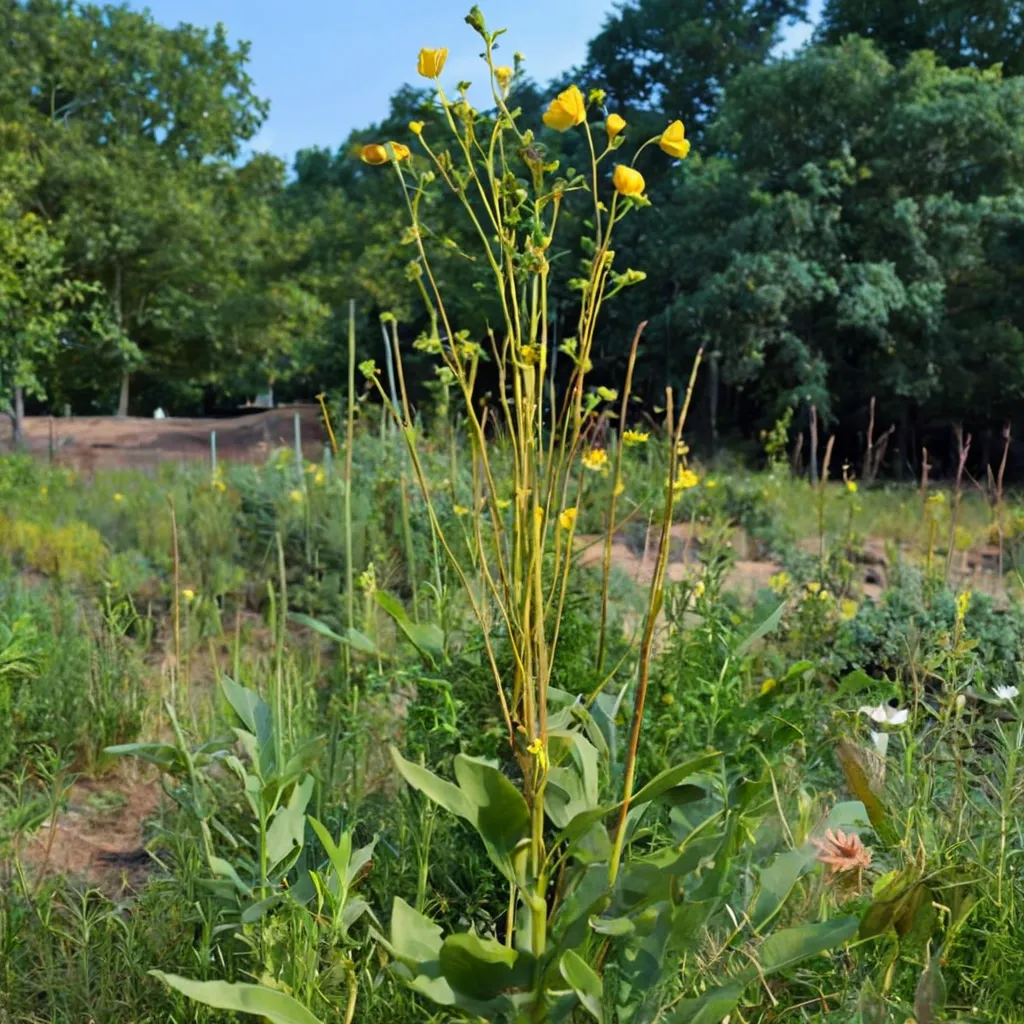
Prairie Dock
Silphium terebinthinaceum
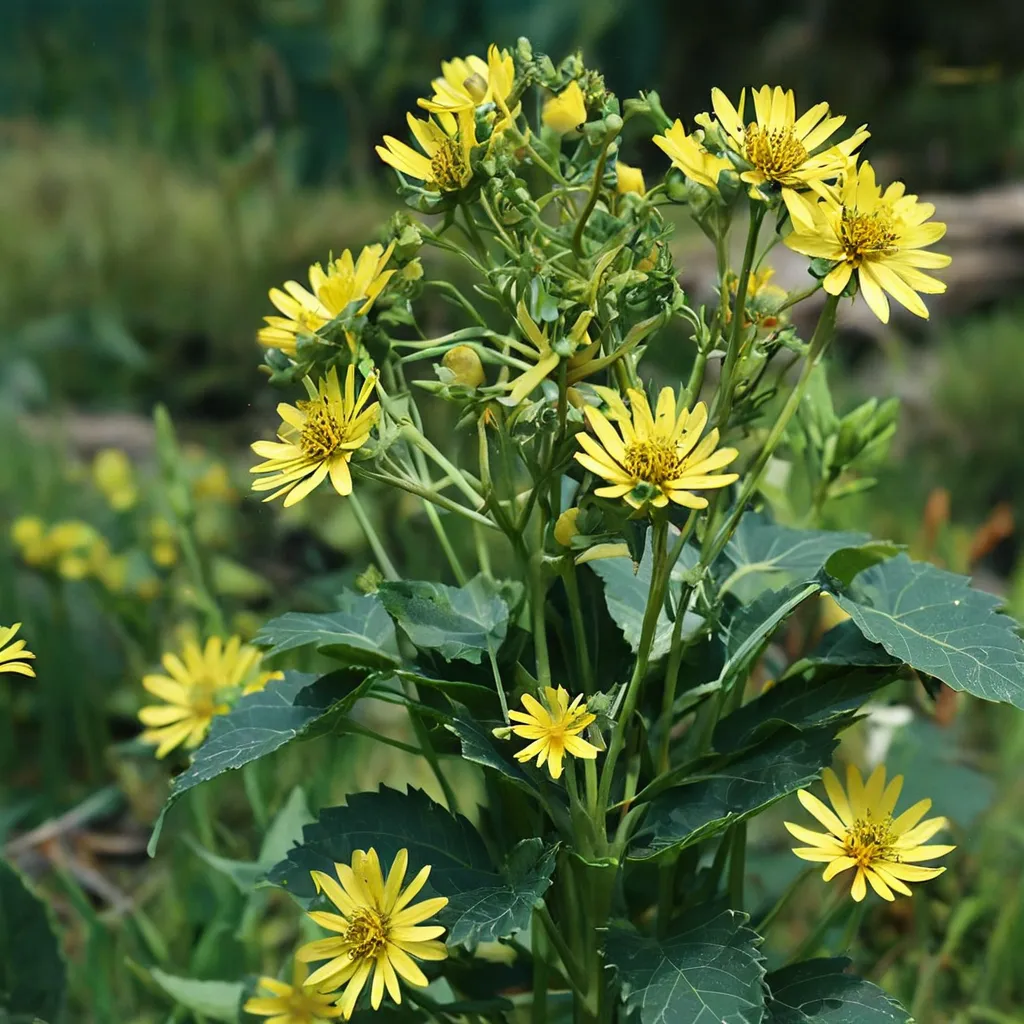
Cup Plant
Silphium perfoliatum
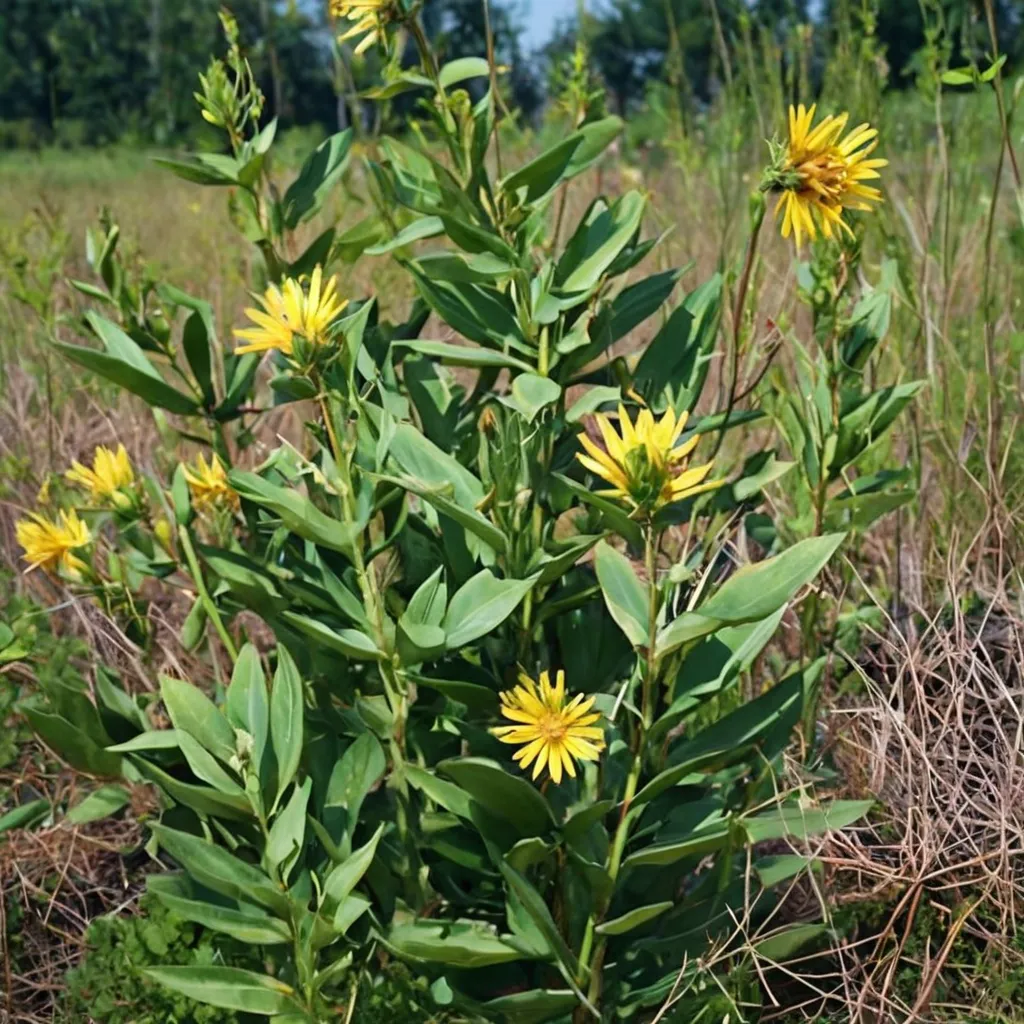
Roughstem Rosinweed
Silphium radula
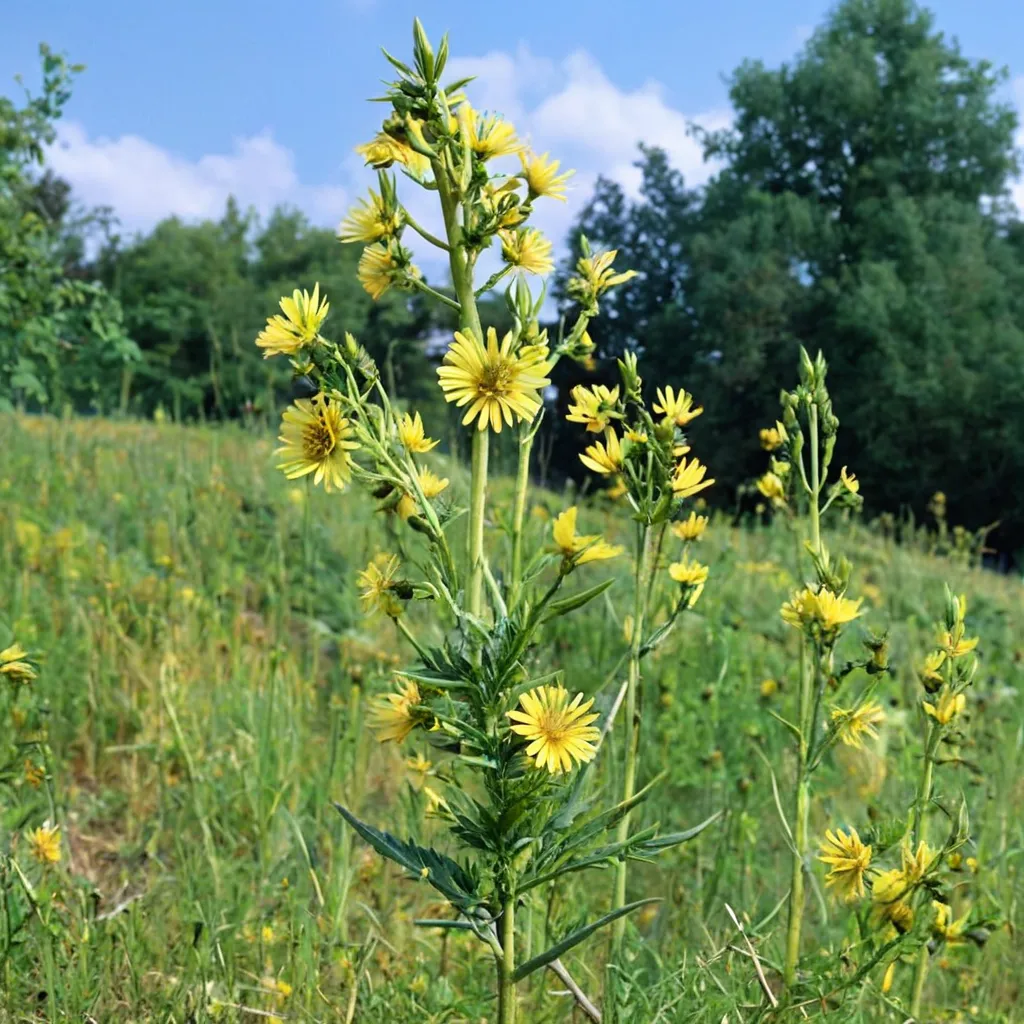
Compass Plant
Silphium laciniatum
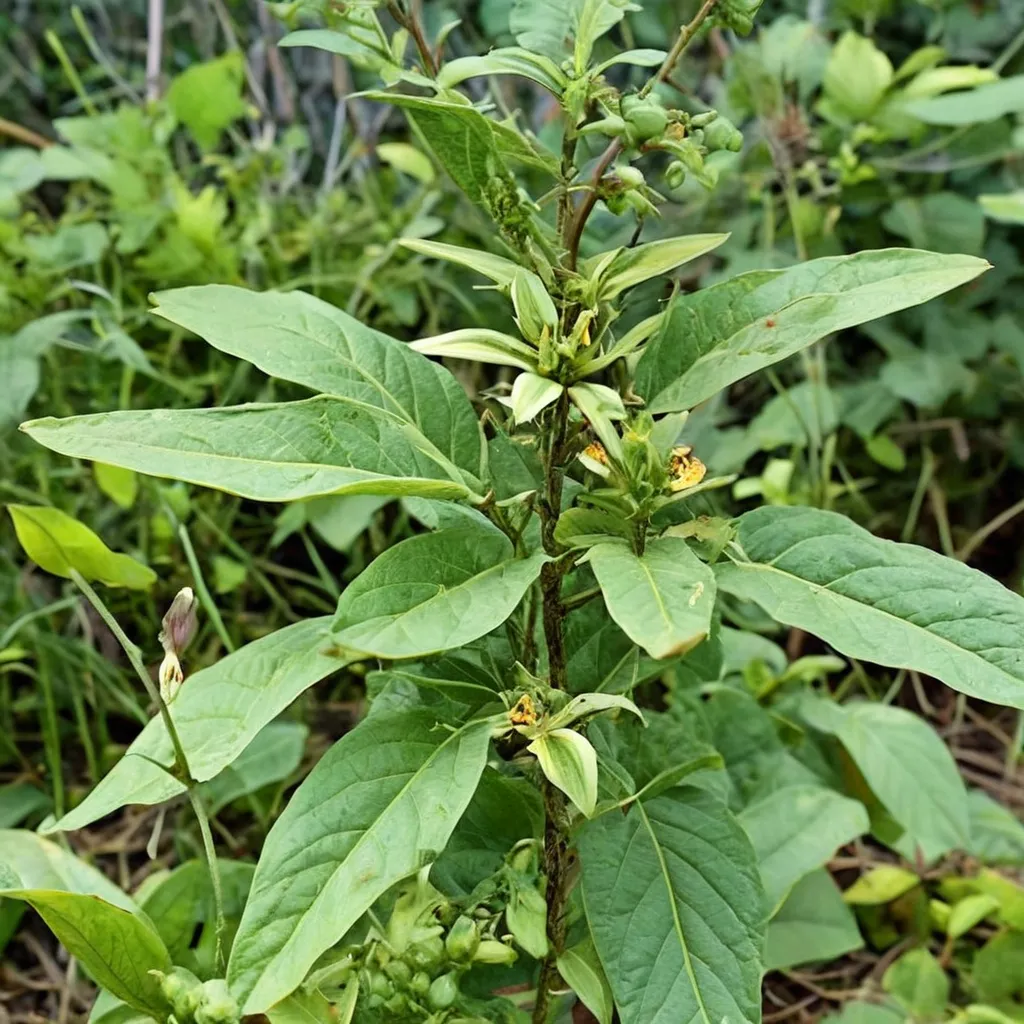
Toothed Rosinweed
Silphium dentatum
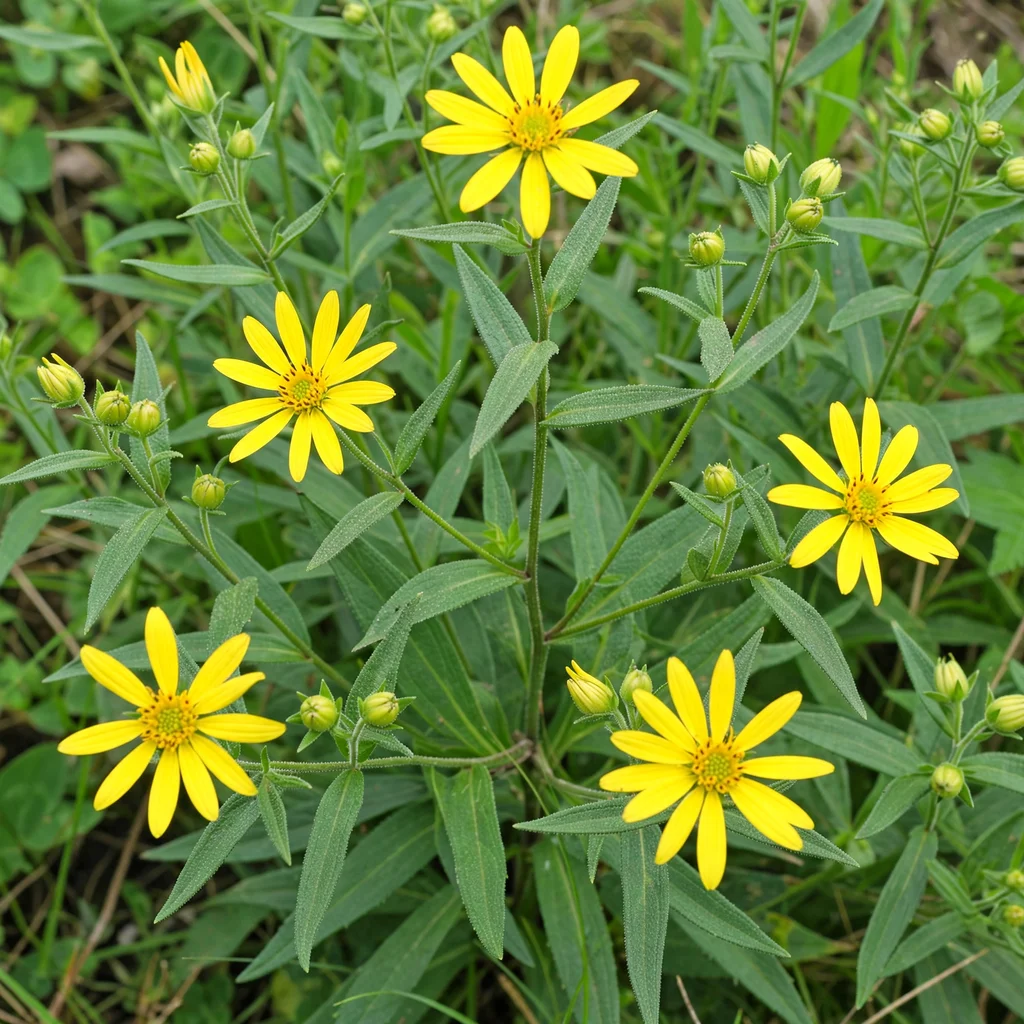
Whole-Leaf Rosinweed
Silphium integrifolium
Keep exploring
Explore the genus
Grow Starry Rosinweed with confidence
See it in a design of your actual yard, get zone-matched care reminders, and track it season by season in your garden journal.