The Story
Plant Bio
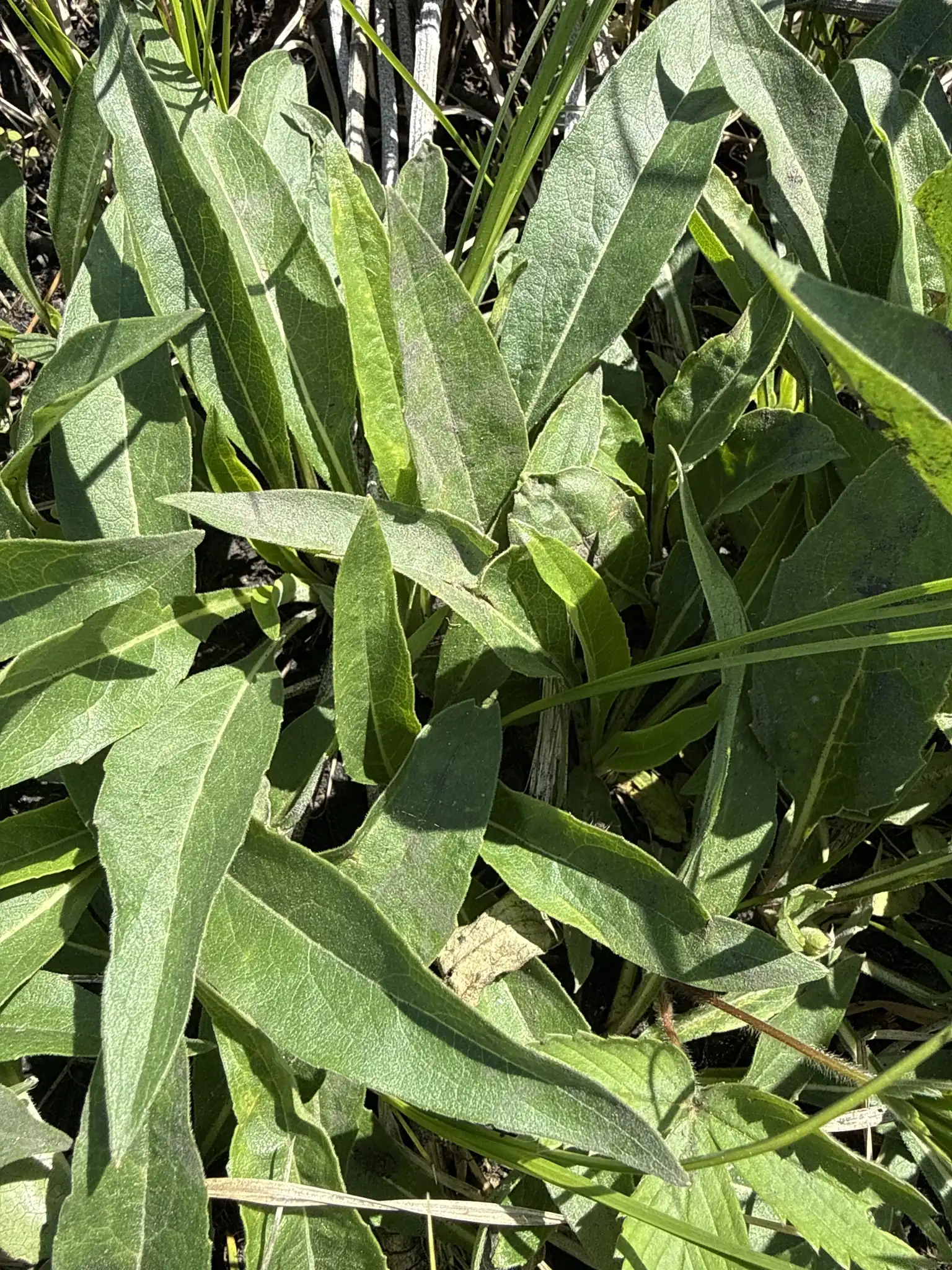
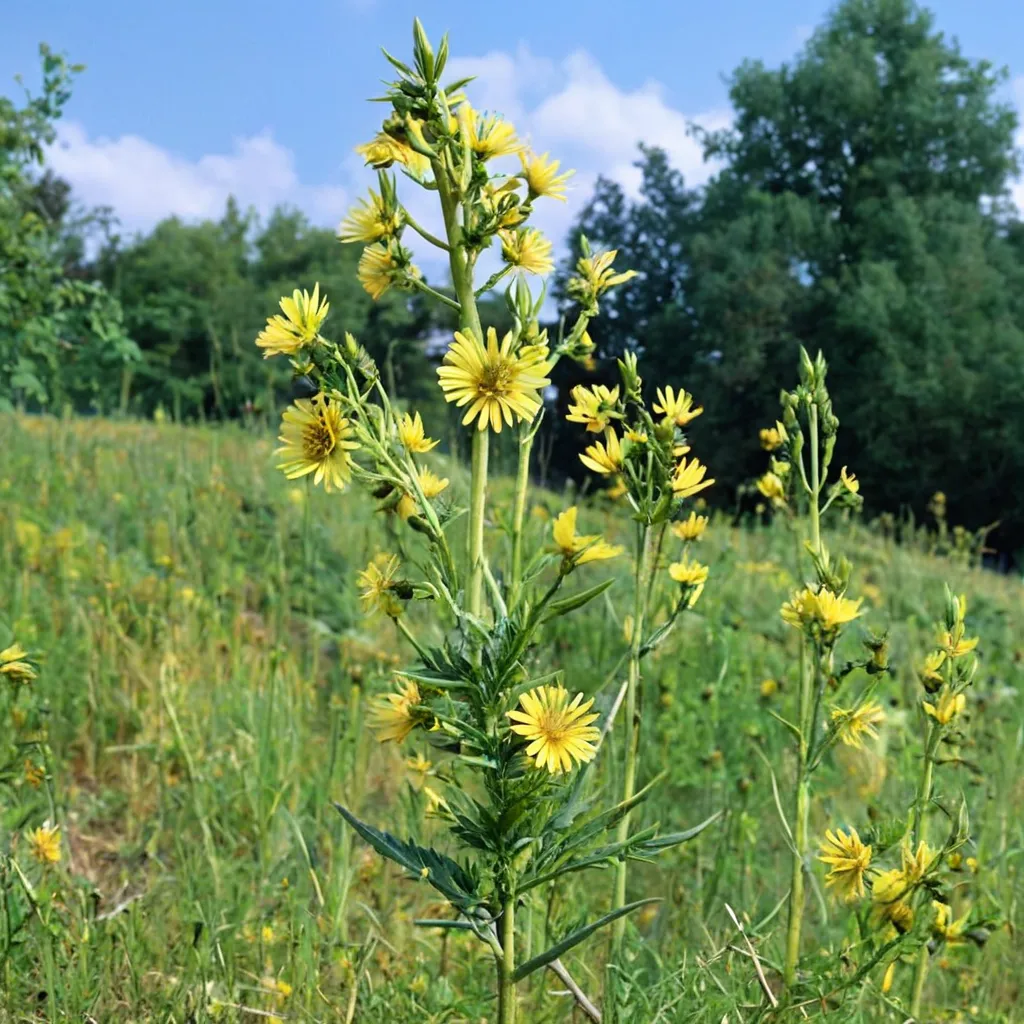
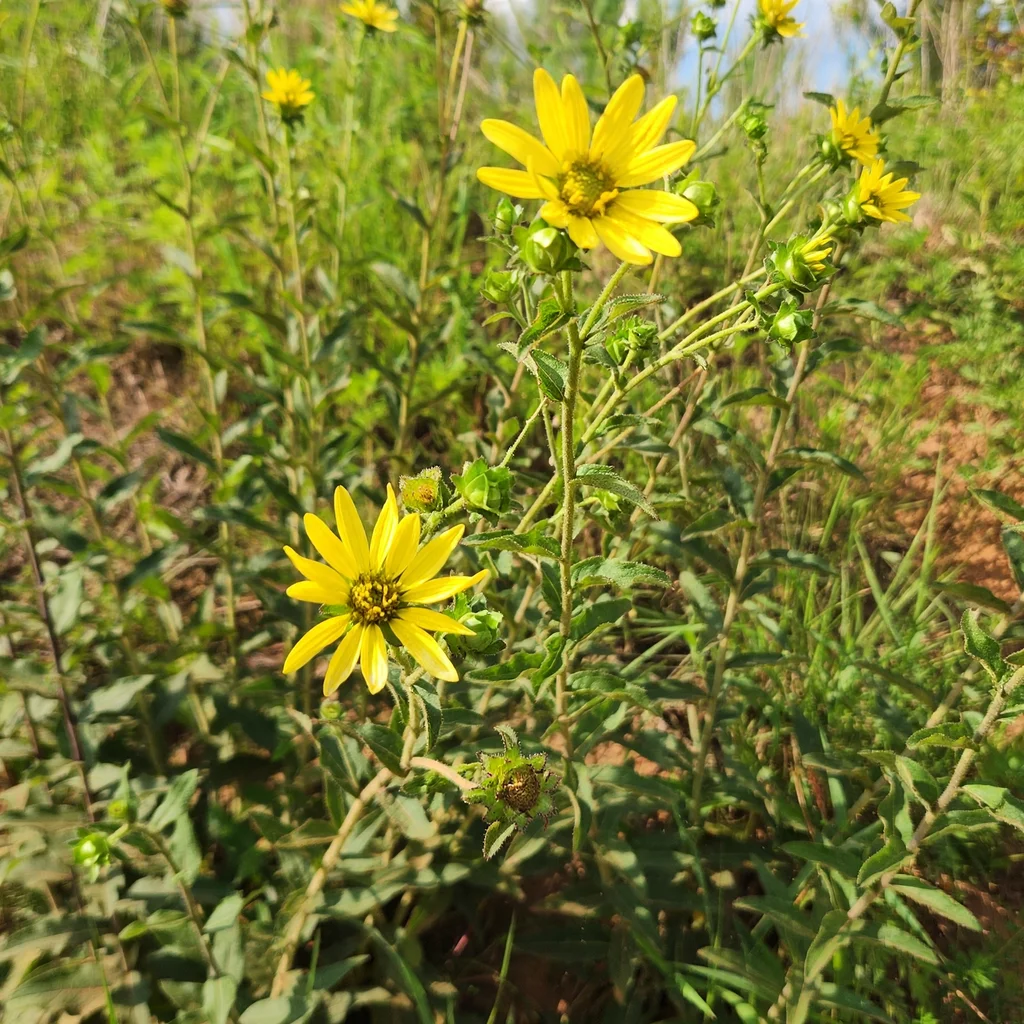
Silphium integrifolium is an erect, herbaceous perennial native to central and eastern North America that grows 2 to 6 feet tall with stiff, opposite foliage. Clusters of yellow sunflower-like flower heads measuring 2 to 3 inches across bloom atop sturdy stems from mid-summer into fall.
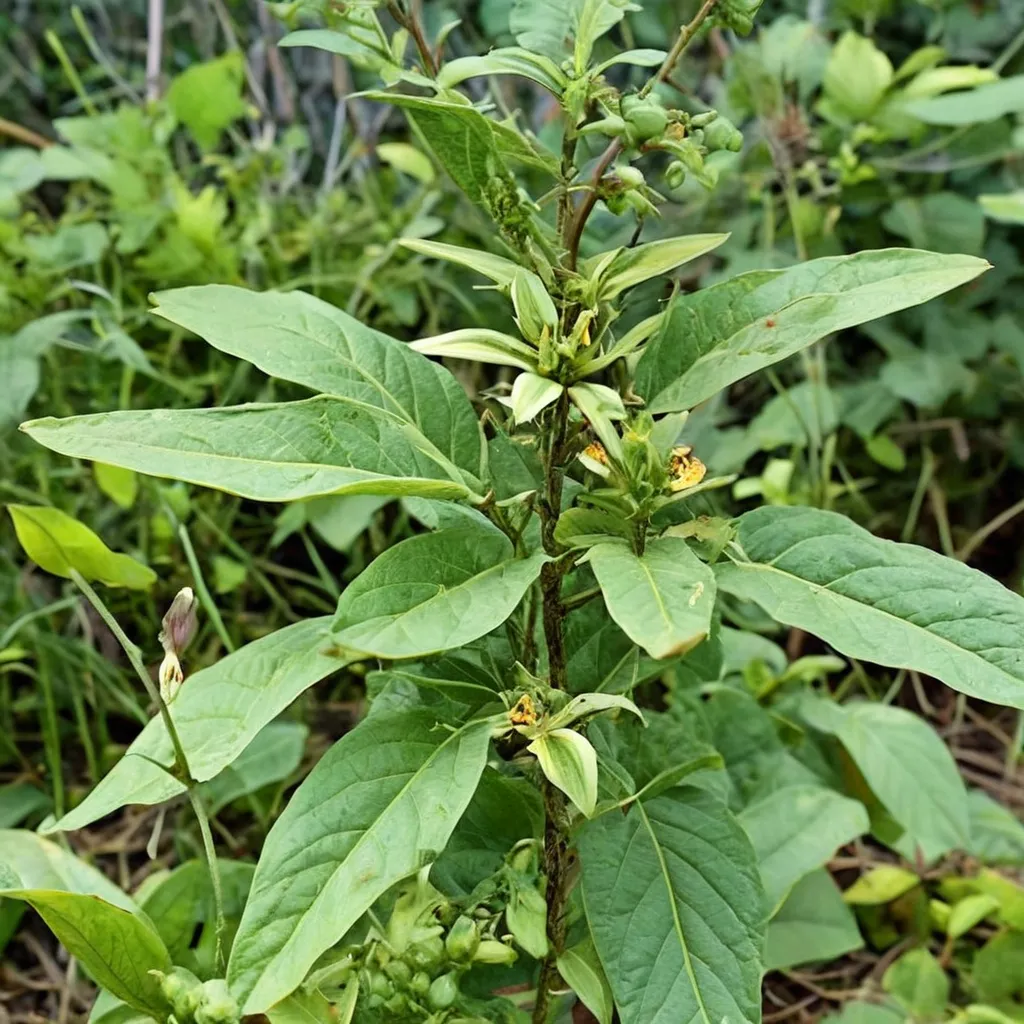
The species features rough, sessile leaves that exude a sticky resinous sap when stems are broken. Its deep root system provides exceptional drought tolerance and stability in unamended soils.
Uses & Benefits:
Essentials
At a Glance
Plant Type
Perennial
Height
71"
Width
35"
Light
Full Sun
Zones
4, 5, 6, 7, 8, 9
Water
Low to medium
Humidity
High
Lifespan
Perennial
Native To
North America
Toxicity
Resinous sap may cause mild contact skin irritation
Bloom period
Mid summer – Fall
In flower about 5 months of the year
Planting
How to Grow
- Select a planting site in full sun with well-draining clay, loam, or sandy soil.
- Space plants 18 to 36 inches apart to accommodate the clump-forming rhizomes.
- Water thoroughly at installation and maintain moderate moisture until roots establish.
- Cut spent stems back flush with the ground in late winter before new spring growth begins.
Pro Tip
Grow in lean, nutrient-poor soils in full sun; fertile garden loams encourage rapid growth that leaves stems leggy and prone to flopping.
Keep It Thriving
Care Guide
Do
- Plant in lean soil to preserve its upright growth habit.
- Cut dead stems to the ground in late winter or early spring.
- Provide full sunlight to prevent weak, sprawling growth.
Don't
- Do not over-fertilize, as rich soil causes plants to flop.
- Do not overhead water to minimize risk of foliage diseases.
- Avoid handling crushed foliage bare-handed if sensitive to resinous plant saps.
Seasonal Care Calendar
| Task | Jan | Feb | Mar | Apr | May | Jun | Jul | Aug | Sep | Oct | Nov | Dec |
|---|---|---|---|---|---|---|---|---|---|---|---|---|
| Divide | ||||||||||||
| Pest Check | ||||||||||||
| Plant | ||||||||||||
| Spring Cleanup |
Watch Out For
Pests & Diseases
Common Pests
Common Diseases
In the Garden
Landscape Uses & Companions
Landscape Uses
Multiply
Propagation Methods
Good to Know
Common Questions
Whole-Leaf Rosinweed questions
What zones can Whole-Leaf Rosinweed grow in?
Whole-Leaf Rosinweed is hardy in USDA Zones 4–9: in that range it survives winter in the ground. Warmer than Zone 9, winter isn't the problem: it prefers colder winters, and summer heat can shorten its life.
Is Whole-Leaf Rosinweed deer resistant?
Not reliably. Deer may browse Whole-Leaf Rosinweed, especially tender spring growth — plan on repellents or fencing where pressure is high.
When does Whole-Leaf Rosinweed bloom?
Whole-Leaf Rosinweed typically blooms from mid-summer to late fall. Exact timing shifts a week or two with your zone — Sow's bloom calendar maps it to your garden.
Does Whole-Leaf Rosinweed need full sun?
Whole-Leaf Rosinweed does best in full sun (6+ hours).
Is Whole-Leaf Rosinweed drought tolerant?
Yes — once established (usually after the first full season), Whole-Leaf Rosinweed handles dry spells with minimal watering. Water deeply its first year to build the root system that makes that possible.
More Silphium to compare
Keep exploring
Explore the genus
Grow Whole-Leaf Rosinweed with confidence
See it in a design of your actual yard, get zone-matched care reminders, and track it season by season in your garden journal.