The Story
Plant Bio
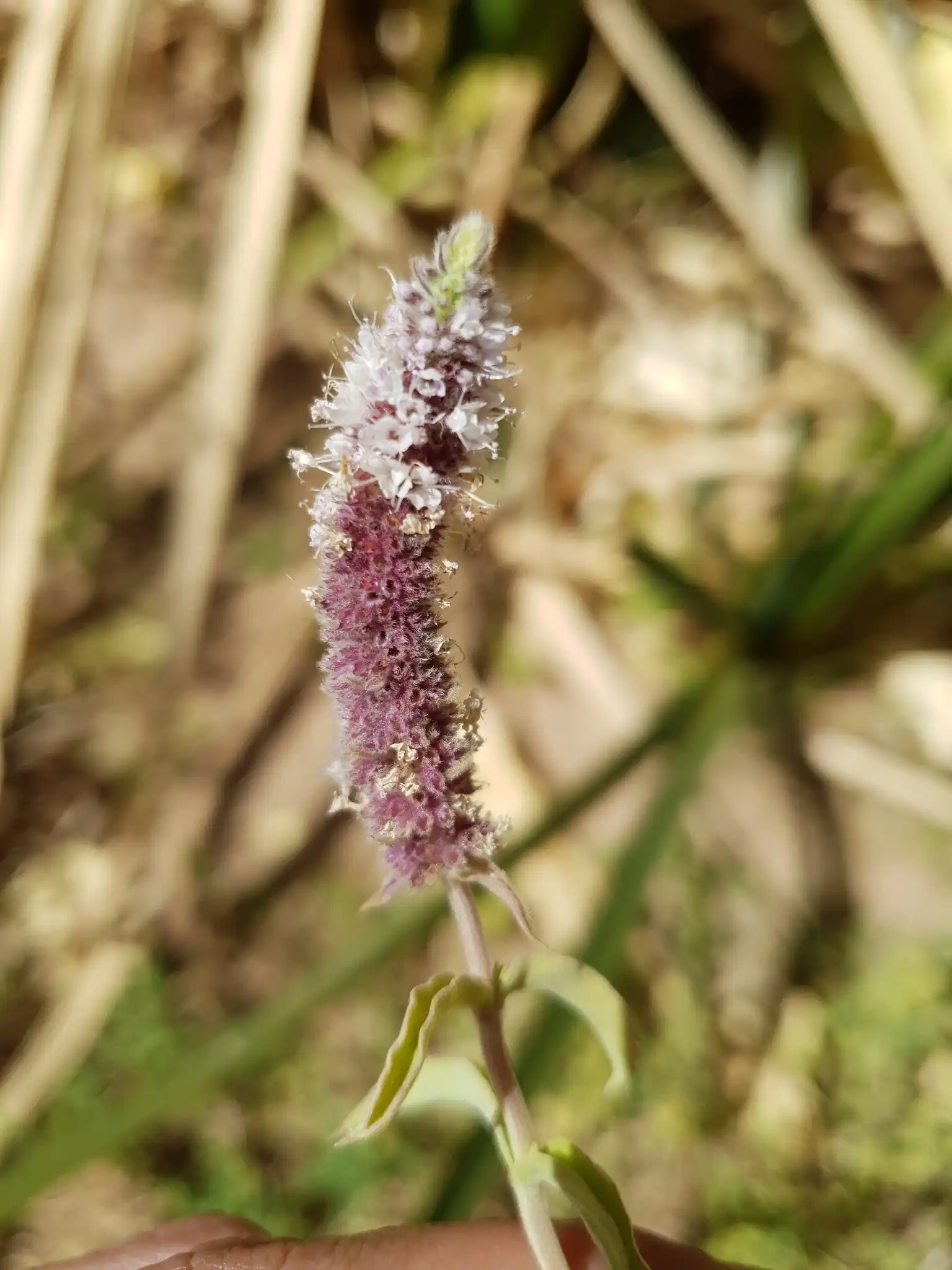
Mentha longifolia is a fast-growing rhizomatous perennial mint forming erect square-stemmed clumps 3 to 4 feet tall, with hairy gray-green lance-shaped leaves that release a musty mint scent when crushed. The bloom is a tall branched spike of dense whorls of tiny lavender to white tubular flowers at the stem tips, opening through summer into fall.
It is distinguished from other mints by long sessile sharply toothed leaves with a felted-hairy gray surface and tapering cylindrical flower spikes. Unlike peppermint and spearmint it demands constantly moist marsh or streamside soil and spreads aggressively by runners that regrow from fragments.
Uses & Benefits:
Essentials
At a Glance
Plant Type
Perennial
Height
36"
Width
36"
Light
Full Sun, Partial Sun
Zones
4, 5, 6, 7, 8, 9
Water
Moist to wet
Humidity
Average
Lifespan
Perennial
Native To
Europe, western-central Asia, northern and southern Africa
Toxicity
Non-toxic in small culinary use; essential oil may irritate in excess
Bloom period
Summer – Fall
In flower about 6 months of the year
Planting
How to Grow
- Plant only in a large pot or bed fitted with a buried root barrier, in full sun to partial shade.
- Set crowns in rich, consistently moist soil and water deeply to establish; never let the root zone dry out.
- Cut stems back hard after flowering and deadhead to stop self-seeding.
- Divide and repot congested clumps every 2 to 3 years, discarding escaped runners.
Pro Tip
Always set it in a pot or buried barrier in wet sun; runners run feet in a season and regrow from pieces left in the soil.
Keep It Thriving
Care Guide
Do
- Grow contained in a pot or buried barrier to stop rhizome spread
- Keep soil constantly moist, watering deeply in dry spells
- Space plants for airflow and avoid overhead watering
- Deadhead after flowering to limit self-seed
Don't
- Do not plant open in a border or herb bed without containment
- Do not let soil dry out; it does not tolerate drought
- Do not compost rusted or wilted stems; bag and discard them
Seasonal Care Calendar
| Task | Jan | Feb | Mar | Apr | May | Jun | Jul | Aug | Sep | Oct | Nov | Dec |
|---|---|---|---|---|---|---|---|---|---|---|---|---|
| Deadhead | ||||||||||||
| Divide | ||||||||||||
| Pest Check | ||||||||||||
| Plant | ||||||||||||
| Prune |
Watch Out For
Pests & Diseases
Common Pests
Common Diseases
In the Garden
Landscape Uses & Companions
Landscape Uses
Companion Plants
Multiply
Propagation Methods
Good to Know
Common Questions
Horse Mint questions
What zones can Horse Mint grow in?
Horse Mint is hardy in USDA Zones 4–9: in that range it survives winter in the ground. Warmer than Zone 9, winter isn't the problem: it prefers colder winters, and summer heat can shorten its life.
When does Horse Mint bloom?
Horse Mint typically blooms from summer to fall. Exact timing shifts a week or two with your zone — Sow's bloom calendar maps it to your garden.
Does Horse Mint need full sun?
Horse Mint does best in full sun to part shade. In hot climates, afternoon shade keeps blooms fresher longer.
More Mentha to compare
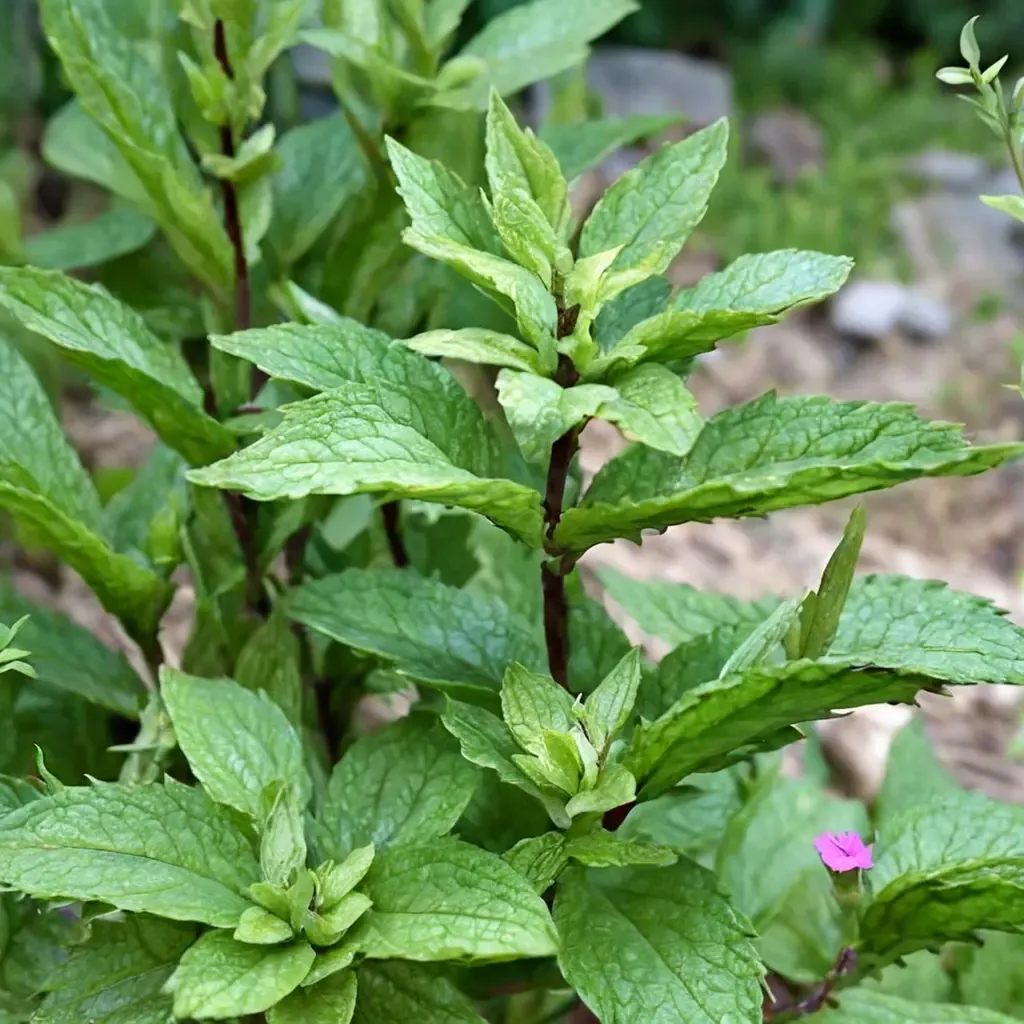
Spearmint
Mentha spicata
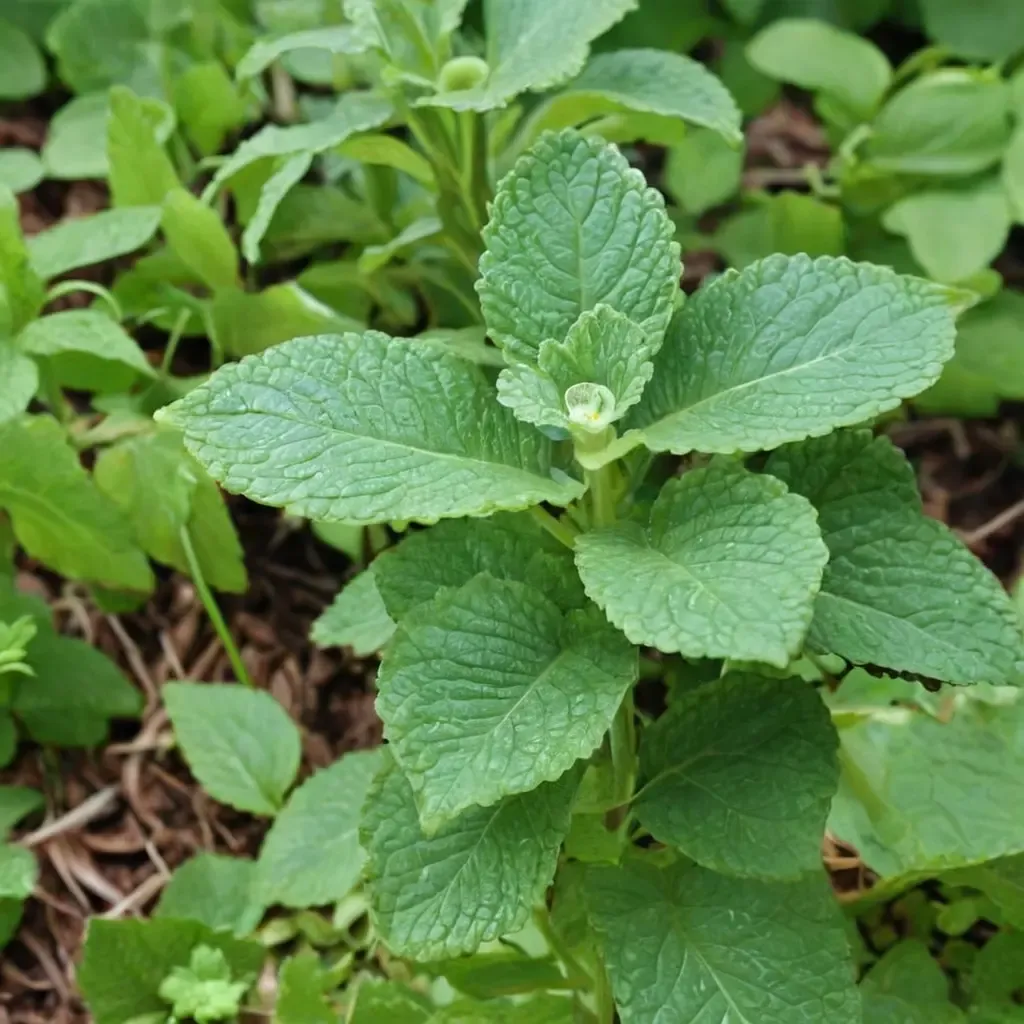
Apple Mint
Mentha suaveolens
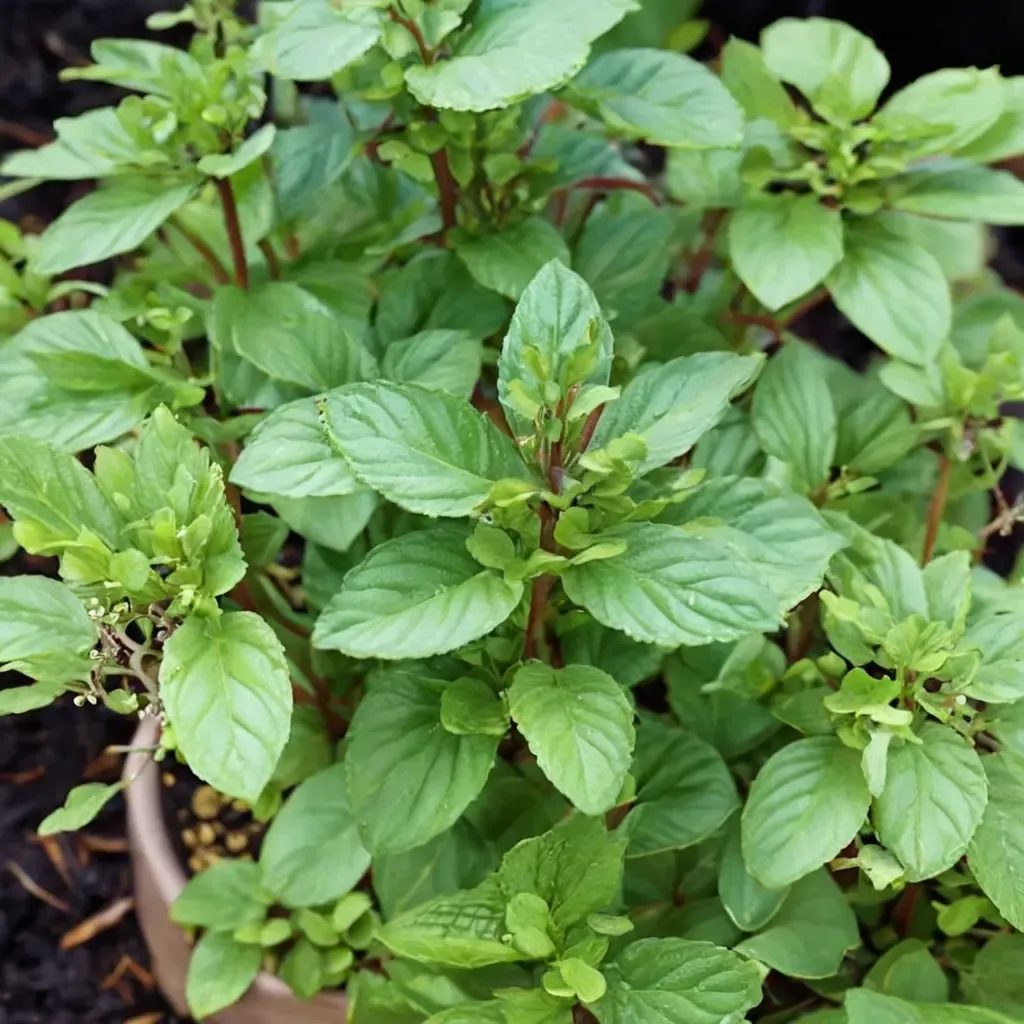
Fuhgeddaboudit Peppermint
Mentha x piperita 'Fuhgeddaboudit'
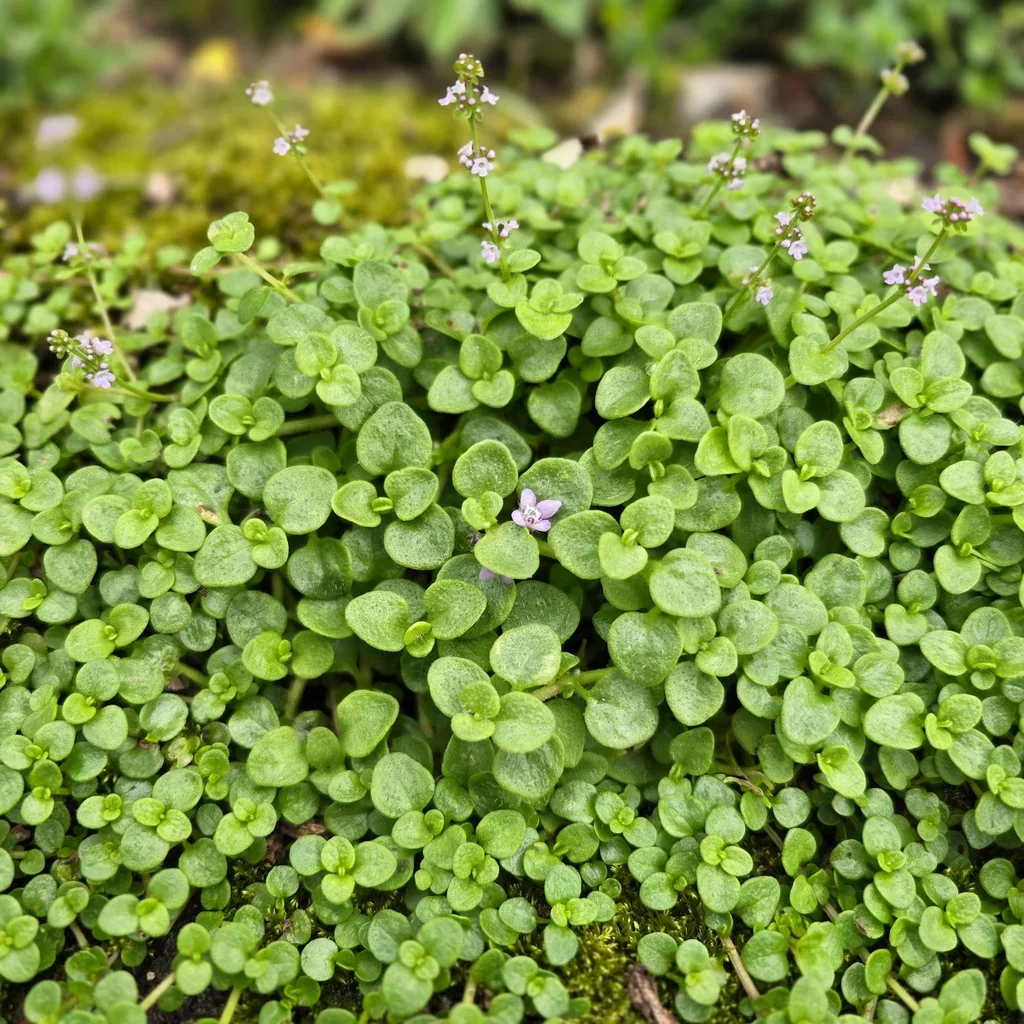
Corsican Mint
Mentha requienii
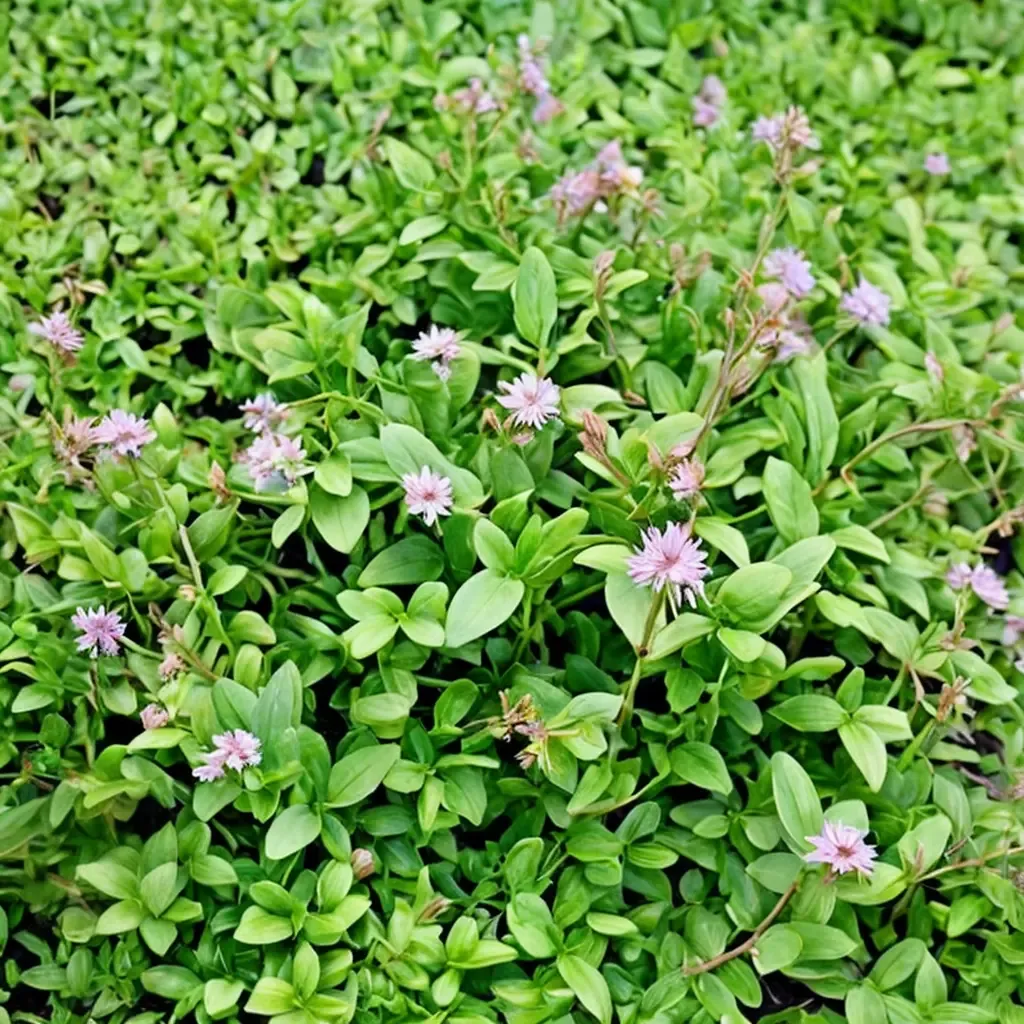
Pennyroyal
Mentha pulegium 'Nana'
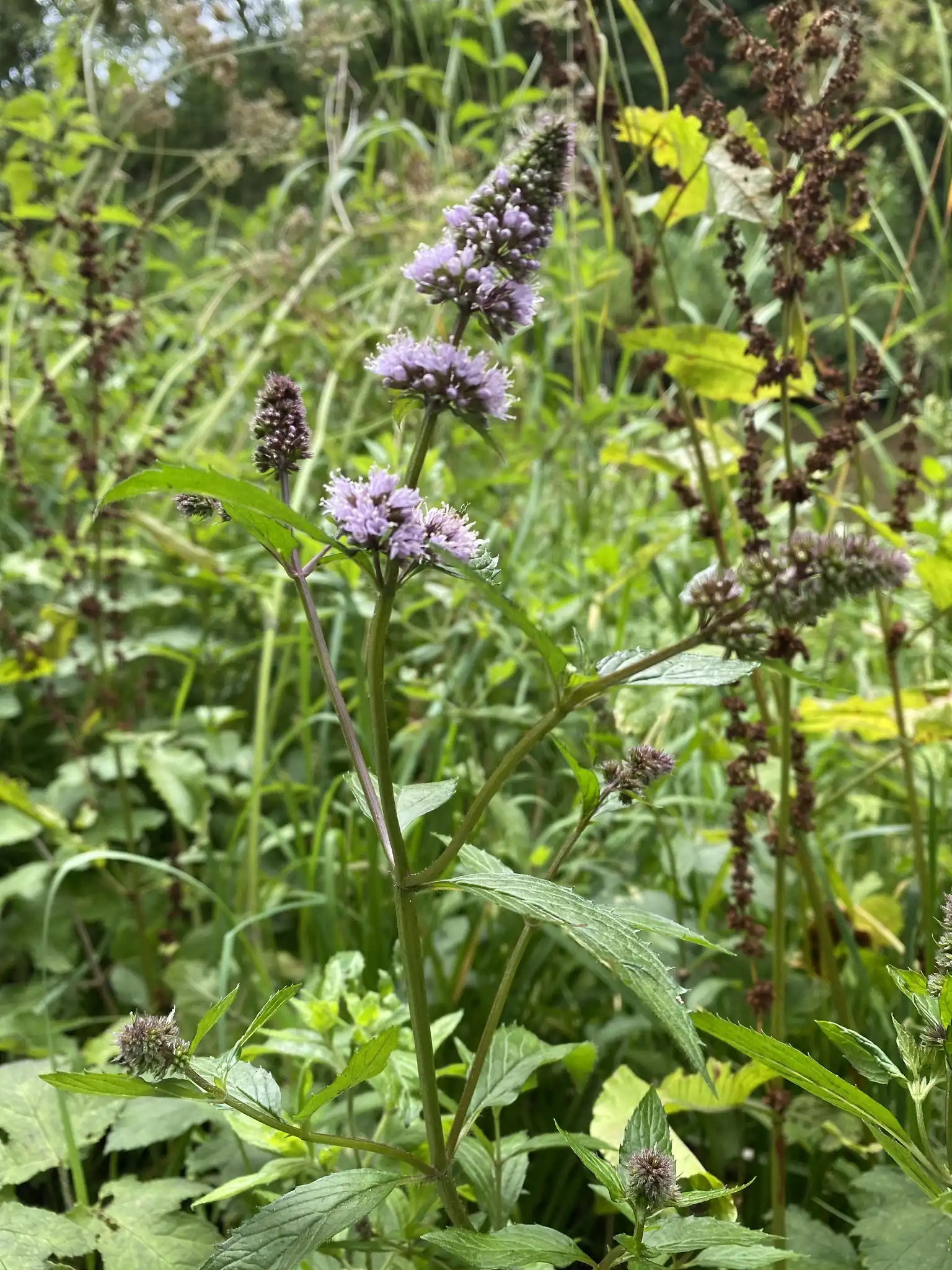
Peppermint
Mentha x piperita
Keep exploring
Explore the genus
Grow Horse Mint with confidence
See it in a design of your actual yard, get zone-matched care reminders, and track it season by season in your garden journal.