The Story
Plant Bio
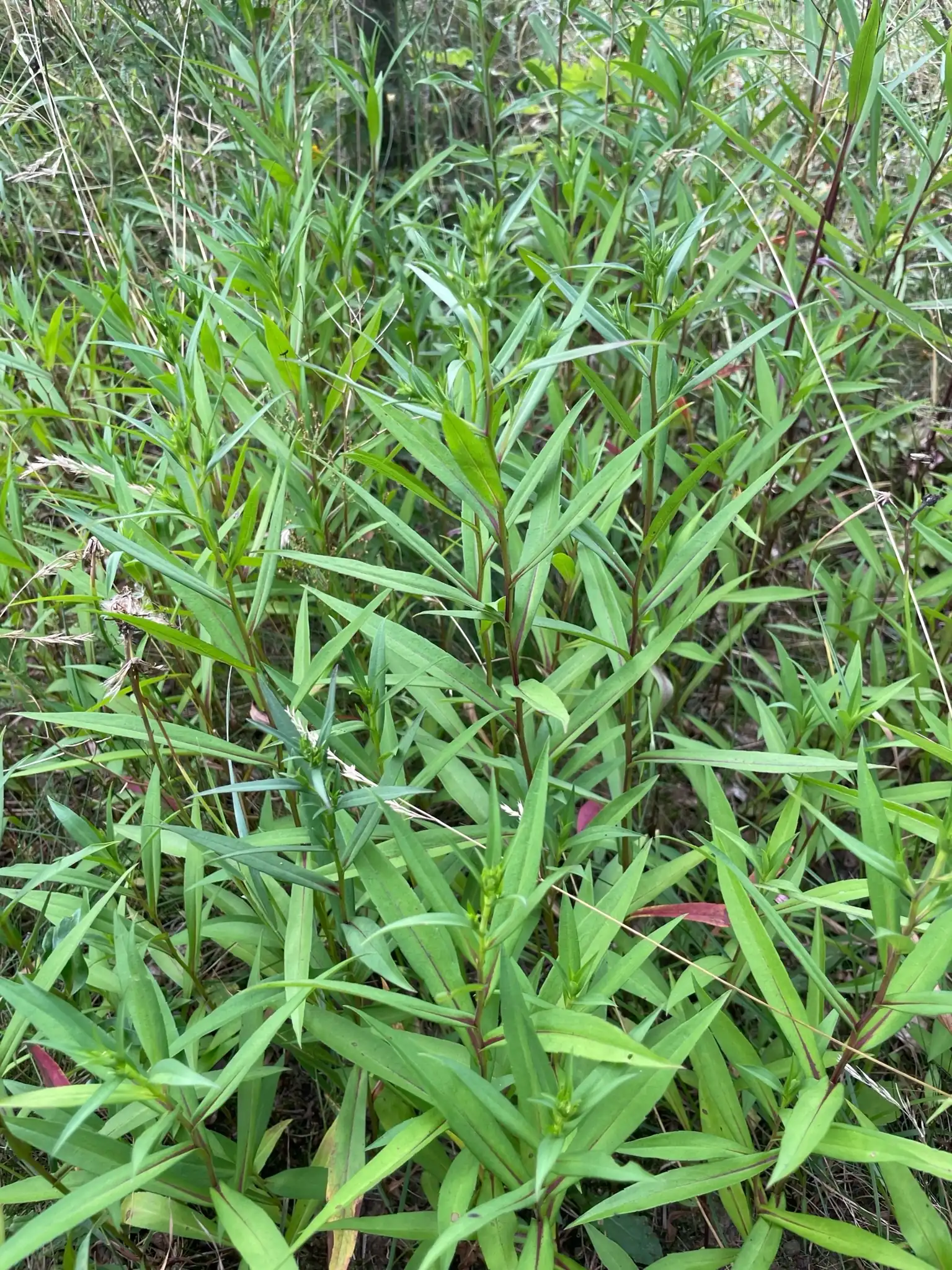
Symphyotrichum lanceolatum, known as panicled aster, is an erect herbaceous perennial native to North America that grows up to five feet tall from creeping underground rhizomes. Its tall branching stems bear narrow lance-shaped leaves and loose panicles of small flower heads with white ray florets surrounding central yellow disks that turn purple-brown with age.
This species expands via strong rhizomes to form broad colonies, making it effective for stabilizing damp soils in naturalized plantings. Late-season blooms provide an abundant nectar source for native bees, butterflies, and migrating hummingbirds into mid-autumn.
Uses & Benefits:
Essentials
At a Glance
Plant Type
Perennial
Height
60"
Width
48"
Light
Full Sun, Partial Sun
Zones
4, 5, 6, 7, 8, 9
Water
Moderate to High
Humidity
Moderate
Lifespan
Perennial
Native To
North America
Toxicity
Non-toxic
Bloom period
Summer – Fall
In flower about 6 months of the year
Planting
How to Grow
- Select a planting site in full sun or partial shade with moist, fertile soil.
- Dig a hole twice as wide as the root ball and set the crown level with the surrounding soil.
- Water thoroughly to settle soil around roots and eliminate air pockets.
- Apply a two-inch layer of organic mulch around the plant base to conserve soil moisture.
Pro Tip
Pinch back stem tips in late spring to promote lateral branching and keep stems sturdy, preventing plants from flopping under bloom weight.
Keep It Thriving
Care Guide
Do
- Maintain consistent soil moisture, especially through high summer heat.
- Divide overcrowded clumps every three to four years in early spring.
- Pinch growth back by one-third in late spring to encourage a bushier habit.
Don't
- Do not let the soil dry out completely, as plants drop lower leaves under drought stress.
- Do not over-fertilize, which causes weak stems that flop easily.
- Do not crowd plants closely together in still air, which encourages powdery mildew.
Seasonal Care Calendar
| Task | Jan | Feb | Mar | Apr | May | Jun | Jul | Aug | Sep | Oct | Nov | Dec |
|---|---|---|---|---|---|---|---|---|---|---|---|---|
| Divide | ||||||||||||
| Mulch | ||||||||||||
| Pest Check | ||||||||||||
| Pinch | ||||||||||||
| Prune |
Watch Out For
Pests & Diseases
Common Pests
Common Diseases
In the Garden
Landscape Uses & Companions
Landscape Uses
Multiply
Propagation Methods
Good to Know
Common Questions
Panicled Aster questions
What zones can Panicled Aster grow in?
Panicled Aster is hardy in USDA Zones 4–9: in that range it survives winter in the ground. Warmer than Zone 9, winter isn't the problem: it prefers colder winters, and summer heat can shorten its life.
Is Panicled Aster deer resistant?
Not reliably. Deer may browse Panicled Aster, especially tender spring growth — plan on repellents or fencing where pressure is high.
When does Panicled Aster bloom?
Panicled Aster typically blooms from summer to fall. Exact timing shifts a week or two with your zone — Sow's bloom calendar maps it to your garden.
Does Panicled Aster need full sun?
Panicled Aster does best in full sun to part shade. In hot climates, afternoon shade keeps blooms fresher longer.
More Symphyotrichum to compare
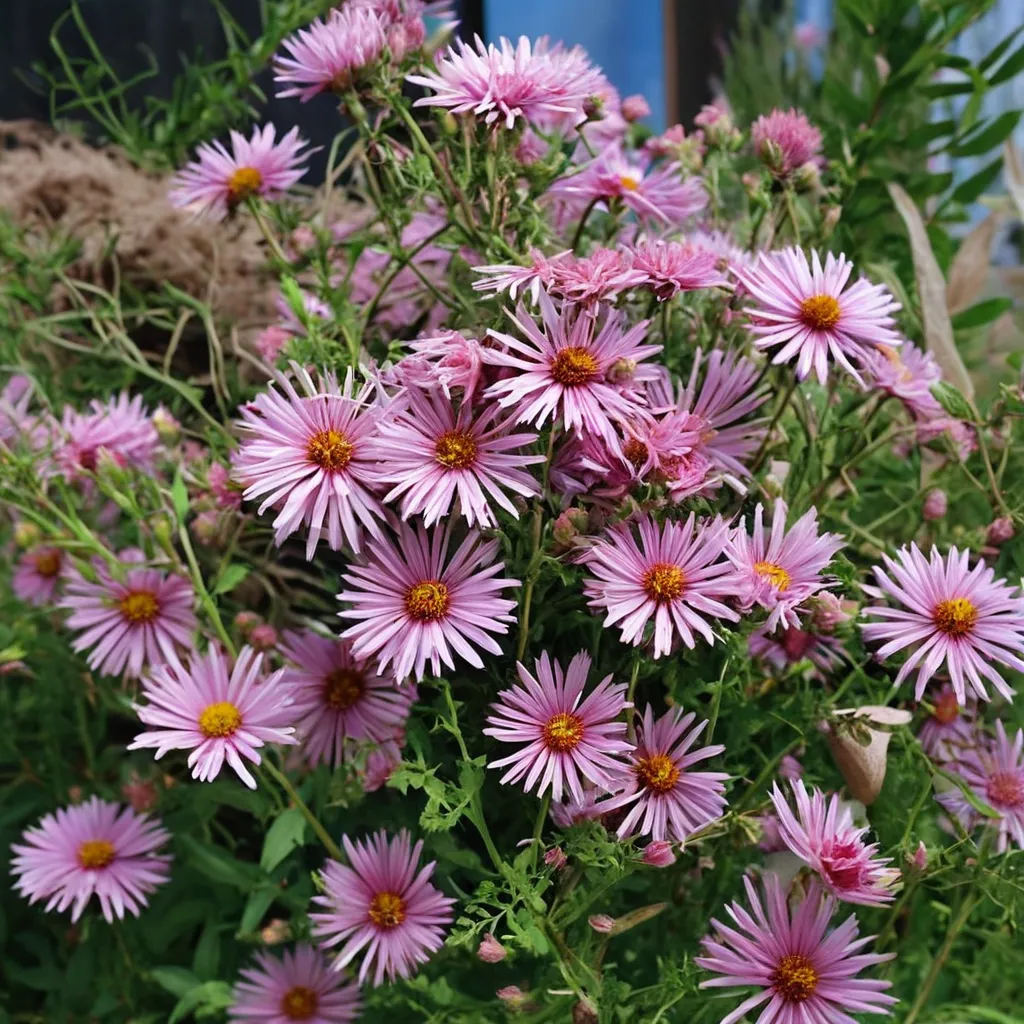
New England Aster Harringtons Pink
Symphyotrichum novae-angliae 'Harringtons Pink'
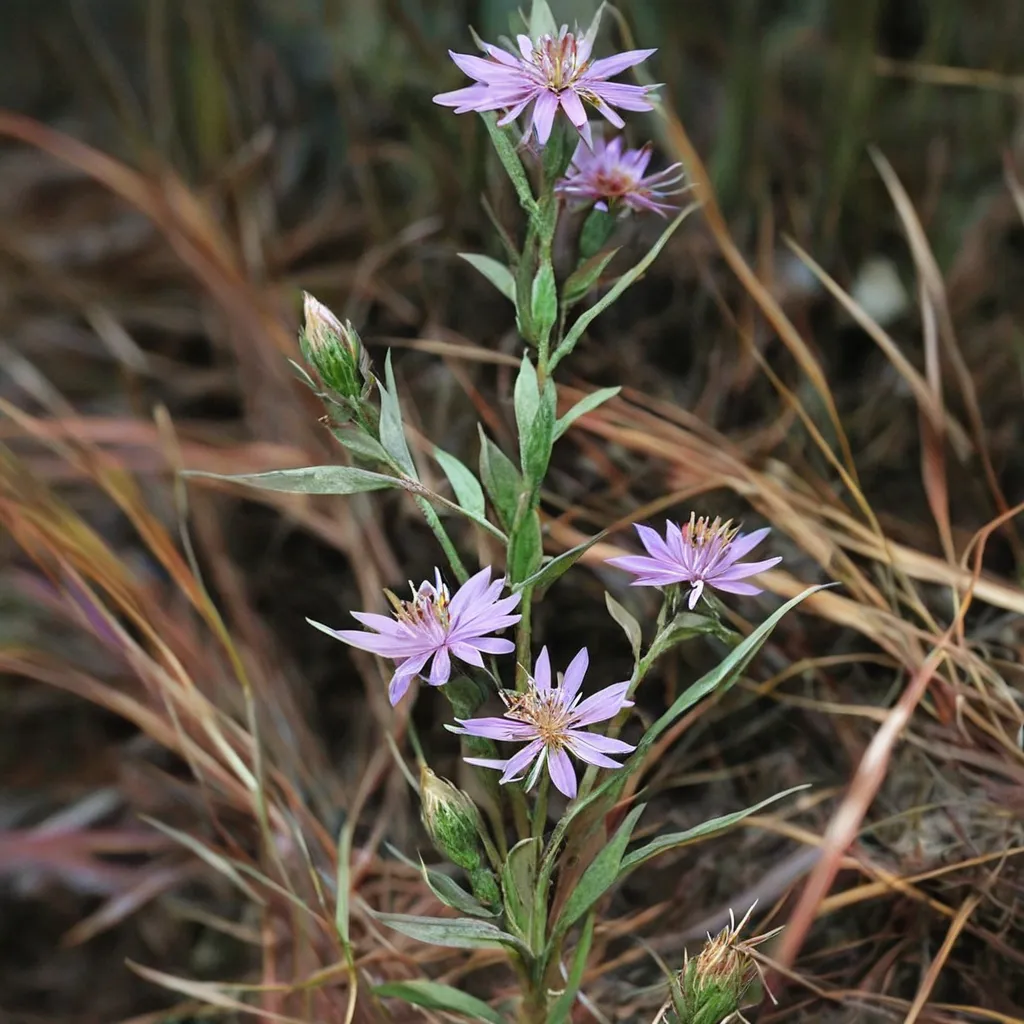
Eastern Silver Aster
Symphyotrichum concolor
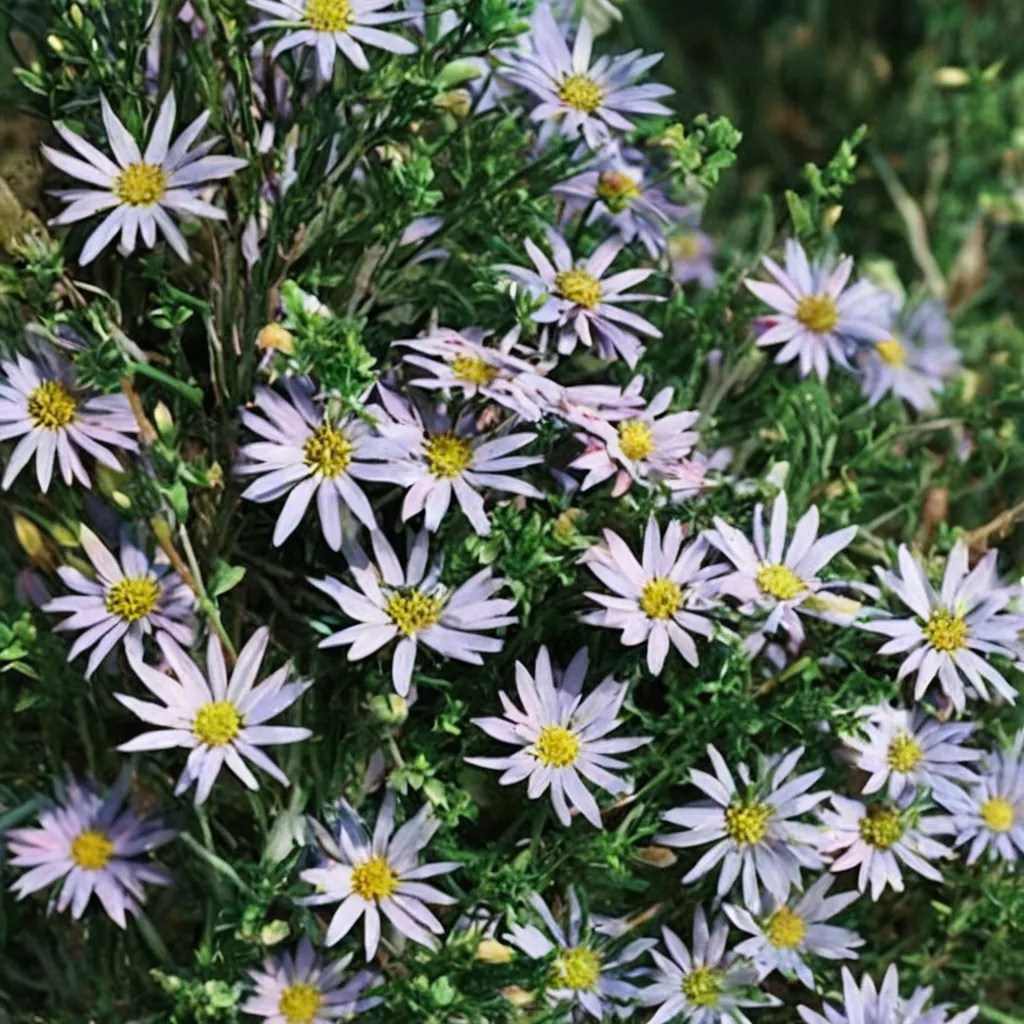
New Mexico Aster My Antonia
Symphyotrichum fendleri 'My Antonia'
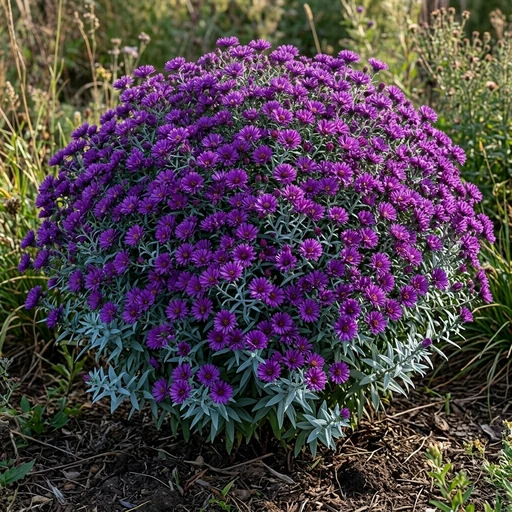
Purple Dome New England Aster
Symphyotrichum novae-angliae 'Purple Dome'
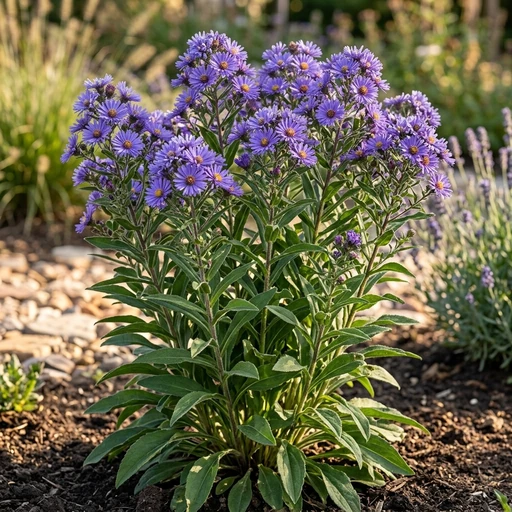
New England Aster
Symphyotrichum novae-angliae

Snow Flurry Heath Aster
Symphyotrichum ericoides 'Snow Flurry'
Keep exploring
Grow Panicled Aster with confidence
See it in a design of your actual yard, get zone-matched care reminders, and track it season by season in your garden journal.