The Story
Plant Bio
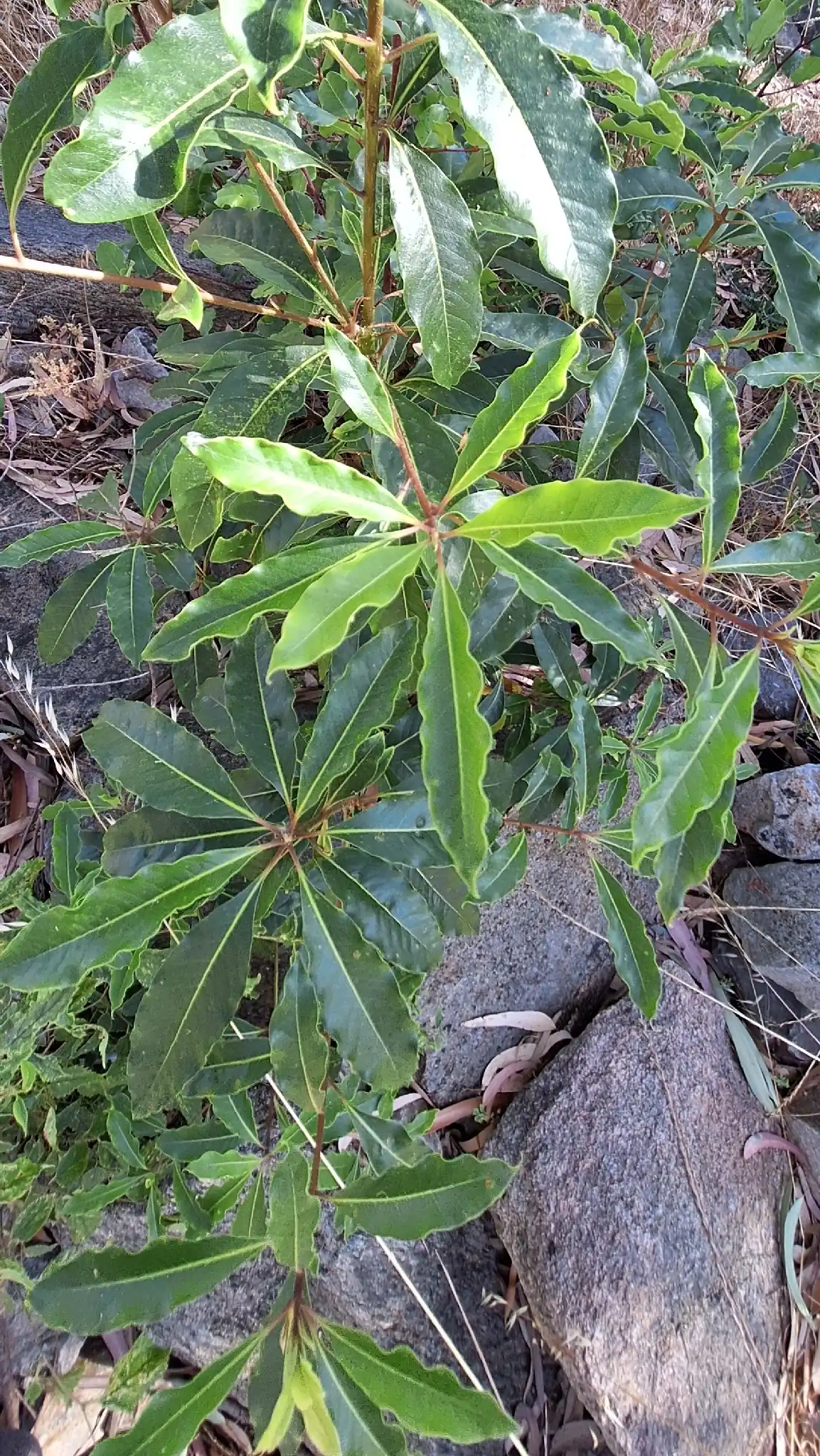
Pittosporum undulatum is a dense evergreen shrub or small tree growing up to fifty feet high, featuring glossy dark green foliage with distinct wavy margins. Terminal clusters of small, fragrant white to cream blossoms open in spring, followed by sticky orange seed capsules.
The species is notable for its heavily scented flowers that smell of citrus blossom and its distinctly undulate leaf edges. Heavy fruit production attracts seed-eating birds, enabling the plant to self-sow readily in mild coastal environments.
Uses & Benefits:
Essentials
At a Glance
Plant Type
Shrub
Height
591"
Width
394"
Light
Full Sun, Partial Sun
Zones
9, 10
Water
Low to medium
Humidity
Moderate
Lifespan
Perennial
Native To
Australia
Toxicity
Toxic if ingested
Bloom period
Spring – Late spring
In flower about 3 months of the year
Planting
How to Grow
- Select a site in full sun or partial shade with sharply draining soil.
- Water regularly during the first growing season to establish a deep root system.
- Apply a balanced slow-release fertilizer in early spring if active growth appears sluggish.
- Tip-prune lightly after the spring bloom to maintain form without cutting into old leafless stems.
Pro Tip
Prune lightly right after spring flowering ends; cutting back into old bare stems destroys the natural framework because old interior wood fails to reshoot.
Keep It Thriving
Care Guide
Do
- Do plant in well-drained soil to protect roots from Phytophthora rot.
- Do prune lightly after spring flowering to manage size and shape.
- Do inspect foliage periodically for aphids and scale insects.
Don't
- Don't hard-prune into old leafless wood, as stems will fail to shoot back.
- Don't allow soil to remain waterlogged or poorly drained around the root zone.
- Don't plant adjacent to sensitive wildlands where seeds can naturalize.
Seasonal Care Calendar
| Task | Jan | Feb | Mar | Apr | May | Jun | Jul | Aug | Sep | Oct | Nov | Dec |
|---|---|---|---|---|---|---|---|---|---|---|---|---|
| Fertilize | ||||||||||||
| Mulch | ||||||||||||
| Pest Check | ||||||||||||
| Prune |
Watch Out For
Pests & Diseases
Common Pests
Common Diseases
In the Garden
Landscape Uses & Companions
Landscape Uses
Multiply
Propagation Methods
Good to Know
Common Questions
Victorian Box questions
What zones can Victorian Box grow in?
Victorian Box is hardy in USDA Zones 9–10: in that range it survives winter in the ground. Colder than Zone 9, grow it in a container you can move to shelter for the winter.
When does Victorian Box bloom?
Victorian Box typically blooms in spring. Exact timing shifts a week or two with your zone — Sow's bloom calendar maps it to your garden.
Does Victorian Box need full sun?
Victorian Box does best in full sun to part shade. In hot climates, afternoon shade keeps blooms fresher longer.
Is Victorian Box drought tolerant?
Yes — once established (usually after the first full season), Victorian Box handles dry spells with minimal watering. Water deeply its first year to build the root system that makes that possible.
More Pittosporum to compare
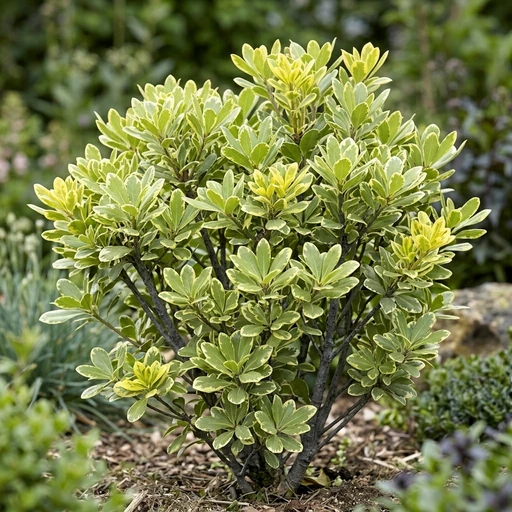
Mojo Pittosporum
Pittosporum tobira 'Mojo'
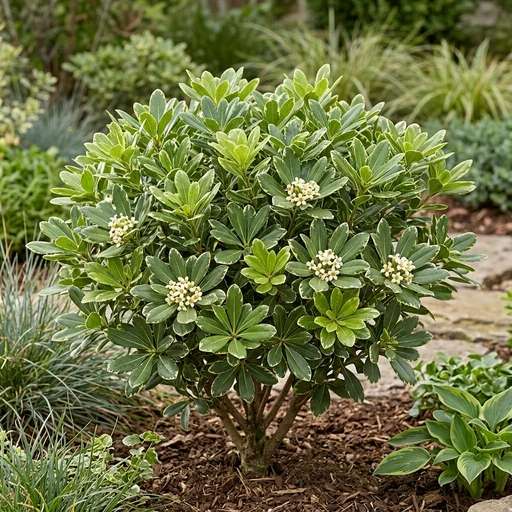
Wheeler's Dwarf Pittosporum
Pittosporum tobira 'Wheeler's Dwarf'
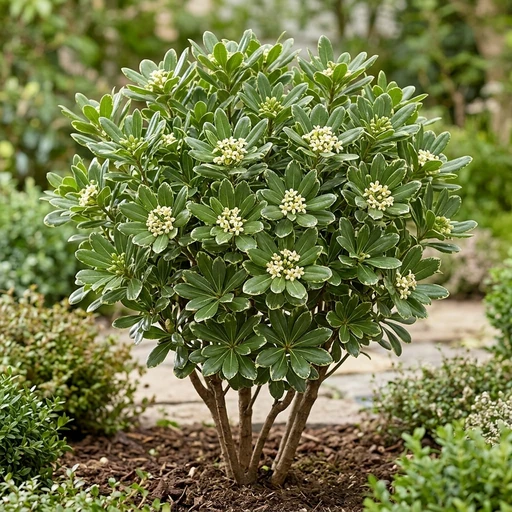
Japanese Pittosporum
Pittosporum tobira
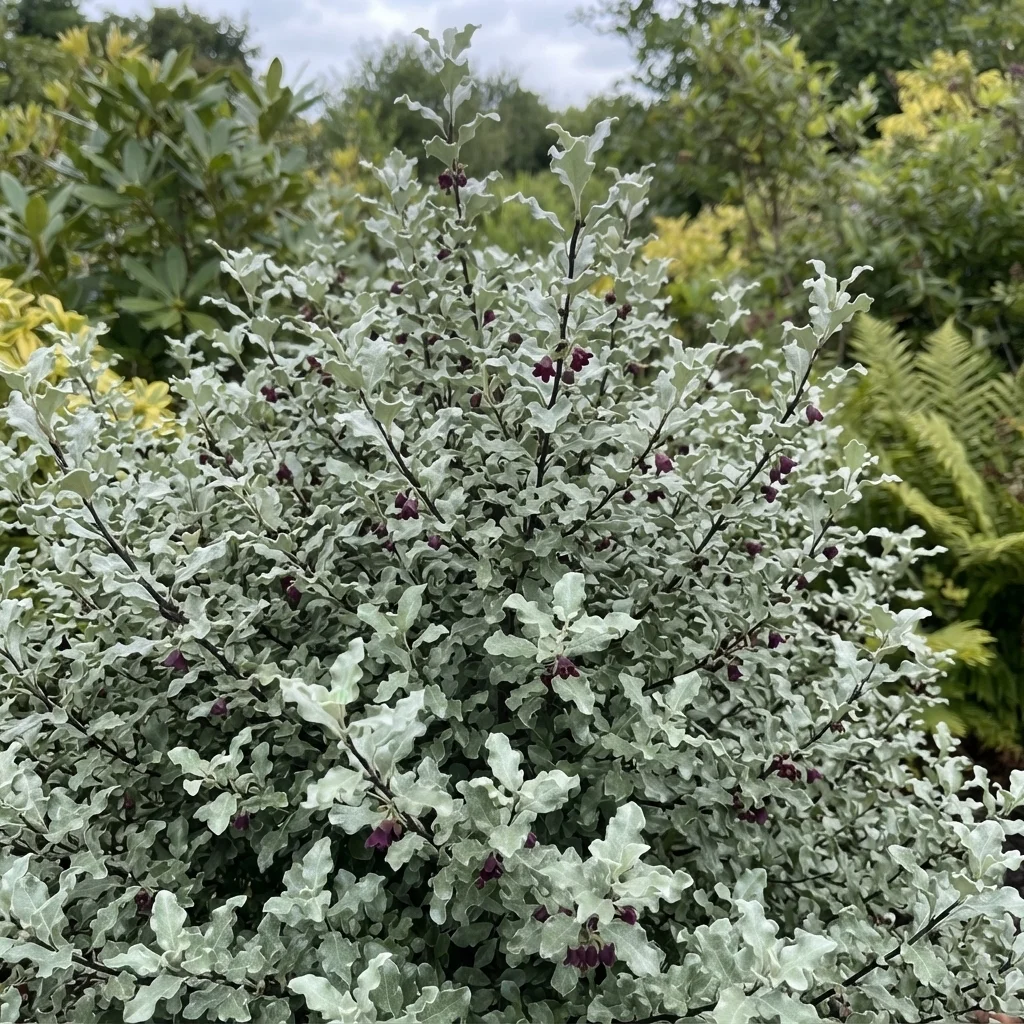
James Stirling Kohuhu
Pittosporum tenuifolium 'James Stirling'
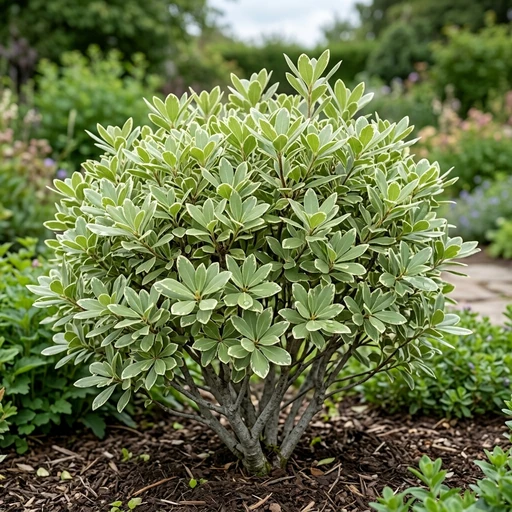
Variegated Japanese Pittosporum
Pittosporum tobira 'Variegatum'
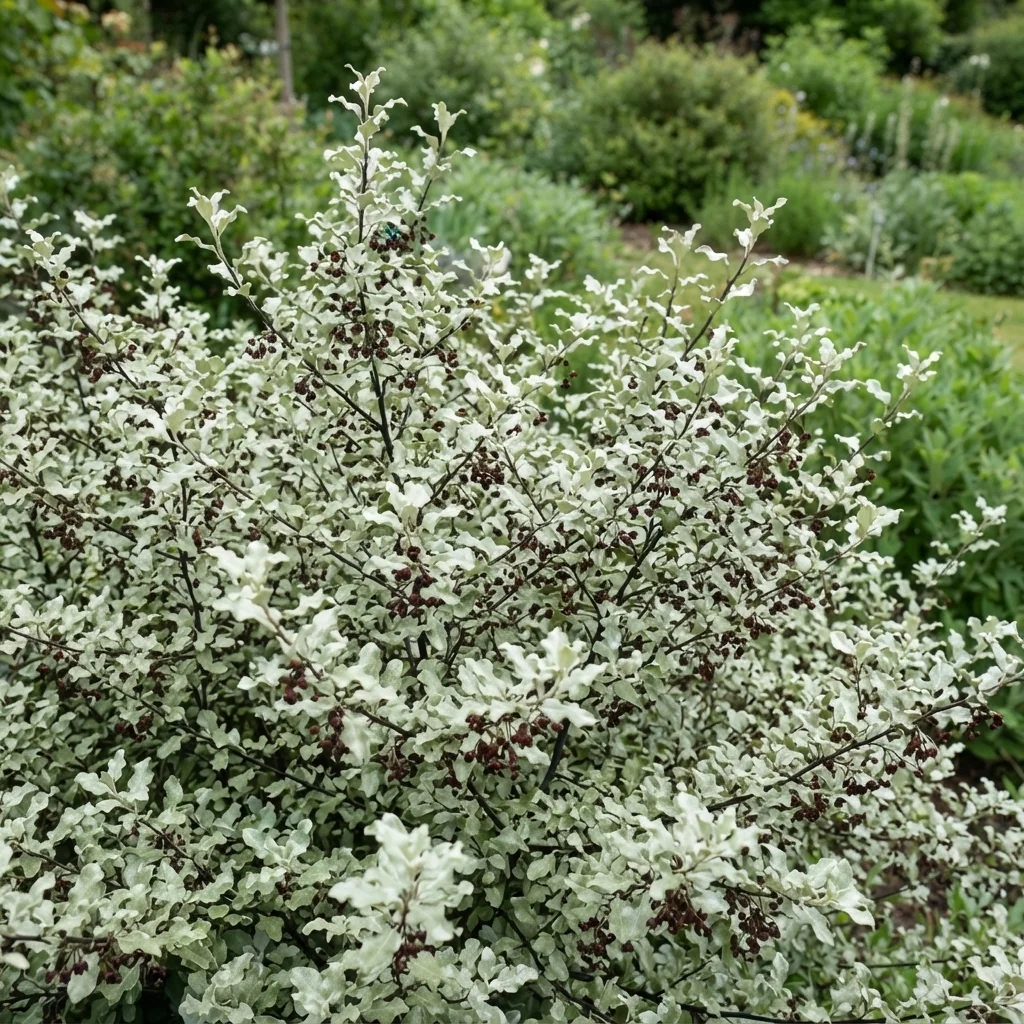
Silver Sheen Kohuhu
Pittosporum tenuifolium 'Silver Sheen'
Keep exploring
Explore the genus
Hardy in your zone?
Grow Victorian Box with confidence
See it in a design of your actual yard, get zone-matched care reminders, and track it season by season in your garden journal.