The Story
Plant Bio
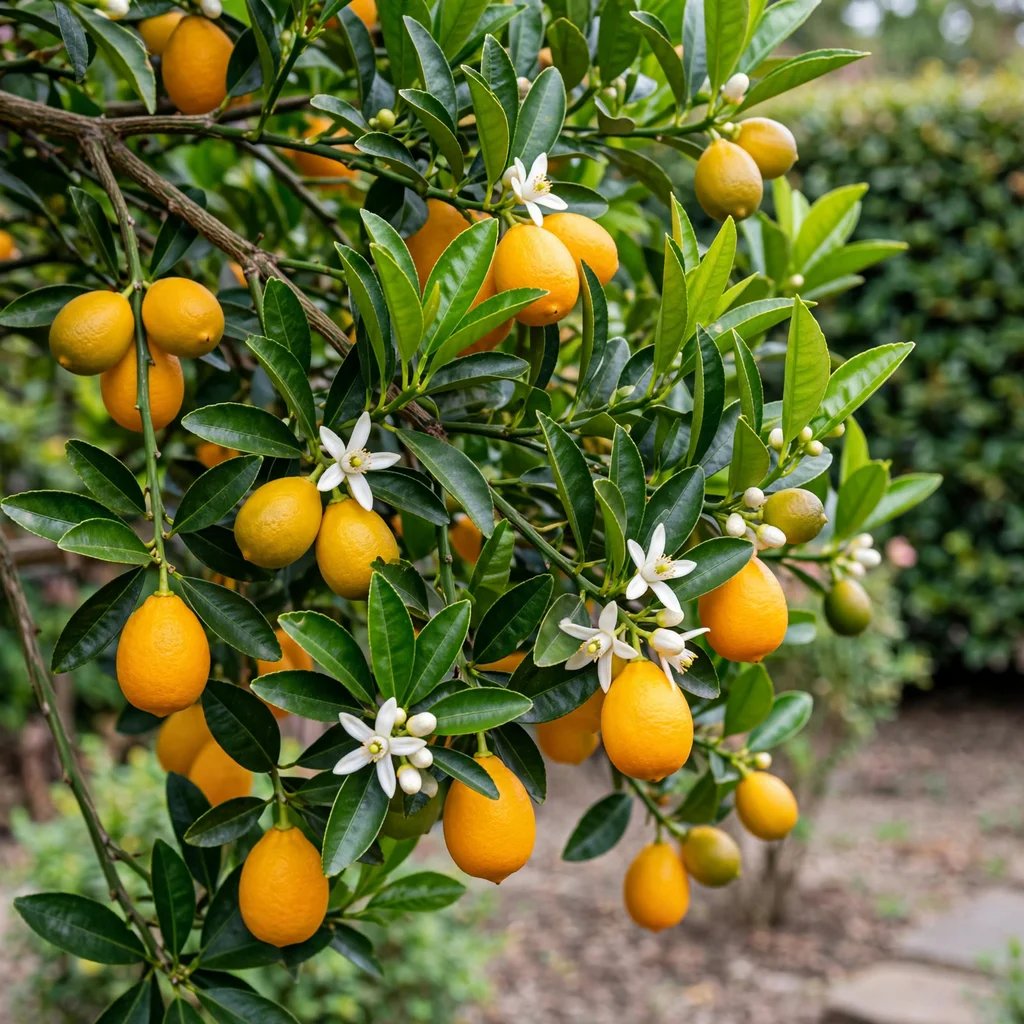
Citrus x floridana, the limequat, is a man-made evergreen hybrid between Key lime and kumquat raised in Florida in 1909, with no wild native range. It forms a bushy compact dense shrub to small tree about 8 feet tall by 5 feet wide, bearing white fragrant citrus flowers from spring to summer followed by winter-ripening fruit.
It is more cold-hardy than true lime, holding to about 18F, and grows in full sun to partial shade in well-drained medium-light sand or limestone at pH 6 to 6.5. The name floridana records where it was bred, not a Florida nativity, and the Eustis type carries pale-yellow tart fruit about 1 inch long with a sweet edible peel.
Uses & Benefits:
Essentials
At a Glance
Plant Type
Fruit Vegetable
Height
96"
Width
60"
Light
Full Sun, Partial Sun
Zones
8, 9, 10
Water
Moderate
Humidity
Average
Lifespan
Long-lived evergreen shrub
Native To
Garden hybrid, Florida USA - no wild range
Toxicity
Toxic to dogs, cats and horses
Bloom period
Spring – Summer
In flower about 6 months of the year
Marketplace
Where to Buy
Shipping costs Year-round shipping Free shipping
Planting
How to Grow
- Set in full sun with shelter from cold wind and hot western sun, spacing to allow 5-foot spread.
- Plant at nursery depth in well-drained loam or sand at pH 6.0 to 6.5, never in heavy flooded soil.
- Water deeply once a week, checking moisture every 1 to 2 days in heat; do not water daily.
- Feed with a citrus fertilizer guided by a soil test, liming to hold pH near 6.0.
- Tip-prune lightly as needed for airflow and light; protect below 18F.
Pro Tip
Prune lightly only to open airflow and admit light; cutting hard into old wood reduces leaf area and next winter's crop.
Keep It Thriving
Care Guide
Do
- Grow in full sun to partial shade in well-drained soil.
- Water deeply weekly and mulch to hold even moisture.
- Feed as a citrus with soil-test guidance.
- Monitor for scale, mites and leafminer and treat with horticultural oil.
Don't
- Do not plant in heavy clay or flood-prone ground.
- Do not prune hard every year or strip leaf area.
- Do not allow dogs, cats or horses to chew leaves, peel or oils.
Seasonal Care Calendar
| Task | Jan | Feb | Mar | Apr | May | Jun | Jul | Aug | Sep | Oct | Nov | Dec |
|---|---|---|---|---|---|---|---|---|---|---|---|---|
| Fertilize | ||||||||||||
| Harvest | ||||||||||||
| Pest Check | ||||||||||||
| Plant | ||||||||||||
| Prune |
Watch Out For
Pests & Diseases
Common Pests
Common Diseases
In the Garden
Landscape Uses & Companions
Landscape Uses
Multiply
Propagation Methods
Good to Know
Common Questions
Limequat questions
What zones can Limequat grow in?
Limequat is hardy in USDA Zones 8–10: in that range it survives winter in the ground. Colder than Zone 8, grow it in a container you can move to shelter for the winter, or as an annual.
When does Limequat bloom?
Limequat typically blooms from spring to summer. Exact timing shifts a week or two with your zone — Sow's bloom calendar maps it to your garden.
Does Limequat need full sun?
Limequat does best in full sun to part shade. In hot climates, afternoon shade keeps blooms fresher longer.
More Citrus to compare
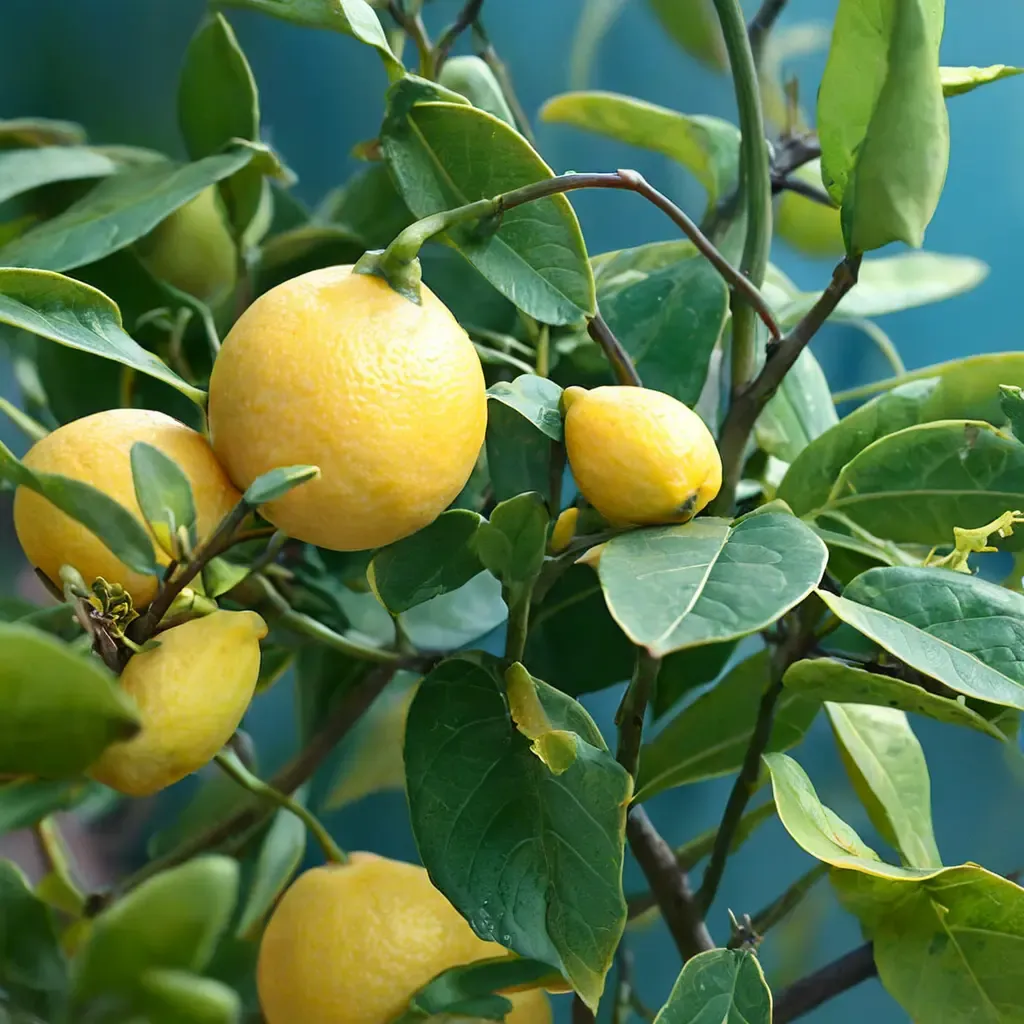
Meyer Lemon
Citrus limon 'Meyer'
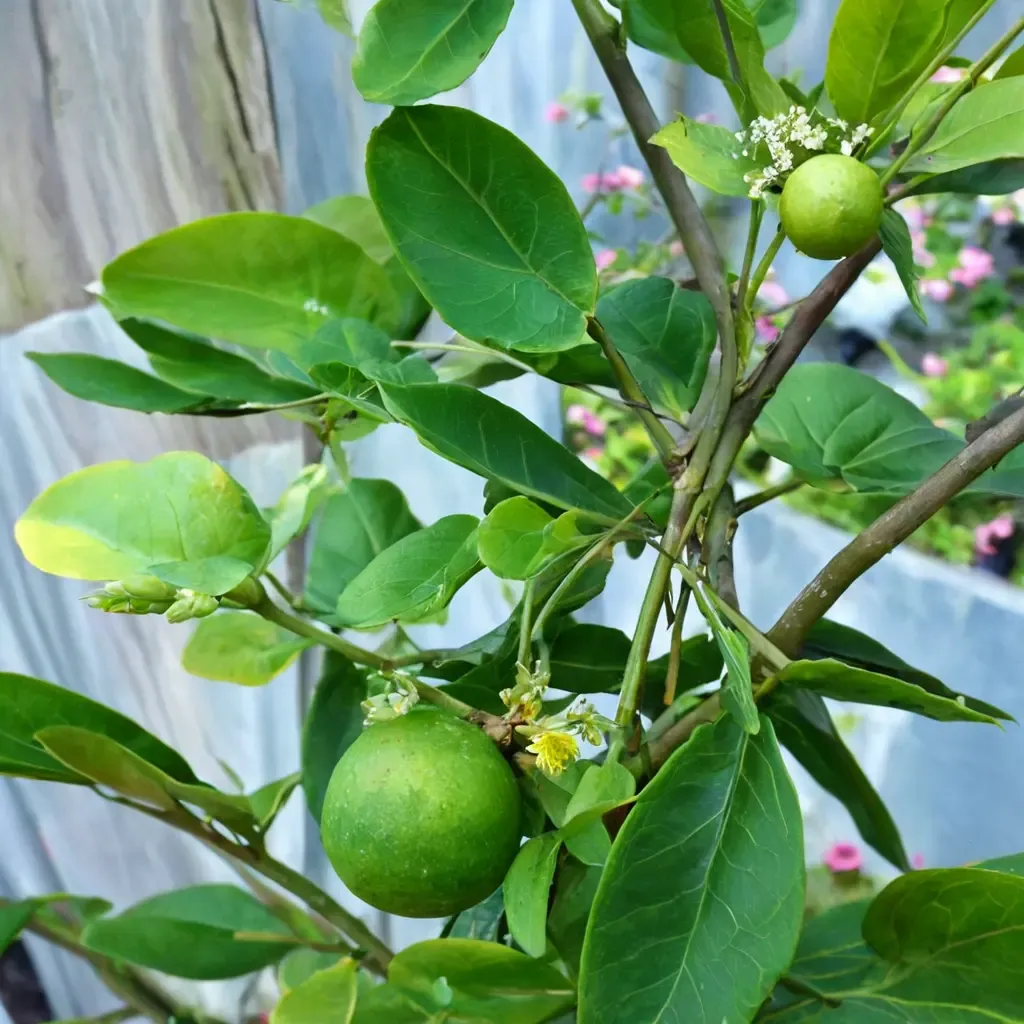
Key Lime
Citrus aurantiifolia
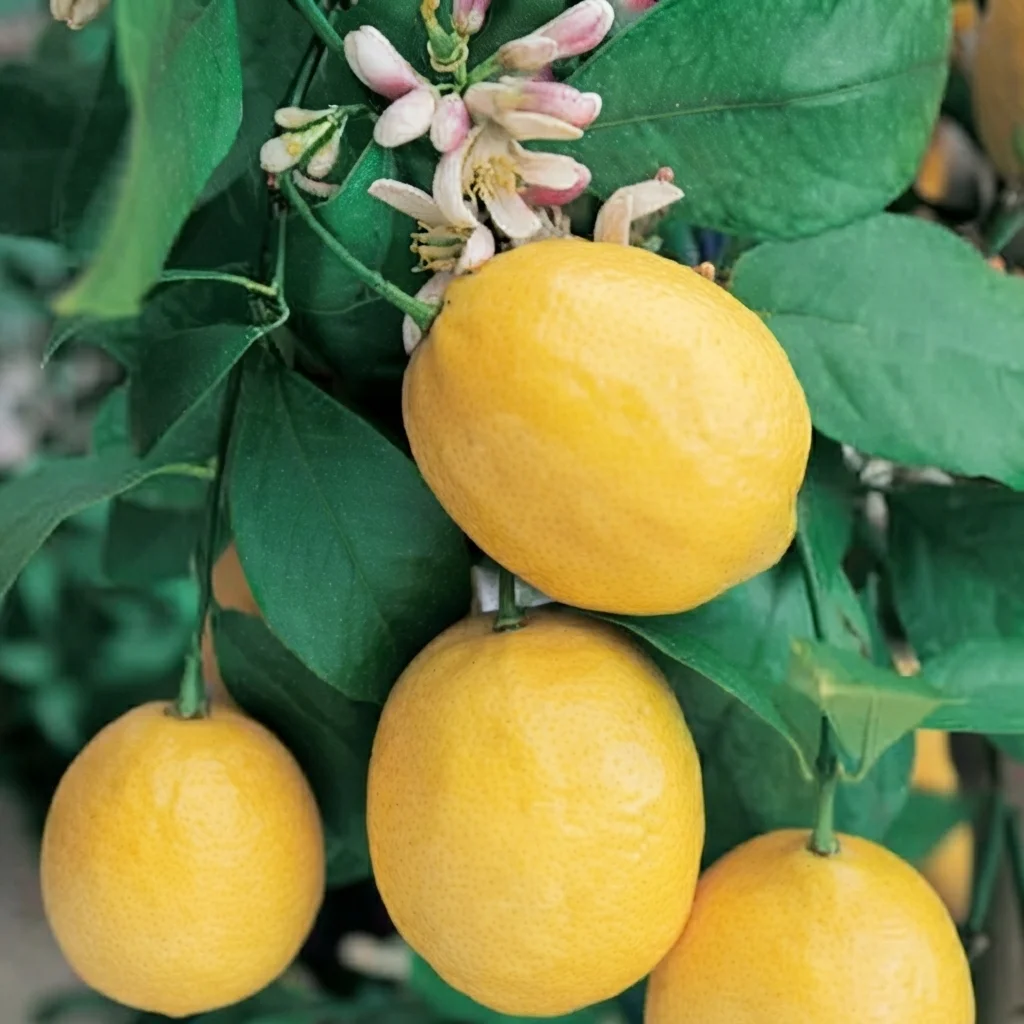
Eureka Lemon
Citrus limon 'Eureka'
Moro Blood Orange
Citrus sinensis 'Moro'
Sanguinello Orange
Citrus reticulata 'Sanguinea'
Calamondin
Citrus mitis
Keep exploring
Explore the genus
Hardy in your zone?
Grow Limequat with confidence
See it in a design of your actual yard, get zone-matched care reminders, and track it season by season in your garden journal.