The Story
Plant Bio
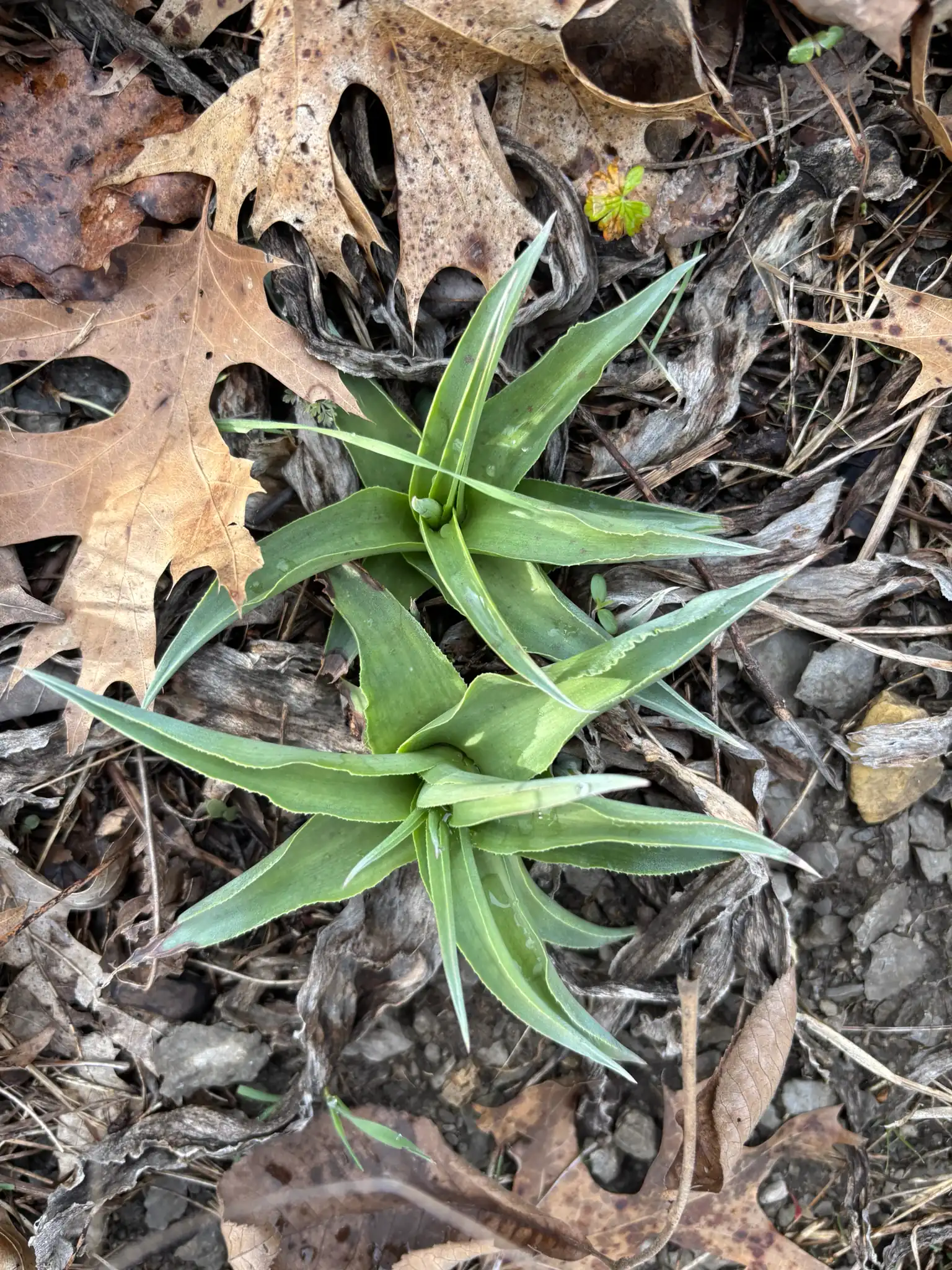
Agave virginica, commonly known as false aloe, is a deciduous, acaulescent perennial native to the eastern and central United States, forming a basal rosette of soft, fleshy leaves. Unlike rigid desert agaves, this species grows from a subterranean bulb-like rhizome and dies back completely to the ground during winter in the colder parts of its range.
The pliable, lanceolate leaves lack sharp terminal spines and feature minutely denticulate margins, often displaying faint purple or brown mottling. In summer, a single erect flowering scape rises up to six feet, bearing a sparse spike of tubular, fragrant, greenish-yellow flowers.
Uses & Benefits:
Essentials
At a Glance
Plant Type
Perennial
Height
72"
Width
24"
Light
Full Sun, Partial Sun
Zones
6, 7, 8, 9, 10
Water
Low to moderate
Humidity
Moderate to high
Lifespan
Perennial
Native To
North America
Toxicity
Mildly toxic if ingested; sap can irritate skin
Bloom period
Summer
In flower about 3 months of the year
Planting
How to Grow
- Select a planting site in full sun to partial shade with sharp, rapid drainage.
- Amend heavy soils with coarse sand, gravel, or grit to prevent winter waterlogging.
- Plant rhizomes just below the soil surface, ensuring the crown is not buried too deeply.
- Water regularly during the first growing season to establish the root system, then reduce watering.
Pro Tip
Do not mistake winter die-back for plant death; this species is a geophyte that naturally sheds its foliage in cold weather and requires consistent moisture during its active summer growth period rather than strict desert-like drought.
Keep It Thriving
Care Guide
Do
- Provide excellent soil drainage to prevent root and crown rot.
- Allow the foliage to die back naturally in winter to protect the subterranean rhizome.
- Clear away completely dead outer leaves in early spring before new growth emerges.
Don't
- Do not overwater during the winter dormancy period when the plant is underground.
- Do not plant in heavy, poorly draining clay soils or low spots where water pools.
- Do not handle damaged leaves without gloves, as the sap contains irritating calcium oxalate crystals.
Seasonal Care Calendar
| Task | Jan | Feb | Mar | Apr | May | Jun | Jul | Aug | Sep | Oct | Nov | Dec |
|---|---|---|---|---|---|---|---|---|---|---|---|---|
| Fertilize | ||||||||||||
| Pest Check | ||||||||||||
| Propagate | ||||||||||||
| Spring Cleanup |
Watch Out For
Pests & Diseases
Common Pests
Common Diseases
In the Garden
Landscape Uses & Companions
Landscape Uses
Multiply
Propagation Methods
Good to Know
Common Questions
False Aloe questions
What zones can False Aloe grow in?
False Aloe is hardy in USDA Zones 6–10: in that range it survives winter in the ground. Colder than Zone 6, grow it in a container you can move to shelter for the winter, or as an annual.
Is False Aloe deer resistant?
Not reliably. Deer may browse False Aloe, especially tender spring growth — plan on repellents or fencing where pressure is high.
When does False Aloe bloom?
False Aloe typically blooms in summer. Exact timing shifts a week or two with your zone — Sow's bloom calendar maps it to your garden.
Does False Aloe need full sun?
False Aloe does best in full sun to part shade. In hot climates, afternoon shade keeps blooms fresher longer.
Is False Aloe drought tolerant?
Yes — once established (usually after the first full season), False Aloe handles dry spells with minimal watering. Water deeply its first year to build the root system that makes that possible.
More Agave to compare
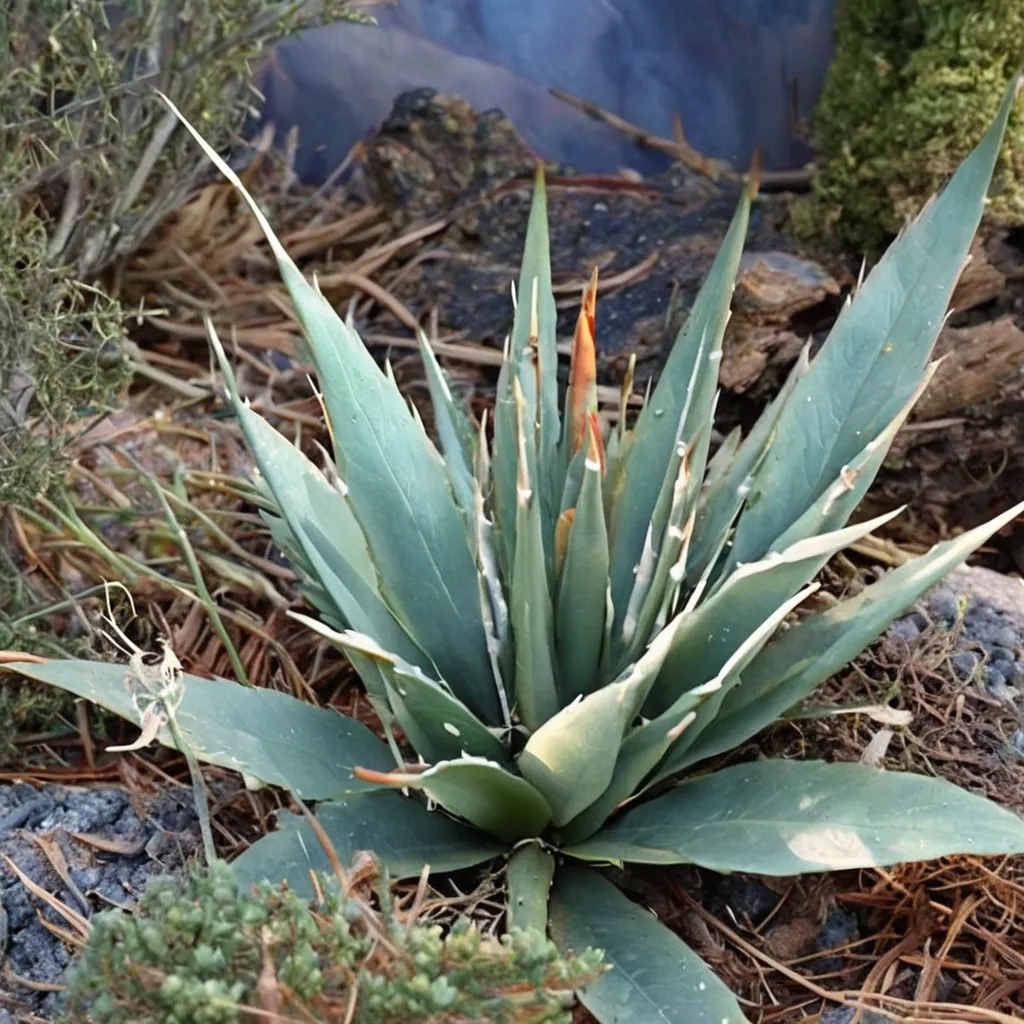
Utah Agave Kaibabensis
Agave utahensis 'kaibabensis'
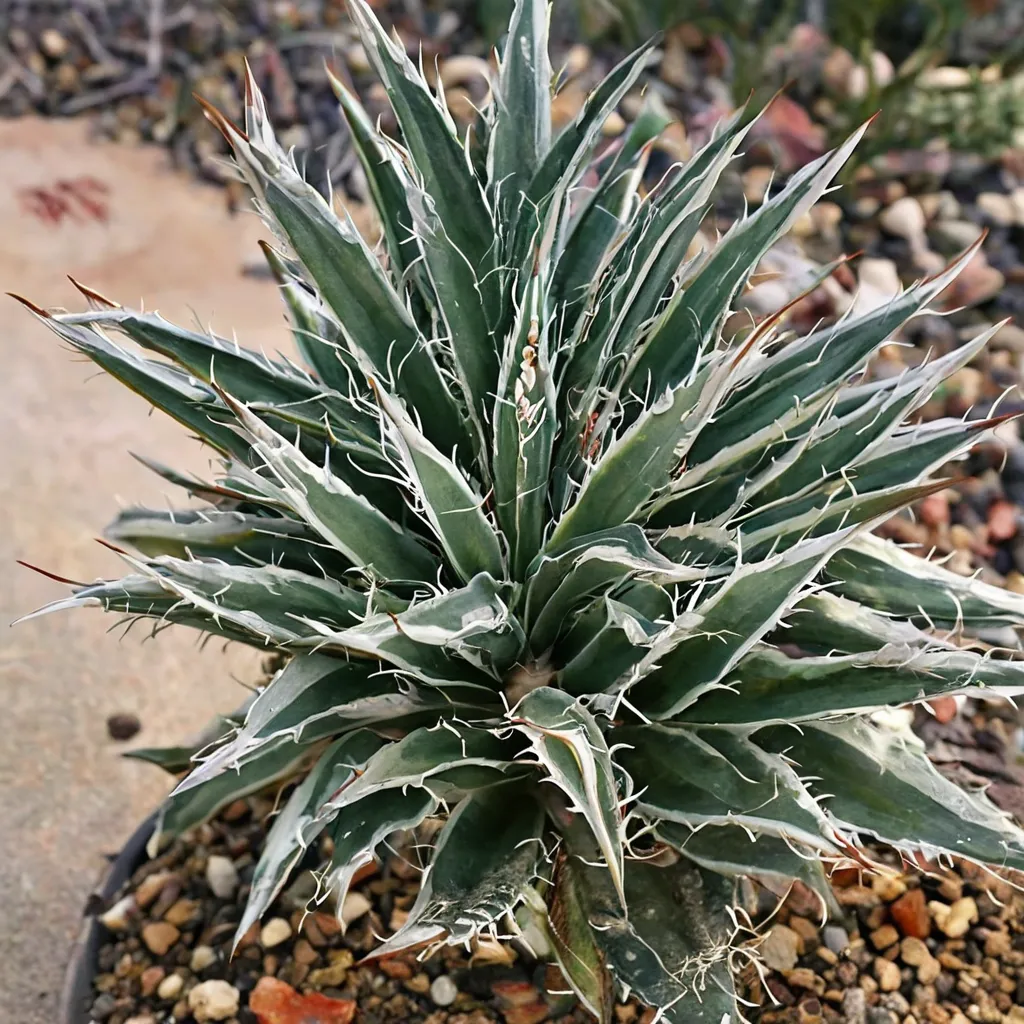
Toumey's Agave
Agave toumeyana
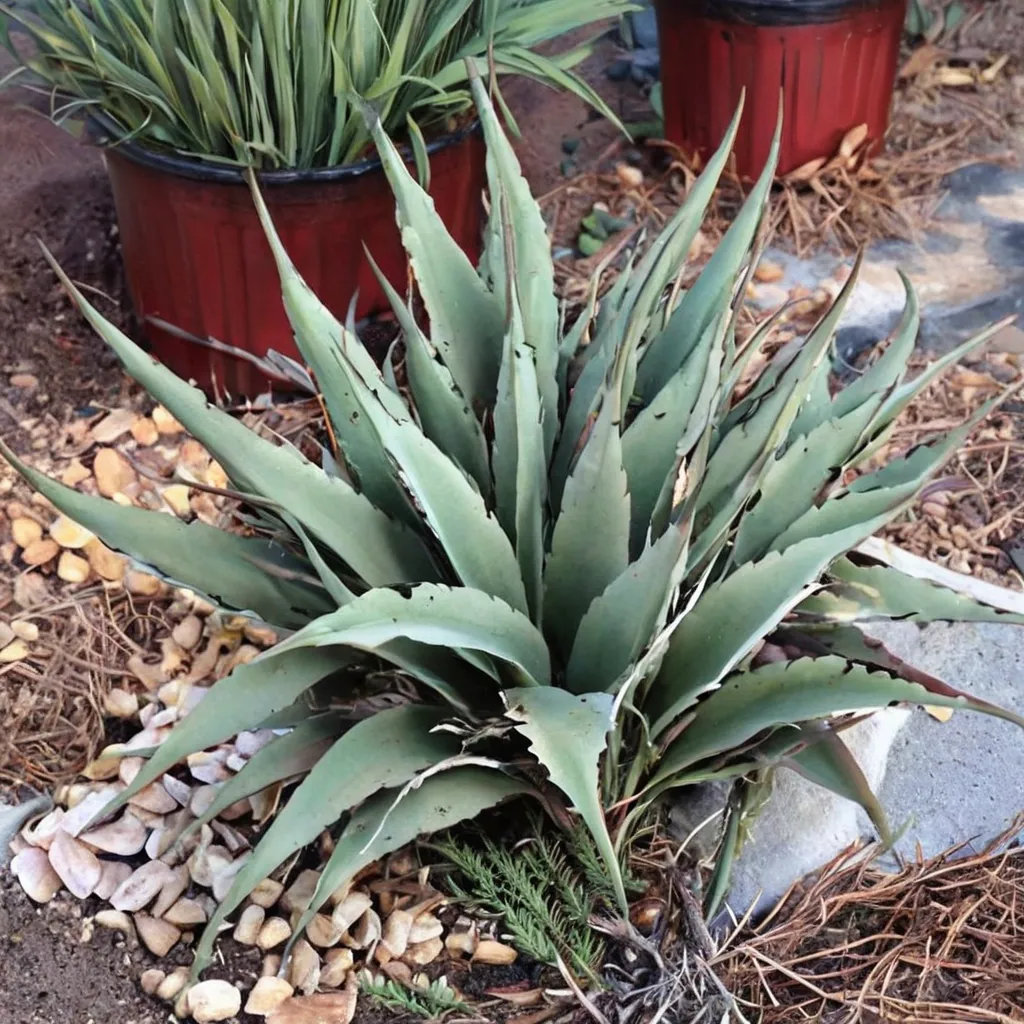
Slimfoot Century Plant
Agave gracilipes
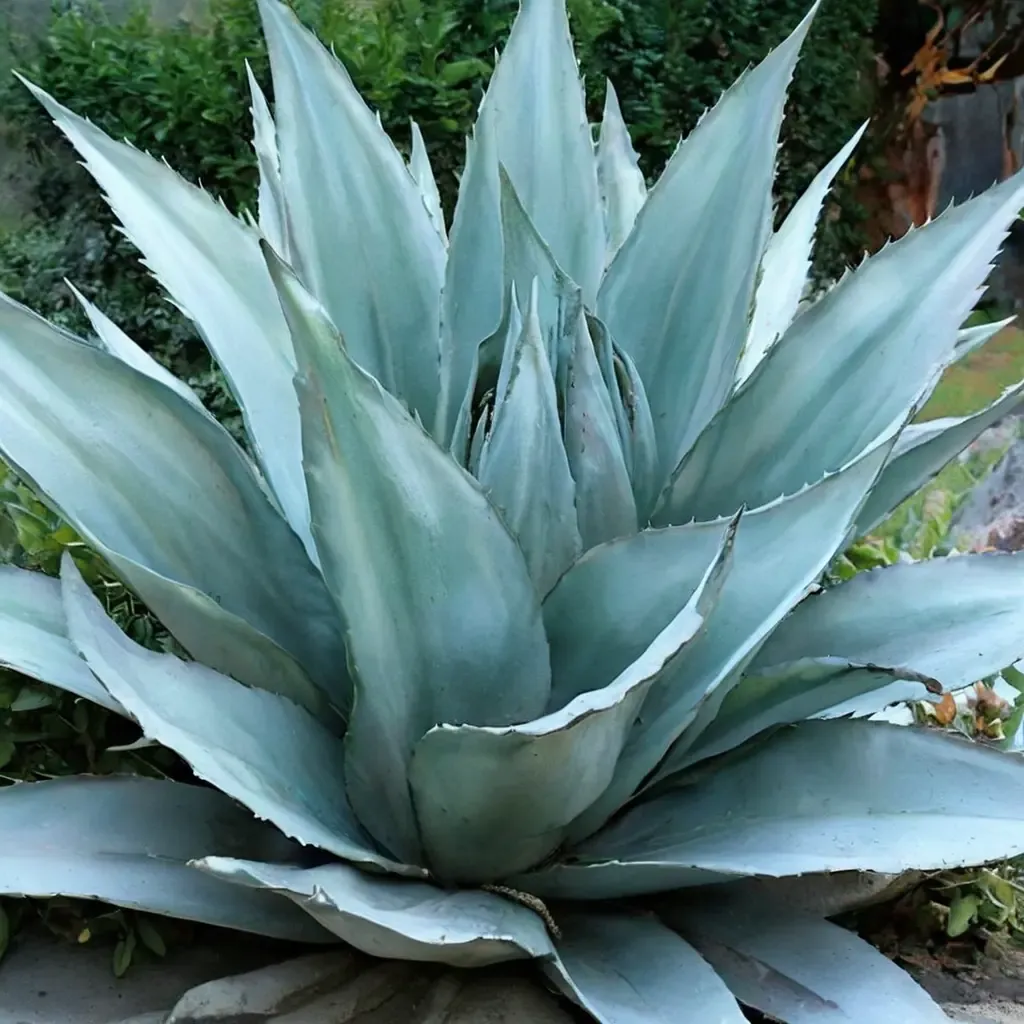
Vanzie Whale's Tongue Agave
Agave ovatifolia 'Vanzie'
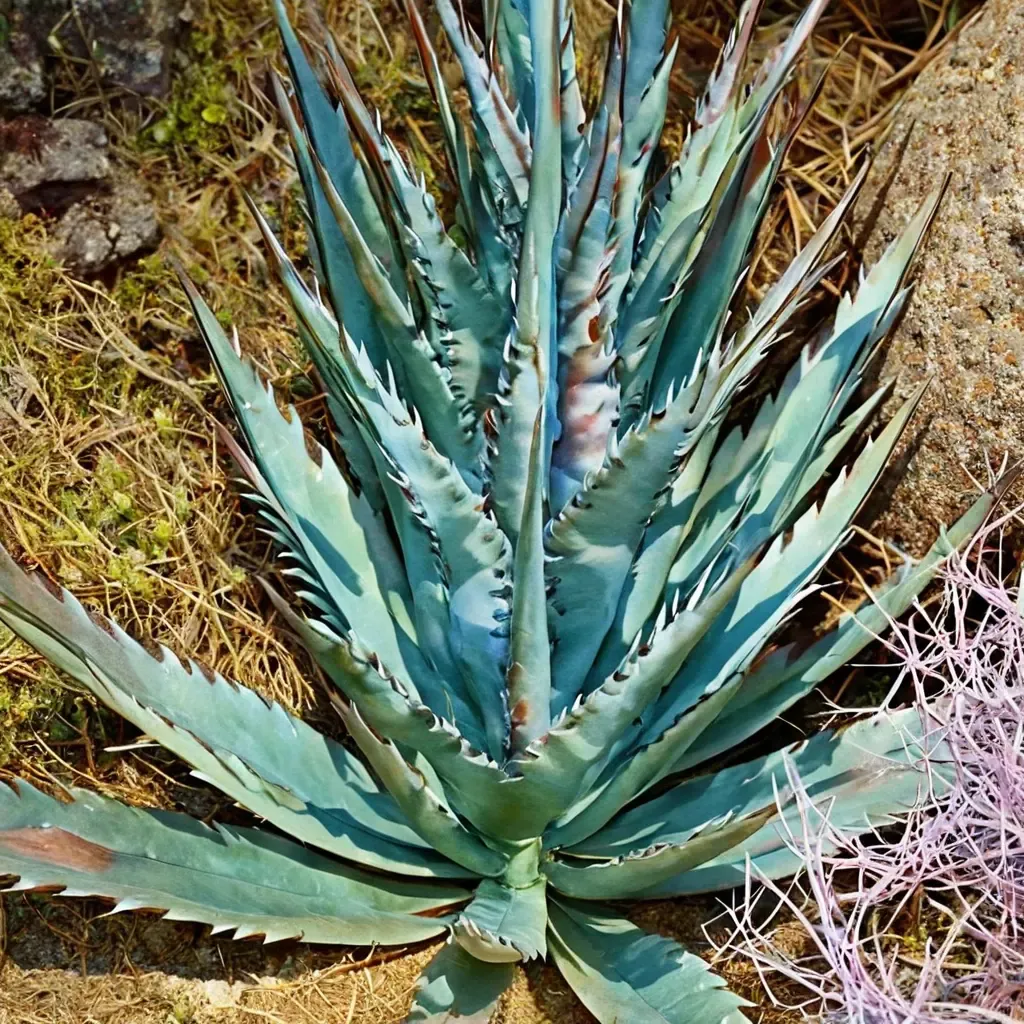
McKelvey's Agave
Agave mckelveyana
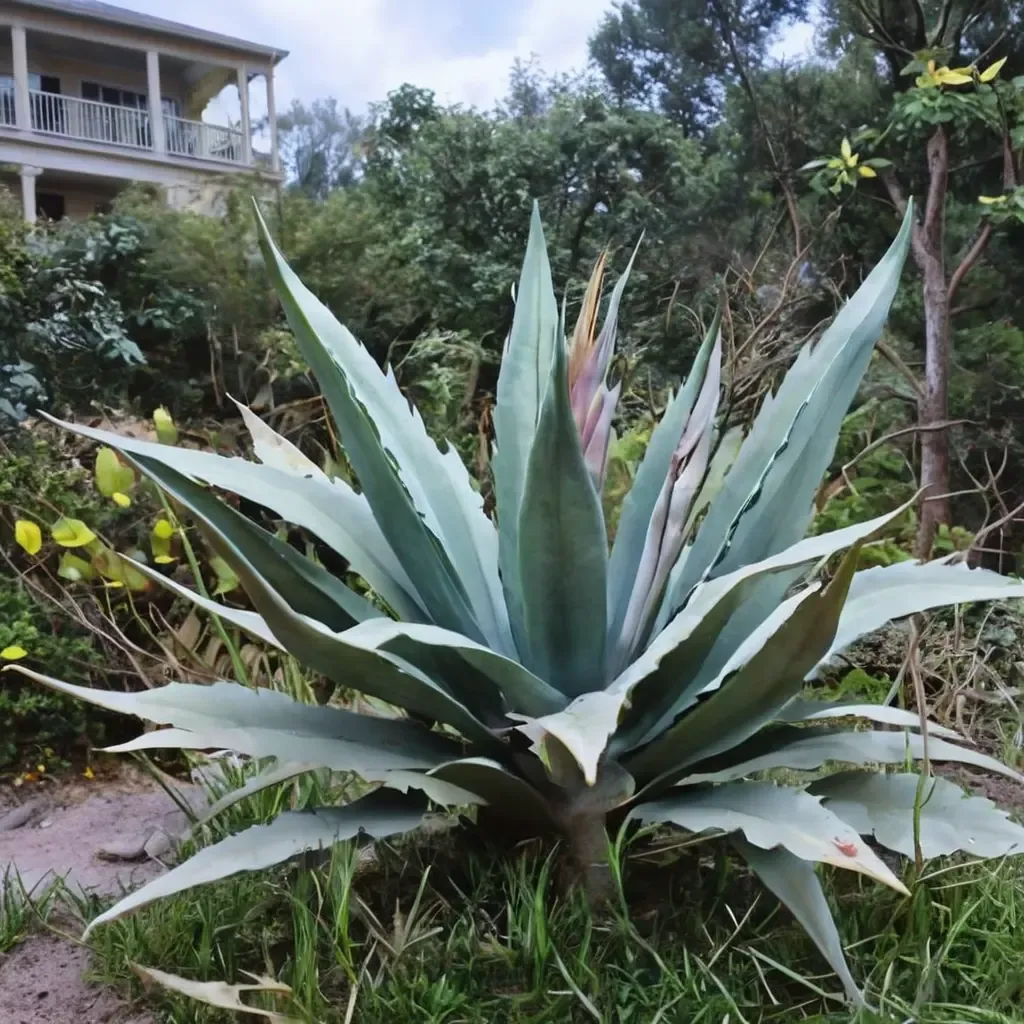
Grey Gator Agave
Agave x hybrida 'Grey Gator'
Keep exploring
Explore the genus
Hardy in your zone?
Grow False Aloe with confidence
See it in a design of your actual yard, get zone-matched care reminders, and track it season by season in your garden journal.