
The Story
Plant Bio
Euphorbia is a large genus united by milky latex that flows from any broken stem or leaf and irritates skin and eyes. The true flowers are reduced to cup-like cyathia with no petals or sepals, the show coming from glands and white to pink appendages around the rim of the cup.
Sold as Euphorbia maritima is a prostrate taprooted annual that branches divergently into a low mat to twelve inches wide, with opposite oblong leaves a quarter to a half inch long and pale red stems. It blooms from late spring to fall with solitary cyathia at the outer nodes, and the nursery name covers two eastern seaboard seaside spurges rather than a shrubby perennial Euphorbia.
Uses & Benefits:
Essentials
At a Glance
Plant Type
Annual
Height
4"
Width
12"
Light
Full Sun
Zones
4, 5, 6, 7, 8, 9, 10
Water
Low
Humidity
Low
Lifespan
Annual
Native To
Eastern North America
Toxicity
Toxic if ingested
Bloom period
Late spring – Fall
In flower about 7 months of the year
Planting
How to Grow
- Choose full sun in deep, loose sand with excellent drainage and no competing turf or mulch.
- Clear debris to leave bare sand, then direct-sow seed on the surface or set plugs without breaking the taproot.
- Water lightly to settle sand, then withhold water except in prolonged drought.
- Leave fall plants in place to drop seed for the next season.
Pro Tip
Plant in full sun in deep, loose sand with no competing roots and leave the taproot undisturbed; crowding and shade shut the mat down faster than dryness does.
Keep It Thriving
Care Guide
Do
- Grow in full sun in open, excessively drained sand.
- Keep competition and shade away to maintain the low mat.
- Wear gloves and eye protection when handling broken stems.
Don't
- Do not fertilize or enrich the sand; it needs poor, open conditions.
- Do not cut back or shear the mat; it is an annual and does not regrow.
- Do not dig and transplant established plants with formed taproots.
Seasonal Care Calendar
| Task | Jan | Feb | Mar | Apr | May | Jun | Jul | Aug | Sep | Oct | Nov | Dec |
|---|---|---|---|---|---|---|---|---|---|---|---|---|
| Pest Check | ||||||||||||
| Plant | ||||||||||||
| Propagate | ||||||||||||
| Spring Cleanup |
Watch Out For
Pests & Diseases
Common Pests
Common Diseases
In the Garden
Landscape Uses & Companions
Landscape Uses
Companion Plants
Multiply
Propagation Methods
Good to Know
Common Questions
Seaside Sandmat questions
What zones can Seaside Sandmat grow in?
Seaside Sandmat is an annual: it grows, flowers and sets seed in one season, so winter cold doesn't limit where it grows. Gardeners in any zone can grow it by planting at the right time, usually after the last spring frost.
When does Seaside Sandmat bloom?
Seaside Sandmat typically blooms from late spring to late fall. Exact timing shifts a week or two with your zone — Sow's bloom calendar maps it to your garden.
Does Seaside Sandmat need full sun?
Seaside Sandmat does best in full sun (6+ hours).
Is Seaside Sandmat drought tolerant?
Yes — once established (usually after the first full season), Seaside Sandmat handles dry spells with minimal watering. Water deeply its first year to build the root system that makes that possible.
More Euphorbia to compare
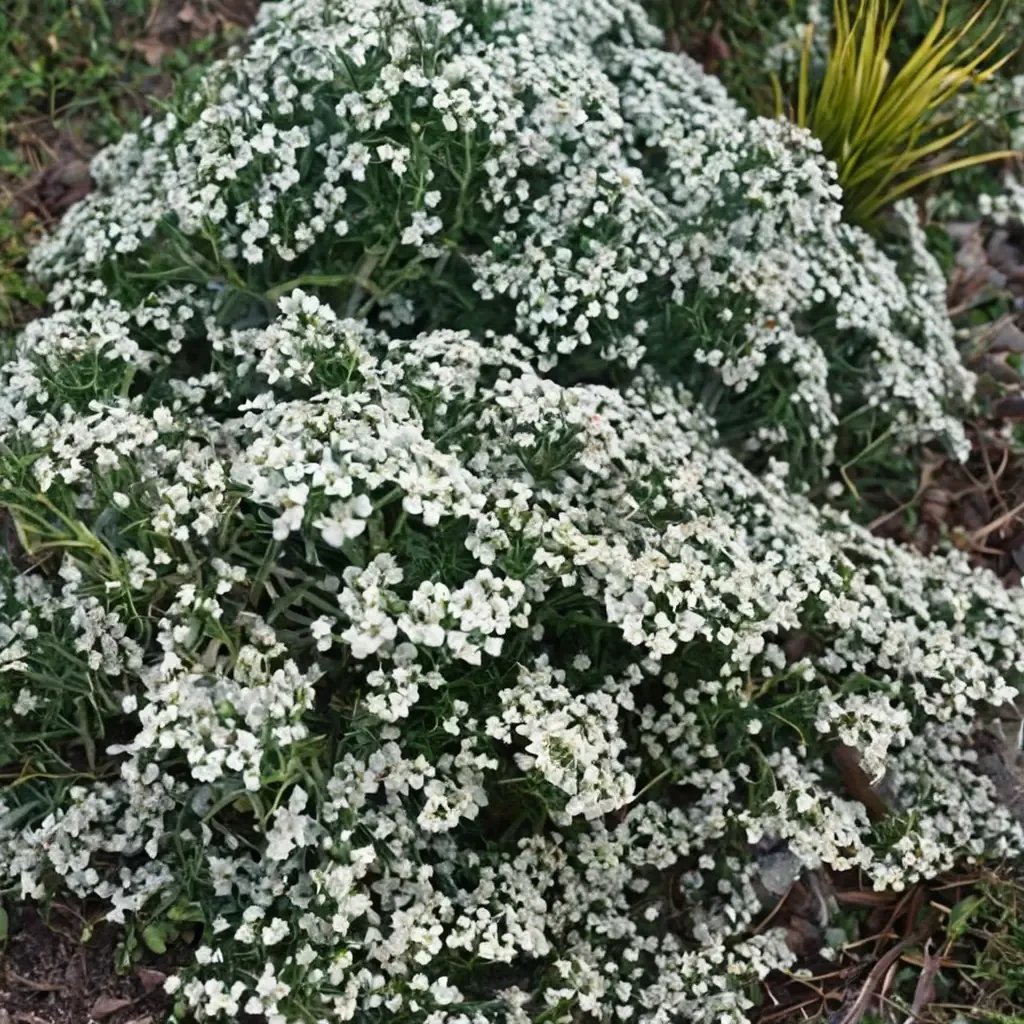
Carolina Snow Flowering Spurge
Euphorbia corollata 'Carolina Snow'
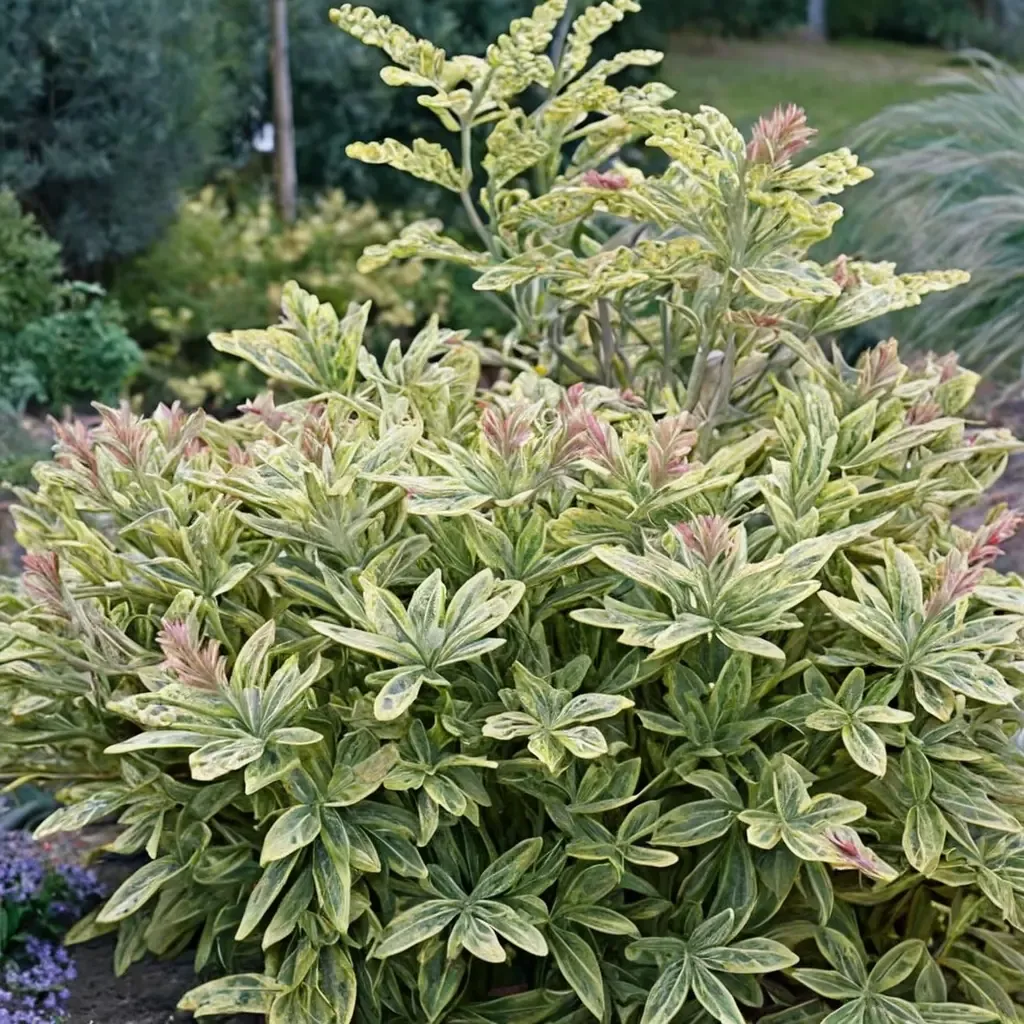
Ascot Rainbow Spurge
Euphorbia x hybrida 'Ascot Rainbow'
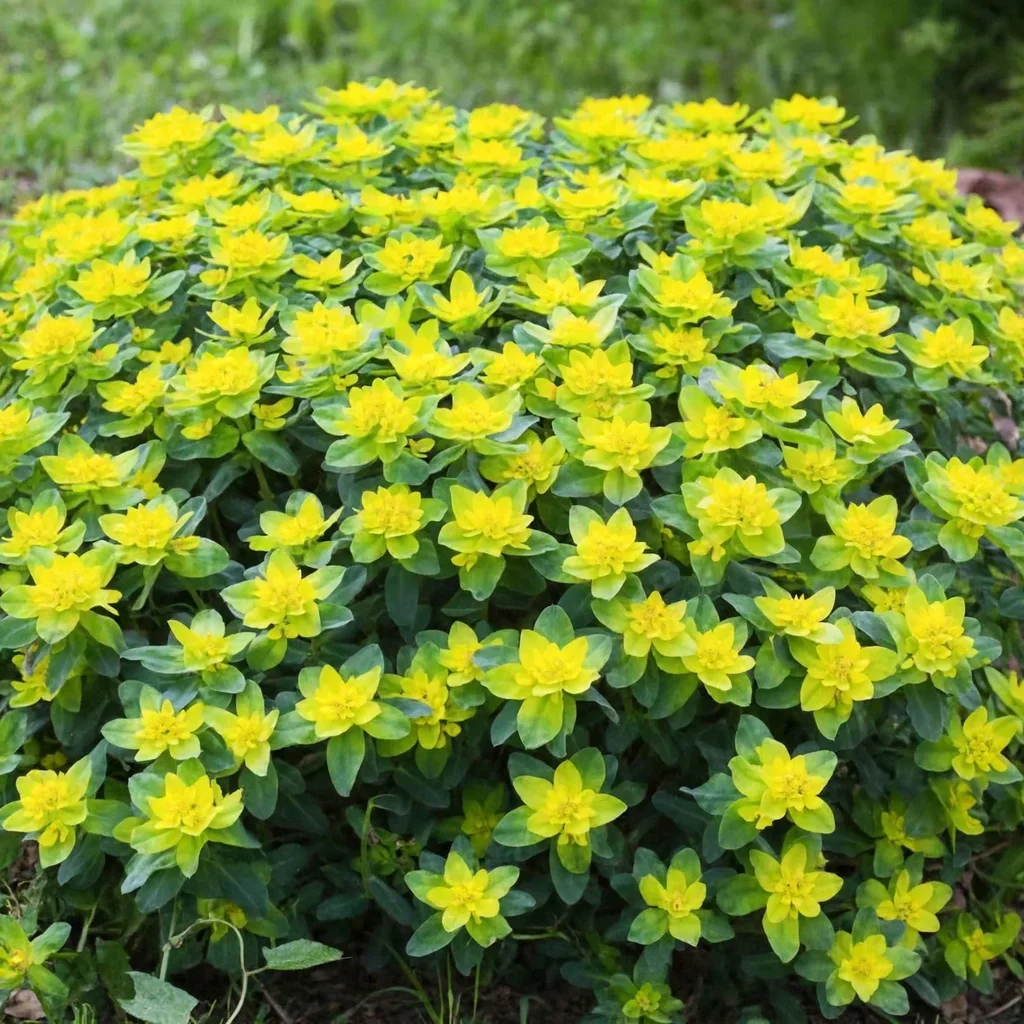
Mediterranean Spurge
Euphorbia polychroma
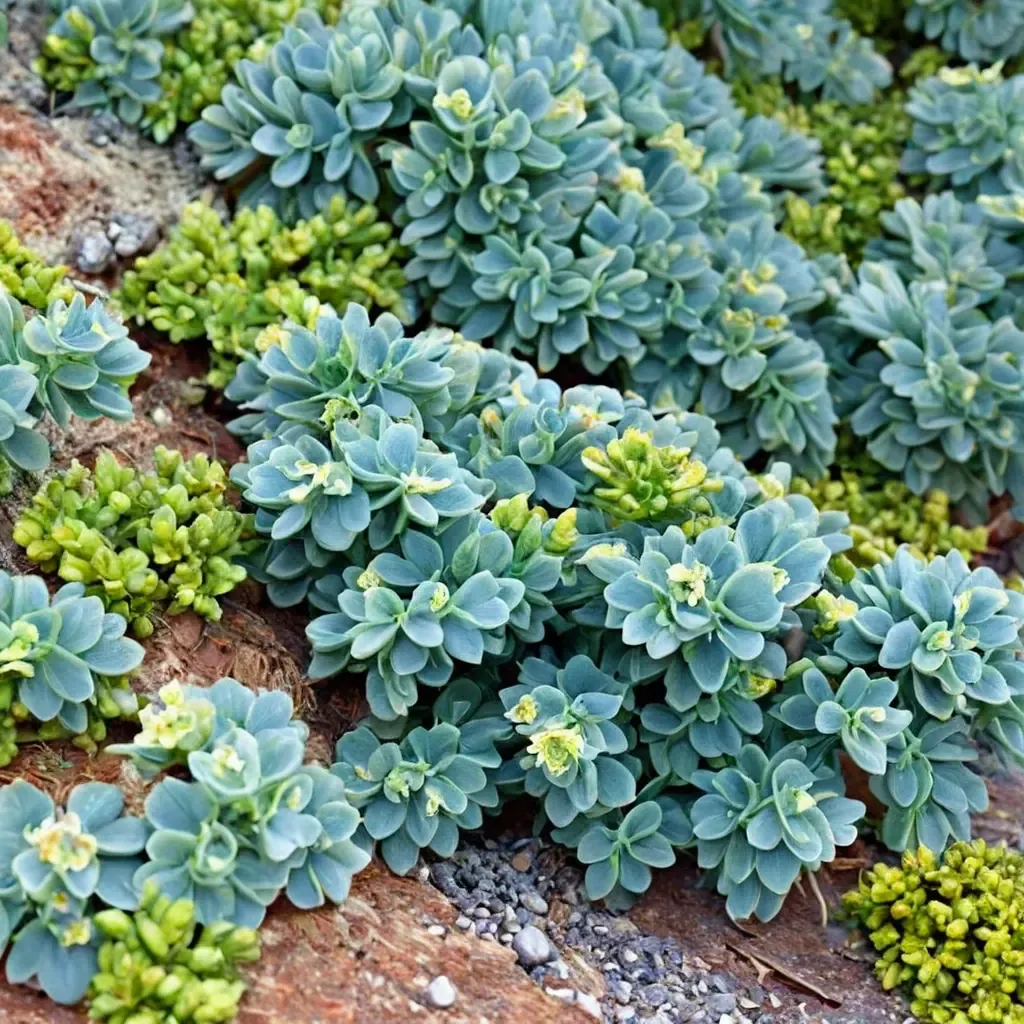
Myrtle Spurge
Euphorbia myrsinites
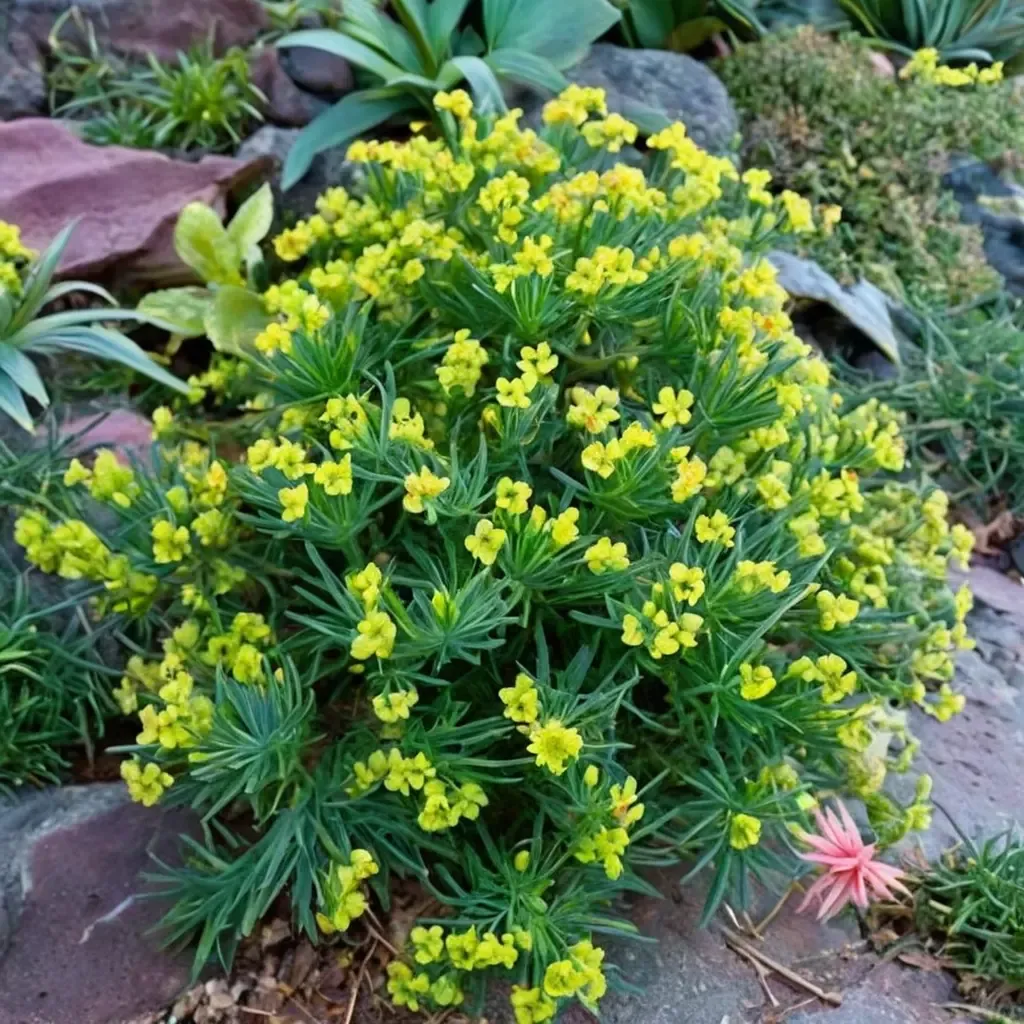
Ruby Spurge
Euphorbia cyparissias 'Fens Ruby'
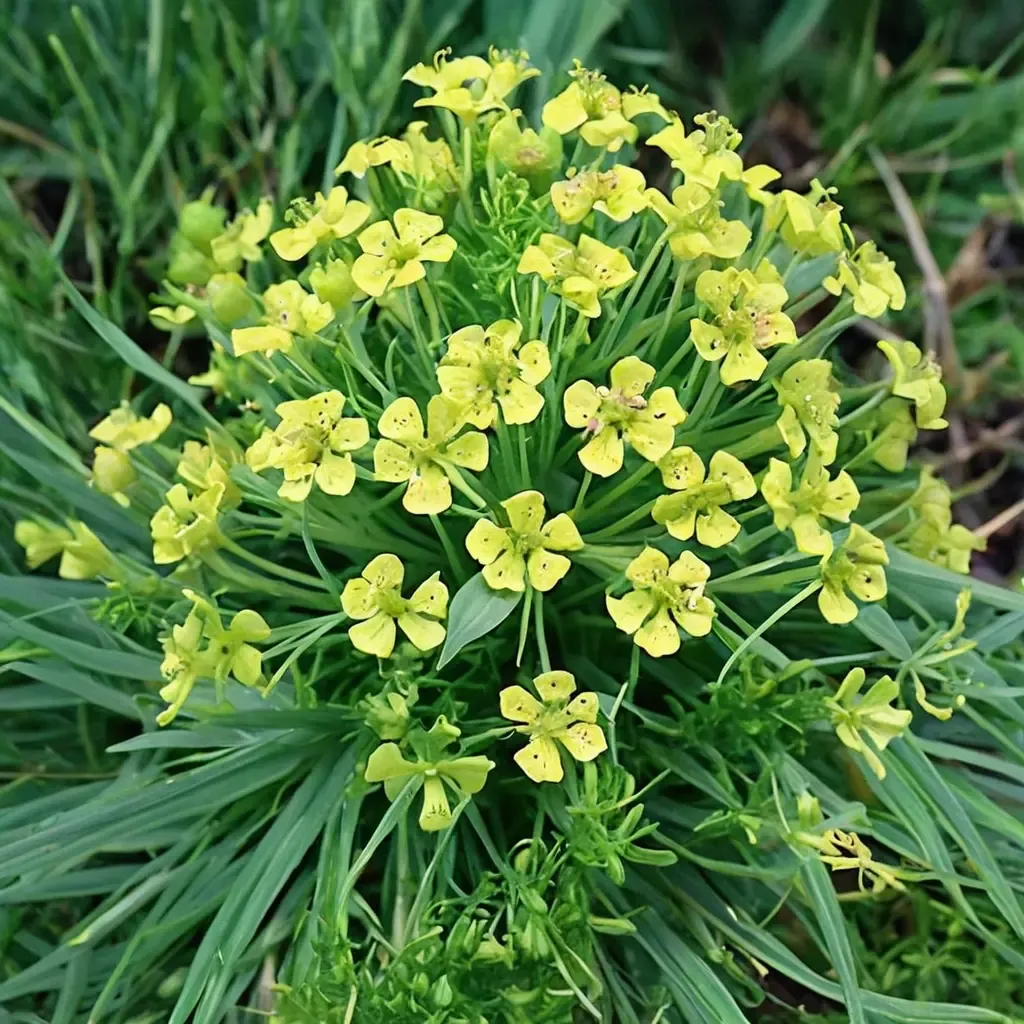
Cypress Spurge
Euphorbia cyparissias
Keep exploring
Explore the genus
Grow Seaside Sandmat with confidence
See it in a design of your actual yard, get zone-matched care reminders, and track it season by season in your garden journal.