
The Story
Plant Bio
Juniperus x pfitzeriana is an evergreen conifer hybrid of Juniperus chinensis and Juniperus sabina, forming a wide-spreading shrub with fountain-like arching branches from a central trunk. The foliage is a mix of scale-like and awl-like evergreen needles that persists year-round, and female plants produce fleshy berry-like cones instead of true flowers.
The Pfitzer Group is still sold as Juniperus x media and covers green, blue-grey and gold selections that hold their color through winter. Typical plants reach about five feet tall and ten feet wide in a dense vase shape, with gold forms flushing brighter gold to bronze-gold on new growth.
Uses & Benefits:
Essentials
At a Glance
Plant Type
Shrub
Height
60"
Width
120"
Light
Full Sun
Zones
4, 5, 6, 7, 8, 9
Water
Low
Humidity
Low
Lifespan
Long-lived
Native To
Garden hybrid; not native to North America
Toxicity
Toxic if ingested
Bloom period
Spring
In flower about 3 months of the year
Planting
How to Grow
- Plant in spring or early fall in full sun with open air circulation.
- Dig a hole as deep as the root ball and twice as wide, set the crown level, and backfill with native soil.
- Water deeply to settle, mulch 2-3 inches keeping mulch off stems, then let soil dry between waterings.
- Thin lightly in late winter to shape; do not shear into old leafless interior wood.
- Keep lawn equipment and overhead irrigation off the foliage to limit blight.
Pro Tip
Keep it in full sun with open airflow and thin branch tips back to live foliage, as cutting into old bare wood leaves a dead stub.
Keep It Thriving
Care Guide
Do
- Plant in full sun with good airflow and well-drained soil
- Water deeply at planting, then only during extended dry spells once established
- Clean pruners between cuts when removing blighted tips
Don't
- Do not overwater or plant in waterlogged soil
- Do not shear into old leafless wood, which will not resprout
- Do not plant near apples, crabapples, hawthorn or quince because of rust
Seasonal Care Calendar
| Task | Jan | Feb | Mar | Apr | May | Jun | Jul | Aug | Sep | Oct | Nov | Dec |
|---|---|---|---|---|---|---|---|---|---|---|---|---|
| Mulch | ||||||||||||
| Pest Check | ||||||||||||
| Plant | ||||||||||||
| Prune | ||||||||||||
| Winter Prep |
Watch Out For
Pests & Diseases
Common Pests
Common Diseases
In the Garden
Landscape Uses & Companions
Landscape Uses
Companion Plants
Multiply
Propagation Methods
Good to Know
Common Questions
Pfitzer Juniper questions
What zones can Pfitzer Juniper grow in?
Pfitzer Juniper is hardy in USDA Zones 4–9: in that range it survives winter in the ground. Warmer than Zone 9, winter isn't the problem: it prefers colder winters, and summer heat can shorten its life.
Is Pfitzer Juniper deer resistant?
Yes — Pfitzer Juniper is rated deer-resistant. Deer typically pass it over, though extreme hunger can override any plant's defenses.
When does Pfitzer Juniper bloom?
Pfitzer Juniper typically blooms in spring. Exact timing shifts a week or two with your zone — Sow's bloom calendar maps it to your garden.
Does Pfitzer Juniper need full sun?
Pfitzer Juniper does best in full sun (6+ hours).
Is Pfitzer Juniper drought tolerant?
Yes — once established (usually after the first full season), Pfitzer Juniper handles dry spells with minimal watering. Water deeply its first year to build the root system that makes that possible.
More Juniperus to compare
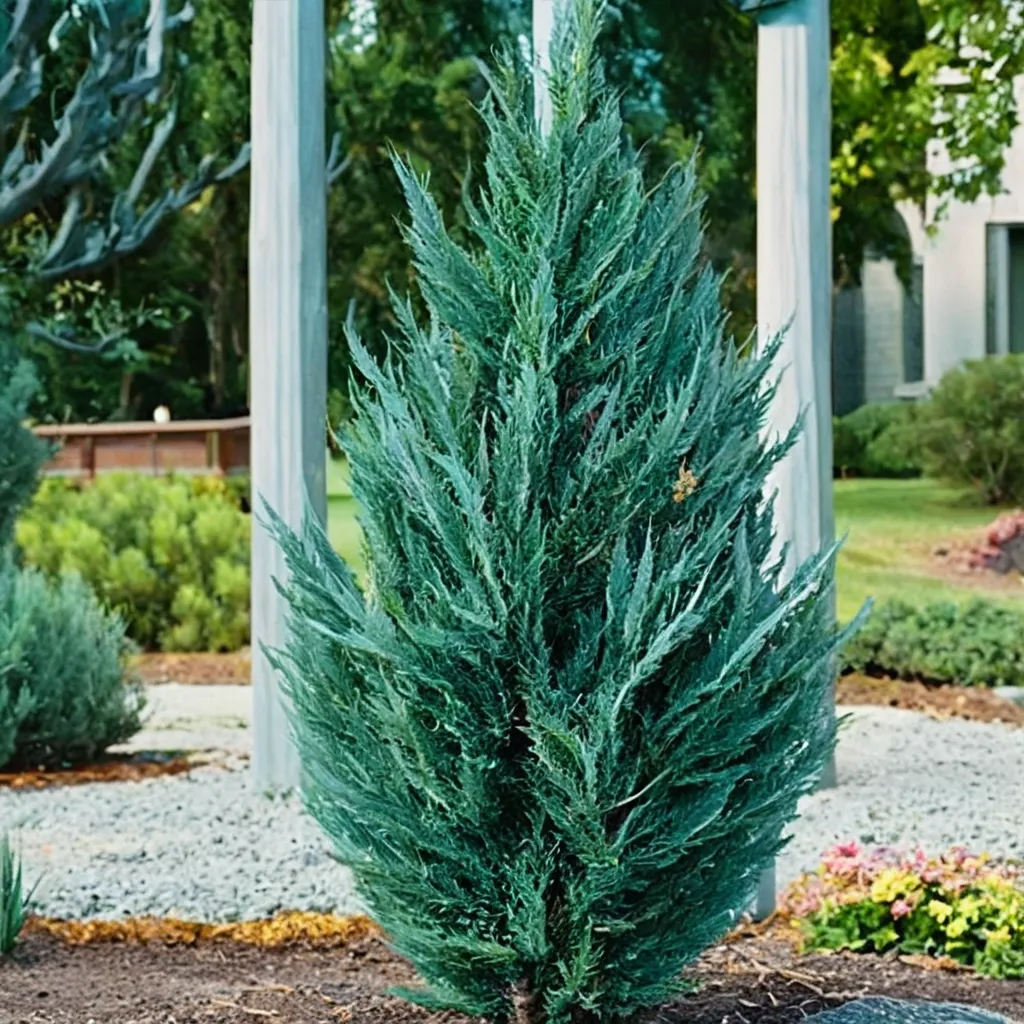
Blue Point Juniper
Juniperus chinensis 'Blue Point'
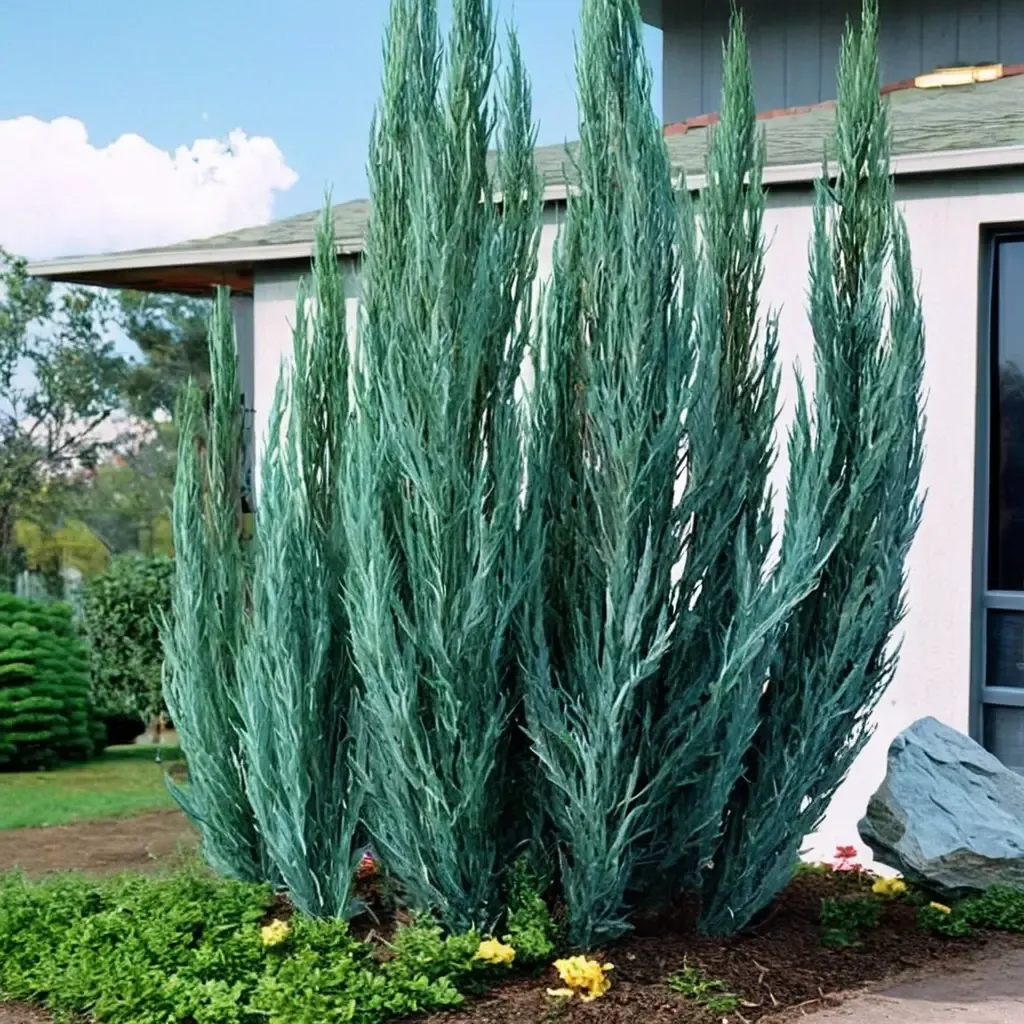
Skyrocket Juniper
Juniperus scopulorum 'Skyrocket'
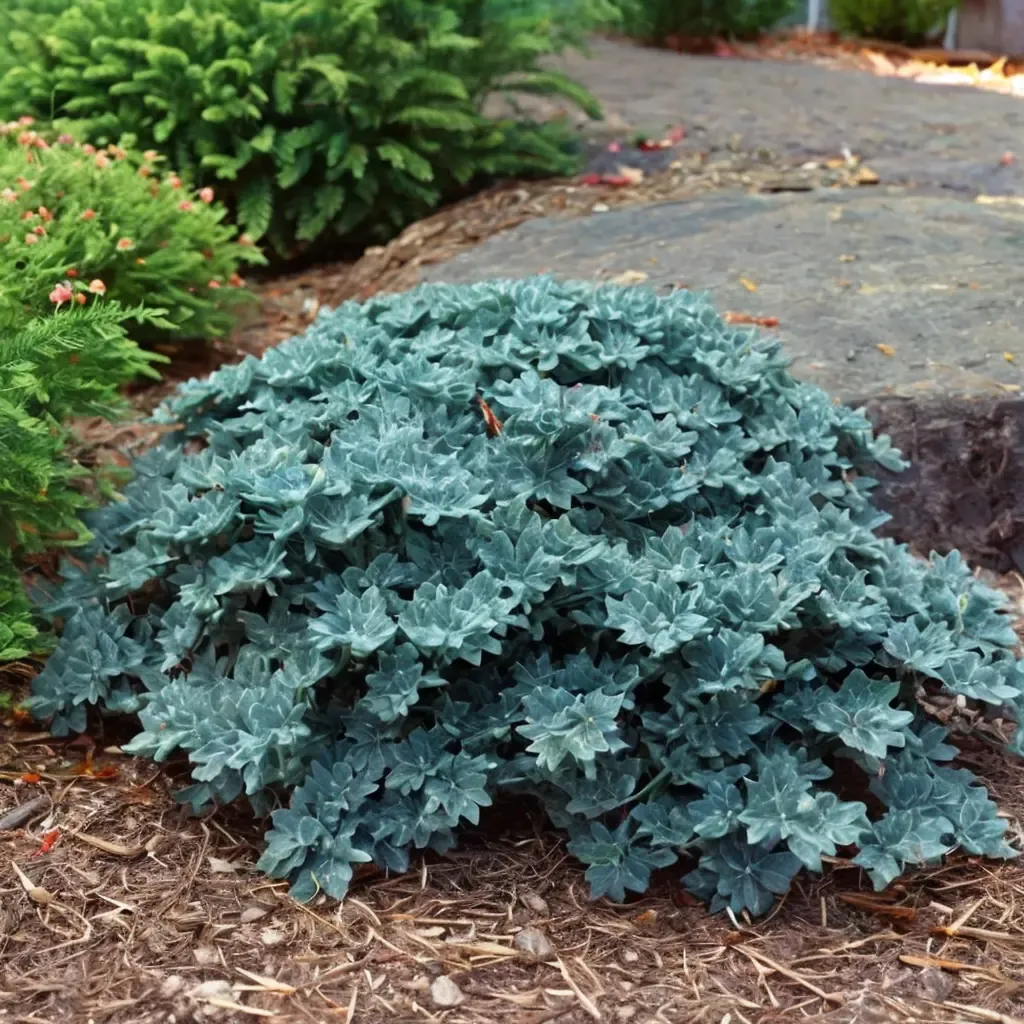
Blue Star Juniper
Juniperus squamata 'Blue Star'
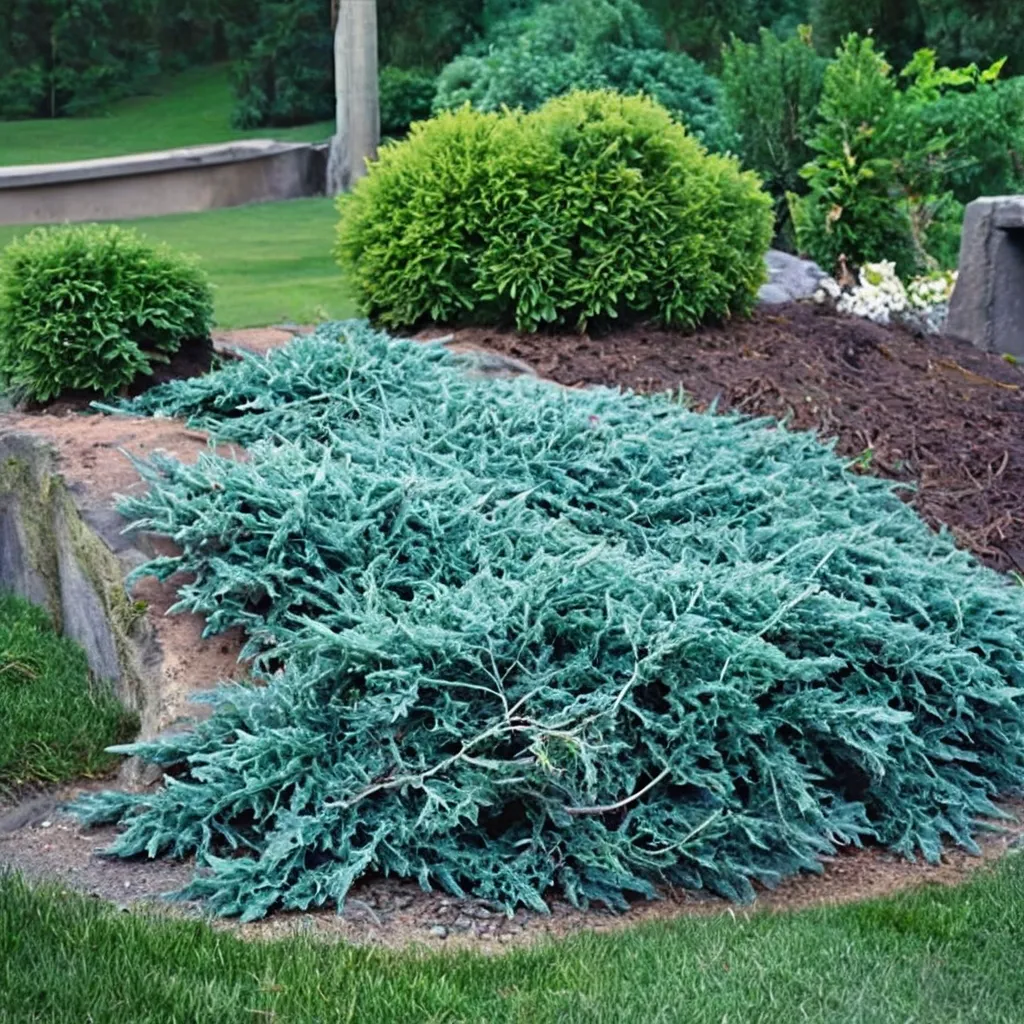
Blue Rug Juniper
Juniperus horizontalis 'Blue Rug'
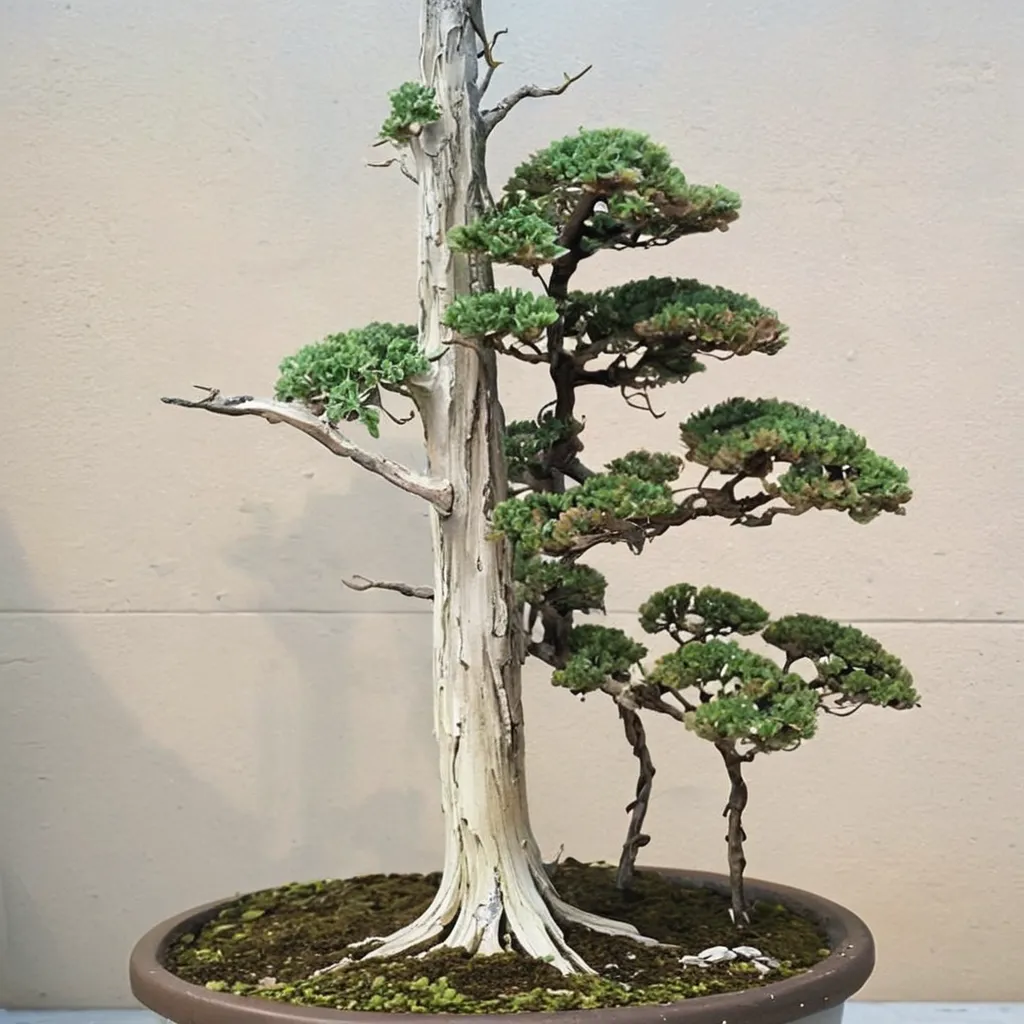
Foemina Chinese Juniper
Juniperus chinensis 'Foemina'
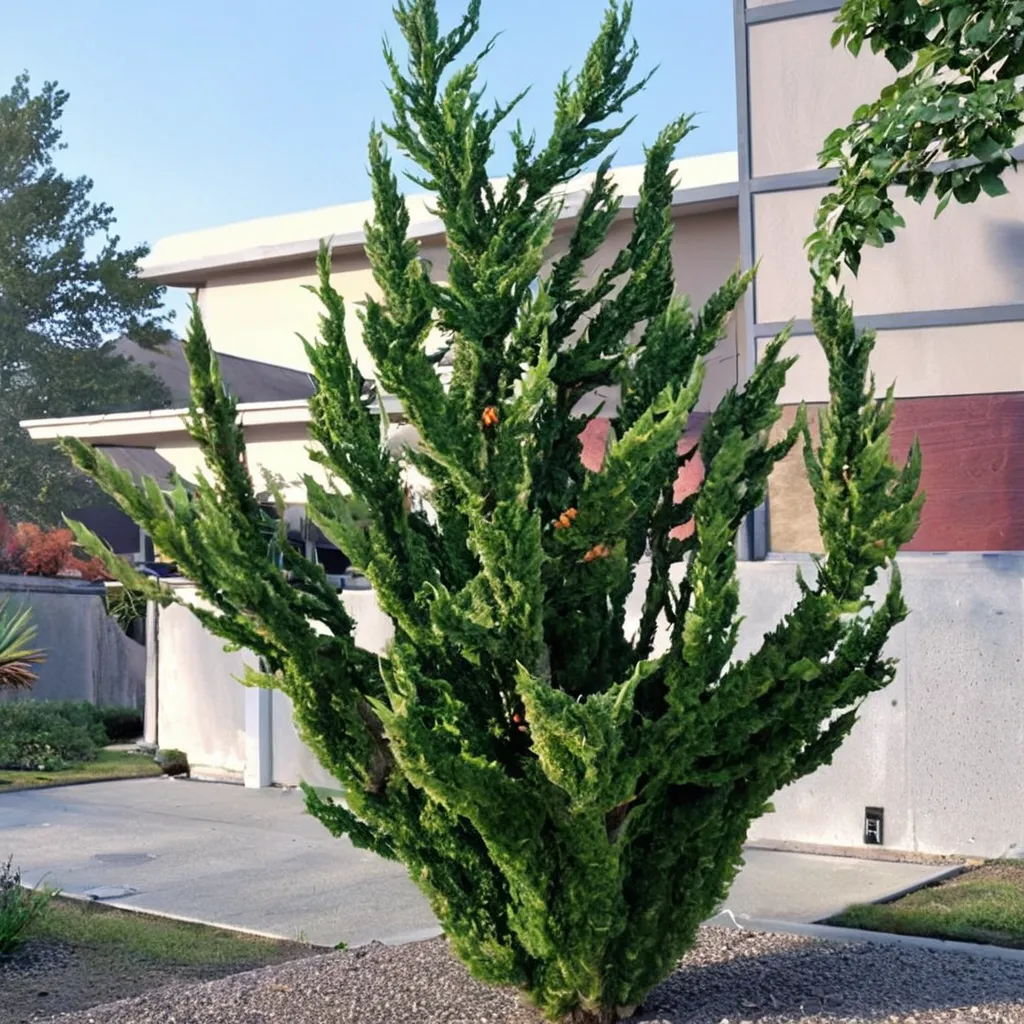
Hollywood Juniper 'Kaizuka'
Juniperus chinensis 'Kaizuka'
Keep exploring
Explore the genus
Grow Pfitzer Juniper with confidence
See it in a design of your actual yard, get zone-matched care reminders, and track it season by season in your garden journal.