The Story
Plant Bio
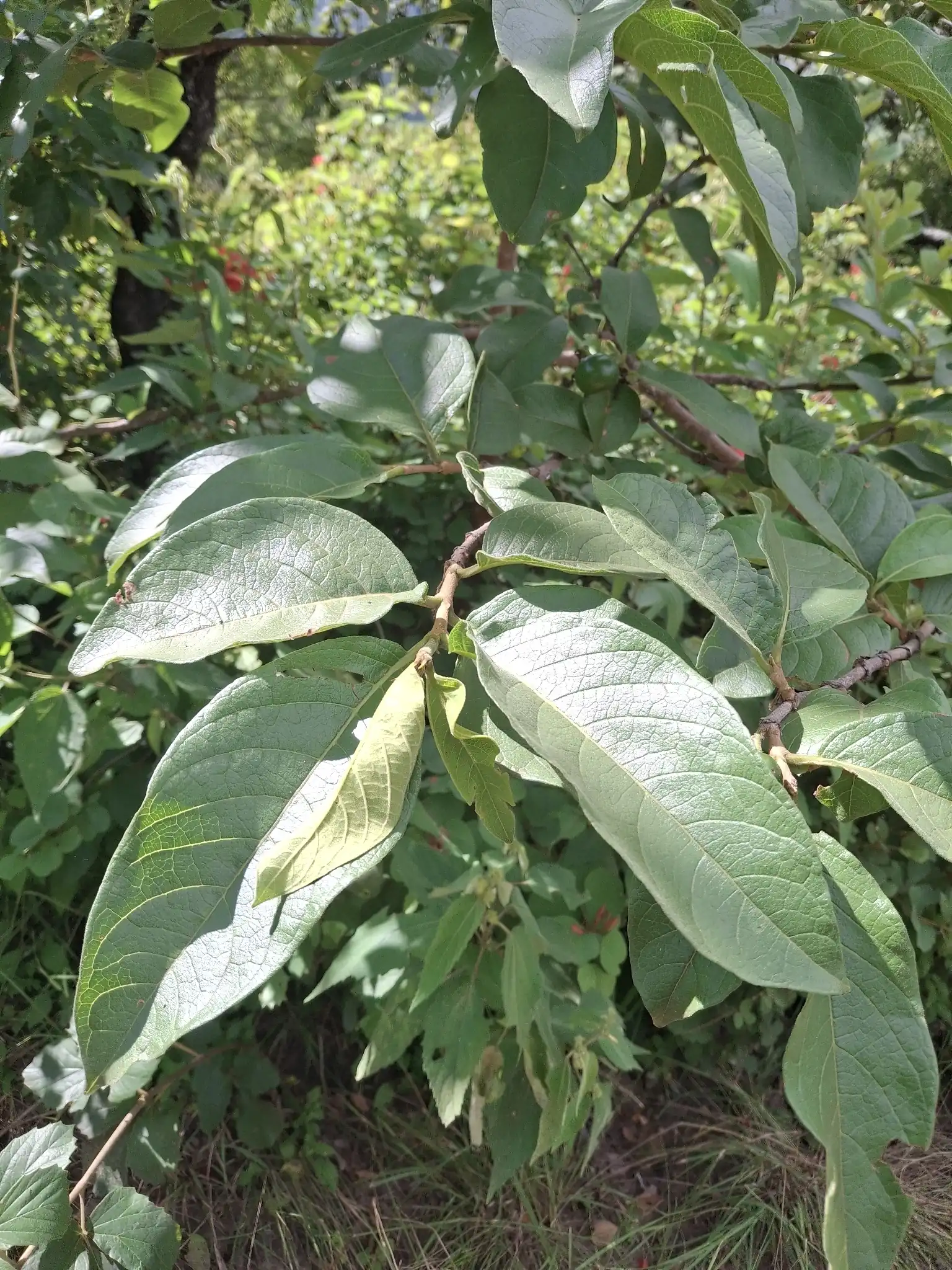
Vangueria infausta is a deciduous African shrub or small tree reaching 10 to 23 feet in cultivation, usually multistemmed with a short trunk, hanging branchlets and a sparse crown. Leaves are opposite, elliptic-ovate and light green, velvety-hairy when young and rough with raised net veins beneath, falling in the dry season.
Flowers are small and greenish-white to yellowish, carried in clusters along short laterals from velvety acorn-shaped buds that open with or just before the new leaves in spring. Round fruits follow in summer with sweet-sour mealy pulp around hard seeds, the reason it is grown for veld fruit rather than flower display.
Uses & Benefits:
Essentials
At a Glance
Plant Type
Tree
Height
276"
Width
180"
Light
Full Sun
Zones
9, 10
Water
Low
Humidity
Low to moderate
Lifespan
Long-lived deciduous tree
Native To
Southern and eastern Africa
Toxicity
Unknown; fruit edible, roots medicinal
Bloom period
Spring – Late spring
In flower about 3 months of the year
Planting
How to Grow
- Plant in full sun in poor, rocky or sandy, sharply drained soil.
- Set container stock after last frost at the same depth it grew in the pot.
- Water deeply after planting, then water sparingly once established.
- Protect young plants from frost below about 30F; mature wood takes brief light frost.
- Prune early to select one leader if a single-trunk specimen is wanted.
Pro Tip
Train from planting to a single trunk if you want a tree form; left alone it stays multistemmed and is slow to fill out.
Keep It Thriving
Care Guide
Do
- Do give full sun and open air.
- Do use a sandy, well-drained mix for seed and containers.
- Do allow soil to dry between waterings once established.
Don't
- Do not plant in heavy clay or soggy ground.
- Do not expect fast shade or showy flowers.
- Do not burn prunings for firewood if following traditional use; the wood is avoided for fire.
Seasonal Care Calendar
| Task | Jan | Feb | Mar | Apr | May | Jun | Jul | Aug | Sep | Oct | Nov | Dec |
|---|---|---|---|---|---|---|---|---|---|---|---|---|
| Harvest | ||||||||||||
| Mulch | ||||||||||||
| Pest Check | ||||||||||||
| Plant | ||||||||||||
| Prune |
Watch Out For
Pests & Diseases
Common Pests
Common Diseases
In the Garden
Landscape Uses & Companions
Landscape Uses
Multiply
Propagation Methods
Good to Know
Common Questions
Wild Medlar questions
What zones can Wild Medlar grow in?
Wild Medlar is hardy in USDA Zones 9–10: in that range it survives winter in the ground. Colder than Zone 9, winters are too cold for it to survive outdoors.
When does Wild Medlar bloom?
Wild Medlar typically blooms in spring. Exact timing shifts a week or two with your zone — Sow's bloom calendar maps it to your garden.
Does Wild Medlar need full sun?
Wild Medlar does best in full sun (6+ hours).
Is Wild Medlar drought tolerant?
Yes — once established (usually after the first full season), Wild Medlar handles dry spells with minimal watering. Water deeply its first year to build the root system that makes that possible.
Keep exploring
Explore the genus
Hardy in your zone?
Grow Wild Medlar with confidence
See it in a design of your actual yard, get zone-matched care reminders, and track it season by season in your garden journal.