The Story
Plant Bio
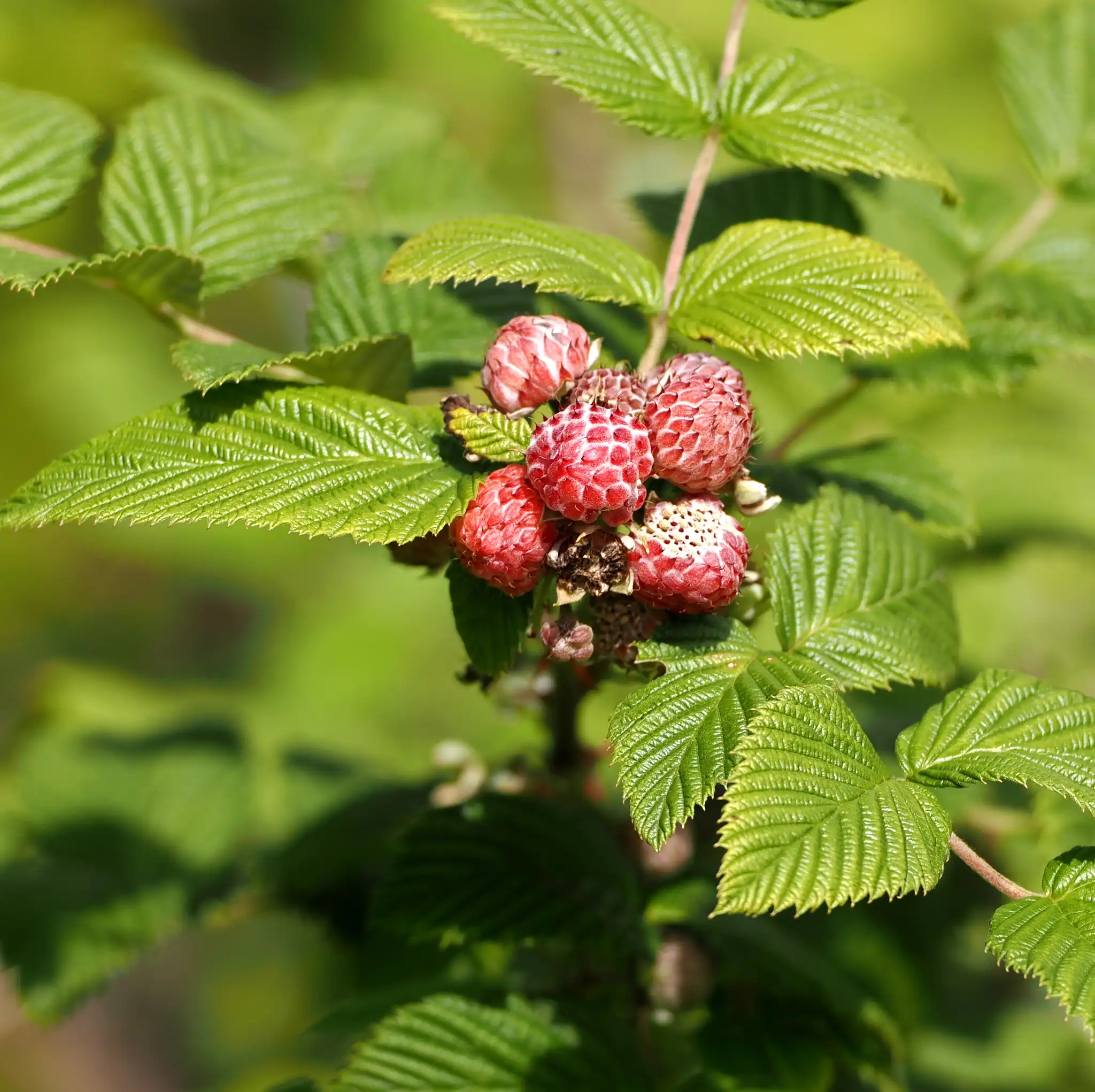
Rubus niveus, the Mysore raspberry, is a scrambling perennial shrub with biennial canes that leaf the first year, then flower, fruit and die in the second year while new canes replace them from the crown. The canes arch to about six feet and root where the tips touch soil, building tangled thickets armed with hooked prickles.
The leaves are pinnate with five to nine toothed leaflets, dark green above and densely white-felted beneath, carried on whitish powdery stems that mature green-purple. The flowers are red to dark pink with short erect petals shorter than the sepals, followed by red to black berries dusted with white hairs.
Uses & Benefits:
Essentials
At a Glance
Plant Type
Fruit Vegetable
Height
79"
Width
48"
Light
Full Sun, Partial Sun
Zones
7, 8, 9, 10
Water
Moderate - not drought tolerant
Humidity
Tolerates wide conditions
Lifespan
Perennial crown with biennial canes
Native To
Asia and Malesia: India, China, Southeast Asia to Indonesia and Philippines
Toxicity
Non-toxic - fruit edible; canes with sharp prickles
Bloom period
Spring – Summer
In flower about 6 months of the year
Planting
How to Grow
- Plant in full sun to partial shade in rich well-drained soil, spacing to allow air flow around arching canes.
- Install sturdy posts and wires 6 to 10 foot high and tie new primocanes up as they lengthen.
- Water steadily through establishment and fruiting; this species drops growth in drought and in very cold winters.
- After harvest cut only the fruited second-year floricanes to the base and keep the vigorous first-year canes for next year.
- Pin cane tips before they root where not wanted and pull seedlings with full roots, with follow-up through the season.
Pro Tip
Retain first-year primocanes for next year's crop and cut only the fruited floricanes to the base; clearing all canes in one year removes the next crop and root fragments resprout without follow-up.
Keep It Thriving
Care Guide
Do
- Support canes on a trellis to keep fruit off the ground and ease picking around 3-7 mm prickles.
- Remove spent floricanes each year and thin to the strongest primocanes.
- Monitor ripening fruit for larvae and remove overripe berries promptly.
Don't
- Do not clear all canes in one year; that removes next year's fruiting wood.
- Do not slash thickets and walk away; cutting alone invigorates roots and thickens regrowth.
- Do not plant where birds can carry seed into natural areas, waterways or fence lines.
Seasonal Care Calendar
| Task | Jan | Feb | Mar | Apr | May | Jun | Jul | Aug | Sep | Oct | Nov | Dec |
|---|---|---|---|---|---|---|---|---|---|---|---|---|
| Harvest | ||||||||||||
| Pest Check | ||||||||||||
| Plant | ||||||||||||
| Prune | ||||||||||||
| Stake |
Watch Out For
Pests & Diseases
Common Pests
Common Diseases
In the Garden
Landscape Uses & Companions
Landscape Uses
Multiply
Propagation Methods
Good to Know
Common Questions
Mysore Raspberry questions
What zones can Mysore Raspberry grow in?
Mysore Raspberry is hardy in USDA Zones 7–10: in that range it survives winter in the ground. Colder than Zone 7, grow it in a container you can move to shelter for the winter, or as an annual.
When does Mysore Raspberry bloom?
Mysore Raspberry typically blooms from spring to summer. Exact timing shifts a week or two with your zone — Sow's bloom calendar maps it to your garden.
Does Mysore Raspberry need full sun?
Mysore Raspberry does best in full sun to part shade. In hot climates, afternoon shade keeps blooms fresher longer.
More Rubus to compare
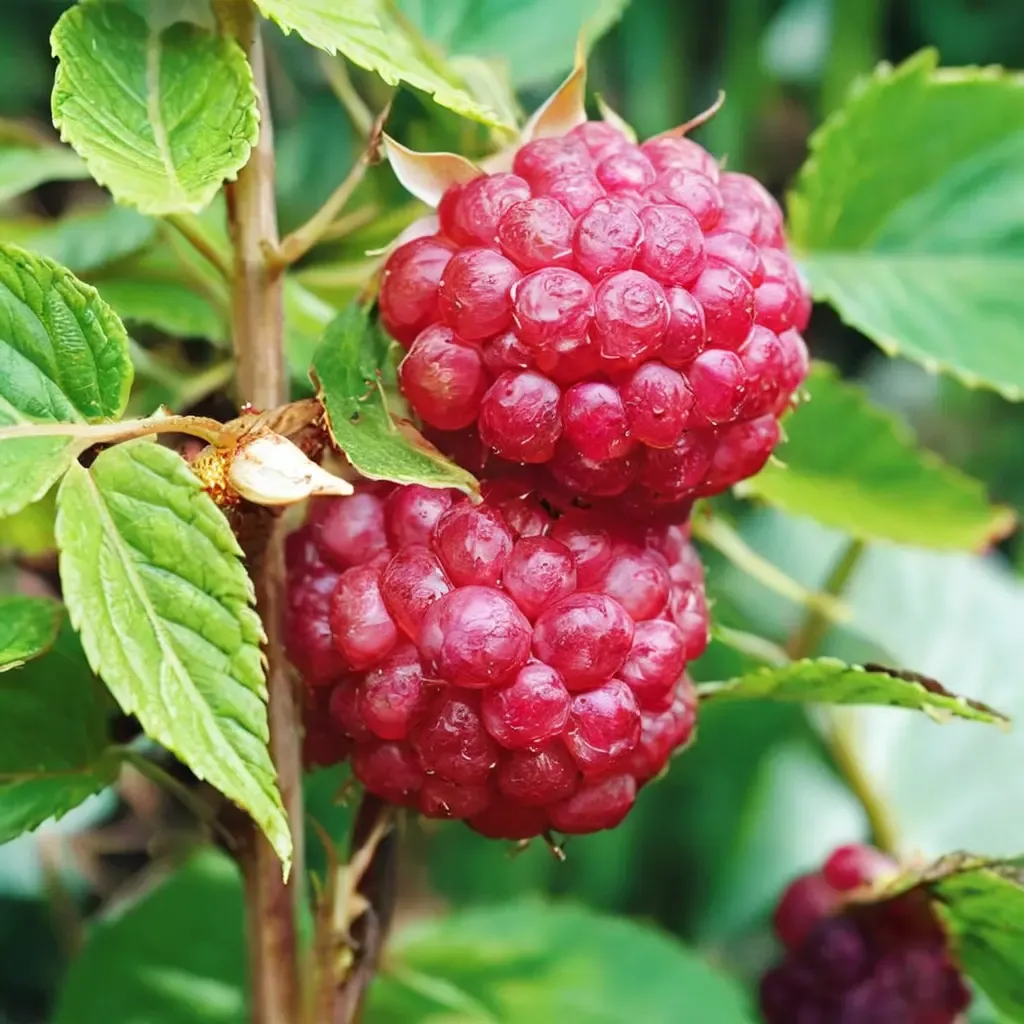
Mammoth Red Raspberry
Rubus idaeus 'Mammoth Red'
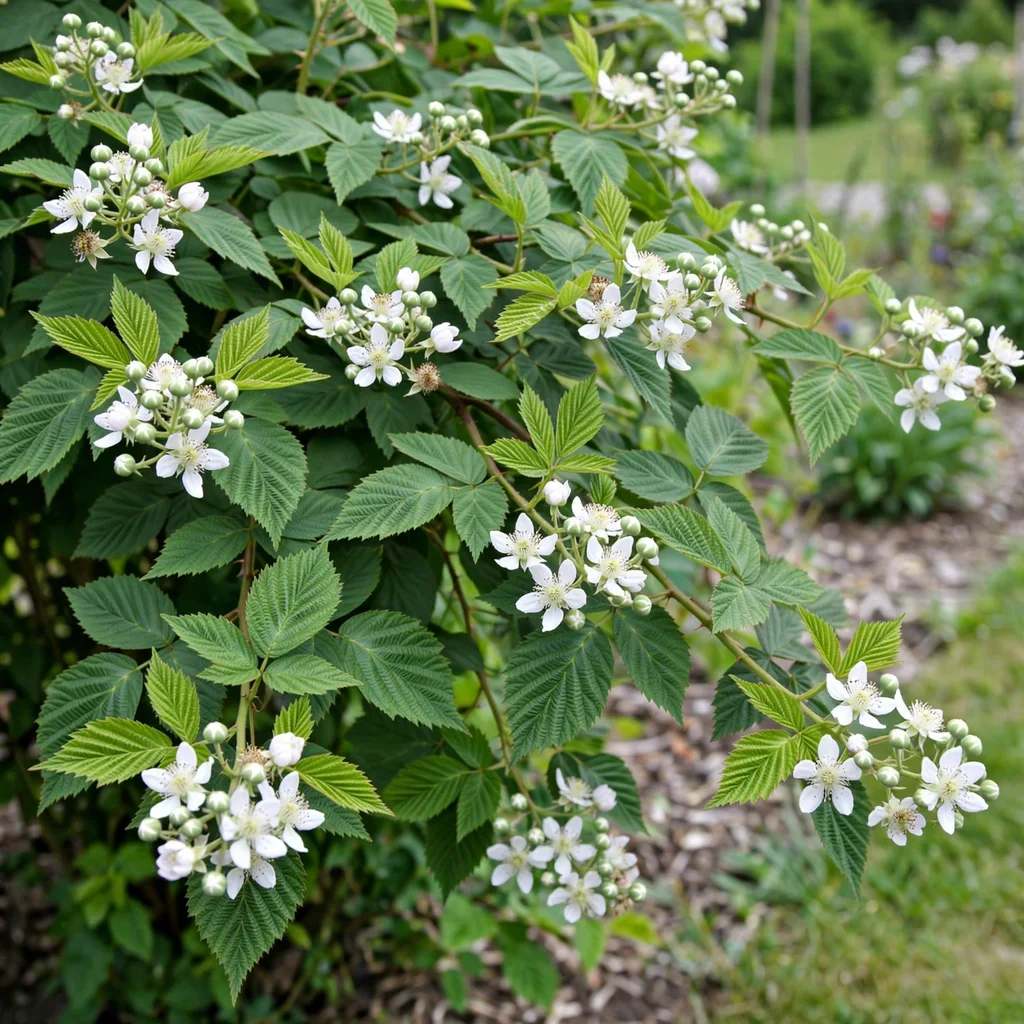
Triple Crown Blackberry
Rubus fruticosus 'Triple Crown'
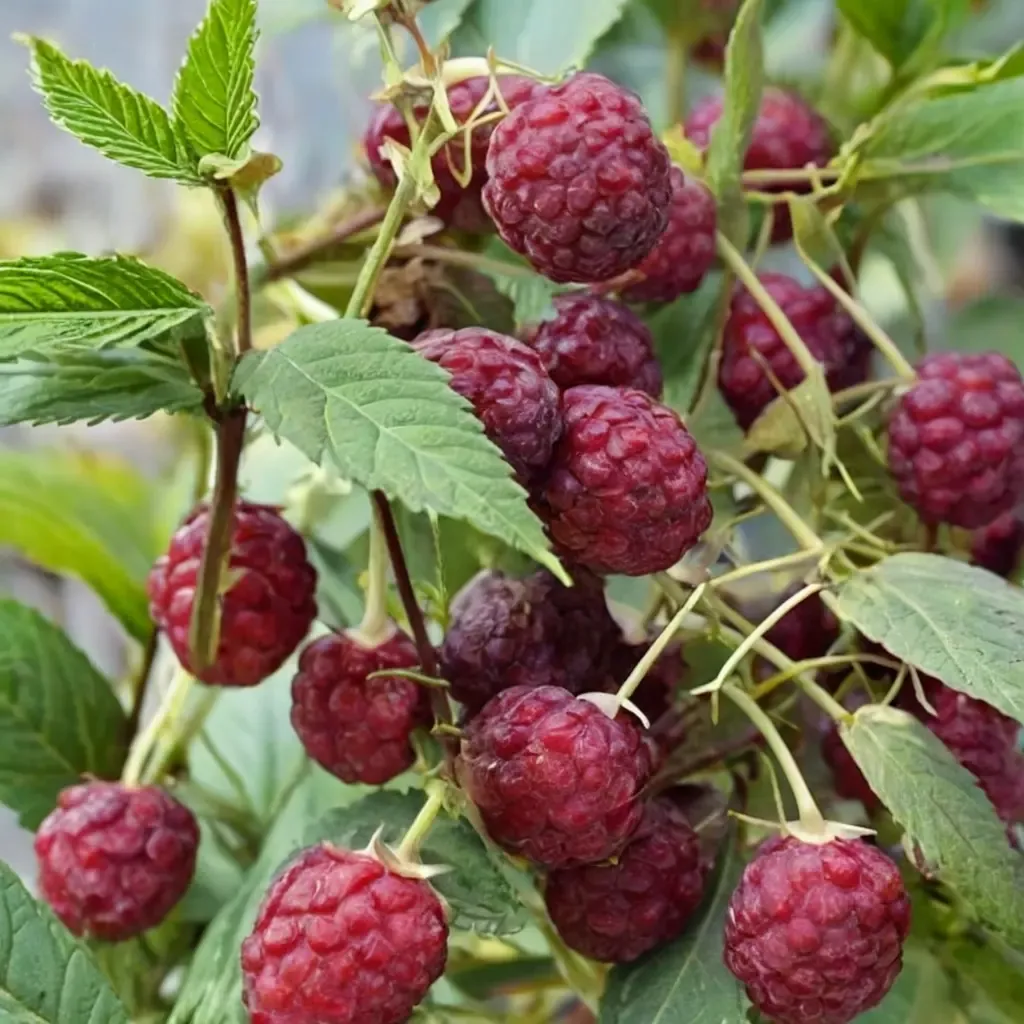
Crimson Night Raspberry
Rubus idaeus 'Crimson Night'
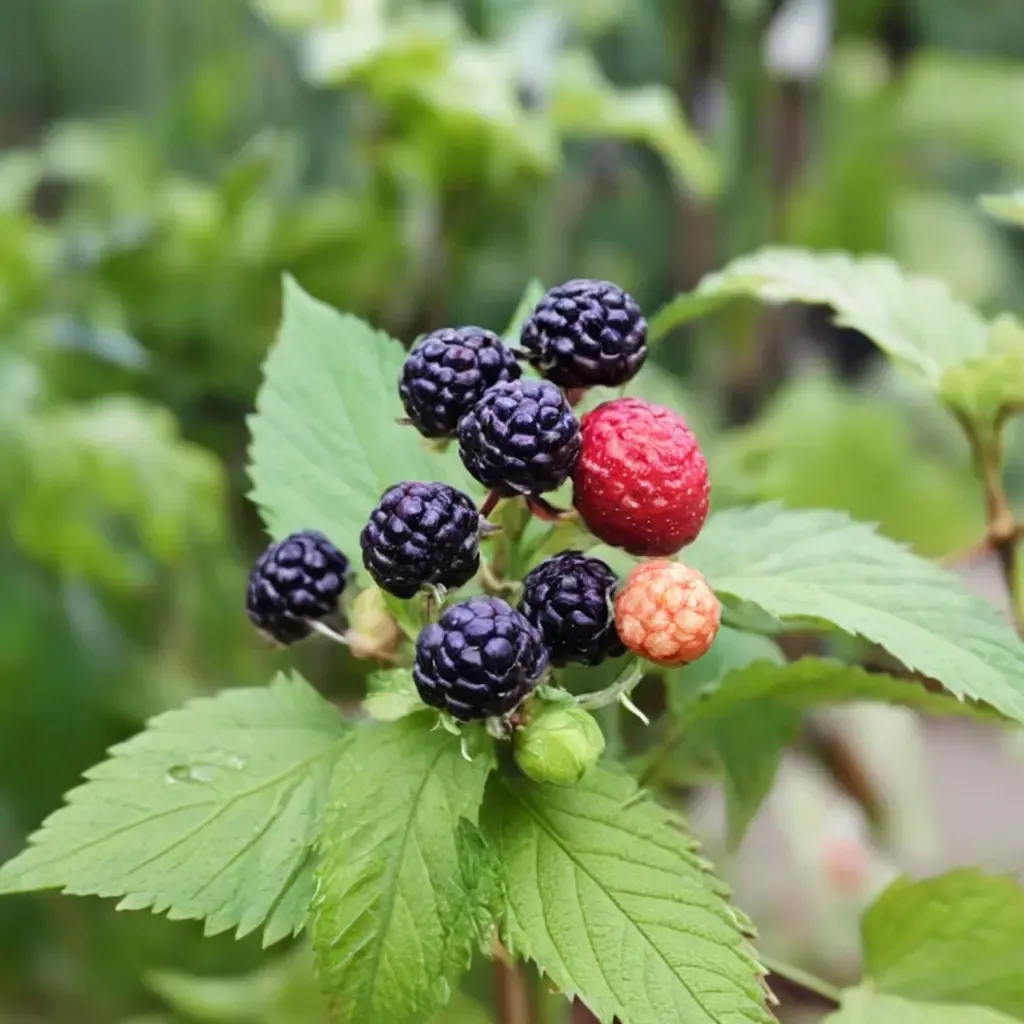
Jewel Black Raspberry
Rubus idaeus 'Jewel'
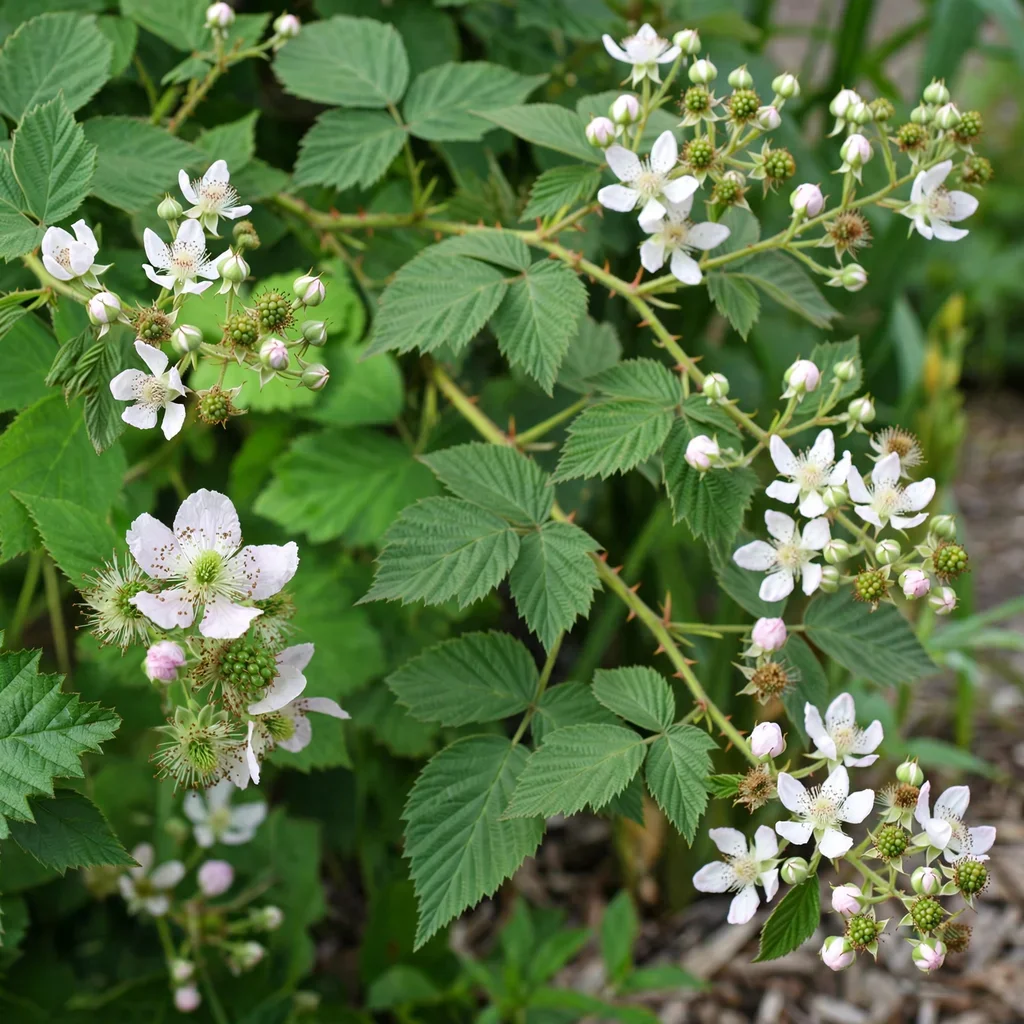
Apache Thornless Blackberry
Rubus fruticosus 'Apache Thornless'
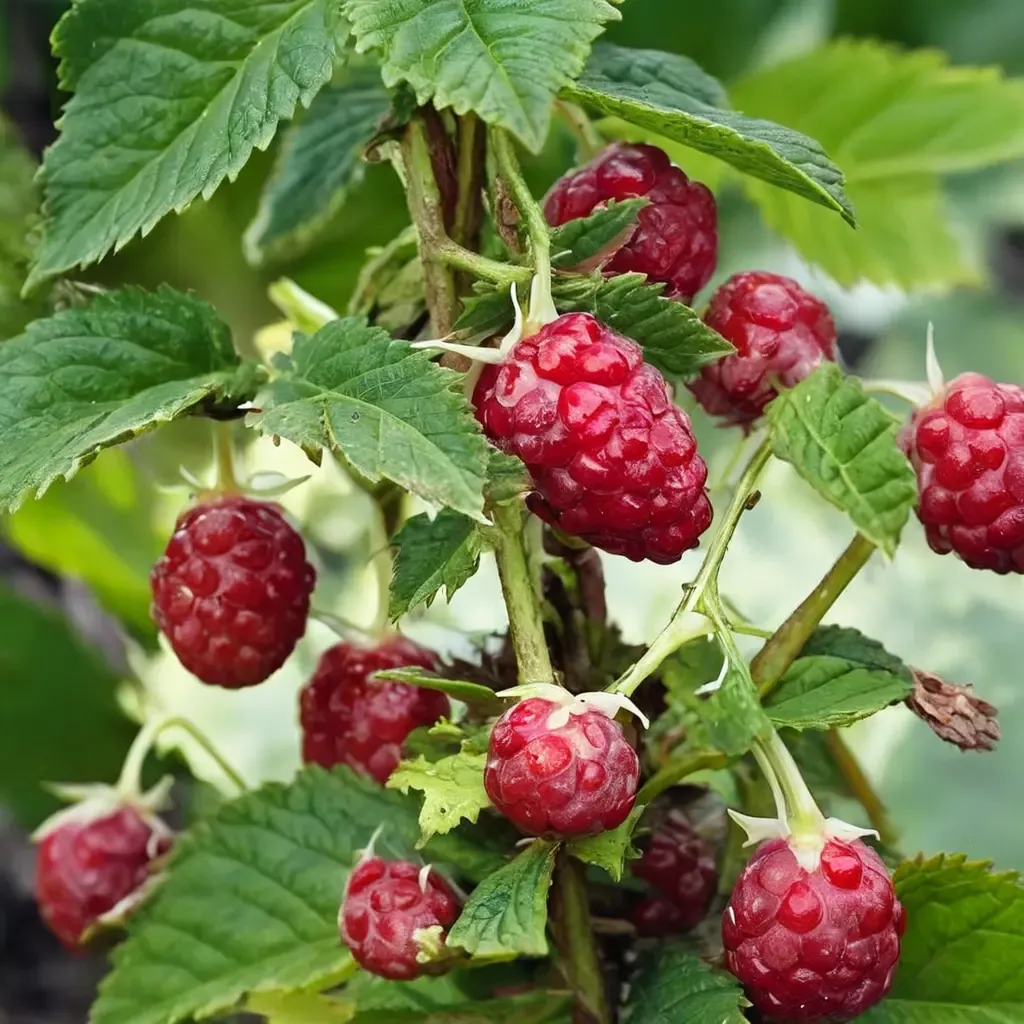
Canby raspberry
Rubus idaeus 'Canby'
Keep exploring
Explore the genus
Hardy in your zone?
Grow Mysore Raspberry with confidence
See it in a design of your actual yard, get zone-matched care reminders, and track it season by season in your garden journal.