The Story
Plant Bio
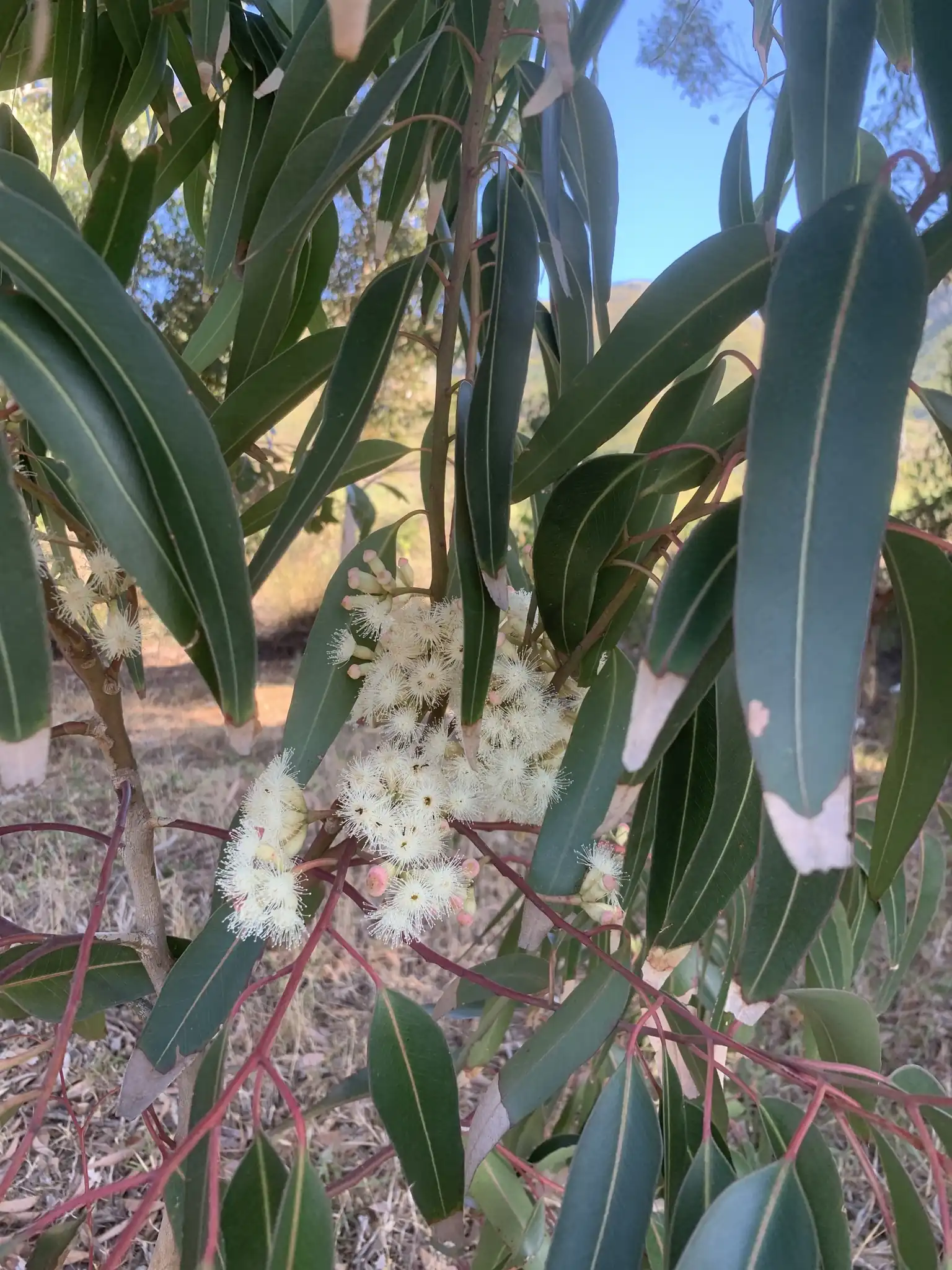
Eucalyptus cladocalyx is an upright to spreading evergreen tree native to South Australia, characterized by smooth, mottled bark that peels in patches to reveal cream, yellow, grey, and orange-brown tones. The foliage is glossy jade-green above and paler beneath with prominent yellow midribs, producing terminal or axillary clusters of creamy-white flowers on leafless branchlets.
This species exhibits regional habit variations, forming straight trunks in mountain ranges and shorter, twisted forms in coastal environments. Mature trees feature naturally brittle wood subject to branch drop under heavy winds if structural branch architecture is neglected during early growth.
Uses & Benefits:
Essentials
At a Glance
Plant Type
Tree
Height
1378"
Width
472"
Light
Full Sun
Zones
9, 10
Water
Low
Humidity
Moderate
Lifespan
Perennial
Native To
Australia
Toxicity
Non-toxic
Bloom period
Summer – Fall
In flower about 6 months of the year
Planting
How to Grow
- Select a planting site in full sun with deep, light to medium soil and complete surface drainage.
- Dig a hole twice the width of the root ball and set the plant at the same depth as it was in its nursery container.
- Water thoroughly at planting and supply light irrigation during the first two summers until established.
- Perform minimal formative pruning on young main branches to establish strong scaffolding.
Pro Tip
Formative pruning when young establishes a single central leader and reduces branch failure, but cutting into old, leafless wood must be avoided as it produces slow and patchy regrowth.
Keep It Thriving
Care Guide
Do
- Plant in light, well-draining soils with full sun exposure.
- Perform formative structural pruning while the tree is young.
Don't
- Do not over-water established specimens or plant in poorly drained soils.
- Do not cut back into old, bare wood.
Seasonal Care Calendar
| Task | Jan | Feb | Mar | Apr | May | Jun | Jul | Aug | Sep | Oct | Nov | Dec |
|---|---|---|---|---|---|---|---|---|---|---|---|---|
| Fertilize | ||||||||||||
| Mulch | ||||||||||||
| Pest Check | ||||||||||||
| Prune |
Watch Out For
Pests & Diseases
Common Pests
Common Diseases
In the Garden
Landscape Uses & Companions
Landscape Uses
Companion Plants
Multiply
Propagation Methods
Good to Know
Common Questions
Sugar Gum questions
What zones can Sugar Gum grow in?
Sugar Gum is hardy in USDA Zones 9–10: in that range it survives winter in the ground. Colder than Zone 9, winters are too cold for it to survive outdoors.
Is Sugar Gum deer resistant?
Not reliably. Deer may browse Sugar Gum, especially tender spring growth — plan on repellents or fencing where pressure is high.
When does Sugar Gum bloom?
Sugar Gum typically blooms from summer to fall. Exact timing shifts a week or two with your zone — Sow's bloom calendar maps it to your garden.
Does Sugar Gum need full sun?
Sugar Gum does best in full sun (6+ hours).
Is Sugar Gum drought tolerant?
Yes — once established (usually after the first full season), Sugar Gum handles dry spells with minimal watering. Water deeply its first year to build the root system that makes that possible.
More Eucalyptus to compare
Silver Dollar Eucalyptus
Eucalyptus cinerea
Silver Dollar Tree
Eucalyptus cinerea 'Silver Dollar Tree'
Omeo Gum
Eucalyptus neglecta
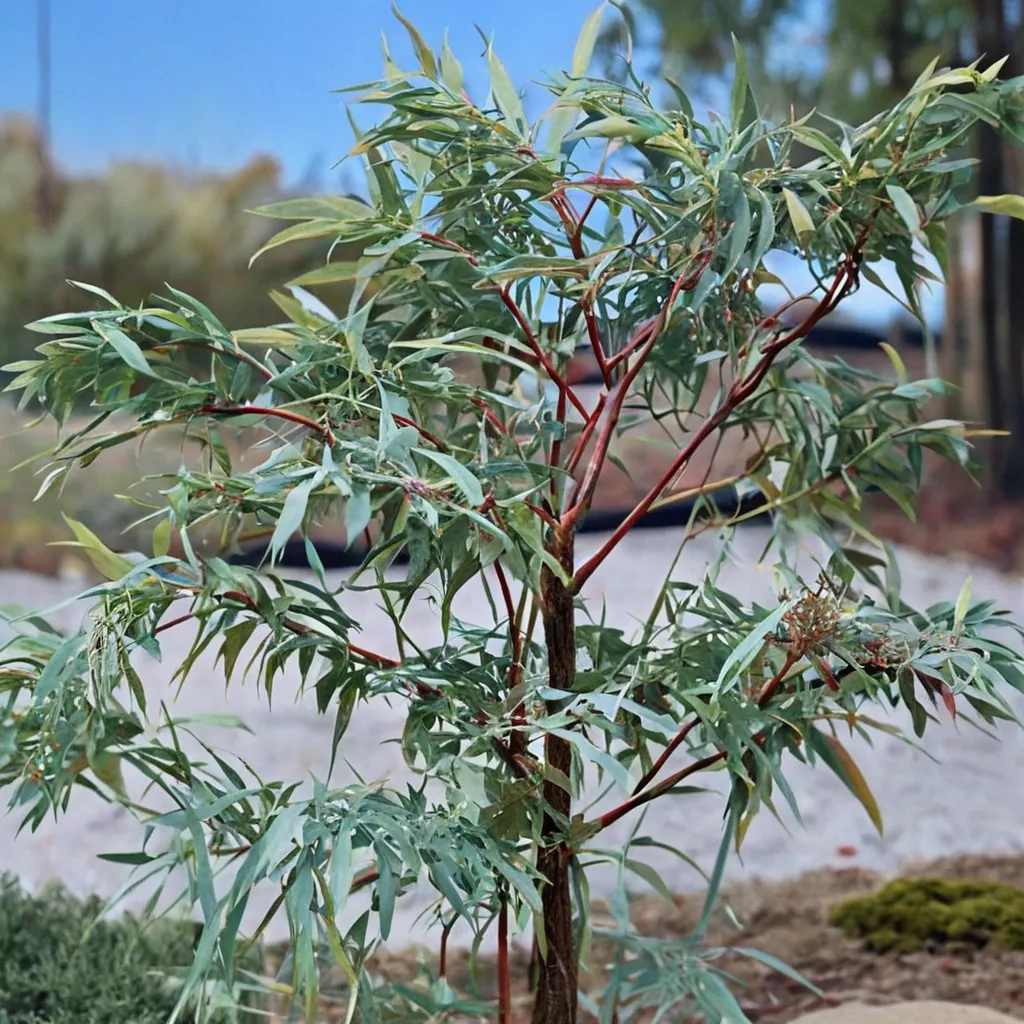
Narrow-leaved Peppermint Eucalyptus
Eucalyptus nicholii
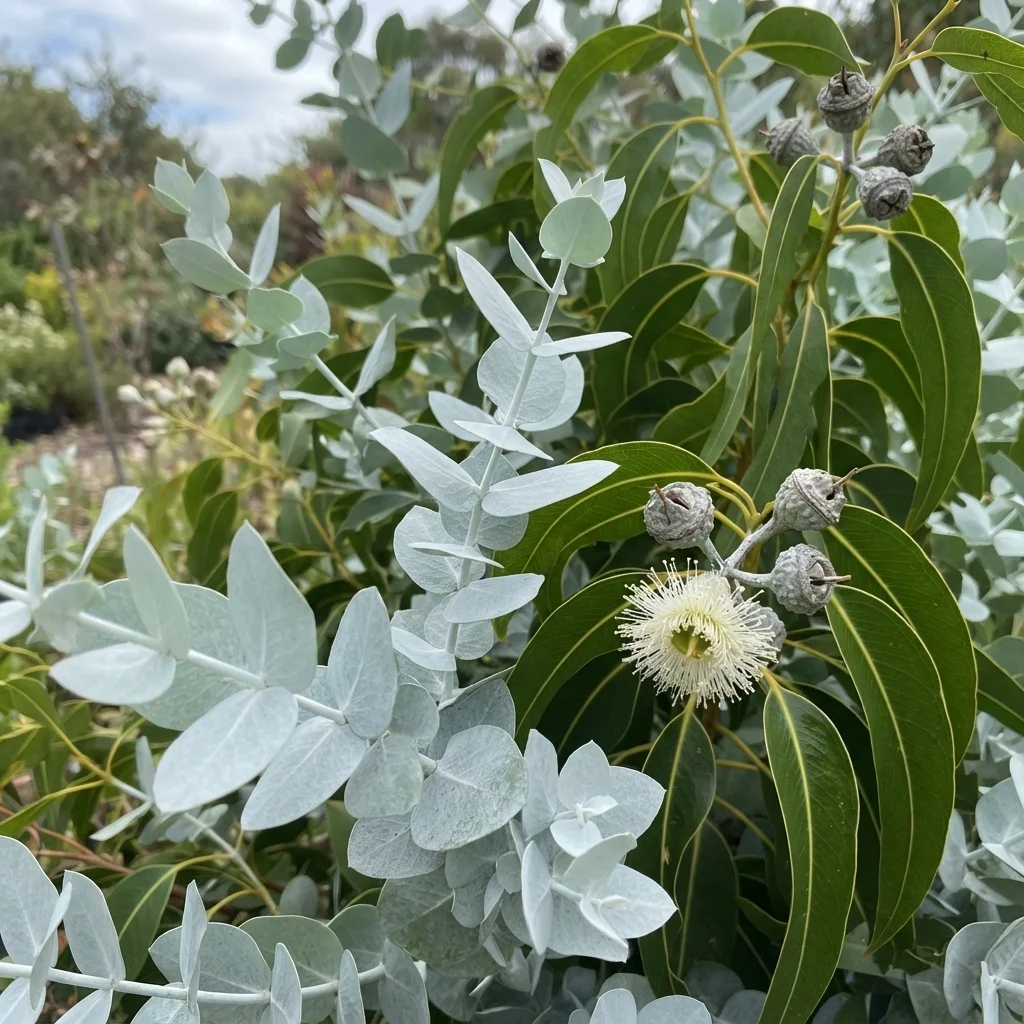
Tasmanian Blue Gum
Eucalyptus globulus
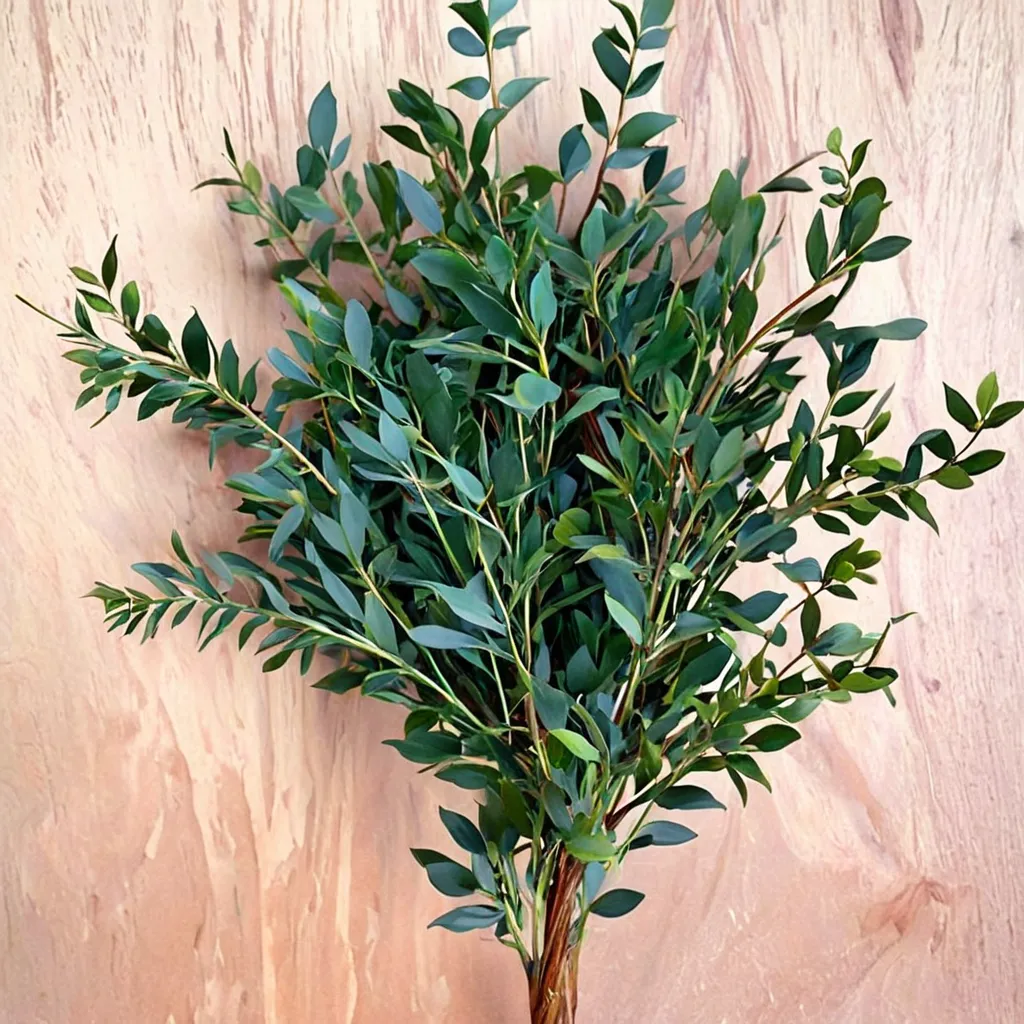
Small-leaved Gum
Eucalyptus parvula
Keep exploring
Explore the genus
Hardy in your zone?
Grow Sugar Gum with confidence
See it in a design of your actual yard, get zone-matched care reminders, and track it season by season in your garden journal.