The Story
Plant Bio
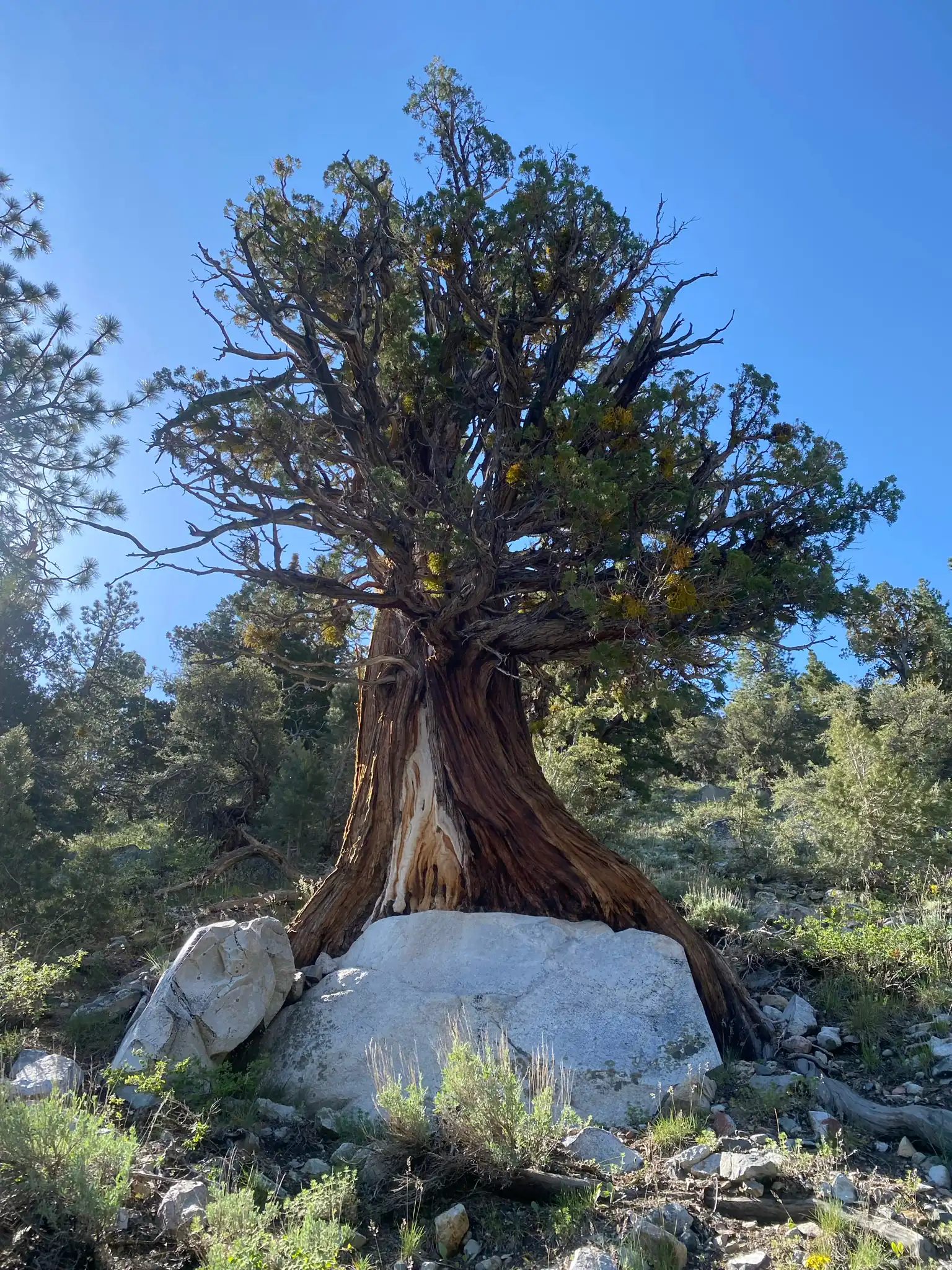
Juniperus occidentalis is an evergreen conifer tree native to dry, rocky slopes across western North America, forming a short, massive trunk and a wide, irregular crown. Its scale-like, grey-green foliage is tightly appressed along the branches and emits a distinctly resinous aroma when handled.
This long-lived species develops gnarled branches and shredding reddish-brown bark that provides stark architectural texture year-round. Female trees bear fleshy, blue-grey seed cones that serve as an important autumn and winter food source for songbirds.
Uses & Benefits:
Essentials
At a Glance
Plant Type
Tree
Height
591"
Width
315"
Light
Full Sun
Zones
5, 6, 7, 8, 9
Water
Low
Humidity
Low
Lifespan
Perennial
Native To
North America
Toxicity
Toxic if Ingested / Skin Irritant
Bloom period
Early spring – Mid spring
In flower about 2 months of the year
Planting
How to Grow
- Select a planting site in full sun with sharp-draining, lean mineral soil and ample clear ground for broad lateral growth.
- Dig a hole twice as wide as the container and equal in depth, refilling with unamended native soil rather than rich organic soil mixes.
- Set the root collar flush with or slightly higher than the surrounding soil level to prevent water from settling around the trunk base.
- Water thoroughly at planting to eliminate air pockets, then limit irrigation to severe dry spells during the first establishment season.
Pro Tip
Plant in lean, mineral-based soil with rapid physical drainage, as rich organic loam combined with summer irrigation inevitably induces fatal root rot.
Keep It Thriving
Care Guide
Do
- Provide full sun exposure and maximum air circulation.
- Ensure planting beds drain sharply and stay free of standing water.
- Lightly tip-prune active green growth in spring to guide plant shape.
Don't
- Do not prune hard into brown, leafless wood, as old wood will not regenerate foliage.
- Do not amend the soil with rich organic matter or compost at planting.
- Do not subject established trees to frequent summer lawn irrigation.
Seasonal Care Calendar
| Task | Jan | Feb | Mar | Apr | May | Jun | Jul | Aug | Sep | Oct | Nov | Dec |
|---|---|---|---|---|---|---|---|---|---|---|---|---|
| Pest Check | ||||||||||||
| Propagate | ||||||||||||
| Prune | ||||||||||||
| Winter Prep |
Watch Out For
Pests & Diseases
Common Pests
Common Diseases
In the Garden
Landscape Uses & Companions
Landscape Uses
Multiply
Propagation Methods
Good to Know
Common Questions
Western Juniper questions
What zones can Western Juniper grow in?
Western Juniper is hardy in USDA Zones 5–9: in that range it survives winter in the ground. Colder than Zone 5, winters are too cold for it to survive outdoors. Warmer than Zone 9, winter isn't the problem: it prefers colder winters, and summer heat can shorten its life.
Is Western Juniper deer resistant?
Not reliably. Deer may browse Western Juniper, especially tender spring growth — plan on repellents or fencing where pressure is high.
When does Western Juniper bloom?
Western Juniper typically blooms in early to mid-spring. Exact timing shifts a week or two with your zone — Sow's bloom calendar maps it to your garden.
Does Western Juniper need full sun?
Western Juniper does best in full sun (6+ hours).
Is Western Juniper drought tolerant?
Yes — once established (usually after the first full season), Western Juniper handles dry spells with minimal watering. Water deeply its first year to build the root system that makes that possible.
More Juniperus to compare
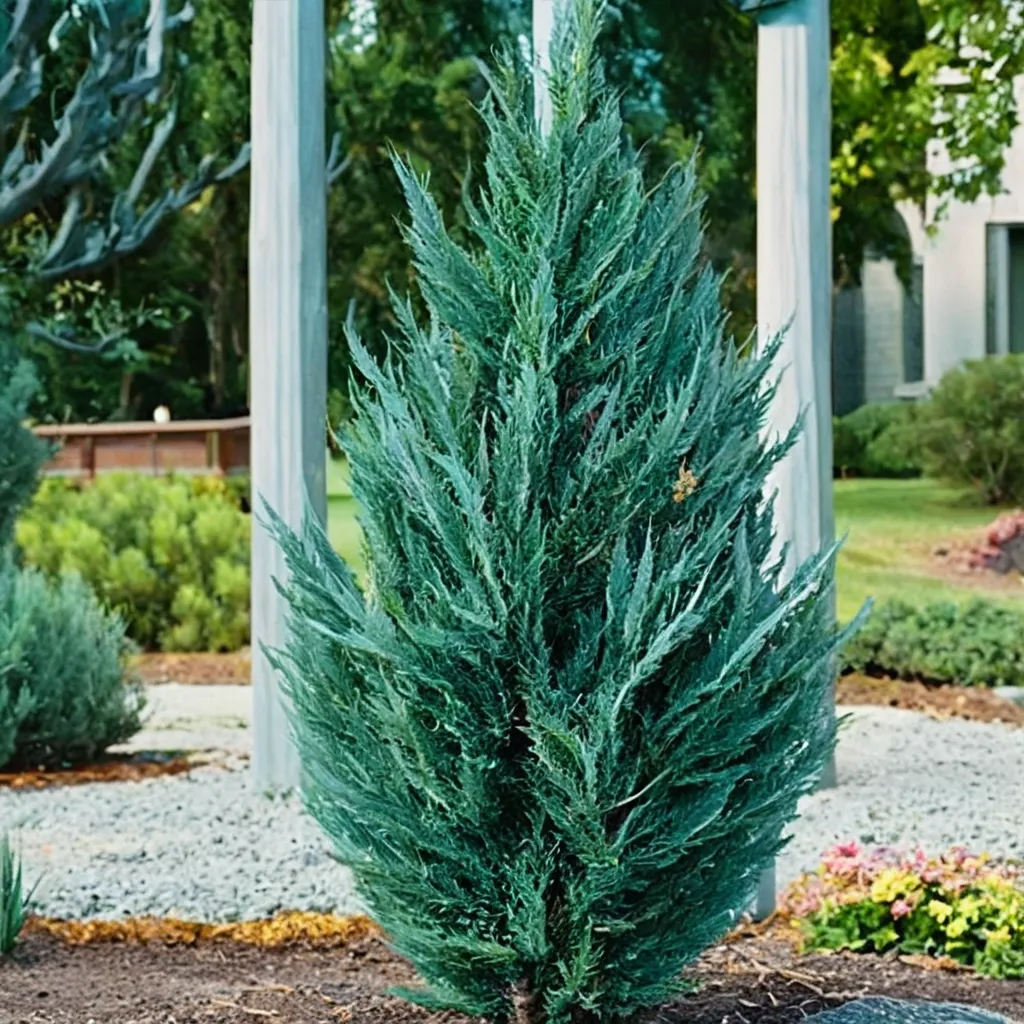
Blue Point Juniper
Juniperus chinensis 'Blue Point'
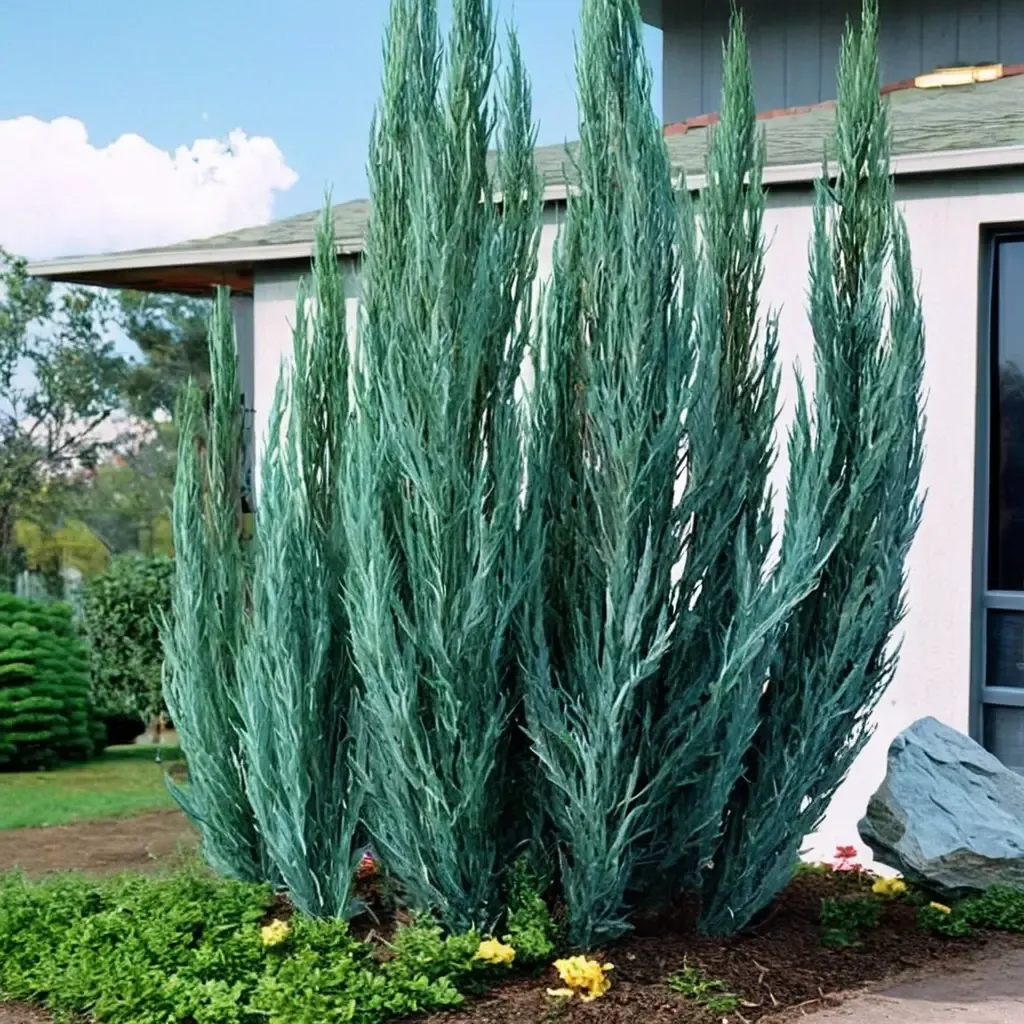
Skyrocket Juniper
Juniperus scopulorum 'Skyrocket'
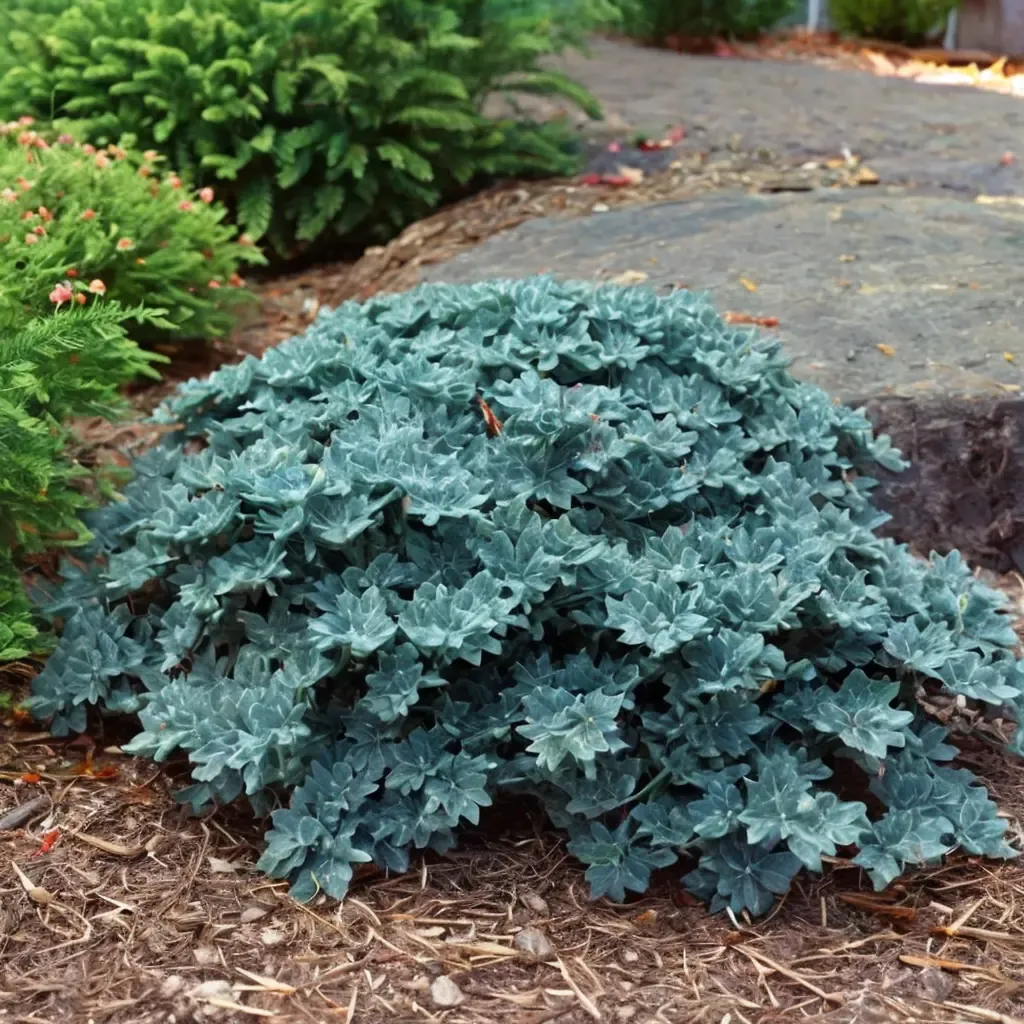
Blue Star Juniper
Juniperus squamata 'Blue Star'
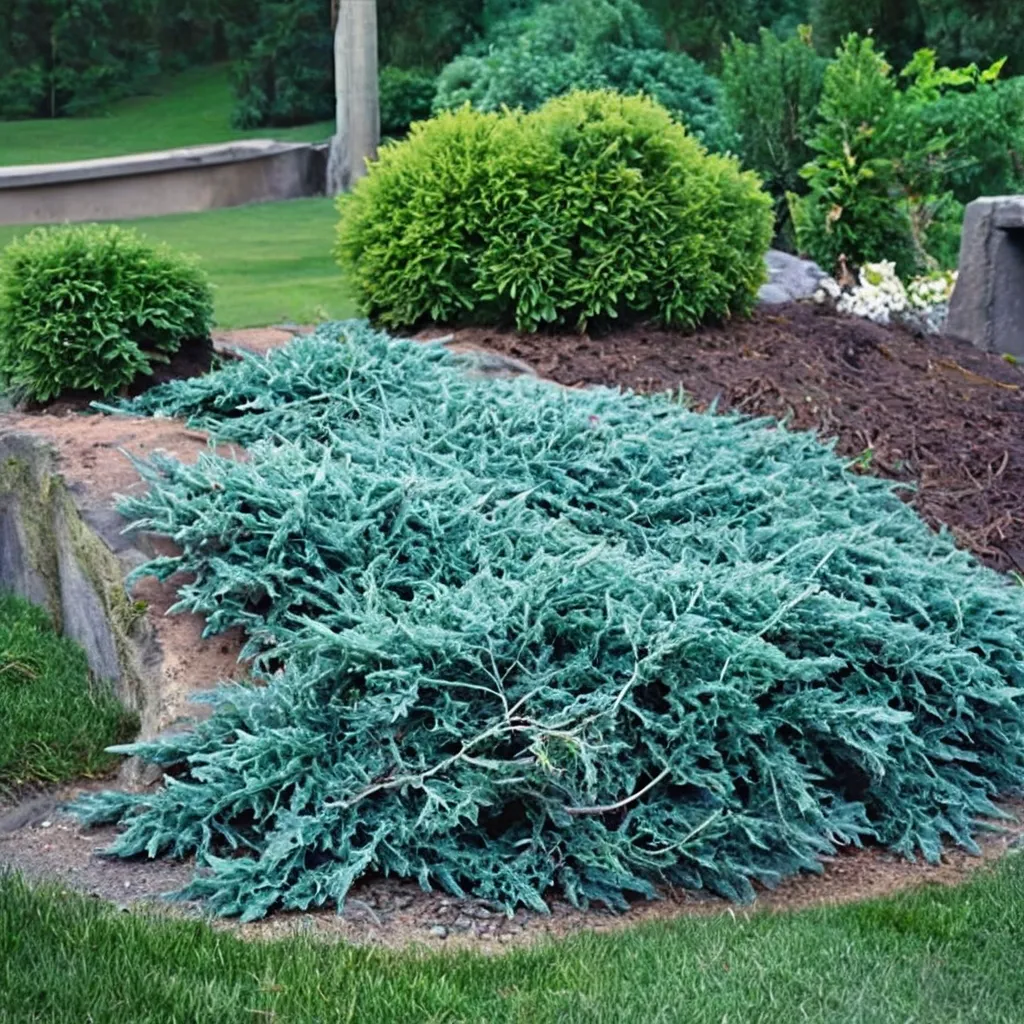
Blue Rug Juniper
Juniperus horizontalis 'Blue Rug'
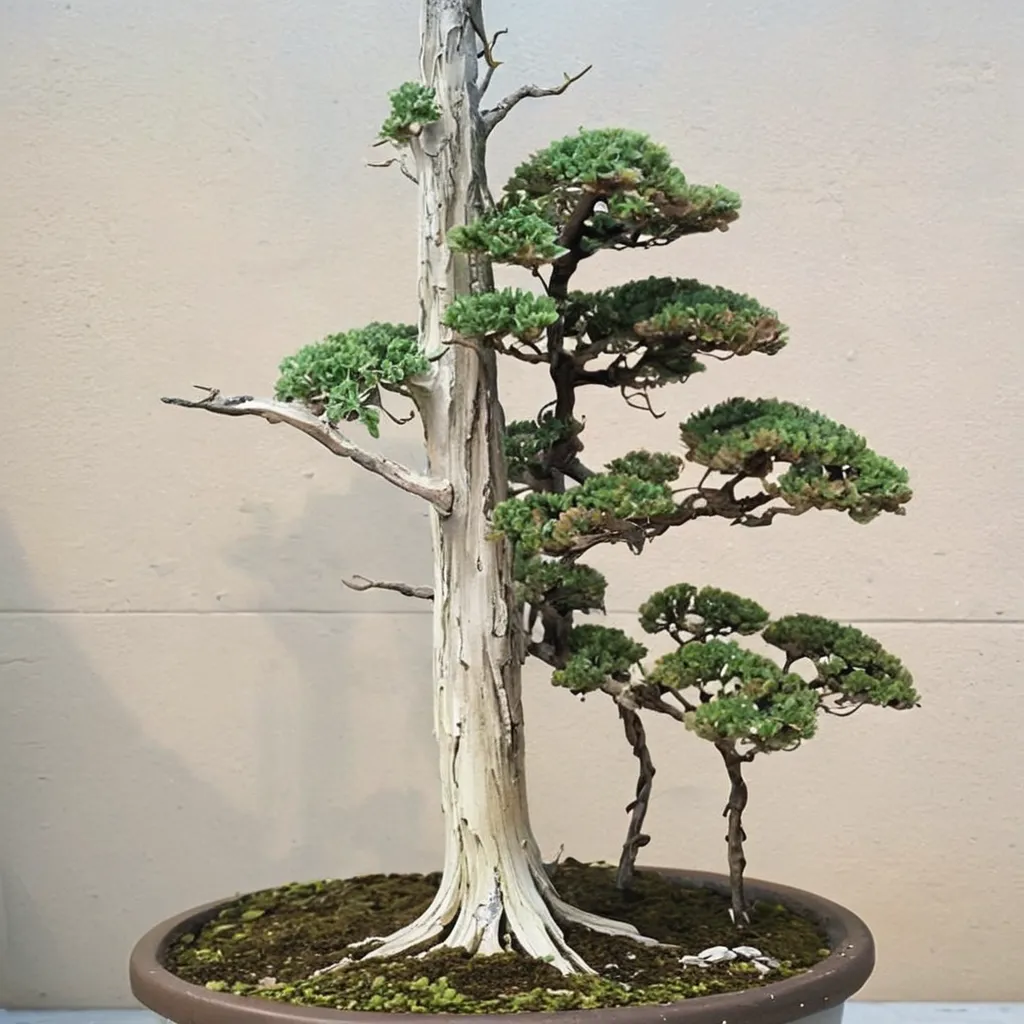
Foemina Chinese Juniper
Juniperus chinensis 'Foemina'
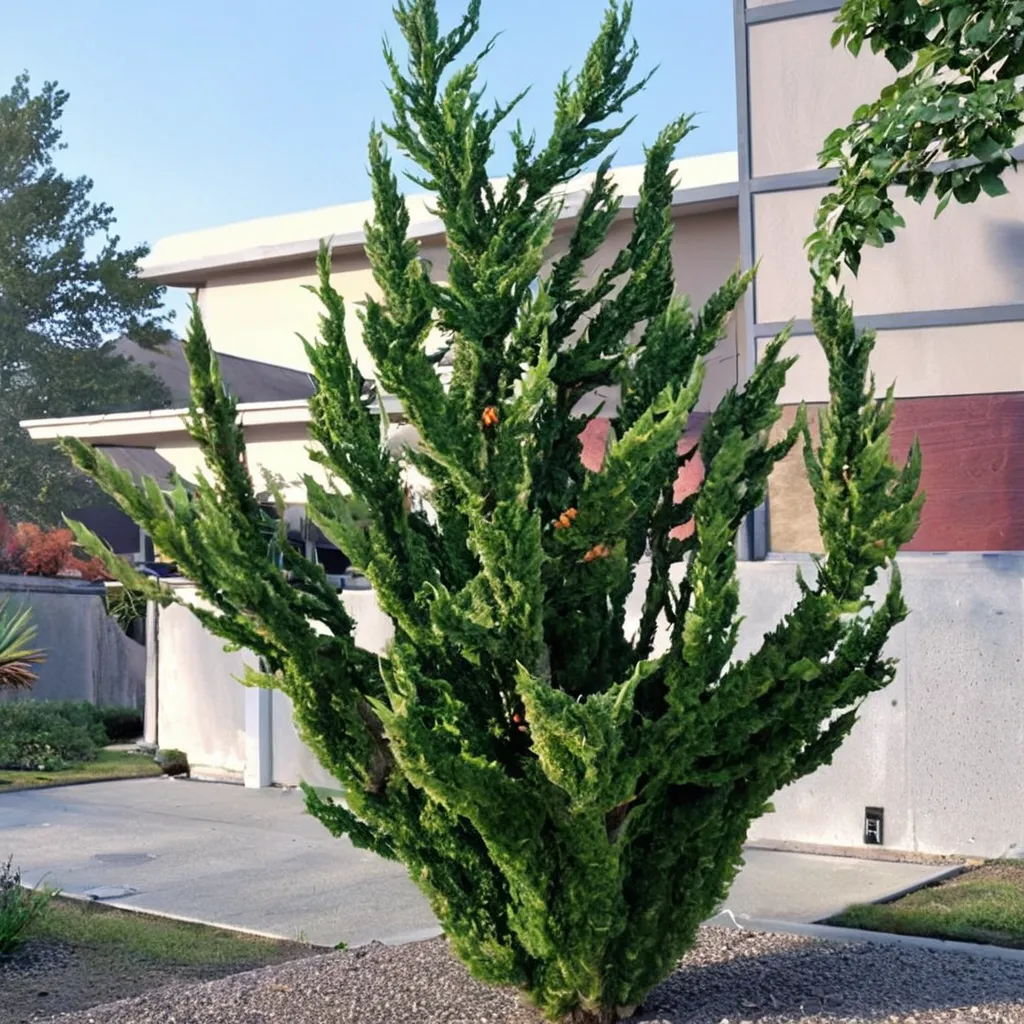
Hollywood Juniper 'Kaizuka'
Juniperus chinensis 'Kaizuka'
Keep exploring
Explore the genus
Hardy in your zone?
Grow Western Juniper with confidence
See it in a design of your actual yard, get zone-matched care reminders, and track it season by season in your garden journal.