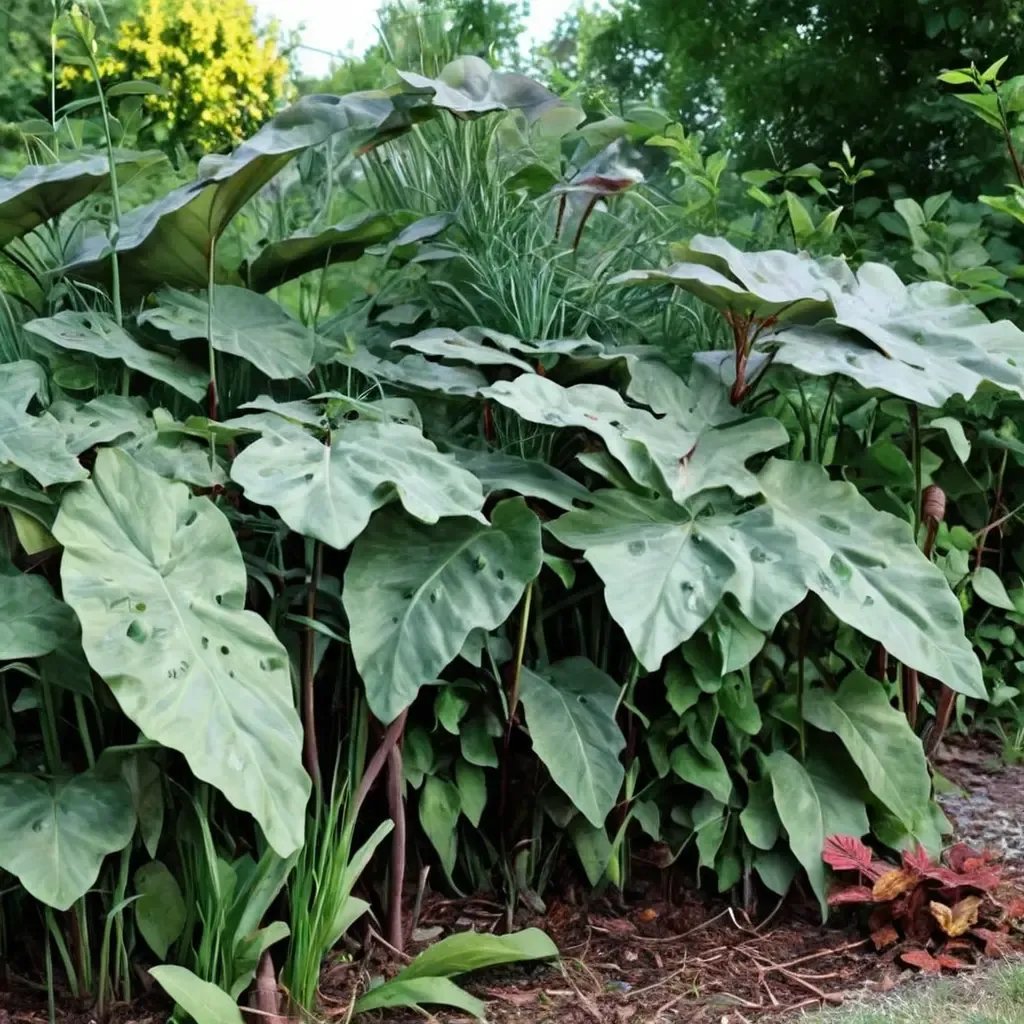
Species
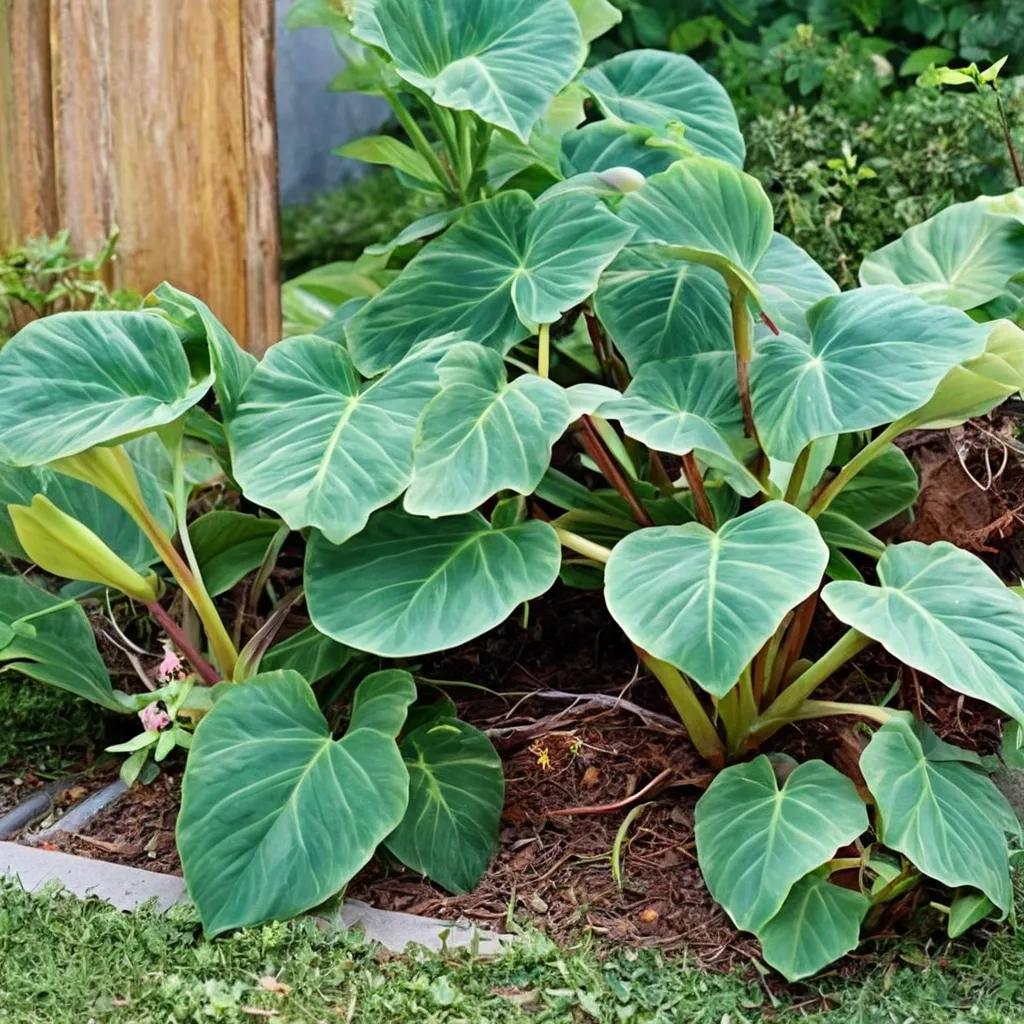 Colocasia esculentaTaro
27 other cultivars
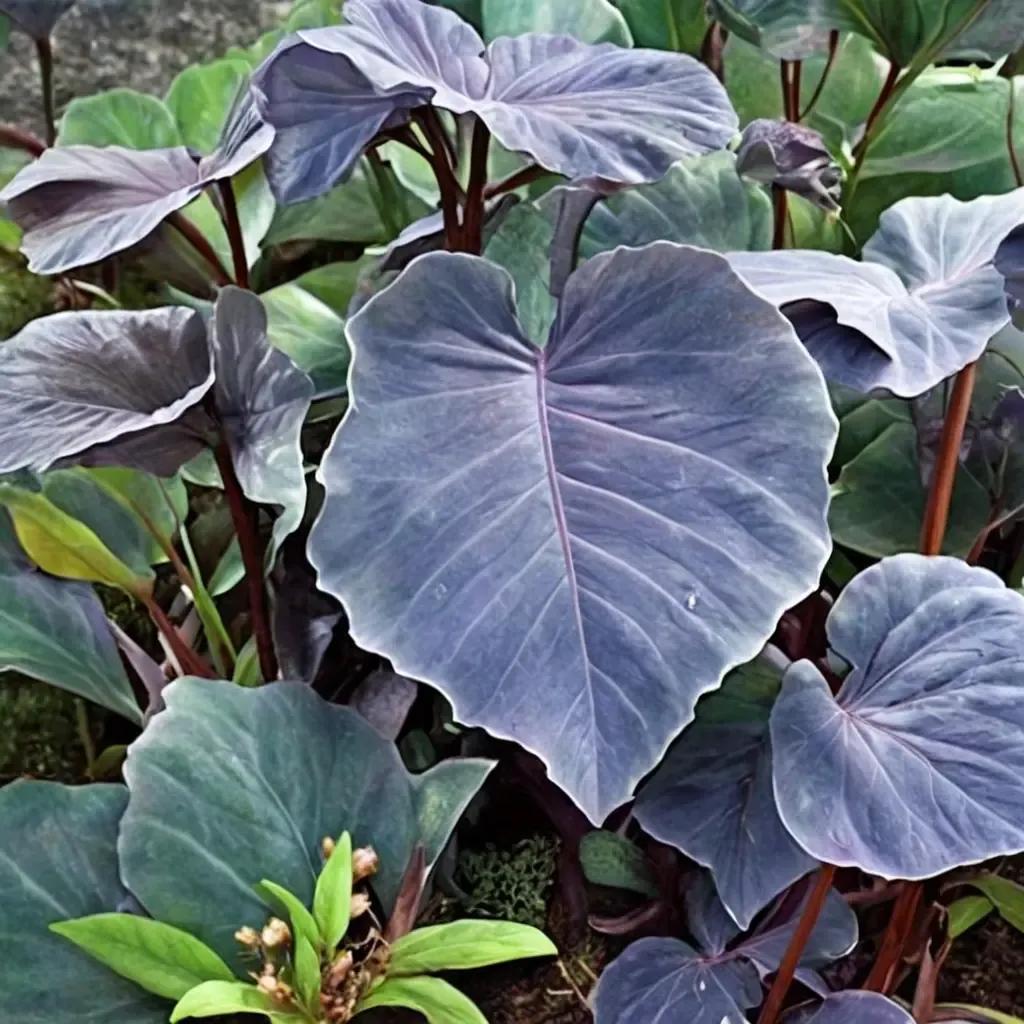 ‘Black Runner’Black Runner Taro
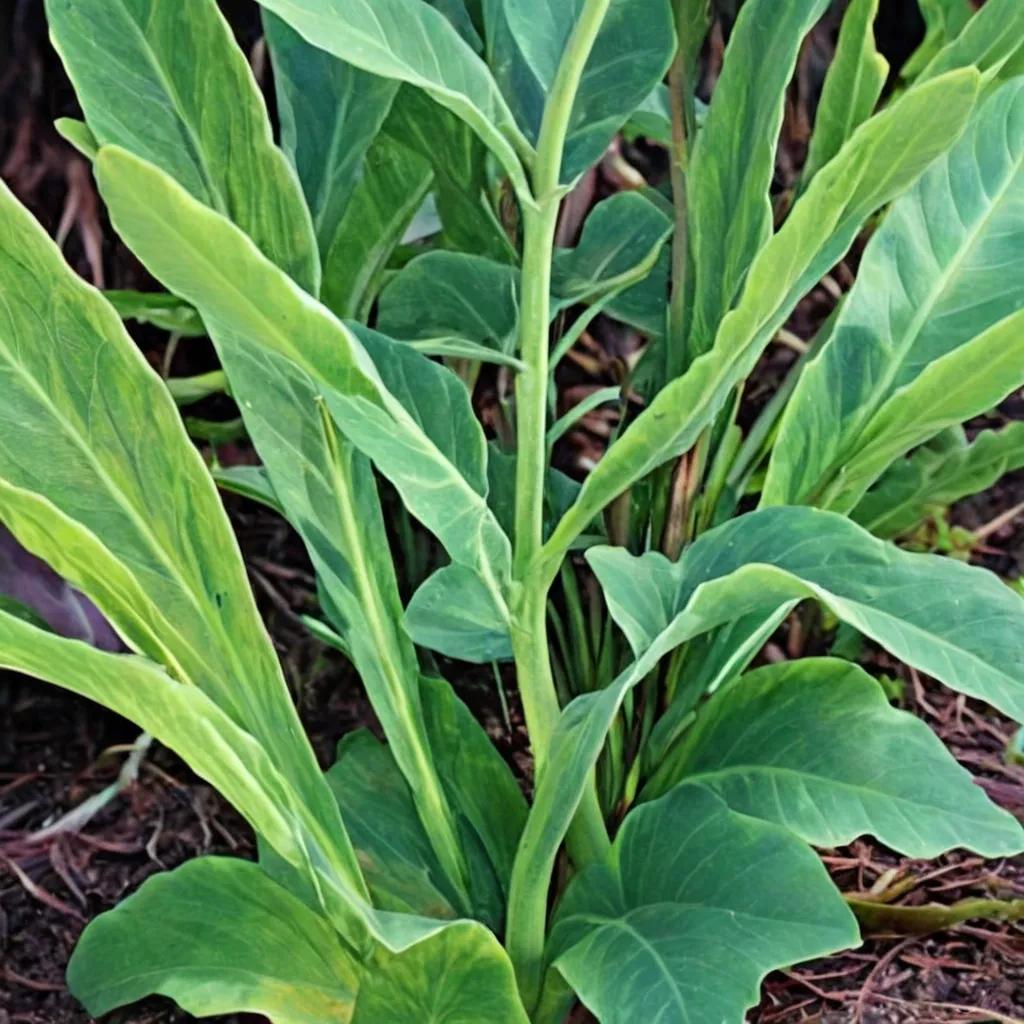 ‘Chicago Harlequin’Elephant Ear
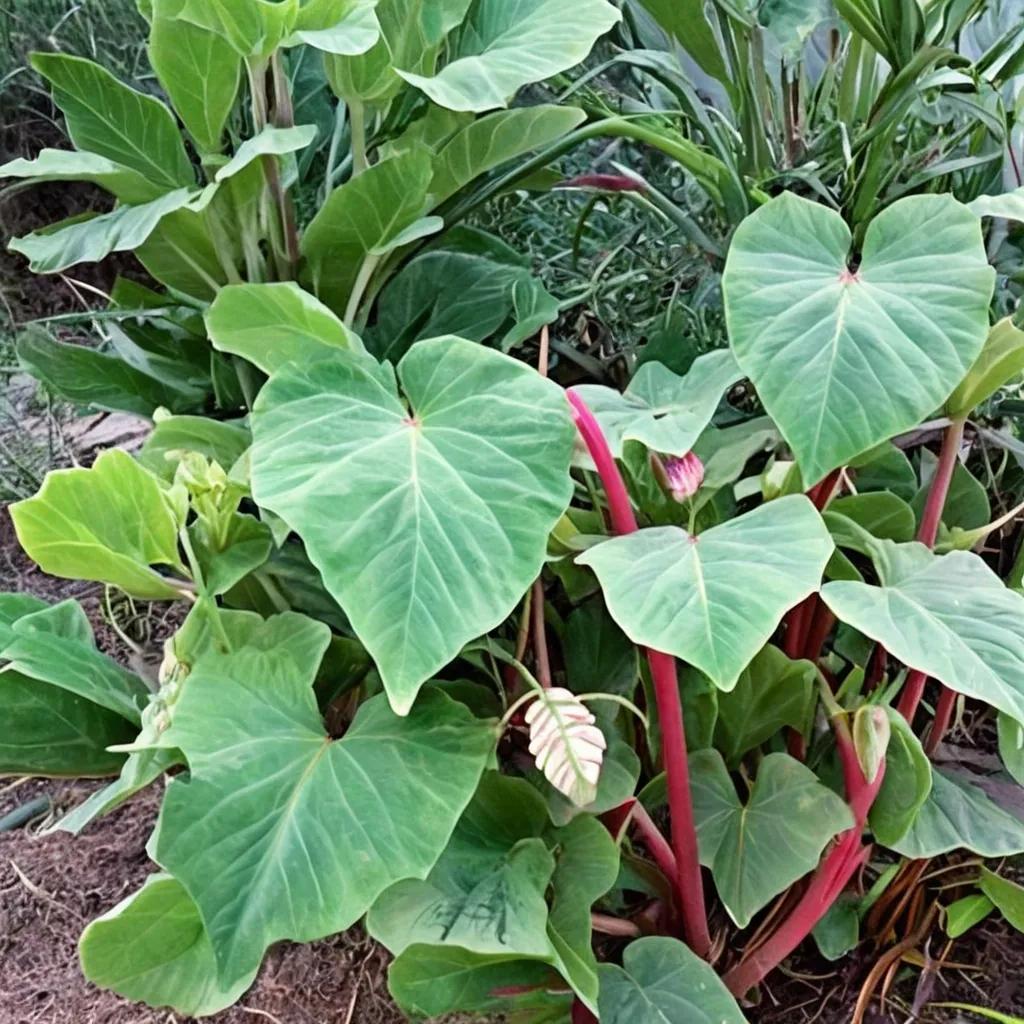 ‘Pink China’Pink China Elephant Ear
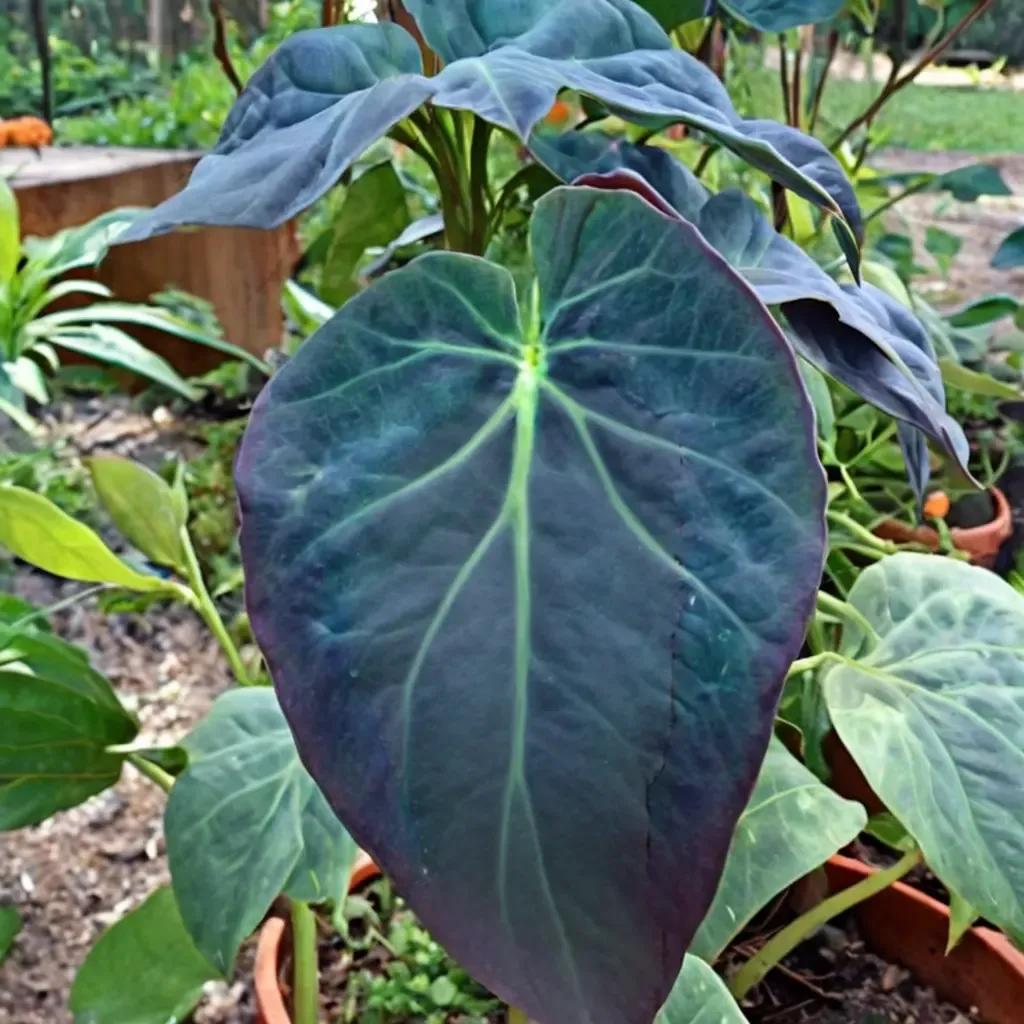 ‘Black Beauty’Black Beauty Taro
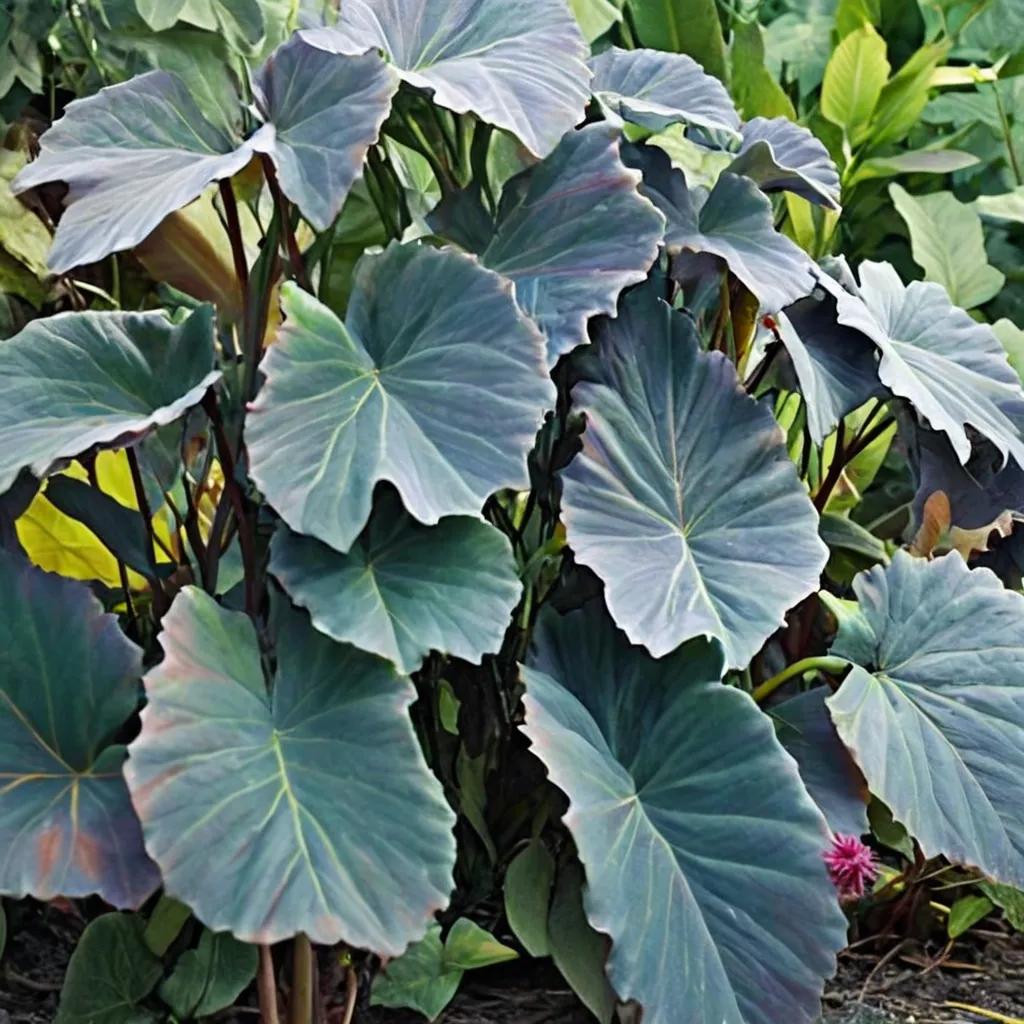 ‘Ruffles’Elephant Ear Ruffles
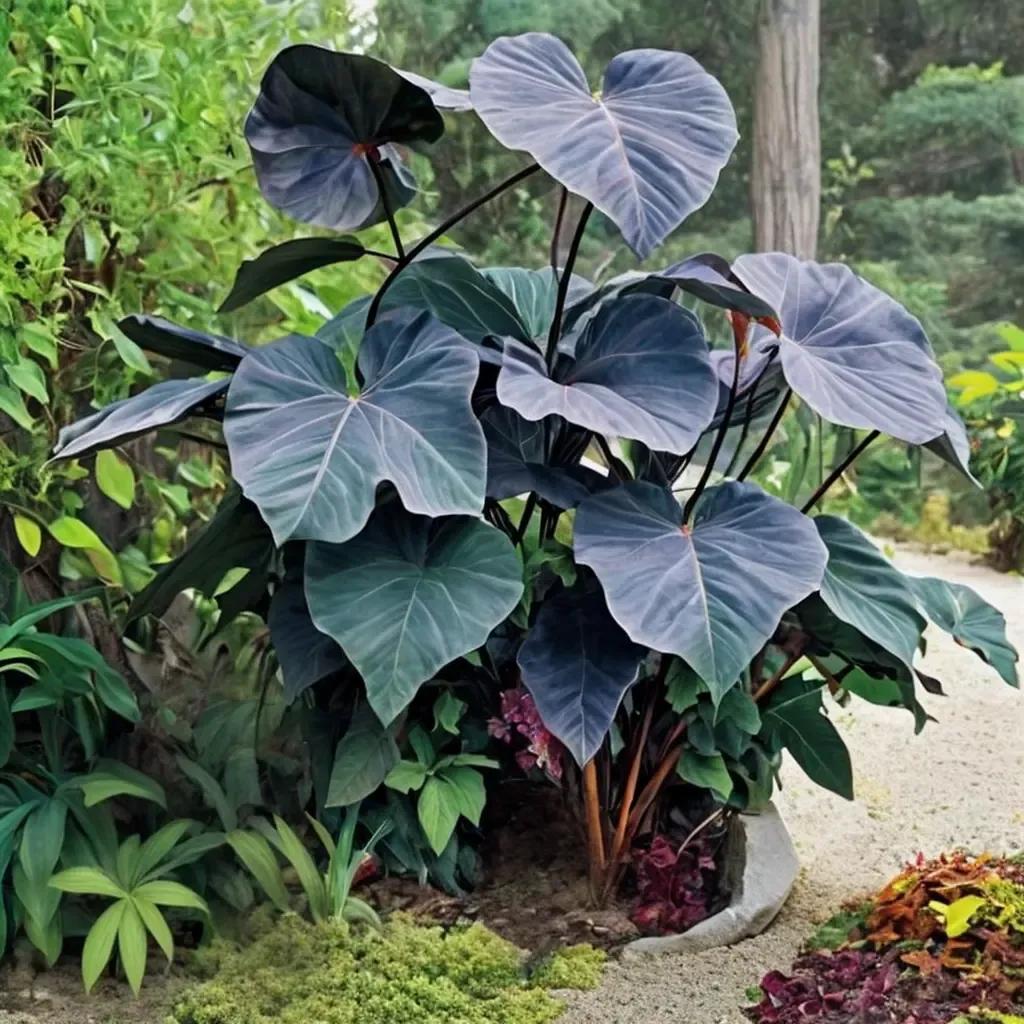 ‘Black Magic’Black Magic Taro
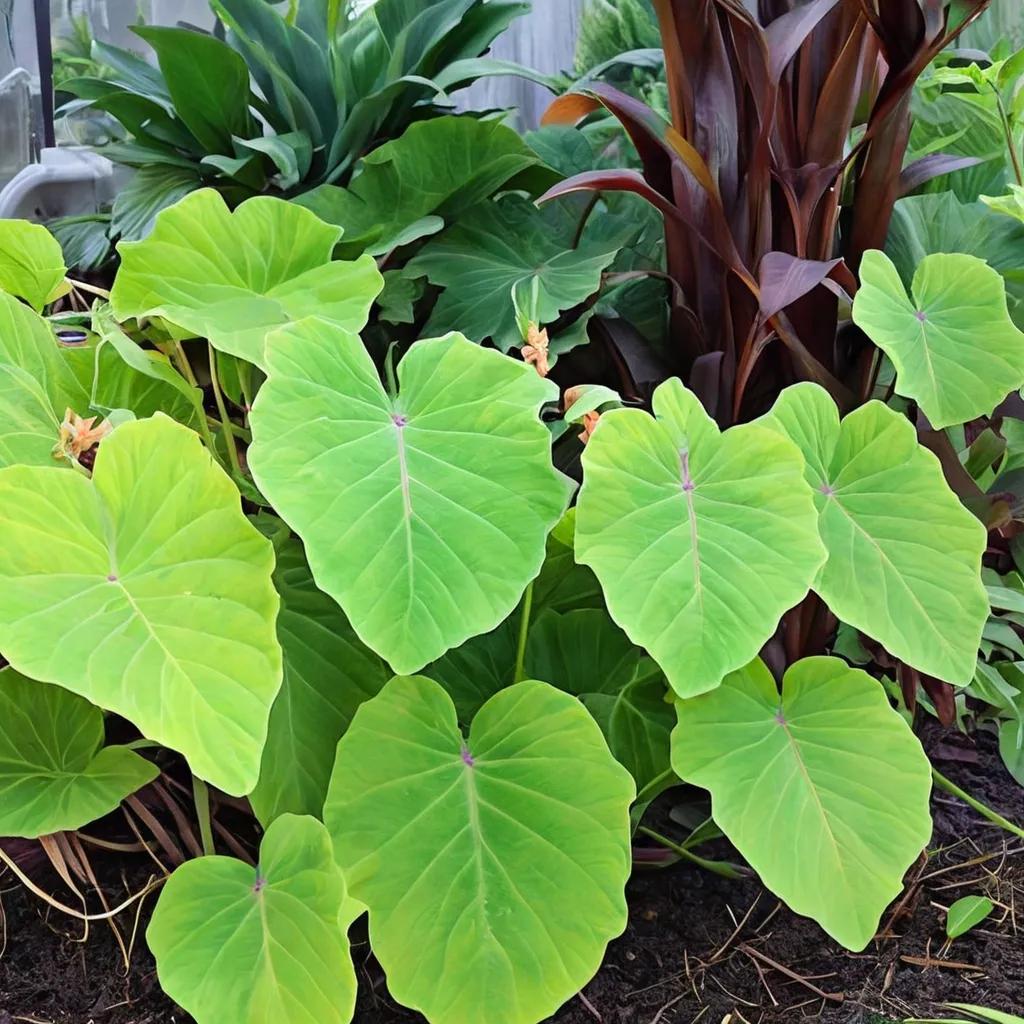 ‘Red-Eyed Gecko’Red-Eyed Gecko
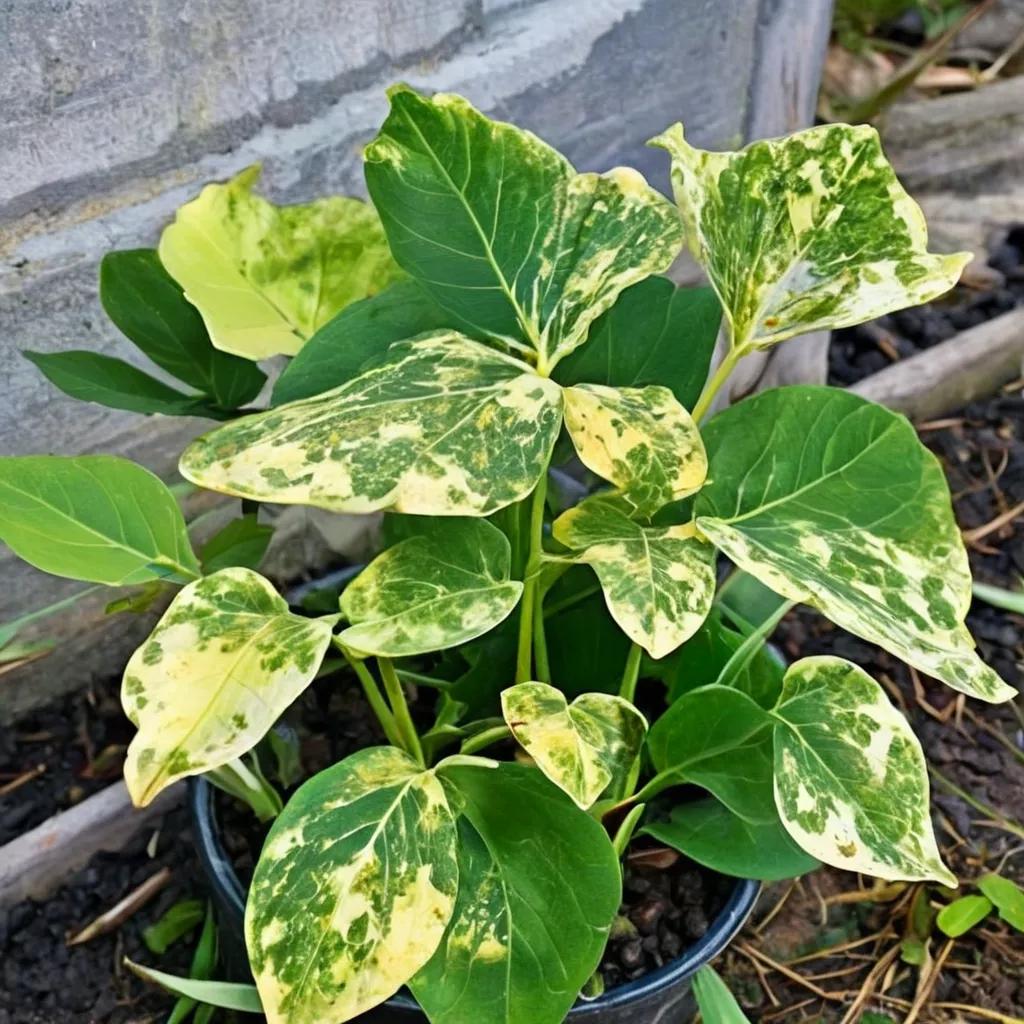 ‘Yellow Splash’Yellow Splash Elephant Ear
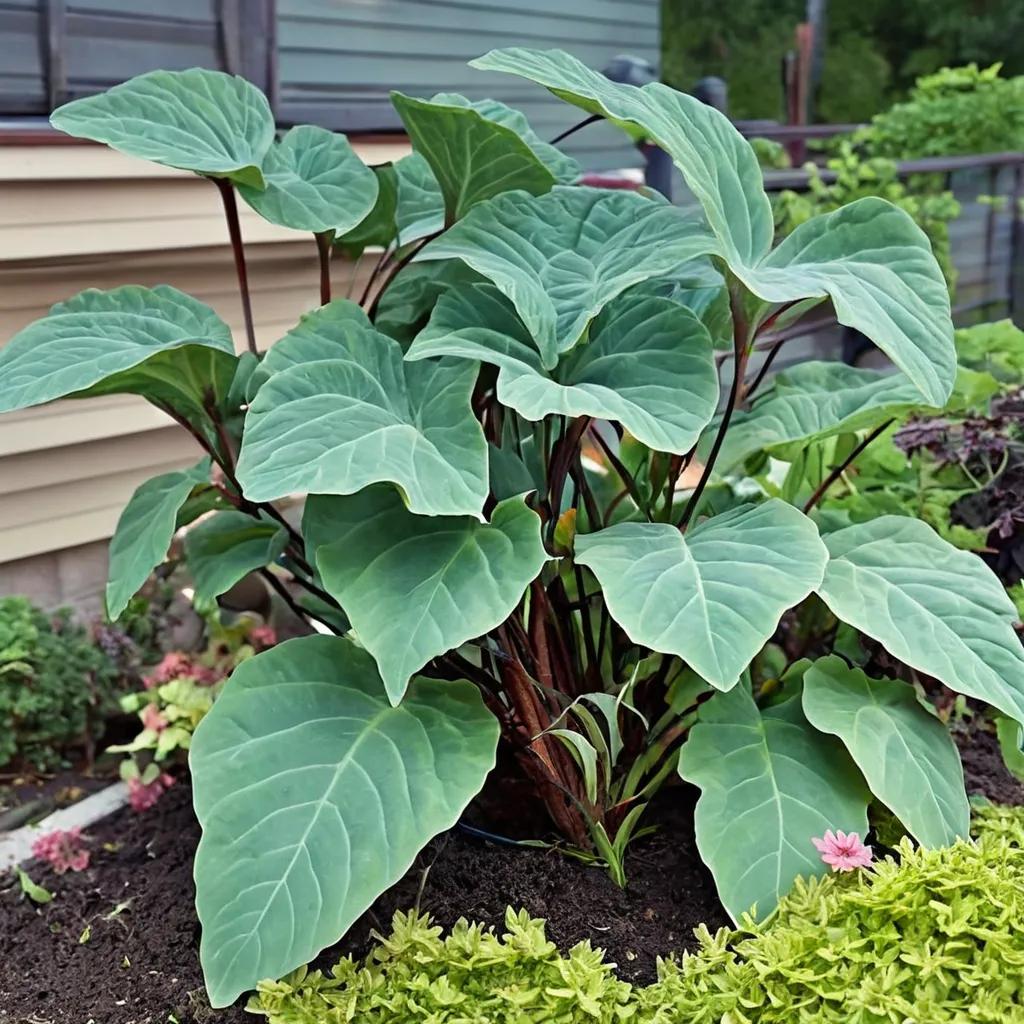 ‘Heart of the Jungle’Heart of the Jungle
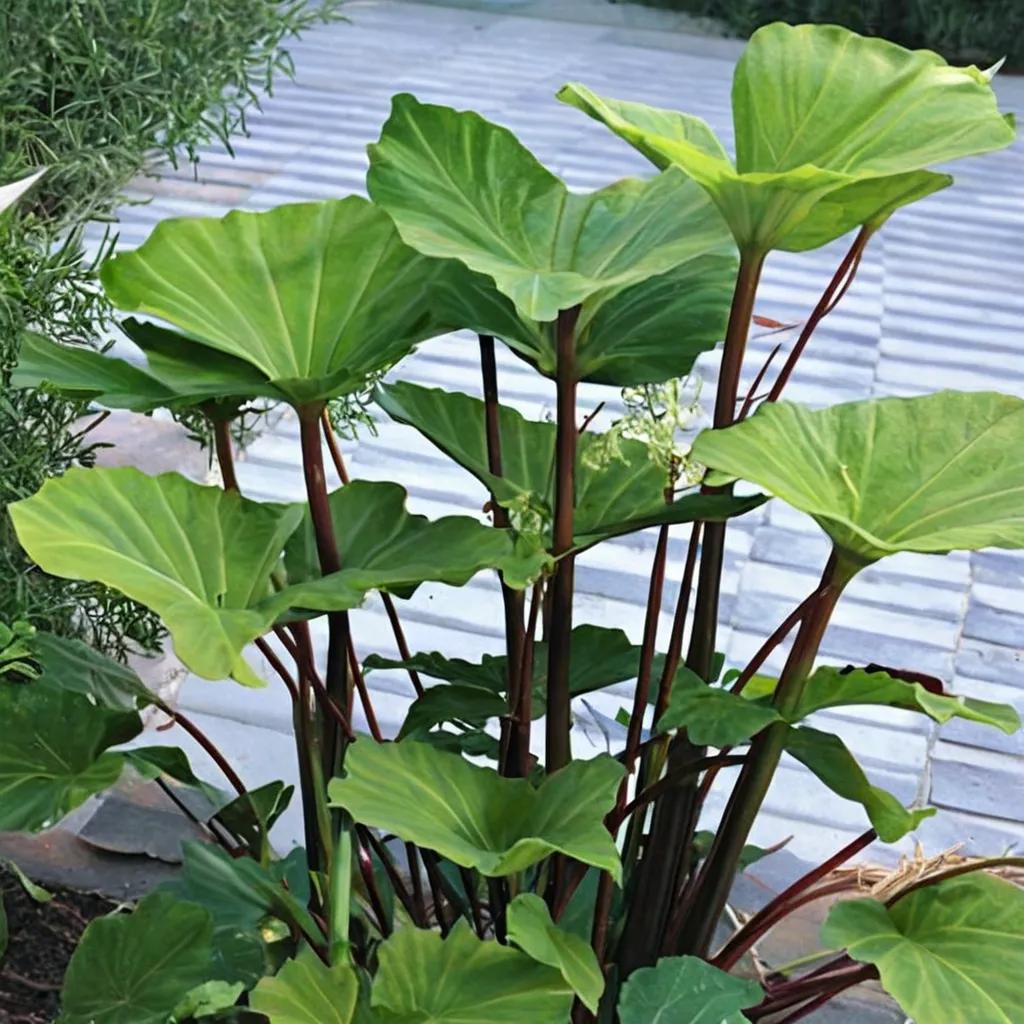 ‘Big Dipper’'Big Dipper' Elephant Ear
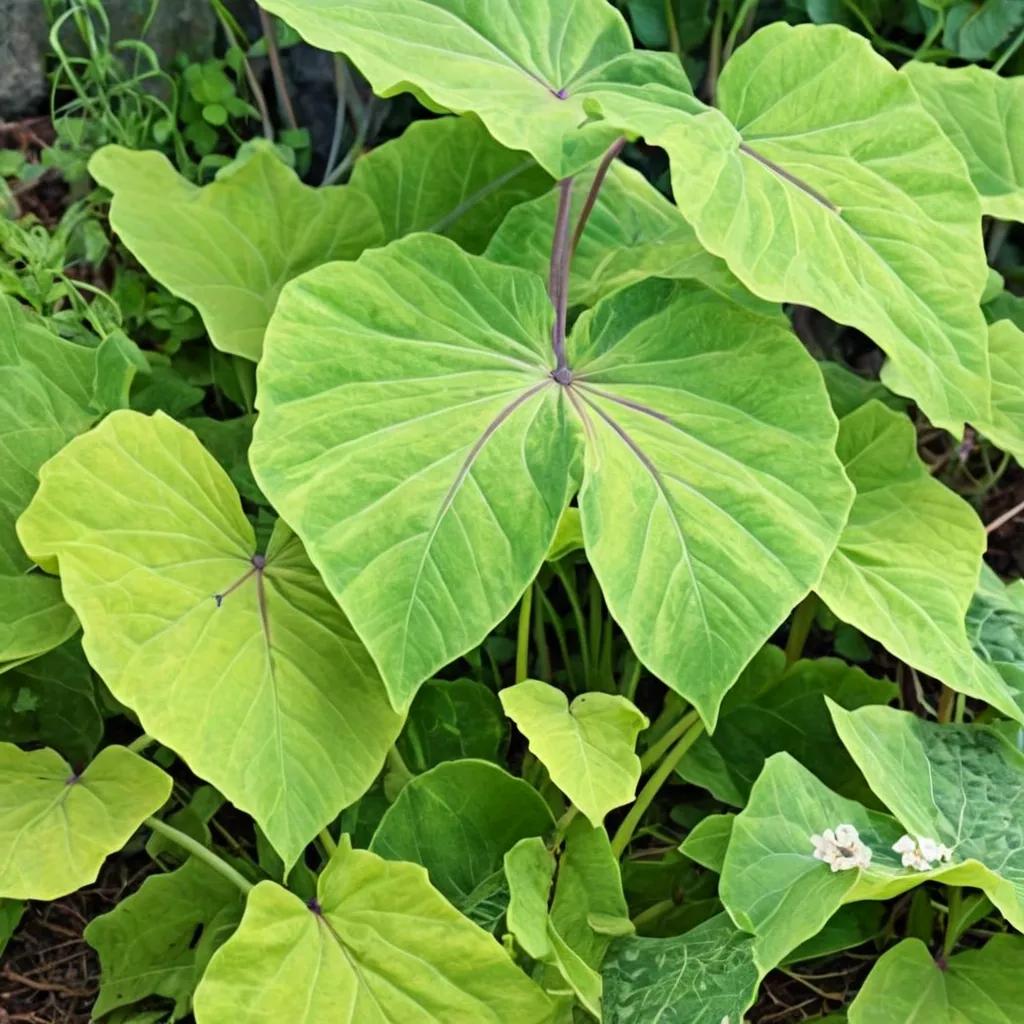 ‘Elena’Elena Elephant Ear
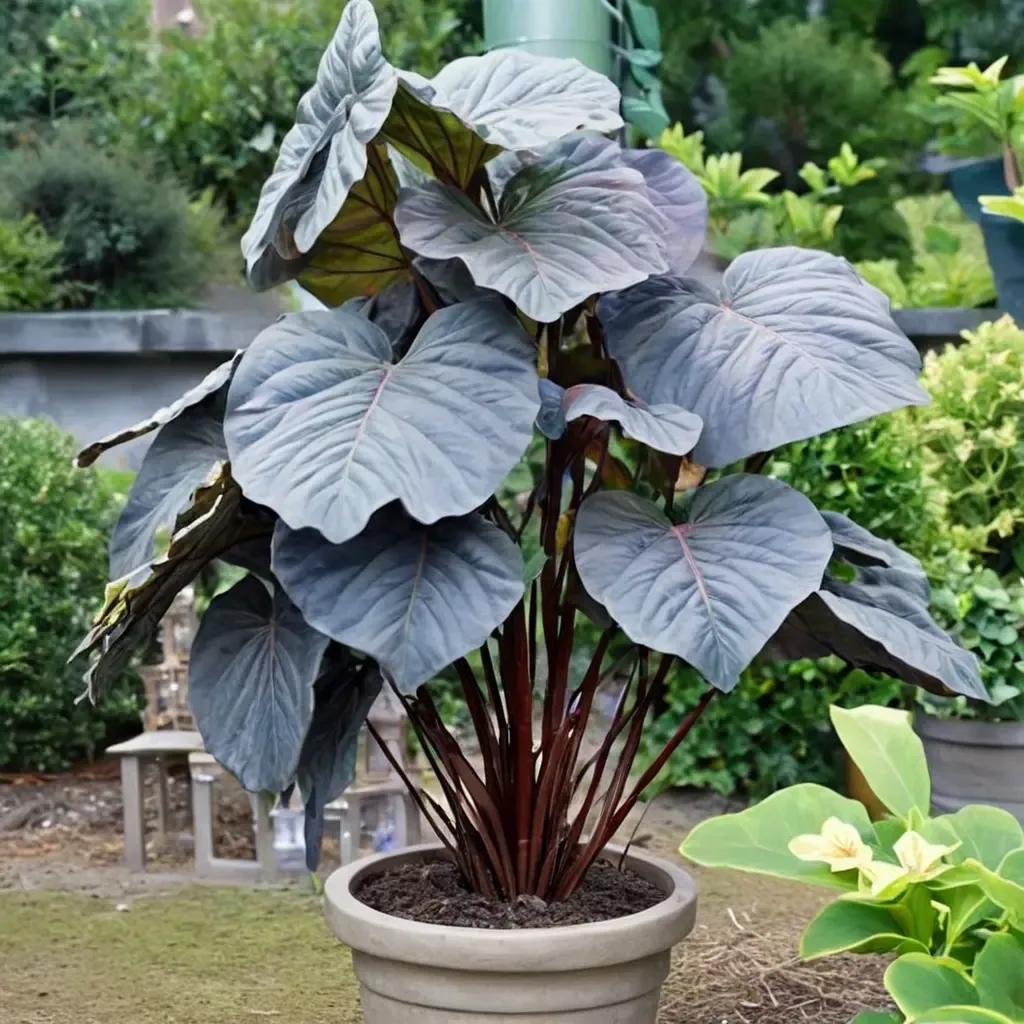 ‘Diamond Head’Diamond Head Taro Elephant Ear
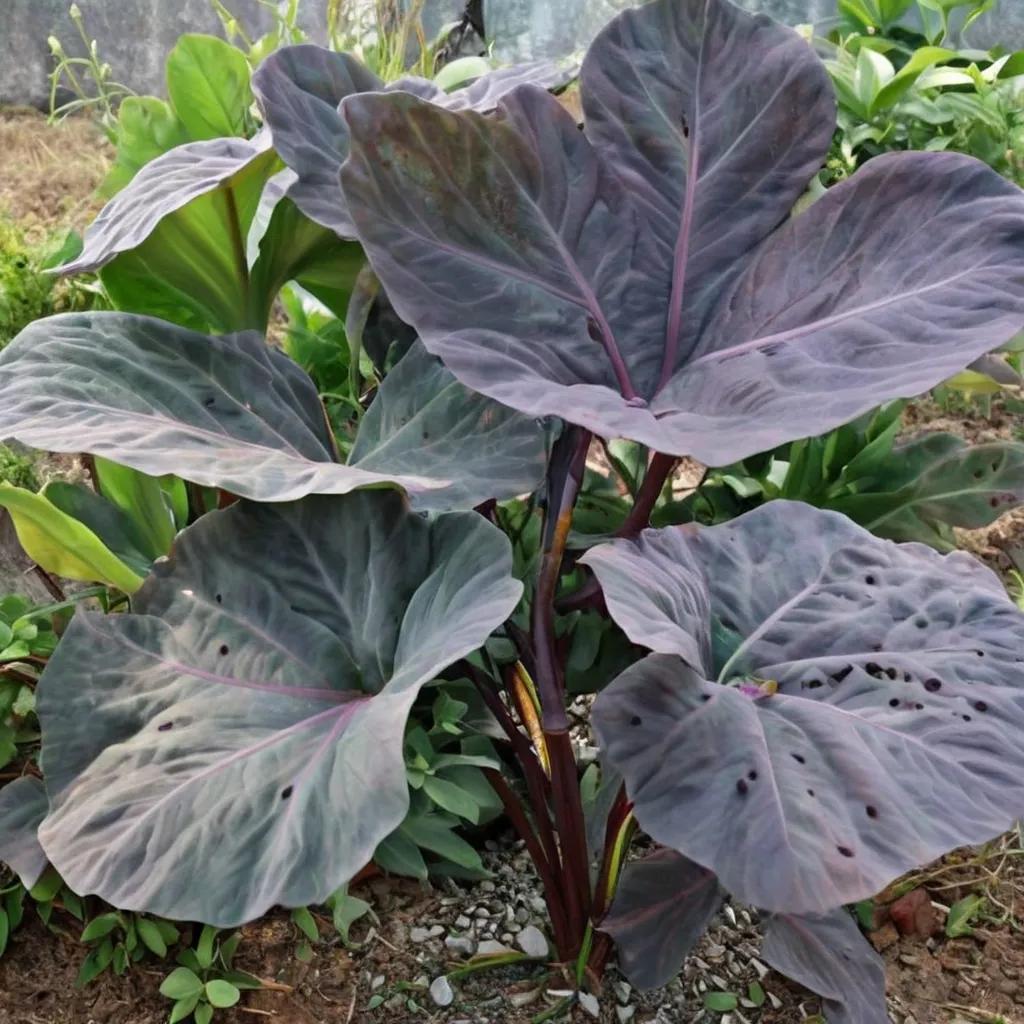 ‘Noble Gigante’Noble Gigante Elephant Ear
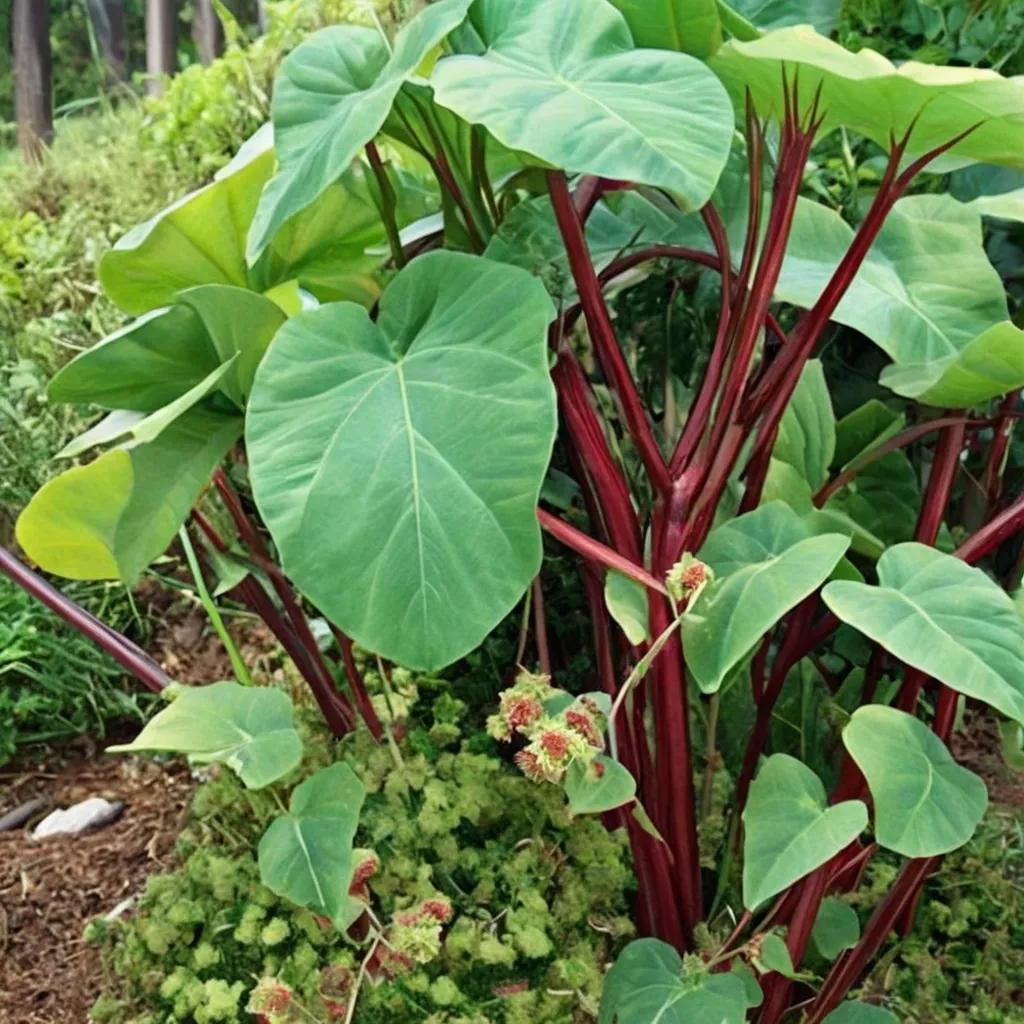 ‘Rhubarb’Rhubarb Elephant Ear
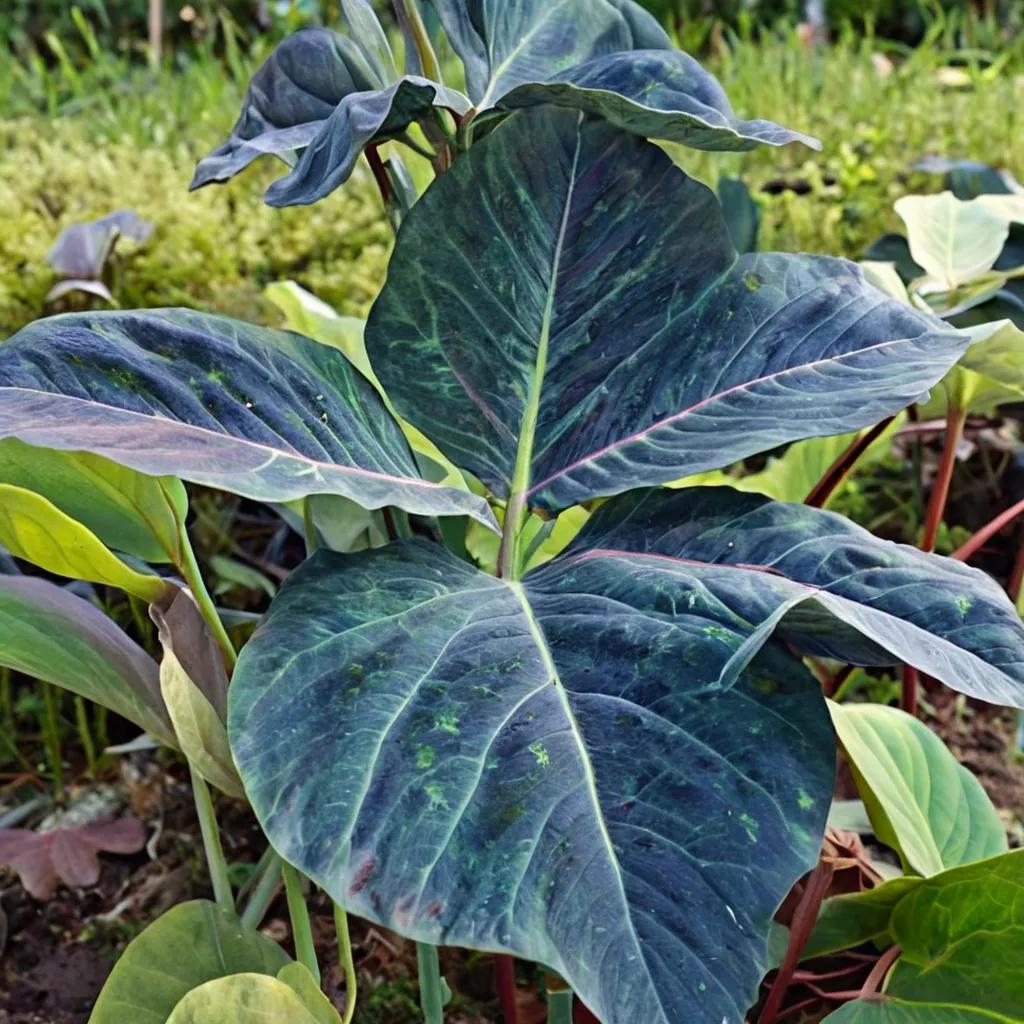 ‘Black Marble’Black Marble Elephant Ear
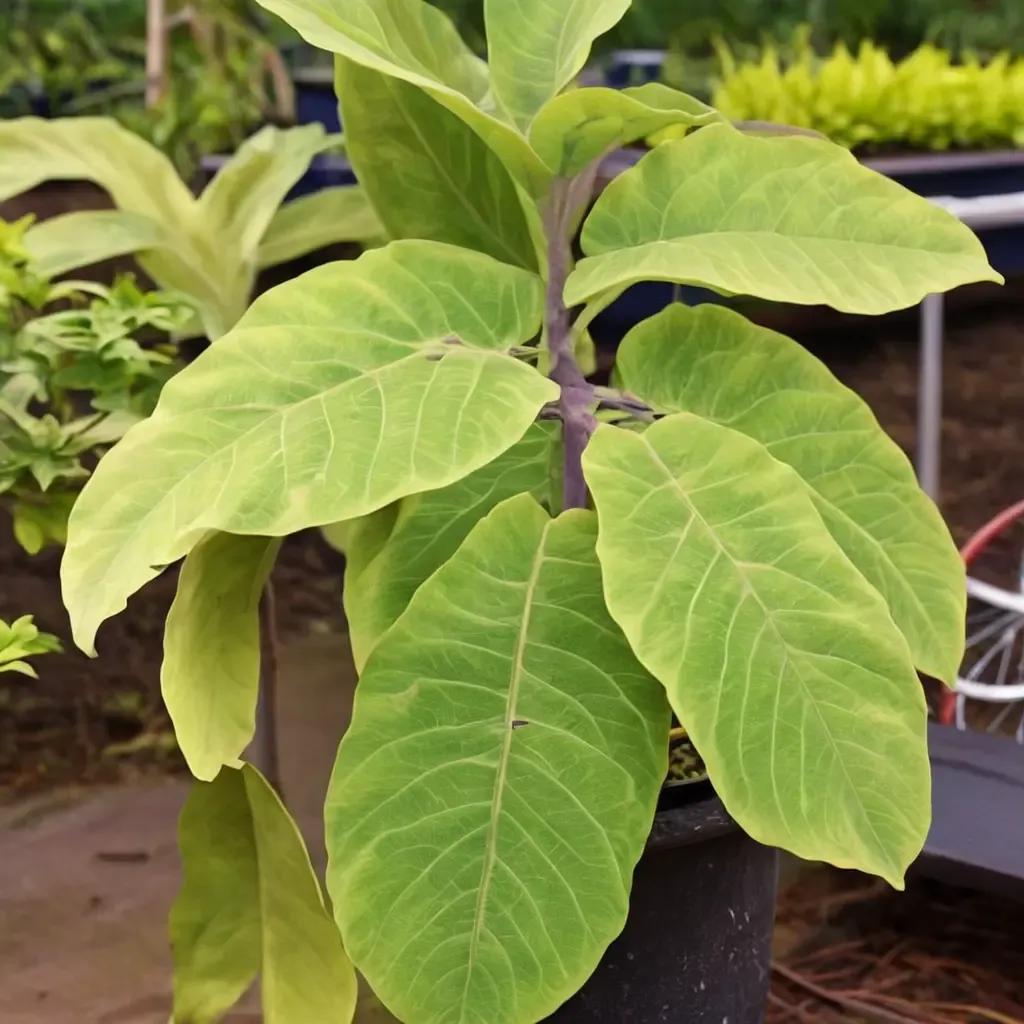 ‘Maui Gold’Maui Gold Taro
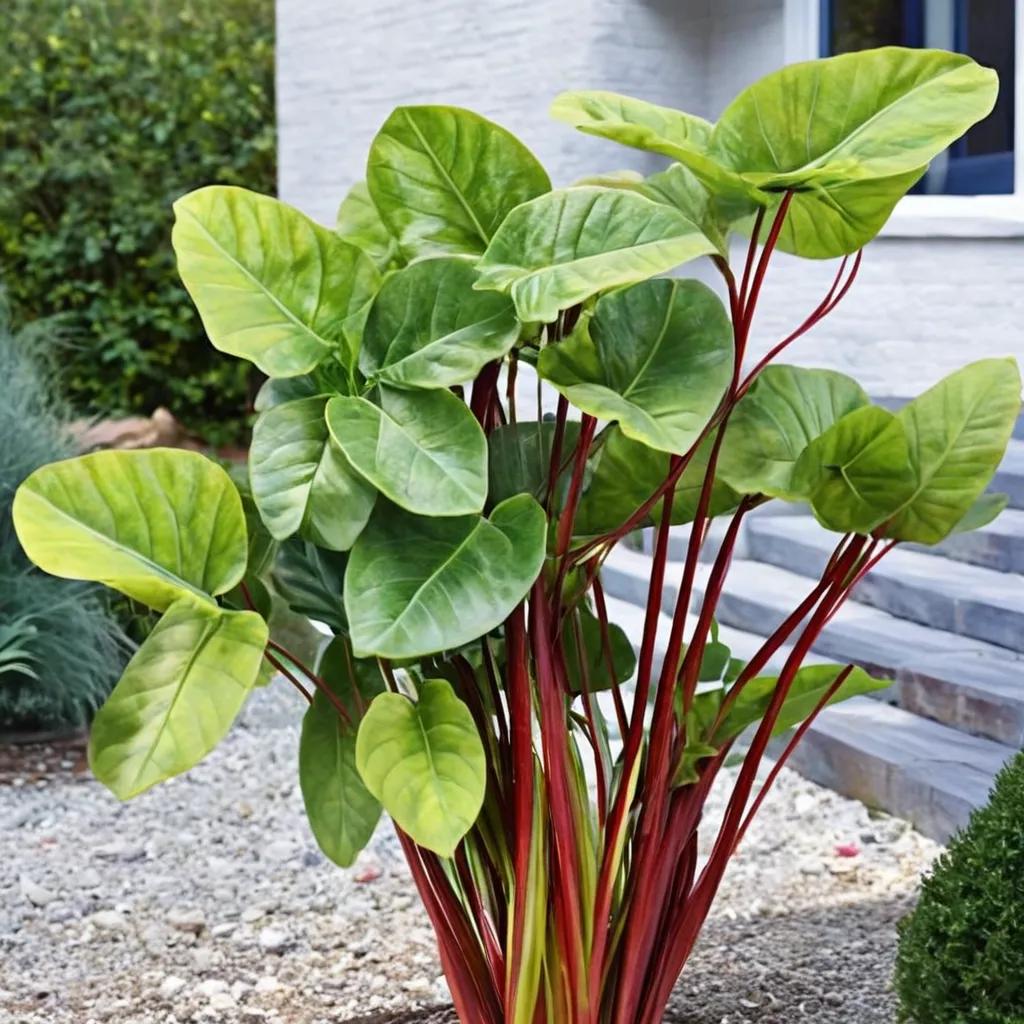 ‘Hawaiian Punch’Hawaiian Punch Elephant Ear
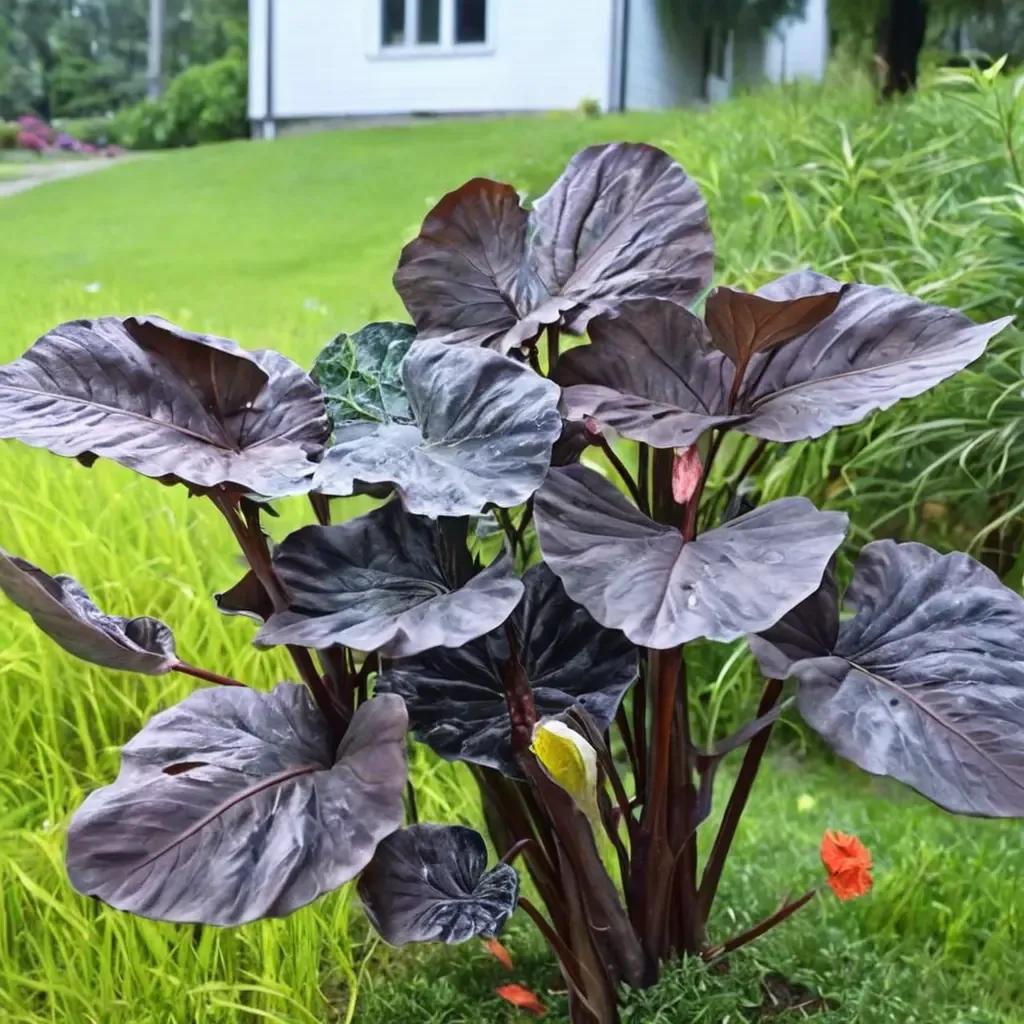 ‘Distant Memory’Distant Memory Taro
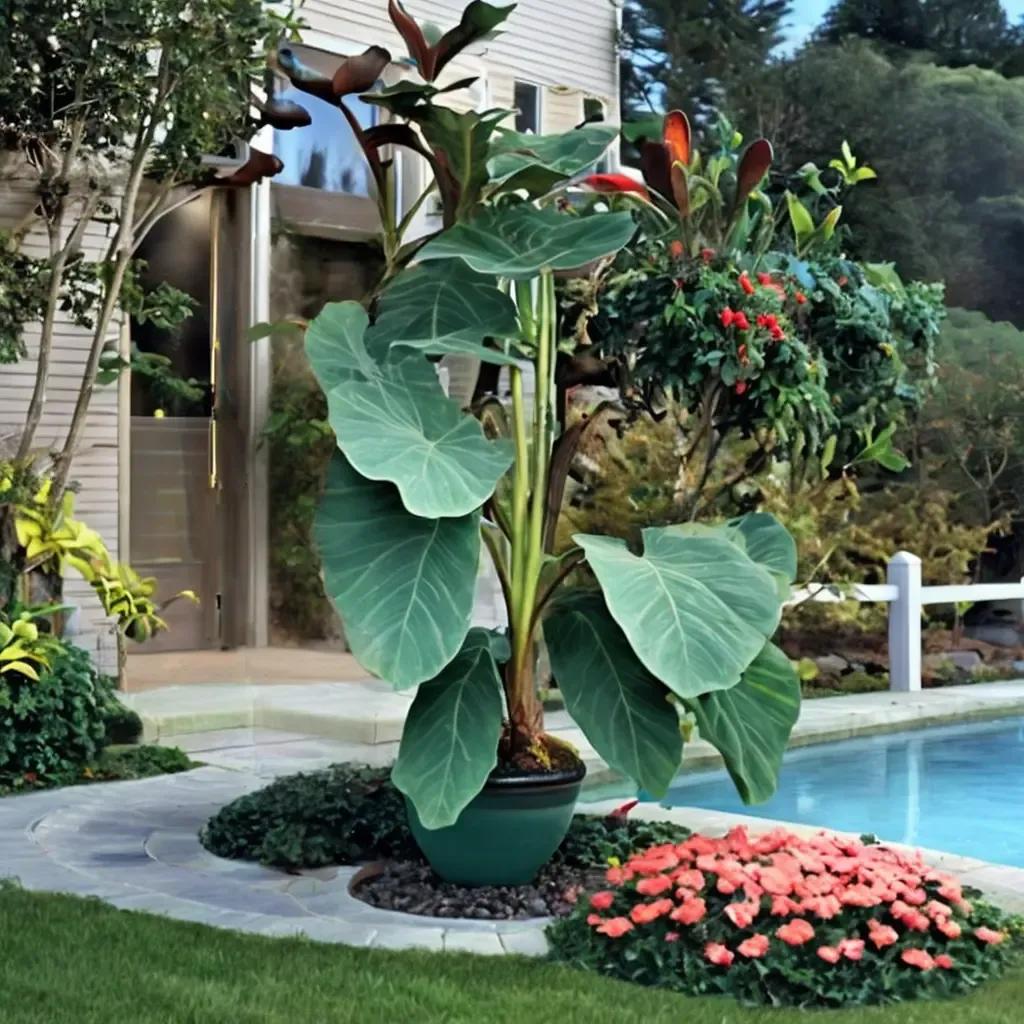 ‘Jacks Giant’Jack's Giant Taro
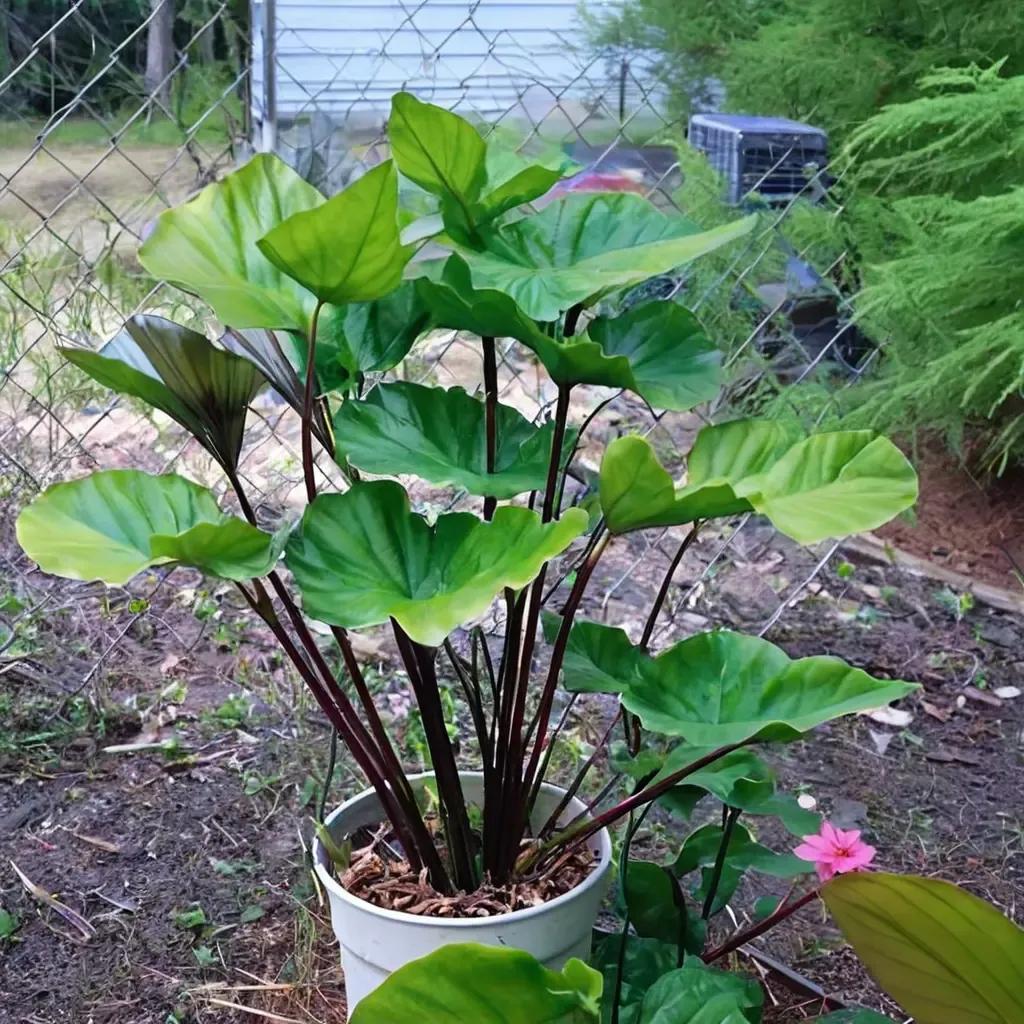 ‘Coffee Cups’Coffee Cups Taro
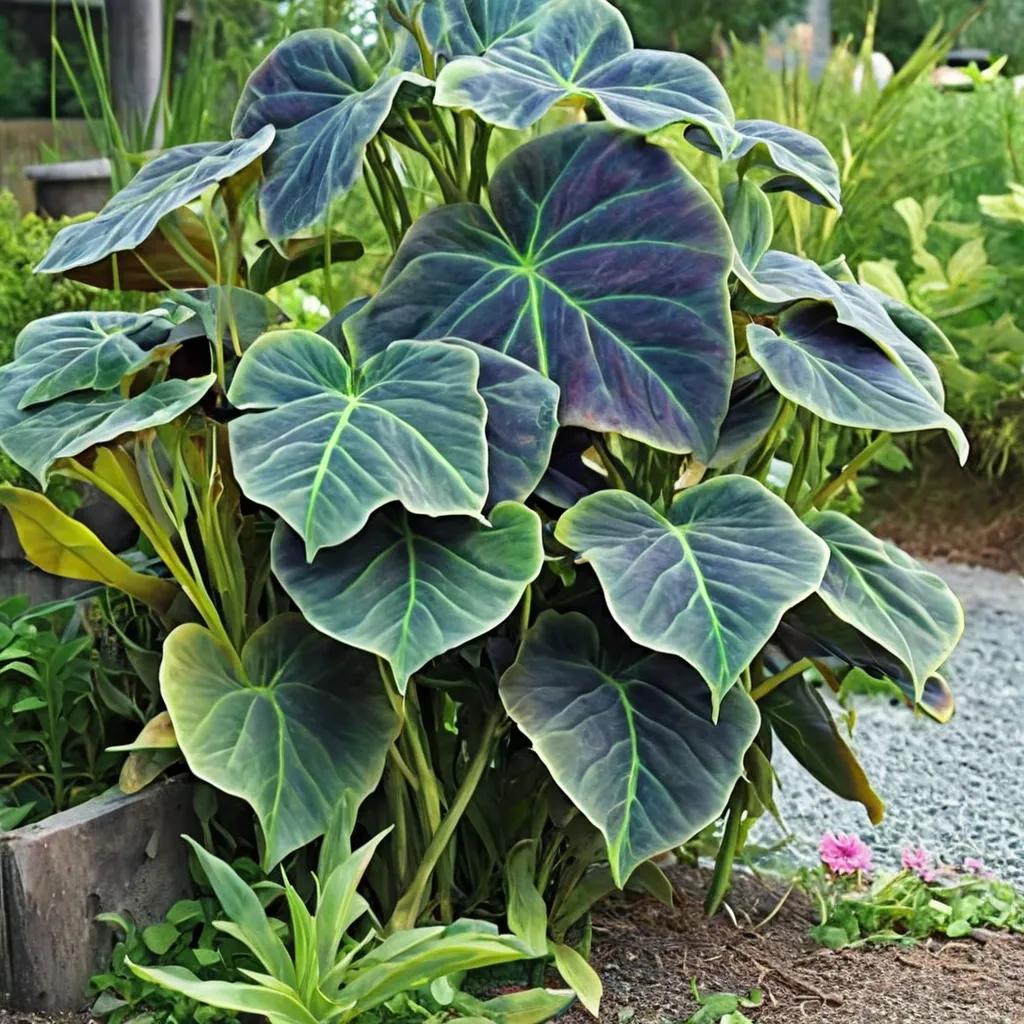 ‘Illustris’Imperial Taro
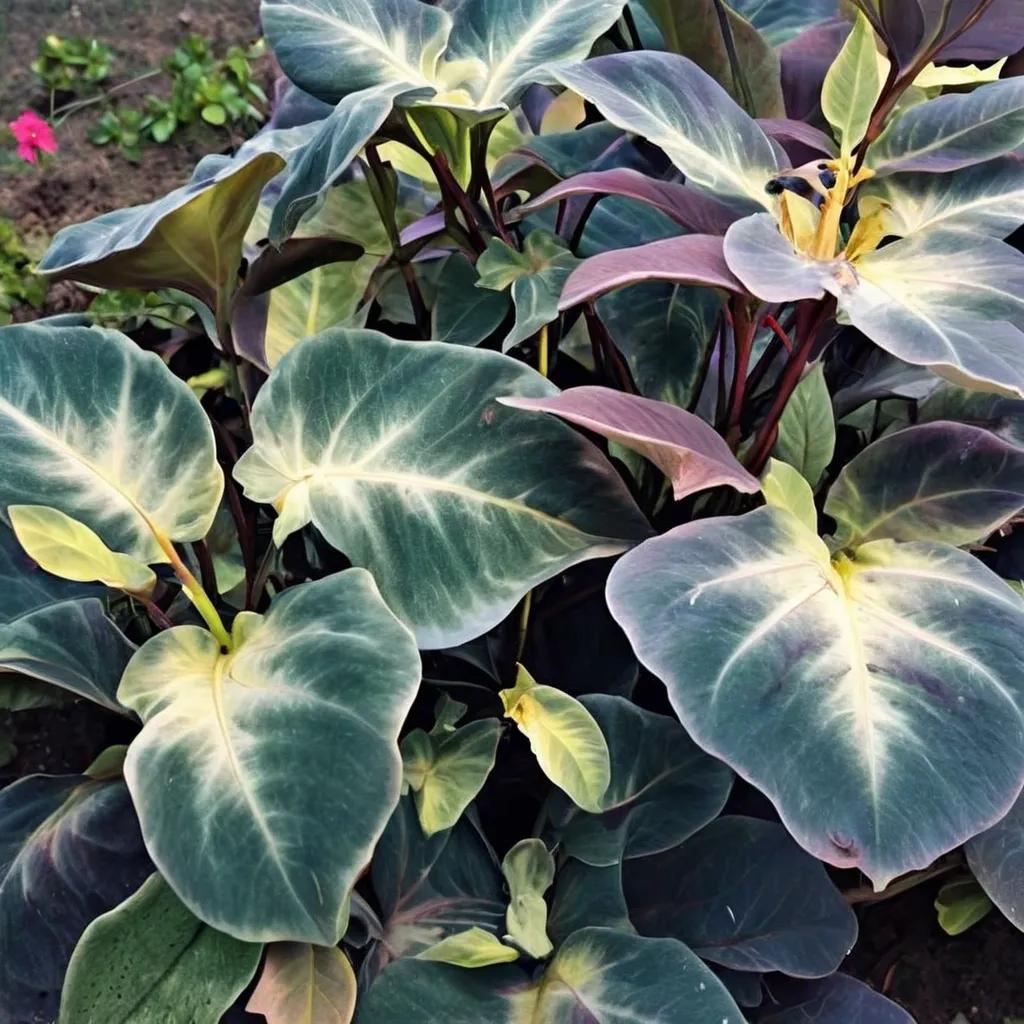 ‘Tropical Storm’Tropical Storm Elephant Ear
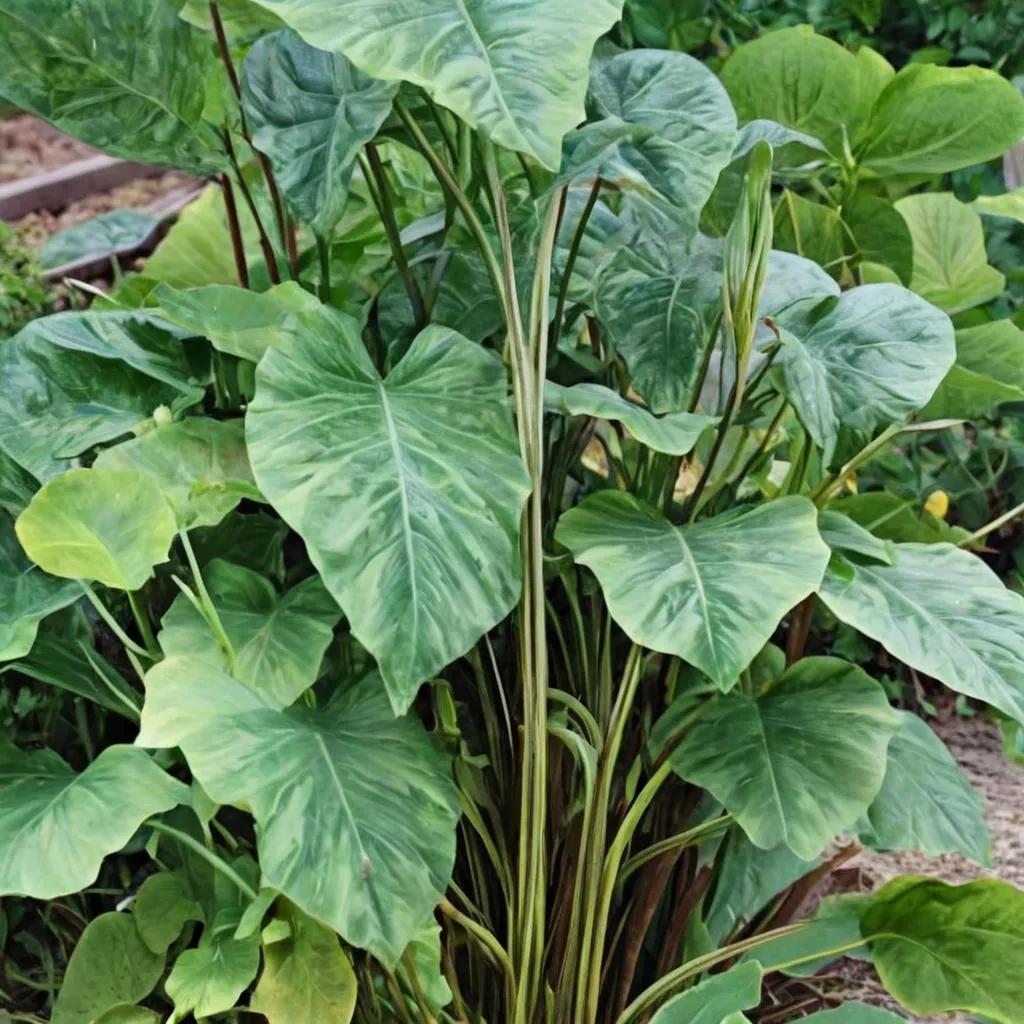 ‘Tiger Stripe’Elephant Ear Tiger Stripe
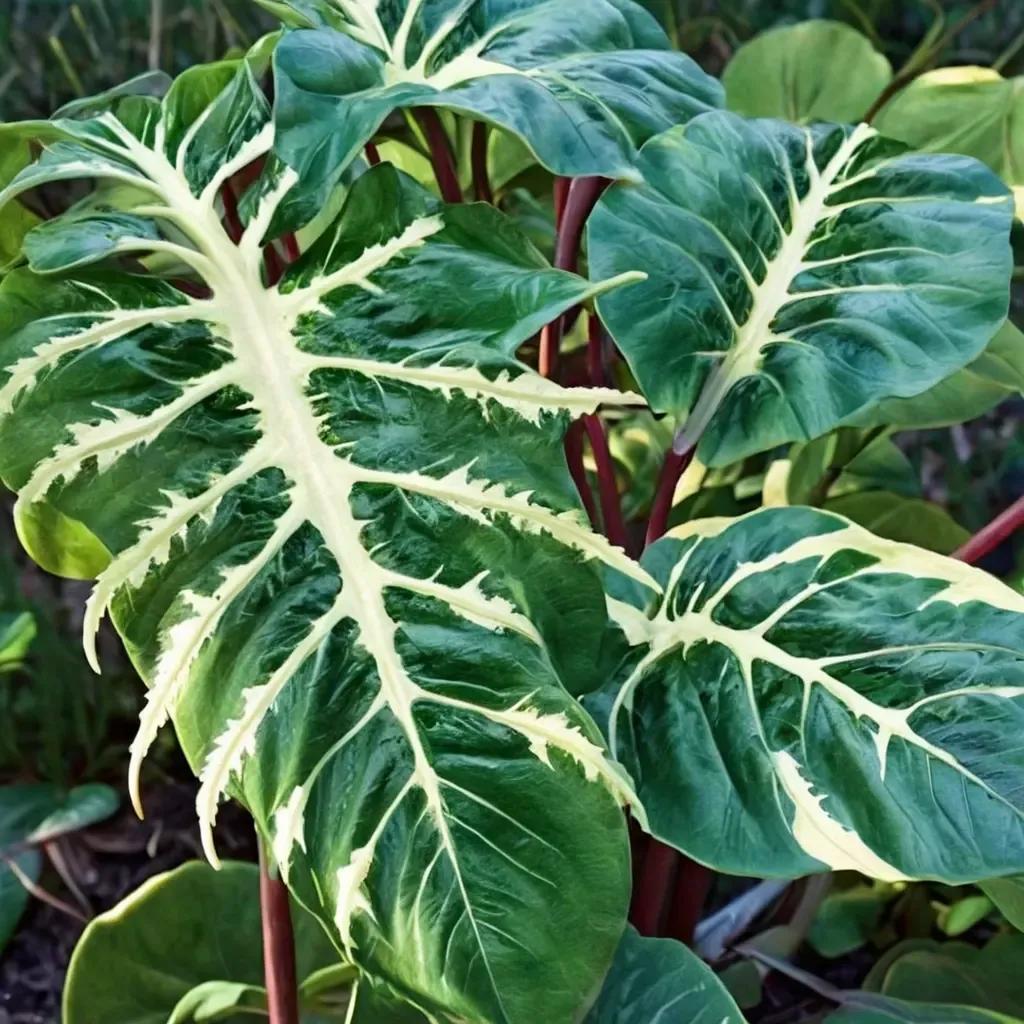 ‘White Lava’White Lava Taro
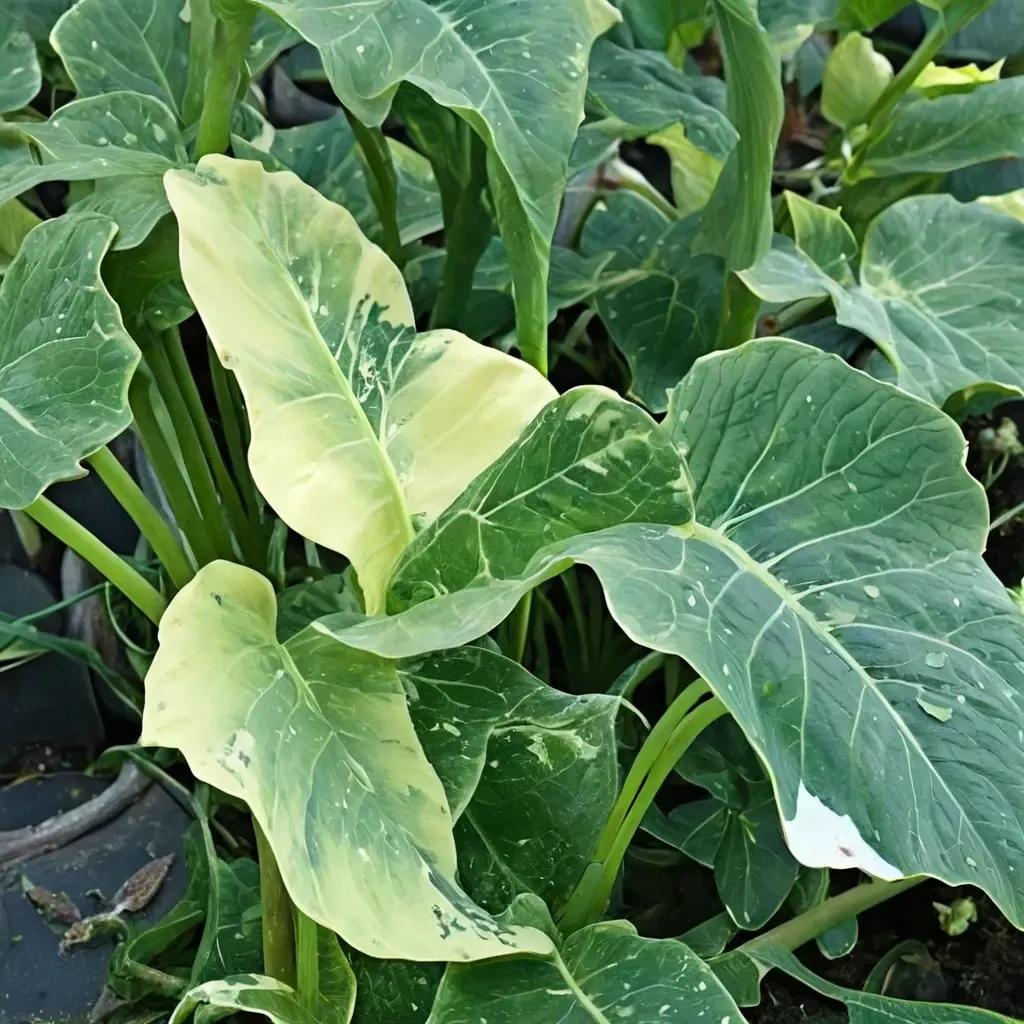 ‘Elepaio’Elepaio Taro
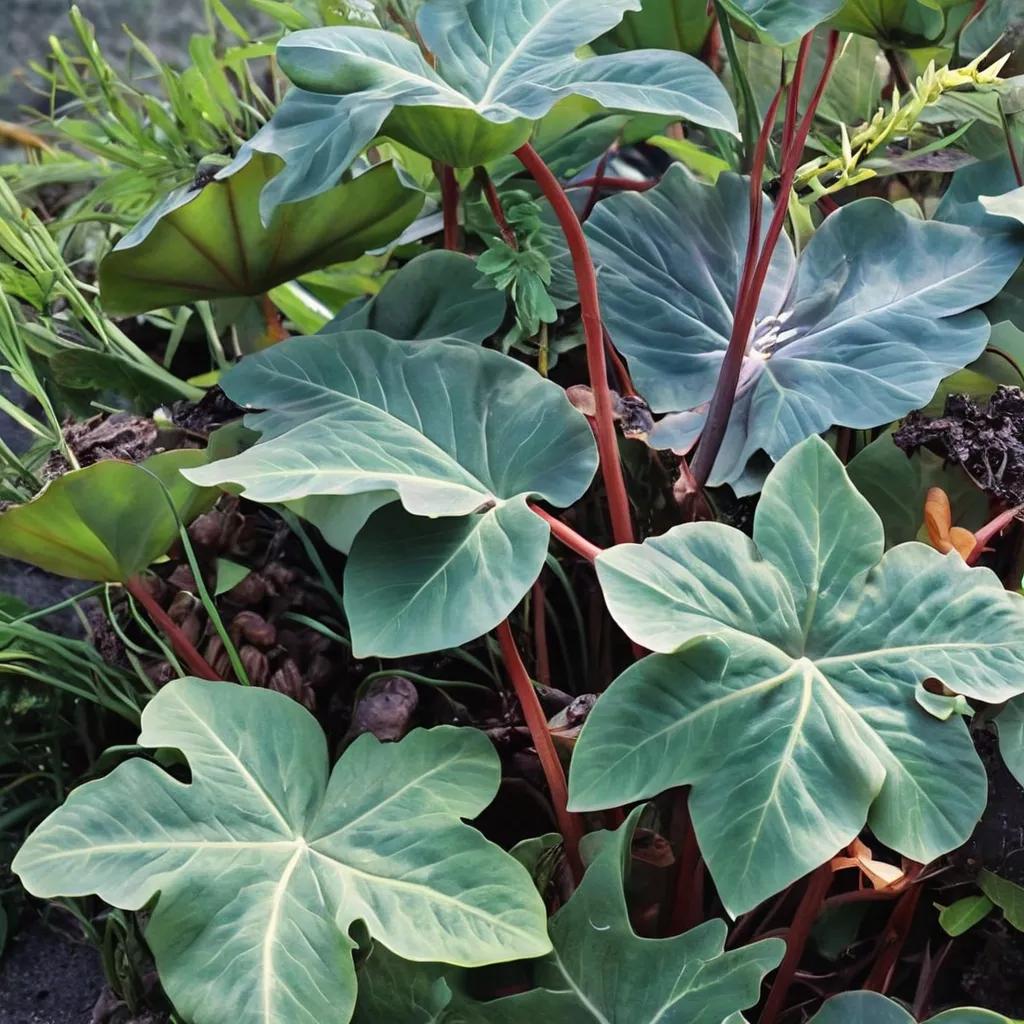 ‘Burgundy Stem’Burgundy Stem Elephant Ear
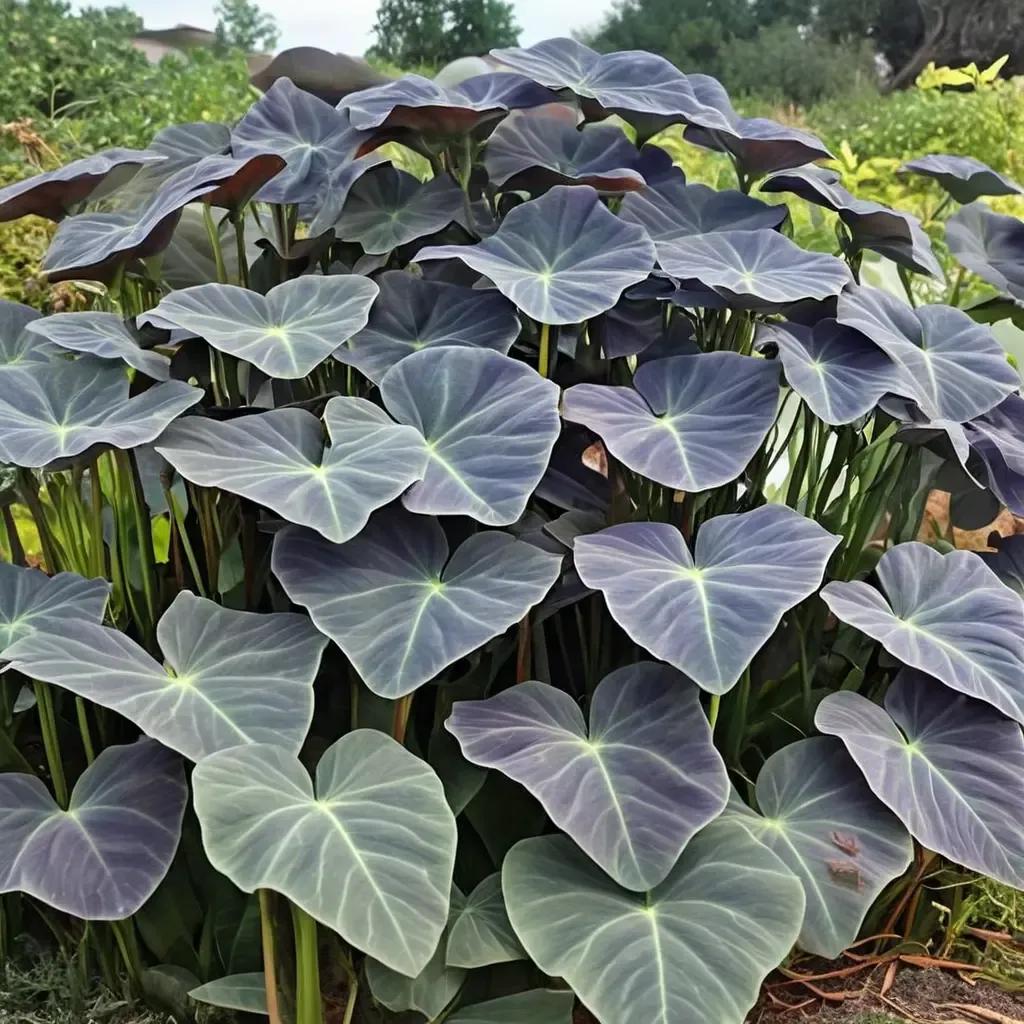 ‘Coal Miner’Coal Miner Taro
The Story
Plant Bio
A tropical perennial known for its striking dark foliage and large leaves.
The 'Blackwater' cultivar is unique for its deep purple to almost black leaves with a glossy appearance.
Uses & Benefits:
Essentials
At a Glance
Plant Type
Bulb Corm Tuber
Height
48"
Width
36"
Light
Full Sun, Partial Sun
Zones
8, 9, 10
Water
Requires consistently moist to wet soil
Humidity
Prefers high humidity
Lifespan
Perennial
Native To
Southeast Asia
Toxicity
All parts contain calcium oxalate crystals; toxic if ingested raw.
Bloom period
Early summer – Late summer
In flower about 3 months of the year
Planting
How to Grow
- Tuck corms into well-draining soil in spring after the last frost.
- Water regularly to keep soil consistently moist, especially during hot weather.
- Mist foliage frequently in dry conditions to boost humidity.
- Fertilize monthly with balanced liquid fertilizer during the growing season.
- Divide clumps every 2-3 years in early spring for vigorous growth.
- Mulch around plants to retain moisture and suppress weeds.
Pro Tip
Plant corms at a depth twice their size for optimal growth and stability.
Keep It Thriving
Care Guide
Do
- Keep soil consistently moist 🌱
- Provide partial to full sun for best foliage color
- Use a balanced fertilizer monthly during active growth
- Mulch to conserve moisture and regulate soil temperature
- Divide clumps every 2-3 years to promote healthy growth
Don't
- Avoid waterlogging, which can cause corm rot ❌
- Don’t plant in full shade, as it may reduce foliage vibrancy
- Do not let soil dry out completely during peak summer
- Avoid using high-nitrogen fertilizers that encourage leggy growth
- Refrain from disturbing plants during dormancy
Seasonal Care Calendar
| Task | Jan | Feb | Mar | Apr | May | Jun | Jul | Aug | Sep | Oct | Nov | Dec |
|---|---|---|---|---|---|---|---|---|---|---|---|---|
| Fertilize | ||||||||||||
| Lift Store | ||||||||||||
| Plant |
Watch Out For
Pests & Diseases
Common Pests
Common Diseases
In the Garden
Landscape Uses & Companions
Landscape Uses
Multiply
Propagation Methods
Good to Know
Common Questions
Blackwater Taro questions
What zones can Blackwater Taro grow in?
Blackwater Taro is hardy in USDA Zones 8–10. Inside that range it survives winter in the ground; outside it, grow it as an annual or a container plant you protect.
Is Blackwater Taro deer resistant?
Yes — Blackwater Taro is rated deer-resistant. Deer typically pass it over, though extreme hunger can override any plant's defenses.
When does Blackwater Taro bloom?
Blackwater Taro typically blooms in early summer through late summer. Exact timing shifts a week or two with your zone — Sow's bloom calendar maps it to your garden.
Does Blackwater Taro need full sun?
Blackwater Taro does best in full sun to part shade. In hot climates, afternoon shade keeps blooms fresher longer.
More Colocasia to compare
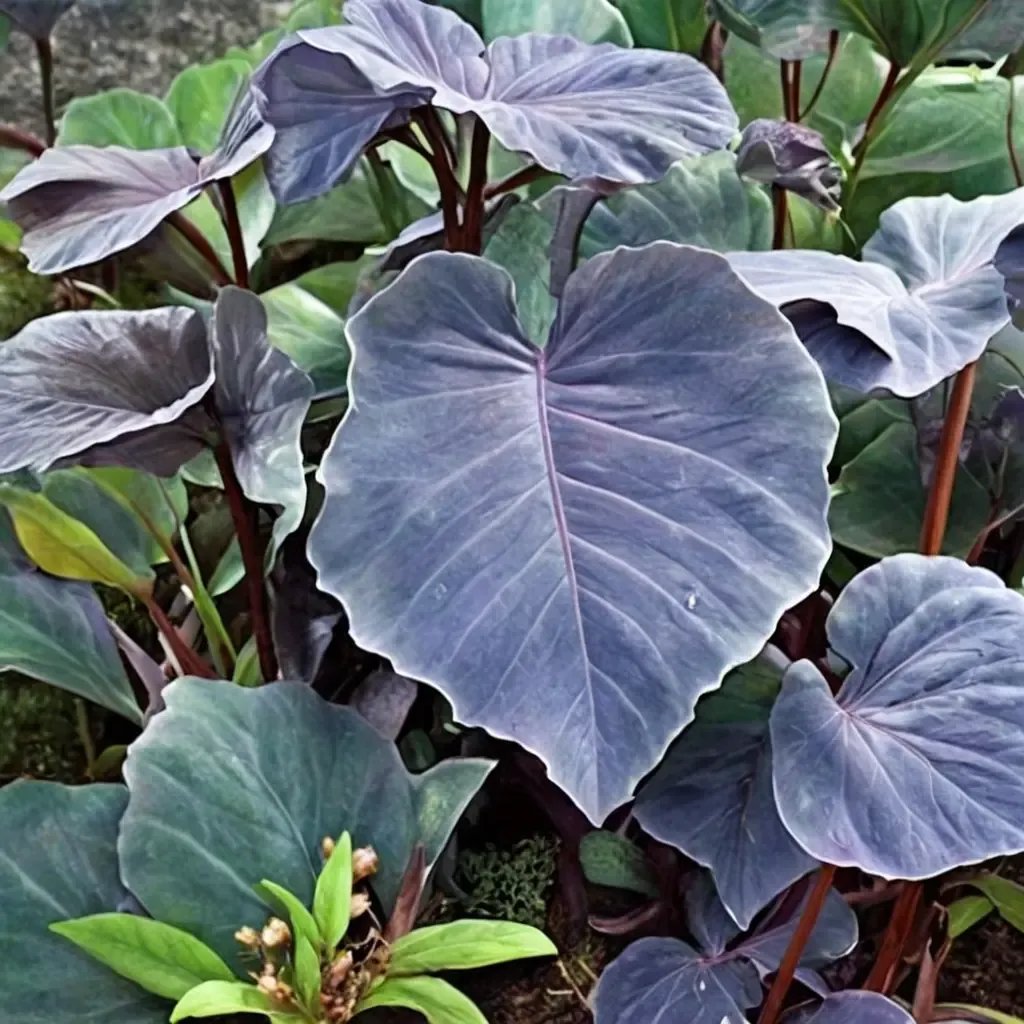
Black Runner Taro
Colocasia esculenta 'Black Runner'
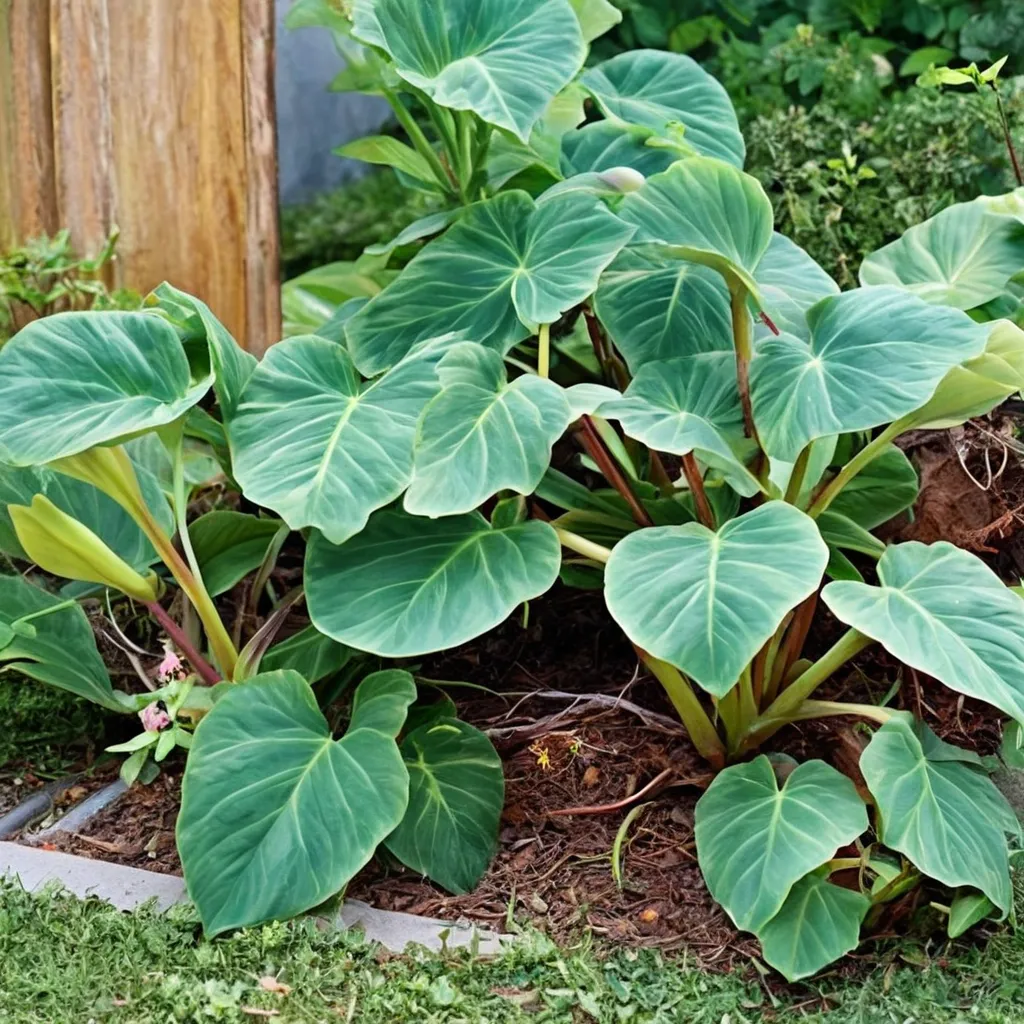
Taro
Colocasia esculenta
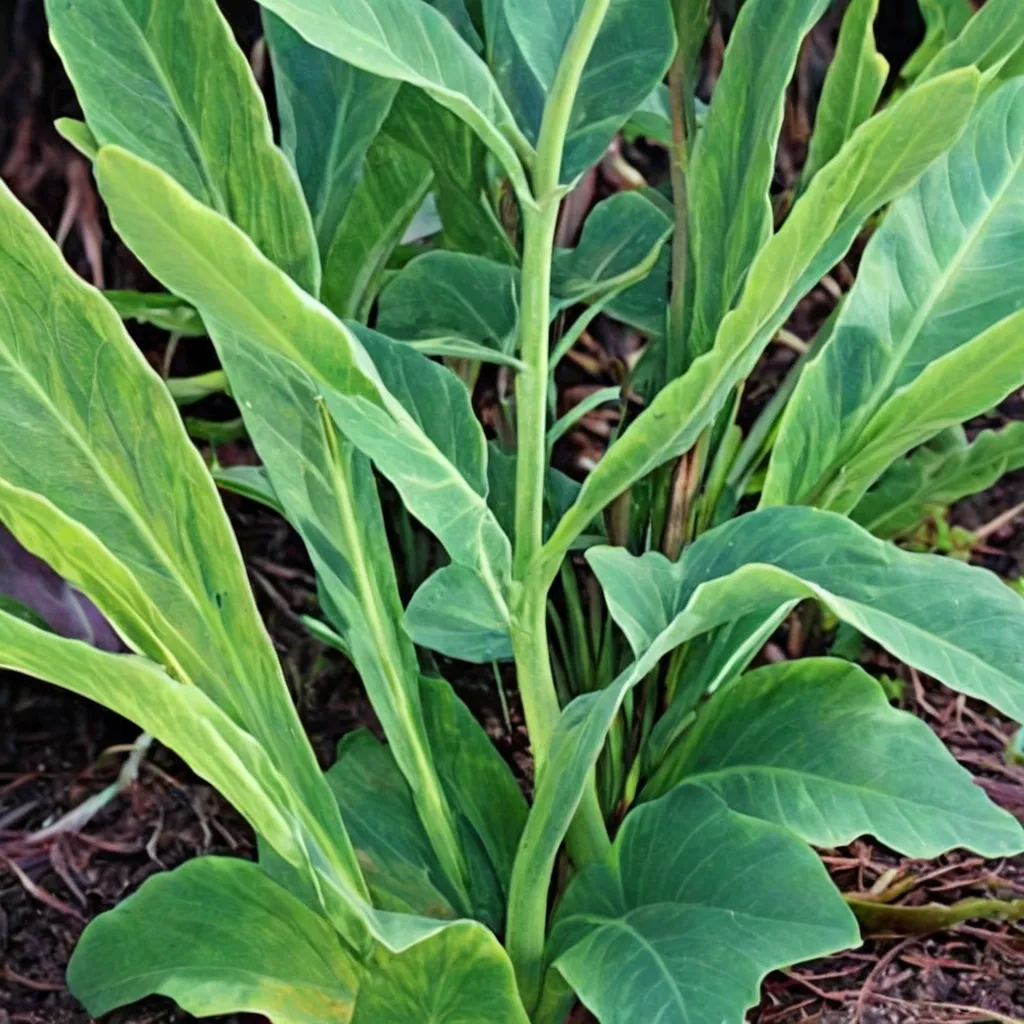
Elephant Ear
Colocasia esculenta 'Chicago Harlequin'
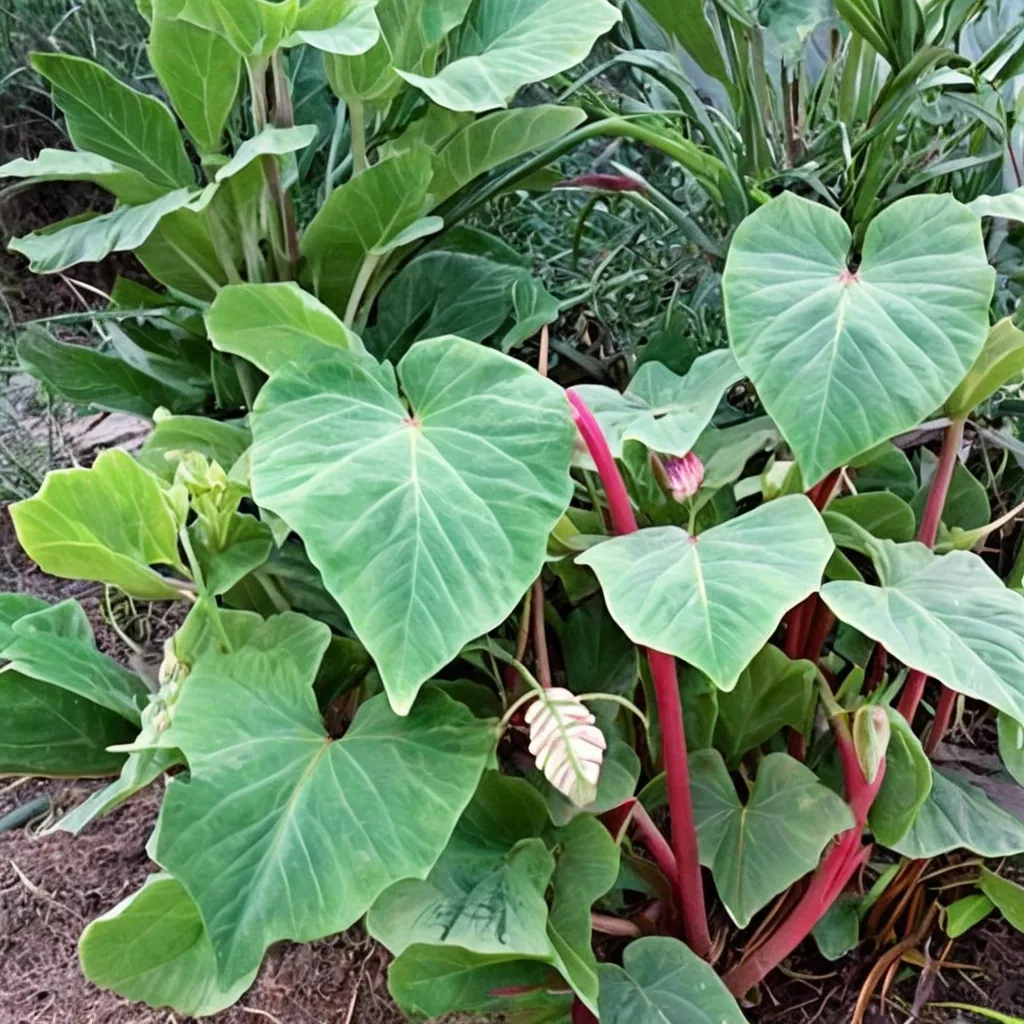
Pink China Elephant Ear
Colocasia esculenta 'Pink China'
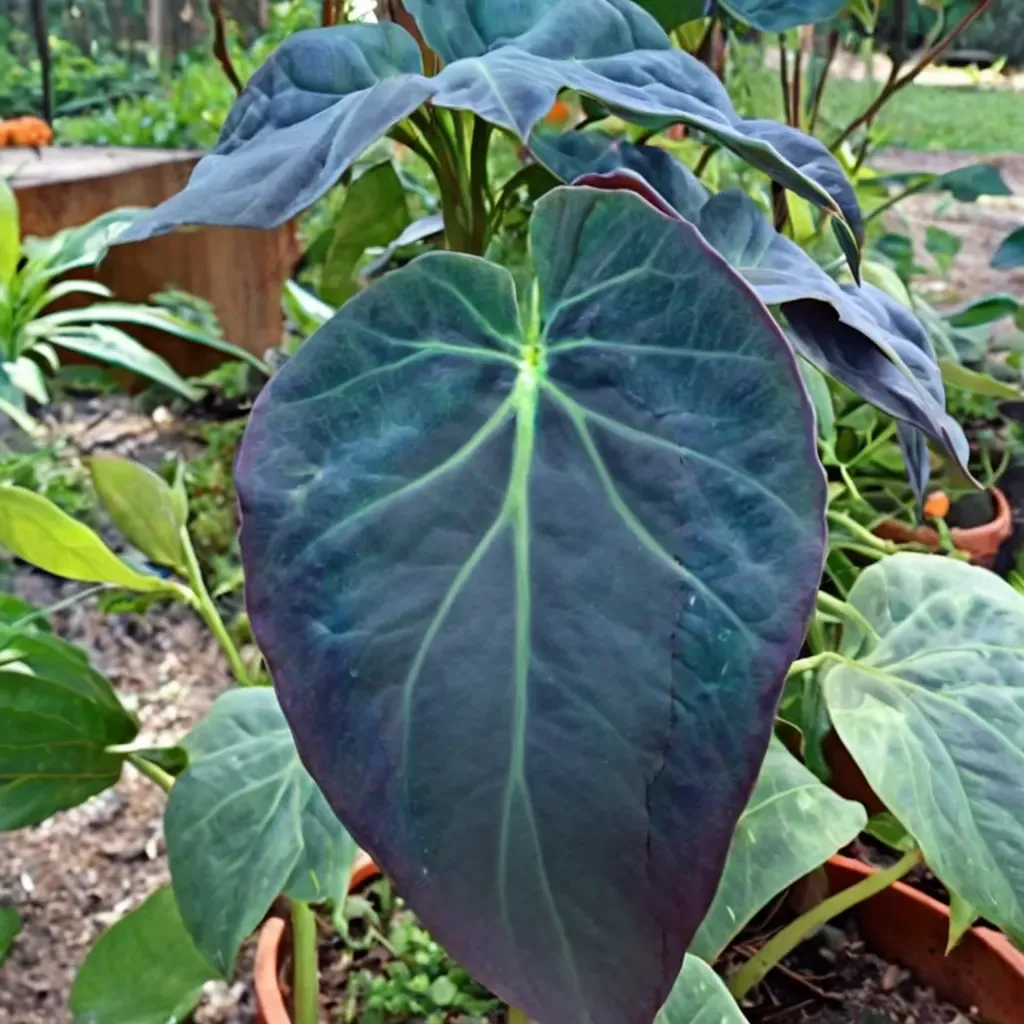
Black Beauty Taro
Colocasia esculenta 'Black Beauty'
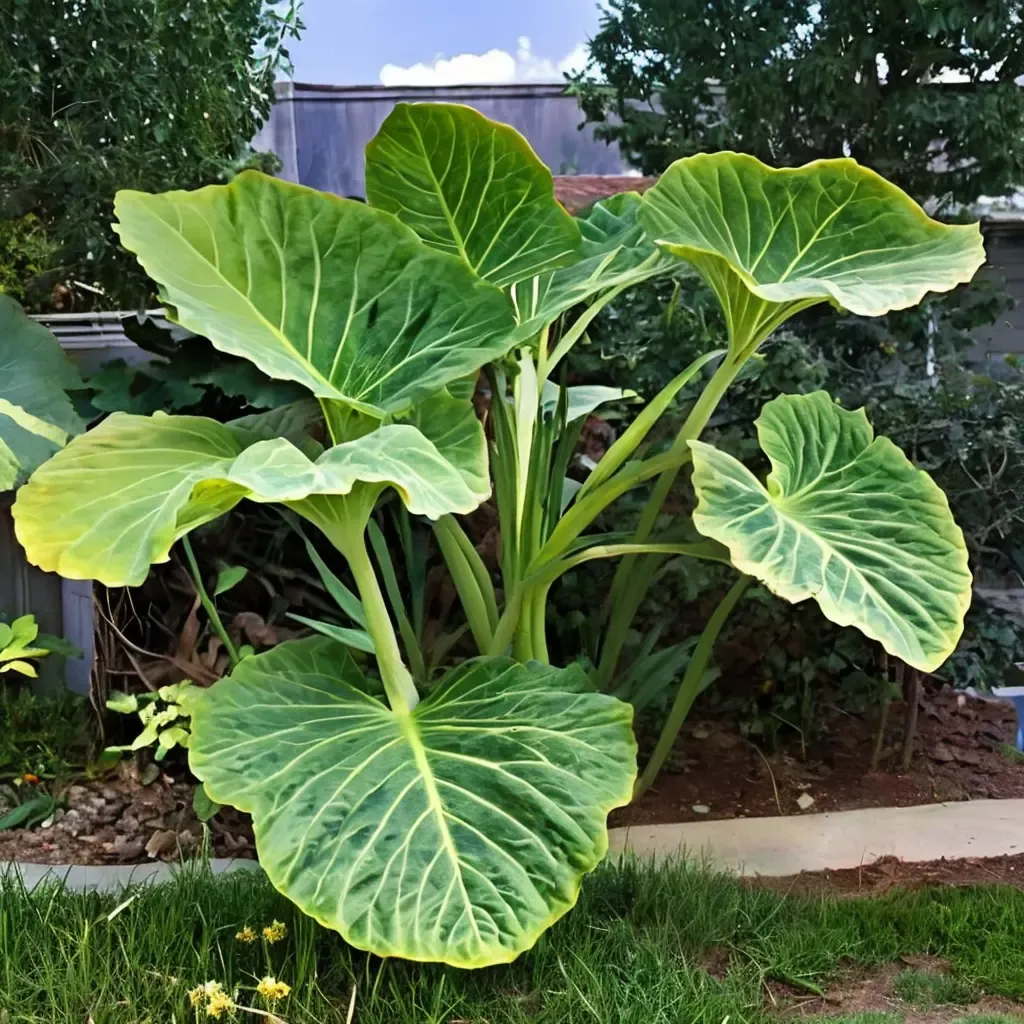
Thailand Giant Taro
Colocasia gigantea 'Thailand Giant'
Keep exploring
Explore the genus
Hardy in your zone?
Grow Blackwater Taro with confidence
See it in a design of your actual yard, get zone-matched care reminders, and track it season by season in your garden journal.