The Story
Plant Bio
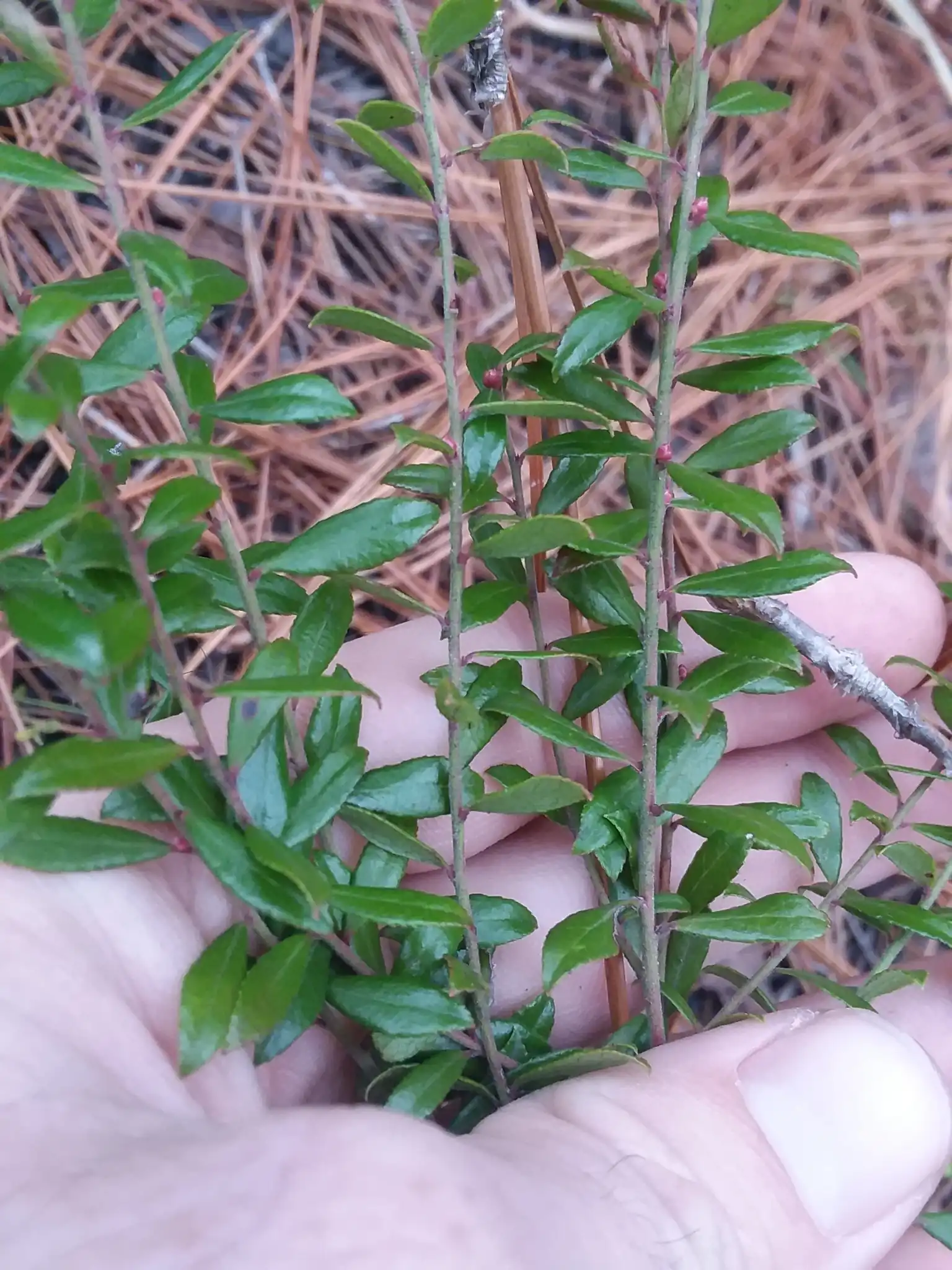
Vaccinium darrowii, or Darrow's Blueberry, is a low-growing, evergreen native shrub found in the southeastern U.S. It is prized for its fine-textured, blue-green foliage and adaptability to dry, sandy, acidic soils.
This species is particularly valuable as an ornamental groundcover, forming dense, spreading mounds. Its leaves often take on attractive bronze or reddish hues in the winter, providing year-round color.
Uses & Benefits:
Essentials
At a Glance
Plant Type
Shrub
Height
18"
Width
30"
Light
Full Sun, Partial Sun
Zones
7, 8, 9
Water
Low to medium
Humidity
High
Lifespan
Long-lived
Native To
Southeastern U.S.
Toxicity
Non-toxic, berries are edible
Bloom period
Late winter – Mid-spring
In flower about 3 months of the year
Planting
How to Grow
- Choose a site with full sun to light shade and very well-drained, acidic soil.
- Dig a hole as deep as the root ball and twice as wide.
- Amend sandy soil with a small amount of peat moss or compost.
- Set the plant in the hole at the same depth it was in the container.
- Backfill the hole and water thoroughly.
- Mulch with pine needles to help maintain soil acidity and moisture.
Pro Tip
This species thrives on neglect once established in the right spot; avoid fertilizer and excessive watering for best performance.
Keep It Thriving
Care Guide
Do
- Ensure the soil is highly acidic (pH 4.5-5.5).
- Water regularly during the first year to establish.
- Plant in groups to create an effective groundcover.
- Allow it to naturalize in appropriate settings.
Don't
- Do not plant in heavy clay or alkaline soils.
- Avoid planting in poorly drained or wet locations.
- Do not over-fertilize; it prefers lean soil.
- Don't bury the crown of the plant when planting or mulching.
Seasonal Care Calendar
| Task | Jan | Feb | Mar | Apr | May | Jun | Jul | Aug | Sep | Oct | Nov | Dec |
|---|---|---|---|---|---|---|---|---|---|---|---|---|
| Mulch | ||||||||||||
| Plant | ||||||||||||
| Prune |
Watch Out For
Pests & Diseases
Common Pests
Common Diseases
In the Garden
Landscape Uses & Companions
Landscape Uses
Companion Plants
Multiply
Propagation Methods
Good to Know
Common Questions
Darrows Blueberry questions
What zones can Darrows Blueberry grow in?
Darrows Blueberry is hardy in USDA Zones 7–9. Inside that range it survives winter in the ground; outside it, grow it as an annual or a container plant you protect.
Is Darrows Blueberry deer resistant?
Not reliably. Deer may browse Darrows Blueberry, especially tender spring growth — plan on repellents or fencing where pressure is high.
When does Darrows Blueberry bloom?
Darrows Blueberry typically blooms in late winter through mid-spring. Exact timing shifts a week or two with your zone — Sow's bloom calendar maps it to your garden.
Does Darrows Blueberry need full sun?
Darrows Blueberry does best in full sun to part shade. In hot climates, afternoon shade keeps blooms fresher longer.
Is Darrows Blueberry drought tolerant?
Yes — once established (usually after the first full season), Darrows Blueberry handles dry spells with minimal watering. Water deeply its first year to build the root system that makes that possible.
More Vaccinium to compare
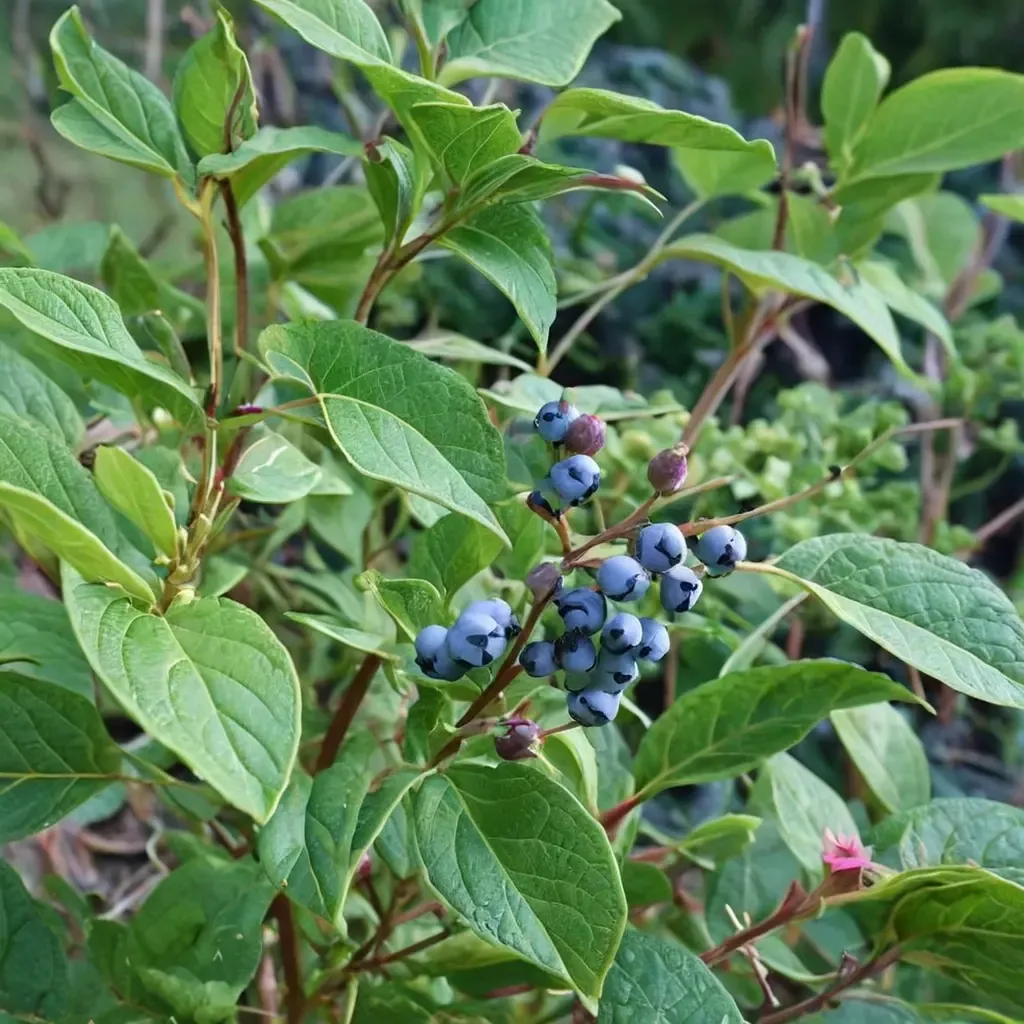
Highbush Blueberry
Vaccinium corymbosum
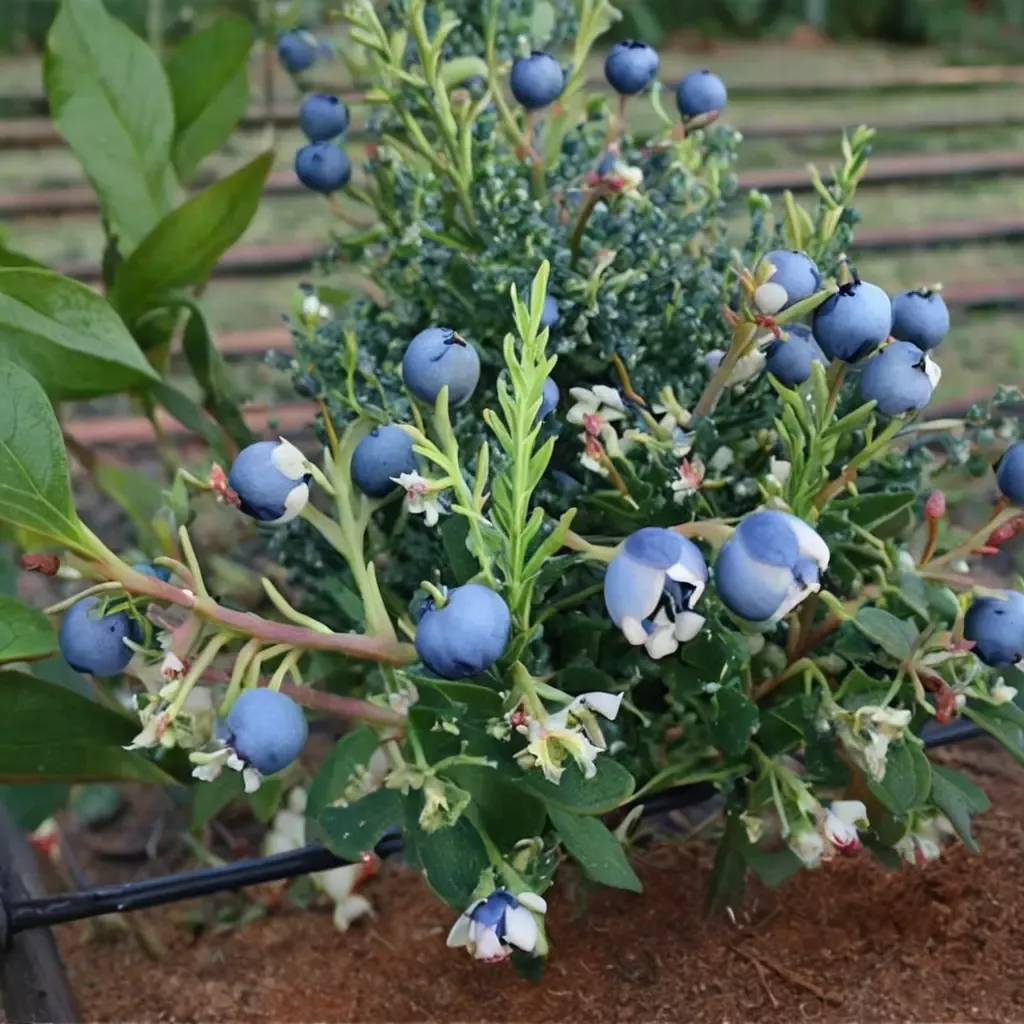
Echo Blueberry
Vaccinium corymbosum 'Echo'
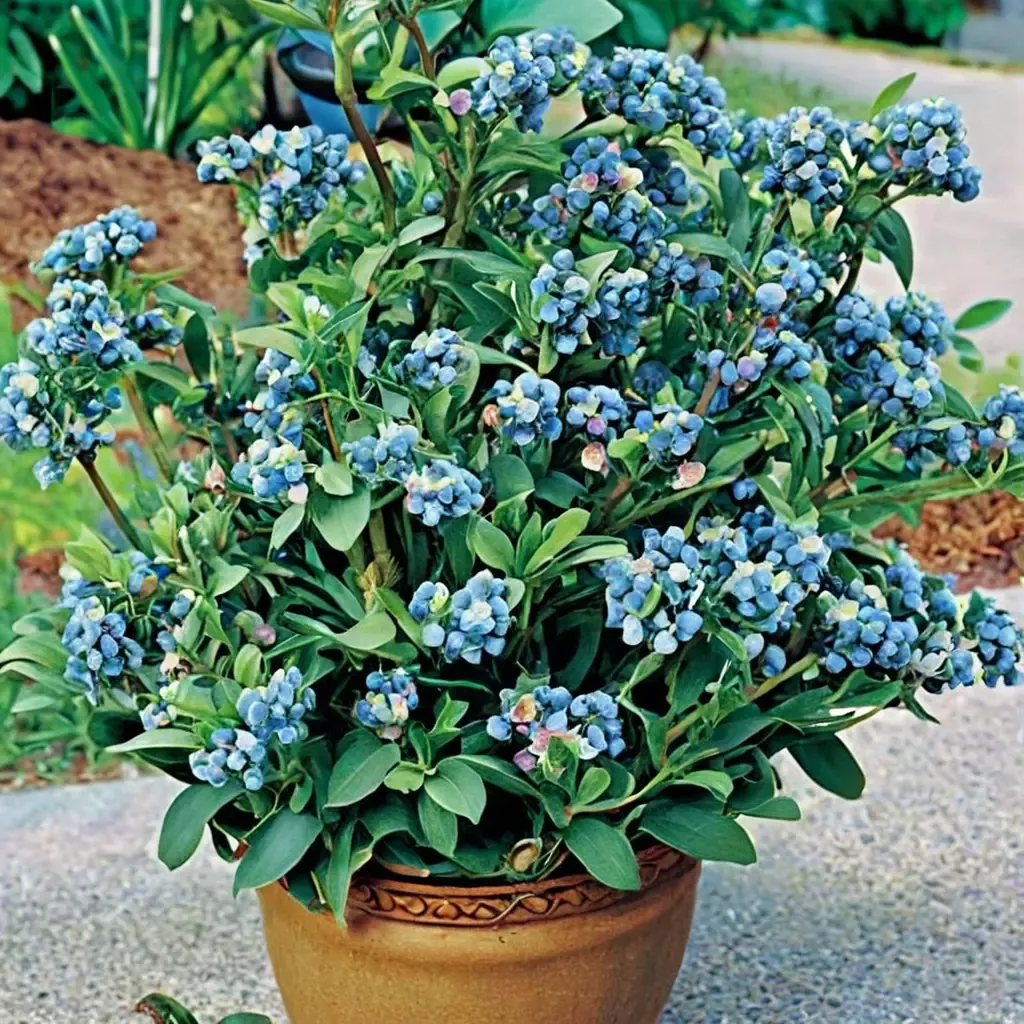
Sunshine Blue Blueberry
Vaccinium corymbosum 'Blueberry Sunshine Blue'
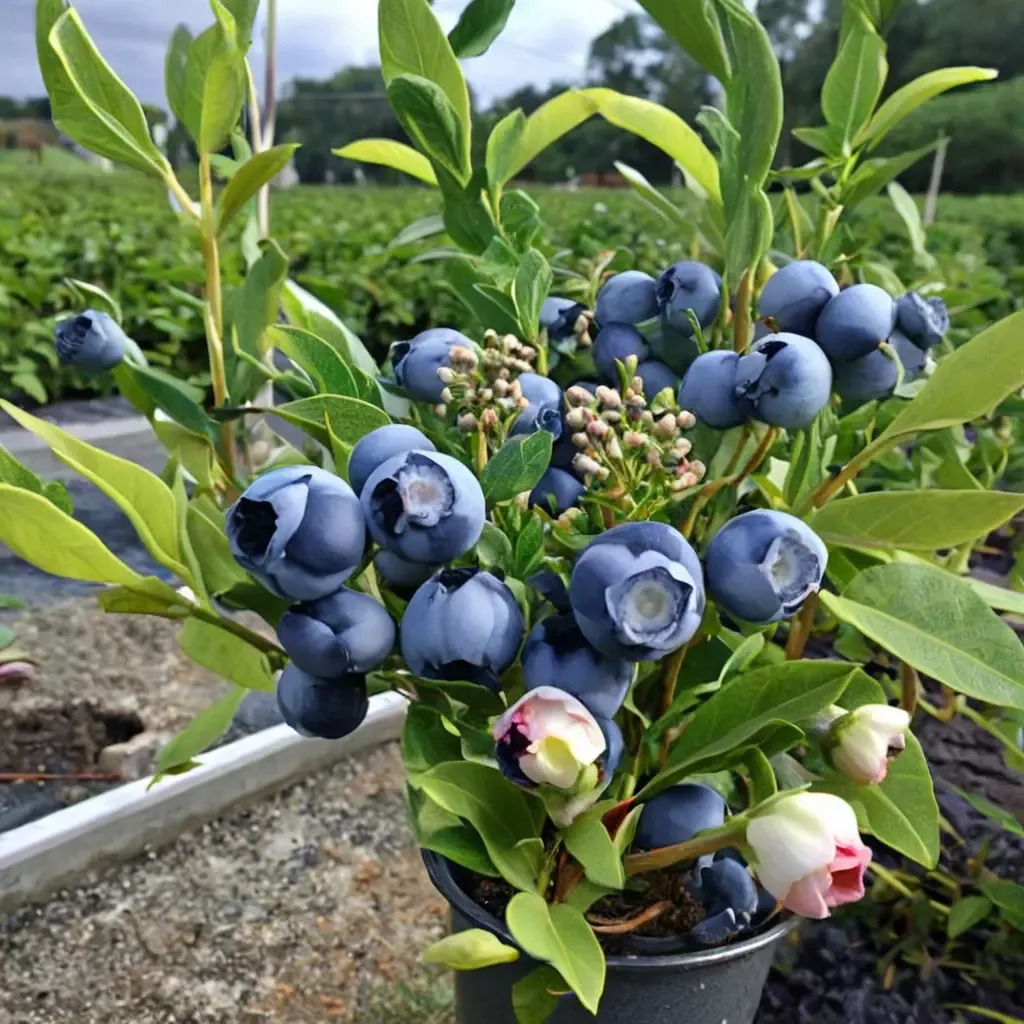
Chandler Blueberry
Vaccinium corymbosum 'Chandler'
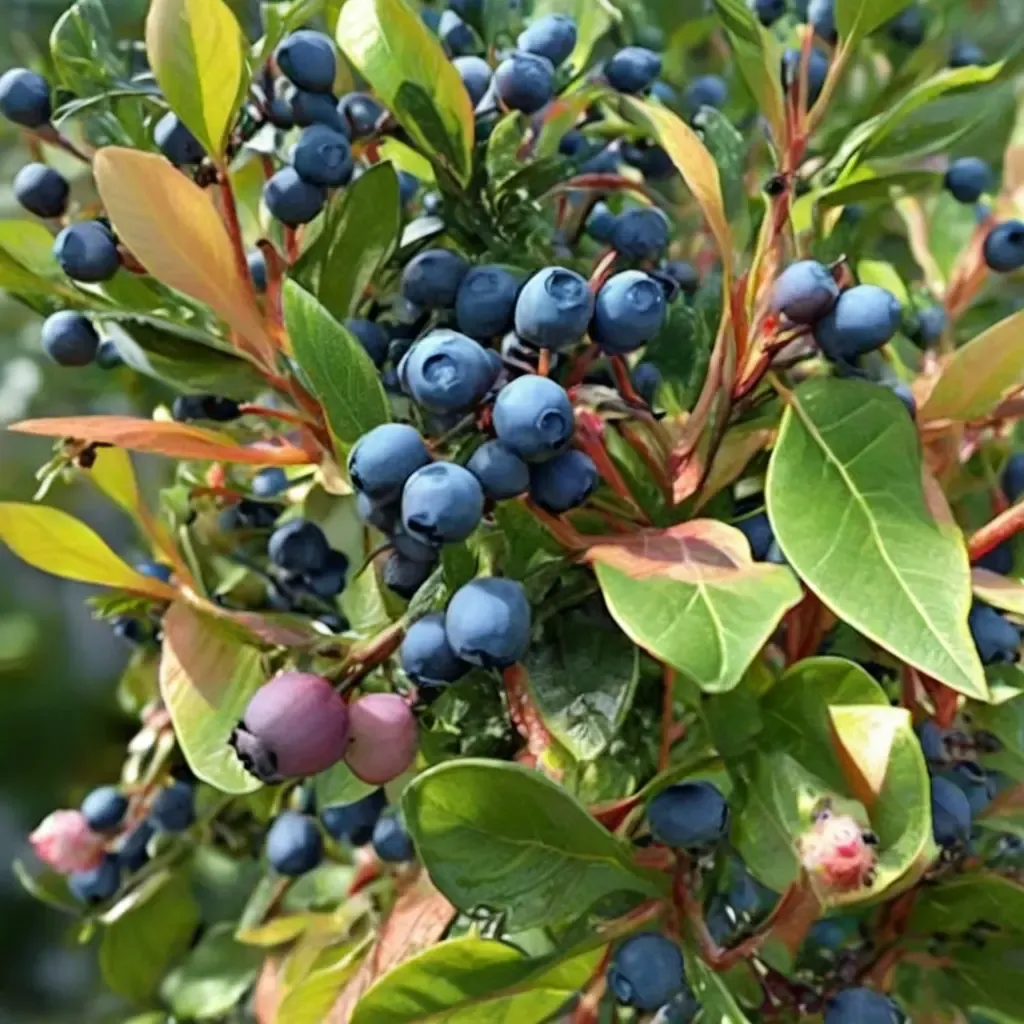
Bonus Blueberry
Vaccinium corymbosum 'Bonus'
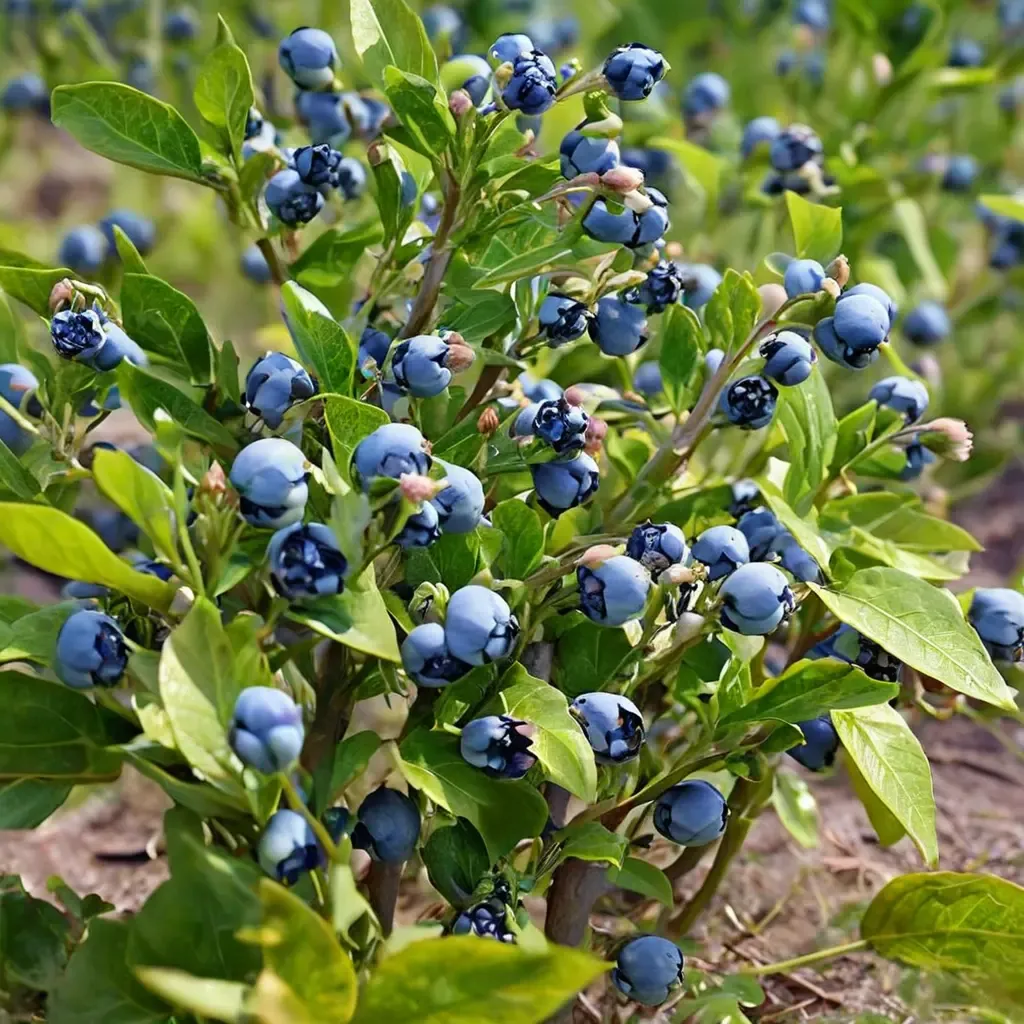
Duke blueberry
Vaccinium corymbosum 'Duke'
Keep exploring
Explore the genus
Hardy in your zone?
Grow Darrows Blueberry with confidence
See it in a design of your actual yard, get zone-matched care reminders, and track it season by season in your garden journal.