The Story
Plant Bio
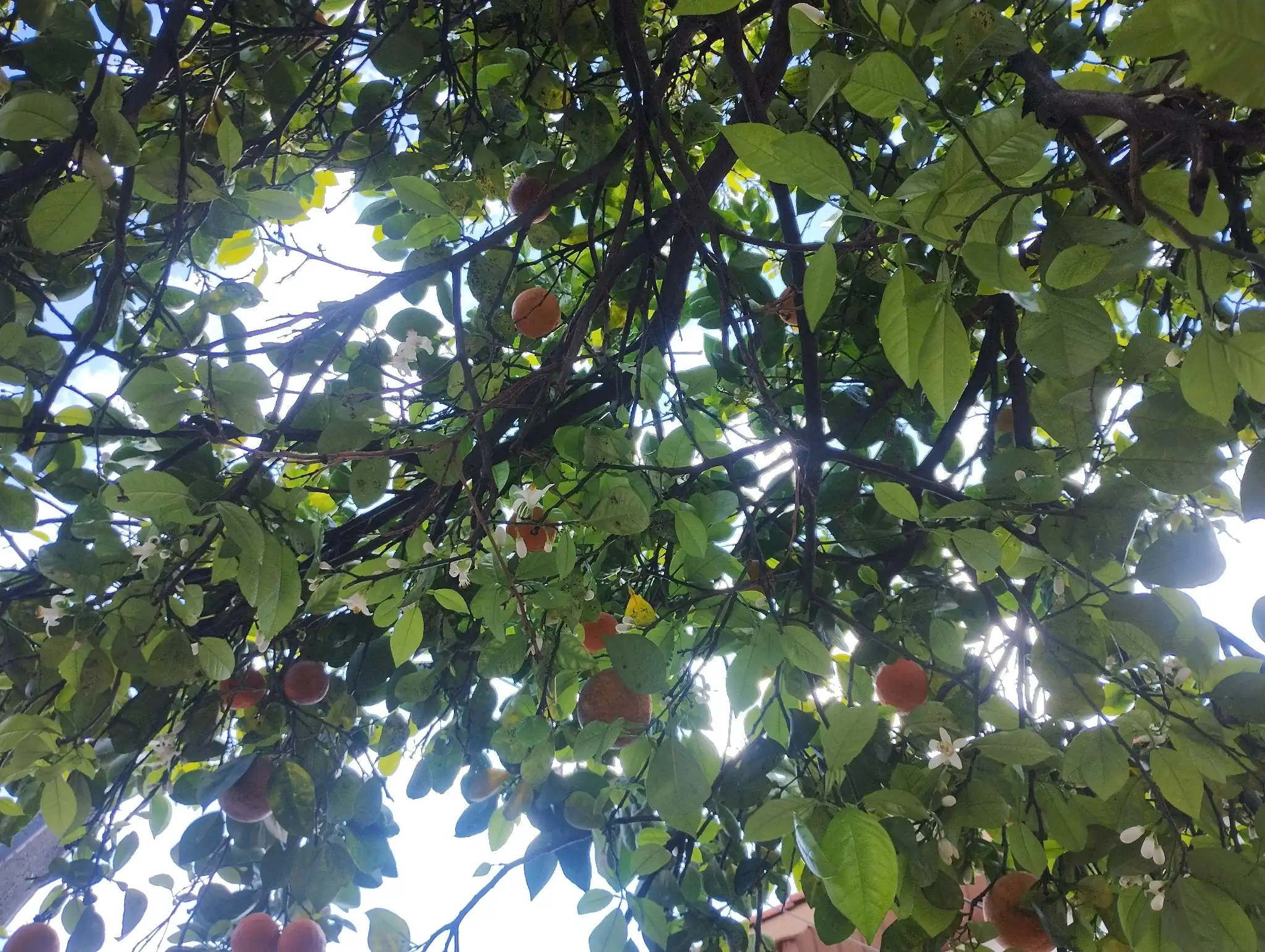
Citrus x aurantium is an evergreen small to medium tree reaching 15 to 30 feet tall with a dense rounded canopy, smooth brown bark and stout thorns on the branches. Leaves are glossy dark green with a distinctly winged petiole, and the white five-petalled flowers are borne singly or in small clusters and are intensely fragrant.
Unlike sweet orange, it sets round bitter-sour fruit that is inedible fresh and is grown for marmalade, liqueur and peel oil, and it is the standard disease-resistant rootstock onto which most sweet citrus is grafted. New spring growth is tender and freeze-prone, and plants establish best when young trees are set in their permanent spot without disturbing the roots.
Uses & Benefits:
Essentials
At a Glance
Plant Type
Tree
Height
240"
Width
96"
Light
Full Sun
Zones
9, 10
Water
Moderate
Humidity
Adaptable
Lifespan
Long-lived tree
Native To
Southeast Asia (hybrid)
Toxicity
Toxic to cats and dogs; skin irritant
Bloom period
Late winter – Spring
In flower about 4 months of the year
Planting
How to Grow
- Plant young trees in spring in full sun in their permanent spot, setting the root ball level in loam or clay that drains freely.
- Water deeply then let the top 2-3 inches dry before watering again; never leave soil or pot soggy.
- Feed with citrus fertilizer through the growing season and give new growth early morning sun to reduce freeze injury.
- Prune lightly after flowering to shape, removing suckers and crossing thorny shoots; avoid hard pruning.
- Below zone 9, grow in a large pot and move indoors to a bright frost-free room before first freeze.
Pro Tip
Let the top few inches dry between deep waterings — soggy soil rots the roots — and site spring growth where it gets early morning sun to thaw quickly after a cold night.
Keep It Thriving
Care Guide
Do
- Do plant young and avoid disturbing roots when potting up.
- Do water regularly but let soil dry between waterings.
- Do give full sun with early morning sun for spring growth.
Don't
- Do not overwater or leave roots standing wet.
- Do not hard-prune; prune lightly only.
- Do not handle peel or flower oils then go in sun without washing; oils cause photosensitivity.
Seasonal Care Calendar
| Task | Jan | Feb | Mar | Apr | May | Jun | Jul | Aug | Sep | Oct | Nov | Dec |
|---|---|---|---|---|---|---|---|---|---|---|---|---|
| Fertilize | ||||||||||||
| Pest Check | ||||||||||||
| Plant | ||||||||||||
| Prune | ||||||||||||
| Winter Prep |
Watch Out For
Pests & Diseases
Common Pests
Common Diseases
In the Garden
Landscape Uses & Companions
Landscape Uses
Multiply
Propagation Methods
Good to Know
Common Questions
Bitter Orange questions
What zones can Bitter Orange grow in?
Bitter Orange is hardy in USDA Zones 9–10: in that range it survives winter in the ground. Colder than Zone 9, winters are too cold for it to survive outdoors.
When does Bitter Orange bloom?
Bitter Orange typically blooms from late winter to late spring. Exact timing shifts a week or two with your zone — Sow's bloom calendar maps it to your garden.
Does Bitter Orange need full sun?
Bitter Orange does best in full sun (6+ hours).
More Citrus to compare
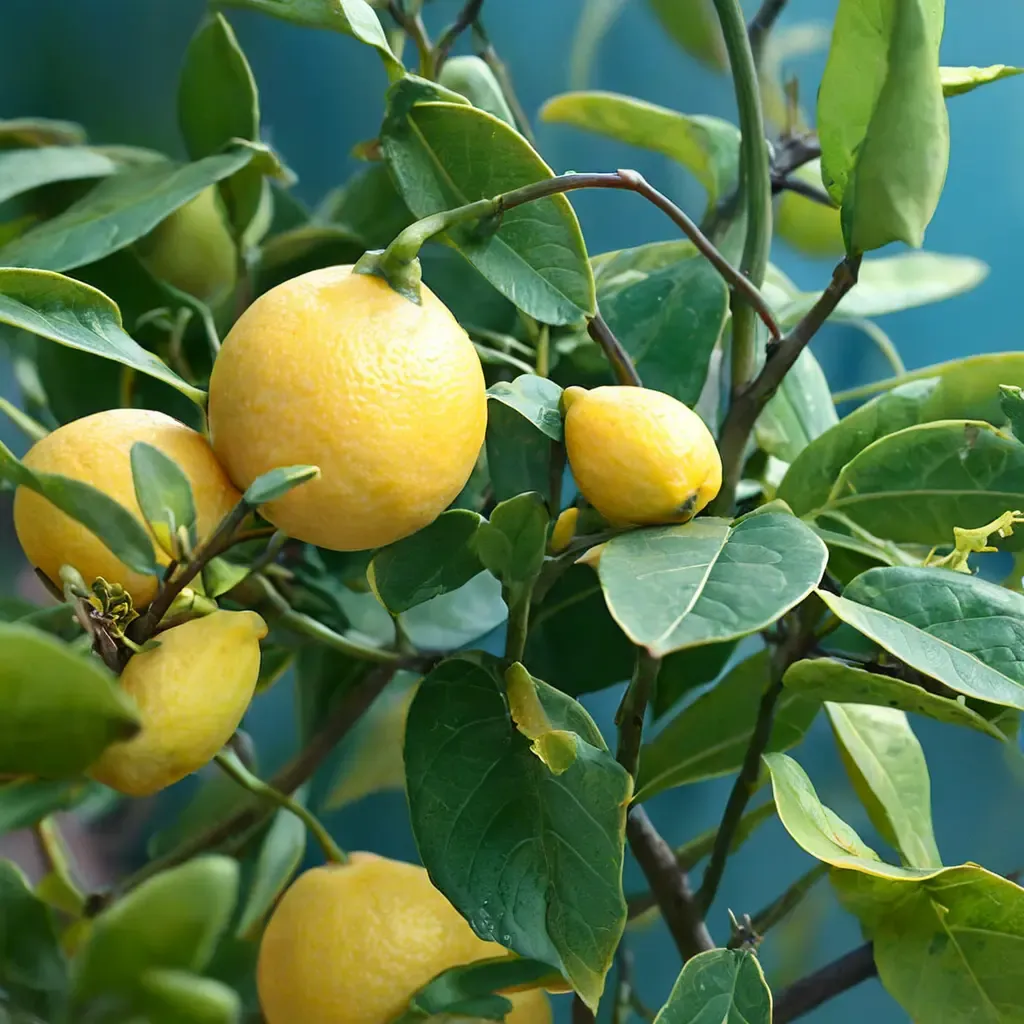
Meyer Lemon
Citrus limon 'Meyer'
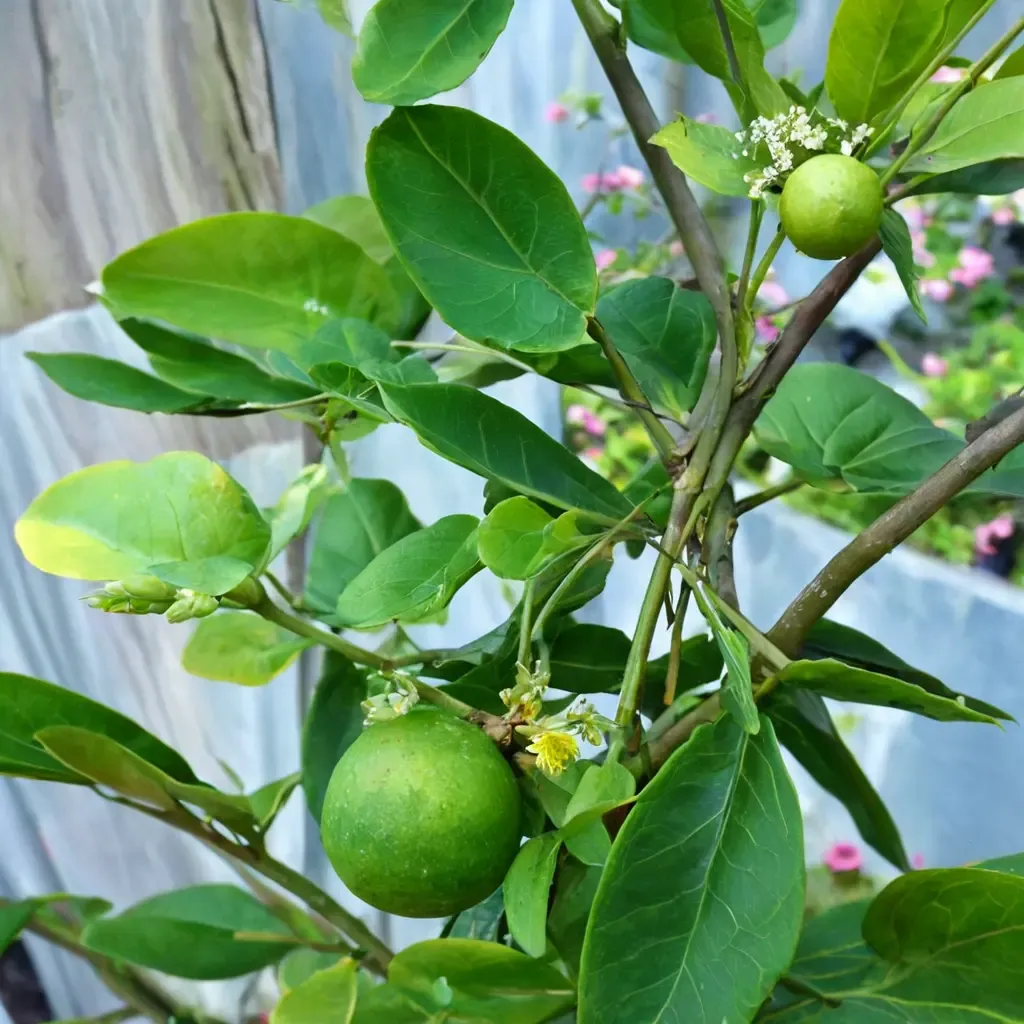
Key Lime
Citrus aurantiifolia
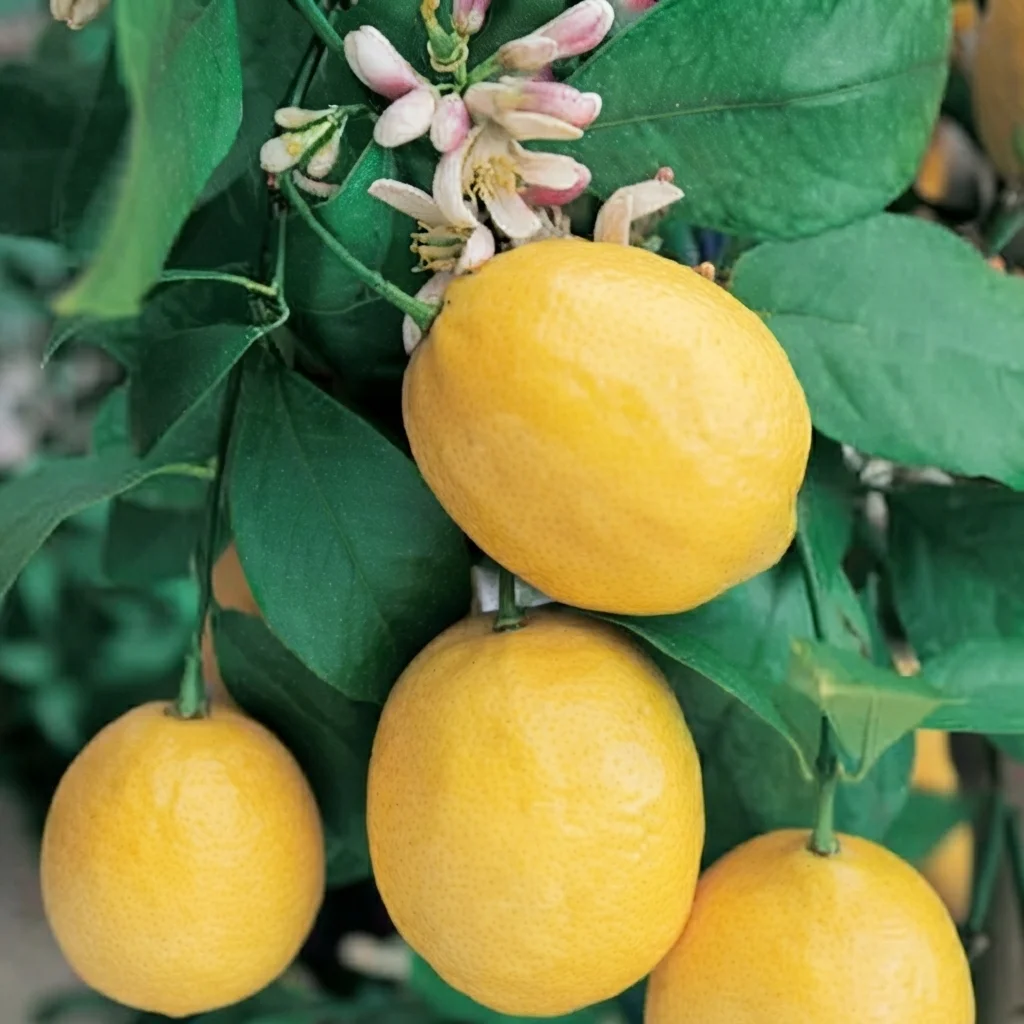
Eureka Lemon
Citrus limon 'Eureka'
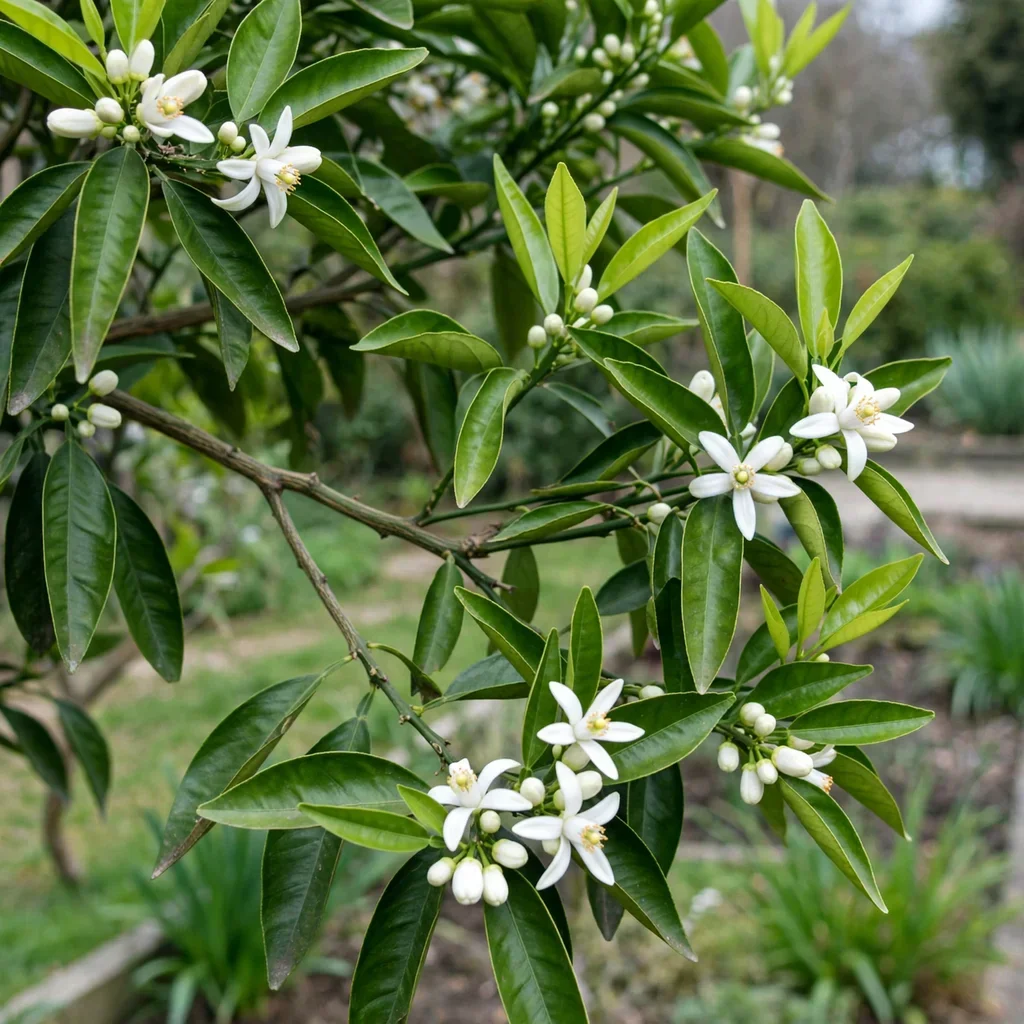
Sanguinello Orange
Citrus reticulata 'Sanguinea'
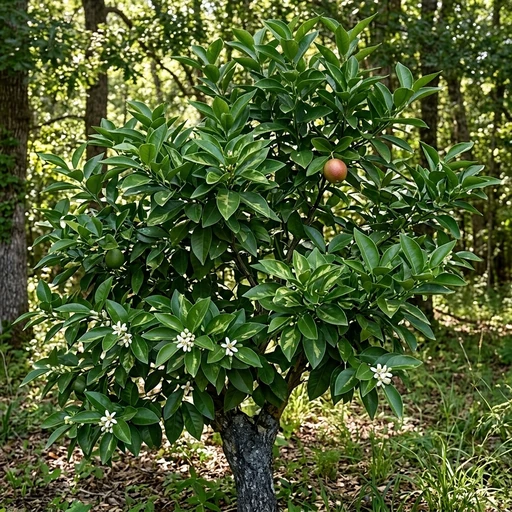
Moro Blood Orange
Citrus sinensis 'Moro'
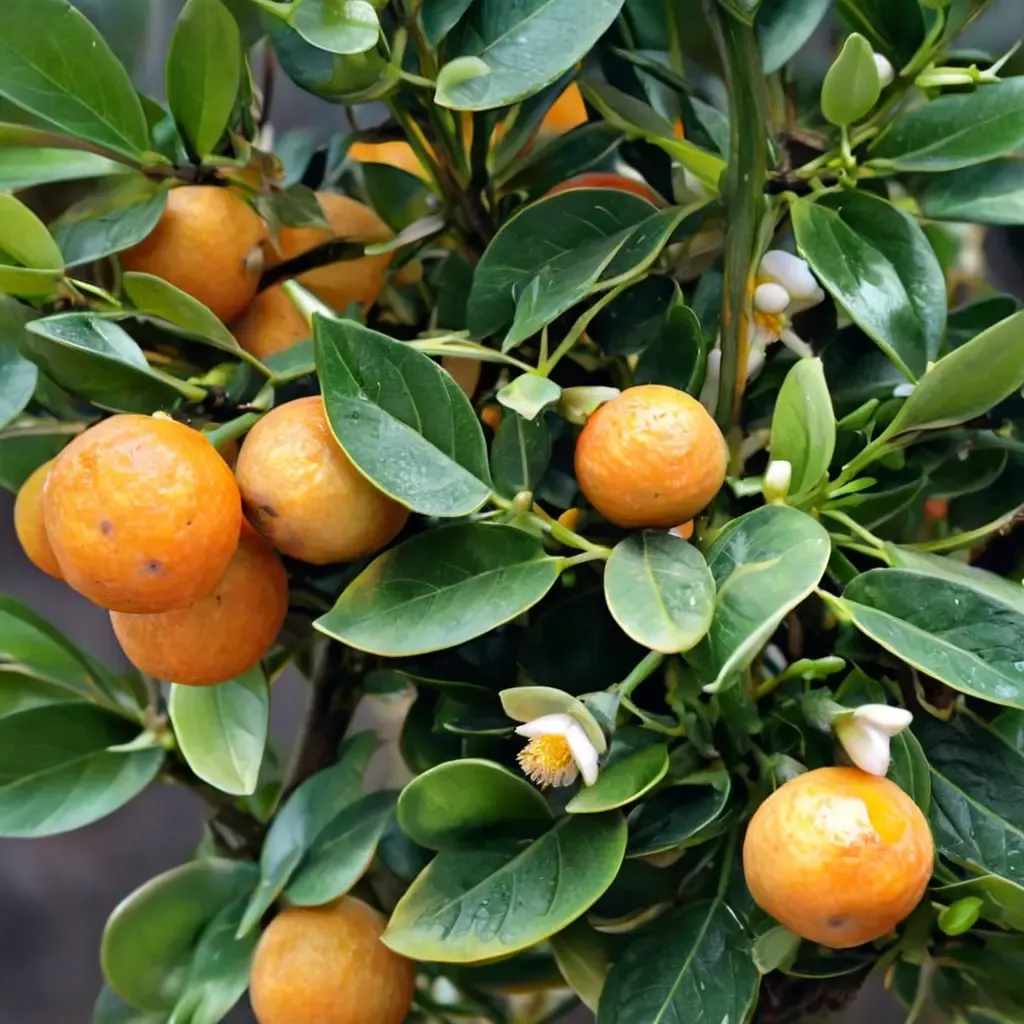
Calamondin
Citrus mitis
Keep exploring
Explore the genus
Hardy in your zone?
Grow Bitter Orange with confidence
See it in a design of your actual yard, get zone-matched care reminders, and track it season by season in your garden journal.