The Story
Plant Bio
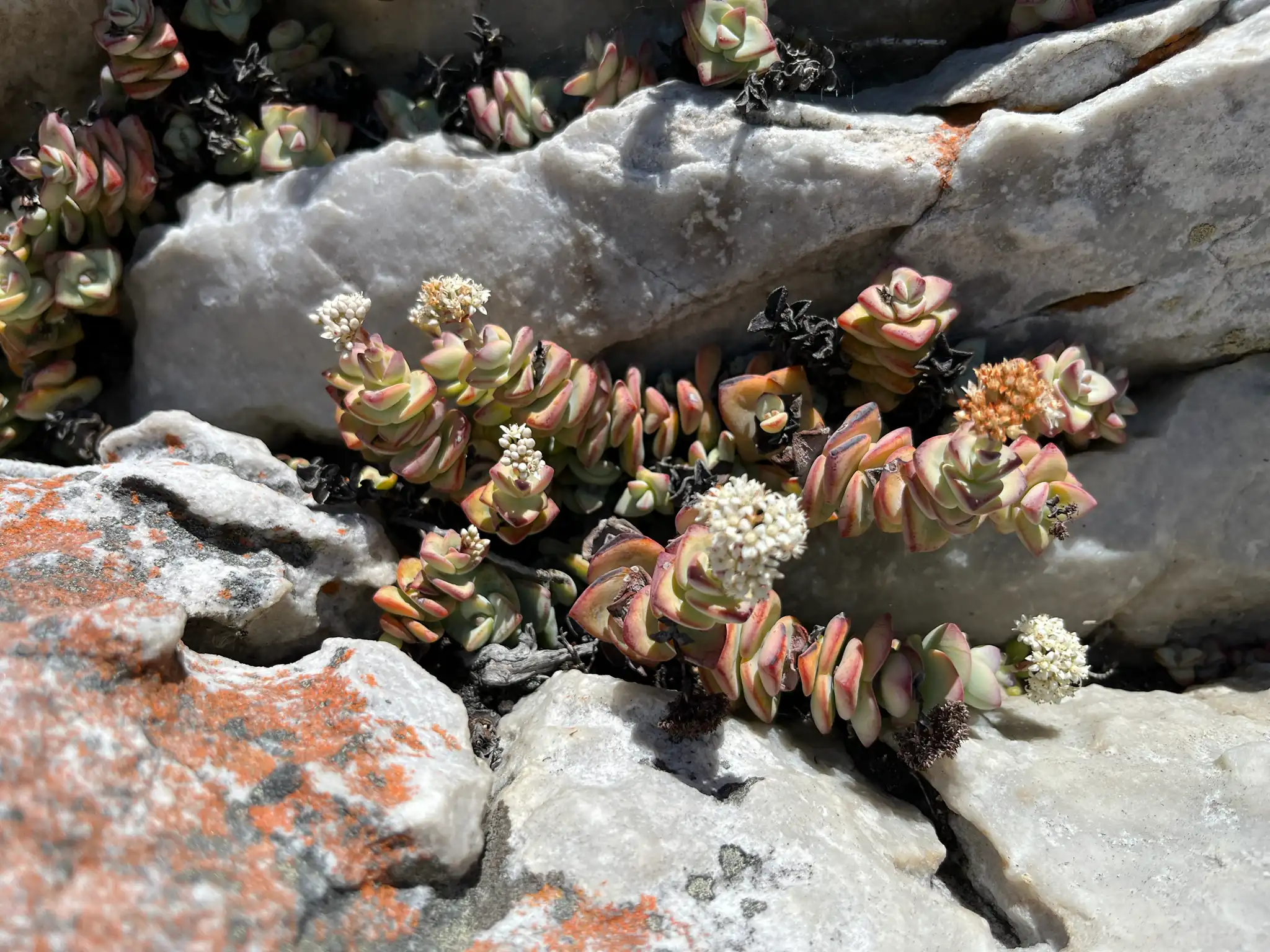
Crassula rupestris is a much-branched succulent shrublet from hot dry rocky ground in southern Namibia and the Cape Provinces, with stems fleshy at the tips and woody below that grow erect then spread and trail. The opposite grey-green leaves stack tightly up the stem in fours, and dense terminal clusters of small five-petalled pink to white stars open in spring and summer.
The leaves are triangular-ovate and blue-green with a horny red to yellow margin that deepens in summer heat as chlorophyll recedes from the edge. Growth is very slow and summer-resting, forming a beaded mound that lives for decades and roots more slowly from wood than other crassulas.
Uses & Benefits:
Essentials
At a Glance
Plant Type
Cactus Succulent
Height
10"
Width
12"
Light
Full Sun, Partial Sun
Zones
9, 10
Water
Low
Humidity
Low, dislikes humid air
Lifespan
60+ years
Native To
Southern Namibia and Cape Provinces, South Africa
Toxicity
Conflicting - listed as non-toxic and as mildly toxic to pets
Bloom period
Spring – Summer
In flower about 6 months of the year
Planting
How to Grow
- Pot in very gritty, fast-draining sandy loam in a pot about 30 percent wider than the root ball with a drainage hole.
- Place in full sun to bright indirect light, such as a sunny window, to keep growth dense and beaded.
- Water deeply only when the soil is dry through the top inch, then let it dry again; keep it drier while it rests in summer.
- Protect from hard frost; bring pots indoors before temperatures near 20F and keep the air dry, not humid.
- Repot only every few years and handle stems gently to keep the stacked leaves intact.
Pro Tip
Water deeply only when the mix is dry right through, then keep it dry; summer reddening and resting are normal and not a sign to water more.
Keep It Thriving
Care Guide
Do
- Give full sun to bright indirect light to keep the beads tight.
- Use a very porous gritty mix with excellent drainage.
- Water deeply only when dry and reduce water during summer rest.
Don't
- Do not overwater or leave the pot sitting in water.
- Do not use malathion on Crassulaceae; it injures the plant.
- Do not bury the dust-like seed; sow it on the surface.
Seasonal Care Calendar
| Task | Jan | Feb | Mar | Apr | May | Jun | Jul | Aug | Sep | Oct | Nov | Dec |
|---|---|---|---|---|---|---|---|---|---|---|---|---|
| Pest Check | ||||||||||||
| Plant | ||||||||||||
| Propagate | ||||||||||||
| Winter Prep |
Watch Out For
Pests & Diseases
Common Pests
Common Diseases
In the Garden
Landscape Uses & Companions
Landscape Uses
Companion Plants
Multiply
Propagation Methods
Good to Know
Common Questions
Buttons On A String questions
What zones can Buttons On A String grow in?
Buttons On A String is hardy in USDA Zones 9–10: in that range it survives winter in the ground. Colder than Zone 9, grow it in a container you can move to shelter for the winter, or as an annual.
When does Buttons On A String bloom?
Buttons On A String typically blooms from spring to summer. Exact timing shifts a week or two with your zone — Sow's bloom calendar maps it to your garden.
Does Buttons On A String need full sun?
Buttons On A String does best in full sun to part shade. In hot climates, afternoon shade keeps blooms fresher longer.
Is Buttons On A String drought tolerant?
Yes — once established (usually after the first full season), Buttons On A String handles dry spells with minimal watering. Water deeply its first year to build the root system that makes that possible.
More Crassula to compare
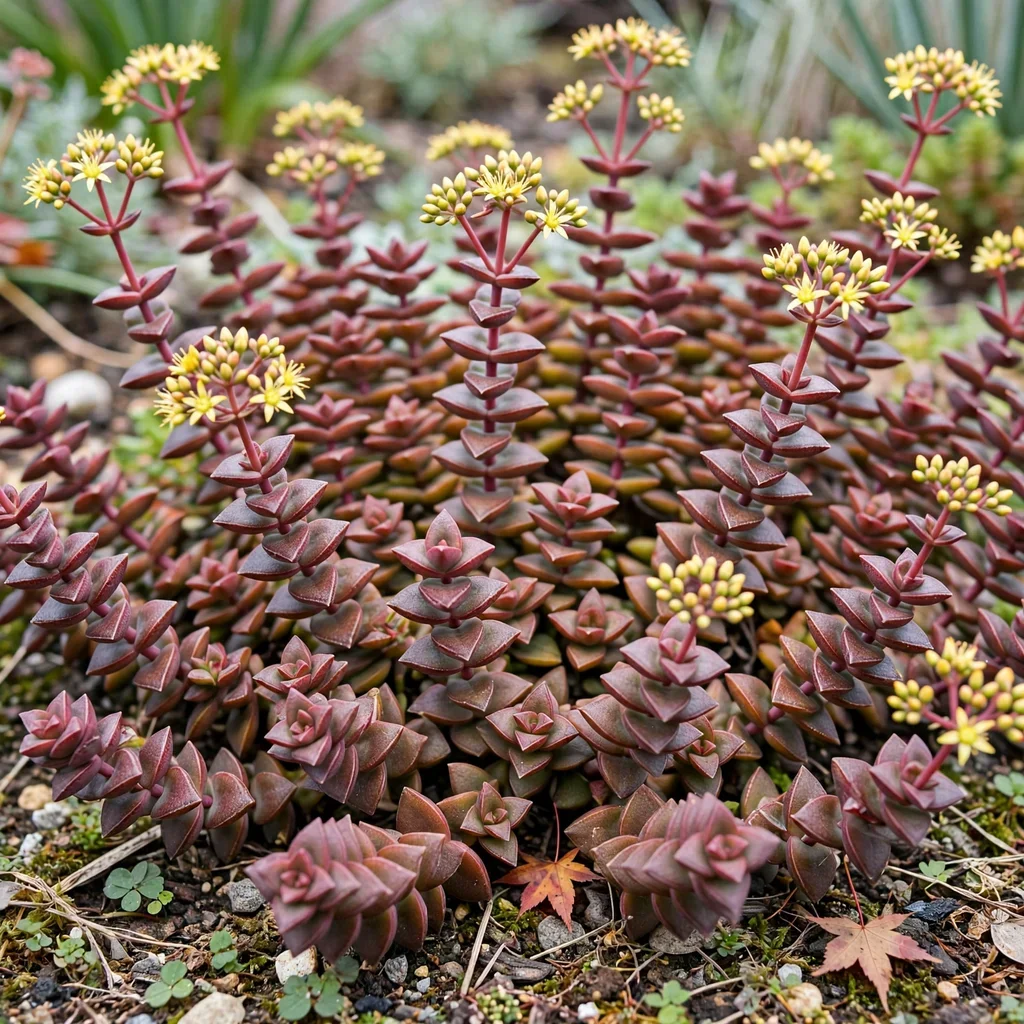
Small Red Carpet String of Buttons
Crassula perforata 'Small Red Carpet'
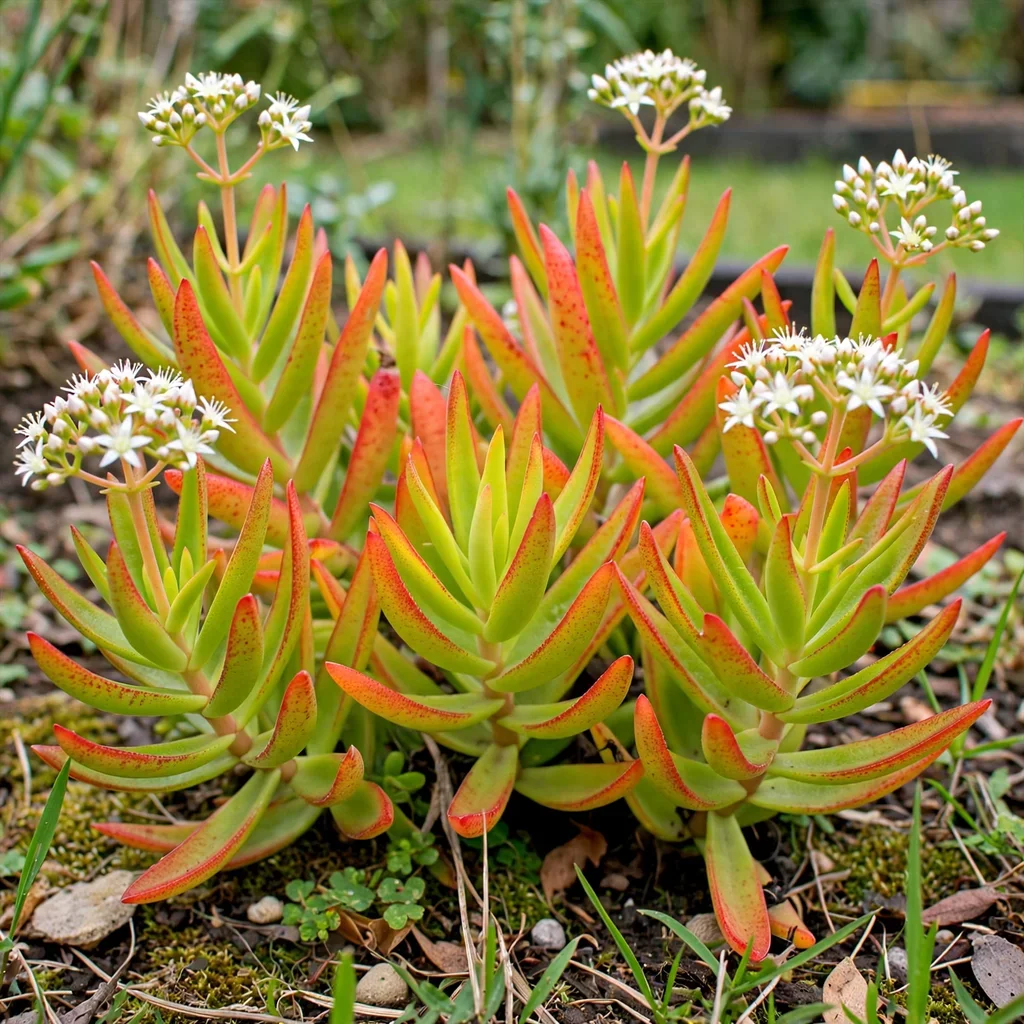
Campfire Crassula
Crassula erosula 'Campfire'
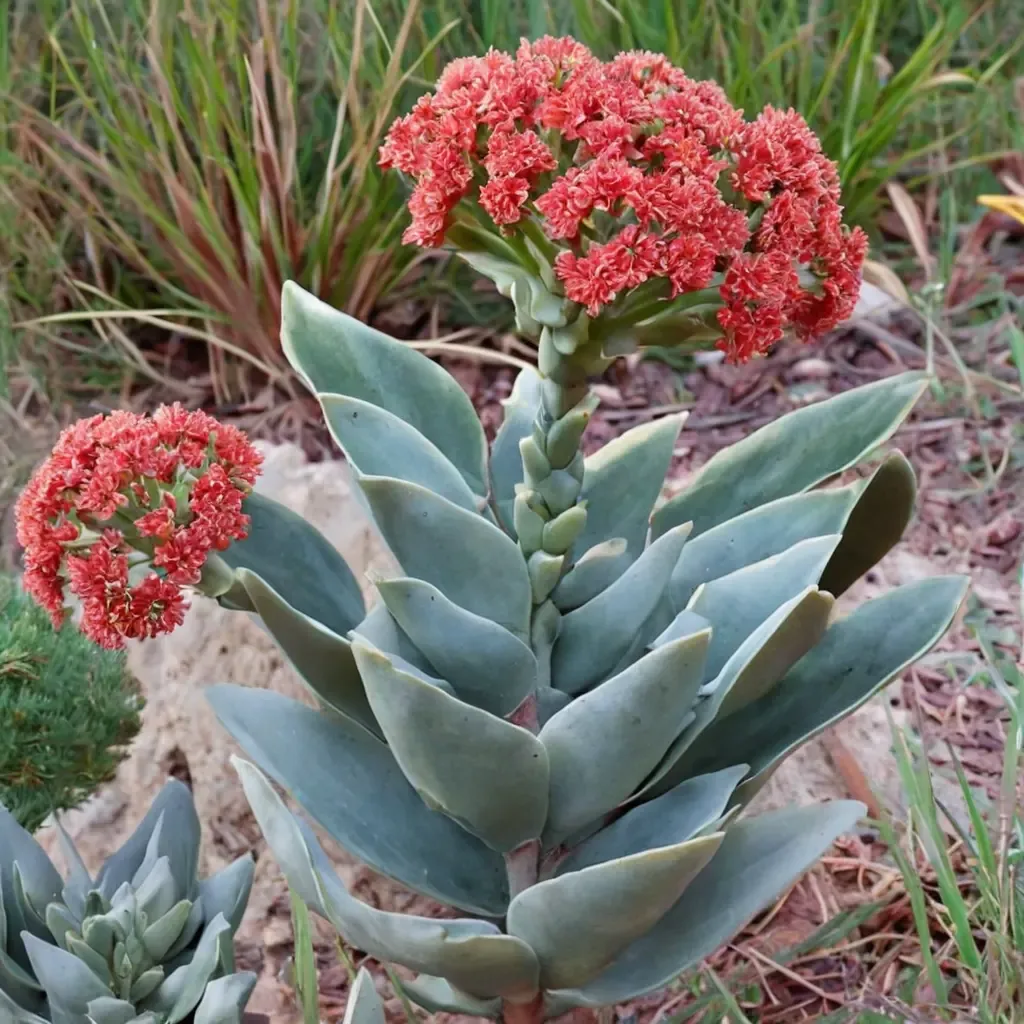
Propeller Plant
Crassula falcata
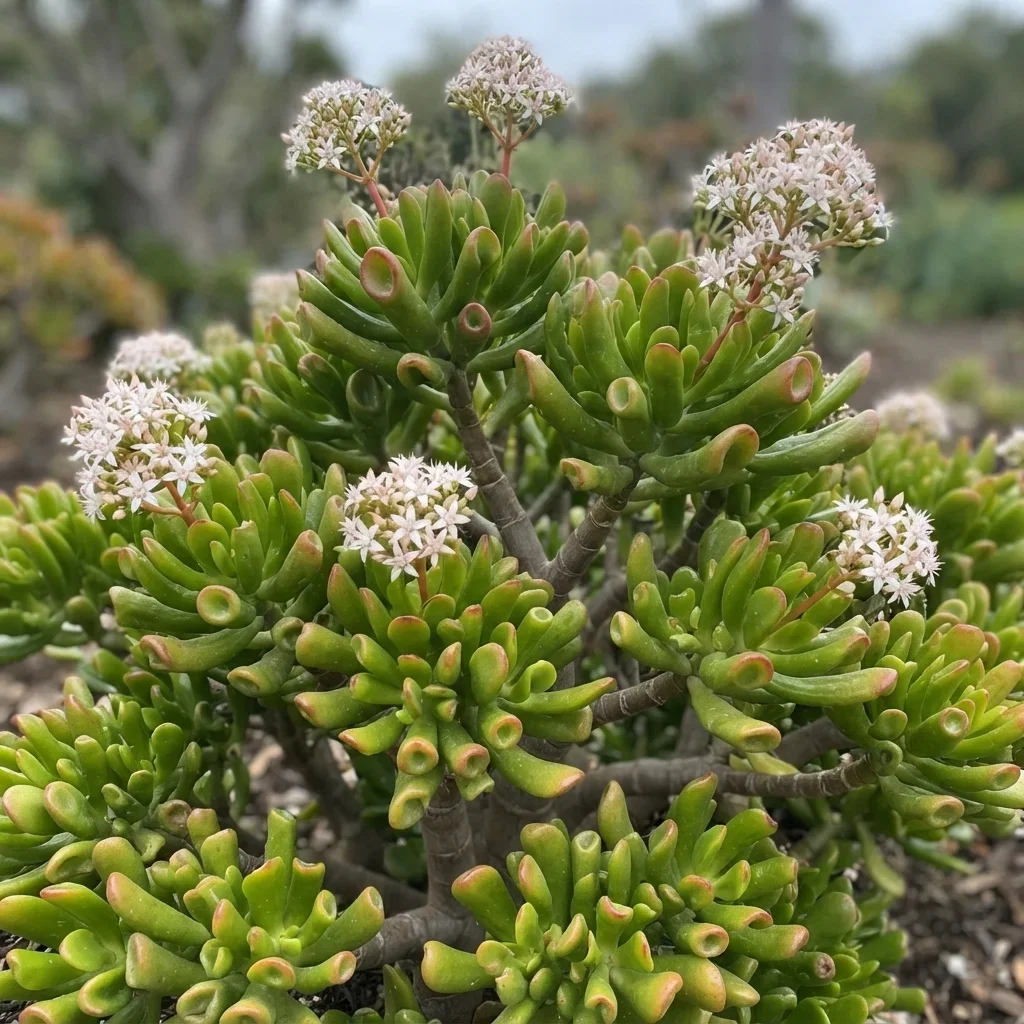
Hobbit Jade Plant
Crassula ovata 'Hobbit'
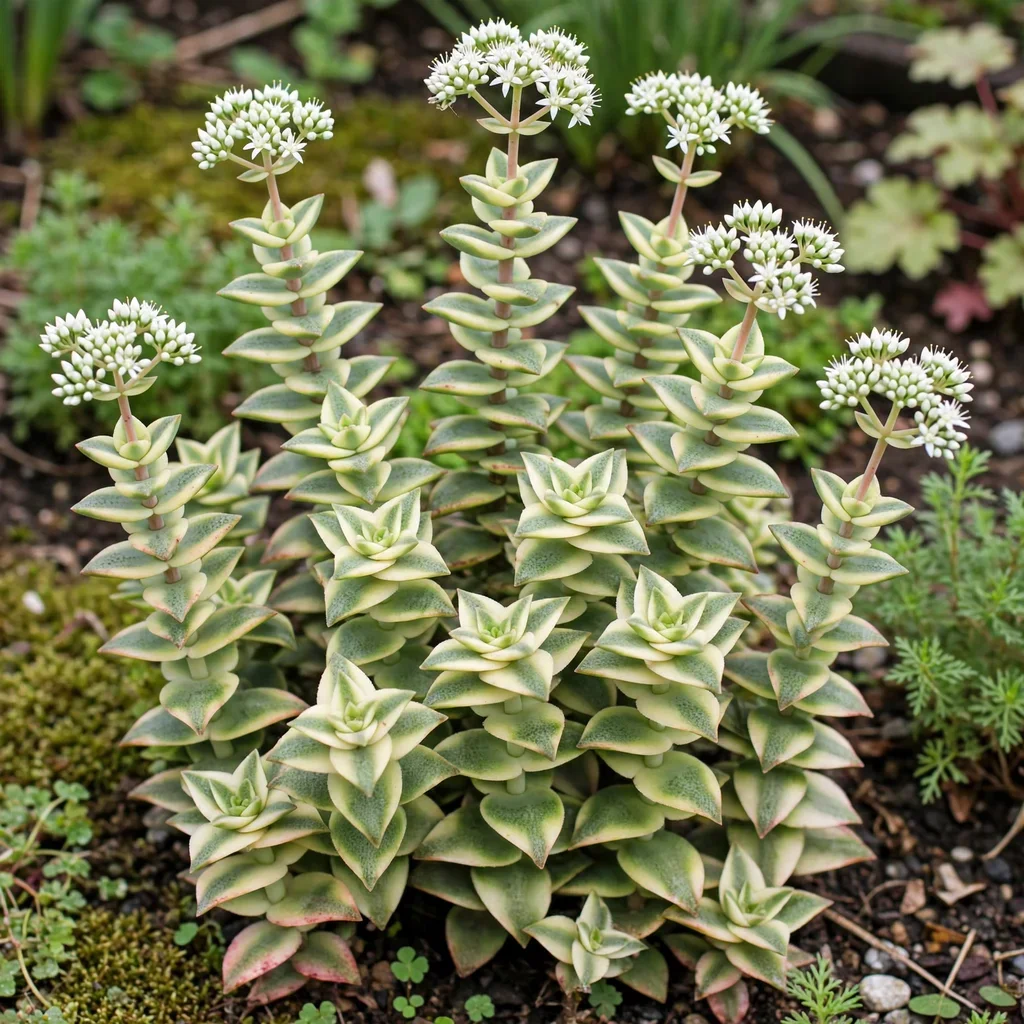
Variegated Red Pagoda
Crassula capitella 'Variegata'
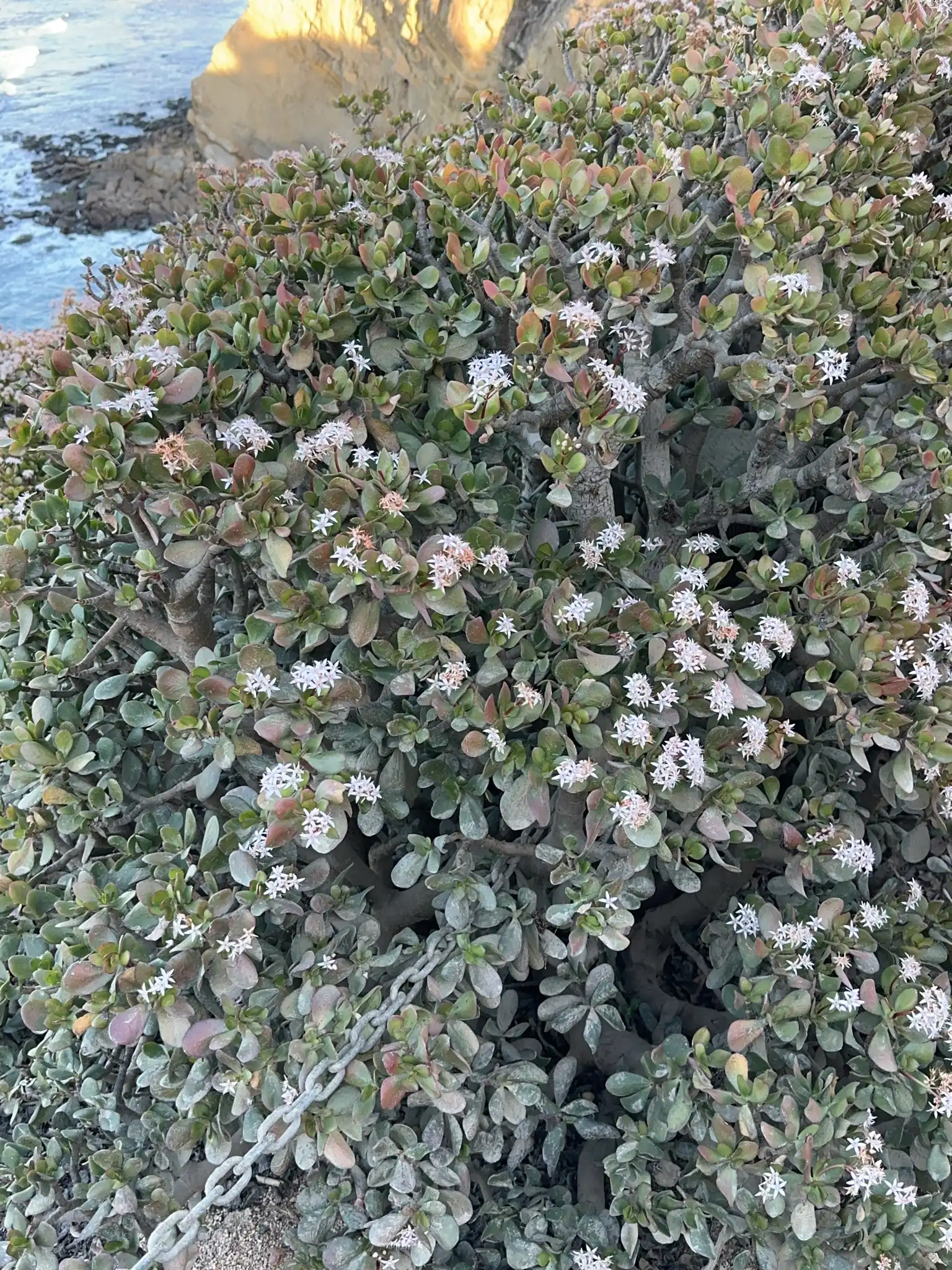
Jade Plant
Crassula ovata
Keep exploring
Explore the genus
Hardy in your zone?
Grow Buttons On A String with confidence
See it in a design of your actual yard, get zone-matched care reminders, and track it season by season in your garden journal.