The Story
Plant Bio
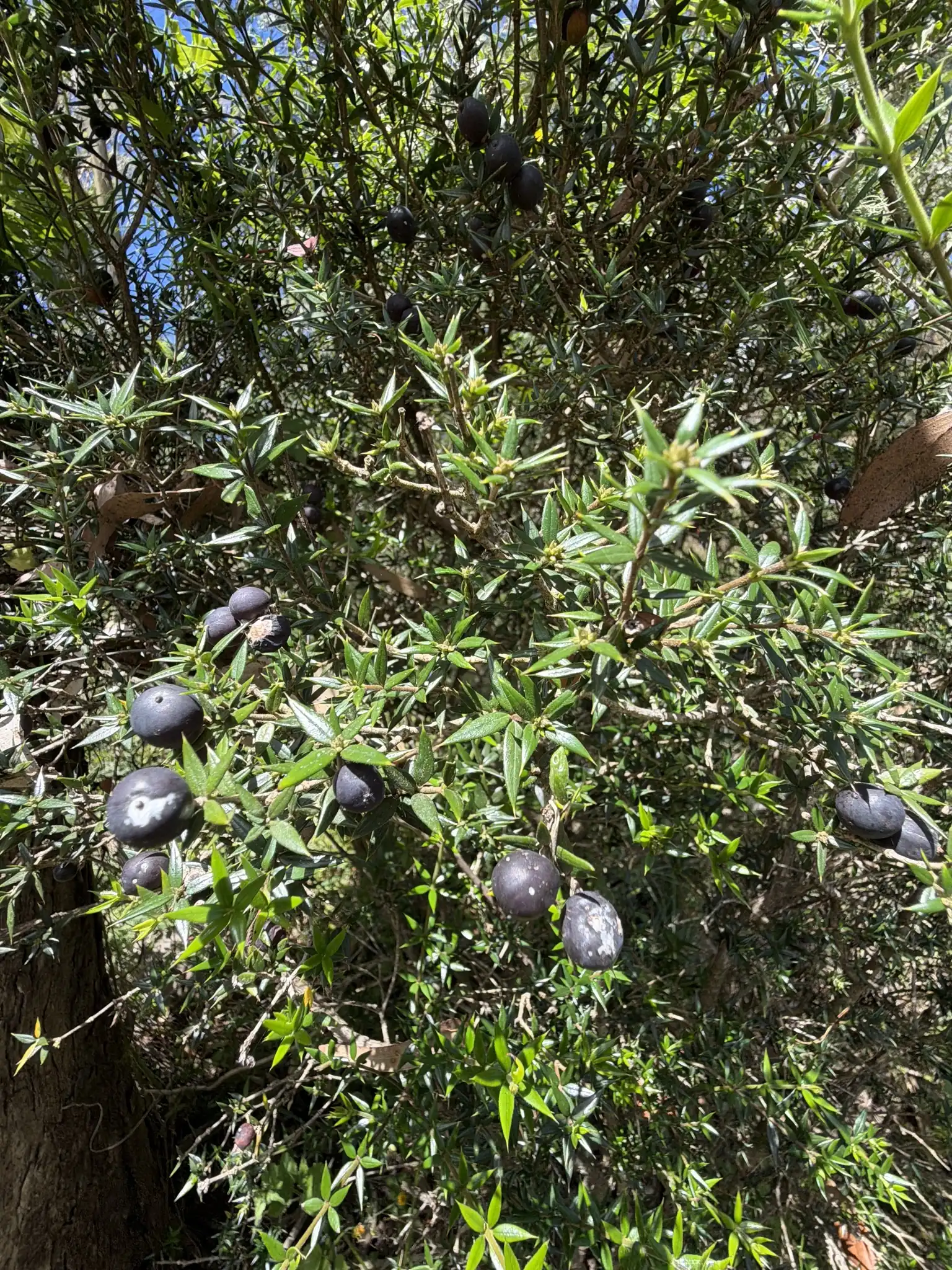
Alyxia ruscifolia, known as chain fruit, is a rigid evergreen shrub native to eastern Australian rainforest understories and coastal thickets. It features thick, glossy dark green foliage with sharp, spiny tips and small, intensely fragrant white tubular flowers that bloom in clusters from spring through summer.
The species is distinguished by its vivid orange-to-red drupes that join together in short, linked pairs or chains as they mature. Its spiky leaf apices create a natural physical barrier, while the branches yield a toxic milky latex sap characteristic of the dogbane family.
Uses & Benefits:
Essentials
At a Glance
Plant Type
Shrub
Height
98"
Width
79"
Light
Partial Sun, Shade
Zones
10
Water
Low to Moderate
Humidity
High
Lifespan
Perennial
Native To
Australia, New Guinea
Toxicity
Toxic sap; sharp leaf spines
Bloom period
Spring – Summer
In flower about 6 months of the year
Planting
How to Grow
- Select a planting container with multiple drainage holes and fill it with an open, gritty potting mixture rich in organic matter.
- Position the container in dappled shade, partial shade, or bright morning sun while shielding the foliage from intense direct afternoon heat.
- Water thoroughly until liquid drains from the bottom, then allow the top inch of soil to dry before watering again.
- Apply a balanced or low-phosphorus slow-release fertilizer once in early spring as new shoots emerge.
- Bring containers indoors to a bright, frost-free greenhouse or sunroom before outdoor night temperatures drop below 40°F.
Pro Tip
Tip-prune lightly behind spent flower clusters to maintain density; cutting back into old, leafless woody stems will kill those stems, as bare wood lacks dormant buds to push new growth.
Keep It Thriving
Care Guide
Do
- Provide excellent soil drainage to protect root systems from stagnant moisture.
- Wear gloves and protective eyewear when pruning to avoid contact with spiny leaf tips and milky sap.
- Position plants where evening fragrances can be appreciated near seating areas or outdoor walkways.
Don't
- Do not prune hard into old, leafless woody branches that cannot regenerate new shoots.
- Do not overwater or leave container saucers filled with standing water.
- Do not plant along high-traffic paths where adults, children, or pets might brush against the spiny leaf tips.
Seasonal Care Calendar
| Task | Jan | Feb | Mar | Apr | May | Jun | Jul | Aug | Sep | Oct | Nov | Dec |
|---|---|---|---|---|---|---|---|---|---|---|---|---|
| Fertilize | ||||||||||||
| Pest Check | ||||||||||||
| Prune | ||||||||||||
| Winter Prep |
Watch Out For
Pests & Diseases
Common Pests
Common Diseases
In the Garden
Landscape Uses & Companions
Landscape Uses
Multiply
Propagation Methods
Good to Know
Common Questions
Chain Fruit questions
What zones can Chain Fruit grow in?
Chain Fruit is hardy in USDA Zone 10: in that range it survives winter in the ground. Colder than Zone 10, grow it in a container you can move to shelter for the winter.
When does Chain Fruit bloom?
Chain Fruit typically blooms from spring to summer. Exact timing shifts a week or two with your zone — Sow's bloom calendar maps it to your garden.
Does Chain Fruit need full sun?
Chain Fruit does best in part shade.
Is Chain Fruit drought tolerant?
Yes — once established (usually after the first full season), Chain Fruit handles dry spells with minimal watering. Water deeply its first year to build the root system that makes that possible.
More Alyxia to compare
Keep exploring
Explore the genus
Hardy in your zone?
Grow Chain Fruit with confidence
See it in a design of your actual yard, get zone-matched care reminders, and track it season by season in your garden journal.