The Story
Plant Bio
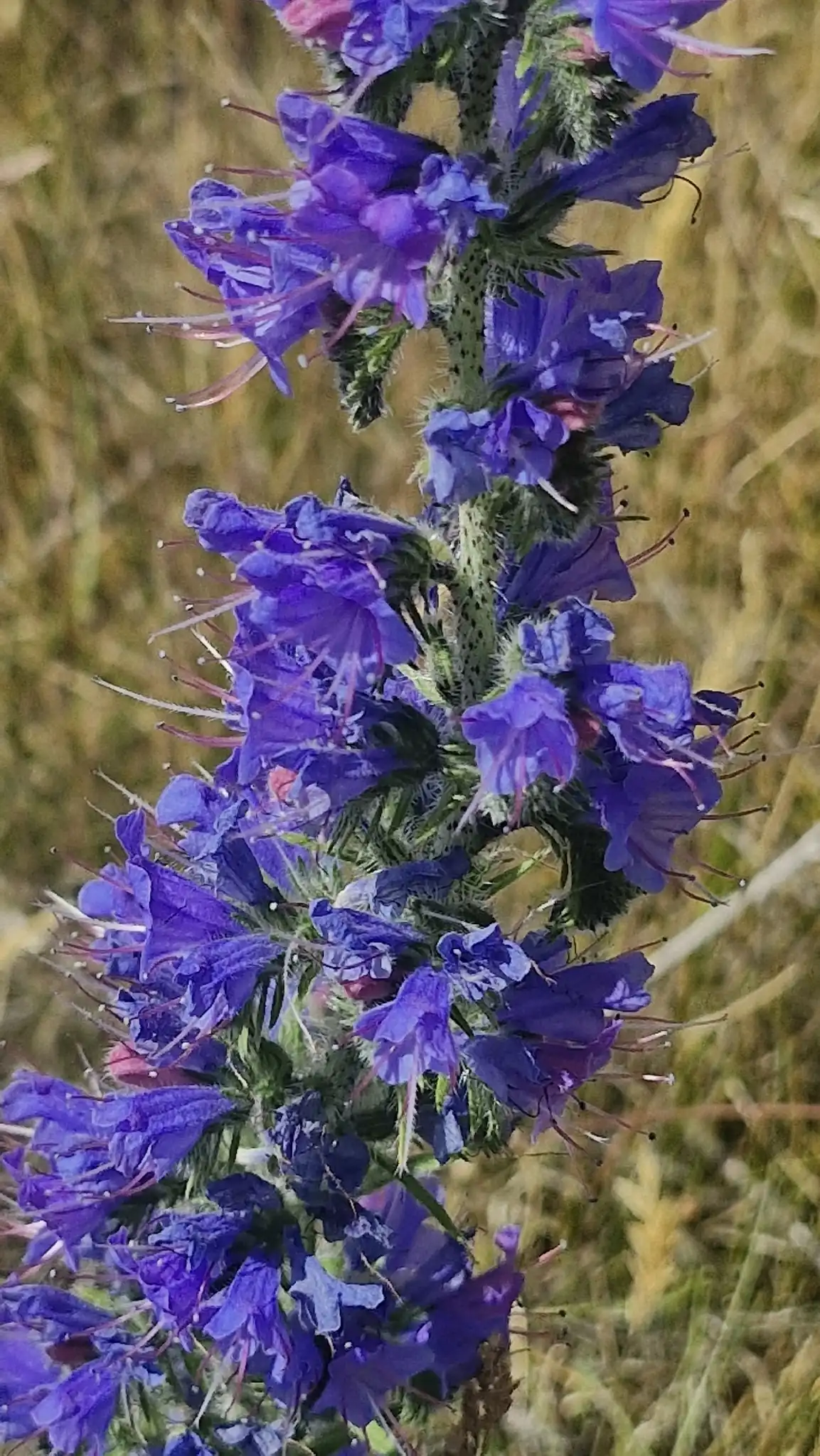
Echium vulgare is an upright biennial that produces a flat rosette of bristly, lance-shaped leaves in its first year, followed by erect flowering stems reaching 12 to 30 inches tall. The funnel-shaped blossoms open pink in bud before maturing to deep ultramarine blue along coiled, one-sided spikes.
The bright blue flowers feature protruding red stamens and blue pollen that attract large numbers of native bees and butterflies. Stiff, white-speckled hairs cover the stems and foliage, providing drought tolerance while deterring browsing animals.
Uses & Benefits:
Essentials
At a Glance
Plant Type
Perennial
Height
30"
Width
18"
Light
Full Sun
Zones
4, 5, 6, 7, 8
Water
Low
Humidity
Moderate
Lifespan
Biennial
Native To
Europe and temperate Asia
Toxicity
Toxic to livestock; causes contact dermatitis
Bloom period
Late spring – Summer
In flower about 4 months of the year
Planting
How to Grow
- Select a site in full sun with dry, gravelly, or sandy soil that drains rapidly.
- Sow seeds directly onto the soil surface in spring or autumn, pressing them lightly into the ground without covering.
- Water lightly to aid establishment, then withhold supplemental irrigation once rosettes form.
- Avoid applying fertilizers or rich soil amendments to maintain compact, sturdy stem growth.
- Cut spent flowering stalks back to the basal rosette before seeds set to prevent invasive self-seeding.
Pro Tip
Plant in poor, dry, sharply drained soil; adding organic fertilizer or compost causes stems to flop and leads to winter root rot.
Keep It Thriving
Care Guide
Do
- Grow in full sun and sharply drained soil
- Wear gloves when handling stems to prevent skin irritation
- Cut back spent flowering spikes before seeds ripen
Don't
- Do not fertilize or enrich soil with compost
- Do not plant in soggy or heavy winter soils
- Do not prune beneath the basal leaf rosette
Seasonal Care Calendar
| Task | Jan | Feb | Mar | Apr | May | Jun | Jul | Aug | Sep | Oct | Nov | Dec |
|---|---|---|---|---|---|---|---|---|---|---|---|---|
| Pest Check | ||||||||||||
| Plant | ||||||||||||
| Prune | ||||||||||||
| Winter Prep |
Watch Out For
Pests & Diseases
Common Pests
Common Diseases
In the Garden
Landscape Uses & Companions
Landscape Uses
Multiply
Propagation Methods
Good to Know
Common Questions
Viper's Bugloss questions
What zones can Viper's Bugloss grow in?
Viper's Bugloss is hardy in USDA Zones 4–8: in that range it survives winter in the ground. Warmer than Zone 8, winter isn't the problem: it prefers colder winters, and summer heat can shorten its life.
Is Viper's Bugloss deer resistant?
Yes — Viper's Bugloss is rated deer-resistant. Deer typically pass it over, though extreme hunger can override any plant's defenses.
When does Viper's Bugloss bloom?
Viper's Bugloss typically blooms from late spring to late summer. Exact timing shifts a week or two with your zone — Sow's bloom calendar maps it to your garden.
Does Viper's Bugloss need full sun?
Viper's Bugloss does best in full sun (6+ hours).
Is Viper's Bugloss drought tolerant?
Yes — once established (usually after the first full season), Viper's Bugloss handles dry spells with minimal watering. Water deeply its first year to build the root system that makes that possible.
More Echium to compare
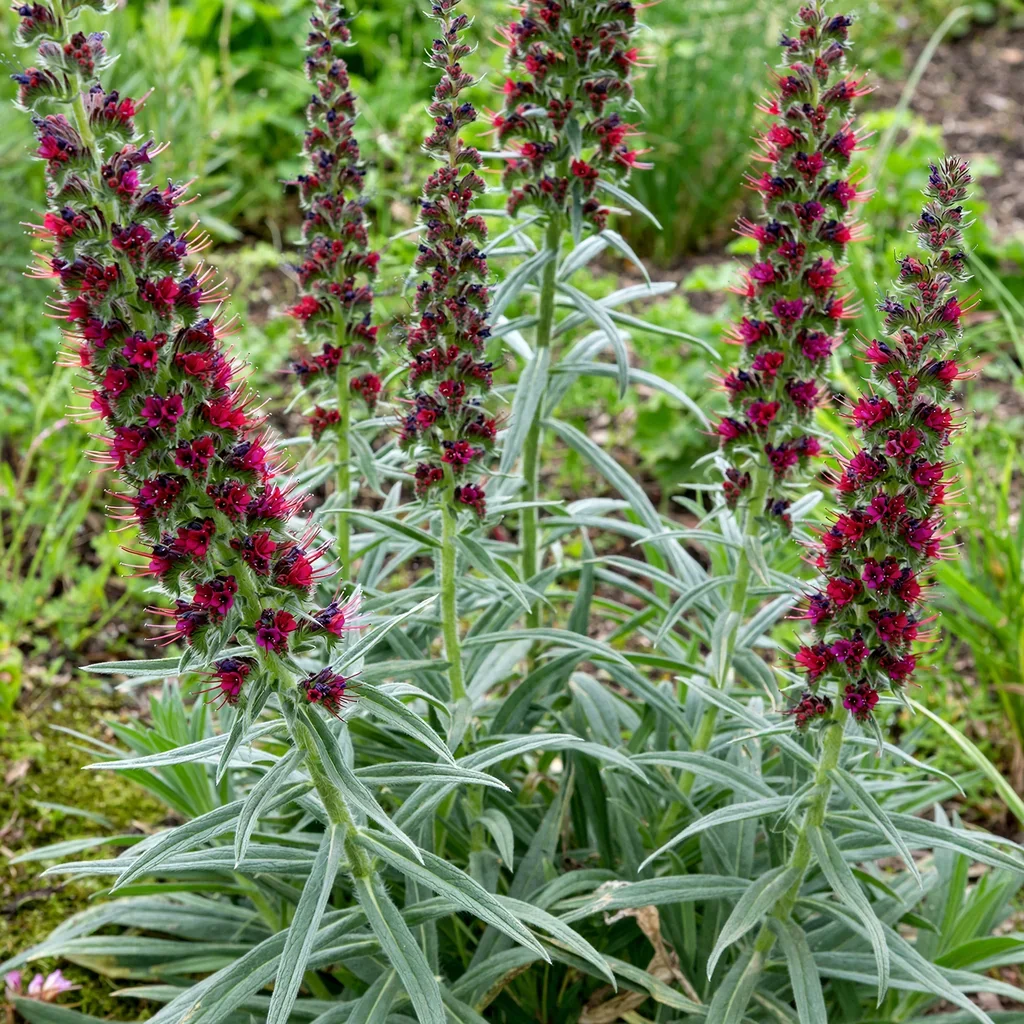
Russian Viper's Bugloss
Echium russicum
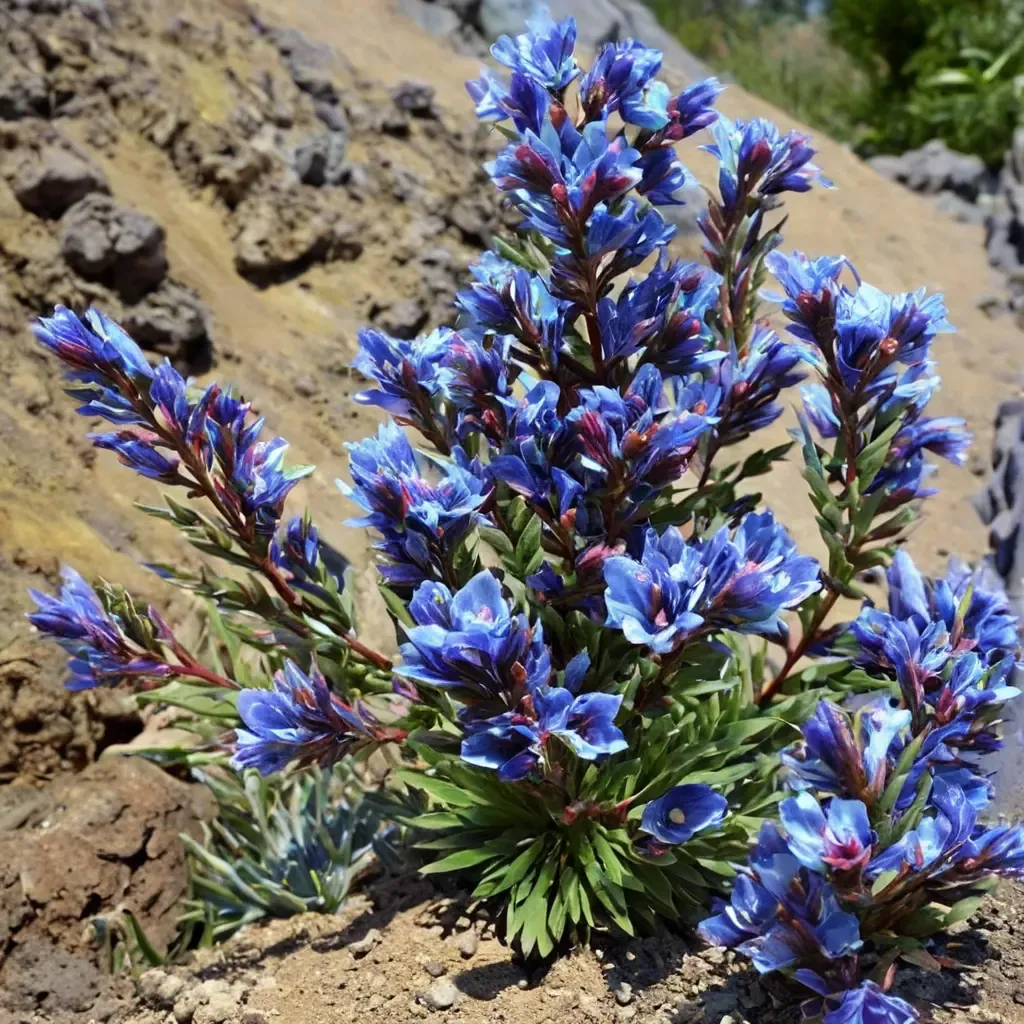
Pride of Gran Canaria
Echium gentianoides
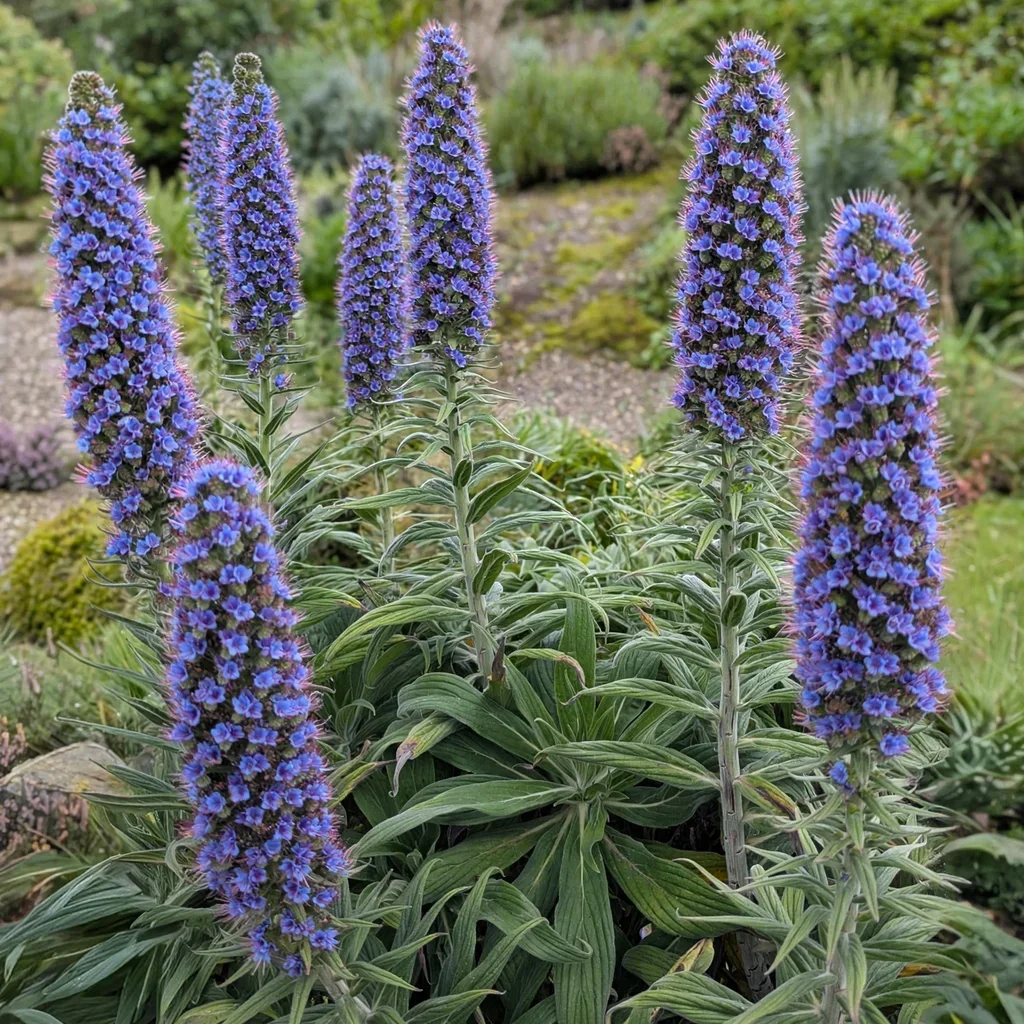
Webb's Viper's Bugloss
Echium webbii
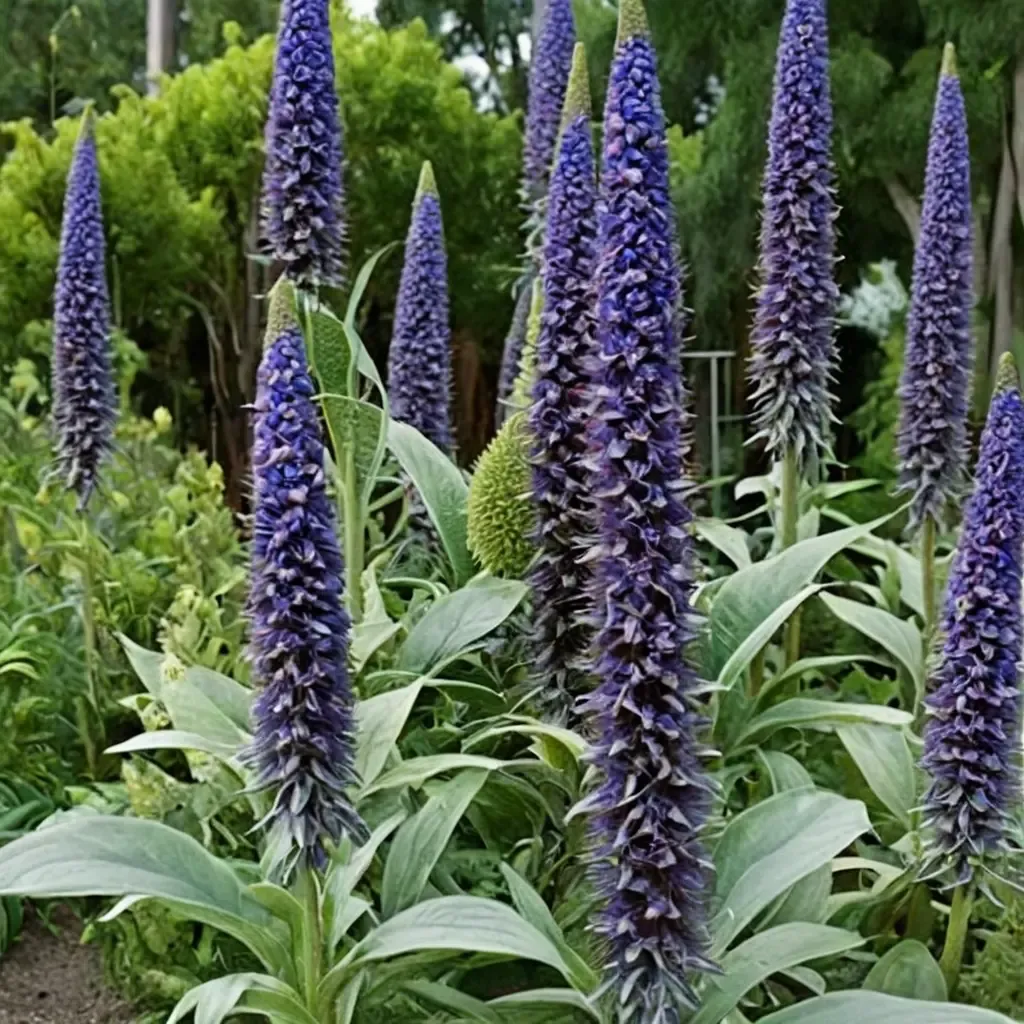
Tower of Jewels
Echium pininana 'Blue Steeple'
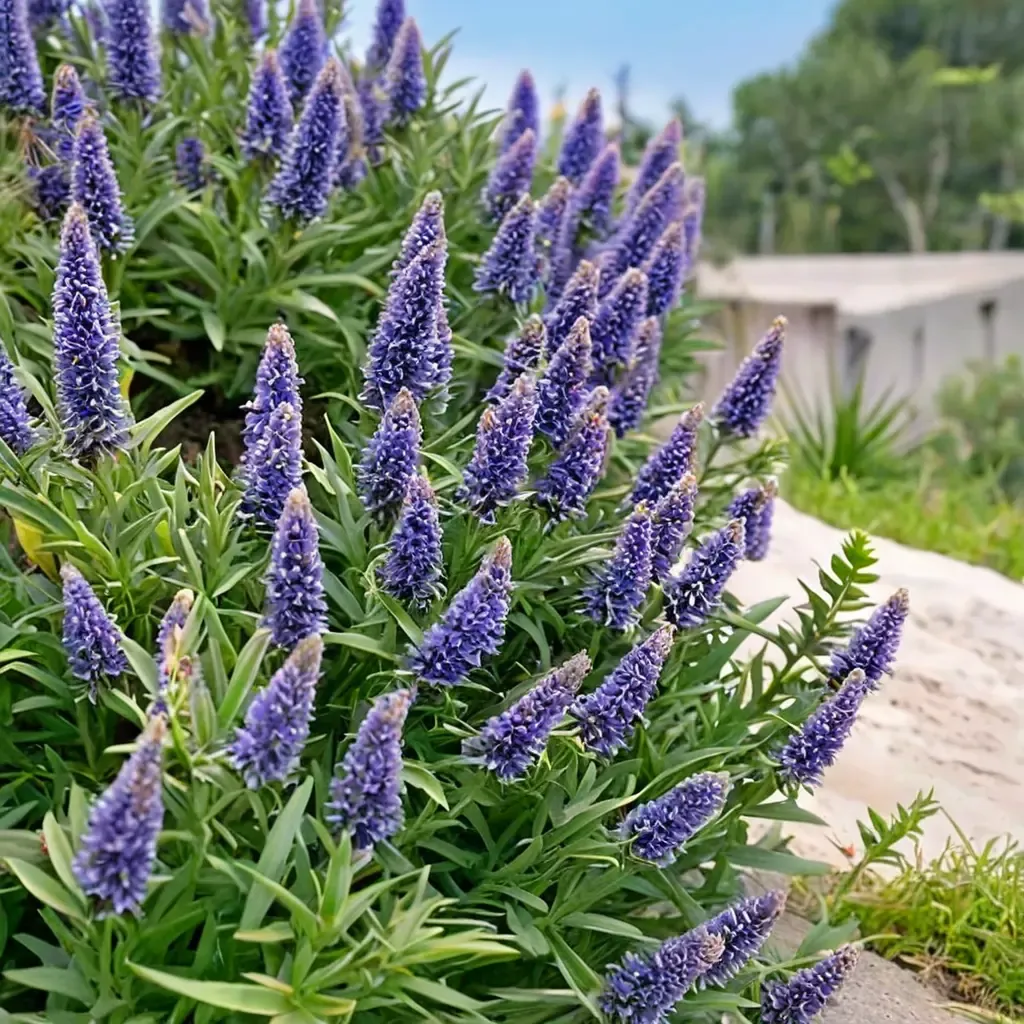
Pride of Madeira
Echium fastuosum
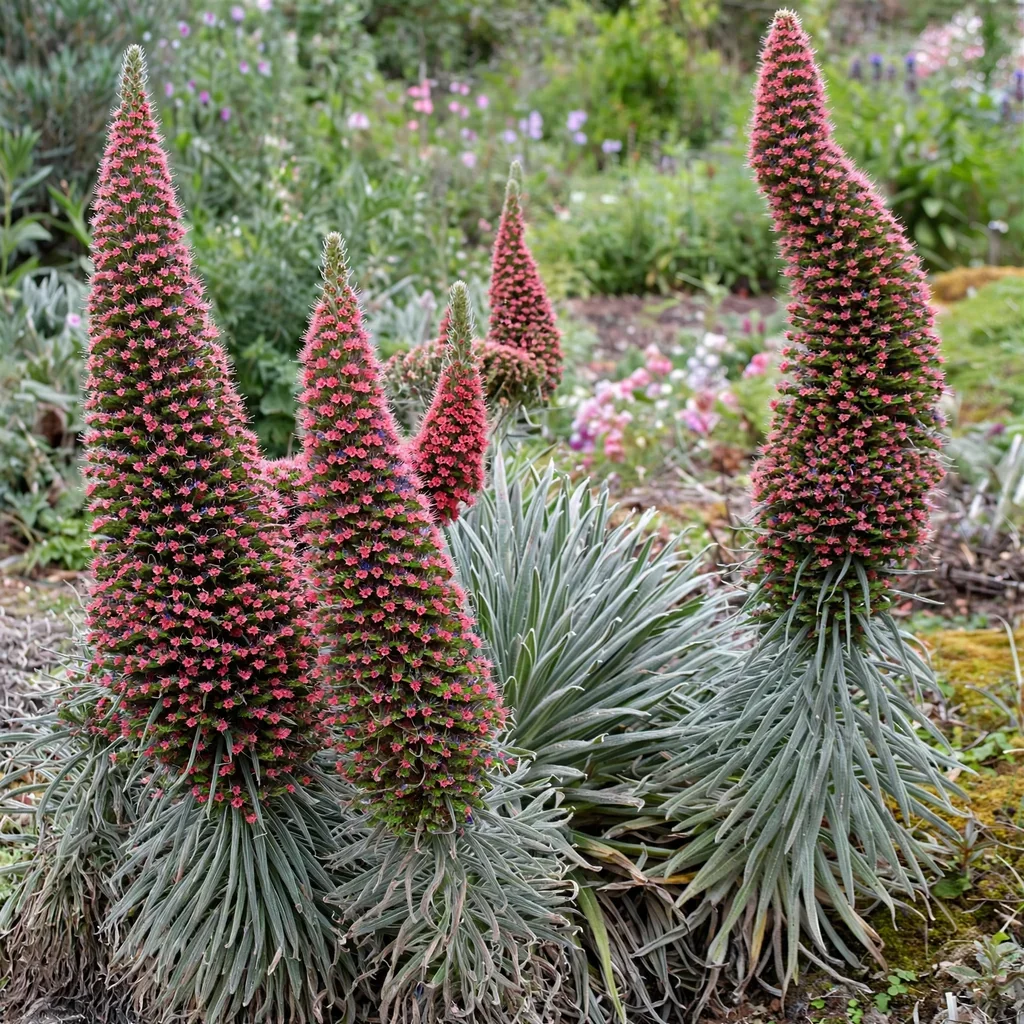
Tenerife bugloss
Echium wildpretii
Keep exploring
Explore the genus
Hardy in your zone?
Grow Viper's Bugloss with confidence
See it in a design of your actual yard, get zone-matched care reminders, and track it season by season in your garden journal.